2027 Fastest Online Master's in Special Education Degree Programs Ranking in the South

Co-Founder and Chief Data Scientist
Choosing the right online master's program in special education can feel overwhelming, especially when time is a factor. This article presents the 2027 Fastest Online Master's in Special Education Degree Programs Ranking in the South, developed by the Research.com team of data scientists to help you make an informed decision.
Discover programs that balance speed and quality, so you can start making a difference in students' lives sooner. Earning this degree opens rewarding career paths and personal growth. Let this guide support your journey toward a meaningful future in special education.
Key benefits of getting online special education degree in the South
- Special education graduates in the South can expect rewarding careers with average US salaries around $61,000 annually, reflecting the meaningful impact of their work with diverse learners.
- Career paths often include roles like special education teacher, instructional coordinator, or advocate, as seen with graduates from the University of North Carolina, which offers strong regional connections.
- Online degrees, such as those from the University of Florida, allow flexible study schedules and lower commuting costs, making it easier to balance life while advancing your career.
- 2027 Fastest Online Master's in Special Education Degree Programs Ranking in the South
- What can I expect from online special education degree in the South?
- Where can I work with online special education degree in the South?
What can I expect from online special education degree in the South?
The average cost of an online special education degree in the South generally ranges from affordable to moderately priced, especially when compared to on-campus options. Graduates from popular Southern institutions often share how attending a public university nearby allowed them to benefit from in-state tuition rates, keeping expenses manageable. For example, many find that tuition for these programs falls between $300 and $600 per credit hour, translating to roughly $9,000 to $21,600 in total for the required 30 to 36 credit hours.
This affordability is crucial for students balancing work and family, as it reduces financial stress during their studies. Additionally, many universities offer scholarships and financial aid specifically for special education candidates, which several graduates recall as a game-changer in completing their degree without overwhelming debt.
Choosing a well-established Southern school means you can expect cost transparency and support resources, making the investment feel practical and worthwhile as you prepare for a stable, rewarding career helping children with special needs.
Where can I work with online special education degree in the South?
Graduates with an online special education degree from Southern universities such as the University of Florida or Texas A&M often find themselves well-prepared for classroom roles in public K-12 schools. These familiar settings offer steady employment, where teachers collaborate with professionals like speech therapists and psychologists to tailor learning for students' unique needs.
Many graduates share how working with state education agencies, for example, in Florida or Texas, opens doors beyond teaching-developing Individualized Education Programs (IEPs) or supporting behavioral interventions. This teamwork builds confidence and strong professional networks.
Others highlight career flexibility by joining private schools or specialized institutions in Georgia or North Carolina, where they design customized curriculums and provide focused support. This variety lets graduates pursue roles that fit their passions and skills.
Positions such as education coordinator or transition specialist within large districts like Houston ISD create meaningful opportunities to influence student success beyond academics. Graduates often feel motivated by the direct impact they have guiding students toward independent, fulfilling futures.
Graduates with an online special education degree in the South typically see starting salaries between $50,000 and $60,000, reflecting regional cost of living. For example, recent alumni from universities like the University of North Carolina or Florida State University report beginning salaries near $55,000, which is slightly below the national median but offers a strong foundation for growth.
Professionals who pursue a master's degree often experience salary boosts of 10% to 15%, moving their annual earnings into the $55,000 to $70,000 range. Many Southern graduates find opportunities in roles like lead teacher or coordinator, which can push compensation closer to $65,000 annually, especially in states such as Virginia or North Carolina.
With experience beyond five years and additional certifications, some special education teachers rise to six-figure incomes in urban or well-funded districts. This progression aligns with reports from Southern school districts where seasoned educators embrace leadership roles, combining passion for their work with rewarding salaries.
Graduates frequently share how obtaining their degree online allowed them to balance family and work while steadily advancing financial stability, underscoring how a special education degree from respected Southern colleges can be both practical and fulfilling.
- Online special education master's programs in the South cover key topics like behavior management, individualized education plans, and inclusive teaching.
- Average tuition for these programs ranges from $10,000 to $25,000, generally lower than national averages in states such as Texas, Florida, and Georgia.
- Starting salaries for graduates typically range from $45,000 to $50,000 per year, increasing to around $60,000 with experience.
- Job growth for special education teachers in the South is steady, with an 8% employment increase projected nationwide through 2031.
- Many Southern states require licensure or certification, which online programs include to prepare students for state exams.
- Top programs offer support for practicum placements, helping students gain local hands-on experience essential for licensure.
Completing an online special education degree in the South usually takes about two years when studying full-time. For example, graduates from the University of Alabama and Vanderbilt University often report finishing their programs within 18 to 24 months. This timeframe fits well for those balancing coursework with personal or work commitments. If you're managing a busy schedule, part-time study can extend your timeline to around three years, allowing flexibility without overwhelming your daily life.
Accelerated programs are a practical choice if you want to finish sooner. Some Southern schools offer intensive formats that can reduce completion to just 12 months by packing coursework into shorter semesters. Graduates who already hold teaching credentials sometimes use alternative certification tracks to finish faster, making this approach ideal for experienced educators.
Remember to factor in practicum hours or fieldwork, which add time but provide essential hands-on experience. Many Southern programs have partnerships with local schools to ease this requirement, helping you gain practical skills close to home.
Deciding between online and on-campus special education degrees in the South comes down to how you want to manage your time and hands-on experience. Graduates from Southern institutions like the University of Alabama often praise online programs for their flexibility, letting them juggle family or work alongside coursework through video lectures and discussion boards. This suits those facing long commutes or living in rural areas, where campus visits are difficult.
Conversely, graduates from schools such as the University of North Carolina highlight the value of face-to-face interaction on campus. They point out that in-person practica and student teaching are easier to schedule and coordinate directly with local schools. Networking with professors and peers also happens more naturally in this setting, providing immediate feedback that boosts confidence and skill development.
Both paths require fieldwork aligned with Southern state licensure standards, whether arranged virtually or on-site. Considering lower in-state tuition at public universities, on-campus programs can sometimes cost less upfront, but online students save on travel and housing. Ultimately, your choice should align with your lifestyle and learning preferences.
The average cost of an online special education degree in the South varies depending on residency and institution type. In-state students attending popular public universities known for their education programs often pay around $12,500 total tuition, reflecting some of the most affordable special education master's programs southern states have to offer. Graduates share that paying in-state rates made continuing education manageable alongside work and family commitments.
Out-of-state students should anticipate higher expenses, averaging about $20,750 for the full program, which aligns with the reality that some Southern campuses charge nearly double for non-residents. Many online learners find value in exploring scholarships or discounted tuition programs offered specifically for education degrees, helping to reduce the price gap.
Private institutions in the South typically command costs near $19,750 to $20,000, still competitive given their specialized coursework and support services. Considering all options, students often compare these figures alongside financial aid packages and loan forgiveness programs which are abundant for special education teachers-a factor that adds considerable appeal and eases concern over upfront costs.
Graduates from well-regarded Southern universities often mention feeling reassured by the strong demand for special education professionals in the region, linking their investment in an online degree to positive job prospects and fulfilling careers. Those currently researching programs may also want to understand the career outcomes tied to their degree by reviewing bachelor degree in special ed jobs to align future plans practically.
Ultimately, carefully budgeting for tuition combined with additional fees like technology and textbooks will help students plan effectively for earning their degree without unexpected financial strain.
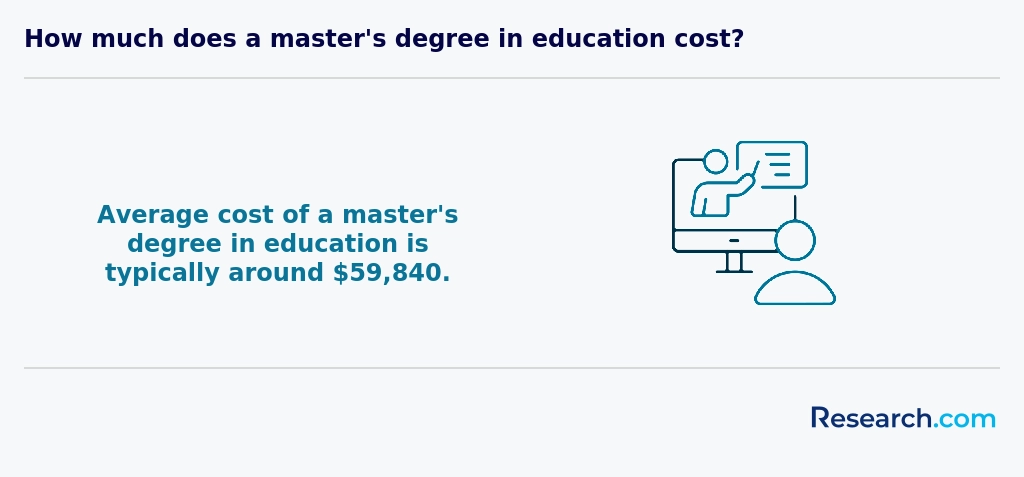
Choosing an accredited, state‐approved program is essential for certification and job placement. Key factors to verify:
- Regional accreditation (e.g., SACSCOC) for overall quality and federal aid eligibility
- CAEP or NCATE accreditation in teacher education for recognized special education standards
- State Board of Education approval to ensure licensure alignment and practicum requirements
Before enrolling, confirm your program supports certification in your state by:
- Reviewing the state DOE website for approved provider lists
- Ensuring the program’s curriculum maps to required competencies and internship hours
Many accredited master’s pathways also feed into doctoral studies; for budget-focused EdD options, see our cheapest online edd programs.
Students pursuing online special education degrees in the South often rely on a combination of federal aid, state grants, and scholarships to manage their costs. For instance, graduates from universities like the University of Florida or Vanderbilt University frequently start by filling out the FAFSA to access federal grants and loans. The Pell Grant, offering up to $7,395 annually, supports many undergraduates, while graduate students benefit from the Federal Direct Unsubsidized Loan, which can provide up to $20,500 each year.
Many Southern states also feature grant programs targeting education majors; for example, the TEACH Grant provides up to $4,000 yearly for those committed to teaching special education in high-need, low-income schools. Students from institutions like Georgia State University share how such state-specific aid made their financial planning feel achievable.
Additionally, special education students at online programs often receive merit or need-based scholarships from their universities or professional bodies like the Council for Exceptional Children. Employers sometimes offer tuition reimbursement, contingent on continued employment post-graduation, providing another practical route to ease financial stress.
Completing an online master’s in special education faster hinges on strategic planning and proactive course management. Implement these high-impact tactics to reduce your time to degree without sacrificing learning quality:
- Evaluate transfer credits and complete prerequisite courses before your official start term
- Enroll full-time and prioritize accelerated or cohort-based tracks when available
- Select courses offered in back-to-back sessions or summer terms to maintain momentum
- Leverage competency-based modules to demonstrate mastery and skip redundant coursework
- Coordinate practicum and internship placements early to fulfill hands-on requirements concurrently
By combining full-time enrollment with careful sequencing and early planning, you can often finish in under 18 months. For those considering a fast-track to doctoral studies, explore the cheapest online edd programs.
If you're aiming to enroll in an online special education degree in the South, start by securing at least a high school diploma or associate's degree for undergraduate programs. Graduate applicants need a bachelor's, ideally related to education or psychology. Southern universities, like those in North Carolina or Florida, expect official transcripts showing a solid GPA-usually between 2.5 and 3.0-so focus on maintaining steady academic performance early on.
Many graduates recall submitting letters of recommendation and personal statements reflecting genuine passion for special education. These documents help admissions committees see your dedication, which matters as much as grades. Some schools in Texas or Georgia may still ask for GRE scores, but many are adopting test-optional policies, easing the path for busy professionals.
Hands-on experience is often a game changer. Whether through volunteering in local schools or tutoring students with disabilities, real-world exposure will strengthen your application. Also, be aware of state-specific teaching certification-passing content exams and background checks is typically required after graduation to start your career confidently.

Graduates of online special education master’s programs in the South become eligible for state teaching certification, but each Southern state sets its own standards. To ensure smooth licensure:
- Complete a program approved by your state’s board of education or accredited by SACSCOC
- Pass the required Praxis Special Education content exam (or state equivalent)
- Fulfill a supervised practicum of 60–100 hours in K–12 or early intervention settings
- Apply for initial certification and submit official transcripts and exam scores
- Maintain certification through periodic renewal, typically requiring 6–12 professional development credits annually
Many states offer reciprocity agreements, allowing certified teachers to transfer credentials across Southern regions. For educators seeking advanced leadership roles or terminal degrees, explore cheapest online edd programs.
Online special education degree programs in the South typically include courses that build both practical skills and deep understanding. Graduates from universities such as the University of Texas or Florida State often mention how foundational classes, like Foundations of Special Education, helped them grasp the legal and ethical frameworks critical to their work with diverse learners.
Courses in Assessment and Evaluation teach you to design and interpret individualized education programs (IEPs), a key daily task for regional educators. For example, a graduate from Georgia often highlights how these skills made her confident in tailoring lessons to fit students' unique needs.
Instructional Strategies and Behavioral Interventions prepare you for managing classrooms with varied disabilities, from autism to emotional disorders. In Southern programs, collaboration with families and teachers is emphasized through courses on Consultation, reflecting the community-focused culture of the region.
Finally, expect sessions on Technology in Special Education, where you learn to use assistive devices that truly transform communication for your students, a benefit many Southern students find empowering in their careers.
Online special education specializations in the South commonly include Behavioral Disorders, Learning Disabilities, Autism Spectrum Disorders, Early Childhood Special Education, Intellectual Disabilities, and Multiple Disabilities. Southern graduates often describe how courses at regional universities helped them develop practical skills, such as creating adaptive lesson plans for students with dyslexia or managing classrooms for children with behavioral challenges.
For example, educators training at popular Southern colleges praised their programs' flexibility, combining theory with real-life applications, especially for working professionals balancing family and jobs. These programs emphasize local needs, such as addressing developmental delays in young children or supporting learners with multiple disabilities, reflecting the South's diverse student population.
Students appreciate guidance on how to obtain a special education teaching certification, which is crucial for leveraging their specialization into a career. Choosing the right specialization can open doors to rewarding roles helping students across various disabilities, meeting regional demand, and positively impacting classroom success in Southern schools.
South regional special education degree options give candidates structured yet adaptable paths, equipping them to make an immediate difference in local communities through their targeted expertise.
Start by confirming the program's accreditation status, focusing on those recognized by the Southern Association of Colleges and Schools Commission on Colleges (SACSCOC). Graduates from popular universities in the South often highlight how regional accreditation helped them secure licensure and financial aid. Next, inspect the curriculum to ensure it covers diverse disabilities, behavior management, and legal aspects, with practical endorsements like autism spectrum disorder or applied behavior analysis. Many students from Southern institutions appreciate flexible, asynchronous online formats that fit around their work schedules and family commitments, making these programs ideal for working professionals.
Cost significantly impacts decision-making. Look for affordable special education master's degrees Southern US universities offer, especially public ones with competitive in-state tuition. Scholarship opportunities and employer tuition reimbursement plans can also reduce expenses, as many graduates attest. Lastly, investigate outcomes like graduation rates and job placement, particularly programs connected to Southern school districts. Exploring jobs for special education majors post-graduation can help you assess how effectively a program prepares you for the workforce.
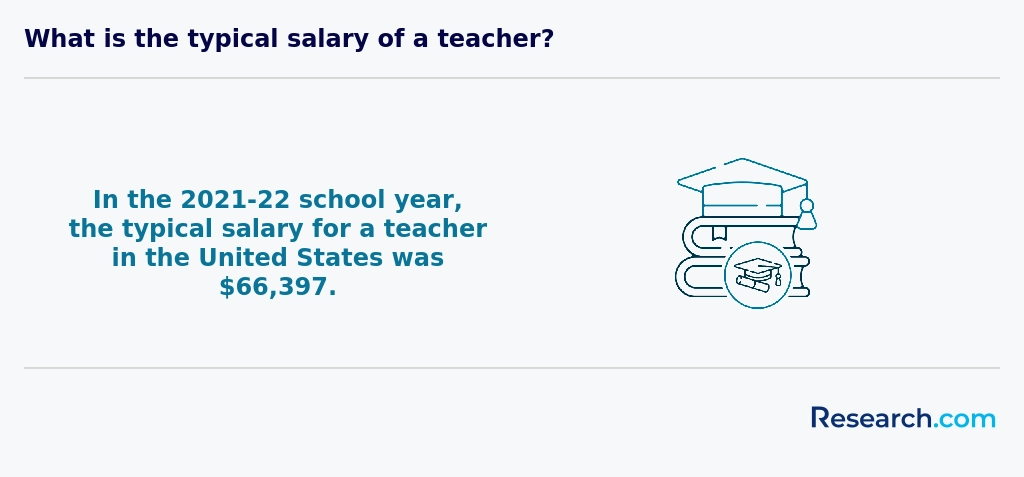
Graduates with an online special education degree in the South find a range of practical career paths well-suited to the region's needs. From roles as special education teachers in public or private K-12 schools to behavior interventionists, the demand continues to grow. Many graduates from Southern universities report successfully adapting curricula for students with autism or learning disabilities, demonstrating the rewarding nature of this work. This hands-on experience is critical as schools increasingly prioritize inclusive education tailored to diverse student needs.
Job opportunities in the Southern US extend beyond teaching. Early intervention specialists and educational diagnosticians play key roles assessing and supporting children with developmental delays, a career that graduates often find both impactful and stable. Support positions like speech and language pathologist assistant also complement instructional careers.
For a pragmatic step forward, graduates explore administration or policy roles within school districts, shaping special education programs to comply with federal laws. Financial incentives in the South, including loan forgiveness for special education faculty, make these career paths attractive. Those looking for accelerated advancement can consider programs like the fastest master in special education online to meet evolving demands in this rewarding field.
The job market for online special education degree holders in the South is robust, with a growing need for qualified teachers in states like Texas, Florida, and North Carolina. Graduates from programs at well-known Southern universities often find rewarding roles due to increasing student enrollment requiring special education services and state policies pushing for better educational outcomes. Many educators nearing retirement create openings that online graduates are ready to fill, especially those who earned their credentials through flexible, reputable programs.
For prospective students weighing options, exploring a special education bachelor degree online at Southern institutions can be an excellent first step. Graduates frequently share that the affordability of regional online master's programs combined with the ability to balance work and study makes advancing their careers both practical and achievable. This accessibility is crucial when considering the competitive yet promising salary ranges and steady demand across urban and rural areas, making online special education jobs in the South a realistic and rewarding career path.
Job outlook for special education graduates Southern US is supported by steady policy investments and local school district expansions. Graduates often describe feeling prepared to meet the challenges of classrooms with diverse learner needs. The blend of practical coursework and real-life application offered by Southern colleges allows new teachers to transition smoothly into various educational settings, gaining respect and stability in communities that truly need their expertise.
2027 Fastest Online Master's in Special Education Degree Programs Ranking in the South
Investing in your education is a significant decision that can profoundly impact your future, and the Research.com team recognizes the importance of providing reliable guidance. To support prospective students seeking online master's degrees in special education in the South, we have carefully developed the "2027 Fastest Online Master's in Special Education Degree Programs Ranking in the South." Our dedication to quality, credibility, and accuracy is demonstrated through rigorous research and thorough analysis.
We utilized the following reputable data sources to ensure a comprehensive and trustworthy ranking:
By consulting this ranking, readers will obtain valuable insights into the fastest and most effective online programs available, enabling them to make well-informed decisions tailored to their educational goals. For an in-depth explanation of our approach, please visit our Research.com methodology page.

# 2 position
Florida International University
Master of Special Education, Autism Endorsement specialization

# 3 position
Texas State University
Master of Postsecondary Student Success in Learning, Literacy, and Mathematics


# 8 position
The University of North Carolina at Charlotte
Master of Special Education (K-12) General/Adapted Curriculum


Frequently Asked Questions About special education
Students pursuing online special education degrees in the South can maximize their learning by actively engaging with faculty and peers through virtual discussions and group projects. According to the National Center for Education Statistics, Southern states enroll a significant portion of special education students, highlighting the demand for well-prepared educators in the region.
Utilizing regional resources, such as state-specific special education laws and local school partnerships, helps apply theoretical knowledge practically. Time management and setting a dedicated study schedule are also critical, as online programs require self-discipline. Additionally, seeking out internships or practicum opportunities within Southern school districts enhances hands-on experience vital for career success.
The special education field is expanding into several emerging niches, reflecting shifts in student needs and educational technology. One key area is assistive technology integration, which involves training educators to use devices and software that help students with disabilities learn more effectively. Another growing niche is autism spectrum disorder (ASD) support, with a rising demand for specialists trained in evidence-based interventions. According to the Southern Regional Education Board, states in the South have seen a 12% increase in autism diagnoses in the last five years, driving demand for qualified educators in this area.
Transition planning for students moving from school to adult life is also gaining prominence, emphasizing life skills and employment readiness. Finally, behavioral intervention specialists remain crucial as schools prioritize addressing emotional and behavioral disorders among students, particularly in under-resourced districts across Southern states.
Preparing for the job market after earning an online special education degree in the South involves strategic steps to enhance employability. Start by obtaining state certification, as southern states require licensure for public special education teachers. According to the U.S. Department of Education, certain states like Texas and Florida have growing demands for special education professionals, driven by increasing student populations.
Gain practical experience through internships or supervised fieldwork during your program. Networking with local school districts and education organizations can open job opportunities. Familiarize yourself with Individualized Education Program (IEP) processes and regional education laws.
Keep updated on trends by joining professional groups such as the Council for Exceptional Children's southern chapters, which provide resources and job leads.
Employers in the South prioritize several key skills in graduates with online special education degrees. Strong knowledge of individualized education programs (IEPs) is essential, as nearly 14% of students in Southern states receive special education services, according to the National Center for Education Statistics (NCES).
Effective communication is critical, allowing educators to collaborate with families, therapists, and general education teachers. Classroom management skills tailored to diverse learning needs are also in high demand.
Additionally, cultural competence is important in the South's diverse populations to provide inclusive support. Competency in using assistive technology is increasingly valued, reflecting advances in educational tools.
Finding internships in the South for special education degree students often involves collaborating with local school districts, nonprofits, and state education agencies. Many Southern states, like Texas and Georgia, require internships or practicum experiences as part of accreditation standards for educator preparation programs. According to the National Association of State Directors of Special Education, these internships provide hands-on experience required for certification. Students should start by contacting their university's career services or online program advisors for regional partnerships and placement opportunities.
Additionally, organizations such as the Council for Exceptional Children provide databases and networking events tailored to special education students seeking internships. Public school systems in Southern metropolitan areas like Atlanta and Houston typically offer the most accessible placements.
An online special education degree in the South can significantly enhance career mobility and advancement for educators and professionals. According to the National Center for Education Statistics, states in the South have seen a growing demand for qualified special education teachers, driven by increasing enrollment in special needs programs. Earning this degree online provides flexibility for working professionals, allowing them to balance education with employment.
Furthermore, many Southern states offer salary increases or incentives for educators with advanced special education certifications. Institutions like the Southern Regional Education Board highlight that advanced degrees often lead to leadership roles in schools, such as special education coordinators or program directors.
Online degrees accredited by recognized bodies also meet licensure requirements, which is essential for career growth within public schools in the region.
Studying for a special education degree in the South equips students with skills tailored to interdisciplinary collaboration. Southern programs emphasize partnerships between educators, therapists, counselors, and families to address diverse student needs. According to the Southern Regional Education Board, over 70% of special education roles in the region involve working closely with other professionals.
Courses often cover topics like communication strategies, behavioral interventions, and curriculum adaptation, which are vital in interdisciplinary teams. Students learn to navigate legal and educational frameworks common in Southern states, preparing them to advocate effectively within complex service systems.
This approach ensures graduates can contribute beyond typical classroom roles, engaging with health, social, and psychological services to support inclusive education.
When choosing between a thesis and a non-thesis special education degree program in the South, consider your career goals first. A thesis option requires original research and may suit students aiming for doctoral studies or research roles. The non-thesis route typically involves additional coursework or a capstone project, focusing on practical skills for classroom application.
Southern universities often offer both options in their online master's programs. According to the National Center for Education Statistics, nearly 20% of special education graduate students in Southern states opt for thesis tracks, reflecting interest in academic careers.
Evaluate the time commitment and your professional aspirations carefully before deciding.
Students based in the South seeking to study special education abroad face limited direct options through traditional U.S. universities. Most online special education programs offered by Southern institutions, such as those in Florida, Georgia, and Texas, focus on domestic certification and coursework tailored to state requirements.
While some institutions offer study-abroad experiences or international practicum components, these are usually short-term and supplementary rather than full degree pathways. According to the National Center for Education Statistics, approximately 12% of Southern education students participate in international study, often through exchange programs not specific to special education.
Therefore, students interested in global perspectives often supplement online degrees with virtual international seminars or professional conferences, which enhance cultural competence without travel.
Part-time jobs that complement a special education degree in the South often involve direct work with children or adults with disabilities. Educational aides or paraprofessionals in local public schools provide valuable hands-on experience while earning an income. According to the National Center for Education Statistics, Southern states employ a significant number of paraprofessionals, creating opportunities for part-time roles.
Other options include tutoring specialized students or assisting in after-school programs focused on inclusion and support. Nonprofit organizations serving individuals with disabilities also offer part-time roles that align with special education studies. These positions help students apply theoretical knowledge in real settings while building professional skills relevant to states with high demand for special educators, like Texas and Florida.
Online special education students in the South have access to various networking opportunities that can enhance their careers. Many Southern universities hosting online programs offer virtual meetups, webinars, and discussion forums where students connect with peers and faculty. Additionally, organizations like the Council for Exceptional Children and state-specific associations provide regional events and conferences, often with discounted rates for students.
According to the Southern Regional Education Board, over 60% of online learners engage in some form of virtual networking during their programs. These opportunities help students build professional relationships, find mentorship, and access job openings within Southern school districts.
Alumni networks offer valuable benefits for online special education degree students in the South by fostering professional connections across this region. These networks provide access to mentors who understand the unique challenges and opportunities in Southern states, including regulations that affect special education roles.
Members often share job leads, which is important since the Southern U.S. employed approximately 522,000 special education teachers in 2022, according to the National Center for Education Statistics. This regional focus helps graduates find local employment quicker.
Additionally, alumni groups frequently hold virtual events that support ongoing learning and collaboration among educators in rural and urban areas alike.
Customizing an online special education degree in the South allows students to align their training with specific career goals. Many Southern universities offer elective courses and concentration options such as autism spectrum disorders, behavioral interventions, or early childhood special education.
Students often have the chance to select practicum sites nearby, gaining hands-on experience relevant to their target population. Flexible schedules and part-time enrollment help educators currently working in schools continue their professional advancement without disrupting their careers.
According to the Southern Regional Education Board, institutions in the South also provide certification pathways tailored to state licensure requirements, helping graduates meet local employment standards more easily.
Choosing a program with faculty experienced in Southern educational policies can further ensure relevant guidance and networking opportunities within the region.
Online special education students in the South often face challenges related to limited internet access and digital resources. According to the Federal Communications Commission, rural areas in Southern states like Mississippi and Alabama report lower broadband availability, impacting students' ability to fully engage with coursework.
Additionally, many students struggle with balancing work, family, and study commitments, as online special education programs demand significant time for observation and practicum hours in local schools. Navigating state certification requirements can also be complex, due to varying policies across Southern states, as outlined by the Council for Exceptional Children.
Furthermore, fewer local support networks and mentorship options can hinder student success compared to on-campus programs.
An online special education degree opens pathways to several professional certifications crucial for careers in this field. Most students pursue state licensure as a Special Education Teacher, which is mandatory to teach in public schools across the South. Licensure requirements vary by state but often include passing specialized exams like the Praxis Special Education test.
Beyond teaching credentials, graduates can seek certifications such as Board Certified Behavior Analyst (BCBA), which is increasingly relevant given the rise in autism diagnoses in Southern states, as reported by the CDC. Additionally, credentials in assistive technology or applied behavior analysis can enhance job prospects.
To write a winning application for an online special education program in the South, start by highlighting your passion and experience working with diverse learners. Southern states report high demand for special education professionals; for instance, the U.S. Bureau of Labor Statistics notes teacher shortages in this field, which programs value in applicants.
Clearly articulate your understanding of special education laws such as IDEA, which governs U.S. special education services. Include relevant academic achievements, certifications, and any volunteer or professional experience.
Strong letters of recommendation and a well-crafted personal statement that addresses your commitment to inclusive education will enhance your chances. Finally, carefully follow each program's application instructions to avoid disqualification.
Special education careers hold significant importance worldwide, but in the United States, and particularly in the South, they reflect unique regional needs. Globally, professionals face diverse challenges depending on local education laws and resources. In the South, nearly 15% of students receive special education services, according to the National Center for Education Statistics. This demand drives growth in online special education degree programs that prepare educators for varied classroom environments.
Internationally, special education often involves adapting methods to cultural contexts, but U.S. standards remain rigorous, emphasizing federal laws like IDEA. Southern states invest increasingly in special education training to meet rising student needs, creating promising career opportunities.
Gaining practical experience while studying for an online special education degree in the South involves several key strategies. Many Southern universities require or strongly recommend fieldwork or practicum placements, allowing students to work directly with children requiring special education services. These experiences often take place in local public schools, where over 11% of Southern students receive special education support, according to the National Center for Education Statistics (NCES).
Students should seek programs that partner with school districts to facilitate supervised classroom hours. Additionally, virtual simulation tools and case study assignments help build practical skills remotely. Some states in the South, like Texas and Georgia, provide clear licensing pathways requiring documented teaching hours, ensuring students gain hands-on experience before certification.
Choosing the right concentration within an online special education degree program in the South requires understanding local needs and career goals. Southern states often emphasize inclusive education and support for students with autism spectrum disorders, reflecting national trends reported by the U.S. Department of Education. Concentrations like Behavior Intervention or Autism Spectrum Disorders are popular due to high demand. Prospective students should also consider state licensure requirements, as these can vary across Southern states and influence program content. Additionally, exploring faculty expertise and connections with Southern school districts can enhance practical training opportunities and employment prospects.
- Top 25 Most Affordable Online Master's in Special Education ... https://www.masters-in-special-education.com/best/affordable-online-masters-special-education-2016/
- Special Education (Multi-Categorical) (Online BS) https://www.swu.edu/academics/school-of-education/special-education-multi-categorical-online-bs
- Bachelor's Degree in Special Education | CCU Online https://www.ccu.edu/ccu/specialeducation/
- Enhance Special Needs and Inclusion in Education https://erasmuscoursescroatia.com/2023/05/26/4-effective-strategies-enhance-special-needs-and-inclusion-in-education/
- 2026 Best Online Degrees in Special Education https://www.onlineu.com/degrees/special-education
- Top 15 Accredited Online Special Education Bachelor's ... https://www.special-education-degree.net/top-accredited-online-special-education-bachelors-degree-programs/
- Inclusive, Thriving Learning for Students with Special… | NGLC https://www.nextgenlearning.org/articles/inclusive-thriving-learning-environments-for-students-with-special-education-needs
- Transforming Special Education in a Rural School https://moreland.edu/resources/blog-insights/transforming-special-education-in-a-rural-school
- Special Education Major https://scsu.edu/academics/programs/special-education.php
- 10 Best Practices for Improving Special Education https://www.dmgroupk12.com/blog/10-best-practices-for-improving-special-education