2027 Most Valuable Psychology Degree Programs Ranking in Oxford

Co-Founder and Chief Data Scientist
Choosing the right psychology degree program in Oxford can shape your future in meaningful ways. This article introduces the 2027 Most Valuable Psychology Degree Programs Ranking in Oxford, created by the Research.com team of data scientists to guide you toward the best options.
By exploring this ranking, you'll gain clear insights into programs that offer strong value and opportunities. Whether you're just starting your journey or looking to specialize, this resource helps you make informed decisions with confidence.
Discover how a psychology degree can open doors to rewarding careers while enriching your understanding of human behavior.
Key benefits of getting psychology degree in Oxford
- Psychology graduates can pursue rewarding careers such as Human Resources Specialist with a mean annual wage of $76,060 or Marketing Research Analyst earning around $83,190, reflecting strong salary potential.
- Graduates from Oxford's psychology programs often explore diverse fields including clinical research, counseling, and social services, benefiting from the university's strong reputation and support network.
- Obtaining a psychology degree online from Oxford offers flexibility and accessibility, allowing students to balance studies with work or personal life while gaining the same valuable knowledge as traditional students.
- 2027 Most Valuable Psychology Degree Programs Ranking in Oxford
- What can I expect from psychology degree in Oxford?
- Where can I work with psychology degree in Oxford?
What can I expect from psychology degree in Oxford?
Paying for a psychology degree at Oxford typically involves tuition fees around £9,250 per year for UK and EU students, while international students, including Americans, might expect costs near £30,000 annually. Considering the program's usual length of three to four years, the total investment can be substantial. Yet, students from colleges like Magdalen or St. John's often describe the experience as invaluable, praising the personalized tutorials and access to groundbreaking research.
Many graduates reflect on the intense but fulfilling academic environment where small-group tutorials foster deep understanding and confidence. The financial commitment supports these unique learning opportunities, such as conducting original experiments in neuroscience labs or participating in social psychology projects that feel directly relevant to modern societal challenges.
Financial aid options and scholarships are increasingly available, easing the path for motivated US students drawn to Oxford's distinction in research and teaching. Graduates frequently express gratitude for the way their investment paved the way to exciting careers or advanced studies worldwide, making the cost feel like a worthy stepping stone for future success.
Where can I work with psychology degree in Oxford?
Graduates from psychology programs at institutions like the University of Oxford and St. John's College often find themselves stepping confidently into diverse career paths across Oxford's vibrant job market. Many enter healthcare roles, such as becoming clinical or counselling psychologists within local NHS trusts, where they apply their knowledge in meaningful, patient-centered ways. Imagine working alongside leading experts in Oxford's mental health facilities, contributing directly to care improvements while pursuing licensure.
Others are drawn to research careers at Oxford's prestigious Experimental Psychology Department, engaging in cutting-edge neuroscience or cognitive psychology projects. Graduates describe the thrill of contributing to groundbreaking studies that may shape future mental health treatments.
Educational roles are another common path-working as school counselors or special educational needs coordinators, helping young learners thrive in Oxford's thriving school networks. Recent graduates share stories of collaborating closely with educators in Oxfordshire to support students' wellbeing.
The private sector also offers exciting possibilities, from human resources to organizational consultancy in Oxford's growing tech scene, where behavioral insights drive innovation and productivity. Nonprofit and public health roles allow graduates to impact community wellbeing, addressing issues like mental health awareness in meaningful, compassionate ways.
Graduates from Oxford's renowned psychology programs, such as those at Christ Church or Magdalen College, often find their degrees open doors to rewarding careers in the US. Psychology alumni stepping into roles like Human Resources Specialists can expect a mean annual wage around $76,060, reflecting the strong interpersonal and analytical skills honed at Oxford.
Others may pursue positions as Marketing Research Analysts, where the average salary reaches $83,190-well above many entry-level jobs. Imagine an Oxford graduate applying research methods learned in tutorials at Balliol College to craft impactful market strategies, bridging the UK-US job markets with ease.
Clinical Research Associate roles, often pursued by those focused on applied psychology, typically offer around $62,370 annually. Many Oxford graduates report that their rigorous academic challenge equips them with resilience and adaptability, crucial in these fast-paced research environments.
For graduates considering diverse paths, even fields like childcare work offer meaningful experience, with mean wages near $32,070. The depth of training at Oxford fosters confidence, enabling graduates to envision growth beyond initial salaries, potentially reaching six-figure incomes through licensure or specialized certifications in the US.
Such prospects highlight the enduring value of an Oxford psychology degree and its positive impact on future earnings amid evolving US career landscapes.
- The Oxford psychology undergraduate course lasts three years and focuses on experimental psychology with practical research experience.
- International tuition fees for US students range from £28,000 to £36,000 per year, approximately $35,000 to $45,000, with living costs around £12,000 annually.
- Starting salaries for psychology graduates in Oxford are between £23,000 and £28,000 per year, roughly $29,000 to $36,500.
- Experienced psychologists with advanced qualifications can earn £40,000 to £60,000 annually, or $52,000 to $78,000.
- Job opportunities for graduates include roles in healthcare, education, research firms, and public organizations within the Oxford region.
Completing a psychology degree at Oxford typically involves a well-defined timeline that many US students find both refreshing and challenging. Most undergraduates at colleges like Magdalen or St. Hilda's experience three intense years pursuing the BA in Psychology, Philosophy, and Linguistics, striking a balance between depth and focused study. Graduates often describe this pace as immersive, allowing them to delve deeply into psychological theories without the extended general education requirements common in US systems.
For those continuing into advanced study, the one-year MSc in Psychological Research at institutions such as Balliol offers an exciting yet rigorous chance to refine research skills. Success stories from grads highlight the MSc as a transformative experience, often acting as a springboard into academia or clinical practice.
Meanwhile, pursuing a DPhil, Oxford's PhD equivalent, usually lasts three to four years. This journey is marked by excitement and dedication, with candidates at colleges like Corpus Christi feeling supported while conducting pioneering research that could shape future psychology trends.
To ensure that students make the most out of their educational investment, it is crucial to consider several factors when selecting a psychology degree program in Oxford, OH. One of the key considerations is the program's accreditation status, as it directly impacts the quality of education and future career prospects. Prospective students should also look into the curriculum, ensuring it covers essential areas of psychology, such as cognitive, developmental, and social psychology. Moreover, the availability of specializations, such as clinical psychology, counseling psychology, or industrial/organizational psychology, can significantly influence a student's career path. For those interested in exploring more options, visiting valuable psychology schools in Ohio can provide valuable insights into the various programs available, helping students find the best fit for their academic and professional goals. By carefully evaluating these aspects, students can navigate the process of choosing a psychology program in Oxford, OH, with confidence, setting themselves up for success in their future careers.
Oxford's on-campus psychology students often describe the thrill of immersive learning at colleges like Magdalen or St John's, where lively debates and hands-on lab work are part of daily life. The energy of walking into seminars and exchanging ideas face-to-face creates a deeper connection to the material and peers, fostering both confidence and critical thinking. This direct engagement is difficult to replicate fully in an online setting.
Meanwhile, online psychology students in Oxford gain invaluable flexibility, balancing studies with work or family. Graduates appreciate accessing lectures and resources from anywhere, yet many acknowledge missing spontaneous discussions or the buzz of campus life. As virtual labs and simulations improve, the gap narrows, but personal networking and live mentorship remain key differentiators.
Looking ahead, hybrid models blending Oxford's rich on-campus traditions with innovative digital tools may redefine psychology education. Imagine being able to join a cutting-edge research project in person while completing theory modules online, allowing more inclusive and tailored learning paths.
To practice as a licensed psychologist in Ohio, graduates must navigate a clear set of state requirements:
- Earn a doctoral degree (PhD or PsyD) from an APA-accredited program.
- Pass the Examination for Professional Practice in Psychology (EPPP).
- Complete at least 1,500 hours of supervised pre-doctoral internship and 2,000 hours of post-doctoral supervised experience.
- Submit an application, transcripts and verification of supervised hours to the Ohio Board of Psychology.
- Maintain licensure by completing 30 hours of approved continuing education every two years.
Students interested in a PsyD can explore accredited online psyd programs that meet Ohio licensure standards.
The average cost of a psychology degree in Oxford typically centers around $59,221 USD for international students, reflecting the combined tuition and living expenses across the three years of study. Graduates from well-regarded colleges such as Magdalen or Corpus Christi often mention how this investment opens doors to world-class academic resources and engaging research opportunities within Oxford's Department of Experimental Psychology, creating a deeply rewarding educational experience despite the financial commitment.
Living in Oxford adds a rich layer to the journey, with expenses for accommodation and daily life immersing students in vibrant college communities. Many psychology students relish the stimulating environment of studying close to historic libraries and lecture halls, which enhances their motivation and academic success. Considering the average cost of psychology degree in Oxford, this investment aligns with the lifestyle and academic exposure that students gain, fostering confidence for careers in psychology globally.
Financial aid options remain competitive but valuable to explore, especially scholarships tailored for international students. Some graduates recall leveraging awards to ease their financial burden, enabling them to focus on rigorous coursework and research. For those planning pathways into professional practice, understanding the costs alongside opportunities such as the Delaware psychologist licensure exam may shape future decisions and budgeting.
Ultimately, Oxford's unique blend of tradition and cutting-edge research positions the total expenses as a strategic investment in a psychology education steeped in innovation, preparing students well ahead for the evolving demands of the field. Aspiring candidates should weigh this realistic perspective when considering their commitment to an Oxford psychology degree, balancing cost with the exceptional potential for personal and professional growth.
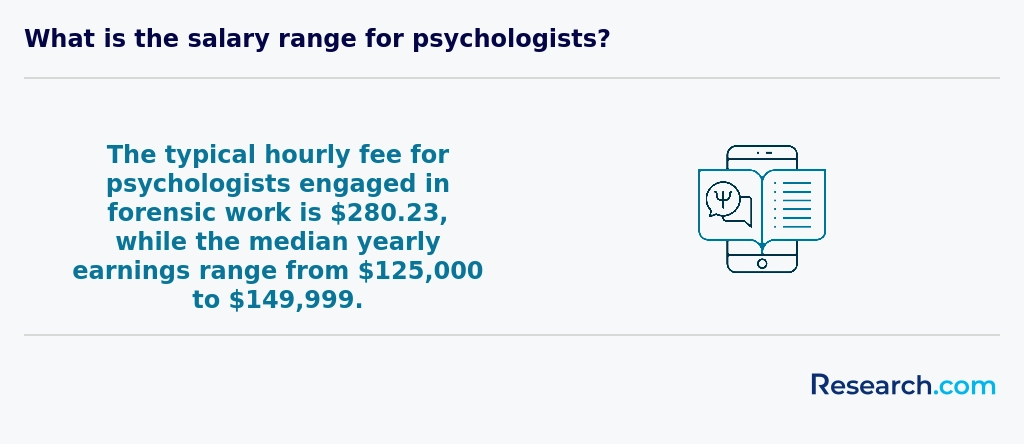
US students pursuing a psychology degree at Oxford, especially at colleges like Magdalen or St. John's, often tap into a variety of financial aid, despite the challenge of higher international fees. Graduates recall navigating Oxford's scholarship landscape, where awards like the Reach Oxford Scholarship may seem out of reach but external scholarships play a crucial role.
For example, many rely on Fulbright grants, which allow US citizens to study psychology in the UK with a sense of excitement and relief, knowing part of their tuition and living costs are covered. Others turn to federal student aid by completing the FAFSA, unlocking Pell Grants or federal loans that ease stress over Oxford's £28,370 yearly tuition and substantial living costs.
Private loans fill gaps for some, though psychology students advise weighing interest rates carefully. Across popular psychology colleges, the blend of these aids creates a dynamic financial safety net, fueling the optimism and determination shared by many who have thrived in Oxford's rigorous, inspiring environment.
At the heart of psychology degree programs in Oxford, OH, lies the exceptional faculty whose research expertise and mentorship shape student success. Many professors hold PhDs from top-tier institutions and maintain active research agendas in areas such as cognitive neuroscience, social behavior, and clinical interventions. Their published work in peer-reviewed journals and ongoing grants from organizations like the National Institutes of Health underscore the program’s commitment to cutting-edge scholarship. Students benefit directly from specialized research centers on campus, including the Cognitive Development Lab, the Neuropsychology Research Facility, and the Community Mental Health Clinic. Under faculty supervision, undergraduates and graduates can assist with experimental design, data collection, and advanced statistical analysis. These hands-on experiences not only build technical skills but also foster critical thinking and professional confidence, as many students co-author journal articles and present at regional psychology conferences. Independent study projects and honors theses provide further opportunities for close collaboration with faculty mentors. By joining a professor’s research team, students explore topics like anxiety treatment outcomes or cross-cultural social cognition, gaining invaluable exposure to grant writing and ethical research practices. This level of engagement often leads to competitive applications for graduate programs or research-focused careers. For those aiming to deepen their clinical and academic credentials, exploring our dual masters and psyd programs offers a streamlined pathway into advanced research roles. These combined degrees integrate intensive coursework with supervised practicum and dissertation work, enabling aspiring psychologists to transition seamlessly from student researcher to independent investigator.
Enrolling in a psychology degree at Oxford requires strong academic foundations, often demonstrated by high scores in Advanced Placement (AP) exams relevant to psychology, such as biology or mathematics. Graduates from colleges like Magdalen or St John's recall the intense early focus on quantitative skills, which are essential due to Oxford's experimental and neuroscience-driven curriculum. Many describe balancing rigorous coursework with personal projects, where a sound understanding of statistics was invaluable.
Applicants also submit a personal statement reflecting their genuine passion for psychology, often illustrated through real-world experiences like volunteering in mental health clinics or conducting small-scale research. This personal touch resonates well within tutorials, creating engaging discussions and fostering critical thinking skills, much like graduates from Balliol College have shared.
Looking ahead, the Thinking Skills Assessment (TSA) is becoming increasingly pivotal. Future candidates should anticipate its evolving format, which will likely integrate more scenario-based questions to assess problem-solving in complex, real-life psychology contexts. This forward-thinking approach aligns with Oxford's mission to develop innovative, adaptable psychologists ready for tomorrow's challenges.
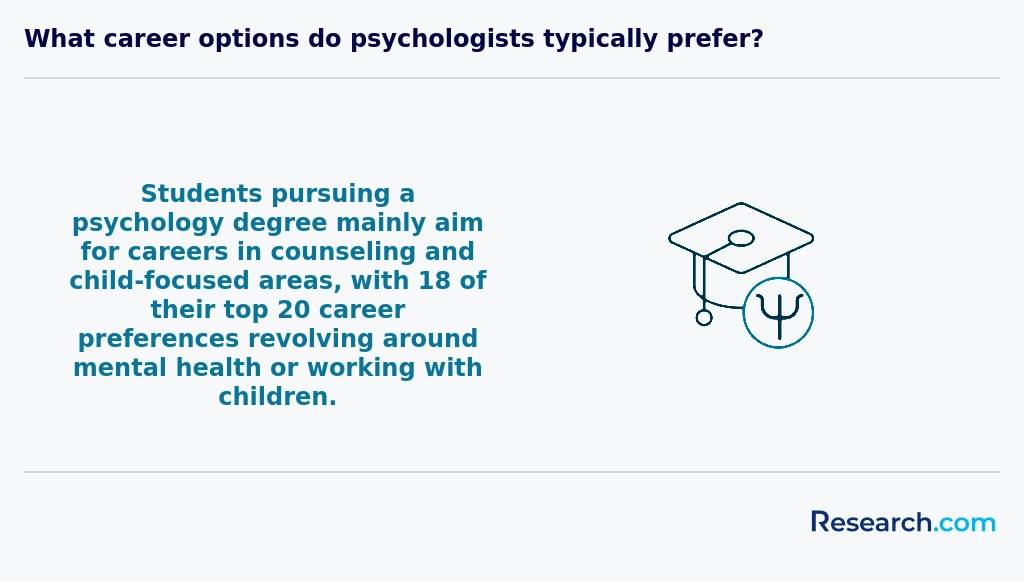
Investing in a psychology degree requires careful consideration of long-term value. In Oxford, OH, undergraduate tuition ranges from $10,000 to $40,000 per year, while graduate programs can cost $15,000 to $50,000 annually. When weighed against median salaries-$73,080 for Human Resources Specialists and $57,760 for Clinical Research Associates-students can expect a payback period of approximately 4–6 years post-graduation, assuming full-time employment and average debt levels. Calculating ROI involves comparing total program cost (tuition + living expenses + loan interest) to projected lifetime earnings. For example, a bachelor’s degree at Miami University totaling $120,000 may translate into an average annual salary of $65,000, leading to a break-even point around year five. Graduates pursuing a master’s degree add roughly $30,000 in tuition but often see salary increases of 20–30%, reducing their payback period by 1–2 years. Beyond direct costs and salaries, intangible benefits-such as internship opportunities at local mental health clinics and research assistantships-enhance career readiness and networking, further improving ROI. Prospective students should also explore financial planning tools and institutional scholarships to lower upfront costs. For a broader perspective on program affordability and cost-effectiveness, see our Affordable Psychology Degree Programs Ranking in Wisconsin, which highlights strategies to maximize value while minimizing debt.
At Oxford, psychology students from colleges like St. John's or Magdalen often describe their coursework as both challenging and deeply engaging, blending foundation and innovation. Core courses such as Cognitive and Behavioural Neuroscience or Social and Applied Psychology equip students with a solid understanding of how the mind works in everyday contexts, from memory to social interactions.
Practical lab work is a highlight, with hands-on experiments bringing theory to life-imagine designing a study on attention in the bustling atmosphere of Oxford's diverse colleges. Graduates recall how this experience made abstract concepts tangible, boosting their confidence in research skills crucial for clinical or academic paths.
Emerging trends show electives like neuropsychology and health psychology gaining popularity, reflecting global shifts toward brain-based and wellness-focused approaches. In future curricula, one might expect even greater integration of AI tools and virtual reality to simulate psychological environments, further enhancing the immersive learning experience unique to Oxford's psychology program.
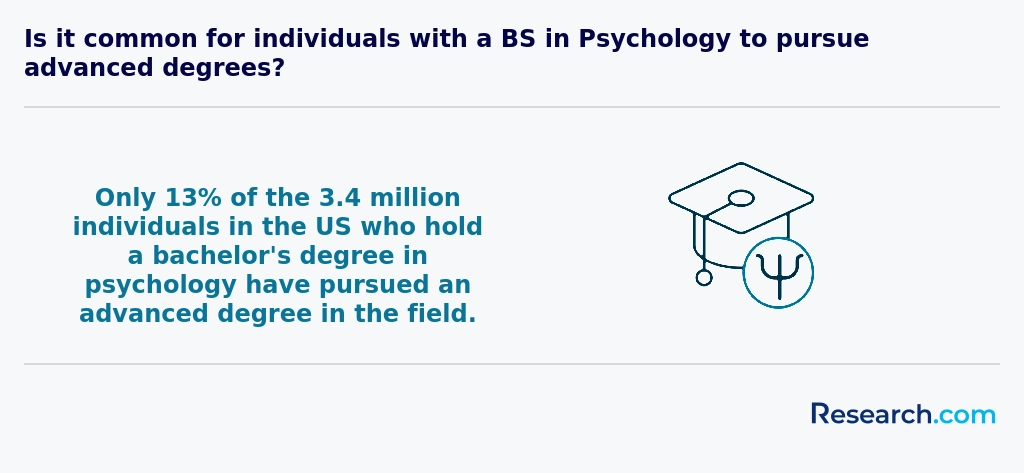
Oxford's psychology degree specializations offer an exciting glimpse into the future of the discipline, blending rigorous study with emerging trends. Graduates from renowned colleges like Balliol and Magdalen often highlight their deep engagement with cognitive and experimental psychology, exploring intricate processes such as decision-making and memory in real-world contexts. The program encourages students to pioneer research in areas like neuropsychology, where biological and behavioral insights are rapidly evolving.
Beyond traditional fields, Oxford's interdisciplinary approach means students frequently customize their studies through elective modules, diving into developmental, social, or clinical psychology. This flexibility reflects the dynamic nature of psychology and appeals to those eager to apply cutting-edge techniques in therapeutic or social environments. Many graduates describe their experience as empowering, fueled by access to world-class faculty and collaborative projects within colleges like St. John's.
US-based students exploring the best psychology fields to study in Oxford often appreciate how these specializations align with American academic standards, providing transferable skills. For those balancing ambition and budget, Oxford's world-class education complements options available at more affordable psychology schools in Louisiana, bridging quality and accessibility.
Choosing the best psychology degree programs in Oxford means looking beyond just course content to how each program prepares you for an evolving field. Graduates from popular colleges often describe how their tutorials and interdisciplinary studies, for example at Balliol or Magdalen, sparked their enthusiasm and critical thinking skills. Immersing yourself in Oxford's unique tutorial system can transform your academic experience, making the intensive study both challenging and deeply rewarding.
Future-focused students also consider affordability, weighing tuition and living costs against their long-term goals. Identifying affordable psychology colleges Oxford offers, without compromising on research access-like labs focusing on cognitive neuroscience-can shape a sustainable academic journey. Hearing from recent alumni about balancing these costs with opportunities fosters confidence in these decisions.
Many students realize the value of practical experience and support services as well. Engaging in research labs or joining study groups provided by specific colleges can enrich learning and open doors to collaborations. For tailored guidance beyond academic life, exploring options like LPC online programs may complement your psychology studies and career ambitions, especially in counseling fields where licensure matters worldwide.
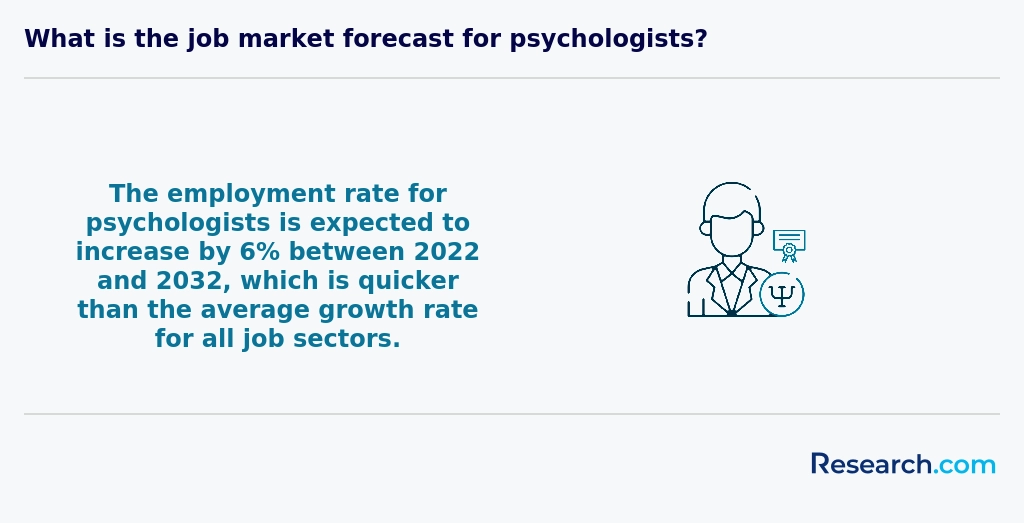
Graduates from renowned Oxford colleges such as Balliol and St Anne's often find their psychology degree a powerful ticket toward diverse career paths. Many move into clinical psychology, driven by inspiring faculty and rigorous coursework, later pursuing licensure in the US to become licensed practitioners earning competitive salaries. Others seize psychology career opportunities in Oxford by engaging in cutting-edge research at institutions like the Oxford Centre for Human Brain Activity, leading them to academic or private sector research roles.
Oxford alumni also thrive in applied fields like organizational psychology and human factors, where their work enhances workplace productivity and tech usability. These paths provide fulfilling careers that blend psychology with real-world impact. Graduates from popular universities within Oxford report excitement about mental health counseling and psychiatric rehabilitation fields, which are expanding rapidly across the US. For those eager to specialize further, exploring best doctorate programs can be smooth with resources like psychology PhD programs career services, reflecting emerging trends and sustained demand.

Graduates holding a psychology degree from Oxford often find themselves navigating a competitive but promising landscape. Colleges like St John's or Balliol provide a rigorous academic foundation that many say boosts confidence when entering diverse sectors such as research, education, or organizational psychology. Given the UK's strict accreditation requirements, many graduates pursue postgraduate qualifications, enhancing their opportunities in clinical roles.
For US students, the job market for psychology degree job opportunities Oxford offers is shaped by growing interest in workplace wellbeing and evidence-based social programs. Graduates describe feeling inspired by hands-on research projects, which often connect them with healthcare or community services, making career prospects feel tangible and hopeful.
While financial investment is substantial, with tuition around £25,000-£30,000 annually, the long-term career outlook remains encouraging. Success stories from alumni illustrate the value of Oxford's reputation in securing roles that emphasize both academic and applied psychological expertise.
Those curious about broader options can explore examples from similarly competitive environments like the valuable psychology schools in Ohio, providing perspective on how Oxford graduates might position themselves globally.
2027 Most Valuable Psychology Degree Programs Ranking in Oxford
Investing in your education is a significant decision that can shape your future, and the Research.com team understands the importance of making informed choices. To assist prospective students interested in psychology, we have meticulously crafted the "2027 Most Valuable Psychology Degree Programs Ranking in Oxford." Our commitment to quality, credibility, and accuracy is reflected in the extensive research and analysis conducted to compile this ranking.
We utilized the following reputable data sources to ensure a comprehensive evaluation of psychology degree programs:
By exploring this ranking, readers will gain valuable insights into the most valuable psychology programs offered in Oxford, helping them make well-informed decisions about their educational pursuits. For more details on our methodology, please visit our Research.com methodology page.

Frequently Asked Questions About psychology
Psychology degree students in Oxford can maximize their learning experience by actively engaging with both theoretical and practical components of their courses. Oxford offers access to world-class research facilities and renowned faculty, which students should utilize through seminars, workshops, and research projects. According to the UK Higher Education Statistics Agency, participation in research activities significantly enhances academic performance and career prospects.
Joining psychology-focused student groups or attending departmental events encourages networking and exposure to diverse perspectives. Additionally, students are advised to integrate internships or volunteer opportunities within mental health organizations in Oxford, providing invaluable real-world experience.
Consistent use of the Bodleian Libraries and digital databases available through the university helps develop critical research skills vital in psychology.
Emerging niches in the psychology field reflect growing societal challenges and technological advancements. In Oxford, clinical neuropsychology is gaining ground, focusing on brain-behavior relationships and rehabilitation. According to the British Psychological Society, this specialty is expected to grow 12% by 2028 in the UK.
Another area is digital mental health, where psychologists develop and evaluate apps and online therapies. This niche addresses accessibility issues, appealing to the tech-savvy generation. Research from Oxford's Department of Experimental Psychology highlights increased funding for such projects.
Environmental psychology, studying human behavior in relation to the environment, also attracts interest due to climate change concerns. Oxford's programs incorporate sustainability themes, reflecting broader trends within US psychology education.
Preparing for the job market after completing a psychology degree at Oxford involves combining academic excellence with practical experience. US-based graduates should focus on gaining internships or volunteer roles to build applied skills, as hands-on experience is highly valued by employers in psychology-related fields. According to the American Psychological Association, practical exposure improves employability by 30% within the first year after graduation.
Networking is essential; attending conferences or joining professional bodies like the APA can open doors to job opportunities. Additionally, Oxford's strong reputation and research output, ranked #2 globally in psychology by QS World University Rankings 2023, provide an advantage in competitive US markets.
Finally, graduates should consider specialized certifications or further study, such as licensure in clinical psychology, to increase marketability and comply with US standards.
Employers seeking psychology degree graduates in Oxford prioritize strong analytical and research skills. According to the American Psychological Association, graduates with the ability to design experiments and analyze data using statistical software are highly valued. Communication skills also top the list, as psychologists must convey complex ideas clearly to diverse audiences.
Critical thinking and ethical decision-making are essential, especially in clinical and counseling roles. The National Association of Colleges and Employers highlights that teamwork and adaptability are increasingly important in multidisciplinary environments.
Finally, proficiency in technology and familiarity with evidence-based practices help graduates stand out in Oxford's competitive job market.
Finding internships in Oxford relevant to a psychology degree involves a strategic approach to local and university resources. Students should start by consulting the University of Oxford's Department of Experimental Psychology, which regularly posts internship opportunities and research assistant positions.
Additionally, local hospitals such as the John Radcliffe Hospital and mental health trusts often offer placements for psychology students seeking hands-on clinical experience. Engaging with Oxford-based organizations like the Oxford Health NHS Foundation Trust can provide valuable exposure.
Networking through university career fairs and psychology societies is crucial. According to the National Association of Colleges and Employers, 60% of internships are found through networking, making active participation essential.
Lastly, online platforms like Handshake and university job boards remain reliable tools for discovering opportunities specific to psychology internships in the Oxford area.
A psychology degree significantly enhances career mobility and advancement opportunities in Oxford. Graduates gain skills that are highly valued across various sectors including healthcare, education, and business. According to the American Psychological Association, psychology majors have a diverse employment rate, with nearly 70% in roles directly related to human behavior and mental health.
In Oxford, the growing demand for mental health professionals boosts prospects for psychology graduates. The U.S. Bureau of Labor Statistics forecasts a 8% growth in psychologist roles through 2032, above average for all occupations. This trend supports advancement potential for those with specialized training and degrees.
Additionally, possessing a psychology degree can open pathways to advanced positions in research, counseling, and organizational development, promoting upward mobility. The analytical and interpersonal skills developed allow flexibility to transition into related fields effectively.
Pursuing a psychology degree at Oxford equips students for interdisciplinary roles by blending rigorous scientific training with diverse academic collaboration. Oxford's curriculum integrates psychology with fields such as neuroscience, philosophy, and sociology, fostering a broad understanding of human behavior.
According to Oxford's Department of Experimental Psychology, many research projects involve joint efforts with medical and computer science departments, giving students experience in cross-disciplinary teamwork. This approach aligns with US trends emphasizing multidisciplinary skills for psychology graduates, as noted by the American Psychological Association.
Additionally, Oxford offers various seminars and workshops that encourage collaboration beyond psychology, preparing students for roles in healthcare, technology, and policy-making arenas.
When choosing between a thesis and a non-thesis psychology degree program in Oxford, consider your career goals carefully. A thesis option typically involves conducting original research, which is ideal for those aiming for research positions or doctoral studies. According to the American Psychological Association, students in thesis programs gain advanced skills in research design, data analysis, and scientific writing.
The non-thesis path often focuses on coursework and practical experience, making it suitable for students targeting applied psychology roles or immediate entry into the workforce. It usually takes less time to complete, which might appeal to professionals seeking a quicker degree.
Oxford offers both options, and enrollment data from 2023 show approximately 55% of psychology master's students opt for thesis programs, reflecting strong research interest. Cost, time commitments, and personal interest in research should guide your decision.
Students based in Oxford who wish to study psychology abroad often explore options within the US higher education system, known for its diverse and comprehensive psychology programs. Many US universities offer study abroad programs allowing Oxford students to earn credits overseas while experiencing different academic environments.
Popular destinations include universities with renowned psychology departments, such as Stanford, Harvard, and UCLA. These institutions provide strong research opportunities and specialized courses in cognitive, clinical, and social psychology.
According to the Institute of International Education, over 300,000 US students participated in study abroad programs in 2022, with psychology being a top major. Students can also access summer internships and exchange programs to enhance practical experience.
Students pursuing psychology degrees in Oxford often seek part-time jobs that enhance their academic experience. Positions such as research assistants in university psychology departments offer hands-on exposure to experimental methods and data analysis, valuable for graduate studies or career paths.
Local mental health clinics and counseling centers sometimes hire part-time support staff or interns. This provides practical understanding of clinical settings and patient interaction, complementing theoretical knowledge gained in classes.
Additionally, tutoring roles focused on psychology coursework or related sciences are common, helping students reinforce their subject mastery while developing communication skills.
According to the American Psychological Association, practical experience significantly improves graduate program admission chances and employment outcomes.
Psychology students in Oxford benefit from a wide range of networking opportunities that support their academic and professional growth. The University of Oxford's Department of Experimental Psychology regularly hosts seminars, workshops, and guest lectures featuring leading researchers. These events provide direct access to experts and foster connections among students and faculty.
Students can join societies like the Oxford University Psychology Society, which arranges social events, talks, and career-focused activities. These gatherings help students build a professional network in a supportive environment.
Additionally, partnerships with local research centers and hospitals offer opportunities for internships and collaborative projects, enhancing practical experience and industry contacts. These programs are frequently highlighted on the university's official website and annual reports.
Alumni networks offer significant benefits to psychology degree students in Oxford, especially those from the University of Oxford's Department of Experimental Psychology. These networks provide access to a wide range of professionals, including researchers, clinicians, and academics, facilitating mentorship and career guidance. A 2023 survey by the Oxford Alumni Association revealed that 72% of psychology graduates who participated in alumni events found job opportunities more quickly than those who did not. Connections made through alumni groups often lead to internships, research collaborations, and exclusive workshops, enhancing learning beyond the classroom.
Networking helps students stay informed about developments in psychology, including advances in cognitive neuroscience and clinical psychology. Many alumni maintain active roles in US and international institutions, creating bridges for Oxford students to enter global academic and professional communities. This support system is especially valuable in the competitive US graduate and professional job markets students may target after graduation.
Customizing a psychology degree program in Oxford to align with your career goals involves selecting specializations and research opportunities that match your interests. At Oxford, psychology students benefit from a flexible curriculum that allows focus on areas like cognitive neuroscience, clinical psychology, or social and developmental psychology. According to the university's Department of Experimental Psychology, about 70% of students engage in lab-based research projects, which helps tailor learning to specific career paths.
Students can also pursue internships or volunteer work affiliated with local hospitals or research centers, gaining practical experience. Additionally, Oxford's tutorial system provides personalized academic support, enabling you to refine your skills strategically towards careers in research, healthcare, or education.
Psychology students in Oxford often face a demanding academic workload, with intensive coursework and research expectations. The University of Oxford's psychology programs are known for their rigorous standards, requiring strong time management skills.
Another challenge is balancing practical experience with theoretical learning. Students must engage in research projects, lab work, and placements, which can be time-consuming alongside lectures and exams.
Financial pressures also affect many students, given Oxford's tuition and living costs. According to the UK's Student Finance data, the average living expenses in Oxford are higher than the national average, impacting students from lower-income backgrounds.
Additionally, navigating competitive graduate opportunities in psychology within the US system adds stress for those planning to return home after study.
With a psychology degree, graduates can pursue a variety of professional certifications to enhance their careers. In the U.S., common certifications include becoming a Licensed Professional Counselor (LPC), Certified School Psychologist, or Board Certified Behavior Analyst (BCBA). These credentials often require additional supervised experience and passing standardized exams.
Completing a graduate program accredited by the American Psychological Association (APA) is typically necessary for licensure as a psychologist. Although Oxford's programs are UK-based, many students use their foundational degree to apply for graduate studies or certifications recognized in the U.S.
According to the U.S. Bureau of Labor Statistics, jobs for psychologists are projected to grow 8% from 2021 to 2031, emphasizing demand for certified professionals.
To craft a winning application for a psychology program at Oxford, emphasize your academic excellence and genuine passion for psychology. Oxford requires top-tier grades, typically A*AA at A-level or equivalent. Highlight relevant coursework, research experience, and any psychology-related extracurricular activities.
Strong personal statements that clearly explain your motivation and understanding of psychology are crucial. According to the University of Oxford's admissions guidelines, applicants should demonstrate critical thinking and familiarity with foundational psychological concepts.
Include solid letters of recommendation from educators who can attest to your analytical skills and commitment. Finally, prepare thoroughly for the written test and interviews, as Oxford often uses these to assess problem-solving abilities and intellectual curiosity.
The global outlook on psychology careers is increasingly positive, reflecting the growing importance of mental health worldwide. In the United States, the Bureau of Labor Statistics projects a 8% growth in psychologist jobs between 2022 and 2032, faster than the average for all occupations. This growth is partly driven by a rising demand for psychological services in healthcare, education, and business sectors.
For students in Oxford seeking to study psychology, an understanding of US career trends is useful, as many psychology principles and practices are internationally recognized. Graduates with psychology degrees often find opportunities in clinical, counseling, research, and industrial-organizational psychology fields.
Top US universities report that psychology remains among the most popular majors, with over 140,000 bachelor's degrees awarded annually, according to the National Center for Education Statistics. This popularity highlights broad interest and diverse career paths.
The integration of technology and data analysis skills is enhancing employability in the field globally. Research collaborations between Oxford and US institutions further enrich educational experiences and career prospects for psychology graduates.
Students pursuing a psychology degree in Oxford can gain practical experience through a variety of structured opportunities. Many programs encourage participation in research projects, allowing students to work alongside faculty and postgraduate researchers. The University of Oxford's Department of Experimental Psychology offers lab placements, which provide hands-on experience in psychological research methods.
Additionally, internships and volunteer work at local clinics and counseling centers are available, helping students develop clinical skills. According to the American Psychological Association, integrating applied experiences improves graduate readiness for careers. Workshops and seminars on experimental design and data analysis further enhance practical competencies. Engaging in these activities complements theoretical learning, preparing students effectively for psychology careers.
Choosing the right concentration within a psychology degree program in Oxford requires understanding your career goals and interests. Psychology at Oxford, influenced by US standards, often offers subfields like clinical, cognitive, developmental, and social psychology. According to the American Psychological Association, over 50% of psychology students pursue clinical or counseling concentrations due to strong job prospects.
Consider the program's faculty expertise and research opportunities, as Oxford's colleges often specialize in certain areas. For instance, cognitive neuroscience is prominent at Oxford, aligning with cutting-edge research in brain-behavior relationships.
Additionally, review course offerings and internship options to ensure practical experience aligns with your objectives. Data from the National Center for Education Statistics highlights that hands-on experience increases employability by 30% within psychology careers.
- 2027 Most Valuable Psychology Degree Programs Ranking in Cincinnati
- 2027 Most Valuable Psychology Degree Programs Ranking in Columbus
- 2027 Most Valuable Psychology Degree Programs Ranking in Cleveland
- 2027 Most Valuable Psychology Degree Programs Ranking in Detroit
- 2027 Most Valuable Psychology Degree Programs Ranking in Pittsburgh
- 2027 Most Valuable Psychology Degree Programs Ranking in Saint Louis
- 2027 Most Valuable Psychology Degree Programs Ranking in Greensboro
- 2027 Most Valuable Psychology Degree Programs Ranking in Charlotte
- 2027 Most Valuable Psychology Degree Programs Ranking in Buffalo
- 2027 Most Valuable Psychology Degree Programs Ranking in Durham
See What Experts Have To Say About Studying Psychology
Read our interview with Psychology experts

Elizabeth L. Jeglic Ph.D.
Psychology Expert
Professor of Psychology
City University of New York

Joann Farrell Quinn, Ph.D., MBA
Psychology Expert
Director at the College of Medicine Department of Medical Education
Morsani College of Medicine

Catherine Caldwell-Harris, Ph.D.
Psychology Expert
Associate Professor of Psychology
Boston University

- What Can I Do with a Psychology Degree? https://www.oxfordscholastica.com/blog/psychology-articles/what-can-i-do-with-a-psychology-degree/
- Study Psychology Abroad https://astarfuture.co.uk/study_psychology_abroad.html
- Community Psychology in Global Perspective http://siba-ese.unisalento.it/index.php/cpgp
- How To Find Psychology Internships https://www.psychology.org/resources/how-to-find-an-internship/
- Psychology A Level - City of Oxford College https://oxford.activatelearning.ac.uk/courses/detail/a-level-psychology-2/
- Alumni Perspectives - Meet Our FPN Alumni https://www.aanmelder.nl/alumni-perspectives-june-2023
- Why Get a Psychology Degree Online? | University of Bridgeport https://www.bridgeport.edu/news/reasons-to-get-your-psychology-degree-online/
- Study Psychology Abroad | Go Overseas https://www.gooverseas.com/study-abroad/psychology
- 85 Income related Psychology Scholarships available in the UK https://www.hotcoursesabroad.com/study/international-scholarships/uk/qn/psychology/income-related/all/210/qid/h11/1170/nty/scholarship2.html
- How Psychology Students Can Get Clinical Experience Before Graduating | The Playful Psychologist https://www.theplayfulpsychologist.com/post/students-experience-how-to-get-the-experience-you-need-before-you-graduate