
2027 Most Valuable Psychology Degree Programs Ranking in Fayetteville

Co-Founder and Chief Data Scientist
Choosing the right psychology degree program in Fayetteville is an important step toward a fulfilling career. To help you make an informed decision, this article features the 2027 Most Valuable Psychology Degree Programs Ranking in Fayetteville created by the Research.com team of data scientists.
By exploring this ranking, you'll discover which programs offer the best opportunities and resources to support your goals. Earning a psychology degree can open doors to meaningful work and personal growth. This guide is designed to empower you with trusted insights that matter.
Key benefits of getting psychology degree in Fayetteville
- Psychology degree graduates in Fayetteville can earn competitive salaries in roles such as Marketing Research Analyst with a mean annual wage of $83,190 and Human Resources Specialist earning about $76,060 per year, offering strong financial benefits.
- Graduates from Fayetteville State University often explore diverse paths like clinical research, survey research, or childcare work, allowing them to find fulfilling careers that match their passions and skills.
- Choosing an online psychology degree from a well-known Fayetteville institution offers flexibility and convenience, enabling students to balance work and study while advancing their careers without relocating.
- 2027 Most Valuable Psychology Degree Programs Ranking in Fayetteville
- What can I expect from psychology degree in Fayetteville?
- Where can I work with psychology degree in Fayetteville?
What can I expect from psychology degree in Fayetteville?
Imagine stepping onto the University of Arkansas campus in Fayetteville, where the cost of chasing your psychology dreams is surprisingly within reach. For many students diving into this vibrant field, the annual price tag hovers around $10,000 to $12,000 for undergraduate programs, making the journey both exciting and manageable. Graduates often recall balancing lectures on cognitive quirks with internships at local mental health clinics, all while appreciating the reasonable tuition that lets them focus on learning rather than financial stress.
Picture a master's student unraveling the complexities of counseling psychology, buoyed by the knowledge that Fayetteville's public institutions offer financial aid tailored to psychology devotees. The community feels like a bustling hub of support, where affordable education fuels passionate exploration into the human mind. This accessibility not only opens doors for many but also sparks enthusiastic debates in classrooms and coffee shops alike, as students share insights born from rich, hands-on experiences.
For those eyeing advanced doctorates, the investment grows with extended years of study, but Fayetteville's blend of affordable tuition and real-world opportunities creates a nurturing environment for every stage of the psychological adventure.
Where can I work with psychology degree in Fayetteville?
With a psychology degree earned from Fayetteville State University, graduates find themselves stepping into vibrant roles that ripple through healthcare hubs, classrooms, and community services. Imagine working in bustling outpatient centers where every patient's progress feels like a personal victory. Or picture supporting a struggling student as a school psychologist within Fayetteville's diverse K-12 system-turning stress into confidence, confusion into clarity.
Some graduates thrive in social service agencies, helping veterans or children find hope amidst hardship, drawing on the rich resources nearby like the Cumberland County Department of Social Services. Others harness their skills within VA clinics, where the military's heartbeat echoes and the need for trauma-informed care creates a profound sense of purpose.
For those who crave independence, Fayetteville's private practices become gardens for growth-where counselors cultivate healing with personalized care. Here, licensure guidelines from the North Carolina Board of Licensed Professional Counselors shape a clear path for turning passion into licensed practice, fueling stories of transformation fueled by empathy and expertise.
Graduates from psychology programs in Fayetteville - think University of Arkansas alumni - often step into roles where their passion meets paycheck in satisfying ways. Imagine landing a Human Resources Specialist position, blending people skills and psychology insights while earning a mean annual wage of $76,060. It's a tangible reward for those late nights mastering behavioral theories.
Or consider a Marketing Research Analyst role, where understanding the human mind becomes a strategic tool to decode consumer behavior, pulling in around $83,190 yearly. Fayetteville grads here tap into the vibrant business ecosystem, making analysis feel like detective work with a rewarding paycheck.
For those who prefer hands-on research, Clinical Research Associate jobs offer a solid $62,370 on average, an appealing blend of science and service. Meanwhile, survey researchers, skilled at extracting patterns from raw human data, land about the same - $62,370. It's a fulfilling path for graduates craving intellectual challenge and local impact.
Even childcare workers with foundational psychology knowledge contribute deeply to community well-being while earning a mean $32,070-proof that psychology degrees in Fayetteville fuel diverse careers, each with its own unique satisfaction and financial promise.
- Annual tuition for psychology programs in Fayetteville ranges from $7,000 to $15,000 for in-state students, with public colleges typically charging less than private institutions.
- Job growth for psychology-related roles in Fayetteville is expected to increase by about 7% over the next decade, slightly above the national average.
- Entry-level psychology graduates can expect salaries between $40,000 and $50,000 annually, while mid-career professionals may earn from $65,000 to $90,000 depending on experience and role.
- Licensure usually requires a master's or doctoral degree, passing state exams, and completing supervised clinical hours.
- Local universities offer internship and practicum placements that help meet training requirements and improve job prospects after graduation.
Completing a psychology degree in Fayetteville often feels like embarking on a personal expedition through the mind, usually mapped out over four years for undergraduates at institutions like the University of Arkansas. Imagine juggling eight semesters filled with enlightening lectures and late-night study sessions, all building toward that moment when you finally hold your diploma. Many graduates recall how summer courses sped up their journey, turning what could be a marathon into a swift sprint.
For those diving deeper into the field, master's programs stretch the adventure to two or three more years-think of it as adding chapters where research projects and practicum hours bring theory alive. And for the bold few aiming for doctoral degrees at Fayetteville's respected colleges, five to seven years of intense, hands-on work and dissertation writing transform passion into expertise.
Graduates often speak warmly of the balance between challenge and reward, feeling that every invested year carved a clearer path toward careers rich in purpose and opportunity right here in Fayetteville.
When selecting a psychology program in Fayetteville, NC, it's essential to consider several factors that can impact your educational experience and future career prospects. Prospective students should research the program's accreditation, curriculum, and specializations to ensure they align with their interests and career goals. For instance, those interested in clinical psychology may want to explore programs that offer hands-on training and internships. Additionally, students can visit valuable psychology school in north carolina to learn more about the top-ranked programs in the state. By carefully evaluating these factors and exploring available resources, students can make informed decisions about their education and set themselves up for success in the field of psychology.
Imagine a Fayetteville psychology student waking up at dawn, logging into their virtual classroom between sips of coffee, juggling work shifts and family calls-this is the heartbeat of online study. Flexible yet demanding, online programs at local institutions use video lectures and buzzing discussion boards to bring the mind's labyrinth into your living room. Graduates often recall how digital group projects sparked unexpected connections despite the miles between peers.
Contrast this with the campus buzz at Fayetteville State University or University of Arkansas at Fayetteville, where students stroll through energy-filled hallways, attend vibrant lectures, and witness live clinical demos. One former on-campus student describes the thrill of immediate feedback from professors and the hands-on experience in psychology labs as "irreplaceable." The on-campus journey weaves social threads that often lead to internships nearby, immersing learners deeply in Fayetteville's community.
Though online degrees trim costs with no commuting or housing fees, on-campus tuition ranging from $7,000 to $12,000 brings access to tangible campus resources and spontaneous encounters that fuel enthusiasm. Both paths carve distinct but equally promising roads into psychology's complex world.
Becoming a licensed psychologist in North Carolina requires meeting specific educational, supervised experience, and examination benchmarks to ensure practice competency and public safety. First, candidates must earn a psychology degree from a regionally accredited institution that aligns with state standards-many students pursuing advanced study opt for joint masters and phd programs in psychology to streamline their path. After graduation, aspiring psychologists must complete a minimum of 1,500 hours of supervised post-master’s experience or 3,000 hours for doctoral-level licensure under the guidance of a board-approved supervisor. Next, applicants must pass the Association of State and Provincial Psychology Boards’ Examination for Professional Practice in Psychology (EPPP), which assesses foundational knowledge across eight domains including biological bases of behavior, ethics, and assessment. North Carolina also mandates a state jurisprudence examination covering local statutes, rules, and ethical standards specific to the North Carolina Psychology Practice Act. Successful candidates can apply for one of two credentials: • Licensed Psychological Associate (LPA): Requires a master’s degree in psychology, 1,500 hours supervised, EPPP, and state jurisprudence exam. LPAs practice under the supervision of a Licensed Psychologist. • Licensed Psychologist (LP): Requires a doctoral degree in psychology, 3,000 hours supervised, EPPP, and state jurisprudence exam. LPs may practice independently, diagnose, and provide therapy across a full scope. Maintaining licensure involves biennial renewal and completion of at least 40 contact hours of continuing education, including ethics, assessment, and intervention topics. Early planning for these requirements-choosing the right program, tracking supervised hours, and scheduling exams-ensures a clear, efficient path to full licensure and a successful psychology career in Fayetteville, NC.
In Fayetteville, the average cost of a psychology degree paints a unique picture shaped by public and private institution offerings. For students diving into Fayetteville psychology degree tuition and fees, the typical in-state total hovers around $4,353, a surprisingly affordable figure that feels like unlocking a treasure chest of opportunity. Graduates from local universities often recall the balance of quality education and manageable costs, enabling them to focus more on their passion for understanding the human mind than financial strain.
Out-of-state students encounter a higher median total cost, approximately $20,174, reflecting the premium of crossing state lines for education. Yet even this is seen as a worthy investment when graduates recall the vibrant campus communities and hands-on experience that Fayetteville's programs offer. Meanwhile, many students at these institutions find creative ways to soften tuition's blow through scholarships and district grants, turning the pursuit of a psychology degree into a fulfilling, realistic journey.
For those picturing their future careers, Fayetteville's moderate costs align well with the real-life excitement of studies in psychology. It's easy to imagine a student at the University of Arkansas feeling energized, engaging deeply without the dark cloud of overwhelming debt overshadowing their dreams. Exploring clinical psychology careers in demand after graduation becomes not just possible but thrilling. Fayetteville's pricing landscape brings that vision into clear focus, making aspiring psychologists feel supported and inspired every step of the way.

Imagine landing your psychology degree in Fayetteville, where the cost feels less like a mountain and more like a climb you're ready for. Federal aid kicks off the journey-completing the FAFSA opens doors to grants like the Pell Grant, which can cover up to $7,395 annually, turning tuition stress into hopeful ambition. Graduates from the University of Arkansas recall how this support lightened the load, letting them focus on brain science instead of bank balances.
Then, there are the scholarships native to Fayetteville's campuses-merit and need-based boosts that feel like a friendly nod from your college's financial aid office. These don't just help pay bills; they fuel dreams in psychology labs and counseling centers.
State grants such as the Arkansas Academic Challenge Scholarship add another layer, gifting up to $6,000 across four years to diligent Arkansas residents. One grad remembers how this steady trickle of funds was the safety net they never knew they needed.
Beyond these, private scholarships, federal loans with manageable terms, and campus work-study programs mix practicality with opportunity. For students juggling jobs in health sectors, employer tuition reimbursement becomes an unexpected ally, transforming work hours into academic progress.
Fayetteville's financial aid landscape isn't just support-it's a community lifting psychology students closer to their futures.
Your return on investment (ROI) combines program costs with post‐graduation earnings to reveal the true value of a psychology degree in Fayetteville, NC.
- Annual cost vs. earnings: In‐state tuition averages $7,070 per year, while entry‐level roles like Human Resources Specialist and Clinical Research Associate offer salaries of $57,760–$73,080, leading to a typical payback period of 5–7 years.
- Cost‐saving pathways: Reduce tuition and living expenses by completing part of your degree through online courses for psychology degree, which often charge lower per‐credit rates and eliminate commuting costs.
- Debt reduction strategies: Maximize scholarships, federal grants, and work‐study opportunities to lower loan balances and accelerate your breakeven point.
Imagine stepping onto the vibrant campuses of Fayetteville universities, clutching a high school diploma or GED like a key to a world teeming with psychological mysteries. Here, the gateway to a psychology degree often rests on a sturdy foundation of core courses-English, math, science-that shape your mind to unravel human behavior. Graduates recall the thrill of submitting their transcripts and letters of recommendation, feeling their stories come alive in personal statements that spark curiosity among admissions committees.
Many Fayetteville programs whisper the need for a GPA hovering around 2.5 to 3.0, a beacon of your academic stamina. Some recall the nerves before SAT or ACT tests, though more colleges now embrace a flexible approach, easing those pressures. For graduate hopefuls, the journey deepens; a bachelor's degree in psychology or kin disciplines, plus proof of foundational courses like statistics and research methods, become essential stepping stones.
Visualize the smile of a graduate who once navigated these steps at Fayetteville's institutions-balancing application demands with the excitement of future discoveries in psychology's realm.
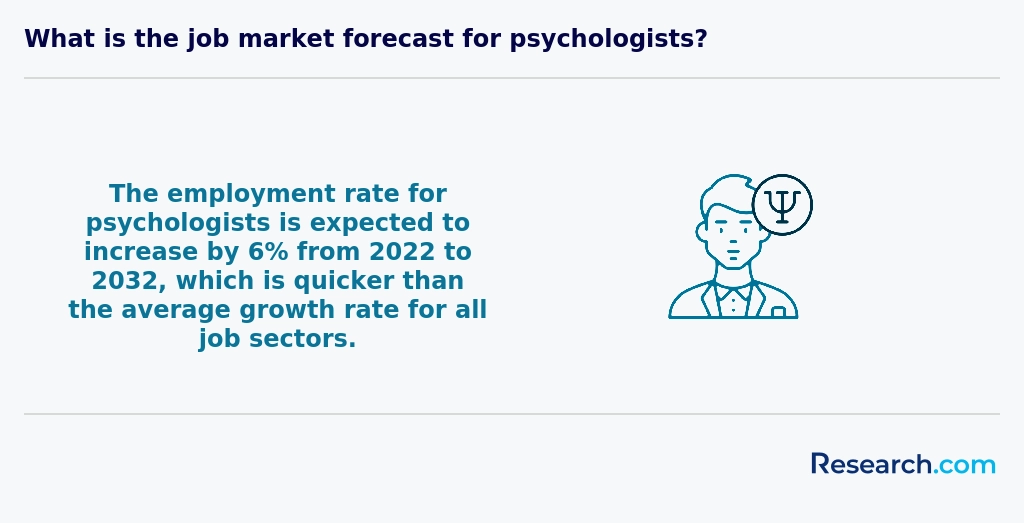
Ensuring your psychology degree program holds proper accreditation is critical for both academic quality and future licensure. In North Carolina, look for regional accreditation from the Southern Association of Colleges and Schools Commission on Colleges (SACSCOC) and programmatic accreditation from the American Psychological Association (APA) for doctoral or internship tracks. APA accreditation signifies that your training meets national standards for clinical, counseling, and school psychology, and is often required for licensure. After graduation, aspiring psychologists in Fayetteville must complete supervised clinical hours-typically 3,000 to 4,000-under a licensed practitioner and pass the Examination for Professional Practice in Psychology (EPPP) administered by the Association of State and Provincial Psychology Boards (ASPPB). North Carolina also requires an oral examination by the NC Psychology Board, plus ongoing continuing education credits to maintain an active license. For counseling-focused roles, graduates should verify that their program aligns with the North Carolina Board of Licensed Clinical Mental Health Counselors (NC BCLCMHC) requirements, including a master’s degree from a CACREP-accredited institution if pursuing Licensed Clinical Mental Health Counselor (LCMHC) status. Even if cost is a primary consideration, never compromise on accreditation. For comparisons of affordable, regionally accredited programs outside Fayetteville, explore our Low Cost Psychology Degree Programs Ranking in New Orleans, LA to see how accreditation and tuition balance in different markets.
Diving into a psychology degree in Fayetteville means immersing yourself in a lively mix of courses that bring human behavior to life. Picture sitting in a University of Arkansas classroom, where General Psychology unfolds like a map to the mind's terrain-foundations in theories and research methods that new graduates recall as their compass for exploring mental landscapes.
Developmental Psychology often sparks moments of wonder, with students comparing notes on how toddlers' first words echo in their own families. Abnormal Psychology feels personal yet academic, as grads reflect on uncovering the mysteries behind mental health challenges they've witnessed in community settings.
Hands-on learners rave about tackling research methods and statistics, transforming data from abstract numbers into stories about human minds. Social and Cognitive Psychology courses invite lively discussions, imagining how memory or social pressure shape daily choices on Fayetteville's vibrant campus walks.
Electives like Health Psychology or Counseling Techniques let students carve their unique paths, combining theory with internships that bring textbook lessons alive in local clinics or organizations.
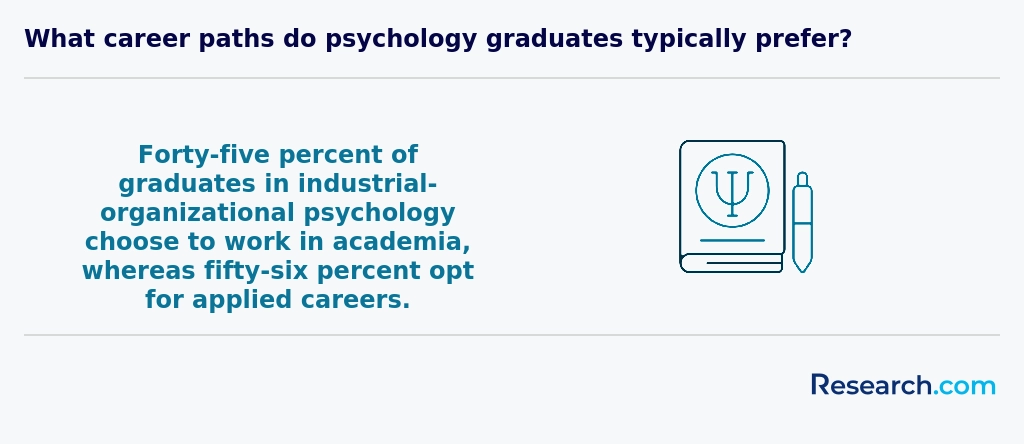
Students diving into psychology degree specializations in Fayetteville often find themselves enchanted by a spectrum of avenues. Graduates from popular colleges here recall immersing in clinical psychology, mastering the art of untangling minds and guiding others through mental health challenges with compassion and science. Others flourished in counseling psychology, fueling their passion to uplift daily lives by developing resilience and career growth strategies. Fayetteville's unique landscape, with its bustling businesses, draws many towards industrial-organizational psychology, where they analyze human behavior in workplace ecosystems, often contributing to local companies thriving through motivated teams.
Developmental psychology captivates those eager to trace life's psychological tapestry from childhood through elderhood, painting each age with curiosity and care. Additional sparks fly in lesser-trodden paths like forensic or health psychology, where graduates collaborate with law enforcement or healthcare, shaping impactful careers. Fayetteville students benefit immensely from real-world experiences on campus and beyond, supported by cost-effective tuition and local internships that blend education with community connection. Exploring these Fayetteville psychology program concentration options offers a vibrant launchpad for personal and professional growth.
For those considering counseling routes, attending lpc networking events kentucky has become a cherished stepping stone, inspiring practical insights beyond Fayetteville's borders.
Imagine walking the vibrant halls of the University of Arkansas, where graduates rave about the seamless blend of research and real-world experience that defines the best psychology degree programs in Fayetteville. Choosing your path here means more than picking classes; it's about tapping into a community that fuels your passion while considering affordable psychology degrees Fayetteville offers without compromising quality. One graduate recalls juggling family life and coursework, benefiting immensely from flexible part-time options that didn't just fit their schedule but enriched their learning.
Look beyond the price tag and explore programs accredited by leading organizations, ensuring your journey leads to licensure and respected career standing. Practical steps like securing internships-similar to those highlighted in lpc internship Arizona stories-can illuminate your path forward, turning abstract theory into impactful practice right in Fayetteville's growing mental health landscape.
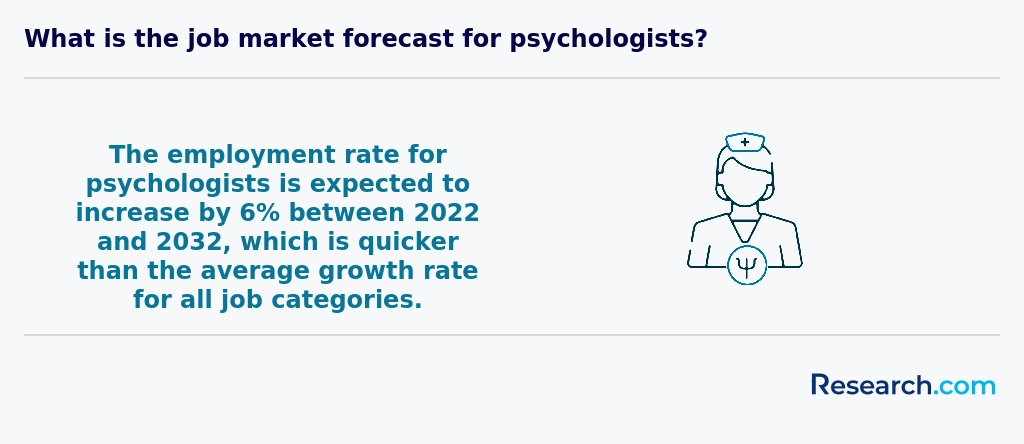
Graduates embarking on psychology degree career options in Fayetteville discover a playground of possibilities where their passion for understanding minds transforms into impactful professions. Imagine a graduate from the University of Arkansas navigating roles as a case manager, applying empathy honed through campus volunteer work to empower individuals in local clinics. Others dive into correctional counseling, bringing fresh perspectives to rehabilitation programs near Fort Bragg, blending human behavior insights with community needs. The appeal of Fayetteville's psychology programs lies not only in foundational knowledge but in specialized paths-some alumni venture into health psychology, supporting patients in Fayetteville's hospitals, while others align with forensic psychology, collaborating with law enforcement agencies across the region.
For those curious about job opportunities with psychology degree Fayetteville offers, the journey continues into dynamic arenas like organizational behavior, where graduates optimize workplace environments in local businesses, or educational psychology, enhancing special education frameworks in surrounding districts. Fayetteville's vibrant academic scene also nurtures research psychologists who contribute to groundbreaking behavioral studies at nearby institutions. Students often view Fayetteville as a valuable psychology school in north carolina hub, enriching their training with practical exposure and community engagement, fueling both career growth and personal fulfillment.

The psychology degree job outlook Fayetteville offers a refreshing blend of steady opportunity and local flavor. Graduates from universities in Fayetteville often find their skills snapped up by healthcare centers, schools, and veterans support agencies, benefitting from the city's close-knit community and regional military presence. One graduate described transitioning smoothly from university to a behavioral health technician role at a local hospital, appreciating how Fayetteville's educational programs emphasized practical experience tailored to nearby social services.
Employment opportunities here stretch across mental health counseling to school psychology, where graduates apply in-depth knowledge cultivated at Fayetteville's colleges. The climate is supportive, with roles rarely stagnant-ranging from case managers coordinating community outreach to research assistants exploring psychosocial impacts on military families. Those pursuing advanced credentials reported excitement about clinical psychologist positions that require further study but reward with strong job prospects.
For students balancing ambition with cost, Fayetteville's public universities offer competitive tuition compared to national averages. Many grads recommend exploring the most affordable psychology degree online to optimize education investment. Fayetteville's unique ecosystem creates both a welcoming home for learning and a launchpad for psychology graduates ready to thrive.
2027 Most Valuable Psychology Degree Programs Ranking in Fayetteville
Investing in your education is a significant decision that can greatly influence your future, and the Research.com team recognizes the importance of making well-informed choices. To support prospective students in Fayetteville, we have carefully developed the "2027 Most Valuable Psychology Degree Programs Ranking in Fayetteville." Our dedication to quality, credibility, and accuracy is demonstrated through thorough research and detailed analysis.
We utilized the following reputable data sources to ensure a comprehensive evaluation of psychology programs:
By reviewing this ranking, readers will obtain valuable insights into the top psychology degree programs available in Fayetteville, empowering them to make informed decisions about their academic and career paths. For a deeper understanding of how this ranking was created, please visit our Research.com methodology page.


Frequently Asked Questions About psychology
Psychology degree students in Fayetteville can maximize their learning experience by actively engaging in local research opportunities and internships. The University of Arkansas, located nearby, offers access to leading psychology faculty and research projects that focus on areas such as behavioral science and mental health, providing practical experience.
Joining student organizations related to psychology can enhance networking and peer learning. According to the American Psychological Association, hands-on experience is linked to higher employment rates, which is crucial in the competitive Fayetteville job market.
Attending Fayetteville's mental health workshops and community programs allows students to apply theory in real-world settings, deepening their understanding and skill development.
Emerging niches within the psychology field reflect growing societal needs and technological advances. In Fayetteville, there is an increasing interest in health psychology, particularly related to chronic illness management and wellness promotion. This aligns with national trends showing a 19% growth in clinical health psychology jobs through 2031, according to the U.S. Bureau of Labor Statistics.
Another expanding area is neuropsychology, which focuses on brain-behavior relationships. The proximity to medical centers in nearby cities supports training opportunities and research in this specialty.
Forensic psychology is also gaining traction, driven by local demand for mental health experts in legal settings. Fayetteville's connection to military communities further boosts demand for trauma and resilience-focused psychologists.
These niches offer promising career paths for psychology graduates seeking to address evolving challenges in Fayetteville's diverse population.
Preparing for the job market after earning a psychology degree in Fayetteville involves several strategic steps. Graduates should seek internships or practicum experiences during their studies to build practical skills and professional networks. Local Fayetteville organizations such as mental health clinics and hospitals often offer relevant opportunities.
Obtaining certification or licensure, such as becoming a Licensed Professional Counselor (LPC) in Arkansas, is essential for many psychology careers. According to the Arkansas Board of Examiners in Psychology, meeting supervised experience requirements is crucial.
Developing strong research and communication skills enhances employability. Attending local job fairs and using Fayetteville's career services can provide helpful connections. Graduates are advised to tailor resumes to highlight relevant experience and maintain updated knowledge of regional labor market trends from sources like the U.S. Bureau of Labor Statistics.
Employers in Fayetteville seeking psychology degree graduates prioritize strong communication skills. This includes the ability to clearly convey complex psychological concepts to diverse audiences. Additionally, critical thinking and analytical skills are highly valued, enabling graduates to interpret data and apply evidence-based practices effectively.
Interpersonal skills are essential, as many psychology roles involve working directly with clients or collaborating in multidisciplinary teams. According to the U.S. Bureau of Labor Statistics, Fayetteville's social science and psychology job market emphasizes applied research and counseling abilities.
Technical proficiency with statistical software like SPSS or R also enhances employability, given Fayetteville's growing demand for data-driven psychological assessment. Adaptability and ethical judgment remain foundational skills expected by employers in the region.
Finding internships in Fayetteville relevant to a psychology degree involves a combination of research, networking, and utilizing local resources. Fayetteville hosts several institutions, including the University of Arkansas, which offers career services and internship placement support tailored to psychology students. Local hospitals, mental health clinics, and community centers often have internship opportunities in clinical and counseling psychology.
Students should explore Fayetteville's psychology department websites and attend career fairs to connect with potential employers. According to the National Association of Colleges and Employers, internships increase job prospects by over 60% post-graduation. Volunteering with organizations like the Northwest Arkansas Children's Shelter can also provide valuable experience.
A psychology degree in Fayetteville can significantly enhance career mobility and advancement due to the area's growing demand for mental health professionals. According to the U.S. Bureau of Labor Statistics, positions in psychology-related fields in North Carolina are projected to grow by 12% between 2022 and 2032, a rate above the national average.
This growth reflects increasing opportunities in counseling, social services, and human resources, especially near Fayetteville's medical and military institutions. Earning a degree often opens doors to licensed clinical roles, supervisory positions, and specialized areas like neuropsychology.
Employers in Fayetteville value formal education combined with practical experience, so graduates with internships or research backgrounds typically advance faster. Additionally, professional certification and continuing education enable further career progression.
Studying for a psychology degree in Fayetteville offers students strong preparation for interdisciplinary roles by emphasizing a broad curriculum that integrates psychology with fields like healthcare, education, and social work. Local universities often include coursework in research methods and statistics, essential for collaborating in varied professional settings.
The region's growing healthcare sector and partnerships with community organizations provide practical experiences supporting teamwork across disciplines. According to the U.S. Bureau of Labor Statistics, Fayetteville's demand for mental health counselors and social service managers is projected to grow, highlighting opportunities for cross-field collaboration.
Such interdisciplinary training equips graduates to apply psychological principles within diverse workplaces effectively.
Choosing between a thesis and a non-thesis psychology degree program in Fayetteville depends largely on your career goals and learning preferences. A thesis option typically involves conducting original research, which suits students aiming for doctoral studies or research careers. According to the American Psychological Association, nearly 30% of psychology graduates in Arkansas pursue further research-based education, making the thesis route advantageous for such paths.
Non-thesis programs focus more on coursework and practical skills, appealing to students looking for applied psychology roles or faster completion. Fayetteville's university programs generally mirror national trends, with non-thesis tracks completing 30-36 credit hours without a research project.
Consider your interest in research, time commitment, and post-graduation plans to make an informed decision.
Students based in Fayetteville interested in studying psychology abroad have several pathways to consider. Many universities in Fayetteville, such as the University of Arkansas, offer partnerships and exchange programs with institutions abroad, enabling psychology majors to gain international experience while earning credits. According to the Institute of International Education, approximately 2% of U.S. psychology students participate in study abroad programs annually, reflecting growing interest in global perspectives.
Popular destinations for psychology study abroad include the United Kingdom, Canada, and Australia, where curricular similarities ease credit transfer. Students can also explore faculty-led or third-party programs tailored to psychology topics.
Part-time job opportunities in Fayetteville that complement psychology degree education often involve roles in healthcare, counseling, or social services. Many students find positions as mental health aides or behavioral technicians in local clinics, which provide practical experience supporting psychologists and therapists. According to the U.S. Bureau of Labor Statistics, jobs in mental health services in Arkansas, including Fayetteville, are expected to grow by 16% from 2022 to 2032, reflecting increasing demand for support staff.
Additionally, working as a research assistant at institutions like the University of Arkansas allows students to engage in psychological studies, helping develop analytical and data collection skills. Volunteer opportunities in community centers or crisis hotlines also build relevant experience.
Psychology students in Fayetteville have several opportunities to build professional networks while pursuing their degrees. Universities like the University of Arkansas offer active psychology clubs and organizations that host guest lectures, workshops, and social events. These gatherings connect students with faculty, local clinicians, and visiting psychologists.
Students can also attend events organized by the Arkansas Psychological Association, which has a presence in the region and provides conferences and seminars each year. These events are valuable for meeting professionals and learning about internships or research positions.
Additionally, local hospitals and mental health clinics frequently offer internships and volunteer roles which serve as practical networking platforms. According to recent data, Fayetteville hosts over a dozen mental health-related facilities, providing diverse field experience options for psychology students.
Alumni networks provide valuable support for psychology degree students in Fayetteville by connecting them with experienced professionals in the field. These networks often offer mentorship opportunities, career guidance, and access to job openings within local clinics, schools, and healthcare settings.
Research from the National Association of Colleges and Employers shows that 85% of jobs are filled through networking, highlighting the importance of alumni connections. Fayetteville's psychology graduates benefit from a community of practitioners who share insights about licensure, internships, and continuing education specific to the state of Arkansas.
Additionally, alumni events and online platforms encourage collaboration and professional development, giving current students a competitive edge in the local job market and broader psychology field.
In Fayetteville, students can tailor their psychology degree programs to align with specific career objectives by choosing from various elective courses and specialization options offered by local universities. Many institutions provide concentrations in clinical psychology, counseling, or industrial-organizational psychology, allowing learners to focus on areas of interest. Additionally, Fayetteville schools often support internships or practicum placements, enabling practical experience in local healthcare settings or community services.
Advising services are available to help students map their academic paths toward licensure requirements or graduate study prerequisites. According to the Bureau of Labor Statistics, psychology careers in Arkansas are expected to grow by approximately 8% over the next decade, emphasizing the value of tailored education. Utilizing campus resources can significantly enhance career readiness within the Fayetteville job market.
Psychology students in Fayetteville commonly face challenges related to balancing rigorous coursework with practical training requirements. Many programs emphasize both theoretical knowledge and hands-on experience, which can be demanding. According to data from the American Psychological Association, students nationwide report stress from managing research projects and clinical placements, a trend echoed in Fayetteville's universities.
Another typical issue involves securing internships, as Fayetteville's size limits the number of local clinical and research sites. This competition can delay graduation or reduce practical learning opportunities. Additionally, financial constraints present hurdles, with average psychology program costs in Arkansas around $7,000 per year for in-state students, impacting those with limited resources.
Students also encounter the challenge of navigating evolving licensure requirements, which vary by state and require ongoing education. Keeping up with these regulations demands proactive planning and institutional support, which can be inconsistent across Fayetteville institutions.
Graduates with a psychology degree in Fayetteville can pursue several professional certifications to enhance their careers. Common certifications include becoming a Licensed Professional Counselor (LPC) or a Licensed Clinical Social Worker (LCSW), which require state licensure and supervised clinical hours. Earning the National Certified Counselor (NCC) credential through the National Board for Certified Counselors is also popular. Other options include certifications in Applied Behavior Analysis (ABA) for working with autism spectrum disorders or becoming a Certified Psychology Technician. According to the Arkansas Psychology Board, requirements for licensure vary, so consulting local regulations is essential for Fayetteville students and professionals.
Writing a winning application for a psychology program in Fayetteville requires clear focus and attention to detail. Start by researching the specific requirements of local institutions such as the University of Arkansas, which offers highly regarded psychology degrees. Make sure your personal statement highlights your passion for psychology, relevant experiences, and career goals. Fayetteville programs often value volunteer work or internships in mental health settings, so mention these if applicable.
Additionally, maintain a strong GPA; the average admitted psychology student in Arkansas typically boasts a GPA above 3.2, according to state education reports. Submit well-organized recommendation letters from academic or professional sources familiar with your skills. Finally, tailor each application to show familiarity with Fayetteville's community and psychology trends locally to stand out.
The field of psychology is increasingly recognized worldwide for its broad applications and career opportunities. In the United States, including cities like Fayetteville, psychology careers are valued for their roles in mental health, education, and research. According to the U.S. Bureau of Labor Statistics, employment for psychologists is expected to grow 8% from 2021 to 2031, reflecting rising demand for mental health services.
Globally, psychology professionals contribute to diverse sectors, such as healthcare, business, and technology. In Fayetteville, local universities offer programs aligned with these trends, preparing graduates for various roles both domestically and internationally. Understanding cultural differences remains essential for global psychology practice.
Students pursuing a psychology degree in Fayetteville can gain practical experience through internships and volunteer opportunities offered by local healthcare facilities, schools, and social service agencies. For example, organizations like the Veterans Health Care System of the Ozarks often provide placements for undergraduate and graduate psychology students. Local universities may also have partnerships that facilitate applied research projects or fieldwork experiences.
Additionally, Fayetteville is home to counseling centers and nonprofit organizations that welcome student volunteers, allowing hands-on exposure to behavioral health practices. Engaging in these experiences enhances skills and improves employability after graduation.
Many degree programs in Arkansas require supervised practicum hours to meet licensure standards, so checking school curricula and state guidelines helps students align their efforts with professional requirements.
Choosing the right concentration within a psychology degree program in Fayetteville begins with understanding your career goals. Psychology includes various specializations such as clinical, counseling, forensic, and industrial-organizational psychology. Students should consider local employment trends; for example, Fayetteville's growing healthcare sector often seeks clinical psychologists. According to the U.S. Bureau of Labor Statistics, clinical and counseling psychology roles are among the fastest growing. Researching Fayetteville's universities like the University of Arkansas can provide insight into available concentrations and internship opportunities. Additionally, speaking with academic advisors and reviewing course curricula helps identify which specialization fits your interests and strengths best.
- 2027 Most Valuable Psychology Degree Programs Ranking in Raleigh
- 2027 Most Valuable Psychology Degree Programs Ranking in Durham
- 2027 Most Valuable Psychology Degree Programs Ranking in Greensboro
- 2027 Most Valuable Psychology Degree Programs Ranking in Charlotte
- 2027 Most Valuable Psychology Degree Programs Ranking in Columbia
- 2027 Most Valuable Psychology Degree Programs Ranking in Pittsburgh
- 2027 Most Valuable Psychology Degree Programs Ranking in Philadelphia
- 2027 Most Valuable Psychology Degree Programs Ranking in Columbus
- 2027 Most Valuable Psychology Degree Programs Ranking in Cincinnati
- 2027 Most Valuable Psychology Degree Programs Ranking in Birmingham
See What Experts Have To Say About Studying Psychology
Read our interview with Psychology experts

Catherine Caldwell-Harris, Ph.D.
Psychology Expert
Associate Professor of Psychology
Boston University

Joann Farrell Quinn, Ph.D., MBA
Psychology Expert
Director at the College of Medicine Department of Medical Education
Morsani College of Medicine

Robin M. Kowalski. Ph.D.
Psychology Expert
Professor of Psychology
Clemson University

- Mental Health Challenges Faced by Psychology Students | The Healthcare Guys https://healthcareguys.com/2023/11/23/mental-health-challenges-faced-by-psychology-students/
- Skills of a Psychology Major - Psychology Department https://wagner.edu/psychology/skills/
- Best Types Of Online Psychology Degrees 2025 https://www.psychology.org/degrees/
- Psychology Degree Requirements | University of Bridgeport https://www.bridgeport.edu/news/psychology-education-requirements/
- Best North Carolina Psychology Degrees Updated for 2025, Online Included https://www.psychologydegrees.org/state/north-carolina
- Know more about thesis vs non- thesis: what is the difference? https://studyfans.com/en/blogs/816
- Psychology Online Degree Pathway https://www.learndirect.com/course/psychology-online-degree
- A Guide to Psychology Internships | Psychology Degree Guide https://psychologydegreeguide.org/resources/internships/
- Sample letters in psychology https://www.mystudies.com/en-in/human-and-social-sciences/psychology/letter-model/
- Society for the Teaching of Psychology https://teachpsych.org/page-1784686/8675326


