2027 Most Popular Psychology Degree Programs Ranking in Reno

Co-Founder and Chief Data Scientist
If you're considering studying psychology in Reno, this article offers valuable insights tailored just for you. The 2027 Most Popular Psychology Degree Programs Ranking in Reno was created by the Research.com team of data scientists to help students like you discover the best options available.
Choosing the right psychology program can shape your future career and personal growth. This guide makes it easier to compare programs and find one that aligns with your goals. Exploring these opportunities can open doors to a fulfilling and meaningful profession.
Key benefits of getting psychology degree in Reno
- Graduates with a psychology degree in Reno can expect competitive salaries, such as earning around $62,370 annually as a Clinical Research Associate or $83,190 as a Marketing Research Analyst, offering strong financial opportunities.
- Career paths in Reno for psychology graduates include roles in research, human resources, or childcare, reflecting diverse options that fit many interests and lifestyles.
- Obtaining a psychology degree online from a Reno-based university provides flexible learning schedules and easier balancing of work-life commitments, making education more accessible and convenient.
- 2027 Most Popular Psychology Degree Programs Ranking in Reno
- What can I expect from psychology degree in Reno?
- Where can I work with psychology degree in Reno?
What can I expect from psychology degree in Reno?
The average cost of pursuing a psychology degree in Reno typically falls around $9,000 per year for in-state undergraduate students at the University of Nevada, Reno (UNR), while out-of-state students should expect to pay closer to $23,000 annually. Graduate tuition varies more widely depending on the program and whether students attend full or part-time. Many psychology graduates describe their investment as worthwhile, emphasizing how financial aid and graduate assistantships at UNR helped ease the burden while providing valuable hands-on experience in research and clinical settings.
Imagine a psychology student balancing coursework on cognitive neuroscience while participating in community internships, supported by assistantships that reduce tuition costs. These opportunities are often highlighted by alumni as pivotal moments in their education, blending theory with practice and making the expense feel more manageable. The variety of programs in Reno ensures students can tailor their studies to fit both their academic ambitions and budgets, making the psychological landscape here a promising space for future clinicians, researchers, and counselors.
Where can I work with psychology degree in Reno?
Graduates from psychology programs at institutions like the University of Nevada, Reno often find themselves stepping confidently into diverse career paths across the city. Many begin in mental health clinics or hospitals, where their hands-on training helps them support clients as behavioral health specialists or case managers. One graduate shared how working alongside Northern Nevada Adult Mental Health Services allowed them to turn classroom theory into impactful therapy sessions, igniting a passion for clinical work.
Other alumni discover fulfilling roles within Washoe County's educational system, serving as school counselors or behavioral intervention coordinators. They thrive in environments that blend psychological insight with community betterment, frequently collaborating on student wellness programs. This practical experience often boosts their confidence and opens doors to roles in government and nonprofit sectors, such as program coordination with the Nevada Department of Health and Human Services.
Some graduates pursue careers in corporate settings, applying psychology principles to enhance human resources and market research strategies. The demand for psychology-trained professionals in Reno continues to grow, propelled by local mental health needs and evolving workplace trends, creating exciting opportunities for new graduates ready to make a meaningful impact.
Graduates with psychology degrees in Reno can expect a range of earnings depending on their chosen career path and level of education. For example, human resources specialists, a common role for psychology majors, earn an average annual wage of about $76,060, while marketing research analysts typically make around $83,190. These figures reflect strong demand and competitive salaries within the area, especially for graduates from institutions like the University of Nevada, Reno.
Many graduates start in roles such as clinical research associates or survey researchers, with average annual salaries near $62,370. These positions offer valuable experience and a stepping stone to higher-paying jobs.
Entry-level jobs, such as childcare workers, provide a more modest average salary of about $32,070, but they often encourage graduates to pursue further education and specialization.
Reno's mental health sector continues to grow, and many graduates find joy and financial reward balancing private practice or consulting with academic careers, fueled by strong community support and emerging healthcare opportunities.
- A bachelor's degree in psychology in Reno typically takes four years to complete at institutions like the University of Nevada, Reno.
- Annual tuition for in-state students ranges from $8,000 to $10,000, while out-of-state students may pay about $23,000 per year.
- Entry-level psychology graduates in Reno can expect starting salaries between $40,000 and $50,000 annually, with experienced professionals earning around $70,000 or more.
- Key job sectors include healthcare, education, and social assistance, with a focus on clinical and counseling psychology.
- Licensing in Nevada requires supervised practice hours and passing exams, often after earning a master's or doctoral degree.
For those pursuing a master's degree, expect about two to three years. Many appreciate how programs in Reno integrate practicum experiences early on, allowing real-world application alongside theory. The mix of clinical and counseling focuses helps graduates feel confident stepping into their careers faster.
Doctoral candidates at Reno's universities navigate a five-to-seven-year path, embracing intensive research and supervised clinical work. They often reflect on the deep sense of accomplishment gained from contributing to both science and community health.
With online options and part-time enrollment growing, future students might experience even more flexible timelines in Reno, making psychology degrees accessible without sacrificing work or personal life.
After earning your psychology degree in Reno, NV, obtaining the proper licensure is essential for practicing clinically or providing therapy. Nevada’s State Board of Psychological Examiners oversees the following steps: 1. Supervised Experience • Complete a minimum of 3,000 hours of supervised postgraduate experience in settings such as clinics, hospitals, or community health centers. • At least 1,500 hours must involve direct client contact under the supervision of a licensed psychologist. 2. Examination Requirements • Pass the Examination for Professional Practice in Psychology (EPPP), administered by the Association of State and Provincial Psychology Boards (ASPPB). • Pass Nevada’s jurisprudence exam covering state laws, ethical standards, and regulations. 3. Application Process • Submit official transcripts showing your degree from an APA-accredited program. • Provide verification of supervised hours, supervisor affidavits, and background check clearance. • Pay application, examination, and licensing fees as specified by the Board. 4. Specialized Certifications • School psychologists must obtain certification through the Nevada Department of Education, including additional coursework in education law and child development. • Those interested in becoming a behavioral therapist often pursue board certification in behavior analysis, which requires coursework, supervised fieldwork, and the Board Certified Behavior Analyst (BCBA) exam. Continuing Education • Licensed psychologists and related professionals must complete 40 hours of continuing education every two years, including ethics, cultural competence, and specialty area updates. Understanding and planning for these requirements early in your academic journey ensures a seamless transition from student to licensed professional, empowering you to make a meaningful impact on Nevada’s communities.
Choosing between online and on-campus psychology degrees in Reno often comes down to your lifestyle and learning preferences. Graduates from the University of Nevada, Reno report that on-campus programs create a vibrant community feel-joining study groups in campus libraries or engaging directly with faculty during office hours enriches their practical understanding of psychology. This hands-on exposure, including local internships at Reno mental health centers, boosts their confidence and clinical skills.
Meanwhile, students from online psychology programs appreciate the flexibility to balance studies with jobs or family. They describe the ease of accessing lectures anytime through digital platforms, which fits the unpredictable pace of life. However, they emphasize the importance of self-motivation and proactive communication with instructors to stay engaged and succeed.
Looking ahead, Reno's psychology programs may blend these formats more seamlessly. Imagine hybrid models where students attend in-person labs and local internships while completing theory online, combining convenience with real-world experience. Such innovations could redefine how psychology education adapts to students' needs in this evolving city.
Ensuring that your psychology program is accredited is critical for validating the quality of your education and boosting your career prospects. Accreditation confirms that an institution meets stringent educational standards and is committed to continuous improvement in curriculum, faculty expertise, and student support services. This is especially important for online education, where quality assurance can directly impact licensure opportunities and employer recognition. Prospective students should consider programs that not only offer robust academic training but also adhere to industry-standard criteria. For example, when researching doctoral programs, you may want to explore psyd programs online apa accredited to ensure the online pathway you choose stands up to the same rigorous demands as traditional on-campus programs. By prioritizing accredited programs, you invest in a degree that offers tangible benefits-enhanced career opportunities, access to cutting-edge research, and increased credibility in the field of psychology.
The average cost of a psychology degree in Reno for in-state students typically totals around $9,578, reflecting the median in-state total cost. Graduates from the University of Nevada, Reno often share how this investment, though significant, feels manageable compared to costs in other cities, allowing them to focus on their studies and personal growth without overwhelming financial stress. Out-of-state students face similar total costs near $43,206, which aligns with national trends yet remains competitive with other public universities offering psychology programs.
Students pursuing psychology degree tuition and fees Reno 2027 can expect fees to cover a range of academic needs, from tuition to necessary materials. Many describe budgeting for textbooks, lab supplies, and technology as part of the overall effort to deepen their learning experience and prepare for careers in psychology. The costs mirror their ambition and dedication to the field, often offset by financial aid packages and scholarships that local institutions like UNR provide.
Looking ahead, emerging trends in remote learning and hybrid program options could reshape these expenses, potentially lowering costs for some students. Those considering graduate education will find a growing number of accredited options, and exploring doctoral programs in psychology rankings can help identify paths that balance academic excellence with affordability.
. When searching for a psychology program in Reno, NV, it's essential to consider various factors, including program reputation, faculty expertise, and student outcomes. By examining these aspects, you can make an informed decision about your educational path. For instance, you may want to explore a popular psychology school in Reno, which can provide valuable insights into the quality of education and career opportunities. This research can help you navigate the top choices, including the well-regarded University of Nevada, Reno, and ensure that your investment in education pays off, leading to a fulfilling career in psychology.
Psychology students in Reno can tap into a variety of financial aid options that ease the path toward their degree. Graduates from the University of Nevada, Reno often recall how federal aid, like Pell Grants and Direct Loans, covered significant portions of their tuition, allowing them to focus deeply on their studies without constant financial stress.
State-specific programs such as the Nevada Promise Scholarship have reshaped possibilities for local students starting at community colleges before transferring to larger universities. Many students share how this last-dollar scholarship gave them the confidence to pursue advanced psychology coursework without the overwhelming burden of debt.
Merit-based scholarships offered by Reno's institutions consistently reward academic excellence and campus involvement-past recipients emphasize how such funding motivated them to excel both in and out of the classroom.
Looking ahead, more tailored aid from professional organizations like the American Psychological Association could inspire future psychology students to discover new funding avenues tied directly to career goals in mental health and research fields within Nevada.
To practice psychology or counseling professionally in Reno, NV, graduates must obtain state licensure through a clear sequence of steps. Whether you pursue an on-campus or online psychology degree, ensure your program aligns with Nevada Board requirements.
- Earn a bachelor’s degree in psychology from a regionally accredited institution.
- Complete a graduate program (Master’s or Doctorate) accredited by the American Psychological Association (APA) or relevant accrediting body.
- Accumulate supervised clinical experience: typically 2,000–4,000 hours for Licensed Professional Counselors (LPC) or up to 6,000 hours for Licensed Psychologists.
- Pass the Examination for Professional Practice in Psychology (EPPP) and any state-specific law and ethics exams.
- Submit your application to the Nevada Board of Psychological Examiners, including official transcripts, exam scores, and verification of supervised hours.
- Maintain licensure through required continuing education credits, typically 30 hours every two years.
Students aiming to enroll in a psychology degree in Reno will likely need a high school diploma or an equivalent to begin their undergraduate journey, just as many graduates from the University of Reno have experienced. These programs often look for a GPA between 2.5 and 3.0, encouraging students to maintain solid academic performance to feel confident stepping into college life.
Many future psychologists recall how having a background in biology or social sciences made early courses feel more approachable. This foundational knowledge, common in local high schools, helps bridge the gap between theory and practical understanding.
For graduate studies, completing a bachelor's in psychology or a related field is usually essential. Graduates from Reno's graduate programs often mention how coursework in research methods and statistics boosted their analytical skills, preparing them for complex studies and real-world application.
As testing requirements evolve, some programs still value GRE scores, though many students appreciate the flexibility to showcase their strengths beyond standardized tests. The affordable tuition in Reno further adds to the excitement of pursuing psychology, fostering hopeful and motivated students ready to make an impact.

To practice clinically or advance professionally, psychology graduates must obtain state licensure. Key steps include:
- Education requirements: Earn a master’s degree (for Licensed Psychological Associate) or a doctoral degree (for Clinical Psychologist) from an accredited program. Consider flexible pathways like the cheapest psychology degree online.
- Supervised experience: Complete 1,500–2,000 hours of post-degree supervised practice under a licensed psychologist.
- Examination: Pass the National Examination for Professional Practice in Psychology (EPPP) and the Nevada jurisprudence exam.
- Application: Submit transcripts, exam scores, and supervision verification to the Nevada Board of Psychological Examiners.
- Continuing education: Maintain licensure by completing required continuing education credits (typically 30 hours every two years).
Psychology degrees in Reno typically include a mix of foundational and specialized courses designed to spark curiosity and deepen understanding. Graduates from the University of Nevada, Reno often recall engaging classes like Introduction to Psychology, which opened their eyes to the basics of human behavior, and Research Methods in Psychology, where hands-on experiments made data collection feel like solving real puzzles.
Biological Psychology courses provide fascinating insights into how brain functions influence emotions and actions, often illustrated through case studies and brain imaging examples. Cognitive and Developmental Psychology classes invite students to explore memory, perception, and human growth through vivid, relatable discussions.
Social and Abnormal Psychology courses resonate deeply with many students, who feel empowered to understand and assist others in challenging situations. Electives such as clinical psychology or behavioral neuroscience further enrich the experience, with practicum opportunities at local clinics offering a rewarding glimpse into actual psychological work.
These courses in Reno not only build strong academic foundations but also inspire confidence and a sense of purpose among students eager to impact the field.

Students pursuing a psychology degree in Reno often explore diverse specializations that align with their aspirations and the local community's evolving needs. Clinical psychology remains a strong focus, with graduates from popular Reno universities sharing how hands-on experiences with therapeutic techniques inspired their dedication to mental health care. Counseling psychology also attracts those eager to support individuals through personal challenges, often through group therapy or career development approaches. This variety reflects the best psychology programs Reno specializations, offering learners a tailored path.
Developmental psychology is another path embraced by students interested in human growth across the lifespan, preparing them for roles in education or elder care. Forensic psychology, a growing field in the region, presents opportunities for working with legal systems and law enforcement, an area graduates find both thrilling and impactful. Emerging fields like industrial-organizational and health psychology hint at expanding future directions for Reno's psychology degrees.
Reno's institutions balance these specialization options with tuition costs that remain accessible compared to national averages, ensuring prospects can invest confidently in their futures. For example, students can compare options and costs with affordable psychology degrees in Michigan to better weigh their educational choices.
Choosing the best psychology degree in Reno means looking beyond just course content to how programs align with your future career and personal growth. Graduates from popular universities in Reno often highlight how affordable psychology colleges Reno NV offered them both quality education and crucial hands-on research experiences, helping them feel confident stepping into real-world roles.
Focus on programs that provide strong faculty mentorship and active research opportunities, especially those that integrate emerging trends like cognitive neuroscience or digital mental health. Many students describe feeling energized by participating in local internships, preparing them to meet Nevada's licensing requirements while building valuable networks.
Because state licensure is a major milestone, consider how each college supports exam preparation and work placements. For instance, some programs offer tailored guidance comparable to what alumni praised in their psychology licensure application in Ohio, but focused on Nevada's system.
Thinking ahead, choosing a degree that balances cost, accreditation, and practical experience equips you not just to succeed academically but to thrive emotionally and professionally after graduation.

Graduates with a psychology degree in Reno often find themselves exploring diverse paths fueled by the city's growing demand for mental health professionals. Many choose to become licensed clinical psychologists or counselors, benefiting from programs at the University of Nevada, Reno, which prepare students for Nevada's rigorous licensure requirements. The rewarding experience of helping local communities thrive adds a strong sense of purpose to their careers.
Others are drawn to roles within Reno's public schools or social services, where their training makes a tangible difference in students' lives as school psychologists or substance abuse counselors. This segment of the workforce is expanding, reflecting the optimistic job outlook for psychology career opportunities in Reno. Graduates often speak of the fulfillment gained by supporting families and youth through complex challenges.
Meanwhile, a growing number of psychology grads engage with Reno's vibrant business community, applying organizational psychology to enhance employee well-being and productivity. The city's expanding tech sector opens exciting doors for those interested in industrial-organizational roles. Those aiming for research or academic careers find advanced degrees essential; many use graduate programs at local universities as stepping stones. For detailed options, students interested might also explore psychology colleges Ohio for broader comparative insights on educational paths.

The job market for psychology degree holders in Reno is evolving with promising opportunities, especially as mental health awareness continues to rise locally. Graduates from popular universities and colleges in Reno often share how internships and supervised clinical experiences have helped them secure roles in hospitals or social service agencies. These practical steps align well with the growing demand for clinical and counseling psychologists in the region, making the employment opportunities for psychology graduates Reno increasingly competitive yet rewarding.
Many students find that starting with a bachelor's degree can lead to entry-level roles, but advancing to graduate degrees notably enhances earning potential and job prospects. Graduates pursuing advanced credentials report positive experiences navigating the expanding healthcare facilities in Reno, where the emphasis on mental wellness opens doors in private practices and nonprofit organizations. The blend of academic rigor and hands-on training solidifies their readiness for state licensure requirements.
Considering the cost of education, which averages between $9,000 and $12,000 for in-state students, many weigh these expenses against future salary gains. Those interested in a stable career path benefit from exploring the popular psychology school options to maximize their training and network connections, enhancing long-term career sustainability.
2027 Most Popular Psychology Degree Programs Ranking in Reno
Investing in your education is a significant decision that can profoundly impact your future, and the Research.com team fully recognizes the importance of making well-informed choices. To support prospective students in selecting the best psychology degree programs in Reno, we have carefully developed the "2027 Most Popular Psychology Degree Programs Ranking in Reno." Our dedication to quality, credibility, and accuracy is demonstrated through thorough research and detailed analysis.
We utilized the following reputable data sources to ensure a comprehensive evaluation of psychology programs:
By exploring this ranking, readers will gain valuable insights into the top psychology degree programs available in Reno, empowering them to make confident and informed decisions about their academic journeys. For a deeper understanding of our ranking process, please visit our Research.com methodology page.

Frequently Asked Questions About psychology
Students pursuing psychology degrees in Reno can enhance their learning by actively engaging in both academic and practical experiences. Participating in research projects at institutions like the University of Nevada, Reno, which is ranked among the top regional universities in the West by U.S. News, offers valuable hands-on experience. Networking with faculty and attending local psychology conferences can deepen understanding and open career opportunities.
Internships with community mental health organizations or hospitals in Reno provide real-world application of psychological theories. Utilizing campus resources such as tutoring centers and study groups has proven to increase retention rates among psychology majors nationwide, according to the National Center for Education Statistics.
Emerging niches in psychology reflect evolving societal needs and advancements in technology. In Reno, as across the US, fields like neuropsychology and health psychology are gaining traction. Neuropsychology focuses on understanding brain-behavior relationships, an area supported by growing research at institutions such as the University of Nevada, Reno. Health psychology examines psychological factors that affect physical health and chronic illness management, responding to rising concerns over mental health in medical settings.
Another fast-growing field is forensic psychology, which overlaps with the criminal justice system. With Nevada's increasing investment in rehabilitation programs, demand for forensic psychologists is expected to rise.
Additionally, sports psychology is emerging locally, driven by Reno's active sports culture and the Push for mental wellness in athletics.
After completing a psychology degree in Reno, preparing for the job market involves building practical experience and professional networks. Many graduates benefit from internships or volunteer positions in local mental health clinics or research centers to enhance their resumes. According to the U.S. Bureau of Labor Statistics, employment for psychologists is projected to grow 8% from 2021 to 2031, emphasizing the value of real-world experience. Joining Reno-based professional organizations, like the Nevada Psychological Association, can provide networking and mentorship opportunities. Additionally, obtaining relevant certifications or pursuing graduate education can increase job prospects in clinical, counseling, or industrial-organizational psychology fields.
Employers in Reno seeking psychology degree graduates prioritize a range of technical and interpersonal skills. Strong analytical abilities are essential, as professionals must assess behavioral data and psychological tests accurately. Communication skills rank highly, with an emphasis on clear, empathetic dialogue to interact effectively with clients and colleagues.
According to the Nevada Department of Employment, graduates with competencies in research methods and statistical analysis have increased job prospects in Reno's expanding mental health sector. Critical thinking is also crucial for diagnosing and developing treatment plans.
Additionally, cultural sensitivity and ethical judgment are important due to Reno's diverse population and strict professional standards. Mastery of these skills enhances graduate employability in various settings, including hospitals, schools, and private practice.
Finding psychology internships in Reno involves exploring opportunities at local hospitals, mental health clinics, and university programs. The University of Nevada, Reno, often supports psychology students by connecting them with regional organizations.
Students should utilize career services and faculty networks to identify internships that offer hands-on experience in counseling, research, or clinical settings. The Nevada Department of Health and Human Services lists internship openings that can enhance student training.
Additionally, joining professional associations such as the Nevada Psychological Association can provide valuable contacts and resources. Internships typically last between three to six months and may be paid or unpaid, depending on the provider.
Obtaining a psychology degree in Reno can significantly enhance career mobility and advancement within the region's growing mental health and social services sectors. According to the Nevada Department of Employment, Psychology-related occupations in Reno are projected to grow faster than the national average through 2030. This growth creates new job opportunities ranging from clinical psychology to counseling and human resources.
Graduates with psychology degrees often find it easier to transition between roles due to the versatility of their skills in research, assessment, and interpersonal communication. Licensing requirements for clinical practice in Nevada require at least a master's or doctoral degree, which can lead to higher salaries and leadership positions.
In local organizations and healthcare providers, employees with advanced psychology credentials are more likely to gain promotions and specialized roles, reflecting the demand for expertise in behavior analysis and mental health intervention.
Studying for a psychology degree in Reno equips students with skills applicable across diverse fields such as healthcare, education, and social services. Programs often emphasize interdisciplinary coursework, integrating psychology with sociology, biology, and counseling techniques. This approach reflects the complexity of real-world problems where psychological knowledge intersects with other disciplines.
The University of Nevada, Reno, a key institution in the area, reported that over 60% of its psychology graduates pursue careers or further education combining multiple fields. Students benefit from practical experiences through local partnerships with medical centers and community organizations, fostering collaboration skills.
Such training prepares graduates to adapt in roles requiring teamwork and cross-disciplinary understanding, crucial for addressing mental health, behavioral, and social challenges effectively.
When choosing between a thesis and a non-thesis psychology degree program in Reno, consider your career goals. A thesis option is research-focused, ideal for students aiming to pursue doctoral studies or careers in academia. It involves conducting original research and writing a detailed thesis, which can take additional time.
The non-thesis track is more coursework-oriented, suited for those targeting professional psychology roles or immediate employment after graduation. It often includes more practical classes and internships.
According to the Nevada System of Higher Education, about 40% of psychology graduates in Reno choose thesis programs for advanced research skills, while 60% opt for non-thesis tracks to accelerate entry into the workforce.
Students based in Reno who wish to study psychology abroad have several pathways available through US institutions with strong international exchange programs. Universities in Nevada, including the University of Nevada, Reno, often partner with overseas universities, allowing students to complete part of their psychology degree abroad. These programs typically include study abroad semesters in countries such as the United Kingdom, Australia, or Canada, which are popular destinations for psychology students.
Many US accredited psychology programs emphasize global perspectives on mental health, making international study valuable for broadening clinical and research skills. According to the Open Doors Report, over 325,000 American students studied abroad in 2022, with a significant interest in social sciences like psychology. Reno students should consult academic advisors early to explore available exchange options and ensure credits transfer smoothly.
Students pursuing psychology degrees in Reno can find several part-time job opportunities that enhance their academic knowledge and practical skills. Local mental health clinics and nonprofit organizations frequently seek assistants for administrative and support roles, allowing students to observe clinical settings.
Additionally, positions such as research assistants at the University of Nevada, Reno help students gain experience with psychological studies and data analysis. According to the Nevada Department of Employment, part-time roles in social services and community outreach are growing by 6% annually, which may offer psychology students relevant experience.
Working as a behavioral health technician or crisis hotline volunteer also complements coursework and provides valuable exposure to therapeutic environments, improving future employability in the psychology field.
Psychology students in Reno benefit from diverse networking opportunities that enhance their academic and professional growth. The University of Nevada, Reno, hosts events, guest lectures, and psychology club meetings that connect students with faculty and local professionals. These gatherings foster mentorship and collaborative research prospects.
Additionally, Reno's proximity to Nevada's capital and several healthcare facilities allows students to engage with mental health practitioners through internships and volunteer roles. Networking through local chapters of national psychology organizations, like the Nevada Psychological Association, further supports student involvement in the broader psychology community.
These opportunities provide crucial pathways for building relationships that can lead to job placements post-graduation.
Alumni networks play a significant role in supporting psychology degree students in Reno by providing valuable connections within the local mental health community. Graduates often gain access to mentorship opportunities, internships, and job leads through these established networks. According to the National Association of Colleges and Employers (NACE), students with strong alumni ties are 15% more likely to secure employment within six months after graduation.
In Reno, where psychology professionals collaborate closely with healthcare and educational institutions, alumni networks facilitate professional development and career advancement. They also often organize workshops and networking events specifically tailored to psychology students.
These connections can be particularly important in Nevada's competitive job market, helping students transition smoothly from academia to practice.
Customizing a psychology degree program in Reno allows students to align their education with specific career goals. Many local institutions offer electives and specialization options like clinical, counseling, or industrial-organizational psychology. This flexibility can help students focus on areas that match their intended profession.
Students can also select internships or practicum experiences at nearby health facilities or community organizations to gain hands-on skills. According to the Nevada System of Higher Education, approximately 75% of psychology undergraduates in Reno engage in some form of experiential learning before graduation.
Advisors often assist in tailoring course selections and research projects. Additionally, pursuing certifications alongside the degree can enhance job readiness in specialties such as behavioral analysis or mental health counseling. This approach helps make the degree more relevant to Reno's growing psychological services sector.
Psychology students in Reno often encounter several challenges during their studies. One common issue is balancing academic workload with practical experience, as internships and research opportunities can be limited by local facilities and agencies. According to the Nevada System of Higher Education, students must complete between 1,000 to 1,500 supervised hours for licensure, which can be difficult to arrange in a smaller market like Reno.
Additionally, financial constraints affect many students. The average annual cost for psychology programs in Nevada public institutions is about $8,000 for in-state students, excluding living expenses, which can add pressure. Students also face the challenge of staying updated with evolving psychological research and technology while managing coursework adequately.
With a psychology degree in Reno, graduates can pursue several professional certifications to enhance their careers. One common certification is the Licensed Professional Clinical Counselor (LPCC), which allows holders to provide mental health services under supervision before full licensure. Another important credential is the Licensed Psychological Associate (LPA), available in Nevada, permitting limited independent practice.
Additional certifications include Certified Alcohol and Drug Counselor (CADC) for those interested in substance abuse treatment. According to the Nevada Bureau of Occupational Licensing, these certifications require specific supervised hours and passing standardized exams.
Holding such certifications increases employability within Reno's growing healthcare and social services sectors.
To write a winning application for a psychology program in Reno, start by thoroughly researching local options such as the University of Nevada, Reno. Highlight relevant academic performance, especially in psychology or related sciences, as competitive programs often expect a GPA of 3.0 or higher. Emphasize any hands-on experience, including internships or volunteering in mental health settings.
Craft a clear personal statement that explains your motivation for studying psychology and how the Reno community aligns with your goals. Including local research interests or community involvement can strengthen your application. Letters of recommendation from professors or professionals familiar with psychology can also add weight to your submission.
Lastly, ensure all application materials are complete and submitted before deadlines, typically between December and February for fall admissions, according to University of Nevada, Reno admissions guidelines.
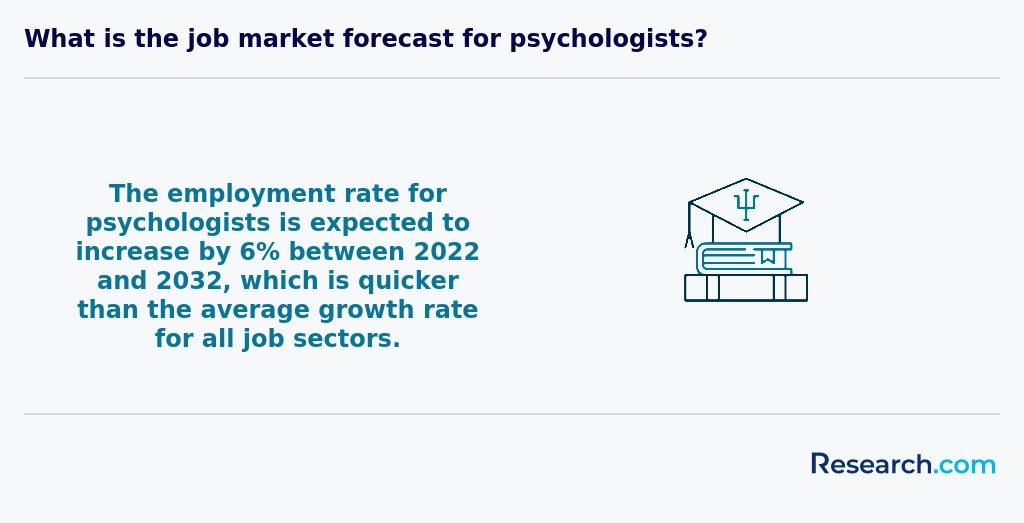
Psychology careers in the United States, including Reno, reflect a growing global emphasis on understanding human behavior and mental health. The demand for qualified psychologists continues to rise, partly due to increased awareness of mental health issues worldwide. According to the U.S. Bureau of Labor Statistics, employment for psychologists is projected to grow 8% from 2022 to 2032, faster than average for all occupations.
Globally, the field of psychology is expanding across cultures, with professionals working in diverse roles such as clinical practice, research, and organizational development. In Reno specifically, universities offer accredited psychology programs that emphasize both theoretical knowledge and practical experience, responding to local and international health trends.
Students pursuing psychology degrees in Reno benefit from a curriculum aligned with American Psychological Association standards, preparing them for careers in counseling, education, and beyond. This alignment supports graduates seeking licensure and employment both within the U.S. and in countries recognizing U.S. qualifications.
Gaining practical experience while studying psychology in Reno is essential for career readiness. Many local universities, such as the University of Nevada, Reno, offer internship opportunities through partnerships with healthcare facilities, schools, and community organizations. These internships allow students to apply theoretical knowledge in real-world settings.
Additionally, students can seek research assistant positions within psychology departments, which often involve working on faculty-led projects. According to the National Center for Education Statistics, participation in internships or practicums significantly improves job prospects after graduation.
Volunteer work at local mental health clinics or crisis centers in Reno can also provide valuable hands-on experience.
When choosing a concentration within a psychology degree program in Reno, students should first consider their career goals. Psychology offers many specializations such as clinical, counseling, industrial-organizational, and developmental psychology. Each concentration leads to different job roles and educational requirements.
Researching local opportunities is also important. For example, Reno's growing healthcare sector increases demand for clinical psychologists. According to the U.S. Bureau of Labor Statistics, Nevada's psychology jobs are expected to grow by 11% from 2022 to 2032.
Students should review program curricula at institutions like the University of Nevada, Reno, to see which concentrations align with their interests and local job markets. Talking to advisors and professionals in Reno's psychology community can also provide practical insight.
- 2027 Most Popular Psychology Degree Programs Ranking in San Francisco
- 2027 Most Popular Psychology Degree Programs Ranking in Santa Barbara
- 2027 Most Popular Psychology Degree Programs Ranking in Eugene
- 2027 Most Popular Psychology Degree Programs Ranking in Pasadena
- 2027 Most Popular Psychology Degree Programs Ranking in Los Angeles
- 2027 Most Popular Psychology Degree Programs Ranking in Claremont
- 2027 Most Popular Psychology Degree Programs Ranking in Irvine
- 2027 Most Popular Psychology Degree Programs Ranking in Portland
- 2027 Most Popular Psychology Degree Programs Ranking in Riverside
- 2027 Most Popular Psychology Degree Programs Ranking in La Jolla
See What Experts Have To Say About Studying Psychology
Read our interview with Psychology experts

Robin M. Kowalski. Ph.D.
Psychology Expert
Professor of Psychology
Clemson University

Elizabeth L. Jeglic Ph.D.
Psychology Expert
Professor of Psychology
City University of New York

Joann Farrell Quinn, Ph.D., MBA
Psychology Expert
Director at the College of Medicine Department of Medical Education
Morsani College of Medicine

- Have You Found a Niche? https://www.apaservices.org/practice/business/marketing/building/niche
- Financial Aid for Psychology Students https://www.onlinepsychologydegrees.com/financial-aid/
- Why Get a Psychology Degree Online? | University of Bridgeport https://www.bridgeport.edu/news/reasons-to-get-your-psychology-degree-online/
- Skills of a Psychology Major - Psychology Department https://wagner.edu/psychology/skills/
- Sample letters in psychology https://www.mystudies.com/en-in/human-and-social-sciences/psychology/letter-model/
- Psychology - SWPS University https://english.swps.pl/academics/warsaw/ba-programs/psychology
- Community Psychology in Global Perspective http://siba-ese.unisalento.it/index.php/cpgp
- Psychology Programs in Reno NV - EPPP 101 https://eppp101.com/psychology-programs-in-reno-nv/
- Career Options and Salaries - Vont https://www.stonehill.edu/programs/psychology/career-options-and-salaries-vont/
- Society for the Teaching of Psychology https://teachpsych.org/page-1784686/8675326