
2027 Most Affordable Psychology Degree Programs Ranking in Provo

Co-Founder and Chief Data Scientist
Are you considering studying psychology in Provo but worried about costs? This article presents the 2027 Most Affordable Psychology Degree Programs Ranking in Provo, created by the Research.com team of data scientists. It aims to guide you toward programs that offer excellent value without compromising quality.
Exploring psychology can open doors to rewarding careers and personal growth. By using this ranking, you'll make an informed choice suited to your budget and goals. Let's help you take the next step confidently toward your future in psychology.
Key benefits of getting psychology degree in Provo
- The salary potential for psychology graduates in Provo is promising, with roles like Human Resources Specialist earning a mean annual wage of $76,060 and Marketing Research Analysts making around $83,190.
- Graduates from Brigham Young University in Provo often find diverse career paths such as clinical research, marketing, or child development, allowing flexibility and personal growth in fields tied to psychology.
- Completing a psychology degree online from a local institution in Provo offers great convenience and the ability to balance work or family, while still opening doors to rewarding careers just like traditional programs.
- 2027 Most Affordable Psychology Degree Programs Ranking in Provo
- What can I expect from psychology degree in Provo?
- Where can I work with psychology degree in Provo?
What can I expect from psychology degree in Provo?
The average cost of earning a psychology degree in Provo often surprises students who assume top-quality education demands exorbitant fees. At institutions like Brigham Young University, tuition remains relatively affordable compared to national private university averages, making a comprehensive psychology education accessible without overwhelming debt.
Graduates reflect on balancing costs with the value of hands-on research opportunities and faculty mentorship they received. One recalls joining a community mental health initiative through BYU's Psychology Department, an experience that felt priceless despite the modest tuition investment. These programs foster both academic growth and practical skills, proving that a psychology degree here pays off in meaningful ways beyond the price tag.
Financial aid, scholarships, and assistantships further ease the cost burden, allowing students to focus more on mastering developmental, cognitive, and abnormal psychology than worrying about finances. In Provo, a psychology degree can be both affordable and enriching, provided students leverage the resources around them intelligently.
Where can I work with psychology degree in Provo?
Graduates with psychology degrees from institutions like Brigham Young University often find themselves stepping into diverse roles that defy the traditional "clinic-only" mindset. Imagine starting your career directly in Utah Valley Hospital, helping patients navigate complex emotional challenges, or working behind the scenes in behavioral health programs that influence entire communities.
Many alumni recall their transition into school counseling positions within the Provo City School District, applying psychological principles to support youth in navigating academic and personal growth. Others have discovered fulfilling careers in social services, from managing cases in child welfare agencies to driving community programs with local nonprofits, experiencing firsthand the impact of their work.
It's eye-opening to realize how psychology graduates are sought after in growing sectors like business and human resources, where understanding human behavior is vital for organizational success. Some have embraced roles in employee training or organizational psychology within Provo's tech companies, finding a unique blend of psychology and innovation.
These varied paths highlight Provo's vibrant job landscape for psychology majors-where passion meets practical opportunity beyond the familiar clinical walls.
Graduates with a psychology degree in Provo often discover that their earning potential depends heavily on the path they choose after university. For example, those stepping into roles such as Human Resources Specialists can expect an average annual wage around $76,060. Meanwhile, Marketing Research Analysts, a popular route for psychology majors curious about business and consumer behavior, typically earn about $83,190 per year. Provo graduates who pursue work as Clinical Research Associates or Survey Researchers see mean salaries near $62,370, reflecting valuable roles in data-driven health and social science fields.
Imagine a recent psychology graduate from Brigham Young University navigating job offers and realizing that leveraging internships and specialized skills can push their salary higher than initial projections. These figures challenge the notion that psychology degrees always lead to modest paychecks, especially in Provo's growing job market.
Engaging with local employers, like hospitals and private firms around Utah Valley University, has helped many graduates increase their income and job satisfaction. Their stories prove that a psychology degree in Provo offers more than a path to emotional understanding-it opens financial opportunities in diverse, rewarding careers.
- Undergraduate tuition in Provo ranges from about $5,000 for in-state public students to $30,000 at private universities annually.
- Graduate psychology programs typically cost over $15,000 per year.
- Starting salaries for entry-level psychologists or counselors in Provo average around $50,000 per year.
- Mid-career psychologists in the area can earn $80,000 or more annually.
- Job growth for psychology professionals in Utah is projected at 12% over the next decade, slightly above the national average of 11%.
- Local internships and practicum opportunities are available through partnerships with community services and employers.
Completing a psychology degree in Provo typically aligns with the four-year expectation many students hold, especially those attending Brigham Young University (BYU), where full-time undergraduates often finish within that timeframe. However, this timeline is more nuanced than it seems. Graduates recall balancing rigorous coursework with internships and practicum experiences, enriching their learning but occasionally extending their programs beyond the "standard" duration.
For part-time students juggling work or family commitments, the journey can stretch to five or six years, underscoring that completion time is deeply personal and situational. Those pursuing graduate studies, like a Master's degree, reflect on immersive research projects that demand focused attention over two to three years. Doctoral candidates in Provo, meanwhile, embrace longer timelines-around five to seven years-finding fulfillment in clinical training and dissertation milestones that shape their professional identities.
Ultimately, psychology degree completion in Provo is less a fixed countdown and more a dynamic process, shaped by each student's pace, opportunities at local institutions, and personal growth.
While an undergraduate degree in psychology lays the strong foundation for understanding human behavior and analytical reasoning, many students in Provo, UT, are increasingly exploring advanced degree opportunities and specialized certifications to further boost their career prospects. Pursuing a master’s or doctoral degree can open doors to roles in clinical practice, research, or even academia. For example, many professionals opt for online graduate programs for their flexibility and fast-paced curriculum. Those interested in enhancing their credentials might consider programs like the fastest masters in applied behavior analysis online, which focus on evidence-based practices and offer accelerated pathways to a career in applied behavior analysis. Graduate programs also frequently offer specialized certifications that allow students to tailor their education toward emerging industry demands. From forensic psychology to industrial-organizational psychology, specializing can make you a more competitive candidate in fields that require both rigorous academic knowledge and practical application. Additionally, many advanced programs incorporate opportunities for research, internships, or assistantships that provide hands-on experience and solid professional networking foundations. Prospective students should thoroughly research accreditation, curriculum focus, faculty expertise, and the program’s support system before deciding. Taking the time to evaluate how advanced degrees align with your long-term career goals will help ensure that you invest in a program that not only enriches your expertise but also positions you strongly in a competitive job market.
Many psychology graduates from Brigham Young University reflect on the powerful impact of in-person interactions-walking across campus to attend dynamic lectures or collaborating face-to-face in Utah Valley University's psychology labs. These moments create a sense of community and immediate support, which some argue cannot be fully replicated online.
On the other hand, graduates who completed their degrees online often celebrate the unparalleled flexibility. Balancing family life or work while studying psychology in Provo is challenging, but online programs provide freedom to learn on individual schedules without sacrificing quality or accreditation.
Picture a student juggling a full-time job and parenting duties who thrives by logging into online classes late at night. Contrast that with another who values hands-on clinical work and thrives in structured, on-campus environments. These personal experiences highlight the key difference: online degree seekers embrace autonomy and adaptability, while on-campus students immerse themselves in immersive, interactive learning.
Ultimately, the choice in Provo hinges on your lifestyle, learning style, and career goals within psychology's diverse landscape.
Maximize your budget and minimize debt with these practical tips:
- Start at Utah Valley University or a local community college and transfer core credits to a four-year institution
- Pursue department-specific scholarships (e.g., APA Utah Affiliate or university psychology grants) and complete the FAFSA early
- Balance studies with on-campus work-study or part-time roles in counseling centers to offset living expenses
- Explore hybrid or online course options for lower per-credit fees-compare related programs like our online masters in marriage and family therapy
- Leverage employer tuition-reimbursement plans if you work in campus administration or local mental health services
By combining transfer pathways, targeted scholarships, and flexible learning formats, you can significantly reduce your overall cost and focus more on your academic and career goals.
The average cost of a psychology degree in Provo reveals a striking balance between accessibility and quality education. For in-state students, the total cost hovers around $6,688, reflecting a strong emphasis on affordable psychology degree programs Provo offers through institutions like Brigham Young University and Utah Valley University. Graduates often share heartfelt stories about how managing expenses enabled them to focus deeply on their studies, without the looming pressure of overwhelming debt.
Consider a student attending BYU, where tuition rates reflect a thoughtful structure: roughly $5,800 per semester for private education, which many mitigate with scholarships. These financial supports make advanced education more attainable, encouraging passionate learners to pursue their interests fully, often leading to rewarding opportunities within their communities.
Beyond tuition, most psychology students encounter modest additional fees for materials or research needs, rarely exceeding $1,500 annually. This predictability helps students budget realistically, fostering a positive student experience and long-term satisfaction. As these learners move forward, understanding the true average cost of psychology degree in Provo empowers them to plan with confidence and purpose.
For those inspired by behavioral health, exploring specialized paths through behavioral psychology careers can be a natural next step, made more feasible by these cost structures rooted in local education policies and resources.

Calculating the long-term value of an affordable psychology degree in Provo, UT, goes beyond comparing tuition rates-it requires assessing average graduate earnings, loan repayment timelines, and career advancement potential. On average, bachelor’s graduates from Provo’s most cost-effective programs accumulate roughly $20,000–$30,000 in debt, yet report starting salaries between $45,000 and $55,000 in roles such as Human Resources Specialist and Clinical Research Associate. This translates to a break-even point of just 2–3 years post-graduation, assuming standard repayment plans. Key ROI considerations:
- Average Debt vs. Starting Salary: Provo graduates report a median debt of $25,000 and first-year wages averaging $50,000-yielding a 0.5 debt-to-salary ratio.
- Salary Growth Trajectory: Within five years, many professionals see 10–20% salary increases as they gain licensure or specialized credentials.
- Hidden Costs and Savings: Online course options and assistantships can reduce expenses by $5,000 annually, accelerating the ROI timeline. For students weighing in-state savings against out-of-state opportunities, it’s helpful to benchmark Provo’s figures against other regions. To compare tuition, debt levels, and early-career salaries in another affordability hotspot, explore the Cheapest Psychology Degree Programs Ranking in Tennessee. By analyzing these metrics side by side, you can confidently select the psychology program that maximizes both educational quality and financial return.
Psychology students in Provo often discover that financial aid extends far beyond the typical expectations. Many graduates from Brigham Young University recount how FAFSA applications unlocked Pell Grants up to $7,395, significantly lightening their tuition burden. This aid isn't just a number-it's the reassurance that enabled late-night study sessions without financial worry. Federal subsidized loans, where the government covers interest during school, commonly serve as lifelines, easing future debt stress and allowing students to focus on mastering complex psychological theories.
State scholarships and Utah's Educational Savings Plan provide another layer of support, especially for residents committed to staying local. Provo-based organizations frequently offer targeted scholarships, often overlooked but highly impactful, reflecting the community's investment in nurturing future psychologists.
Institutional aid at universities like BYU merges merit scholarships with departmental grants, rewarding hard work and passion. Graduates frequently describe a sense of belonging fueled by these packages, which also include work-study options that blend earning with hands-on experience.
The American Psychological Association's scholarships, though competitive, remind students nationwide-including those in Provo-that dedication to psychology can translate into tangible recognition and support.
Graduates aiming to practice independently in Utah must secure state licensure through the Division of Occupational and Professional Licensing (DOPL).
- Licensed Professional Counselor (LPC):
- Master’s in psychology or counseling from an accredited program
- 3,000 supervised clinical hours
- Passing scores on the National Counselor Examination (NCE) and Utah jurisprudence exam
- Psychologist (PhD/PsyD):
- Doctoral degree accredited by the APA
- 2,000 post-doctoral supervised hours
- Passing the Examination for Professional Practice in Psychology (EPPP) and Utah jurisprudence exam
- Complete your degree at an accredited institution.
- Accumulate required supervised experience under a board-approved supervisor.
- Pass the relevant national and Utah jurisprudence examinations.
- Submit your application and documentation to DOPL and fulfill ongoing continuing education.
Prospective counseling professionals can also consider online degrees in counseling to meet academic and licensure prerequisites with added flexibility.
Enrolling in a psychology degree program in Provo demands more than just ticking boxes; it's about proving your readiness for an intellectually demanding journey. Graduates from Brigham Young University, a prominent local institution, often recall that having a strong academic foundation-especially in English, math, and science-was crucial. These subjects sharpen critical thinking, which is essential in psychology.
Undergraduate hopefuls generally need a high school diploma or GED, but more importantly, they must articulate their passion through personal statements and letters of recommendation. One graduate shared how volunteering in mental health services, though not mandatory, deeply enriched their application and later classroom experience.
For master's or doctoral tracks, the expectation heightens: a bachelor's degree in psychology or related fields, accompanied by prerequisite courses in statistics and research methods. Though the GRE is fading in importance, some programs still value it as a marker of commitment.
Studying psychology in Provo is as much about proving your readiness to dive deep intellectually as it is about meeting formal requirements.

When evaluating psychology programs in Provo, UT, one crucial factor to consider is accreditation. Accreditation ensures that the program meets certain standards of quality and is recognized by professional organizations in the field of psychology. To find an affordable psychology school in utah, it's essential to look for programs that are accredited by reputable accrediting agencies, such as the American Psychological Association (APA). Accreditation not only affects the quality of education but also impacts licensure and career opportunities after graduation. Graduates from accredited programs are generally more competitive in the job market and may have an easier time obtaining licensure to practice as psychologists. Furthermore, accredited programs often have better resources, faculty, and networking opportunities, which can enhance the overall educational experience. By prioritizing accreditation, prospective students can make informed decisions and set themselves up for success in their future careers in psychology.
Psychology degree programs in Provo, especially at institutions like Brigham Young University, dive deeply into core subjects such as research methods and cognitive psychology, but they go beyond mere theory. Graduates often describe how courses in developmental and abnormal psychology made complex human behaviors suddenly relatable-imagine understanding why a childhood experience shapes adult decisions or recognizing mental health challenges in your community. These programs don't stop there; students encounter biological psychology, revealing the physiology behind emotions, and social psychology, explaining the subtle dynamics of group interactions they witness daily on campus.
Many graduates recall the excitement of applying statistical knowledge in research design classes, transforming data into meaningful insights that feel empowering rather than intimidating. Ethics courses challenge students to wrestle with real-world dilemmas, fostering a profound respect for professional integrity. Electives tailored to clinical or industrial-organizational psychology allow learners to map their unique career paths while embracing the practical internships rooted in Provo's supportive academic culture. Such immersive experiences ignite a genuine passion for psychology that feels both personal and professionally vital.
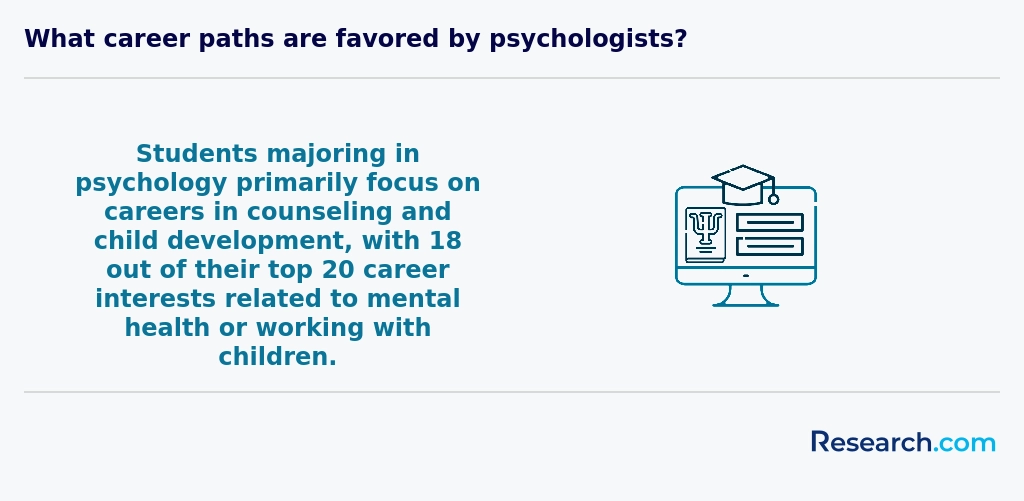
Psychology degree specializations in Provo challenge students to explore diverse paths that go beyond textbook definitions. Graduates from popular universities in the area often recount how clinical psychology deepened their empathy, preparing them for real-world therapy sessions that demand more than academic knowledge. Counseling psychology, another favored track, enables students to develop nuanced support skills applicable in schools or community centers filled with daily struggles and triumphs.
Those drawn to Provo psychology graduate program options frequently choose developmental psychology, finding purpose in understanding human growth through relatable scenarios like childhood to elder care. Social psychology also captures imaginations by revealing how interpersonal dynamics shape workplace culture or public policies. Industrial-organizational psychology students thrive when applying their studies at local companies trying to boost employee morale and productivity.
Amid these choices, the journey often includes navigating licensure, with some graduates aiming to become a licensed psychologist in Ohio, broadening their professional horizons and embracing the real demands of their craft.
Choosing the best psychology degree in Provo involves more than just picking a school with a strong reputation. Graduates from institutions like Brigham Young University often share how accreditation by the American Psychological Association (APA) shaped their access to licensure and advanced careers. Imagine attending a program where the faculty not only teach but actively conduct research, blending theory with living, breathing examples-this is the kind of immersive experience that turns textbooks into real-world skills.
Cost can be surprisingly manageable here; many point to the affordable psychology degree programs in Provo as a reason to pursue local options. The balance between tuition and quality means you're investing in practical learning environments, such as counseling labs and internship opportunities, which graduates vividly recall as pivotal moments in their education.
Understanding long-term career paths also changes the game. For example, while some enjoy roles in social services right after graduation, others recognize the need for additional training to meet the requirements for psychologist in michigan, highlighting why program fit depends on your goals.
Ultimately, the best psychology colleges near Provo Utah are those that offer not just degrees but a launchpad for meaningful, emotionally rewarding careers.

Graduates holding a psychology degree in Provo find themselves at the crossroads of numerous meaningful career paths that defy the narrow stereotype of therapy alone. Many alumni from Brigham Young University and other local institutions embrace roles as licensed psychologists, serving diverse populations through clinical practice, counseling, or school settings. These careers, fueled by a master's or doctorate, allow professionals to witness firsthand the transformative power of mental health support.
But the psychology career opportunities in Provo extend beyond the traditional path. Graduates often step into roles as mental health counselors, social workers, or human resources specialists, where their understanding of human behavior creates positive workplace cultures or supports vulnerable communities. Some embrace research assistant roles tied to ongoing studies at Provo universities, contributing vital data to the growing field. The promise of impacting lives draws graduates into these roles, sparking enthusiasm and fulfillment.
For students contemplating licensure beyond Utah, understanding regional requirements is vital. Those curious can explore Pennsylvania psychologist license requirements to compare pathways. Studying psychology in Provo equips graduates not only with knowledge but the confidence to pursue these diverse job prospects for psychology graduates Provo provides, inspiring a sense of purpose grounded in local community and professional growth.

The psychology degree job outlook in Provo is shaped by the city's growing emphasis on mental health and expanding healthcare options. Graduates from local institutions like Brigham Young University often find opportunities in counseling centers or social services, where the demand for skilled professionals continues to rise. Many graduates share stories of landing crucial internships that provide hands-on experience, making the transition to full-time roles smoother in this supportive environment.
Employment opportunities for psychology graduates Provo also benefit from the city's family-oriented communities, which fuel a higher need for child psychologists and educational counselors. Salary expectations are competitive, with Utah offering an average annual wage of around $85,000 for psychologists, encouraging many students to remain local after completing their degrees. Those concerned about cost find comfort in the local tuition rates; in-state psychology programs generally charge between $7,000 and $10,000 annually, much lower than the national average, making it feasible to pursue psychology without overwhelming debt.
For students seeking an affordable psychology school in utah, Provo presents a compelling choice as education here directly connects to regional job prospects. This combination of affordability and opportunity challenges the notion that costly education is always necessary to secure meaningful employment in psychology today.
2027 Most Affordable Psychology Degree Programs Ranking in Provo
Investing in your education is a significant decision that can shape your future, and the Research.com team understands the importance of making informed choices. To assist prospective students in Provo, we have meticulously crafted the "2027 Most Affordable Psychology Degree Programs Ranking in Provo." Our commitment to quality, credibility, and accuracy is reflected in the extensive research and analysis conducted to compile this ranking.
We utilized the following reputable data sources to ensure a comprehensive evaluation of psychology programs:
By exploring this ranking, readers will gain valuable insights into the most affordable psychology degree programs available in Provo, enabling them to make well-informed decisions about their educational investments. For more details on how the ranking was created, please visit our Research.com methodology page.

Frequently Asked Questions About psychology
Psychology degree students in Provo can enhance their learning experience by engaging actively with both academic and community resources. Provo hosts reputable institutions such as Brigham Young University, which offers access to research centers focusing on behavioral science and mental health studies. Participating in internships at local clinics or nonprofit organizations provides practical experience, complementing theoretical knowledge.
Students should also take advantage of Provo's numerous psychology-related events and workshops, including conferences hosted by regional chapters of professional organizations like the American Psychological Association. Collaborating with faculty on research projects can deepen understanding and improve critical thinking skills.
Additionally, utilizing campus counseling centers and peer study groups helps reinforce course material and build professional networks. Maintaining a balance between coursework, hands-on experiences, and community involvement increases preparedness for future careers in psychology.
The field of psychology is expanding with several emerging niches gaining attention, especially for students pursuing degrees in Provo. One rapidly growing area is neuropsychology, which explores the relationship between brain function and behavior. This specialty benefits from advances in brain imaging technologies widely used in research institutions across Utah.
Another significant niche is health psychology, focusing on how psychological factors affect physical health and wellness. Local healthcare providers increasingly seek professionals skilled in this area to support integrated care models.
Additionally, industrial-organizational psychology is growing as businesses in the Provo-Orem metro area prioritize employee well-being and productivity. According to the U.S. Bureau of Labor Statistics, job growth for psychologists is expected to increase by 8% from 2022 to 2032, reflecting these expanding opportunities nationally and regionally.
These niches offer promising paths for students aiming to specialize in areas with strong future demand.
After completing a psychology degree in Provo, preparing for the job market involves practical experience and networking. Internships and volunteer positions with local mental health clinics, schools, or community organizations help build relevant skills. Brigham Young University, a major institution in Provo, often offers such opportunities through its psychology department, which strengthens employability.
Continuing education, such as certification in counseling or behavior analysis, can also improve job prospects. According to the U.S. Bureau of Labor Statistics, careers in psychology are expected to grow 8% from 2022 to 2032, motivating graduates to gain specialized knowledge.
Joining professional organizations like the Utah Psychological Association provides valuable connections and job leads.
Employers in Provo seek psychology graduates with strong analytical skills to interpret data and assess human behavior effectively. Communication is also critical, as professionals must convey findings clearly to clients and teams. Problem-solving abilities rank highly, enabling graduates to develop practical interventions.
In addition, emotional intelligence and empathy are valued for building trust with clients, particularly in mental health settings common in Provo. Knowledge of research methods and statistics enhances a graduate's ability to contribute to evidence-based practices.
According to the U.S. Bureau of Labor Statistics, proficiency in technology and software related to psychological assessment is increasingly important nationwide. Local employers emphasize adaptability due to evolving healthcare regulations and community needs.
Finding psychology internships in Provo involves exploring opportunities linked to local universities and mental health organizations. Brigham Young University (BYU), a major institution in Provo, often collaborates with clinics and counseling centers to offer structured internship programs for psychology students.
Students should also check listings through the Utah Division of Substance Abuse and Mental Health, which periodically advertises internship openings in the region. Additionally, joining professional networks such as the Utah Psychological Association can provide leads on relevant positions.
Applying early and tailoring your resume toward hands-on experience are essential. Internships typically emphasize applied skills in clinical, developmental, or social psychology sectors.
Obtaining a psychology degree in Provo can significantly enhance career mobility and advancement opportunities. Provo hosts several higher education institutions offering accredited psychology programs, such as Brigham Young University, which is well-regarded nationwide. According to the U.S. Bureau of Labor Statistics, employment in psychology-related fields is projected to grow 8% nationally from 2021 to 2031, reflecting increasing demand for mental health professionals.
Locally, graduates with psychology degrees often find employment in healthcare, education, and social services sectors. The degree equips them with critical skills such as research, communication, and counseling, which are highly valued by employers in Provo's competitive job market.
In addition, advanced degrees (master's or doctorates) greatly improve prospects for leadership roles or specialized positions, such as clinical psychologists or counselors. Networking opportunities and internships available through Provo's universities further facilitate career progression within the region's growing mental health industry.
Studying for a psychology degree in Provo equips students with strong interdisciplinary skills essential for various professional roles. Local programs emphasize collaboration with fields such as education, health sciences, and social work, reflecting the integrated nature of psychology careers.
Provo's institutions often include courses on research methods, statistical analysis, and behavioral science, providing a versatile foundation. Students gain practical experience through internships and partnerships with community organizations, fostering communication and teamwork across disciplines.
The U.S. Bureau of Labor Statistics notes that psychology-related jobs requiring interdisciplinary skills are expected to grow by approximately 8% through 2030, highlighting the value of such training. This blend of theory and practice in Provo prepares graduates to adapt and contribute effectively in diverse settings.
When choosing between a thesis and a non-thesis psychology degree program in Provo, students should consider their career goals and learning preferences. A thesis program involves conducting original research, which benefits those aiming for doctoral study or research-intensive jobs. Typically, these programs require 6 to 12 months for research and writing.
Non-thesis programs focus on coursework and practical skills, appealing to students seeking immediate employment in counseling, social work, or education. Many local institutions in Provo offer both, with graduate programs averaging 36 to 48 credit hours according to Utah higher education data.
Assess the faculty expertise and resources available for research before deciding, especially if planning to publish or continue to PhD studies.
Students in Provo interested in studying psychology abroad have several options through partnerships and exchange programs facilitated by their home institutions. Brigham Young University (BYU), the largest university in Provo, offers study abroad opportunities where psychology students can take courses or conduct research in countries such as the United Kingdom and Australia. These programs provide exposure to diverse psychological theories and practices, enhancing academic and cultural understanding.
Additionally, many US universities with psychology programs recognize transfer credits from accredited foreign institutions, which can help students customize their international study plans. According to the Institute of International Education, about 10% of US study abroad students pursue psychology, indicating growing interest in global psychology education.
Part-time job opportunities in Provo that complement psychology degree education often focus on roles providing practical experience in counseling, research, and community support. Students frequently find positions as mental health aides or behavioral therapy assistants at local clinics like the Utah County Health Department. Such roles help build direct clinical skills alongside academic studies.
Research assistant positions are also popular, particularly at Brigham Young University (BYU), where psychology faculty conduct ongoing studies. These jobs offer valuable exposure to experimental design and data analysis.
Additionally, tutoring and peer mentoring roles in psychology courses allow students to reinforce their knowledge and develop communication skills critical for future psychologists.
Psychology students in Provo benefit from several local networking opportunities that enhance their academic and professional growth. Brigham Young University (BYU), the largest institution in Provo, hosts numerous student organizations such as the BYU Psychology Club that regularly organize events, guest lectures, and workshops connecting students with faculty and professionals. According to BYU's 2023 Career Services report, over 70% of psychology undergraduates engage with such groups to build their professional network.
Additionally, Provo's proximity to Salt Lake City expands networking possibilities through regional conferences and APA Utah affiliates. Students may also access internships in local clinics and agencies, providing practical experience alongside networking. These combined opportunities help psychology students build valuable connections in their field early in their careers.
Alumni networks play a significant role for psychology degree students in Provo by offering valuable connections to professionals and potential employers. These networks often include graduates working locally in clinics, schools, and counseling centers, creating opportunities for internships and job placements. According to the National Association of Colleges and Employers, students with strong alumni connections have 30% higher chances of securing relevant positions after graduation.
In Provo, universities emphasize these networks to help psychology students access mentorship, research collaborations, and continuing education events. Engaging with alumni also provides insight into current industry trends specific to Utah's mental health services.
Customizing a psychology degree program in Provo allows students to align their education with specific career paths such as clinical psychology, counseling, or industrial-organizational psychology. Many local institutions, including Brigham Young University, offer elective courses and specialization options that focus on these areas. Students can also pursue research opportunities or internships within Provo's mental health clinics to gain practical experience. According to the National Center for Education Statistics, tailoring your program by selecting focused coursework can improve job readiness after graduation. Additionally, some schools provide flexible schedules and online classes, which help accommodate working professionals aiming to advance in their psychology careers.
Psychology students in Provo often encounter several common challenges related to their academic and practical training. One significant hurdle is balancing rigorous coursework with the demands of field experience, such as required internships or practicums. These experiences are essential for licensure but can be time-consuming alongside full class loads.
Financial concerns are another challenge. Although Provo offers relatively affordable tuition compared to national averages, students still report strains from textbooks, research materials, and living expenses, as indicated by recent data from the Utah System of Higher Education.
Additionally, many students struggle with the competitive nature of graduate programs and limited local research opportunities that may affect their academic progress and career prospects.
With a psychology degree earned in Provo, graduates can pursue various professional certifications that enhance their career opportunities. Common certifications include Licensed Clinical Social Worker (LCSW), Licensed Professional Counselor (LPC), and Certified Alcohol and Drug Counselor (CADC). Each requires specific graduate-level training and supervised experience, typically regulated by Utah's Division of Occupational and Professional Licensing.
For instance, becoming a Licensed Psychologist requires completing a doctorate, supervised hours, and passing the Examination for Professional Practice in Psychology (EPPP). According to the Utah Department of Workforce Services, demand for licensed counselors in Provo is projected to grow by 18% through 2030.
Other certifications, such as Certified School Psychologist, require credentials specific to educational settings. These certifications provide specialized skills and increase job prospects in hospitals, schools, or private practice within the Provo area.
Writing a winning application for a psychology program in Provo requires clear focus and preparation. Begin by researching local institutions like Brigham Young University, which is well-known for its psychology curriculum. Highlight your academic achievements, especially in psychology and related sciences. Admissions committees value strong GPA scores and evidence of research experience or internships.
Craft a compelling personal statement that explains your interest in psychology and how studying in Provo fits your career goals. Be specific about your passion for areas such as clinical or developmental psychology. Additionally, secure recommendation letters from professors or professionals who know your abilities well.
Standardized test scores, when required, should be competitive; average GRE scores for psychology applicants hover around 300 (ETS, 2023). Finally, pay close attention to application deadlines and required documents to ensure your application is complete and timely.
Psychology careers in the United States, including Provo, reflect a growing demand seen worldwide. According to the U.S. Bureau of Labor Statistics, employment for psychologists is projected to grow 8% from 2021 to 2031, faster than the average for all occupations. Globally, psychology is recognized as a vital field addressing mental health, organizational behavior, and human development.
In Provo, students can access accredited programs that align with national standards, preparing graduates for licensure and diverse career paths. Globally, the profession emphasizes evidence-based practice and cultural competence, skills increasingly valued by U.S. employers.
International perspectives often highlight cross-cultural psychology, which is essential for work in diverse communities like Provo.
Gaining practical experience while studying psychology in Provo is essential for building skills and improving job prospects. Many universities, such as Brigham Young University, offer internship programs connected with local hospitals, mental health clinics, and nonprofit organizations.
Students can also participate in research projects under faculty supervision, gaining hands-on experience in experimental design and data analysis. According to the National Center for Education Statistics, about 70% of psychology undergraduates engage in research or internships before graduation.
Volunteering at community centers or youth programs in Provo is another way to apply psychological principles in real-world settings. Such experience often enhances resumes and readiness for graduate studies or careers.
Choosing the right concentration within a psychology degree program in Provo involves understanding your career goals and interests. Psychology fields such as clinical, counseling, developmental, and industrial-organizational psychology each offer distinct paths and job opportunities. According to the Bureau of Labor Statistics, clinical and counseling psychology roles are the most common in Utah, including Provo, with growing demand projected through 2030.
Research local universities like Brigham Young University, which provides diverse psychology concentrations and emphasizes practical experience. Consider program accreditation and available internships to enhance employment prospects.
Additionally, explore state licensing requirements if you aim for clinical practice, as some concentrations align better with licensure prerequisites in Utah.
- 2027 Most Affordable Psychology Degree Programs Ranking in Boulder
- 2027 Most Affordable Psychology Degree Programs Ranking in Denver
- 2027 Most Affordable Psychology Degree Programs Ranking in Phoenix
- 2027 Most Affordable Psychology Degree Programs Ranking in Riverside
- 2027 Most Affordable Psychology Degree Programs Ranking in Claremont
- 2027 Most Affordable Psychology Degree Programs Ranking in Pasadena
- 2027 Most Affordable Psychology Degree Programs Ranking in Los Angeles
- 2027 Most Affordable Psychology Degree Programs Ranking in Irvine
- 2027 Most Affordable Psychology Degree Programs Ranking in Santa Barbara
- 2027 Most Affordable Psychology Degree Programs Ranking in La Jolla
See What Experts Have To Say About Studying Psychology
Read our interview with Psychology experts

Robin M. Kowalski. Ph.D.
Psychology Expert
Professor of Psychology
Clemson University

Elizabeth L. Jeglic Ph.D.
Psychology Expert
Professor of Psychology
City University of New York

Joann Farrell Quinn, Ph.D., MBA
Psychology Expert
Director at the College of Medicine Department of Medical Education
Morsani College of Medicine

- How Long Does It Take to Get a Psychology Degree? https://www.albany.edu/psychology/communications/how-long-to-get-a-psychology-degree
- Sample letters in psychology https://www.mystudies.com/en-in/human-and-social-sciences/psychology/letter-model/
- How to help students cope with mental health challenges https://www.eaie.org/resource/help-students-cope-mental-health-challenges.html
- Financial Aid for Psychology Students https://www.onlinepsychologydegrees.com/financial-aid/
- Study Psychology Abroad https://astarfuture.co.uk/study_psychology_abroad.html
- A Guide to Psychology Internships | Psychology Degree Guide https://psychologydegreeguide.org/resources/internships/
- Alumni Network - https://efpsa.org/alumni-network/
- What Certifications Can I Get With A Bachelor's In Psychology? https://www.psychology.org/resources/certification-skills-for-psychology-major-resumes/
- Why Get a Psychology Degree Online? | University of Bridgeport https://www.bridgeport.edu/news/reasons-to-get-your-psychology-degree-online/
- Have You Found a Niche? https://www.apaservices.org/practice/business/marketing/building/niche


