
2027 Most Valuable Nursing Degree Programs Ranking in Worcester

Co-Founder and Chief Data Scientist
Choosing the right nursing degree program is an important step toward a rewarding career in healthcare. For students in Worcester, finding a program that offers both quality education and strong career prospects can feel overwhelming.
This article presents the 2027 Most Valuable Nursing Degree Programs Ranking in Worcester, developed by the Research.com team of expert data scientists. It's designed to help you make an informed decision based on data rather than guesswork.
Exploring this ranking lets you discover programs that align with your goals and offer real value, setting you on a path to success in nursing.
Key benefits of getting nursing degree in Worcester
- The average salary for nursing degree graduates in Worcester is promising, with Registered Nurses earning about $94,480 annually, while Operating Room Nurses can earn up to $128,490 per year, offering strong financial stability.
- Career paths for nursing graduates in Worcester include roles such as Public Health Nurse, Emergency Room Nurse, and Clinical Nurse Educator, providing diverse opportunities to find a fulfilling and impactful job.
- Completing a nursing degree online through a local Worcester university offers flexibility and convenience, allowing students to balance studies with personal commitments while still accessing quality education and career support.
- 2027 Most Valuable Nursing Degree Programs Ranking in Worcester
- What can I expect from nursing degree in Worcester?
- Where can I work with nursing degree in Worcester?
What can I expect from nursing degree in Worcester?
The average cost of a nursing degree in Worcester varies by institution but generally ranges from $15,000 to $40,000 per year for full-time study. At Worcester State University, for example, many nursing graduates recall budgeting carefully to cover tuition and fees, which sit near the lower end of that range. Becker College's students often note the importance of applying early for financial aid, as their costs tend to be on the higher side within Worcester.
Practical budgeting also includes expenses beyond tuition, such as textbooks, uniforms, and commuting to clinical sites like UMass Memorial Health Care. Graduates describe balancing part-time work or scholarships as vital steps to keeping costs manageable.
Many students find that financial aid opportunities, including state scholarships aimed at healthcare fields, significantly reduce their net expenses. Investigating these options early, especially through university financial aid offices, helps make nursing degrees more affordable without compromising the valuable hands-on experience Worcester's programs provide.
Where can I work with nursing degree in Worcester?
Graduates from nursing programs at Worcester State University and nearby colleges find a wide range of job opportunities right in the city. Many start their careers at UMass Memorial Medical Center, where new nurses are welcomed into fast-paced units like emergency, pediatrics, or surgical care. Experienced grads often advance to specialized roles such as nurse practitioners or clinical nurse specialists, gaining confidence with hands-on patient care.
Others thrive in Worcester's community health centers, providing essential wellness checks and managing chronic illnesses for underserved groups. This setting appeals to nurses who enjoy building long-term relationships and making a real impact in public health.
For those interested in eldercare, Worcester's nursing homes offer rewarding work managing medication and care plans for aging residents-a path that grows more vital as the local population ages.
School nurses and correctional facility nurses report feeling proud supporting health programs in educational and secure environments, leveraging their skills beyond traditional hospital roles.
Worcester nursing graduates consistently share excitement about starting rewarding careers close to home, boosted by competitive salaries and strong job growth.
Graduates from nursing programs at Worcester institutions often find entry-level registered nurse positions paying around a mean annual wage of $94,480, as reflected in salary data for registered nurses and clinical nurse educators. This aligns well with the local healthcare market around UMass Memorial Medical Center and other Worcester hospitals.
For example, a graduate starting in a public health nurse role can expect a similar mean salary of $94,480, offering stability and opportunity in community health settings. Emergency room nurse positions also share this wage level, providing hands-on experience in fast-paced environments.
Those pursuing specialized operating room nursing roles can earn significantly more, with mean annual wages nearing $128,490 and hourly rates above $61. Many Worcester graduates report that such specialized areas quickly boost income and job satisfaction.
Beyond base salary, nurses in Worcester benefit from shift differentials, bonuses, and overtime-important factors when budgeting personal finances after graduation at schools like Worcester State or Holy Cross College. These financial incentives make nursing degrees here a practical investment for both early career growth and long-term earning potential.
- Nursing degrees in Worcester are offered at associate, bachelor's, and advanced levels by institutions like Worcester State University and Quinsigamond Community College.
- The cost for a Bachelor of Science in Nursing (BSN) is typically $15,000 to $25,000 per year for in-state students, while associate degree programs range from $5,000 to $10,000 annually.
- Entry-level nurses in Worcester earn an average annual salary of $65,000 to $70,000, with potential to grow above $90,000 within five to ten years.
- Major healthcare employers in Worcester, such as UMass Memorial Medical Center and Saint Vincent Hospital, offer strong job opportunities for nursing graduates.
- Graduates must pass the NCLEX-RN exam to become registered nurses, with many local programs providing dedicated exam preparation resources.
Completing a nursing degree in Worcester varies primarily by the program you choose and your prior education. For example, students beginning fresh typically enroll in an Associate Degree in Nursing (ADN) at local community colleges, finishing in about two years. Graduates often describe the hands-on clinical experiences in Worcester hospitals as both challenging and rewarding, giving them confidence before taking the NCLEX-RN exam.
If you're aiming for a Bachelor of Science in Nursing (BSN), plan on around four years of full-time study. Worcester State University offers a solid BSN program where students balance intense coursework with real-world clinical practice. Graduates recall feeling well-prepared and valued by employers due to the program's thorough training.
For those switching careers or already holding an ADN, accelerated BSN options cut completion time to 12-18 months. Many find these programs fast-paced but energizing, especially with Worcester's supportive faculty and accessible clinical sites.
Lastly, advancing further to a Master of Science in Nursing (MSN) typically takes 2-3 years beyond the BSN at regional universities partnered with Worcester institutions, perfect for those focusing on leadership or specialized roles in healthcare.
Accreditation is the cornerstone of any high-quality nursing program, assuring students and employers that curricula meet rigorous academic and clinical standards. In Worcester, all leading institutions hold either Commission on Collegiate Nursing Education (CCNE) or Accreditation Commission for Education in Nursing (ACEN) approval, as well as state Board of Nursing endorsement-prerequisites for NCLEX-RN eligibility. For example, Worcester State University reports a 94% first-time NCLEX-RN pass rate, while Assumption University and Clark University boast rates of 92% and 95%, respectively. High pass rates not only reflect effective teaching and robust clinical partnerships (e.g., UMass Memorial Medical Center) but also translate into expedited licensure and faster entry into the workforce. Prospective students should verify program accreditation on both institutional websites and the CCNE/ACEN directories, since only graduates of accredited programs qualify for federal financial aid and professional certifications. In addition, some online programs offer CCNE-accredited pathways-ideal for those balancing work and study. For students seeking cost-effective alternatives, our Cheapest Online Nursing Degree Programs Ranking in the Midwest highlights accredited online options that maintain the same licensure outcomes as on-campus counterparts. Ultimately, choosing an accredited program with strong NCLEX-RN performance ensures your nursing degree is recognized nationwide, enhances your employment prospects, and provides the foundation for lifelong career growth.
Choosing between online and on-campus nursing degrees in Worcester depends largely on your lifestyle and learning preferences. Graduates from Worcester State University who've taken online courses often share how the flexibility allowed them to balance family or part-time work while studying. They accessed lectures anytime, which helped when managing irregular schedules.
However, both online and on-campus students must fulfill clinical hours at local facilities, like UMass Memorial Health Care. Those attending on-campus programs appreciate the direct interaction with instructors and peers, finding face-to-face discussions and hands-on labs invaluable for building confidence and skills.
Cost-wise, tuition for nursing programs around Worcester ranges between $15,000 and $35,000 annually. Online students might save on commuting but should budget for technology fees and local clinical placement costs. Meanwhile, on-campus students might benefit from in-state tuition discounts unavailable to online learners.
Monitoring first-time NCLEX-RN pass rates helps you gauge program quality and licensure readiness. High pass rates reflect strong academic support, effective exam prep, and real-world clinical experience.
- Quinsigamond Community College: 87% first-time pass rate (2023)
- Worcester State University: 91% first-time pass rate (2023)
- Assumption University: 89% first-time pass rate (2023)
Programs often bolster success by offering:
- Dedicated NCLEX review workshops led by experienced faculty
- Simulated practice exams with detailed feedback
- One-on-one tutoring and academic advising
Tips to maximize your NCLEX success:
- Schedule regular practice tests under timed conditions
- Join study groups for peer support and accountability
- Meet with instructors early to target weak areas
For further program comparisons and accreditation details, see accredited nursing schools in california.
The average cost of a nursing degree in Worcester typically centers around $30,000, with median total expenses at approximately $30,027. In-state students can expect to pay closer to $11,786 on average, reflecting the lower tuition rates for residents. Graduates from popular local institutions, such as Worcester State University and Quinsigamond Community College, often find these costs manageable, especially when budgeting carefully and utilizing available financial aid. Many nursing students share that balancing tuition with part-time work or scholarships created a positive momentum in their education journey.
Community colleges like Quinsigamond offer more affordable ADN programs that appeal to pragmatic planners aiming to enter the workforce quickly without excessive debt. Meanwhile, Worcester State provides BSN pathways consistent with the median costs provided, helping students envision a clear fiscal plan for the full program. Understanding the nursing degree tuition and fees in Worcester allows students to weigh options realistically and avoid surprises, as graduates often highlight the reassuring clarity of knowing what their investment will be.
Additional expenses-such as clinical fees, textbooks, and licensing exam prep-can add up but are often offset by scholarships and financial aid. Exploring the variety of scholarships and financial supports can significantly reduce the net cost for many nursing students. For those interested in the valuable nursing programs in Massachusetts, connecting with admissions counselors early can provide personalized cost estimates and access to aid resources.

Investing in a nursing degree requires weighing upfront costs against long-term earnings. On average, an ADN program in Worcester costs between $23,900 and $66,320, while BSN tuition ranges from $89,556 to $211,392. With entry-level Registered Nurses earning around $89,010 annually and Operating Room Nurses pulling in $124,680, graduates typically recoup their ADN investment in under two years and break even on a BSN within three to five years. Factoring in living expenses and licensure fees, the average payback period remains competitive compared to other healthcare fields. Graduates who pursue advanced practice or leadership roles-often requiring a Master of Science in Nursing-can further accelerate ROI. For those exploring seamless pathways from bachelor’s to master’s, consider the easiest direct entry master's in nursing programs to get into, which can reduce both time and additional debt. Key metrics to evaluate ROI include: • Total program cost versus starting salary • NCLEX-RN pass rates and job placement percentages • Career advancement opportunities and salary growth projections By comparing these factors, prospective students can select programs that maximize their financial and professional returns in Worcester’s thriving healthcare market.
If you're pursuing a nursing degree in Worcester, your first step is to complete the Free Application for Federal Student Aid (FAFSA). This application unlocks access to vital federal resources like Pell Grants, which can provide up to $7,395 annually without the need for repayment. Many nursing students from Worcester State University have found this grant essential in covering tuition and basic living expenses during their studies.
Beyond federal aid, Massachusetts offers targeted scholarships such as the Massachusetts Nursing Incentive Program. Graduates often share how these scholarships, combined with loan forgiveness plans, made committing to local healthcare jobs after graduating feel both rewarding and financially feasible.
Local schools, including Worcester State and the College of the Holy Cross, frequently award merit-based scholarships and departmental aid specifically for nursing students. These forms of support can make a noticeable difference, especially when paired with on-campus healthcare work opportunities.
For those already working in healthcare, local hospitals offer tuition reimbursement programs. Many past students recall how employer assistance boosted their confidence to advance their education without overwhelming debt.
One of the most critical metrics for evaluating nursing programs is the NCLEX-RN pass rate, which reflects how effectively a curriculum prepares students for licensure and real-world practice. In Worcester, the average first-time NCLEX-RN pass rate across accredited institutions hovers around 92%, surpassing the national average of 88%. For example, Worcester State University's BSN graduates achieved a 94% pass rate in 2023, while the University of Massachusetts Medical School reported a strong 91% success rate. Prospective students should verify each program’s most recent NCLEX data when comparing schools, as high pass rates often correlate with rigorous coursework, robust clinical partnerships, and comprehensive exam preparation. Beyond first-time pass rates, consider the sustained licensure success of alumni. Many Worcester graduates credit structured review sessions, peer study groups, and dedicated NCLEX faculty support for their confidence on exam day. Programs that publish transparent pass-rate trends over multiple years demonstrate a commitment to continuous improvement and student outcomes. Additionally, some institutions offer post-graduation refresher courses, ensuring that working RNs maintain current knowledge and excel in specialty certifications. For those aiming to fast-track their career to advanced practice roles, it’s wise to explore pathways that combine licensure success with accelerated delivery. An excellent resource for students seeking an efficient transition from RN to NP is the shortest online nurse practitioner program, which pairs high NCLEX-RN standards with quick progression toward an NP credential. Ultimately, evaluating NCLEX-RN pass rates alongside graduate employment statistics provides a clear picture of program quality. By choosing a Worcester nursing program with consistently strong licensure outcomes, future nurses can enter the workforce with confidence, knowing they have the skills and support needed to deliver exceptional patient care.
To enroll in a nursing degree program in Worcester, start by securing a high school diploma or GED, which is non-negotiable. Graduates from well-known local colleges often recall how excelling in biology, chemistry, and algebra during high school set a strong foundation-these subjects are key because nursing programs at institutions like Worcester State University and Quinsigamond Community College rely heavily on this knowledge.
Next, complete prerequisite college courses such as Anatomy and Physiology, Microbiology, Chemistry, Nutrition, Statistics or College Math, and English Composition. Many successful students advise getting these done before the nursing classes begin to reduce stress and keep up with demanding schedules.
Be prepared to pass the TEAS test, which local nursing applicants find challenging but manageable with focused study. Letters of recommendation and personal essays are common application elements; applicants share how writing about their healthcare volunteer experiences helped articulate genuine passion and commitment, impressing admissions committees.
Hands-on exposure through volunteering or work in healthcare settings, while not always required, consistently boosts confidence and application strength for nursing hopefuls in Worcester.

When considering a nursing program, it's essential to weigh the benefits and opportunities that each location offers. For those interested in pursuing a nursing degree, Worcester, MA, presents a unique blend of academic excellence, clinical diversity, and career prospects. The city is home to several reputable nursing programs, including those offered by Worcester State University and the University of Massachusetts Medical School, which are known for their rigorous curricula and supportive learning environments. Prospective students can explore valuable nursing programs in Massachusetts to find the best fit for their educational and professional goals. By choosing a nursing program in Worcester, MA, individuals can embark on a rewarding educational journey that prepares them for successful careers in healthcare, with opportunities ranging from bedside nursing to leadership roles and specialized practice areas.
Nursing degree programs in Worcester typically start with core courses like human anatomy and physiology, medical microbiology, and fundamentals of nursing practice. These classes give you a solid understanding of the human body and common disease processes, skills that graduates from local colleges often say were crucial during their clinical rotations.
Pharmacology is another key course you'll encounter early on, teaching you how to manage medications safely-a real confidence booster when you step into hospital settings near Worcester.
You'll also take classes in health assessment and nursing ethics. Graduates frequently share how learning ethical decision-making helped them navigate difficult patient care situations, especially during clinical practicums at Worcester medical centers.
Most programs include specialized courses like maternal and child health or geriatric nursing, preparing you for Worcester's diverse patient population. Hands-on clinical experiences in hospitals and community clinics nearby turn theory into practice, making sure you're ready for real-world nursing challenges.
Nursing degree programs specializations in Worcester typically include pathways that allow students to target growing healthcare needs locally and nationally. Graduates from Worcester's colleges often choose specializations like Registered Nurse (RN) to Bachelor of Science in Nursing (BSN) completion, which offers a practical route to boost credentials while working. This specialization helps nurses secure advanced roles without interrupting their careers.
Other popular focuses include Adult-Gerontology Nursing, responding to Worcester's aging population, and Pediatric Nursing, which prepares students for rewarding work with infants and children in regional hospitals. Those passionate about mental health may pursue Psychiatric-Mental Health Nursing, reflecting Worcester's increasing emphasis on accessible mental health services.
Critical Care and Community Health/Public Health Nursing are also strong choices, with students appreciating hands-on training in emergency rooms or preventive health work in Worcester's diverse neighborhoods. When planning your path, consider specialized tracks and explore options like the shortest online nurse practitioner program that fits your schedule.
Nursing specializations in Worcester align well with job market trends, making your education both practical and fulfilling.
Start by deciding the nursing degree that matches your career goals in Worcester. Many graduates recommend pursuing a Bachelor of Science in Nursing (BSN) from well-known schools like Worcester State University, where the blend of campus and hybrid options helped them balance work and study. If you want a quicker path into nursing, an Associate Degree in Nursing (ADN) might suit you better. Graduates often emphasize checking whether the program is accredited, as Worcester programs accredited by CCNE or ACEN guarantee preparation for the NCLEX-RN exam, which you must pass to become licensed.
Consider affordability carefully. Local nursing students frequently mention affordability as a key factor, looking for affordable nursing schools Worcester MA to avoid excessive debt while still getting quality training. Also, assess clinical experience opportunities; graduates value programs with strong ties to Worcester hospitals, providing essential hands-on practice that builds confidence for future jobs.
Flexibility matters too. Some students have found success enrolling in evening courses or exploring easiest direct entry master's in nursing programs to get into to advance faster while managing family commitments. Lastly, review NCLEX pass rates and campus visits whenever possible to find a program that feels right for you.
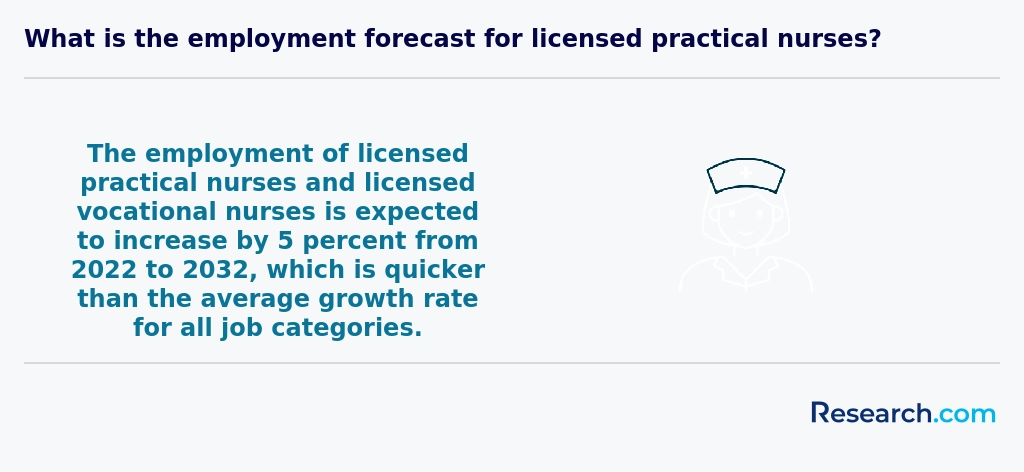
Graduates with a nursing degree in Worcester find diverse nursing career opportunities in Worcester that range from essential bedside care to specialized clinical roles. For example, many graduates from local institutions like Worcester State University or the College of the Holy Cross secure positions as registered nurses (RNs) at UMass Memorial Health Care or St. Vincent Hospital, where they build rewarding careers in patient education and health promotion. These tangible roles provide practical experience and job stability right in the heart of Worcester's growing healthcare sector.
For those seeking more autonomy and higher income, Worcester nursing degree job prospects include advanced practice roles such as nurse practitioners or nurse anesthetists. Graduates often pursue a Master of Science in Nursing (MSN) locally or online to qualify. Additionally, nursing careers in education and research are viable, especially given Worcester's healthcare research institutions and nursing faculty demand. To explore affordable options, students can reference the Cheapest Online Nursing Degree Programs Ranking in the Midwest and strategize financing their studies while preparing for a fulfilling career.
The nursing job opportunities in Worcester are bolstered by a strong healthcare network featuring major institutions like UMass Memorial Medical Center. Graduates from nursing programs here often share how clinical rotations within these facilities provided hands-on experience that quickly led to job offers. The local healthcare sector remains stable, supported by Massachusetts' high demand for nurses and low statewide unemployment rates below 2%.
For those pursuing a nursing degree in Worcester, understanding the balance between program cost and quality is key. Public and private colleges offer Bachelor of Science in Nursing degrees with tuition ranging from approximately $20,000 to $45,000, providing options that fit diverse budgets. Many graduates find that their school's partnerships with local hospitals significantly ease the transition into the workforce, reflecting a positive Worcester nursing degree employment outlook.
Given the region's demographics and healthcare initiatives, demand for specialized nursing roles is rising. Prospective students should also explore other college degrees with best job outlook to complement their career planning and secure long-term success in the evolving healthcare field.
2027 Most Valuable Nursing Degree Programs Ranking in Worcester
Investing in your education is a significant decision that can have a lasting impact on your career, and the Research.com team recognizes the importance of providing trustworthy information to help guide that choice. To support aspiring nursing professionals, we have carefully developed the "2027 Most Valuable Nursing Degree Programs Ranking in Worcester." Our dedication to quality, credibility, and accuracy is demonstrated through rigorous research and thorough analysis used to create this ranking.
We utilized the following reputable data sources to ensure a comprehensive evaluation of nursing degree programs:
By reviewing this ranking, readers will gain valuable insights into the most beneficial nursing degree programs available in Worcester, enabling them to make well-informed decisions about their educational futures. For more details on our methodology, please visit our Research.com methodology page.

# 3 position
University of Massachusetts Chan Medical School
Master of Science in Nursing

Frequently Asked Questions About nursing
Students pursuing nursing degrees in Worcester can enhance their learning by engaging actively in clinical experiences offered by local hospitals and healthcare centers. Facilities like UMass Memorial Medical Center provide valuable hands-on training, essential for developing practical skills. Worcester is also home to several accredited nursing programs that emphasize simulation labs, allowing students to practice procedures in controlled environments.
Networking through professional organizations such as the Massachusetts Nurses Association helps students stay updated on industry trends and job opportunities. Additionally, Worcester's diverse patient population offers unique cultural competency learning, critical for nursing practice.
According to the Massachusetts Department of Higher Education, students who combine classroom study with clinical work show higher licensure exam pass rates.
The nursing field in Worcester is evolving with several emerging niches attracting attention. One growing area is geriatric nursing, driven by the increasing elderly population in Massachusetts. According to the U.S. Census Bureau, Worcester's senior population is expected to rise by over 15% in the next decade, creating strong demand for specialized care providers.
Another key niche is telehealth nursing. The COVID-19 pandemic accelerated telemedicine adoption, and Worcester healthcare systems now rely heavily on nurses who can manage virtual patient care effectively. This area offers flexibility and new career opportunities.
Additionally, psychiatric-mental health nursing is expanding to meet rising behavioral health needs. Institutions like UMass Memorial Health highlight increased recruitment in this specialty.
After completing a nursing degree in Worcester, preparation for the job market involves several essential steps. First, obtaining licensure by passing the NCLEX-RN exam is mandatory to practice as a registered nurse. The Massachusetts Board of Registration in Nursing oversees this process locally. Worcester's healthcare sector is robust, with over 10,000 nursing jobs projected to grow by 12% through 2030, according to the Massachusetts Department of Labor. Networking with local hospitals such as UMass Memorial Medical Center can provide valuable connections and clinical experience. Additionally, developing skills in specialized areas like geriatric or emergency nursing can increase employability in this competitive market.
Employers in Worcester prioritize several key skills when hiring nursing degree graduates. According to the Massachusetts Department of Public Health, clinical competence remains paramount, with strong patient care abilities expected from new nurses. Communication skills are equally important, as nurses must effectively interact with patients, families, and healthcare teams.
Critical thinking and problem-solving skills help graduates manage complex situations and make timely decisions. Worcester healthcare facilities also value adaptability given the evolving medical technologies and protocols. Additionally, proficiency with electronic health records (EHR) systems is increasingly essential, reflecting the digitization trend in healthcare documentation across Massachusetts.
Finally, empathy and cultural competence stand out due to the diverse patient population served in Worcester. These traits ensure sensitive, patient-centered care that meets community needs, as noted by local hospital recruitment reports.
Finding internships in Worcester relevant to a nursing degree involves a mix of research, networking, and utilizing local resources. Start by contacting nursing schools such as Worcester State University, which often partners with local hospitals to offer clinical placements. The U.S. Bureau of Labor Statistics notes that internships provide vital hands-on experience and increase chances of job placement after graduation.
Local healthcare providers like UMass Memorial Medical Center are key internship sites, often recruiting nursing students. Websites such as Handshake and the Massachusetts Nursing Association also list internships and job training opportunities.
Additionally, joining nursing student groups helps connect with peers and professionals who share internship leads.
Obtaining a nursing degree in Worcester significantly enhances career mobility and advancement opportunities. According to Massachusetts Department of Public Health data, registered nurses (RNs) with a Bachelor of Science in Nursing (BSN) are in higher demand across Worcester healthcare facilities, including UMass Memorial Health and Saint Vincent Hospital.
A nursing degree provides foundational knowledge and clinical skills essential for higher-level positions such as nurse manager or clinical nurse specialist. The Massachusetts nursing workforce report highlights that RNs with BSN credentials often earn 15-20% more than their counterparts with only an associate degree.
Moreover, many Worcester employers prefer candidates with advanced degrees when offering leadership or specialized roles. This preference aligns with national trends encouraging nurses to pursue further education to meet complex patient care demands.
Studying for a nursing degree in Worcester offers strong preparation for interdisciplinary roles, reflecting the city's focus on integrated healthcare delivery. Nursing programs in Worcester emphasize collaboration with other healthcare professionals, including physicians, social workers, and therapists, to provide comprehensive patient care. This approach aligns with national trends promoted by the American Association of Colleges of Nursing (AACN), which advocates for teamwork in clinical settings.
Local clinical partnerships with medical centers like UMass Memorial Health provide nursing students real-world experiences in team-based environments. According to the Massachusetts Board of Registration in Nursing, Worcester consistently reports above-average employment rates for nurses in multidisciplinary roles.
This practical training helps students understand diverse perspectives and develop communication skills essential for effective healthcare coordination.
Choosing between a thesis and a non-thesis nursing degree program in Worcester depends on your career goals and academic interests. Thesis programs emphasize research, requiring you to complete original studies, which is ideal if you plan to pursue advanced degrees or roles in nursing education and research. Non-thesis options focus on practical skills and clinical experience, often preferred by those targeting direct patient care or administrative positions.
Locally, Worcester's nursing schools align with national trends showing about 60% of students opt for non-thesis tracks, reflecting the city's strong healthcare job market emphasis on clinical practice. Data from the Massachusetts Department of Higher Education supports this preference for applied nursing skills in this region.
Students based in Worcester seeking to study nursing abroad have several pathways available, primarily through exchange programs and international partnerships. Many US universities that serve Worcester residents offer study abroad options in countries like the United Kingdom, Canada, and Australia, where nursing education aligns closely with US standards. These programs often last one semester to a full academic year.
The Massachusetts Department of Higher Education reports that Worcester-area nursing students benefit from established collaborations, which help ensure credits transfer smoothly. Additionally, Worcester's diverse healthcare community encourages practical international experience, a valuable asset for licensing and employment.
Financial aid and scholarships may also support study abroad for nursing students through federal and institutional grants.
Students pursuing nursing degrees in Worcester have various part-time job options to gain practical experience while supporting their studies. Local hospitals such as UMass Memorial Medical Center often hire nursing students for roles like patient care technician or nursing assistant, allowing hands-on patient interaction under supervision. According to the Massachusetts Executive Office of Health and Human Services, these positions provide valuable clinical exposure and can enhance employability after graduation.
Additionally, nursing students may find opportunities in home healthcare agencies or outpatient clinics, offering flexible hours suitable for academic schedules. Working as a medical scribe or health unit coordinator can also build relevant administrative skills related to nursing practice.
Worcester offers several valuable networking opportunities for nursing students looking to build professional connections. The city is home to notable institutions such as the University of Massachusetts Medical School, which regularly hosts nursing conferences and workshops. These events allow students to engage with experienced practitioners and healthcare leaders.
Local chapters of national nursing organizations, like the Massachusetts Nurse Association, provide platforms for students to participate in meetings and community health initiatives. Additionally, clinical placements at Worcester's major hospitals, including UMass Memorial Health Care, expose students to diverse healthcare teams, encouraging mentorship and collaboration.
These opportunities help nursing students in Worcester develop essential professional relationships that can assist in job placement and career advancement.
Alumni networks play a significant role for nursing degree students in Worcester by providing valuable professional connections. Graduates from local nursing programs, such as those at Worcester State University or Becker College, often share job opportunities and clinical placement advice through these networks.
Access to experienced alumni helps current students navigate the competitive health care job market in Massachusetts, where the demand for registered nurses is projected to grow by over 9% between 2022 and 2032, according to the U.S. Bureau of Labor Statistics.
Many alumni associations organize mentorship programs and networking events, which can increase a student's chances of securing a quality nursing position after graduation. These connections also facilitate continuing education and certification information relevant to Massachusetts regulations.
Customizing a nursing degree program in Worcester allows students to align their education with specific career goals. Many local institutions offer flexible options such as elective courses in specialties like gerontology, pediatrics, or acute care. Students can also choose between traditional Bachelor of Science in Nursing (BSN) programs, accelerated BSNs for those with prior degrees, and RN-to-BSN pathways.
Clinical placements in Worcester-area hospitals provide hands-on experience in diverse healthcare settings, helping students refine their career focus. Additionally, some schools support certifications and continuing education that bolster expertise in areas like critical care or community health.
According to the Massachusetts Board of Registration in Nursing, roughly 35% of Worcester's nursing workforce has advanced specialized training, reflecting the region's emphasis on tailored education.
Nursing students in Worcester commonly face several challenges during their education. One major difficulty is balancing rigorous coursework with clinical hours. Clinical placements often require travel to busy hospitals such as UMass Memorial Medical Center, adding time and stress. According to data from the Massachusetts Board of Nursing, about 20% of students report delays in clinical placements due to limited availability.
Another challenge is managing financial pressure. Tuition costs combined with living expenses in Worcester can strain students, especially since many must reduce work hours to complete demanding studies. Mental health concerns are also significant; the American Nurses Association notes increased stress levels among nursing students nationwide, reflecting trends in Worcester as well.
With a nursing degree in Worcester, graduates can pursue a variety of professional certifications to enhance their career prospects. Common certifications include the Certified Nurse Assistant (CNA), Registered Nurse (RN) licensure, and Advanced Practice Registered Nurse (APRN) credentials such as Nurse Practitioner (NP). According to the Massachusetts Board of Registration in Nursing, WRN region hospitals actively seek nurses with specialty certifications like Certified Medical-Surgical Registered Nurse (CMSRN) or Certified Emergency Nurse (CEN).
Many nurses in Worcester also obtain certifications in areas like pediatric care, critical care, or oncology nursing through organizations such as the American Nurses Credentialing Center. Holding these credentials often leads to higher salaries and greater job security in the competitive healthcare market of Worcester and surrounding areas.
When applying to nursing programs in Worcester, a strong application highlights both academic achievements and relevant experience. Many local programs prefer applicants with a GPA of 3.0 or higher, reflecting academic readiness. Including volunteer work or employment in healthcare shows commitment and practical understanding.
Writing a clear, focused personal statement is essential. Applicants should explain their motivation for nursing, referencing Worcester's healthcare community when possible, such as its growing demand for nurses noted by the Massachusetts Department of Public Health.
Additionally, securing strong letters of recommendation from educators or healthcare professionals familiar with your work can significantly improve your chances.
Lastly, ensure all prerequisite courses are completed, as many Worcester programs require biology, chemistry, and anatomy.
The nursing profession is recognized globally for its vital role in healthcare delivery. In the United States, including Worcester, nursing careers offer strong job security and growth. According to the U.S. Bureau of Labor Statistics, registered nursing is projected to grow 9% from 2022 to 2032, faster than average for all occupations.
Internationally, nurses often engage in diverse healthcare systems, adapting to varying cultural and clinical environments. U.S. nursing degrees, including those in Worcester, are respected worldwide due to standardized accreditation and rigorous training.
Worcester hospitals and clinics benefit from locally educated nurses who meet national licensure standards, ensuring quality care. This makes nursing degrees here valuable for students considering global mobility and diverse career options.
Gaining practical experience while studying for a nursing degree in Worcester is an essential part of academic programs. Most accredited nursing schools partner with local hospitals and clinics to offer clinical placements. These opportunities allow students to apply classroom knowledge in real healthcare settings under professional supervision.
Worcester hosts several major healthcare providers, including UMass Memorial HealthCare and Saint Vincent Hospital, which serve as common sites for student clinical rotations. According to the Massachusetts Board of Registration in Nursing, clinical hours typically make up 25-30% of a program's total credit requirements, emphasizing hands-on practice.
Additionally, many nursing programs encourage participation in internships and volunteer roles at community health centers. These experiences build skills and improve employability post-graduation.
Choosing the right concentration within a nursing degree in Worcester involves careful consideration of your career goals and local healthcare needs. Worcester's healthcare industry includes major employers like UMass Memorial Health, where specializations such as geriatric nursing and acute care are in high demand. According to the Massachusetts Executive Office of Labor and Workforce Development, registered nurses specializing in these areas earn competitive salaries while experiencing steady job growth.
Consider your interests in patient populations and care settings. For example, pediatric nursing suits those who prefer working with children, while psychiatric nursing addresses mental health care needs. Also, review the program curricula offered by Worcester-area colleges to find specializations aligned with your passion and the region's employment opportunities.
- 2027 Most Valuable Nursing Degree Programs Ranking in Boston
- 2027 Most Valuable Nursing Degree Programs Ranking in Bronx
- 2027 Most Valuable Nursing Degree Programs Ranking in New York
- 2027 Most Valuable Nursing Degree Programs Ranking in Brooklyn
- 2027 Most Valuable Nursing Degree Programs Ranking in Rochester
- 2027 Most Valuable Nursing Degree Programs Ranking in Baltimore
- 2027 Most Valuable Nursing Degree Programs Ranking in Washington
- 2027 Most Valuable Nursing Degree Programs Ranking in Virginia Beach
- 2027 Most Valuable Nursing Degree Programs Ranking in Detroit
- 2027 Most Valuable Nursing Degree Programs Ranking in Columbus
See What Experts Have To Say About Studying Nursing
Read our interview with Nursing experts


- 10 Nursing Fields That Are Growing in Demand https://promedcert.com/blog/10-nursing-fields-that-are-growing-in-demand
- Work-life balance | Careers Crossroads | RCN Careers Resources | Royal College of Nursing https://www.rcn.org.uk/Professional-Development/Your-career/Nurse/Career-Crossroads/Career-Ideas-and-Inspiration/work-life-balance
- How to Choose the Right Nursing School for Your Career Goals | Archer Review https://www.archerreview.com/blog/how-to-choose-the-right-nursing-school-for-your-career-goals
- Client Challenge https://www.slideshare.net/slideshow/nursing-perspectivepdf/257210042
- How Do Nurses Navigate Career Advancement? | NursingEducation https://nursingeducation.org/insights/career-advancement/
- Career Advancement Pathways for Nurses : Expert RN shares 10+ Professional growth opportunities - MuminMed https://blog.muminmed.com/career-advancement-pathways-for-nurses/
- Research - University of Chichester https://eprints.worc.ac.uk/6692/
- Guide to Making a Career Change to Nursing https://teach.com/online-ed/healthcare-degrees/online-msn-programs/career-change-to-nursing/
- Nursing - SUM Admission https://admission.sum.edu.pl/nursing/
- | NRR | Dove Medical Press https://www.dovepress.com/internship-challenges-encountered-by-nursing-students-a-qualitative-st-peer-reviewed-fulltext-article-NRR


