
2027 Most Valuable Nursing Degree Programs Ranking in Scranton

Co-Founder and Chief Data Scientist
Choosing the right nursing degree program can be a life-changing decision, especially for students in Scranton. This article features the 2027 Most Valuable Nursing Degree Programs Ranking in Scranton, meticulously developed by the Research.com team of data scientists. It's designed to help you make a well-informed choice based on solid data and real value.
Exploring these top nursing programs opens doors to rewarding careers and personal growth. Whether you're starting out or advancing your education, this ranking guides you toward opportunities that truly matter.
Key benefits of getting nursing degree in Scranton
- Nursing degree graduates in Scranton can expect strong salaries, with Registered Nurses earning a mean annual wage of $94,480 and Operating Room Nurses making up to $128,490, providing financial stability and rewarding career options.
- Graduates from local colleges in Scranton often find diverse career paths ranging from Emergency Room Nurse to Public Health Nurse, allowing you to choose roles that match your passion and lifestyle.
- Obtaining a nursing degree online in Scranton offers flexible scheduling and the chance to balance work and study, making it easier for busy students to advance their careers without sacrificing current commitments.
- 2027 Most Valuable Nursing Degree Programs Ranking in Scranton
- What can I expect from nursing degree in Scranton?
- Where can I work with nursing degree in Scranton?
What can I expect from nursing degree in Scranton?
Many nursing students in Scranton find that the average cost of pursuing a nursing degree varies, typically influenced by the institution and the program level. For example, graduates from the University of Scranton's Bachelor of Science in Nursing program often recall managing tuition that falls within a moderate range compared to national averages, especially when factoring in available scholarships and financial aid. This makes a nursing education in Scranton both accessible and worthwhile.
Students appreciate that the investment goes beyond tuition-academic advising and career services help them confidently prepare for licensure exams like the NCLEX-RN. Envision yourself balancing coursework in anatomy and pharmacology with fulfilling clinical rotations at local hospitals, gaining hands-on experience that brings classroom knowledge to life.
This supportive environment, combined with practical learning and competitive costs, inspires many nursing students to stay motivated as they move toward becoming compassionate, skilled Registered Nurses ready to serve the growing healthcare needs in their community.
Where can I work with nursing degree in Scranton?
With a nursing degree from a respected institution in Scranton, such as the University of Scranton or Lackawanna College, you'll find a wide range of fulfilling career paths waiting for you right in your community. Graduates frequently step into vital roles at Commonwealth Health System hospitals like Moses Taylor Hospital, where they provide compassionate care in fast-paced emergency rooms or specialized units such as oncology and cardiology. Imagine starting your day helping patients recover and thrive after surgery in these local hospitals or outpatient centers.
Many graduates also embrace opportunities in long-term care facilities, offering daily support and treatment to the elderly, creating meaningful bonds while making a real difference. Others thrive in community health centers, reaching underserved populations with programs focused on prevention and education. Practical nurses and RNs alike find purpose here, knowing their efforts improve lives beyond the hospital walls.
Nursing graduates from Scranton's colleges often share how rewarding it is to support patients at home through agencies like the Visiting Nurse Association, helping people maintain independence in familiar surroundings. Some even transition into leadership or educator roles within their alma maters or healthcare organizations, inspiring the next generation of nurses while advancing their own careers.
Graduates with nursing degrees from Scranton's well-regarded institutions are stepping into rewarding careers with strong earning potential. Starting as registered nurses (RNs), many find themselves earning around $94,480 annually, a solid figure that reflects steady regional demand and opportunities for growth.
Those who advance into specialized roles such as clinical nurse educators or public health nurses enjoy similar salaries near $94,480, combining their passion for care with great financial stability. Graduates who pursue focused specialties, like emergency room nursing, also see competitive wages in the same range, enabling them to make a significant impact while earning well.
Operating room nurses are among the highest earners, with salaries reaching up to $128,490 per year. Imagine the pride and confidence of graduates who apply skills gained confidently from Scranton's nursing programs and step directly into these dynamic environments.
Many alumni share stories of fulfilling workdays and rewarding experiences, boosted by earnings that support their ambitions and families. Choosing a nursing degree in Scranton is a pathway not only to meaningful work but also to a bright financial future filled with opportunity.
- Nursing programs in Scranton range from LPN certificates to BSN degrees and follow standards from the American Nurses Association.
- BSN tuition in-state costs between $15,000 and $25,000 per year, while ADN programs at community colleges typically charge $6,000 to $12,000 annually.
- Additional expenses like textbooks, uniforms, and licensing exams can add several thousand dollars to the total cost of nursing education.
- Starting salaries for new nurses in Scranton usually fall between $55,000 and $65,000 per year, rising to $75,000-$90,000 with experience and certifications.
- The local nursing job market is growing, with a projected 10% increase in healthcare employment over the next decade.
- Licensing requires passing the NCLEX-RN exam, and local schools often include NCLEX prep in their curricula.
Completing a nursing degree in Scranton is an exciting journey that can fit your unique lifestyle and goals. Many graduates from the University of Scranton proudly recall finishing their Bachelor of Science in Nursing (BSN) in about four years, balancing rigorous coursework with rewarding clinical experiences. For those choosing an Associate Degree in Nursing (ADN), local community colleges offer engaging programs completed in just two to three years, opening doors quickly to entry-level nursing roles.
Some working nurses in Scranton have embraced RN to BSN and accelerated BSN programs, completing their studies within 12 to 24 months. This flexibility allows you to advance your career without pausing your life. Graduate degrees like the Master of Science in Nursing (MSN) typically take 18 months to three years, empowering many with advanced expertise to serve their communities as nurse practitioners or educators.
The journey is deeply fulfilling, with each step bringing you closer to a meaningful healthcare career in your hometown.
When choosing a nursing program in Scranton, PA, several factors can significantly influence a student's educational journey and future career prospects. Students should consider the accreditation of the program, ensuring it is recognized by organizations such as the Commission on Collegiate Nursing Education (CCNE), as this is crucial for licensure and employment opportunities. Furthermore, evaluating the range of nursing degrees available, from associate to doctoral programs, can help students identify the right fit for their goals. For instance, those interested in valuable nursing programs in Pennsylvania can explore specializations that cater to their interests and career aspirations. Additionally, reviewing the curriculum for course offerings and specializations, such as pediatrics or geriatrics, can enhance a student's expertise and prepare them for the diverse demands of the healthcare sector.
Choosing between online and on-campus nursing degrees in Scranton opens exciting possibilities tailored to your lifestyle and goals. On-campus programs at local colleges bring vibrant classroom energy, where graduates cherish face-to-face mentorship and hands-on clinical experiences in nearby Scranton hospitals, building confidence early through real-time teamwork and immediate support.
Online nursing degrees offer remarkable flexibility, allowing students balancing work or family life to learn at their own pace. Many online graduates appreciate arranging clinical hours locally, enabling practical training at regional healthcare centers while managing their schedules. This balance makes pursuing a nursing career achievable without sacrificing personal commitments.
Both paths lead to meaningful careers, with on-campus students valuing the rich campus resources and peer connections, while online learners embrace independence and convenience. Cost savings from reduced commuting and housing also enhance the online experience, making nursing education in Scranton more accessible and inspiring future nurses to thrive in settings that fit their unique needs.
A critical indicator of a nursing program’s effectiveness is its NCLEX (National Council Licensure Examination) first‐time pass rate, which directly reflects how well graduates are prepared for real‐world practice. In Scranton, PA, top institutions boast impressive results: The University of Scranton reports a 96% first‐time pass rate, Marywood University achieves 93%, and Lackawanna College maintains around 91%. These figures exceed the national average of 88%, signaling robust curricula, comprehensive clinical training, and dedicated faculty support. High NCLEX pass rates not only enhance a program’s reputation but also boost graduates’ confidence as they enter the workforce. Programs with pass rates above 90% often offer tailored exam review sessions, simulation lab exercises, and personalized coaching to address individual learning gaps. Prospective students should inquire about these support services during campus visits or virtual tours. For those aiming to transition smoothly into advanced practice roles, exploring specialized pathways can be invaluable. One such option is the easiest nurse practitioner degree, which combines rigorous preparation with flexible online coursework, ensuring candidates meet licensure requirements efficiently while maintaining high pass rates.
The average nursing degree cost Scranton students typically face is around $47,701 for in-state residents, with the total median cost reaching about $61,040. This range highlights the affordability advantages of staying in-state, especially for those attending community colleges or public institutions offering nursing programs. Graduates from Scranton area schools often share how financial planning helped them manage tuition and additional expenses confidently.
For example, students enrolled at local community colleges find the total cost of nursing programs in Scranton more accessible, often benefiting from lower tuition and smaller fees. These graduates speak positively about their journey, emphasizing how scholarships and financial aid made nursing dreams attainable without overwhelming debt. Students pursuing degrees at universities in the region may invest more upfront but gain excellent clinical experiences and strong support networks that enrich their education and future careers.
Along with tuition, the full investment includes essentials like books, uniforms, clinical placement, and licensing exam fees. Despite these costs, the commitment pays off with rewarding career opportunities. For those seeking direction in choosing a program, it's worth exploring the valuable nursing programs in Pennsylvania, which highlight options that balance cost and quality effectively.

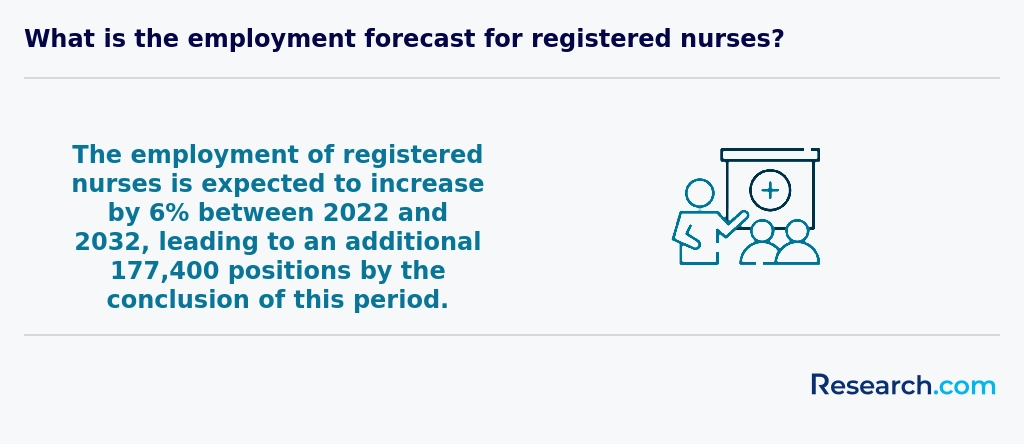
Understanding the return on investment (ROI) of a nursing degree is critical for students balancing cost, time, and career goals. In Scranton, PA, the break-even point for a BSN often occurs within 4–6 years post-graduation when comparing average salaries with total program costs. For example, a BSN graduate paying $120,000 in tuition who earns an entry-level RN salary of $89,010 can expect to recoup educational expenses in roughly five years, assuming steady employment and no significant debt interest accrual. Accelerated pathways further enhance ROI by reducing both time and tuition. For those aiming to minimize time-to-career, accelerated tracks can dramatically improve ROI-check out the best 12 month accelerated nursing programs online to explore streamlined curricula that lead to licensure in as little as one year. These programs often come with higher per-credit costs but offset overall expenses by cutting living and opportunity costs associated with longer programs. When evaluating ROI, include indirect costs-books, uniforms, certification fees, and living expenses-and weigh them against projected earnings growth from specializations. Graduates specializing in areas like CRNA or FNP can see 30–40% higher salaries, accelerating payback periods. Use online ROI calculators to input program costs, expected salary, and loan interest rates, which helps in visualizing 5-year and 10-year net gains. Finally, consider non-monetary returns such as job satisfaction, career flexibility, and long-term stability. Nursing careers in Scranton boast a 6% projected employment growth through 2033, ensuring a strong job market. By combining financial analysis with personal and professional goals, prospective students can make data-driven decisions about which nursing degree program offers the best overall value.
Financial aid in Scranton opens doors for countless nursing students, making their dreams achievable and education more affordable. Many graduates from local institutions like the University of Scranton have shared how federal Pell Grants, which can cover up to $7,395 annually, significantly eased their financial burden. These grants, awarded based on financial need, are a lifeline that requires no repayment, allowing students to focus fully on their studies and clinical experiences.
Direct student loans with competitive interest rates also provide a responsible way to finance nursing degrees, especially when paired with flexible repayment options. Students from Marywood University frequently benefit from these loans, finding peace of mind in their manageable terms.
State grants through PHEAA further lighten costs, rewarding students based on income level and enrollment status, while local scholarships from hospitals and nursing groups in Scranton celebrate academic excellence and dedication. Graduates often mention employer tuition reimbursements and loan repayment programs that reward commitment to serving underserved communities, making a nursing career both rewarding and sustainable.
Evaluating ROI shows how quickly nursing degrees in Scranton pay off in career earnings. Typical outcomes:
- ADN programs require lower upfront tuition (median $18,000) and often lead to full salary within 2–3 years of work.
- BSN graduates average debt of $55,939 but command higher starting wages (mean $94,480), recouping costs in about 5 years.
- Nurses advancing through an rn to bsn online with no clinicals pathway can minimize additional expenses while increasing lifetime earnings.
Choosing programs with strong NCLEX pass rates and local clinical partnerships ensures faster workforce entry and maximizes long-term value.
Applicants usually take the TEAS exam, which tests essential skills in reading, science, math, and English. This step not only highlights your strengths but also builds confidence, just as many nursing students in Scranton have experienced before beginning clinical training. Writing a personal statement and securing letters of recommendation give you a chance to share your story, motivation, and dedication to nursing, adding a personal touch that resonates with admission teams.
Volunteering or gaining healthcare experience at local clinics or hospitals enriches your understanding of patient care, making you feel more connected to your chosen path. Pursuing nursing in Scranton means embracing these prerequisites as stepping stones toward a rewarding future in healthcare.
Prospective students aiming to join the 2024 Most Valuable Nursing Degree Programs in Scranton, PA, should familiarize themselves with key application milestones to maximize their chances of admission. Most nursing programs operate on a selective, rolling-admission basis, with priority deadlines in early winter and final deadlines in late spring. For example, the University of Scranton’s BSN program typically opens applications on October 1, with an early-decision deadline of December 15 and a final deadline of April 1. Applicants are encouraged to submit materials well before these dates to secure clinical placement preferences and access merit-based scholarships. Required materials commonly include:
- Official transcripts demonstrating prerequisite coursework completion
- TEAS or HESI exam scores (check each institution for minimum cutoffs)
- Two to three letters of recommendation from academic or healthcare professionals
- Personal statement detailing your commitment to nursing and community service
- Proof of immunizations and background check clearance Graduate-level candidates-those pursuing an MSN or specialty track-should also include a current résumé and a brief overview of professional goals. If you’re weighing online versus campus-based options, consider our Low Cost Online Master’s in Nursing Degree Programs Ranking in the West to compare application timelines and tuition rates. Adhering to each program’s timeline and submission guidelines will ensure your application is reviewed promptly, helping you embark on a rewarding nursing career in Scranton without delay.
Nursing degrees in Scranton include a rich blend of courses designed to equip you with the knowledge and skills to make a real difference in patient care. Graduates often recall beginning with human anatomy and physiology, where they gained a deep understanding of how the body functions-knowledge essential for every nurse.
At local institutions like the University of Scranton or Marywood University, students enthusiastically dive into microbiology and chemistry, learning about the intricate biological processes behind health and disease. These courses build confidence, turning complex science into practical insights.
Nutrition and pharmacology classes inspire many students, who share stories of applying what they learned about diet and medications directly during clinical rotations. These hands-on experiences in Scranton's hospitals make the lessons come alive, fostering a genuine passion for patient wellness.
Clinical nursing fundamentals and ethics courses encourage caring professionalism. Graduates describe how clinical hours spent in pediatrics, maternity, or mental health units provided them with rewarding, confidence-boosting moments, preparing them to serve their communities with empathy and skill.
Students pursuing nursing in Scranton find a range of inspiring nursing specializations in Scranton that match their passions and career goals. Many graduates from popular local colleges enthusiastically choose the Registered Nurse (RN) to Bachelor of Science in Nursing (BSN) track, unlocking new leadership opportunities and higher earning potential. These programs empower students to step confidently into advanced roles while serving their communities.
Others are drawn to the Family Nurse Practitioner (FNP) specialization, preparing them to provide vital primary care to families across Northeastern Pennsylvania. Graduates often share their pride in making real differences, especially in rural areas where healthcare access is crucial. Psychiatric-Mental Health Nursing and Pediatric Nursing are also popular paths, allowing nurses to touch lives deeply-from supporting mental wellness to caring for children.
Many students appreciate how Scranton nursing degree program options also include Geriatric Nursing, which addresses the needs of the region's growing senior population. For those eager to accelerate their careers, there are excellent choices like the best 12 month accelerated nursing programs online, blending rigorous study with real-world experience.
Choosing the best nursing degree in Scranton means focusing on programs that align perfectly with your ambitions and lifestyle. Graduates from local institutions like the University of Scranton often praise the strong clinical training linked with area hospitals, giving them confidence and real-world skills that propel their careers forward. By exploring the best nursing programs in Scranton, you can find options offering flexible schedules, including evening or online classes, ideal for balancing study with personal commitments.
Affordability is another motivating factor. Many students find that affordable nursing degrees Scranton-based community colleges provide excellent education with lower tuition costs, allowing them to graduate with less financial burden. Scholarships and financial aid opportunities further enhance accessibility for passionate students. It's inspiring to see how graduates achieved success through dedication and smart choices, supported by programs accredited for quality and rigor.
Remember to research each curriculum carefully and check NCLEX-RN pass rates, which reflect program strength. For those aiming higher, looking into the easiest nurse practitioner degree paths can also open rewarding career doors in nursing beyond initial licensure.

In Scranton, nursing graduates discover an inspiring range of career paths fueled by a thriving healthcare community. Many jump into rewarding roles as Registered Nurses, where they make a real difference in hospitals and clinics nearby. Graduates from popular local institutions like the University of Scranton and Lackawanna College often share how their education has prepared them to confidently navigate patient care and healthcare job prospects for nursing graduates Scranton.
For those ready to expand their expertise, advanced roles such as Nurse Practitioners and Clinical Nurse Specialists await, offering greater autonomy and elevated salaries. Others find joy in healthcare administration or educating the next generation of nurses at Scranton's esteemed colleges. Career paths also include vital public health roles and specialized fields like pediatrics or oncology, allowing graduates to shape community wellness every day.
Financially mindful students can explore options like the Low Cost Online Master's in Nursing Degree Programs Ranking in the West to enhance their qualifications affordably, ensuring this exciting career remains accessible to all passionate about nursing.
The nursing job market in Scranton is thriving, offering exciting opportunities for graduates eager to make a meaningful impact. Nursing students from Marywood University and local community colleges often share how their degrees open doors to rewarding careers in hospitals, outpatient clinics, and long-term care facilities. Many find themselves quickly employed by prominent healthcare providers like Regional Hospital of Scranton, supported by Scranton's expanding healthcare needs. This landscape makes the Scranton nursing degree employment outlook especially bright.
Graduates with bachelor's degrees typically enjoy competitive salaries and a variety of advancement options, motivating them to continue growing professionally. The demand for skilled nurses in this region is fueled by an aging population, creating a stable environment that values compassionate, well-trained professionals. For those balancing life and study, exploring best accelerated associate degrees can be a smart route to joining this dynamic field sooner.
2027 Most Valuable Nursing Degree Programs Ranking in Scranton
Investing in your education is a significant decision that can shape your future, and the Research.com team understands the importance of making informed choices. To assist prospective students in Scranton, we have meticulously developed the "2027 Most Valuable Nursing Degree Programs Ranking in Scranton." Our commitment to quality, credibility, and accuracy is reflected in the thorough research and analysis undertaken to compile this ranking.
We utilized the following reputable data sources to ensure a comprehensive evaluation of nursing degree programs:
By exploring this ranking, readers will gain valuable insights into the most valuable nursing degree programs available in Scranton, empowering them to make well-informed decisions about their educational pursuits. For more information on how this ranking was created, please visit our Research.com methodology page.


Frequently Asked Questions About nursing
Nursing degree students in Scranton can enhance their learning by engaging deeply in clinical experiences offered through local hospitals such as Geisinger Community Medical Center. Hands-on practice is crucial, as it complements theoretical knowledge and builds practical skills. According to the Pennsylvania Center for Nursing Workforce, clinical placements in Scranton provide exposure to a variety of patient populations, preparing students for diverse healthcare settings.
It is important for students to actively participate in study groups and seek mentorship from experienced nurses and faculty. Utilizing resources from institutions like the University of Scranton's nursing program can enrich understanding through workshops and simulation labs.
Additionally, staying informed about the latest nursing research and evidence-based practices through trusted sources enhances critical thinking and professionalism.
The nursing field is evolving rapidly, with several emerging niches gaining attention from educational institutions in Scranton and across the United States. One fast-growing area is gerontological nursing, reflecting the increasing elderly population in Pennsylvania. Nurses specializing in this niche focus on improving care for aging patients with chronic illnesses.
Another expanding sector is informatics nursing, which integrates healthcare and technology to manage patient data. As the demand for digital records rises, nurses with informatics expertise are crucial in improving patient outcomes.
Finally, psychiatric-mental health nursing is becoming highly sought after due to the growing awareness of mental health needs in communities like Scranton. According to the Pennsylvania Department of Labor, jobs in these specialties are projected to increase by over 15% in the next decade, highlighting strong career opportunities.
Preparing for the job market after completing a nursing degree in Scranton involves several important steps. First, graduates should obtain licensure by passing the National Council Licensure Examination for Registered Nurses (NCLEX-RN), which is required to work as a nurse in Pennsylvania.
Networking is crucial. Scranton's healthcare sector includes major employers such as Geisinger Community Medical Center and Regional Hospital of Scranton. Connecting with these institutions through job fairs or clinical rotations can enhance employment prospects.
Consider specializing or gaining certifications in areas like gerontology or pediatric nursing, as demand for these specialties is growing locally. According to the Pennsylvania Department of Labor, nursing jobs in the Scranton metro area are projected to increase by approximately 10% over the next decade.
Employers in Scranton prioritize several key skills when hiring nursing degree graduates. Clinical competence remains fundamental, with a strong emphasis on patient care, medication administration, and familiarity with electronic health records. Communication skills are also vital, enabling nurses to effectively interact with patients and healthcare teams.
Local healthcare facilities value adaptability and critical thinking due to the evolving nature of patient needs. According to the Pennsylvania Center for Nursing, soft skills such as empathy and teamwork significantly impact job performance in the Scranton region.
Additionally, graduates proficient in evidence-based practice and who hold up-to-date certifications tend to be more competitive in the job market.
Finding nursing internships in Scranton involves a strategic approach focused on local healthcare facilities and educational partnerships. Prospective nursing students should begin by contacting institutions such as the University of Scranton and Lackawanna College, which often have established connections with nearby hospitals for clinical placements.
Hospitals like Regional Hospital of Scranton and Moses Taylor Hospital regularly offer internship programs aligned with nursing curricula. According to the Pennsylvania Department of Health, Scranton's healthcare sector is growing, providing increasing internship opportunities each year.
Students are encouraged to utilize career services at their colleges, attend local health job fairs, and network with nursing professionals through organizations like the Scranton chapter of the American Nurses Association.
Obtaining a nursing degree in Scranton significantly enhances career mobility and advancement opportunities within the local healthcare sector. Nurses with formal degrees are in high demand due to Pennsylvania's growing healthcare needs, especially in the Scranton metropolitan area. According to the Pennsylvania Department of Labor & Industry (2023), registered nurses in Scranton earn a median annual wage of around $75,000, which typically increases with advancement to specialized roles.
Holding a degree allows nurses to qualify for higher positions such as nurse practitioners, clinical nurse specialists, or healthcare administrators. These advanced roles often require at least a Bachelor of Science in Nursing (BSN) or higher.
Additionally, employers in Scranton's hospitals and clinics increasingly prefer candidates with accredited nursing degrees, linking education directly to career progression. This trend aligns with nationwide data showing that degree-holding nurses enjoy faster promotions and better job stability.
Studying for a nursing degree in Scranton equips students with skills essential for interdisciplinary healthcare roles. Nursing programs in the area emphasize collaboration with professionals from medicine, social work, and allied health fields. This approach reflects modern healthcare's team-based nature, improving patient outcomes through coordinated care.
Local institutions often incorporate clinical rotations in diverse settings, including hospitals and community health centers. These experiences expose students to real-world interdisciplinary communication and problem-solving. According to the Pennsylvania Department of Health, Scranton's healthcare employers prioritize nurses who can effectively engage with multidisciplinary teams.
Additionally, programs highlight evidence-based practice and leadership, preparing graduates to contribute thoughtfully in varied healthcare environments.
Choosing between a thesis and a non-thesis nursing degree program in Scranton depends largely on your career goals and learning preferences. A thesis program emphasizes research, requiring you to conduct original studies and write a detailed paper, which suits those aiming for roles in academia, advanced clinical research, or pursuing a PhD.
In contrast, non-thesis programs focus on practical skills and clinical practice. They usually involve more coursework and clinical hours but do not require a research project. This path is ideal for nurses seeking leadership or advanced practice roles without the academic research component.
Local hospitals and healthcare providers in Scranton often value clinical experience highly, which may make non-thesis options attractive. According to the Pennsylvania Department of Labor, the nursing workforce in Scranton is growing steadily, highlighting the demand for skilled practitioners.
Evaluating your long-term objectives and the specific curriculum of programs offered by institutions like the University of Scranton or Marywood University can help guide your decision.
Students based in Scranton who wish to study nursing abroad have several pathways to consider. Many universities in Scranton, such as the University of Scranton, offer study abroad programs or partnerships with institutions overseas. These collaborations allow nursing students to gain international clinical experience while earning credits toward their degree.
Additionally, students can enroll in U.S.-accredited nursing programs abroad, which maintain standards consistent with U.S. nursing education. This can facilitate easier licensure back in the States. According to the Pennsylvania State Board of Nursing, about 20% of nursing students in the region express interest in global clinical experiences, highlighting growing demand for international study options.
Furthermore, scholarships and grants specific to study abroad in nursing are available through various organizations, helping Scranton students manage costs. Students are advised to consult their college's study abroad office and nursing department to explore current offerings and support for overseas study.
Part-time job opportunities in Scranton that complement nursing degree education often include roles in local healthcare facilities such as hospitals, clinics, and long-term care centers. Popular positions for nursing students are certified nursing assistant (CNA), home health aide, or medical scribe. These roles provide valuable hands-on experience with patient care and medical documentation, strengthening clinical skills outside the classroom.
According to the Pennsylvania Department of Labor & Industry, healthcare support occupations in the Scranton area grow steadily, reflecting demand for workers in these roles. In addition, positions at facilities like Geisinger Community Medical Center offer flexible shifts, helping students balance work and study.
Nursing students in Scranton have access to a variety of valuable networking opportunities that support their professional growth. Local colleges, such as the University of Scranton and Marywood University, often host nursing clubs and organizations where students can connect with peers and faculty.
Additionally, the Scranton area benefits from proximity to several healthcare providers like Geisinger Community Medical Center, offering clinical placements that facilitate relationships with practicing nurses and healthcare leaders.
Regional chapters of professional associations, such as the Pennsylvania Association of Nursing Students and the American Nurses Association, regularly organize events and conferences nearby, promoting valuable professional contacts.
Engaging in these activities can enhance job prospects and help students stay current with nursing trends and requirements specific to northeastern Pennsylvania.
Alumni networks offer significant benefits to nursing degree students in Scranton by providing access to a broad professional community. Graduates can connect with experienced nurses working in local hospitals and clinics, enhancing their job prospects after graduation. According to the Pennsylvania State Nurses Association, nearly 65% of nursing positions in Scranton are filled through referrals, highlighting the importance of networking.
These networks often host mentorship programs, aiding students as they transition into the workforce. Mentors can share insights specific to healthcare settings in Scranton, which improves students' readiness for clinical roles.
Furthermore, alumni events facilitate continuing education opportunities, critical in the rapidly evolving nursing field. This ongoing engagement helps maintain licensure and professional growth in line with Pennsylvania's state regulations.
Customizing a nursing degree program in Scranton allows students to align their education with specific career goals. Many local institutions offer flexible options such as elective courses, specialized certificates, and clinical rotations in varied healthcare settings. This customization can focus on areas like pediatrics, geriatrics, or acute care.
Institutions accredited by the Commission on Collegiate Nursing Education (CCNE) ensure quality education that meets industry standards. Additionally, students may choose part-time or online formats to balance work and study.
Scranton's healthcare landscape, including partnerships with regional hospitals, provides practical experiences supporting diverse nursing roles. According to the Pennsylvania Department of Labor & Industry, nursing job growth in the Scranton area is projected to rise by 12% through 2028, underscoring the value of tailoring education for local demand.
Nursing students in Scranton face several common challenges throughout their education. One significant obstacle is balancing rigorous coursework with clinical hours, which can total over 800 hours during a program, according to the Pennsylvania State Board of Nursing. The demanding schedule often requires effective time management and resilience.
Financial strain is another issue; the average tuition for nursing programs in Scranton ranges from $15,000 to $30,000 annually, posing a challenge for many. Additionally, students often encounter stress related to passing the NCLEX-RN exam, with Pennsylvania reporting a first-time pass rate near 85%, slightly below the national average.
Finally, access to quality clinical placements in local hospitals such as Regional Hospital of Scranton can be limited, intensifying competition among students.
With a nursing degree earned in Scranton, graduates can pursue a variety of professional certifications to enhance their career prospects. Common certifications include the Certified Nurse Assistant (CNA), Licensed Practical Nurse (LPN), Registered Nurse (RN), and Advanced Practice Registered Nurse (APRN) credentials. For those seeking specialization, certifications in areas such as Critical Care (CCRN) or Pediatric Nursing (CPN) are available.
Certification requirements often involve passing national exams approved by organizations like the American Nurses Credentialing Center (ANCC). According to the Pennsylvania Department of Education, over 4,000 nursing licenses were issued statewide in recent years, reflecting strong demand in regions including Scranton.
Holding these certifications typically improves employability in local hospitals like Geisinger Community Medical Center and can lead to higher salaries and expanded responsibilities.
When applying to nursing programs in Scranton, it is essential to prepare a clear and well-organized application. Start by thoroughly researching each college's admission requirements, as schools like the University of Scranton and Marywood University have specific criteria.
Highlight your academic achievements, especially in science and math courses, demonstrating a strong foundation. Include any healthcare experience or volunteer work, which enhances your practical understanding and commitment to nursing.
Personal statements should be concise and reflect your motivation, career goals, and understanding of the nursing profession. Pay attention to deadlines and submit all required documents early to improve your chances.
According to the Pennsylvania State Board of Nursing, a solid GPA and relevant experience significantly impact admission success in the region.
Nursing careers hold significant value worldwide, with a growing demand across many countries, including the United States. In Scranton, nursing remains a strong field due to an aging population and expanding healthcare services. According to the U.S. Bureau of Labor Statistics, registered nursing jobs are projected to grow 9% nationally from 2020 to 2030, reflecting steady opportunities for graduates. Globally, nurses are essential in promoting health and managing disease, especially in underserved areas. For Scranton students, earning a nursing degree can open doors to diverse roles both locally and internationally, supported by standardized credentials and recognized licenses.
Global perspectives emphasize cultural competence and adaptability, important qualities taught in U.S. nursing programs. Scranton institutions align their curricula with these international standards, preparing students for work environments beyond regional boundaries. The World Health Organization highlights the need for nurses worldwide, reinforcing the profession's global significance. This outlook encourages Scranton students to view their nursing education as a gateway to contributing to global health challenges and cross-cultural healthcare delivery.
Gaining practical experience while studying for a nursing degree in Scranton is essential for success in the healthcare field. Most nursing programs in the area, including those accredited by the Pennsylvania State Board of Nursing, require clinical rotations. These hands-on experiences take place in local hospitals, such as Regional Hospital of Scranton and Geisinger Community Medical Center.
Students typically complete hundreds of clinical hours working alongside experienced nurses, gaining skills in patient care, medical procedures, and communication. Scranton's proximity to several healthcare facilities provides diverse clinical placement options.
Additionally, some schools offer simulation labs and externship programs to complement clinical training. According to the Pennsylvania Department of Education, hands-on clinical training improves job readiness for over 85% of nursing graduates in the state.
Choosing the right concentration within a nursing degree program in Scranton depends on your career goals and personal interests. Nursing specialties can range from pediatrics and geriatrics to emergency care and psychiatric nursing.
Research the local healthcare environment. Scranton's hospitals and clinics often demand nurses skilled in chronic illness management and elder care, reflecting the city's aging population according to recent data from the Pennsylvania Department of Health.
Consider job growth projections. Fields like nurse practitioners and mental health nursing show strong growth nationwide, which may also apply locally, enhancing employment opportunities after graduation.
Speak with academic advisors and healthcare professionals in Scranton to understand each concentration's curriculum and clinical requirements, ensuring alignment with your strengths and lifestyle preferences.
- 2027 Most Valuable Nursing Degree Programs Ranking in New York
- 2027 Most Valuable Nursing Degree Programs Ranking in Bronx
- 2027 Most Valuable Nursing Degree Programs Ranking in Brooklyn
- 2027 Most Valuable Nursing Degree Programs Ranking in Baltimore
- 2027 Most Valuable Nursing Degree Programs Ranking in Rochester
- 2027 Most Valuable Nursing Degree Programs Ranking in Washington
- 2027 Most Valuable Nursing Degree Programs Ranking in Boston
- 2027 Most Valuable Nursing Degree Programs Ranking in Virginia Beach
- 2027 Most Valuable Nursing Degree Programs Ranking in Detroit
- 2027 Most Valuable Nursing Degree Programs Ranking in Columbus
See What Experts Have To Say About Studying Nursing
Read our interview with Nursing experts

Lisa Grubb
Nursing Expert
Assistant Professor
Johns Hopkins School of Nursing

- Nursing Study Abroad Programs | Go Overseas https://www.gooverseas.com/study-abroad/nursing
- Starting Your Nursing Career with Realistic Expectations | NursingEducation https://nursingeducation.org/blog/starting-your-nursing-career-with-realistic-expectations/
- Top Nursing Skills U.S. Employers Want to See on Your Resume | O'Grady Peyton https://www.ogradypeyton.com/blog/job-seeker-resources/top-nursing-skills-u.s.-employers-want-to-see-on-your-resume
- willpeachmd.com: Verifying that you are not a robot... https://willpeachmd.com/expectations-of-becoming-a-nurse
- Nursing Salary Calculator 2026: Calculate Your RN Pay by State & Specialty | Nurses Compass https://nursescompass.com/nursing-salary-calculator
- Nursing Careers in Scranton and Wilkes-Barre https://www.allied-services.org/careers/career-paths/nursing/
- How to Choose the Right Nursing Program for Your Career Goals - Maria College https://mariacollege.edu/blog/how-to-choose-the-right-nursing-program-for-your-career-goals
- Online Nursing Prerequisites | Sophia Nursing Pathway https://www.sophia.org/online-courses/course-pathways/nursing-pathway/
- 2026 Nursing Internships in California | WayUp https://www.wayup.com/s/internships/nursing/california/
- Using Simulation to Improve Interdisciplinary Collaboration https://www.myamericannurse.com/using-simulation-to-improve-interdisciplinary-collaboration/


