
2027 Best Online Master's in Nursing Degree Programs Ranking in California

Co-Founder and Chief Data Scientist
Exploring advanced nursing education can open doors to rewarding career opportunities in California's healthcare field. Choosing the right online master's program is a crucial step, and this article is designed to help you with that decision.
Here, you'll find the 2027 Best Online Master's in Nursing Degree Programs Ranking in California, developed by the Research.com team of data scientists. This ranking offers clear, data-driven insights into nursing degree programs that stand out for quality and value.
By reading this guide, you'll gain confidence in selecting a program that fits your goals and lifestyle, bringing you closer to making a meaningful impact in healthcare.
Key benefits of getting online nursing degree in California
- The mean annual wage for Nurse Practitioners and Critical Care Nurses in California is around $128,490, offering strong financial rewards for nursing graduates.
- Nursing graduates from popular California colleges have diverse career paths, including roles as Nurse Educators, Administrators, and Clinical Nurse Specialists, each with a mean annual wage of about $94,480.
- Online nursing degrees from well-known California universities provide flexibility and convenience, allowing students to balance work and study while achieving the same quality education as traditional programs.
- 2027 Best Online Master's in Nursing Degree Programs Ranking in California
- What can I expect from online nursing degree in California?
- Where can I work with online nursing degree in California?
What can I expect from online nursing degree in California?
The average cost of an online nursing degree in California varies notably depending on the institution. Graduates from well-known public universities often share how their tuition was significantly more affordable than their peers at private colleges offering similar programs. For example, public universities such as California State University campuses tend to have lower tuition rates, which helps reduce financial stress during studies.
While private institutions may charge higher tuition, many students find the investment worthwhile due to smaller class sizes and additional resources. Importantly, almost every student highlights how financial aid and employer tuition reimbursement programs played a crucial role in managing expenses. One graduate described balancing coursework with part-time work, supported by employer assistance, which made achieving their Bachelor of Science in Nursing much more attainable.
These cost variations reflect the broader landscape in California nursing education, where flexibility and financial support often complement diverse tuition prices. Understanding these factors helps prospective students make informed decisions suited to their personal and professional circumstances.
Where can I work with online nursing degree in California?
Graduates with an online nursing degree from top California programs often find themselves welcomed into dynamic healthcare environments statewide. Many begin their careers in hospitals-whether in bustling urban centers or community hospitals-providing hands-on patient care, much like those from the University of California and San Diego State University who share stories of rewarding shifts in emergency and intensive care units.
Others enjoy the flexibility of outpatient clinics or physician offices, responding to preventative and chronic care needs. Several recent grads from California State University programs mention the satisfaction they gained working with diverse populations in these settings, reflecting the state's rich cultural mosaic.
Home health care roles are another growing avenue, where nurses build deep connections by supporting patients in their own homes. This path often resonates with graduates valuing personal impact and autonomy.
For those pursuing advanced degrees, leadership or specialized roles-such as nurse practitioners or educators-offer exciting opportunities. They appreciate how California's laws empower advanced practice nurses to practice with greater independence, enhancing patient care across communities.
Graduates from online nursing programs in California often experience rewarding financial outcomes, reflecting the state's strong healthcare demand and competitive wages. For example, many who completed their Bachelor of Science in Nursing at renowned institutions like the University of California or San Diego State University find RN salaries averaging around $120,560 annually, well above the national average. Those advancing to roles such as Nurse Practitioners enjoy mean annual wages of $128,490, positioning them in a robust earning bracket.
Clinical Nurse Specialists and Nurse Educators, frequently employed by facilities collaborating with California State Universities, report mean salaries near $94,480. Meanwhile, Critical Care Nurses benefit from salaries akin to NPs, reinforcing the value of specialized skills gained through further education and certification.
These figures often mirror graduates' pride and reassurance in choosing flexible online degrees, allowing them to grow professionally without pausing work. Many share how experienced mentors and comprehensive curriculums from California's top nursing schools enable them to confidently achieve financial and career growth simultaneously.
- Online nursing degrees in California include BSN and MSN programs designed to meet state licensure requirements.
- Tuition for online BSN programs ranges from $30,000 to $60,000, while MSN programs cost between $40,000 and $80,000.
- Entry-level registered nurses earn about $95,000 annually, with experienced nurses making $115,000 or more.
- Clinical practice is required and completed locally to ensure hands-on experience for licensure.
- Graduates must pass the NCLEX-RN exam to obtain nursing licensure in California.
Completing an online nursing degree in California varies significantly depending on the path chosen, reflecting both the diversity and accessibility of programs available. Graduates from well-regarded institutions like California State University or University of California campuses often share how their Associate Degree in Nursing (ADN) programs took around 2 to 3 years, combining flexibility with essential hands-on clinical work nearby. This balance allows students to quickly transition into nursing roles while feeling supported throughout their studies.
For career changers enrolled in Accelerated Bachelor of Science in Nursing (ABSN) programs, such as those at popular private colleges, the intense 12 to 18 months felt challenging yet incredibly rewarding. Their shortened timeline fit many busy schedules, especially when paired with local clinical placements that brought coursework to life in real healthcare settings.
Meanwhile, those pursuing a traditional Bachelor of Science in Nursing (BSN) online, or RN-to-BSN pathways, often described a steady but fulfilling 1 to 4-year journey. Master's degree candidates appreciate even more flexibility, with online MSN studies typically taking 1.5 to 3 years, allowing working nurses to advance without pausing their careers. Across all experiences, balancing coursework with clinical hours remains a common theme, fostering both growth and confidence in California's vibrant nursing community.
Ensuring that an online nursing program is properly accredited and delivers strong licensure exam outcomes is vital for both educational quality and career readiness. In California, the Commission on Collegiate Nursing Education (CCNE) and the Accreditation Commission for Education in Nursing (ACEN) are the primary accrediting bodies recognized by the U.S. Department of Education. Prospective students should verify that a program holds one of these accreditations to guarantee eligibility for federal financial aid, transfer credits, and state licensure. One of the most reliable indicators of program quality is the NCLEX-RN pass rate. Top-ranked online master’s in nursing degree programs in California consistently report first-time NCLEX pass rates above 90%, reflecting rigorous clinical preparation and comprehensive review curricula. For example, graduates of accredited MSN programs at institutions like the University of California, Los Angeles, and California State University campuses often achieve pass rates exceeding the national average of 87.8%. These outcomes not only demonstrate program effectiveness but also boost employer confidence in recent graduates. State Board of Nursing approval is equally important. California Board of Registered Nursing (BRN) approval ensures that clinical practicum hours and curriculum align with state requirements, streamlining the licensure application process. Students should confirm that their chosen online program provides clear guidance on submitting NCLEX applications, scheduling exams, and meeting continuing education mandates for license renewal. For nurses seeking advanced mental health credentials, it may be helpful to compare options through our list of best shortest online pmhnp certificate programs, which complement MSN training with specialized psychiatric-mental health nurse practitioner preparation. By prioritizing accredited programs with strong NCLEX outcomes and board approval, prospective students can confidently pursue nursing degrees that lead directly to professional licensure and a thriving career in California’s healthcare system.
Nursing graduates from institutions like San Francisco State University often reflect on how online programs allowed them to juggle work and family life with their coursework, appreciating the flexibility of attending lectures and completing assignments on their own schedules. Conversely, those who studied nursing at California State University, Long Beach, frequently share the value of in-person interactions with professors and peers, which helped foster deeper connections and instant support during challenging topics.
Clinical training is another defining difference. Online students in California typically arrange local healthcare placements, gaining hands-on experience in familiar environments. Meanwhile, on-campus students enjoy easy access to on-site simulation labs and hospital partnerships, enriching their learning with immersive practice directly integrated into their campus routine.
Despite these differences, both paths demand rigorous study and dedication. Graduates often highlight the pride of meeting California's nursing standards and passing the NCLEX-RN, regardless of the format. Many find that while online nursing requires strong self-discipline, it also offers a uniquely empowering way to achieve goals without sacrificing personal commitments.
Graduates of online nursing programs in California must secure state licensure through the California Board of Registered Nursing (BRN) and pass the NCLEX-RN exam to practice as registered nurses. The BRN requires proof of graduation from a Board-approved nursing program, completion of specific health and fingerprinting clearances, and a passing score on the NCLEX-RN. For advanced practice nurses (APRN), such as nurse practitioners or clinical nurse specialists, additional certification through the California BRN and national certifying bodies (e.g., ANCC or AANP) is mandatory. To qualify for NCLEX-RN registration, students should verify that their online curriculum aligns with California’s required coursework in areas like pharmacology, health assessment, and nursing fundamentals. Clinical hours must be completed in approved facilities under qualified preceptors; remote programs often partner with local hospitals to meet this requirement. Graduates must submit an application packet to the BRN, including official transcripts, fingerprint clearance (FD 258), and the application fee. Upon BRN approval, candidates receive an Authorization to Test (ATT) for NCLEX-RN. APRN candidates seeking prescriptive authority or specialized practice (e.g., midwifery, anesthetist) must hold national certification and complete additional BRN forms specific to their role. Maintaining licensure requires renewal every two years, completion of 30 contact hours of continuing education, and adherence to BRN’s scope-of-practice guidelines. For prospective students comparing tuition and program value, our Cheapest Online Nursing Degree Programs Ranking in Kansas offers insights into cost-effective pathways. Proper licensure ensures graduates can seamlessly transition into California’s high-demand healthcare workforce.
The average cost of an online nursing degree in California reflects a balance between quality education and affordability, particularly for residents. Graduate nursing students attending well-regarded public universities often find their total expenses hovering near $19,910 for in-state tuition and fees. This figure aligns closely with real experiences shared by graduates from campuses like those in the California State University system, who appreciated not only the manageable tuition but also the flexibility of online study that fits their busy lives.
Out-of-state students face higher costs, with totals averaging around $33,000, which still remains competitive compared to national averages. Private institutions, known for their specialized training and additional resources, commonly charge more, pushing the total tuition well above $40,000. For many students, these options offer added benefits in terms of clinical placements and personalized instruction, aspects that can make the higher price worth considering.
When exploring California online nursing program tuition and fees, it's important to remember that expenses extend beyond tuition itself. Graduates often reflect on fees for technology, books, and exam preparation as manageable but necessary costs that round out the total investment. Financial aid, scholarships, and state programs can significantly ease this burden if pursued early.
Prospective students seeking more affordable pathways may find helpful resources by reviewing the cheapest nursing programs in California, which highlight programs that balance cost and quality effectively.
Online MSN programs in California blend hands-on practice with virtual learning to meet state licensure standards.
- Required clinical hours typically range from 500 to 700, depending on specialization.
- Programs coordinate local placements at California hospitals, community clinics, or long-term care facilities.
- MSN-prepared preceptors guide patient encounters and assess competency.
- High-fidelity simulation labs and virtual scenarios reinforce skills before or alongside rotations.
- All practicum activities comply with California Board of Registered Nursing rules.
Students aiming for further specialization can explore cheapest dnp programs to continue advanced clinical training.
Financial aid is a lifeline for many pursuing online nursing degrees in California, where costs at public universities like San Diego State can range from $7,000 to $15,000 annually, and private schools may exceed $30,000. Many graduates recall how completing the FAFSA unlocked access to Pell Grants and federal loans, easing the burden without immediate repayment pressures.
State-specific programs such as Cal Grant also play a pivotal role. Graduates from institutions like California State University, Fresno, often share how Cal Grants awarded between $1,500 and $12,000 helped bridge financial gaps, especially when combined with scholarships from nursing organizations focused on supporting students committed to underserved communities.
For those working while studying, employer tuition assistance at hospitals or clinics offers flexible, invaluable support. Additionally, loan forgiveness programs linked to service in shortage areas provide peace of mind, motivating many graduates to pursue careers in critical California regions where their expertise is most needed.
Before beginning your career as a registered nurse in California, you must secure licensure through the California Board of Registered Nursing (BRN). First, ensure your degree program holds accreditation from a recognized agency such as CCNE or ACEN. Graduating from an accredited institution not only guarantees quality education but also fulfills the BRN’s academic eligibility criteria. Some students choose accelerated pathways-like certain rn to bsn programs that don't require clinicals-to fast-track their Bachelor of Science in Nursing while meeting all licensing prerequisites. Next, complete the fingerprinting and background check mandated by the BRN. This step confirms your moral character and adherence to patient-safety standards. Upon clearance, submit your licensure application online, including official transcripts and proof of completed coursework, to the BRN portal. After application approval, you become eligible to register for the National Council Licensure Examination for Registered Nurses (NCLEX-RN). Passing the NCLEX-RN is the final step in obtaining your RN license. The exam evaluates your competency across key nursing domains-safe care environments, health promotion, psychosocial integrity, and physiological integrity. Most candidates report dedicating six to eight weeks of focused review using practice questions and simulation tools to build confidence and familiarity with the test format. Once licensed, California RNs must complete 30 contact hours of continuing education every two years to maintain active status. These hours may include specialty certifications in areas like pediatrics, critical care, or gerontology, allowing you to advance your expertise and earning potential. By understanding and following these licensure and certification requirements, you’ll be well-prepared to embark on a successful nursing career in California.
Enrolling in an online nursing degree program in California means meeting clear academic and professional prerequisites that ensure readiness for this demanding field. Graduates from well-known universities like the University of California, San Francisco or California State University often reflect on how maintaining a minimum GPA around 2.5 to 3.0 was a vital first step. They emphasize the importance of completing essential courses in anatomy, physiology, microbiology, and chemistry before even applying, which laid the foundation for their success in advanced nursing studies.
Many students recall the challenge and reward of securing proof of California residency and navigating background checks and immunization requirements, pivotal for allowing hands-on clinical experiences. These practical rotations, often at local hospitals, bring theory to life and require personal commitment and flexibility. Having an active California RN license is another common prerequisite for advanced tracks, a detail that often encourages students to plan their career steps strategically.
Personal statements and letters of recommendation also play a significant role, giving applicants a chance to express their passion and dedication. Hearing peers describe this process as both reflective and motivating highlights how meeting these prerequisites is as much about personal growth as academic achievement.
When considering online nursing programs in California, one crucial aspect to explore is the cost and the available financial assistance options. Understanding the financial implications of pursuing an online nursing degree is essential for making informed decisions. For those interested in budget-friendly options, exploring the cheapest nursing programs in California can provide valuable insights. Many institutions offer competitive pricing, scholarships, and grants to support students in achieving their educational goals without incurring significant debt. Furthermore, resources such as the Health Resources and Services Administration (HRSA) offer loan forgiveness programs and scholarships for students willing to work in underserved areas, making the pursuit of a nursing degree more accessible and affordable. By carefully evaluating the cost and available financial aid, prospective students can choose an online nursing program in California that fits their budget and helps them achieve their career aspirations in the nursing field.
Students pursuing online nursing degrees in California often find themselves deeply engaged in courses that blend scientific rigor with real-world clinical skills. Graduates from renowned institutions like the University of San Francisco or California State University share how foundational classes such as Advanced Pathophysiology and Pharmacology became essential for understanding patient care complexities within California's diverse communities.
Courses like Health Assessment equip students to confidently conduct physical exams and gather vital patient histories, often reflecting situations encountered during local clinical placements. Nursing Research stands out as a highlight, teaching how to critically evaluate evidence-skills graduates recall using when advocating for improved care protocols in Bay Area hospitals.
Leadership and Management courses foster the ability to coordinate multidisciplinary teams, a necessity in California's dynamic healthcare settings. Ethics and Healthcare Policy classes prepare students to navigate the state's evolving regulations, often sparking meaningful discussions that mirror real challenges faced by nurses statewide.
These carefully chosen courses reflect the standards of the California Board of Registered Nursing, ensuring students graduate prepared, motivated, and ready for the rewarding responsibilities ahead.
Among the online nursing specializations in California, Nurse Practitioner tracks stand out as a dynamic choice embraced by many graduates from well-known universities like UCLA and San Diego State. These programs offer concentrations such as Family Nurse Practitioner and Psychiatric-Mental Health Nurse Practitioner, enabling nurses to build expertise that directly meets patient needs in diverse settings. Graduates often reflect on the rewarding challenge of applying their advanced skills to improve healthcare outcomes across California's varied communities.
California nursing degree specialization options extend beyond clinical practice to areas like Nursing Education and Healthcare Leadership. Some graduates from institutions like California State University highlight how focusing on nursing education has empowered them to tackle the state's nursing faculty shortage, while others pursuing healthcare administration appreciate learning to navigate complex systems and policies. These paths cultivate leadership qualities essential for driving meaningful change in healthcare environments.
Specializations in Population Health and Public Health Nursing resonate deeply with nurses aiming to reduce health disparities, especially in California's multicultural populations. For those interested in emerging fields, options like Informatics Nursing offer exciting opportunities to fuse technology with care. Many students exploring these areas find inspiration in programs that also touch on Gerontology, reflecting the state's aging demographics. Prospective students may also explore the best shortest online pmhnp certificate programs to accelerate their career advancement.
Choosing the best online nursing programs California offers means focusing first on accreditation and clinical placements. Graduates from well-known public and private colleges in California often share how accreditation by CCNE or ACEN made a difference when applying for licensure and confidence entering hospitals across the state. These programs not only meet California Board of Registered Nursing standards but also ensure the clinical hours you complete locally will be recognized, a critical detail in balancing coursework with life.
Affordability is another practical concern. Many students reflect on the relief of finding affordable online nursing degrees California institutions provide, especially with in-state tuition that significantly lowers costs. They often recommend checking financial aid availability and exploring paths like rn to bsn programs that don't require clinicals to fit busy schedules while still advancing careers smoothly.
Flexibility and specialization matter too. Those juggling family and work praise programs offering asynchronous classes that honor their time constraints. Schools providing specialization tracks in high-demand areas help graduates feel ready and hopeful about future opportunities, making the rigorous journey feel achievable and rewarding.
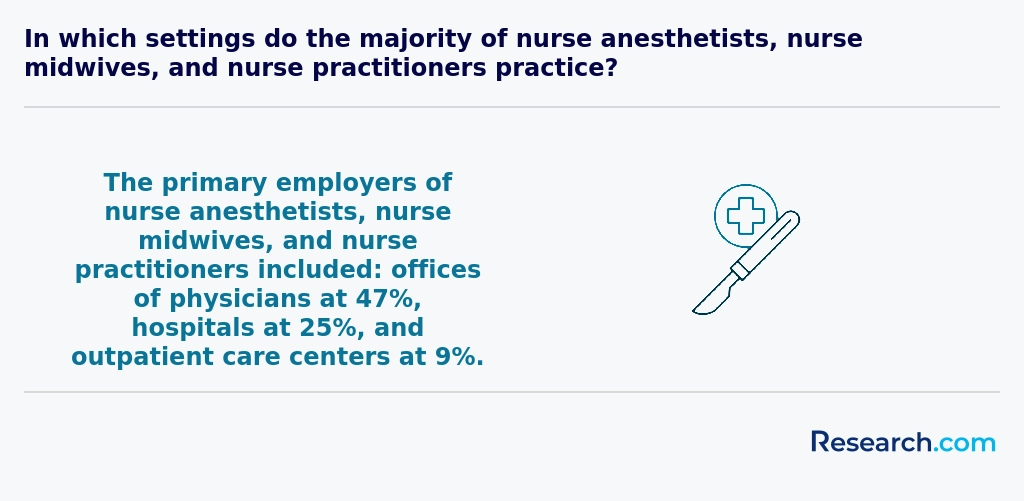
Graduates with an online nursing degree in California find themselves at the threshold of diverse and fulfilling career paths within the state's expansive healthcare landscape. Many who earn a Bachelor of Science in Nursing from well-regarded institutions feel a proud sense of purpose working as Registered Nurses in bustling Los Angeles hospitals or community clinics near San Francisco, where compassionate care truly makes a difference. Exploring California nursing degree job opportunities beyond bedside roles, graduates with a Master of Science in Nursing often step into advanced practice careers such as Nurse Practitioners or Clinical Nurse Specialists, combining clinical expertise with leadership.
The rewarding challenge of becoming a Nurse Anesthetist or Nurse Midwife attracts many who desire specialization and higher earning potential. Meanwhile, some graduates passionate about shaping the future of nursing take on educational or administrative roles within major universities or healthcare systems. Their experiences echo the value of California's flexible online programs, which accommodate busy lives and ignite lasting enthusiasm for nursing. For students considering affordability while pursuing these paths, the Cheapest Online Nursing Degree Programs Ranking in Kansas offers additional insights beyond the state.
The job market for graduates with an online nursing degree in California is notably strong, supported by steady demand in various healthcare settings. Many graduates from well-known institutions like UCLA or San Diego State University express satisfaction with their ability to secure roles quickly in hospitals, community clinics, or home healthcare services. These opportunities reflect California's urgent need for skilled nurses to meet the needs of its growing and aging population, reinforcing how the California demand for nursing graduates remains high.
Graduates often mention the flexibility of online programs, which allowed them to balance work and study effectively. This balance helps professionals transition smoothly into higher-paying positions or specialized roles. Salary expectations in metropolitan areas like San Francisco or San Jose encourage students to pursue advanced certifications, aligning well with their career goals. Prospective nurses should carefully consider tuition costs and value, which vary widely statewide.
For deeper insights into related career options, many students research the most money making majors as they plan their education pathways, finding motivation in California's promising employment outlook.
2027 Best Online Master's in Nursing Degree Programs Ranking in California
Investing in your education is a significant decision that can shape your future, and the Research.com team understands the importance of making informed choices. To assist prospective students in California, we have meticulously crafted the "2027 Best Online Master's in Nursing Degree Programs Ranking in California." Our commitment to quality, credibility, and accuracy is reflected in the extensive research and analysis conducted to compile this ranking.
We utilized the following reputable data sources to ensure a comprehensive evaluation of nursing programs:
By exploring this ranking, readers will gain valuable insights into the top online nursing master's programs in California, empowering them to make well-informed choices about their educational and professional futures. For more details on our methodology, please visit our Research.com methodology page.


# 4 position
Samuel Merritt University
Master of Nursing - Family Nurse Practitioner


Frequently Asked Questions About nursing
Online nursing degree students in California can maximize their learning by engaging actively with their coursework and participating in virtual discussions. Utilizing resources such as library databases and online simulation labs can enhance understanding of clinical practices. California's Board of Registered Nursing requires students to complete supervised clinical hours, so securing local healthcare facilities for in-person experience is essential.
Time management is crucial due to the rigorous nature of nursing programs. According to the California Employment Development Department, registered nursing jobs are expected to grow by 12% through 2030, emphasizing the value of mastering skills fully.
Networking with peers and professionals via online forums and California nursing associations also supports career growth and learning.
The nursing field in California is rapidly evolving, with emerging niches reflecting advances in healthcare and population needs. One growing area is geriatric nursing, driven by California's aging population. According to the California Department of Aging, the fraction of residents aged 65 and older is expected to reach 20% by 2030, increasing demand for specialized elder care.
Another expanding niche is telehealth nursing, which has surged following the COVID-19 pandemic. Nurses skilled in remote patient monitoring and virtual consultations are highly sought after, particularly in rural and underserved communities.
Additionally, psychiatric and mental health nursing is gaining importance due to rising awareness of mental health issues statewide. California's Mental Health Services Act reports increased funding to expand these services.
Finally, nurse informatics, combining healthcare and IT skills, is an emerging specialty supporting electronic health record management and data analysis. Overall, these niches offer promising career paths for online nursing degree graduates in California.
After completing an online nursing degree in California, securing a job requires strategic preparation. First, obtain licensure by passing the National Council Licensure Examination for Registered Nurses (NCLEX-RN), as required by the California Board of Registered Nursing. California's nursing job market is strong, with a projected 15% growth through 2030, according to the U.S. Bureau of Labor Statistics.
Networking is essential; joining professional organizations like the California Nurses Association can provide career support and job leads. Building a strong resume and practicing interview skills tailored to healthcare employers increases hiring chances. Consider gaining experience through internships or volunteer roles in local California healthcare facilities to enhance practical skills.
Employers in California seek nursing graduates with strong clinical skills, critical thinking, and effective communication. The California Board of Registered Nursing emphasizes hands-on patient care proficiency and the ability to adapt in varied healthcare settings. According to the California Employment Development Department, approximately 18% of nursing jobs require strong decision-making under pressure. Additionally, teamwork and cultural competency are vital due to California's diverse population. Familiarity with electronic health records (EHR) and telehealth technologies is increasingly important. Nurses who demonstrate leadership, integrity, and empathy tend to excel. These skills help graduates meet the state's high standards for quality patient care and professional nursing practice.
Finding nursing internships in California while pursuing an online degree involves careful research and proactive engagement. Many nursing programs in California have established partnerships with local hospitals, clinics, and health organizations to provide internship opportunities. It is essential to contact your school's clinical placement coordinator early in the program to understand available options.
The California Board of Registered Nursing (BRN) also maintains guidelines ensuring internships meet state requirements for clinical hours. Due to the high demand for nursing professionals-California expected to need over 60,000 new nurses by 2029 according to the Employment Development Department-internship spots can be competitive.
Additionally, students can explore state and city health department websites, such as the California Department of Public Health, for available placements.
Networking with local nursing associations like the California Nursing Students' Association may reveal less-publicized internship opportunities valuable for gaining experience.
Obtaining an online nursing degree in California can significantly enhance career mobility and advancement opportunities. The state's healthcare sector values advanced education, with many employers prioritizing candidates holding a Master of Science in Nursing (MSN) or higher for leadership, specialized, and teaching roles.
California's Board of Registered Nursing reports that over 50% of RNs with advanced degrees move into higher-paying positions within five years. Online degrees offer flexibility for working nurses, allowing them to gain credentials without pausing their careers. This flexibility supports continuous employment while acquiring skills needed for roles like nurse practitioners or nurse educators.
According to the California Employment Development Department, the demand for specialized nurses is expected to grow by 16% through 2030, reflecting the importance of advanced qualifications in gaining competitive advantage in the job market.
Studying for a nursing degree in California equips students to excel in interdisciplinary roles by emphasizing collaborative healthcare practices. California's nursing programs often include coursework on teamwork, communication, and leadership, preparing nurses to work alongside doctors, therapists, social workers, and other professionals.
The California Board of Registered Nursing requires curriculum to cover care coordination and patient advocacy, key skills in interdisciplinary settings. Additionally, many programs integrate simulation exercises and clinical rotations within diverse healthcare teams to reflect real-world experiences.
According to the California Health Care Foundation, nearly 70% of healthcare delivery involves multidisciplinary cooperation, making these skills essential. Online programs maintain these standards, ensuring flexible yet comprehensive education tailored to today's interconnected healthcare environment.
When choosing between a thesis and a non-thesis online nursing degree program in California, consider your career goals and learning preferences. A thesis program typically involves conducting original research and preparing a detailed paper, ideal for students interested in clinical practice, academia, or pursuing a PhD. According to the California Board of Registered Nursing, research skills are critical for advancing nursing education and evidence-based practice.
Non-thesis programs usually focus on coursework and practical application without research obligations. These options suit working professionals aiming to enhance clinical skills quickly. The University of California and California State University systems offer both paths, accommodating diverse student needs.
Understanding these differences helps align your education with California's healthcare demands and personal ambitions.
Students in California seeking to study nursing abroad have several options, but must navigate specific accreditation and licensing requirements. While many international universities offer nursing programs, recognition of those degrees by the California Board of Registered Nursing (BRN) is essential for licensure in California.
California students may consider enrolling in exchange or dual-degree programs tied to U.S. institutions, which help ensure credits transfer smoothly. Additionally, some California universities partner with overseas schools to offer hybrid online and abroad experiences.
According to the California BRN, graduates from foreign nursing programs must pass the NCLEX-RN exam and have their credentials evaluated for eligibility. This process can be complex, so careful research is advised before committing to an international program.
Part-time jobs that complement nursing degree education in California often focus on healthcare support roles. Popular positions include medical assistants, home health aides, and certified nursing assistants (CNAs). These roles provide valuable patient care experience, reinforcing classroom knowledge.
California's Department of Public Health reports high demand for CNAs, with median hourly wages around $16 to $18, which helps students afford living costs while gaining insight into clinical environments.
Additionally, roles in outpatient clinics or community health centers allow students to network and develop communication skills essential for nursing careers.
Flexible scheduling in these jobs supports balancing work with intensive online coursework.
Online nursing students in California have access to a range of networking opportunities designed to connect them with peers, faculty, and healthcare professionals. Many accredited programs incorporate virtual events, discussion forums, and group projects to foster interaction. Additionally, organizations like the California Nurses Association provide local chapters and online platforms for students to engage in professional networking and advocacy.
Clinical placements and in-person residencies often complement online coursework, offering real-world networking with healthcare teams and supervisors. According to the California Board of Registered Nursing, practical experience is essential for both licensure and career development. These combined online and offline connections help students build valuable professional relationships within the state's healthcare system.
Alumni networks provide significant advantages to online nursing degree students in California by fostering professional connections across the state's healthcare system. These networks often include nurses working in various clinical settings, from hospitals to community clinics, enabling graduates to access job leads and mentorship opportunities.
Strong alumni ties can also support career advancement by sharing information about specialized certifications and continuing education, crucial for California's rapidly evolving nursing industry. For example, the California Board of Registered Nursing reported that over 40% of nurses hold advanced degrees, highlighting the value of ongoing support networks.
Additionally, alumni groups frequently organize webinars and workshops, helping students stay informed about local regulations, such as scope of practice changes and licensure requirements unique to California. This insider knowledge can be vital for new graduates entering the workforce.
Overall, alumni networks connect nursing students with experienced professionals who understand the specific challenges and opportunities within California's healthcare environment.
Customizing an online nursing degree in California allows students to align their education with specific career goals. Many programs offer flexible curriculum options, including specializations such as family nurse practitioner, psychiatric mental health, or nurse educator tracks. California holds over 600 registered nurse programs, giving students a wide range of accredited schools to choose from, as reported by the California Board of Registered Nursing.
Students can often select elective courses, clinical placements, and research projects that fit their interests within the healthcare system. Some programs also provide part-time enrollment options, helping working nurses balance job responsibilities while advancing their degrees. Additionally, aligning clinical hours with California's unique healthcare needs, like aging populations or rural care, enhances practical experience relevant to the state's job market.
Online nursing students in California often encounter several challenges during their studies. Balancing clinical practice requirements with online coursework is a significant hurdle, as California mandates specific hands-on hours for licensure by the California Board of Registered Nursing. Finding local clinical placements can be difficult due to high demand and limited availability. Connectivity and technology issues also affect students, especially in rural areas with less reliable internet access, which impacts real-time virtual simulations and lectures.
Time management is critical; many students juggle jobs and family responsibilities alongside demanding courses. According to the California Nursing Workforce Survey (2022), nearly 60% of nursing students reported stress related to workload and scheduling. Accreditation standards further complicate matters, as programs must comply with both national and state regulations to ensure licensure eligibility in California.
With an online nursing degree in California, graduates can pursue several professional certifications to advance their careers. Popular options include becoming a Certified Nurse Practitioner (CNP), Certified Nurse Educator (CNE), or Clinical Nurse Specialist (CNS). These certifications typically require passing national exams through organizations like the American Nurses Credentialing Center (ANCC) or the American Association of Nurse Practitioners (AANP).
California employs over 350,000 registered nurses, many of whom benefit from obtaining specialized certifications to increase their earning potential and job opportunities, according to the California Board of Registered Nursing (BRN).
Specialties such as Family Nurse Practitioner (FNP), Psychiatric-Mental Health Nurse Practitioner (PMHNP), and Certified Nurse Midwife (CNM) are increasingly in demand, reflecting California's diverse healthcare needs.
To write a winning application for an online nursing program in California, start by carefully reviewing the program's requirements. Many California nursing schools require a minimum GPA of 3.0 and relevant healthcare experience. Highlight your clinical background and any certifications, such as CNA or LVN licenses, in your application.
Strong letters of recommendation from supervisors or nursing educators are crucial. They provide insight into your skills and work ethic.
Craft a clear personal statement explaining why you chose nursing and how the program fits your career goals. Emphasize your understanding of California's healthcare environment, which is unique due to its diverse population and high demand for nurses.
According to the California Board of Registered Nursing, the demand for nurses is expected to grow by 15% through 2030, making a compelling application essential to stand out.
The nursing profession holds significant value worldwide, recognized for its essential role in healthcare systems. In California, interest in nursing careers is strong, reflecting broader global trends that emphasize nursing's critical function in patient care and public health.
Globally, nurses face challenges such as workforce shortages and evolving healthcare needs, which increase demand for advanced education. California's online nursing degree programs respond to this by offering flexible paths to gain specialized skills attractive in international markets.
According to the California Board of Registered Nursing, the state has over 347,000 licensed nurses, making it the largest nursing workforce in the US. This scale presents unique opportunities to engage with diverse populations and complex health issues, preparing nurses for global challenges.
The World Health Organization underscores nursing as vital for achieving universal health coverage, a goal shared by many countries, including the US. Online degrees are increasingly popular as they provide access to updated curricula and technologies, aligning with these global priorities.
Gaining practical experience while studying for an online nursing degree in California typically involves completing clinical rotations at approved healthcare facilities. These hands-on experiences are essential and mandated by the California Board of Registered Nursing.
Online nursing programs in California often partner with local hospitals, clinics, and community health centers to facilitate these clinical hours. Students usually arrange their clinical placements closer to their residence.
In 2023, California required nursing students to complete a minimum of 500 clinical hours, ensuring readiness for the NCLEX-RN licensure exam, as stated by the Board.
Some programs also offer simulated clinical experiences using advanced technology to complement real-world practice.
Choosing the right concentration within an online nursing degree in California involves understanding your career goals and the state's healthcare demands. California has a high need for specialized nurses, particularly in gerontology, psychiatric, and family nurse practitioner roles, due to its large, diverse population.
Researching labor market trends from the California Employment Development Department can help identify growing specialties. Additionally, consider your interests and strengths-whether it's acute care, public health, or nurse leadership.
Ensure the program is accredited by the Commission on Collegiate Nursing Education (CCNE) or the Accreditation Commission for Education in Nursing (ACEN), which is important for licensure and employment.
Look for concentrations offering clinical experiences aligned with California's nursing scope of practice, maximizing your readiness for state licensure exams and job placement.
- 2027 Best Online Master's in Nursing Degree Programs Ranking in Arizona
- 2027 Best Online Master's in Nursing Degree Programs Ranking in Colorado
- 2027 Best Online Master's in Nursing Degree Programs Ranking in Texas
- 2027 Best Online Master's in Nursing Degree Programs Ranking in Kansas
- 2027 Best Online Master's in Nursing Degree Programs Ranking in Minnesota
- 2027 Best Online Master's in Nursing Degree Programs Ranking in Iowa
- 2027 Best Online Master's in Nursing Degree Programs Ranking in Missouri
- 2027 Best Online Master's in Nursing Degree Programs Ranking in Arkansas
- 2027 Best Online Master's in Nursing Degree Programs Ranking in Louisiana
- 2027 Best Online Master's in Nursing Degree Programs Ranking in Wisconsin
See What Experts Have To Say About Studying Nursing
Read our interview with Nursing experts


- Nursing Prerequisites - Westcott Courses https://westcottcourses.com/nursing-prerequisites/
- Exploring Diverse Nursing Career Horizons - N2S Healthcare Blog https://n2shealthcare.com/blog/exploring-diverse-nursing-career-horizons-n2s-healthcare-blog
- Interdisciplinary Education and Practice https://www.aacnnursing.org/news-data/position-statements-white-papers/interdisciplinary-education-and-practice
- Career Advancement Pathways for Nurses : Expert RN shares 10+ Professional growth opportunities - MuminMed https://blog.muminmed.com/career-advancement-pathways-for-nurses/
- Do I Have to Write a Thesis to Complete a Master’s Degree in Nursing? https://www.bestmasterofscienceinnursing.com/faq/write-thesis-complete-masters-degree-nursing/
- Online Bachelor of Science in Nursing https://www.chamberlain.edu/academics/nursing-school/bsn-online
- How Do Nurses Prepare to Work in a Multidisciplinary Team? | NursingEducation https://nursingeducation.org/insights/multidisciplinary-team/
- Essential Tips for Nursing Students to Advance Their Careers https://almanaltraining.com/essential-tips-for-nursing-students-to-advance-their-careers/
- How to Write https://esign.com/letter-of-intent/school/nursing/
- Getting RN Experience After Graduation | All Nursing Schools https://www.allnursingschools.com/articles/getting-rn-experience/


