
2027 Most Popular Nursing Degree Programs Ranking in Norfolk

Co-Founder and Chief Data Scientist
Choosing the right nursing degree program can shape your future in meaningful ways. This article introduces the 2027 Most Popular Nursing Degree Programs Ranking in Norfolk, created by the Research.com team of data scientists to guide you through top options available locally.
By exploring this ranking, you'll gain insights that help you make informed decisions about your education. Nursing offers rewarding career opportunities and the chance to make a positive impact on others' lives. Whether you're just starting or looking to advance, this guide is here to support your journey.
Key benefits of getting nursing degree in Norfolk
- The average annual salary for nursing jobs in Norfolk is attractive, with Registered Nurses and Public Health Nurses earning around $94,480, while Operating Room Nurses can earn up to $128,490, offering strong financial stability.
- Nursing degree graduates in Norfolk can explore diverse career paths, from clinical nursing roles to specialized fields like emergency care or public health, reflecting the versatile opportunities available after graduation.
- Online nursing degrees from Norfolk institutions offer flexible schedules and convenience, enabling students to balance work and study effectively while still gaining essential hands-on experience.
- 2027 Most Popular Nursing Degree Programs Ranking in Norfolk
- What can I expect from nursing degree in Norfolk?
- Where can I work with nursing degree in Norfolk?
What can I expect from nursing degree in Norfolk?
The average cost of a nursing degree in Norfolk varies depending on the type of program and institution, but it's a worthwhile investment in your future. For example, an Associate Degree in Nursing (ADN) at Tidewater Community College typically costs a few thousand dollars per year, making it a more affordable path for many. Graduates from this route often find the hands-on clinical experiences valuable as they step into roles in local hospitals.
On the other hand, pursuing a Bachelor of Science in Nursing (BSN) at Norfolk State University or Old Dominion University usually comes with higher tuition, reflecting the comprehensive education offered. BSN students often share how their broader coursework, including leadership and community health, enriches their confidence and prepares them for more advanced roles.
Many students appreciate that Norfolk's nursing programs balance quality and cost while providing access to financial aid options like scholarships and federal loans. This support helps ambitious nurses focus on learning without overwhelming financial stress, enabling them to thrive during their studies and beyond.
Where can I work with nursing degree in Norfolk?
With a nursing degree earned from popular schools like Old Dominion University or Tidewater Community College in Norfolk, your career path opens wide across dynamic healthcare settings. Graduates often find rewarding roles at Sentara Norfolk General Hospital, where extensive specialties like emergency care and surgery put your skills to the test and inspire daily growth.
You might also join teams at the Children's Hospital of the King's Daughters, caring for pediatric patients and making a profound impact early in life. Many graduates share how working in outpatient clinics or home health care agencies offers a sense of autonomy and deep connection as they visit patients' homes, fostering trusted bonds that invigorate their passion for nursing.
The military presence nearby means you could serve in military treatment facilities, combining general care with specialized knowledge-an exciting challenge for many students who want to diversify their experience. Understanding licensure requirements and pursuing specialties like mental health or oncology can further energize your career. The vibrant healthcare community here in Norfolk is truly a place where your nursing journey can thrive.
Graduates from nursing programs in Norfolk, such as those offered at Norfolk State University or Tidewater Community College, can anticipate rewarding financial prospects. Registered Nurses typically earn around $94,480 annually in the region, reflecting both the robust healthcare infrastructure and the city's demand for skilled professionals.
Examples from recent graduates illustrate this well: many began their careers in hospitals or outpatient clinics, where they earned close to the average RN salary of $94,480. Specialized roles like Emergency Room Nurses match this salary, providing high-stakes, fast-paced environments with hourly wages around $45.42, which can be both challenging and deeply fulfilling.
Those who advance into roles such as Operating Room Nurses benefit from even greater compensation, with mean annual wages reaching approximately $128,490. This extra earning potential rewards the dedication involved in mastering complex procedures and providing critical care.
For aspiring nurses balancing work and study, part-time roles often pay hourly rates that support living expenses while gaining valuable experience. The journey through Norfolk's respected nursing programs offers not only a solid education but a clear path to financial stability and professional growth.
- Norfolk offers nursing programs mainly through local universities and community colleges, including ADN and BSN options.
- ADN tuition ranges from $6,000 to $12,000 at public community colleges, while BSN programs can cost between $20,000 and $40,000.
- First-year nursing salaries average between $55,000 and $65,000, increasing to $75,000 to $85,000 with experience and certifications.
- Job growth for registered nurses in Norfolk is projected at about 10% over the next decade.
- Graduates must pass the NCLEX-RN exam to become licensed in Virginia, with many local schools offering exam preparation.
Completing a nursing degree in Norfolk usually fits into a clear timeline, but it depends on your path. Most students at local institutions, like Tidewater Community College or Eastern Virginia Medical School, find that an Associate Degree in Nursing (ADN) takes about two years. This is a great option if you want to start working as an RN quickly and gain hands-on skills without a long wait.
If you're aiming higher with a Bachelor of Science in Nursing (BSN), be prepared to commit around four years. Many graduates from Norfolk State University share how their in-depth classes and clinical rotations provided confidence and readiness for leadership roles and complex care.
For those ready to shift careers fast, Accelerated BSN programs in Norfolk last just 12 to 18 months of intensive study. Working nurses often praise the RN to BSN track, which lets them earn their bachelor's part-time, typically within 1 to 2 years, blending work and study smoothly.
Remember, these times include practical clinical experiences-so you're not just learning theory but living nursing in real-world Norfolk healthcare settings.
To make an informed decision about which nursing program to attend in Norfolk, VA, it's crucial to consider several factors, including accreditation, program types, clinical experience, job market demand, financial considerations, reputation, and outcomes. Prospective students can explore various options, such as popular nursing schools, to find the best fit for their career aspirations. By weighing these factors, individuals can ensure they select a nursing program that aligns with their personal and professional goals, ultimately leading to a rewarding career in healthcare.
The key difference between online and on-campus nursing degrees in Norfolk lies in how you experience learning and clinical practice. Graduates from Old Dominion University often emphasize the value of hands-on clinical hours at local hospitals, where they develop real-world skills guided by expert instructors. Being on campus means daily interaction with peers and access to resources like simulation labs, which can boost confidence and collaboration.
Conversely, those who chose online programs, such as through Eastern Virginia Medical School's flexible offerings, highlight the benefit of studying at their own pace while balancing work or family life. Despite the convenience, they still complete clinical hours at local healthcare sites, fulfilling state requirements. Many find this blend empowering, as it nurtures self-discipline and time management while preserving essential practical experience.
In Norfolk, cost and lifestyle impact decisions too. On-campus students budget for commuting and campus-related expenses, whereas online learners often save on these but may encounter technology fees. Both paths can lead you confidently toward your nursing career.
Accreditation is the cornerstone of a reputable nursing degree program, assuring students and employers that the curriculum meets rigorous standards set by bodies like the Commission on Collegiate Nursing Education (CCNE) and the Accreditation Commission for Education in Nursing (ACEN). Norfolk’s top institutions maintain full accreditation, aligning coursework with Virginia Board of Nursing requirements and nationally recognized competencies. Prospective students should verify that their chosen program reports strong NCLEX-RN® first-time pass rates-typically above 85%-which reflect both academic rigor and effective exam preparation. In addition to foundational coursework and clinical rotations, accredited programs often provide dedicated NCLEX review modules, on-campus simulation labs, and personalized tutoring to reinforce critical thinking and test-taking strategies. These resources significantly boost licensure success: graduates frequently cite practice exams, virtual patient scenarios, and peer study groups as pivotal to conquering the NCLEX. Furthermore, for those balancing work or family commitments, accredited online nursing colleges offer flexible formats without compromising on clinical rigor or licensure support. By selecting a program with proven accreditation status and robust licensure preparation services, students in Norfolk, VA ensure they are fully equipped to pass the NCLEX®, obtain state licensure, and launch a confident, competent nursing career.
The average nursing degree cost Norfolk students face reflects a balance between opportunity and investment. For in-state students pursuing an ADN or BSN, the median total cost hovers around $12,750, making nursing education attainable yet significant. Graduates from community colleges like Tidewater often share how the cost was manageable, allowing them to focus on hands-on learning and clinical practice without excessive financial stress.
In Norfolk, nursing program tuition fees vary by institution, but universities such as Old Dominion and Norfolk State present competitive options. These programs offer quality education with access to modern labs and community clinical partnerships. Many students find that budgeting for tuition alongside expenses like textbooks and uniforms becomes a valuable part of learning to prioritize resources-an essential skill in nursing itself.
For those balancing work or family, exploring financial aid is crucial. Scholarships, federal grants, and loans can soften the financial load. Some students also explore part-time LVN classes to ease scheduling pressures while advancing their careers. This option provides flexibility without sacrificing progress toward their nursing goals.
Understanding the average costs in Norfolk helps you plan a clear path forward. It empowers you to make informed choices about where and how to invest in your nursing education, transforming financial challenges into stepping stones toward a fulfilling healthcare career.
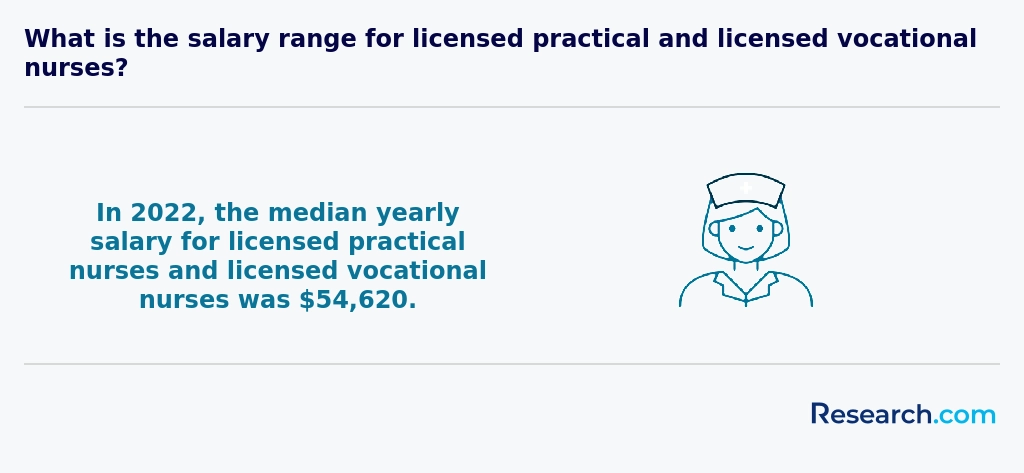
Before beginning your professional nursing career in Norfolk, VA, you must obtain state licensure by passing the NCLEX-RN exam and meeting Virginia Board of Nursing requirements.
- Graduating from a CCNE- or ACEN-accredited program is the first step toward eligibility.
- Submit an application to the Virginia Board of Nursing and register with Pearson VUE to schedule your NCLEX-RN.
- Average NCLEX-RN first-time pass rates in Norfolk programs: Old Dominion University ~92%, Norfolk State University ~88%, Tidewater Community College ~90%.
- Proven study strategies include:
- Structured review courses and live workshops
- Daily practice questions mimicking exam format
- Simulation lab refreshers on core skills
- After passing NCLEX-RN, apply for your Virginia nursing license online and pursue specialty certifications (e.g., CCRN, CEN) to enhance career prospects.
For those planning advanced practice roles, explore best colleges for nurse practitioner in california.
Many nursing students in Norfolk find financial aid a lifeline during their studies. Federal aid, such as Pell Grants and federal student loans, often forms the backbone of their funding. The Pell Grant, which can cover up to $7,395 annually, is especially valuable because it doesn't need to be repaid. Completing the FAFSA is the first crucial step to access these resources.
State-specific programs also make a big difference. For example, the Virginia Nursing Scholarship Program supports those who plan to work in underserved areas or state healthcare facilities. Graduates from institutions like Old Dominion University often share how such scholarships eased their burden and motivated them to serve their communities.
Local employers frequently offer tuition reimbursement or assistance, recognizing the high demand for skilled nurses in Norfolk's hospitals. Students balancing work and study benefit deeply from these programs. Additionally, workforce-focused initiatives through Norfolk American Job Centers provide targeted financial support, making the dream of a nursing career more attainable and inspiring.
Ensuring your nursing degree program is properly accredited and approved by the Virginia Board of Nursing is essential for eligibility to sit for the NCLEX-RN licensure exam and for meeting employer expectations. In Norfolk, most top-ranked programs hold accreditation from either the Commission on Collegiate Nursing Education (CCNE) or the Accreditation Commission for Education in Nursing (ACEN), signaling adherence to rigorous academic and clinical standards. Prospective students should verify each program’s current accreditation status and whether it maintains full approval from the State Council of Higher Education for Virginia (SCHEV). Graduates of accredited programs in Norfolk consistently achieve NCLEX-RN first-time pass rates above the national average of 88%. For example, Old Dominion University reports a 92% first-time pass rate, while Tidewater Community College boasts an 89% rate, reflecting strong alignment between curriculum, clinical experiences, and licensure requirements. High pass rates not only enhance confidence in program quality but also streamline the path to employment by demonstrating competence to potential employers. Beyond Virginia, it’s wise to compare program costs and accreditation credentials across regions. For additional insights into affordable, accredited options, explore our Affordable Nursing Degree Programs Ranking in Arkansas to see how tuition, accreditation, and NCLEX outcomes stack up in another state’s nursing landscape.
To enroll in a nursing degree program in Norfolk, you'll need to have a high school diploma or GED as your foundation. Graduates often recall how crucial their strong background in subjects like biology, chemistry, and algebra was when tackling nursing coursework at universities such as Old Dominion University. These science and math basics truly prepare you for the challenges ahead.
Many programs also recommend or require standardized test scores like the SAT, ACT, or TEAS. These exams help gauge your readiness for the academic rigor nursing demands. One graduate shared how preparing for the TEAS gave them confidence facing the program's intense study schedule.
Additionally, expect to complete background checks and drug screenings, since nursing involves close patient care during clinical rotations. Proof of immunizations and health clearances are also essential to protect both you and your future patients.
Some students find that gaining CNA certification or volunteering in healthcare before applying adds valuable experience and a competitive edge. This practical exposure often makes the demanding journey more meaningful and confirms your commitment to nursing as a career.

Ensuring your nursing degree program in Norfolk, VA is accredited by recognized bodies and delivers strong NCLEX-RN pass rates is critical for licensure and career success. Accredited programs are reviewed regularly by agencies such as the Commission on Collegiate Nursing Education (CCNE) and the Accreditation Commission for Education in Nursing (ACEN), guaranteeing that curricula meet national standards for clinical training, faculty qualifications, and student outcomes. Employers and state boards of nursing require graduation from an accredited program to sit for the NCLEX-RN exam, making accreditation a non-negotiable criterion in your program search. Norfolk’s leading institutions consistently report first-time NCLEX-RN pass rates above the national average of 88%. For example, Old Dominion University boasts a 92% pass rate, while Norfolk State University and Tidewater Community College achieve 90% and 89% respectively. Prospective students should review each program’s published pass rates-which are often available on school websites or through the Virginia Board of Nursing-to compare outcomes and choose a program with proven success. A high NCLEX pass rate reflects rigorous academic preparation, comprehensive clinical experiences, and dedicated faculty mentorship. For licensed RNs seeking to advance their credentials, accelerated pathways can offer both efficiency and quality. Many graduates leverage their clinical experience and explore accelerated 6 month rn to bsn online programs that maintain the same accreditation standards and support high NCLEX pass rates, while also preparing them for leadership roles and specialized practice areas.
Nursing degrees in Norfolk blend rigorous science courses with hands-on clinical training designed to build confidence and competence. Graduates from local institutions often recall early classes in anatomy, physiology, microbiology, and chemistry as vital pillars that unlocked their understanding of the human body and health challenges they'd face. These foundational sciences set the stage for specialized nursing courses like pharmacology, health assessment, and pathophysiology, where students learn to safely administer medications and assess patient conditions.
Clinical rotations at Norfolk's hospitals and community health centers bring lessons to life, helping students connect textbook knowledge to real patients. Many nursing students describe the excitement and growth they experienced while working closely with mentoring nurses in these settings. Courses in psychology, nutrition, and health promotion further enrich their education by teaching communication skills and awareness of patient behavior-crucial for compassionate care.
Local programs also emphasize leadership and ethics, preparing students for dynamic healthcare teams. Choosing to study nursing here means embracing a curriculum that balances theory with practice, inspiring future nurses ready to make a difference in Norfolk's diverse communities.
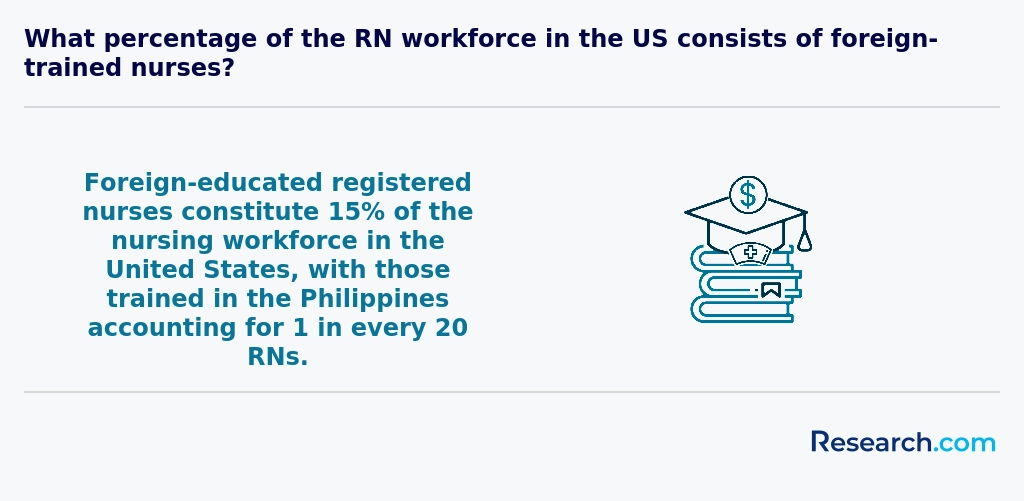
When exploring nursing degree specializations in Norfolk, students often find a variety of paths designed to fit their passions and career goals. Popular options include Registered Nurse (RN) programs, which form the foundation with ADN and BSN tracks. Graduates from local universities often share how the BSN track opened doors to advanced clinical roles and leadership opportunities. Geriatric nursing is another key focus, critical to supporting Norfolk's sizable elderly community through specialized care in chronic disease and palliative services.
Norfolk nursing degree specializations also span pediatric and critical care nursing, reflecting the city's strong hospital network like Sentara Norfolk General Hospital. Many students feel inspired working in pediatric units or trauma centers, gaining invaluable hands-on experience. Community health nursing is another rewarding path, where nurses engage directly with Norfolk's diverse neighborhoods, providing education and vaccination programs.
Those interested in advancing their credentials after initial RN training can consider RN-to-BSN programs. For guidance on navigating your nursing career options, you can learn more here. Embracing any of these specializations in Norfolk offers both challenge and profound fulfillment.
Choosing the best nursing degree in Norfolk starts with understanding what fits your career goals and current education level. Many graduates recall how starting with an Associates Degree in Nursing (ADN) at a local community college provided an affordable and practical path to becoming a registered nurse quickly. Others invested more time and money pursuing a Bachelor of Science in Nursing (BSN) at a university, unlocking advanced roles in nursing leadership and specialized care.
When considering programs, accreditation is crucial. Programs accredited by recognized bodies such as ACEN or CCNE ensure quality education and better NCLEX-RN pass rates, which graduates often credit for their confidence entering the workforce. Choosing a program with strong partnerships with Norfolk's hospitals enhances clinical experience-an aspect every nurse remembers passionately from their training.
The balance between affordability and opportunity is key; many find that exploring affordable nursing degrees Norfolk VA options helps them manage costs without compromising quality. For those interested in further refining their focus, exploring nursing program specialization can make a transformative difference in their career journey.
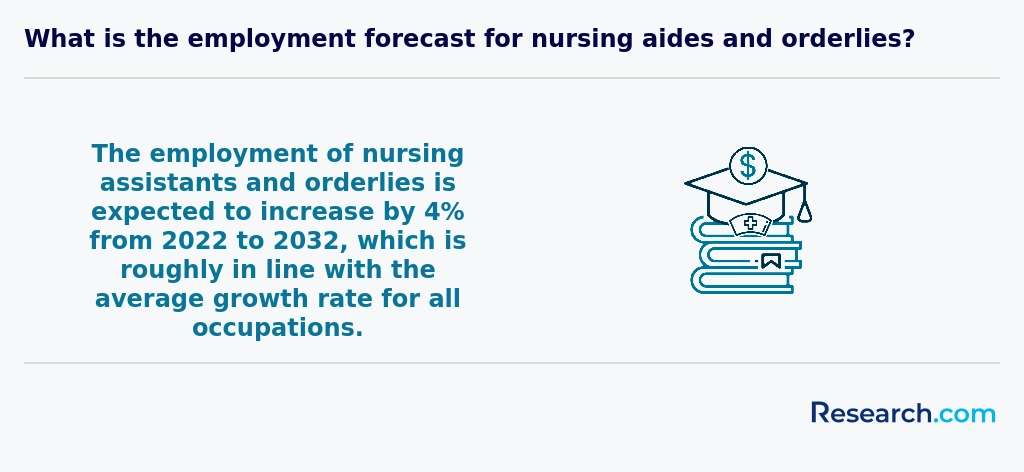
Nursing graduates in Norfolk enjoy a wealth of career options tailored to their education and passion for helping others. Many find fulfilling roles in large hospitals like Sentara Norfolk General, where graduates from popular colleges see themselves thriving as staff nurses or charge nurses, gaining hands-on experience in fast-paced departments such as emergency care or pediatrics. This practical exposure fuels confidence and readiness for diverse roles, making new nurses feel truly valued in their communities.
For those seeking growth, pursuing a Bachelor of Science in Nursing at a Norfolk institution opens doors to leadership or public health nursing. Graduates often describe the rewarding challenge of working with local wellness programs, reaching vulnerable populations with lasting impact. If you envision an advanced position, becoming an APRN or nurse practitioner offers excellent earning potential and professional respect, supported by the region's healthcare demands and the positive experiences of recent alumni.
Other compelling paths include school nursing, home health care, travel nursing, and research nursing. Whether you want to support student health, provide personalized care at home, explore America's healthcare settings, or collaborate in clinical studies, Norfolk's educational programs prepare you well. To explore how remuneration fits with these career choices, check out this nursing salaries overview for helpful insights.

The nursing job outlook in Norfolk is promising for graduates, thanks to a well-established healthcare network centered around facilities like Sentara Norfolk General Hospital and CHKD. Graduates from popular nursing schools in Norfolk often secure positions in diverse settings such as inpatient care, rehabilitation, and community health, which provides a rich variety of career paths. One graduate recounted how their clinical rotations in these facilities built both confidence and practical skills that employers seek.
Norfolk nursing career opportunities benefit from competitive wages, with registered nurses earning salaries close to $70,000 annually, a figure reflecting the area's strong demand. Many graduates find employment quickly, supported by rigorous training that prepares them to pass the NCLEX-RN and thrive in specialized roles including pediatrics and geriatrics. For students worried about cost, exploring tuition ranges from $7,000 to $20,000 at public colleges can help budget effectively while staying local.
Those considering a nursing degree should explore options among popular nursing schools in Norfolk, where hands-on experience aligns with current market demands. The steady growth in local healthcare needs makes this an exciting time to start a nursing career here, with many graduates sharing stories of rewarding early job placements linked directly to their education and community involvement.
2027 Most Popular Nursing Degree Programs Ranking in Norfolk
Investing in your education is a significant decision that can shape your future, and the Research.com team understands the importance of making informed choices. To assist prospective students in Norfolk, we have meticulously crafted the "2027 Most Popular Nursing Degree Programs Ranking in Norfolk." Our commitment to quality, credibility, and accuracy is reflected in the extensive research and analysis conducted to compile this ranking.
We utilized the following reputable data sources to ensure a comprehensive evaluation of nursing programs:
By exploring this ranking, readers will gain valuable insights into the most popular nursing degree programs available in Norfolk, helping them make informed decisions about their educational paths. For more details on our methodology, please visit our Research.com methodology page.


Frequently Asked Questions About nursing
Nursing degree students in Norfolk can maximize their learning experience by engaging actively with clinical placements offered through local healthcare facilities, including Sentara Healthcare and Bon Secours Maryview Medical Center. Practical exposure is vital to developing hands-on skills, critical for nursing success. Students should also take advantage of simulation labs available at institutions like Old Dominion University, which provide realistic patient care scenarios.
Balancing coursework with participation in nursing organizations, such as the Norfolk chapter of the Student Nurses Association, can enhance leadership and networking opportunities. According to the Virginia Board of Nursing, approximately 85% of nursing graduates in Norfolk gain employment within six months, highlighting the importance of making professional connections early.
Utilizing campus resources for academic support, such as tutoring and workshops in pharmacology and anatomy, can improve student outcomes. Finally, staying updated on changes in nursing regulations and continuing education ensures long-term career growth in the dynamic healthcare environment of Norfolk.
Emerging niches within the nursing field reflect evolving healthcare needs in Norfolk and across the United States. One rapidly growing area is geriatric nursing, driven by Norfolk's aging population, as reported by the Virginia Department of Health. Nurses specializing in elder care help manage chronic illnesses and improve quality of life for seniors.
Another niche is informatics nursing, where professionals combine nursing with information technology to enhance patient data management. According to the American Nurses Association, this specialty is expected to grow by over 20% nationally by 2030.
Additionally, nurse practitioners focusing on mental health and telehealth services are in high demand, responding to increased awareness of mental illness and the rise of remote care options, including in the Norfolk region.
Preparing for the job market after completing a nursing degree in Norfolk involves several key steps. Graduates should first obtain licensure by passing the NCLEX-RN exam, which is mandatory for registered nurses in Virginia. According to the Virginia Board of Nursing, Norfolk has a growing demand for nurses, driven by its expanding healthcare facilities, including Sentara Norfolk General Hospital.
Networking is critical; attending local healthcare job fairs and joining professional organizations like the Virginia Nurses Association can open doors. Additionally, pursuing clinical internships or residency programs can provide valuable hands-on experience, boosting employability. Staying updated on software and patient care technologies used locally also gives candidates an edge.
Employers in Norfolk highly value nursing graduates who demonstrate strong clinical skills and critical thinking abilities. According to the Virginia Board of Nursing, proficiency in patient assessment and care planning is essential for new nurses in this region. Communication skills are also pivotal, as nurses often collaborate with multidisciplinary teams in hospitals such as Sentara Norfolk General.
Additionally, Norfolk's healthcare employers prioritize adaptability and cultural competence due to the city's diverse population. Familiarity with electronic health records (EHR) systems is increasingly important, reflecting national trends highlighted by the American Nurses Association.
Time management and ethical decision-making also rank among top skills, supporting safe and effective patient care in fast-paced environments.
Finding nursing internships in Norfolk involves leveraging local healthcare facilities and educational institutions. Many nursing programs require clinical hours, which students can complete through partnerships with hospitals such as Sentara Norfolk General Hospital and CHKD. These institutions offer structured internships that provide practical, hands-on experience in various nursing specialties.
Students should also consult their college's career services or nursing department, as they often maintain direct relationships with local healthcare providers. Additionally, the Virginia Nurses Association and the Norfolk Department of Public Health frequently post internship and volunteer opportunities relevant to nursing students.
Networking through local nursing conferences and job fairs can further increase chances of securing valuable internships in the area.
A nursing degree significantly enhances career mobility and advancement opportunities in Norfolk. According to data from the Virginia Employment Commission, registered nurses (RNs) in Norfolk earn a median annual wage notably higher than state averages, reflecting demand for credentialed professionals. A degree also opens doors to specialized roles such as nurse practitioner or nurse anesthetist, which require advanced education and offer greater responsibilities and salaries.
Educational institutions in Norfolk, such as Old Dominion University, provide diverse nursing programs aligned with industry needs. Earning a nursing degree supports eligibility for required licensure exams, credentialing, and continuing education, which are essential for promotion within healthcare facilities statewide. The city's growing healthcare sector further increases the need for qualified nurses with formal education.
Studying for a nursing degree in Norfolk equips students with skills essential for interdisciplinary healthcare roles. Many programs emphasize teamwork by integrating courses that focus on collaboration with physicians, pharmacists, social workers, and therapists. This approach reflects the growing need for nurses to contribute effectively within healthcare teams to improve patient outcomes.
Norfolk's nursing programs often include clinical placements in diverse medical settings, fostering real-world experience alongside varied professionals. According to the Virginia Board of Nursing, such exposure helps students develop communication and problem-solving abilities vital for interdisciplinary coordination.
Furthermore, some local institutions incorporate simulation labs and interprofessional education modules to prepare nurses for complex healthcare environments.
When choosing between a thesis and a non-thesis nursing degree program in Norfolk, students should consider their career goals. Thesis programs emphasize research, preparing students for roles in academia or clinical research. Non-thesis options often focus on practical skills for immediate clinical practice.
In Norfolk, several nursing schools, such as Old Dominion University, offer both options. According to the Virginia Nurses Association, research competence is increasingly valued in healthcare innovation, which may favor thesis tracks for some.
Additionally, thesis programs typically take longer to complete due to research requirements, while non-thesis degrees may be faster and more affordable. Consider your professional plans and time constraints carefully.
Students based in Norfolk who wish to study nursing abroad have several options within the US higher education system's international programs. Many accredited nursing schools in Norfolk, such as Old Dominion University, offer study abroad partnerships with institutions in countries like the United Kingdom, Australia, and Canada. These programs typically allow students to complete clinical hours or coursework abroad, gaining valuable global healthcare insights.
According to the Institute of International Education, approximately 15% of nursing students nationally engage in study abroad experiences, reflecting a growing interest in global nursing practices. Norfolk students benefit from these opportunities, which also often include scholarships or financial aid specifically for international study.
Nursing abroad can enhance cultural competence and improve career prospects, as employers value diverse healthcare experience. Students should consult their home institution's study abroad office for guidance tailored to nursing majors.
Students pursuing nursing degrees in Norfolk can benefit from several part-time job opportunities that complement their education. Positions such as certified nursing assistants (CNAs) or patient care technicians provide valuable hands-on experience in healthcare settings. According to the Virginia Employment Commission, healthcare support roles in Norfolk are expected to grow by over 12% through 2030, indicating strong job availability.
Other options include hospital volunteer programs or administrative roles within clinics, offering exposure to patient care workflows and medical documentation. These roles help students develop essential skills while balancing academic responsibilities.
Locally, institutions like Sentara Norfolk General Hospital and Chesapeake Regional Medical Center frequently hire part-time nursing aides, making them strategic sites for practical learning alongside studies.
Nursing students in Norfolk benefit from several valuable networking opportunities that can enhance their education and career prospects. Local universities, such as Old Dominion University and Eastern Virginia Medical School, offer student organizations and nursing honor societies that foster connections between students and nursing professionals.
Hospitals and healthcare centers in Norfolk often host internships, clinical rotations, and job fairs, providing direct engagement with experienced nurses and healthcare leaders. According to the Norfolk Department of Health, over 60% of nursing students secure careers through local networking events.
Additionally, regional nursing conferences and workshops, including those hosted by the Virginia Nurses Association, create spaces for students to meet industry experts and potential mentors.
Alumni networks offer valuable support for nursing degree students in Norfolk by fostering professional connections that can lead to job opportunities. Graduates and current students benefit from mentorship programs where experienced nurses share insights on clinical practice and career advancement.
In Norfolk, where healthcare employers often prioritize local education partnerships, alumni can provide referrals within major hospitals like Sentara Norfolk General. According to the Virginia Nurses Association, networking through alumni channels increases employment rates for nursing graduates by up to 20% in the region.
Additionally, these networks facilitate continuing education updates and access to industry events, helping students stay current with evolving medical standards and technologies.
Customizing a nursing degree program in Norfolk begins with selecting the right institution offering flexible course options. Many local schools provide specializations such as pediatric, geriatric, or psychiatric nursing, allowing students to align their education with specific career interests. Norfolk's nursing programs often include clinical placements at prominent healthcare centers like Sentara Norfolk General Hospital, giving practical experience tailored to chosen fields. Additionally, nursing students can pursue accelerated tracks or part-time schedules to fit work and personal commitments. According to the Virginia Board of Nursing, over 70% of Norfolk nursing programs offer electives that help students develop targeted skills for advanced practice or leadership roles.
Nursing students in Norfolk face several common challenges during their education. One major issue is balancing demanding clinical hours with coursework and personal responsibilities. Clinical placements often require long shifts in local hospitals such as Sentara Norfolk General, which can be physically and emotionally taxing.
Additionally, the high cost of nursing programs, including tuition and materials, poses financial stress. According to the Virginia Department of Education, many students seek scholarships or part-time employment to support themselves.
Students also report difficulties adapting to evolving healthcare technologies and meeting rigorous licensure exam standards, especially the NCLEX-RN, necessary for practicing in Virginia.
With a nursing degree in Norfolk, graduates can pursue a variety of professional certifications to enhance their careers. Common certifications include the Certified Registered Nurse Anesthetist (CRNA), Certified Nurse Midwife (CNM), and Family Nurse Practitioner (FNP). These certifications require passing national exams and, in some cases, additional clinical experience.
Many Norfolk nurses also pursue specialty credentials such as Medical-Surgical Nursing Certification or Pediatric Nursing Certification. Earning certifications often leads to higher salaries and job opportunities in hospitals and clinics across Hampton Roads.
According to the Virginia Board of Nursing, workforce data shows growing demand for advanced practice registered nurses in the Norfolk area, making certification a valuable asset for career growth.
Writing a winning application for a nursing program in Norfolk begins with thorough preparation. Applicants should clearly demonstrate academic readiness, especially in sciences like biology and chemistry, as these are foundational for nursing coursework. Norfolk's nursing schools, such as Eastern Virginia Medical School, often require a minimum GPA of 3.0 for admission.
Highlighting relevant volunteer or healthcare experience strengthens your application. Local hospitals and clinics offer valuable opportunities to gain this experience, reflecting genuine interest in nursing.
Craft a compelling personal statement explaining your motivation for nursing and your commitment to patient care. Tailor each application to the specific program and emphasize soft skills like communication and empathy.
Finally, secure strong letters of recommendation from educators or healthcare professionals familiar with your capabilities. Meeting deadlines and submitting all required documents promptly ensures your application is considered complete and competitive.
The nursing profession is recognized globally as essential to healthcare systems, with demand steadily increasing across many countries, including the United States. In Norfolk, nursing degrees prepare students for roles that are critical both locally and internationally. According to the U.S. Bureau of Labor Statistics, registered nursing employment is expected to grow 9% from 2020 to 2030, reflecting strong job security.
Globally, nurses often face similar challenges such as staffing shortages and aging populations, but the U.S. nursing education system, including programs in Norfolk, is highly regarded for its rigorous clinical training and accreditation standards. This makes graduates well-prepared for diverse healthcare environments.
For Norfolk students, earning a nursing degree opens doors not only within the U.S. but can also provide opportunities to work in international public health agencies, especially as the world becomes more interconnected through global health initiatives. Many U.S.-trained nurses participate in exchange and volunteer programs worldwide.
Gaining practical experience while studying for a nursing degree in Norfolk is vital for career readiness. Many nursing programs require clinical placements, giving students hands-on experience in local hospitals and healthcare facilities such as Sentara Norfolk General Hospital and Bon Secours Maryview Medical Center.
Students often complete hundreds of clinical hours, working alongside registered nurses to apply classroom knowledge in real-world settings. These experiences enhance skills in patient care, medical procedures, and teamwork.
Additionally, some programs offer simulation labs with advanced mannequins to practice skills safely before clinical rotations. Volunteering and internships in Norfolk's community health centers further provide exposure to diverse patient populations.
The Virginia Board of Nursing supports integrating clinical experiences to meet licensure requirements, ensuring students graduate practice-ready.
Choosing the right concentration within a nursing degree program in Norfolk requires considering your career goals and local healthcare demands. Norfolk's healthcare sector emphasizes specialties like geriatric care, given the area's significant elderly population, and critical care due to busy hospital systems such as Sentara Norfolk General Hospital. According to the Virginia Department of Health Professions, registered nursing is the largest healthcare occupation locally, with growing opportunities in outpatient and community health.
Evaluate concentrations like pediatric nursing, mental health, or nurse practitioner tracks to match your interests and employment prospects. Programs may also offer hands-on clinical rotations tailored to these fields, enhancing practical skills relevant to Norfolk's healthcare settings.
- 2027 Most Popular Nursing Degree Programs Ranking in Washington
- 2027 Most Popular Nursing Degree Programs Ranking in Baltimore
- 2027 Most Popular Nursing Degree Programs Ranking in Philadelphia
- 2027 Most Popular Nursing Degree Programs Ranking in Charlotte
- 2027 Most Popular Nursing Degree Programs Ranking in Brooklyn
- 2027 Most Popular Nursing Degree Programs Ranking in New York
- 2027 Most Popular Nursing Degree Programs Ranking in Bronx
- 2027 Most Popular Nursing Degree Programs Ranking in Pittsburgh
- 2027 Most Popular Nursing Degree Programs Ranking in Columbia
- 2027 Most Popular Nursing Degree Programs Ranking in Columbus
See What Experts Have To Say About Studying Nursing
Read our interview with Nursing experts


- Determine Your Career Goals for Nursing https://www.achievetestprep.com/blog/what-are-career-goals-for-nursing
- Nursing Financial Aid https://nursinglicensemap.com/resources/nursing-financial-aid/
- Do I Have to Write a Thesis to Complete a Master’s Degree in Nursing? https://www.bestmasterofscienceinnursing.com/faq/write-thesis-complete-masters-degree-nursing/
- Bachelor of Science in Nursing - Traditional (Pre-licensure) Baccalaureate Completion Track https://catalog.nsu.edu/undergraduate/science-engineering-technology/nursing-allied-health/nursing-traditional/
- 8 Nursing Programs to Boost Your Career https://www.pointloma.edu/resources/nursing/8-nursing-programs-boost-your-career
- | NRR | Dove Medical Press https://www.dovepress.com/internship-challenges-encountered-by-nursing-students-a-qualitative-st-peer-reviewed-fulltext-article-NRR
- Getting RN Experience After Graduation | All Nursing Schools https://www.allnursingschools.com/articles/getting-rn-experience/
- Funding Your NP Program at Norfolk State University | NP Financial https://np.financial/schools/norfolk-state-university.html
- Top Skills Employers Want in Practical Nursing Graduates https://vervecollege.edu/what-employers-look-for-in-practical-nursing-graduates/
- Nursing Study Abroad Programs | Go Overseas https://www.gooverseas.com/study-abroad/nursing


