2027 Most Popular Nursing Degree Programs Ranking in Columbia

Co-Founder and Chief Data Scientist
Choosing the right nursing degree program in Columbia is an important step toward a rewarding healthcare career. This article introduces the 2027 Most Popular Nursing Degree Programs Ranking in Columbia, created by the Research.com team of data scientists. It is designed to help you make an informed decision about which programs truly stand out.
Exploring these rankings allows you to find programs tailored to your goals and interests. A nursing degree offers meaningful opportunities to grow professionally while making a difference in people's lives. Reading on will inspire confidence as you plan your future in nursing.
Key benefits of getting nursing degree in Columbia
- Salary for nursing degree graduates: Graduates can expect competitive salaries, with roles like Registered Nurses averaging $94,480 annually and Operating Room Nurses earning up to $128,490, reflecting strong financial rewards for nursing careers.
- Career paths: In Columbia, nursing graduates from universities such as Universidad de los Andes have diverse opportunities including clinical, public health, and emergency nursing, allowing flexibility to find a role that fits your passion.
- Benefits of online nursing degrees: Online nursing programs from institutions like Universidad Nacional de Colombia provide the convenience of studying from home while maintaining high-quality education, helping graduates balance work, life, and studies efficiently.
- 2027 Most Popular Nursing Degree Programs Ranking in Columbia
- What can I expect from nursing degree in Columbia?
- Where can I work with nursing degree in Columbia?
What can I expect from nursing degree in Columbia?
The average cost of nursing degrees in Columbia varies depending on the institution and program level, but students often find it surprisingly accessible when weighed against the career benefits. For example, graduates from prominent public universities in Columbia report spending between $10,000 and $25,000 on associate degree programs, while four-year Bachelor of Science in Nursing (BSN) programs at both public and private colleges can range from $30,000 to $70,000.
Imagine a student juggling part-time work alongside their studies at a community college, feeling the balance of tight budgets and the promise of nursing success. Many appreciate the availability of scholarships and financial aid tailored for nursing students, which softens the impact of tuition fees. Private schools, known for their cutting-edge simulation labs and personalized mentoring, may ask for more investment, but alumni often express how those expenses translate into confidence and competence in real hospital settings.
Stay mindful of ongoing costs too-books, clinical uniforms, and licensing exam fees-but recall stories of graduates who view these as stepping stones toward rewarding careers that quickly repay the financial start. Columbia's blend of affordability and robust educational quality continues to attract passionate future nurses aiming for excellence without overwhelming debt.
Where can I work with nursing degree in Columbia?
Graduates holding nursing degrees from Columbia's top institutions often find themselves stepping into vibrant hospital corridors, where their skills ignite hope amidst the controlled chaos of critical care units or oncology wards. Imagine a recent nursing graduate from a leading Columbia college eagerly applying classroom lessons to stabilize an emergency room patient or comforting a child in pediatrics-these moments translate textbook knowledge into life-changing actions.
Others journey into growing outpatient clinics and physician offices, where the pulse of routine yet essential care beats stronger each day. Here, nurses become patient educators, guiding those managing chronic illnesses toward healthier futures, blending empathy with expertise gained during their studies.
Long-term care facilities also call many graduates, where they become pillars of support for elderly or disabled residents, mastering medication management or collaborating with families to enhance quality of life.
Public health roles offer a different rhythm altogether-promoting wellness across communities, expanding beyond hospital walls. From school health programs to home care, nurses trained in Columbia's colleges embrace advocacy and prevention, inspired by their education to serve beyond the bedside.
If you earn a nursing degree in Columbia, South Carolina, the paycheck waiting at the end of your rigorous study can feel like a well-earned reward. Graduates from institutions like the University of South Carolina often step into roles where registered nurses average around $94,480 annually, backed by robust local demand and the city's vibrant healthcare scene.
Picture a fresh clinical nurse educator or a public health nurse, both pulling the same mean wage of $94,480, turning their classroom knowledge into transformative care or community wellness. This alignment of salary and impact creates a powerful motivation for students grinding through late-night study sessions.
For those drawn to fast-paced environments, emergency room nurses in Columbia mirror this $94,480 earning figure, making every adrenaline-filled shift both exciting and financially rewarding. Then there are operating room nurses, the elite performers of the nursing world, soaring to an impressive $128,490 per year-proof that specialized skills pay off.
These figures reflect not just numbers but the promise of a fulfilling career, where a Columbia nursing graduate can feel confident about turning their passion into prosperity in hospitals and clinics throughout the city.
- Nursing tuition in Columbia ranges from $8,000 to $12,000 annually at public colleges and can exceed $20,000 at private institutions.
- Additional costs include books, uniforms, and licensing exam fees, which can add several thousand dollars.
- Starting salaries for new nursing graduates average between $57,000 and $62,000 per year.
- Experienced registered nurses can earn between $75,000 and $90,000 or more annually.
- Nursing programs in Columbia are accredited by ACEN or CCNE, ensuring eligibility for the NCLEX-RN exam.
- Many schools offer pathways from LPN to RN and RN to BSN, supporting advanced nursing education.
Imagine walking through the University of South Carolina's College of Nursing campus, where eager graduates recall how their journey lasted a full four years-intense, immersive, and rewarding. That's the typical span for a Bachelor of Science in Nursing (BSN), blending theory with practical leadership skills.
On a more accelerated path, community college students in Columbia often complete an Associate Degree in Nursing (ADN) within two to three years. One recent graduate shared how this quicker route allowed them to enter the workforce sooner, feeling the thrill of making a difference in hospitals across South Carolina almost immediately.
For those already holding an ADN, Columbia's online or hybrid RN-to-BSN programs offer a flexible bridge, taking about one to two years. Graduates say this time investment felt like unlocking new career doors without pausing their lives.
Each timeline reflects a vibrant blend of challenge and triumph, crafting not just nurses, but healthcare leaders ready to meet Columbia's growing demands.
. To make an informed decision about which nursing program to attend, it's essential to research thoroughly. Prospective students can start by visiting the websites of potential schools, such as those listed in our popular nursing colleges, to learn more about their programs, faculty, and clinical opportunities. They should also look into accreditation, curriculum, and graduation rates to ensure the program meets their needs and goals. Additionally, reaching out to current students or recent graduates can provide valuable insights into the program's strengths and weaknesses, helping students make the best choice for their future in nursing.
Picture a nursing student at the University of Missouri, notebook in hand, soaking in wisdom directly from professors in a bustling simulation lab-hands-on maneuvers, real-time feedback, the hum of clinical drills filling the air. On-campus means stepping into a vibrant ecosystem where face-to-face connections spark confidence and intuition in ways no screen can fully capture.
Contrast this with a graduate from Columbia College navigating an online program, their studies woven seamlessly into early morning coffee sips or late-night quiet hours. Flexibility reigns here-classes accessed anywhere, anytime-ideal for balancing family, jobs, or unexpected life twists without sacrificing momentum toward that nursing license.
Both paths share accreditation guardrails set by Missouri's State Board of Nursing, ensuring graduates-whether energized by in-person labs or powered by digital classrooms-are eligible for the NCLEX-RN exam. These diverse routes mirror the city's rhythm: traditional classrooms buzz beside the calm of home study, offering tailored journeys for every aspiring nurse in Columbia's thriving healthcare landscape.
Many aspiring nurses leverage bridge programs to transition smoothly from an LVN (Licensed Vocational Nurse) role into an RN or BSN degree, reducing time and cost compared to starting from scratch. Columbia, MO students can complete foundational LVN coursework through accredited lvn programs online and then enroll in local ADN or BSN bridge tracks offered at institutions like the University of Missouri and Columbia College. Key pathways include:
- LVN-to-ADN: Typically 12–18 months, combining LVN experience with targeted nursing courses to prepare for the NCLEX-RN.
- LVN-to-BSN: An accelerated 2-year track for LVNs who hold an associate degree or diploma, integrating upper-division nursing theory, research, and leadership.
- RN-to-BSN: For licensed RNs seeking a bachelor’s degree, often completed in 12–18 months with evening or online courses and local clinical rotations. Bridge programs offer: • Advanced standing and credit transfers based on LVN coursework and clinical hours. • Cohort models fostering peer support and focused NCLEX-RN preparation. • Dedicated academic advisors who streamline licensure applications and transfer evaluations. By choosing a bridge pathway, LVNs in Columbia can capitalize on prior training, accelerate career advancement, and meet increasing employer preferences for BSN-prepared nurses.
The average cost of a nursing degree in Columbia reveals a clear divide between in-state affordability and the steeper price faced by out-of-state students. Local graduates who studied nursing at institutions like Midlands Technical College or the University of South Carolina often recall balancing the investment of roughly $14,837 for their entire degree against the rich hands-on experience they gained. This amount typically covers tuition, fees, and necessary materials, weaving into students' stories of late-night study sessions and clinical rotations that cement their passion and skills.
For those who ventured into the higher halls of Columbia's public universities, the journey cost more but delivered priceless opportunities. The financial stretch felt real, reflecting the median out-of-state total of about $50,706, yet it translated into access to top-notch facilities and diverse clinical placements that graduates treasure in their professional careers. This difference dramatically shapes the personal experience of nurse trainees from Columbia, where tuition and fees are a defining part of every student's narrative.
When considering the average cost of nursing degree in Columbia, prospective students should also appreciate that ancillary expenses like textbooks and uniforms add layers to the total. Many graduates fondly recount how these tangible costs became symbols of their commitment. Exploring options among popular nursing colleges helps future nurses envision the tangible steps toward their ambitions and financial planning.
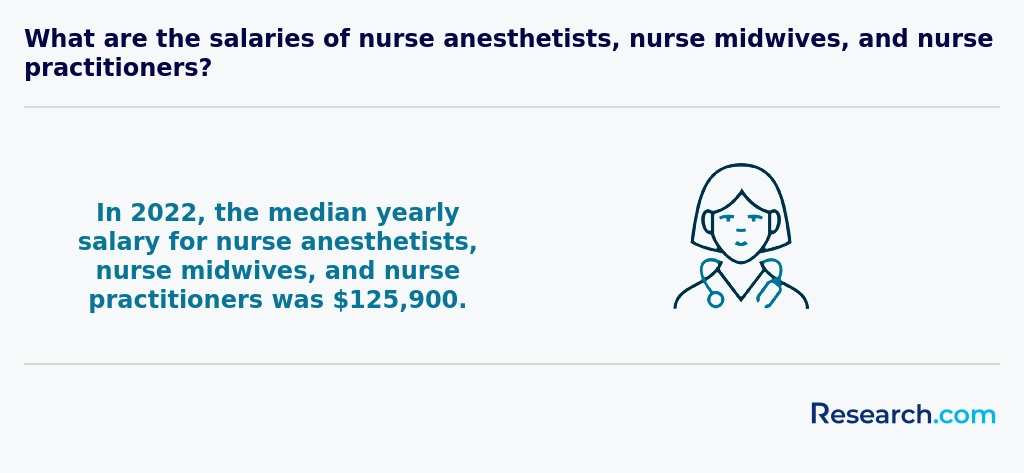
Choosing an accredited program ensures eligibility for licensure and a rigorous education foundation.
- Accreditation: Select programs approved by the Commission on Collegiate Nursing Education (CCNE) or the Accreditation Commission for Education in Nursing (ACEN); these credentials guarantee eligibility to sit for the NCLEX-RN exam.
- South Carolina Board of Nursing application: Submit official transcripts, complete a criminal background check, and pay required fees.
- NCLEX-RN examination: Register through Pearson VUE, use reputable prep materials, and pass the exam to earn your RN license.
- License activation: After passing NCLEX-RN, submit proof of results and any final documentation to the Board to begin practicing.
For those aiming for advanced practice roles, consider exploring np schools in florida.
Imagine receiving a phone call from a financial aid officer at a renowned Columbia nursing school like the University of Missouri or Columbia College, telling you that your Pell Grant application just got approved-free money up to $7,395 a year that won't add a penny to your future debt. That's the kind of relief countless nursing students in Columbia know well, especially those juggling life's chaos alongside their classes.
Other grads talk about snagging scholarships from the Columbia State Nursing Scholarship program, which feels like a secret handshake among locals who want to invest in their community's healthcare future. Picture a bustling hospital corridor where nurses proudly share how their employers chipped in for tuition through reimbursement programs-turning evening shifts into stepping stones.
Then there are those who found luck with AACN or NSNA awards, shining lights on their dedication to underserved neighborhoods. Even campus-based payment plans at familiar nursing programs soften the blows of upfront fees, making nursing dreams in Columbia a little less daunting and a lot more achievable.
Prospective nursing students in Columbia, MO should begin by reviewing each program’s specific application requirements and deadlines to ensure a smooth enrollment journey. Most institutions require:
- Official high school and college transcripts with a minimum cumulative GPA of 2.5 (some programs prefer a 3.0)
- Completed TEAS exam scores submitted directly from ATI Testing
- Proof of CPR/BLS certification and up-to-date immunization records
- Personal statements or essays detailing your motivation for nursing
- Two to three letters of recommendation from academic or healthcare professionals
- Background check and drug screening completed by designated vendors Key application windows for popular programs include: • University of Missouri BSN: Applications open October 1 and close February 15 for fall admittance. • Columbia College ADN and RN-to-BSN: Rolling admissions with priority deadlines on March 1 and September 1. • Stephens College Accelerated BSN: Deadlines on November 15 for spring start and May 15 for fall start. • Moberly Area Community College ADN: Apply by June 1 for fall cohort; December 1 for spring cohort. To optimize your chances, submit all materials at least two weeks before these deadlines and confirm receipt via each school’s online portal. Attend virtual or in-person information sessions to clarify any requirements and connect with admissions counselors. If you’re comparing program selectivity and start dates, exploring insights on where is the easiest nursing school to get into? can help you identify the best entry point for your nursing career.
Landing a spot in a nursing program in Columbia means proving you're ready for the challenge-graduates from top schools like the University of Missouri or Columbia College often recall the satisfying moment when their hard-earned biology and chemistry credits opened doors. It's not just a high school diploma; it's showing mastery in human anatomy, microbiology, and even statistics that sets you apart. Imagine juggling study nights focused on anatomy flashcards while others unwind-this dedication paints a vivid picture of commitment.
Standardized tests like the TEAS or HESI are more than hurdles; they're gateways revealing your potential to excel in clinical settings, as shared by graduates who've experienced that mix of nerves and triumph firsthand. Behind the scenes, background checks and immunization records silently ensure safety and trust before stepping into real patient care.
Many students appreciated how these prerequisites formed the backbone of their success, balancing rigorous science with communication skills-readying them to thrive in Columbia's diverse healthcare environment.
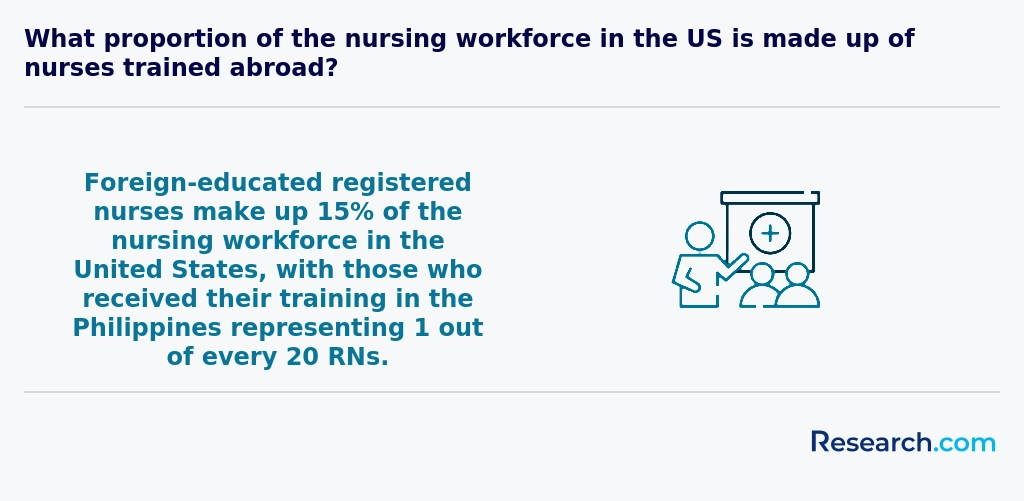
Planning your application well in advance can make the difference between securing a spot in a top nursing program in Columbia, MO and missing critical deadlines. Below is a step-by-step guide to streamline your application process: 1. Research Programs Early • Identify schools and program formats (ADN, BSN, MSN, DNP). • Review accreditation and NCLEX-RN pass rates on each institution’s website. • If you’re considering doctoral pathways, check out our Cheapest Online Doctorate in Nursing Degree Programs Ranking in Columbia, MO to compare cost-effective options. 2. Note Key Deadlines • Fall admission: applications typically open in August and close by December 1. • Spring admission: applications often open in January and close by June 1. • Rolling admissions programs may accept applications year-round but recommend submission at least 3 months before your desired start term. 3. Gather Required Documents • Official transcripts from high school and any postsecondary institutions. • TEAS exam results (minimum scores vary; aim to complete the exam 4–6 weeks before the deadline). • Proof of CPR certification and background check clearance. • Letters of recommendation (most programs require two academic or professional references). • Personal statement addressing your passion for nursing and career goals. 4. Complete the Online Application • Create an account on each school’s admissions portal. • Upload documents in PDF format and verify that all fields are complete. • Pay application fees or request a fee waiver (if eligible). 5. Prepare for Interviews and Campus Visits • Some programs conduct virtual or in-person interviews-schedule these promptly once invited. • Attend open houses or information sessions to learn about clinical placement opportunities and student support services. 6. Monitor Your Application Status • Regularly check your portal for updates on transcript receipt and interview invitations. • Respond quickly to any requests for additional information to avoid delays. 7. Confirm Your Enrollment • Upon acceptance, submit your enrollment deposit by the stated deadline (usually within two weeks). • Register for orientation and select your first-term courses. • Arrange housing, financial aid counseling, and transport to clinical sites. By adhering to this timeline and checklist, you’ll maximize your chances of admission into a leading nursing degree program in Columbia, MO and begin your journey toward a rewarding healthcare career.
Nursing students at the University of Missouri or Columbia College quickly find themselves immersed in a world where science meets compassion. Picture a graduate sharing how mastering anatomy and physiology felt like unlocking the secret blueprint of the human body-crucial for understanding patients' needs inside and out. Foundations like microbiology and chemistry aren't just textbooks; they are lifelines enabling future nurses to decode diseases and treatments confidently.
The heart of the program pulses through nursing-specific courses. Graduates recall wielding their knowledge in Pharmacology to administer medications safely, or navigating the complex emotions and care required in Mental Health Nursing. Pediatric Nursing classes transport students into the unique realm of child care, while Medical-Surgical Nursing challenges them with real-world patient scenarios. Leadership and Management prepare students for moments when quick thinking can change lives, reflecting the complex healthcare ecosystem within Columbia's busy hospitals.
Learning here is never just theory-students blend knowledge with hands-on practice, crafting skills to thrive in local clinics and community health settings. This dynamic mix creates confident caregivers ready to serve Columbia's diverse population.
In Columbia, nursing degrees unlock a treasure trove of specializations that shape not just careers but heartfelt missions. Graduates from universities known for Columbia nursing programs with specialized tracks often recount the thrill of choosing paths like Geriatric Nursing, where they become champions for the elderly, or Pediatric Nursing, where each day feels like a new chapter in a child's life story. Picture a clinical rotation at a local hospital's intense emergency unit, where Critical Care Nursing students embrace adrenaline-fueled learning, turning theory into lifesaving action.
For those drawn to mental health, Psychiatric-Mental Health Nursing offers a profound connection to patients' emotional journeys, while Public Health Nursing students engage the community with real-world impact. Registered Nurse to BSN Completion Programs provide a launchpad for those ready to specialize later. The personal triumphs of these graduates reveal a blend of passion and purpose, deeply rooted in Columbia's supportive academic and clinical environments. Those curious about lvn programs online might find exciting pathways paralleling these specializations.
Choosing a nursing degree specializations in Columbia means stepping into a vibrant ecosystem where education meets empathy, preparing students to thrive in a healthcare landscape buzzing with innovation and care.
Imagine stepping into a vibrant classroom in Columbia, where graduates from top nursing programs recall how they chose their paths by balancing their dreams with practical realities. One graduate's story highlights the power of accreditation-a beacon guiding them to programs recognized by agencies like CCNE or ACEN-unlocking doors to the NCLEX-RN exam and a nursing license. Another remembers juggling work and study, opting for flexible scheduling at a local college that offered evening or online classes, a must in Columbia's fast-paced life.
Thinking about the best nursing degree programs in Columbia means embracing both quality and affordability. Graduates often mention how comparing tuition from public versus private schools saved them thousands while still delivering rich clinical rotations in local hospitals. These hands-on moments sparked confidence and joy in their nursing journey.
Curious where is the easiest nursing school to get into? Some found their calling through practical ADN programs that launched them into careers in two years instead of four, proving that the fastest track can still be a great fit.
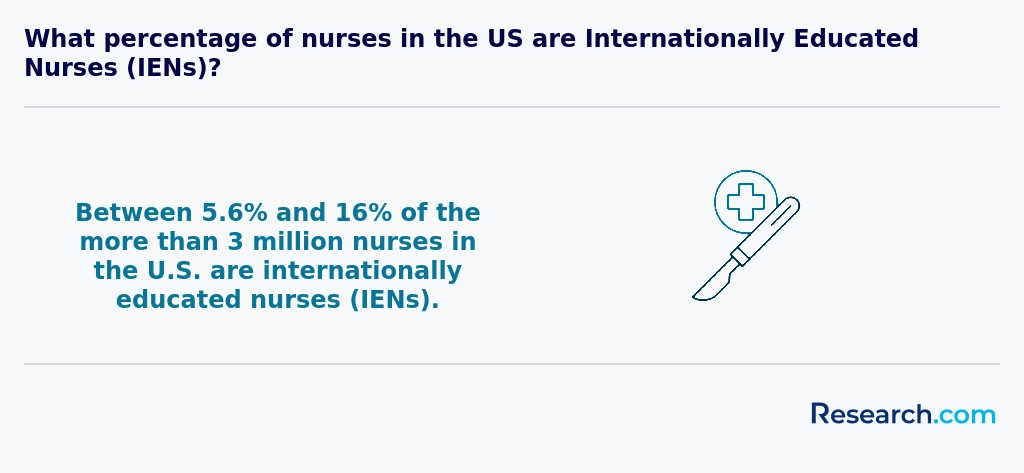
Graduates from nursing programs in Columbia often launch into vibrant careers that ripple across diverse healthcare settings, propelled by passion and a deep sense of purpose. Whether beginning as Registered Nurses at University Hospital or MU Health Care, these professionals find themselves in fast-paced emergency rooms or quietly transformative long-term care units, shaping patient journeys every day. Tales from Columbia nursing degree job prospects include nurses stepping into advanced practice roles like Certified Nurse Practitioners, whose salaries soar over $120,000, or Clinical Nurse Specialists innovating care protocols behind the scenes.
Some graduates pivot toward education or administration, inspiring future nurses or steering healthcare teams with confidence nurtured through rigorous study at local colleges. Others embrace public health, weaving wellness programs into the community fabric or delving into research, supported by Columbia's rich academic environment. For those hungry to explore beyond basics, financial considerations are vital-details on affordable advanced options can be found in the Cheapest Online Doctorate in Nursing Degree Programs Ranking in Columbia, MO, hinting at promising avenues for career growth amid thriving nursing career opportunities in Columbia.
Imagine stepping into Columbia's bustling hospitals, where nursing graduates from the University of South Carolina and local community colleges seamlessly transition from classroom to critical care. The job market for nursing degree holders here pulses with opportunity, fueled by an aging population hungry for compassionate caregivers and expanding medical centers like Prisma Health. Graduates relish the competitive salaries averaging around $65,000 and the sense of purpose that blossoms with every patient interaction.
Those who choose Columbia find their investment in education quickly validated. Nursing students often share stories of landing positions within months, riding an employment wave propelled by demand in long-term, home health, and geriatric nursing. The city not only offers employment but cultivates a supportive professional community that empowers new nurses. For those pondering the financial angle, affordable ADN routes and the popular Bachelor programs at four-year institutions combine opportunity with reasonable tuition costs.
Exploring further, many students boost their careers with one year degree programs, accelerating their path to advanced practice and opening more doors in Columbia's vibrant healthcare scene. This is the essence of the nursing degree job opportunities in Columbia-where ambition meets a thriving career landscape.
2027 Most Popular Nursing Degree Programs Ranking in Columbia
Investing in your education is a significant decision that can profoundly impact your future, and the Research.com team is fully aware of the importance of making well-informed choices. To support prospective nursing students in Columbia, we have carefully developed the "2027 Most Popular Nursing Degree Programs Ranking in Columbia." Our dedication to quality, credibility, and accuracy is evident in the thorough research and rigorous analysis conducted to assemble this ranking.
We utilized the following reputable data sources to ensure a comprehensive evaluation of nursing degree programs:
By consulting this ranking, readers will obtain valuable insights into the most popular nursing degree programs in Columbia, empowering them to make confident and informed decisions about their educational journeys. For more details on how this ranking was created, please visit our Research.com methodology page.


Frequently Asked Questions About nursing
Nursing degree students in Columbia can maximize their learning experience by actively engaging in both theoretical and clinical components of their programs. The state is home to several accredited nursing schools, such as Columbia University School of Nursing, offering diverse clinical placement opportunities. Hands-on practice in hospitals and community health settings helps solidify critical skills.
Utilizing resources like simulation labs and joining study groups enhances understanding of complex topics. Moreover, applying for internships through local healthcare providers can provide real-world exposure.
Staying informed about the National Council Licensure Examination (NCLEX-RN) pass rates, which in Columbia average around 85%, guides students in meeting industry standards.
The nursing field in Columbia is rapidly evolving, with several emerging niches gaining prominence. One notable area is geriatric nursing, driven by the increasing elderly population, which requires specialized care for chronic conditions. According to the U.S. Bureau of Labor Statistics, jobs for registered nurses in Columbia are projected to grow by 15% from 2021 to 2031, reflecting a strong demand in diverse nursing roles.
Another growing niche is telehealth nursing, which has expanded due to advancements in digital health technologies and the COVID-19 pandemic. Nurses in this field provide remote patient monitoring and consultations. Additionally, nurse informatics is becoming crucial as healthcare systems adopt electronic health records and data analysis.
These specialties offer new opportunities for nursing graduates seeking to align their careers with the future demands of Columbia's healthcare system.
After earning a nursing degree in Columbia, it is essential to prepare strategically for the job market. First, obtaining licensure by passing the NCLEX-RN exam is mandatory to practice as a registered nurse. According to the National Council of State Boards of Nursing, most nursing graduates pass this exam on their first attempt. Gaining clinical experience through internships or volunteer work in local healthcare settings can enhance employability.
Networking with healthcare professionals and joining state nursing associations, such as the Columbia Nurses Association, helps in learning about job openings. Additionally, maintaining updated knowledge of healthcare regulations and considering specialty certifications can improve job prospects in competitive areas.
Employers in Columbia highly value nursing graduates who demonstrate strong clinical skills paired with effective communication. According to the Bureau of Labor Statistics, nurses with excellent patient interaction abilities tend to achieve better job performance and higher patient satisfaction.
Critical thinking and adaptability are also crucial. The healthcare environment in Columbia is fast-paced, requiring nurses to make informed decisions quickly. The National League for Nursing emphasizes the importance of evidence-based practice as a core skill expected from graduates.
Additionally, proficiency in electronic health records (EHR) systems is essential. Many hospitals in Columbia have adopted advanced digital platforms to improve care coordination, making technological competence a key asset.
Finding internships in Columbia relevant to a nursing degree involves several practical steps. Many universities in Columbia partner with local healthcare facilities, offering students structured internship programs that provide hands-on experience. The South Carolina Nurses Association (SCNA) also lists internship and clinical placement opportunities regularly.
Students should check with their nursing program advisors as most schools require or strongly encourage clinical hours completed through internships. Networking through faculty and professional nursing organizations can open doors to placements in hospitals, clinics, and long-term care facilities.
According to the SC Department of Labor, healthcare internships have grown by over 10% in Columbia over the past five years, reflecting increased demand for nursing professionals. Utilizing online job boards dedicated to healthcare internships can further assist in locating relevant opportunities.
Obtaining a nursing degree in Columbia significantly enhances career mobility and advancement opportunities within the state and nationwide. According to the Bureau of Labor Statistics, registered nurses in Columbia earn a median annual wage higher than the national average, reflecting the local demand for qualified professionals.
Higher education credentials, such as a Bachelor of Science in Nursing (BSN), are increasingly preferred by employers in Columbia's growing healthcare sector. This preference facilitates upward mobility into specialized roles like nurse practitioner or nurse educator.
Additionally, Columbia's hospitals and clinics often require advanced degrees for leadership and management positions, providing clear pathways for degree holders. Educational attainment thus directly correlates with broader career options and higher salaries in this region.
Studying for a nursing degree in Columbia equips students with skills essential for interdisciplinary healthcare roles. The programs emphasize collaboration among healthcare professionals, including doctors, therapists, and social workers. Students learn communication techniques and teamwork strategies crucial for patient-centered care.
In Columbia, accredited nursing programs follow guidelines from the American Association of Colleges of Nursing (AACN), ensuring integration of interdisciplinary topics in curricula. According to the National League for Nursing, about 70% of nursing programs include interprofessional education components, preparing graduates to work effectively in diverse teams.
This training is vital as modern healthcare increasingly relies on coordinated efforts across specialties to improve patient outcomes and safety.
Choosing between a thesis and a non-thesis nursing degree program in Columbia depends largely on your career goals and learning preferences. Thesis programs focus on research, requiring students to develop, conduct, and present original studies. This path suits those interested in pursuing advanced research roles or doctoral studies. According to the American Association of Colleges of Nursing (AACN), about 30% of nursing graduates opt for thesis tracks to strengthen their research skills.
In contrast, non-thesis programs emphasize clinical practice and practical skills, often appealing to students aiming for leadership roles in healthcare settings.
Time commitment is another factor: thesis programs generally take longer due to research responsibilities.
Students based in Columbia seeking to study nursing abroad have several pathways available, particularly in the United States. Many US universities offer internationally recognized nursing programs, including Associate's Degrees in Nursing (ADN), Bachelor of Science in Nursing (BSN), and advanced degrees like Master's and Doctorates.
Columbia residents can benefit from articulation agreements between local institutions and US colleges, which may facilitate credit transfer. Additionally, some programs offer online or hybrid formats allowing students to begin studies remotely.
The US Bureau of Labor Statistics reports a steady growth in registered nurse employment, which makes pursuing a US-based nursing degree attractive for career prospects.
Prospective students should carefully review visa requirements and international student support services at their chosen institutions.
Students pursuing nursing degrees in Columbia have access to several part-time job opportunities that enhance their education and practical skills. Common roles include certified nursing assistant (CNA) positions, where students provide basic patient care under supervision. According to the U.S. Bureau of Labor Statistics, CNAs in South Carolina (which includes Columbia) earn a median hourly wage of around $13, making this a viable job during studies.
Other complementary opportunities include medical scribing and home health aide positions. These roles expose students to clinical settings and patient interactions, reinforcing their academic knowledge.
Columbia's strong network of hospitals and clinics offers students practical experience that supports their nursing coursework and future licensure requirements.
Nursing students in Columbia have access to numerous networking opportunities that can enhance their education and career prospects. Many nursing programs collaborate with local hospitals and healthcare facilities, offering clinical placements that connect students directly with practicing professionals.
Additionally, organizations such as the Columbia Nurses Association provide platforms for students to attend conferences, workshops, and networking events. These gatherings allow students to meet experienced nurses, educators, and potential employers.
National nursing bodies like the American Nurses Association also serve as valuable resources, offering membership discounts and events for students in Columbia, helping build professional relationships early on.
Alumni networks offer valuable support to nursing degree students in Columbia by connecting them with experienced professionals in the local healthcare sector. These networks provide mentorship, career advice, and job opportunities that can be crucial for early career development. According to a 2023 report by the National Student Nurses' Association, 68% of nursing graduates found employment through alumni referrals.
In Columbia, smaller communities particularly benefit from strong connections formed through alumni, enabling students to navigate the competitive job market more effectively. Networking events and online platforms often facilitate these interactions.
Access to alumni also helps students stay informed about new nursing practices, certifications, and continuing education available within the state.
Customizing a nursing degree program in Columbia involves selecting courses and clinical experiences that align with your specific career goals. Many accredited nursing schools allow students to choose specialties such as pediatrics, geriatrics, or emergency nursing. According to the Texas Board of Nursing, Columbia students can tailor practicum placements to gain hands-on experience in their desired fields.
Students might also pursue additional certifications or electives in areas like mental health or community health nursing, enhancing their expertise. Online and hybrid course options offer flexibility for working professionals. It is important to consult academic advisors early to map out a plan that fits both licensing requirements and personal career aspirations.
Nursing students in Columbia often face significant challenges rooted in academic rigor and clinical demands. According to the National Student Nurses' Association, many students report difficulties balancing intense coursework with hands-on training. This dual pressure can lead to stress and burnout, with nearly 40% of nursing students describing high anxiety levels during clinical rotations.
Financial barriers also affect students; the average tuition for nursing programs in Columbia is notably high compared to other fields, causing many to seek scholarships or part-time jobs. Furthermore, limited access to clinical placements can delay graduation, creating additional uncertainty.
Language proficiency and adapting to constantly updated healthcare protocols present ongoing challenges, requiring continuous learning beyond the classroom.
With a nursing degree in Columbia, you can pursue several professional certifications that enhance your career opportunities. Common options include becoming a Registered Nurse (RN) through the National Council Licensure Examination (NCLEX-RN). Many nurses also obtain certifications such as Certified Nurse Practitioner (CNP), Certified Nurse Educator (CNE), or certifications in specialized areas like gerontology, pediatrics, and critical care. According to the American Nurses Association, over 70% of nurses hold at least one specialty certification. These credentials demonstrate advanced knowledge and skills, improving job prospects and salary potential in the competitive Columbia healthcare market.
Writing a winning application for a nursing program in Columbia requires clear documentation of your academic achievements and practical experience. Most programs look for a strong GPA, typically above 3.0, especially in science and math courses. According to the Columbia Board of Nursing, including volunteer or work experience in healthcare can significantly improve your chances.
Ensure your personal statement emphasizes your passion for nursing, relevant skills, and understanding of patient care challenges in Columbia. Letters of recommendation from healthcare professionals or educators add credibility. Programs often require passing the TEAS exam with competitive scores.
Finally, adhere strictly to application deadlines and provide all requested transcripts and certifications to avoid disqualification.
Nursing is a highly respected profession worldwide, including in Columbia. Globally, the demand for skilled nurses continues to grow due to aging populations and increased healthcare needs. In the United States, nurses are among the fastest-growing occupations, with the Bureau of Labor Statistics projecting a 9% growth rate from 2020 to 2030. This reflects the strong job security and diverse career opportunities available to nursing graduates.
In Columbia, nursing programs follow standards aligned with U.S. education, preparing students for both local and international healthcare settings. Moreover, registered nurses in Columbia earn a median annual salary of approximately $77,000, according to the U.S. Bureau of Labor Statistics. This suggests promising financial prospects for nursing professionals.
International perspectives highlight the adaptability of nursing education. Many Columbia-educated nurses pursue further specialization or work abroad, benefiting from the global acceptance of U.S.-based nursing credentials. Thus, a nursing degree in Columbia offers pathways that align well with global healthcare trends and employment demands.
Gaining practical experience is essential while pursuing a nursing degree in Columbia. Most nursing programs in the state incorporate clinical rotations, which allow students to work directly with patients in healthcare settings. These rotations typically take place in hospitals, clinics, or long-term care facilities and cover various specialties such as pediatrics, geriatrics, and emergency care.
Additionally, many students take advantage of internships and externships offered through their schools or local health institutions. According to the Columbia Board of Nursing, clinical hours generally range from 500 to 700 hours, depending on the program type. This hands-on training is crucial for developing real-world skills and improving job prospects after graduation.
Choosing the right concentration within a nursing degree program in Columbia requires careful consideration of your career goals and interests. Common concentrations include pediatric nursing, geriatric care, mental health nursing, and acute care. According to the U.S. Bureau of Labor Statistics, registered nurses specializing in geriatrics are expected to see a 12% job growth by 2031, reflecting an aging population.
It is important to evaluate your preferred patient population and work environment. Some programs in Columbia offer clinical placements in varied healthcare settings, providing hands-on experience in different specialties.
Review accreditation and faculty expertise in your chosen concentration, as these impact your education quality and licensure eligibility. Additionally, consider state licensure requirements, since specific concentrations may require extra certification.
- 2027 Most Popular Nursing Degree Programs Ranking in Saint Louis
- 2027 Most Popular Nursing Degree Programs Ranking in Kansas City
- 2027 Most Popular Nursing Degree Programs Ranking in Peoria
- 2027 Most Popular Nursing Degree Programs Ranking in Omaha
- 2027 Most Popular Nursing Degree Programs Ranking in Lincoln
- 2027 Most Popular Nursing Degree Programs Ranking in Chicago
- 2027 Most Popular Nursing Degree Programs Ranking in Sioux City
- 2027 Most Popular Nursing Degree Programs Ranking in Indianapolis
- 2027 Most Popular Nursing Degree Programs Ranking in Louisville
- 2027 Most Popular Nursing Degree Programs Ranking in Saint Paul
See What Experts Have To Say About Studying Nursing
Read our interview with Nursing experts


- Your Questions About Online Nursing School, Answered https://www.allnursingschools.com/how-to-get-into-nursing-school/online-programs/
- How to Write https://esign.com/letter-of-intent/school/nursing/
- General Admission Requirements https://www.columbiastate.edu/academics/health-sciences-division/nursing/general-admission-requirements.html
- Top Nursing Skills U.S. Employers Want to See on Your Resume | O'Grady Peyton https://www.ogradypeyton.com/blog/job-seeker-resources/top-nursing-skills-u.s.-employers-want-to-see-on-your-resume
- THE FIELD OF NURSING - FIRST-DEGREE OF STUDIES https://wnoz.wum.edu.pl/pl/content/field-nursing-first-degree-studies
- Pros And Cons Of Online Nursing In 2025 | Davis & Elkins https://www.dewv.edu/the-pros-and-cons-of-online-nusing-in-2025-is-it-right-for-you/
- Nursing Programs https://lowercolumbia.edu/programs/health/nursing/
- 6 Reasons to Choose the Nursing Profession - Columbia College Calgary https://columbia.ca/6-reasons-choose-nursing-profession/
- Colombia's challenges in addressing the shortage of nursing professionals https://www.udea.edu.co/wps/portal/udea/web/generales/interna-ingles/asContenidos/asDestacadosScience/colombia-challenges
- | NRR | Dove Medical Press https://www.dovepress.com/internship-challenges-encountered-by-nursing-students-a-qualitative-st-peer-reviewed-fulltext-article-NRR