
2027 Fastest Online Master's in Nursing Degree Programs Ranking in Arizona

Co-Founder and Chief Data Scientist
Considering advancing your nursing career in Arizona? Choosing the right online master's program can feel overwhelming with so many options available.
This article features the 2027 Fastest Online Master's in Nursing Degree Programs Ranking in Arizona, created by the Research.com team of data scientists. Their goal is to provide clear, data-driven insights to help you make informed decisions about which programs truly stand out.
Reading this guide will empower you to find a nursing degree that fits your goals and lifestyle, opening doors to new opportunities and a fulfilling future in healthcare.
Key benefits of getting online nursing degree in Arizona
- Salary for nursing degree graduates: Graduates in Arizona can earn competitive wages, with Nurse Practitioners and Critical Care Nurses earning mean annual wages of $128,490, while Clinical Nurse Specialists, Nurse Administrators, and Nurse Educators average around $94,480.
- Career paths: Nursing graduates from universities like Arizona State University have diverse options, such as advanced practice roles, administration, education, and specialized care, providing flexibility and growth opportunities.
- Benefits of online degrees: Online nursing programs at institutions like the University of Arizona offer flexibility and convenience, allowing students to balance studies with work or family life without compromising quality education.
- 2027 Fastest Online Master's in Nursing Degree Programs Ranking in Arizona
- What can I expect from online nursing degree in Arizona?
- Where can I work with online nursing degree in Arizona?
What can I expect from online nursing degree in Arizona?
Students pursuing online nursing degrees in Arizona typically encounter a range of tuition costs influenced by the type of institution. Graduates from public universities often report feeling financially relieved due to in-state tuition rates that generally range between $8,000 and $15,000 per year. This makes degree completion more accessible for many working nurses balancing jobs and family obligations.
Conversely, graduates from private institutions sometimes describe the higher tuition, often exceeding $20,000 annually, as a worthwhile investment given the additional resources and specialized tracks offered. For instance, some appreciate the smaller class sizes and focused mentorship available at private colleges, which can enhance their learning experience despite the added expense.
It is important to recognize that cost alone does not determine the value of a program; graduates emphasize accreditation, program flexibility, and clinical placement support as crucial factors. While affordable tuition is attractive, the reputation of schools like Arizona State University or Northern Arizona University often plays a decisive role in students' choices, reflecting a balance of cost and quality in their educational journey.
Where can I work with online nursing degree in Arizona?
Graduates from online nursing programs at institutions like Arizona State University or Grand Canyon University often find themselves working in hospitals, the primary employers of nurses across Arizona. For example, many report rewarding experiences at Banner Health or Mayo Clinic, where strong clinical training and state licensure open doors to diverse roles. While hospitals dominate, outpatient clinics and long-term care facilities also offer fulfilling careers, especially for those interested in managing chronic illnesses or community health education.
Some nurses highlight working in home healthcare, providing personalized in-home support for aging or disabled patients-a role demanding both clinical skill and independence. Others appreciate how online programs prepare them well for these challenges. However, it's crucial to recognize that every nursing job in Arizona requires passing the NCLEX-RN and licensure through the Arizona State Board of Nursing, no matter the educational path.
Beyond clinical work, some graduates pursue healthcare administration or educational roles, often motivated by a desire to influence patient care or mentor future nurses. These varied paths reflect the flexibility and broad applicability of an online nursing degree in Arizona's evolving healthcare landscape.
Graduates from online nursing programs in Arizona often find that their earning potential varies widely depending on their chosen career path. For example, those who advance to become Nurse Practitioners can expect a mean annual wage of approximately $128,490 according to the latest U.S. Bureau of Labor Statistics data. This aligns with feedback from alumni of Arizona State University's online MSN program, who report entering roles with high clinical responsibility and competitive pay.
Other roles such as Clinical Nurse Specialists, Nurse Administrators, and Nurse Educators typically earn around $94,480 annually. Graduates from the University of Arizona's online nursing courses have shared that these positions, often requiring specialized skills and leadership, still offer stable and rewarding salaries within Arizona's healthcare landscape.
While registered nurses in the state may see median wages near $79,680, those pursuing advanced degrees online can leverage their education for increased compensation. Candidates should consider variations due to healthcare settings and urban versus rural locations, as salaries tend to be higher in metropolitan areas like Phoenix.
- Online nursing programs in Arizona provide flexibility for working professionals and recent graduates without requiring on-campus attendance.
- Tuition for online BSN programs ranges from $8,000 to $20,000 per year at public universities, with private schools charging more; online Master's programs cost between $20,000 and $40,000 for the full degree.
- Employment for registered nurses in Arizona is projected to grow 12% from 2020 to 2030, faster than the national average.
- Starting salaries for newly licensed RNs average around $60,000 annually, while experienced nurses or those with advanced degrees can earn over $95,000 per year.
- Nurses must be licensed by the Arizona State Board of Nursing, which requires completing an accredited program and passing the NCLEX-RN exam.
- Many online programs include local clinical placements to meet hands-on training requirements for state licensure.
Completing an online nursing degree in Arizona typically takes between 2 to 4 years for a Bachelor of Science in Nursing (BSN), especially at well-known institutions like Arizona State University. Many graduates appreciate the flexibility of these programs, which often allow them to balance work and family life while progressing steadily. Some students who already have an associate degree find this pathway particularly rewarding since they can build on prior credits and avoid starting from scratch.
For those pursuing a Master of Science in Nursing (MSN) online, the timeframe broadly ranges from 18 months to 3 years, depending on full-time or part-time enrollment. For instance, graduates from popular Arizona nursing colleges often mention accelerated MSN tracks that can be completed in as little as 12 to 18 months, but these demand a significant time commitment and focus.
Arizona's requirement for clinical hours within state healthcare facilities adds a layer of practical experience. This necessity sometimes extends the overall duration but provides students with invaluable real-world skills, enhancing their confidence and readiness to enter nursing roles.
- Traditional BSN online programs: Generally 2 to 4 years
- Accelerated BSN programs for non-nurses: Often 12 to 24 months (though mostly on-campus in Arizona)
- Online MSN programs: Typically 18 months to 3 years
- Accelerated MSN tracks: As short as 12 to 18 months for full-time students
Choosing a program recognized by reputable accrediting bodies ensures your degree meets educational standards and state requirements.
- Commission on Collegiate Nursing Education (CCNE): Verifies curriculum rigor, faculty qualifications, and student outcomes.
- Accreditation Commission for Education in Nursing (ACEN): Evaluates program effectiveness, resources, and continuous improvement.
In Arizona, online nursing programs must also hold approval from the Arizona State Board of Nursing to guarantee clinical hours count toward licensure eligibility.
Whether you plan to pursue advanced practice roles-like those featured in the cheapest online acute care nurse practitioner programs-accreditation safeguards your education, licensure, and career mobility.
The key difference between online and on-campus nursing degrees in Arizona lies in how education is delivered and experienced. Graduates from popular programs at the University of Arizona often emphasize the strong structure and face-to-face interaction available on campus, which many find motivating and community-building. In contrast, those who studied online through institutions like Arizona State University highlight the flexibility to balance work or family life while completing coursework remotely.
Clinical training remains essential for both formats. Online students typically arrange local clinical placements, making it easier to gain hands-on experience close to home, which some find reassuring. On-campus students might benefit from established partnerships that streamline clinical scheduling but require more rigid time commitments.
Technology plays a vital role for online learners who must stay engaged through digital platforms, a challenge well managed by students at schools with robust support systems. Meanwhile, on-campus learners enjoy immediate access to labs and study groups, fostering collaboration. Both routes ultimately prepare Arizona students effectively for nursing careers, catering to diverse personal needs and preferences.
Before you can practice as a Registered Nurse in Arizona, you must secure licensure through the Arizona State Board of Nursing (AZBN). The first step is to submit an application online, complete with official transcripts, criminal background check, and fingerprinting. Applicants must also register for and pass the NCLEX-RN exam-the nationally recognized standard for entry-level nursing competence. NCLEX results are reported by Pearson VUE, and upon passing, you’ll receive your Arizona RN license, valid for two years from the date of issue. To maintain active status, licensed nurses must complete 30 hours of continuing education (CE) during each renewal cycle. Acceptable CE activities include clinical workshops, online courses, or accredited seminars in areas such as pharmacology updates, patient safety, and ethics. Many programs encourage students to supplement their RN curriculum with practical experiences found in reputable lpn classes, which can bolster foundational skills before or alongside RN licensure. Advanced practice roles-such as Nurse Practitioners, Clinical Nurse Specialists, and Nurse Midwives-require additional certification through national bodies (e.g., American Nurses Credentialing Center) and state-level Advanced Practice Registration. Each specialty demands proof of a graduate-level degree, supervised clinical hours, and passing a national certification exam. By understanding and completing these licensure and certification steps, Arizona nursing graduates ensure they meet all legal requirements to deliver safe, competent, and high-quality care.
The average cost of an online nursing degree in Arizona tends to center around a median total of roughly $29,843, a figure that reflects a balance between different institutions and program levels. Graduates from well-known public universities like Arizona State University often highlight the financial relief provided by in-state tuition rates, which can substantially reduce overall expenses compared to out-of-state fees. This makes pursuing an online nursing degree more approachable for many Arizona residents. However, not every program offers distinct tuition breaks for residents, and some private colleges maintain a flat rate regardless of residency, which can simplify budgeting but sometimes means higher costs.
Students often weigh the stated tuition against additional expenses such as technology fees, textbooks, and clinical placement costs. For example, graduates have noted that even though the upfront tuition might seem significant, financial aid, scholarships, and employer tuition reimbursement plans help manage these costs effectively. This balance often encourages more students to consider enrolling, especially when combined with the convenience of online study options in Arizona's competitive educational landscape.
Exploring affordable online nursing master's programs Arizona offers reveals a variety of options tailored to different financial situations and career goals. Prospective students can also consult resources to find the cheapest nursing programs in Arizona, ensuring they identify pathways compatible with their budgets and ambitions.

When considering online nursing programs in Arizona, one crucial factor is affordability. Prospective students often find themselves weighing the costs of tuition, fees, and additional expenses against the potential benefits of a nursing career. To make informed decisions, it's essential to explore the cost-effectiveness of these programs. For instance, students can compare the costs of different institutions, such as public universities like Arizona State University, which typically offer lower tuition rates, and private institutions. Moreover, looking into programs that offer financial aid, scholarships, or grants can significantly reduce the financial burden. If you're interested in finding the cheapest nursing programs in Arizona, researching and comparing the total costs, including tuition, fees, and living expenses, can help identify the most affordable options. By understanding the financial aspects and available resources, aspiring nurses can make educated choices about their educational investments and pave the way for a successful and fulfilling nursing career.
For online nursing students in Arizona, financial aid often begins with federal options like Pell Grants and student loans, which many graduates from Arizona State University have relied on to ease tuition burdens. Pell Grants, awarded based on financial need through FAFSA, can cover thousands annually and provide a vital non-repayable resource. Meanwhile, loans such as Direct Unsubsidized and Grad PLUS are common but require mindfulness about repayment terms.
State-specific aid adds another layer of support. Programs like AzLEAP offer grants tied to commitments to work locally, a great fit for those intending to serve Arizona communities. Nursing students attending the University of Arizona frequently benefit from additional scholarships and loan forgiveness when working in underserved areas.
Many graduates also emphasize institutional scholarships as key to managing costs, especially from community colleges with nursing programs. Employer tuition reimbursements and military benefits like the GI Bill further broaden funding opportunities, making education more attainable even amid financial challenges.
After completing an online nursing program in Arizona, obtaining licensure is the critical next step to practice legally and advance your career. First, graduates must pass the National Council Licensure Examination (NCLEX-RN for RNs or NCLEX-PN for LPNs) administered by the Arizona State Board of Nursing. To register, applicants submit a completed application, official transcripts, and fingerprints for a background check. Once approved, scheduling your NCLEX appointment through Pearson VUE typically occurs within weeks. Upon passing the NCLEX, new nurses receive the Arizona nursing license, valid for two years. Renewal requires proof of continuing education: at least 30 contact hours per biennium, including one hour on Arizona nursing jurisprudence. Those who earned their degree outside Arizona can pursue licensure by endorsement by providing verification of credentials and NCLEX success in their original jurisdiction. For nurses advancing to advanced practice roles, national certification is also required. For example, Family Nurse Practitioners must complete an accredited graduate program and pass a specialty exam from organizations like the American Nurses Credentialing Center (ANCC). Many MSN graduates seeking quicker certification pathways explore an accelerated online post masters fnp program, which streamlines coursework and clinical hours into a focused curriculum. Understanding and fulfilling these licensure and certification steps ensures your eligibility to work in hospitals, clinics, and community settings across Arizona, solidifying your professional standing and opening doors to leadership and specialized practice.
Enrolling in an online nursing degree in Arizona typically means meeting clear academic and professional criteria. For example, graduates from universities like Arizona State University often recall needing a high school diploma or GED before starting their Associate or traditional BSN programs. Beyond diplomas, prerequisite courses in anatomy, physiology, and microbiology are commonly required, helping students build a strong foundation before tackling more advanced nursing concepts.
For those pursuing an RN-to-BSN pathway, holding an active Arizona RN license is non-negotiable. Many graduates share that submitting official transcripts and sometimes proving relevant work experience were key steps in their application process at schools like the University of Arizona.
Advanced programs, such as MSN degrees, usually require prospective students to possess a BSN degree and demonstrate professional nursing experience-often one to two years. Some students even recall preparing personal statements or completing entrance exams to meet specific institutional requirements. Importantly, local clinical placement approvals and immunization records are also necessary, ensuring readiness for the hands-on aspects despite the program's online nature.
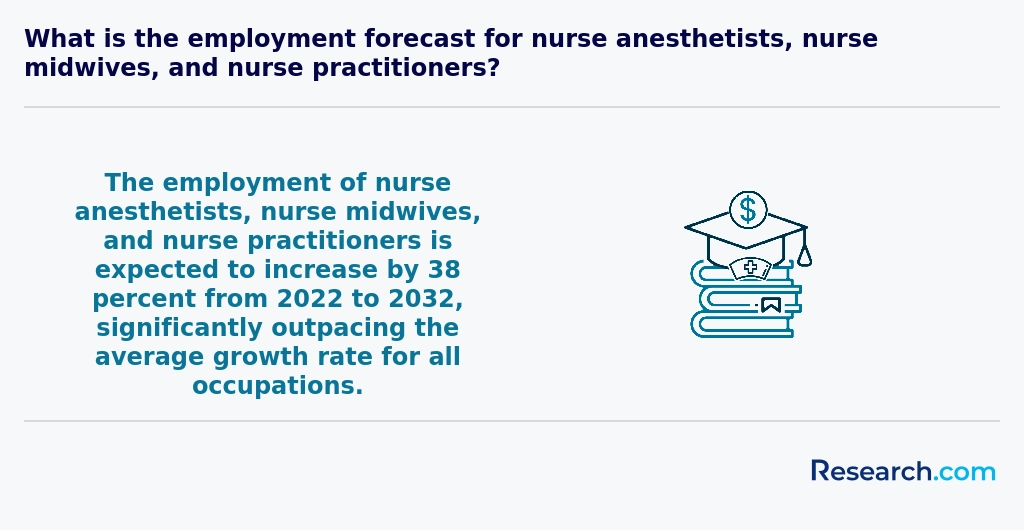
Calculating the return on investment (ROI) for an online Master’s in Nursing in Arizona involves weighing program costs against potential earnings growth and career advancement. On average, tuition for top online MSN programs in the state ranges from $25,000 to $45,000, excluding fees and clinical placement expenses. Graduates report starting salaries between $90,000 and $120,000 annually as Nurse Practitioners, meaning many recoup their tuition within 2–3 years of full‐time practice. Beyond salary, advanced MSN credentials often unlock leadership roles-such as Nurse Manager or Clinical Nurse Specialist-with median wages up to $130,000. Factoring in promotions and specialty certifications, the lifetime earnings premium for MSN holders versus BSN graduates can exceed $500,000. For students prioritizing affordability without sacrificing quality, it’s worth comparing out‐of‐state options or regional rankings like the Low Cost Online Nursing Degree Programs Ranking in Mississippi, which can inform decisions on value and cost efficiency. When evaluating ROI, consider: • Clinical placement support and associated fees-programs that partner directly with local hospitals often waive placement costs. • Employer tuition reimbursement-many Arizona health systems offer up to 100% tuition support for MSN candidates who commit to service agreements. • Accelerated pathways-some schools reduce credit requirements by recognizing prior learning, cutting both time and expense. By aligning tuition outlay with projected salary increases, accelerated completion options, and institutional financial aid, prospective students can target a break-even point within three years and maximize long-term financial gains from their online nursing education.
Students pursuing online nursing degrees in Arizona typically encounter a curriculum balancing foundational science and practical skills, tailored to meet local licensure requirements. Graduates from well-known Arizona colleges recall how courses in human anatomy and physiology vividly explained bodily functions, making it easier to understand patient symptoms during clinical rotations at nearby healthcare centers.
Other essential classes include pathophysiology, which deepened their grasp of disease mechanisms, and pharmacology, crucial for safely managing medications in real-world settings. Health assessment courses taught them a systematic approach to evaluating patient health, a skill graduates felt confident applying during their practicum experiences arranged through their Arizona-based programs.
Importantly, students also engage with leadership and healthcare policy courses, gaining insights into decision-making and ethical considerations that influence nursing practices statewide. This comprehensive approach, common in Arizona's accredited online nursing programs, often leaves graduates feeling prepared and empowered to navigate the complexities of modern healthcare environments with empathy and professionalism.
Online nursing specializations Arizona candidates often pursue focus on areas like Family Nurse Practitioner (FNP), Adult-Gerontology Primary Care Nurse Practitioner (AGPCNP), Psychiatric-Mental Health Nurse Practitioner (PMHNP), Healthcare Leadership and Administration, and Nursing Education. Graduates from popular institutions such as Arizona State University and the University of Arizona frequently share how the FNP track prepares them to meet primary care needs in underserved rural communities, a particularly relevant challenge across Arizona.
Another frequently cited specialization, AGPCNP, draws students interested in serving the state's aging population, which is rapidly expanding. Insights from online learners emphasize that Nursing Education programs are equally vital, especially given Arizona's shortage of qualified faculty, impacting the future nursing workforce significantly. Some graduates appreciate the program flexibility to complement their existing roles while gaining skills applicable locally, including clinical practicum placements in Arizona healthcare settings.
When exploring Arizona online nursing degree options, it's helpful to consider experiences shared about balancing coursework with practical stateside requirements. For those looking to strengthen foundational skills or pivot within nursing, programs may link to relevant lpn classes as a stepping stone to advanced roles.
Choosing the best online nursing degree in Arizona requires more than just a glance at tuition or convenience. Graduates from popular universities in the state often emphasize the importance of accreditation by bodies like CCNE or ACEN, which ensures that employers and licensing boards recognize their degrees. One graduate shared how their program's strong ties to the Arizona State Board of Nursing made clinical rotations smoother, highlighting the value of local support even in online settings.
Many prospective students also consider how well a program aligns with their career ambitions, whether in leadership, education, or advanced practice roles. This is especially relevant in selecting among the best online nursing programs Arizona offers, where curriculum focus varies widely. In one case, a graduate pursuing a Nurse Practitioner pathway praised the program's flexibility and detailed coursework.
Cost can influence decisions, but affordable nursing degrees Arizona online often strike a balance between price and quality, factoring in fees and required clinical experiences. For those seeking faster routes, exploring an accelerated online post masters fnp program might provide a practical alternative without sacrificing rigor.
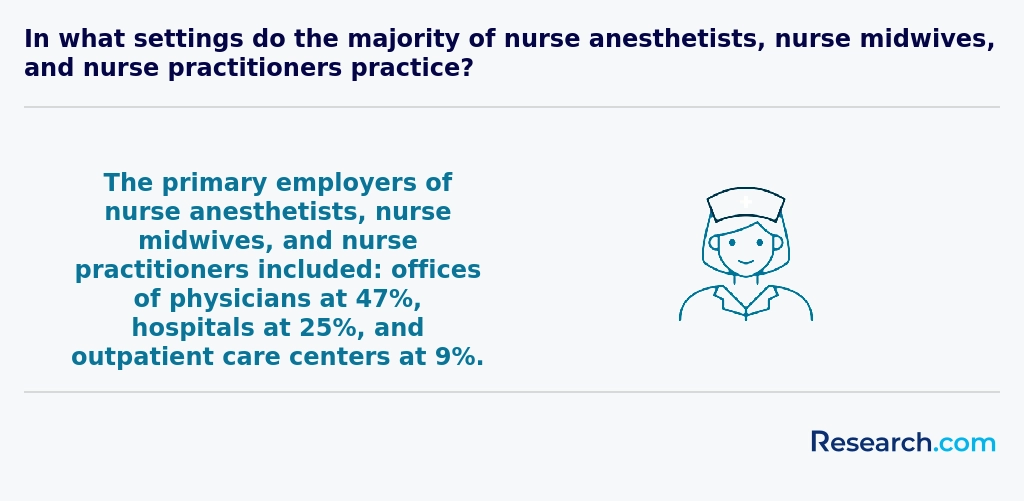
Graduates of online nursing degrees in Arizona find diverse career paths that reflect the state's evolving healthcare landscape. Many step into roles as registered nurses (RNs) in hospitals, clinics, or home health settings-a pathway popular among Arizona State University and Northern Arizona University alumni who describe the hands-on patient care and team collaboration as both challenging and rewarding. This option aligns well with the strong Arizona nursing degree job opportunities, especially in rapidly growing urban centers and rural communities.
Others pursue advanced clinical roles through online Master of Science in Nursing programs, becoming nurse practitioners or clinical nurse specialists. Graduates often highlight rewarding experiences serving underserved areas where NPs act as essential primary care providers, addressing local healthcare gaps. Some find nursing leadership or administration appealing, overseeing nursing staff and operations in healthcare facilities, a career trajectory supported by programs offered at the University of Arizona.
For those drawn to nursing education, becoming instructors at colleges and training programs is a fulfilling way to influence the next generation of nurses in Arizona. This pathway supports the state's growing need for qualified educators and is often pursued by graduates who balanced professional practice with teaching ambitions. Considering cost, students may explore options listed in the Low Cost Online Nursing Degree Programs Ranking in Mississippi as benchmarks for affordable education choices when comparing online nursing career options in Arizona.
The online nursing job opportunities Arizona offers are promising, particularly as the state's healthcare system adapts to an aging population and expanding facilities. Graduates from popular institutions like Arizona State University and the University of Arizona report relatively smooth transitions into roles across hospitals, clinics, and community health centers. Many appreciate the flexibility of their online programs, which allowed them to continue working while advancing their education.
Employment outlook for nursing degree graduates in Arizona remains strong, with a reported 12% job growth projection through 2030. Nurses with advanced practice degrees often find particularly high demand in both urban centers such as Phoenix and in rural settings focused on outreach and specialized care. Graduate stories frequently highlight the value of accredited programs and meeting Arizona's licensure requirements, which employers prioritize.
Those seeking the easiest path might consider the easiest master degree to obtain in nursing online, balancing affordability and time commitment. Salary expectations align closely with national trends, making nursing a practical and fulfilling career choice within the state's evolving job market.
2027 Fastest Online Master's in Nursing Degree Programs Ranking in Arizona
Investing in your education is a significant decision that can shape your career, and the Research.com team fully recognizes the importance of making well-informed choices. To support prospective students in Arizona, we have carefully developed the "2027 Fastest Online Master's in Nursing Degree Programs Ranking." Our dedication to quality, credibility, and accuracy is demonstrated through extensive research and thorough analysis behind this ranking.
We utilized the following reputable data sources to ensure a comprehensive evaluation of nursing programs:
By exploring this ranking, readers will gain valuable insights into the fastest, accredited online nursing master's programs in Arizona, empowering them to make confident educational decisions. For more information about how the ranking was created, please visit our Research.com methodology page.

# 2 position
Aspen University
Master of Nursing


# 4 position
Arizona State University Campus Immersion
Master of Clinical Research Management - Regulatory Science

Frequently Asked Questions About nursing
Online nursing students in Arizona can enhance their learning by actively engaging with digital resources offered by accredited programs. Many schools provide access to virtual simulations, which allow students to practice clinical skills in a risk-free environment. According to the Arizona Board of Nursing, gaining hands-on experience through local clinical placements remains essential, so students should coordinate early with their advisors to secure quality internships.
Time management is critical; setting a consistent study schedule helps balance coursework with personal and professional obligations. Joining online study groups or nursing forums can foster collaboration and deeper understanding of complex topics.
Staying informed about Arizona's specific nursing regulations and licensure requirements is vital for timely program completion and professional readiness.
Emerging niches in nursing reflect the evolving demands of healthcare, especially in Arizona's growing communities. One fast-growing area is gerontological nursing, driven by Arizona's large senior population; by 2030, people aged 65 and older will comprise over 25% of the state's residents, according to the Arizona Department of Health Services.
Another expansion lies in informatics nursing, where professionals blend clinical expertise with data management to improve patient care outcomes. The Arizona Nurses Association highlights increasing hospital investment in technology as a key factor creating demand in this niche.
Additionally, psychiatric-mental health nursing is gaining importance amid rising awareness of behavioral health. The Arizona Health Care Cost Containment System reports growing mental health service enrollments, emphasizing the need for specialized nurses.
After completing an online nursing degree in Arizona, preparing for the job market involves several key steps. First, ensure you pass the NCLEX-RN exam to obtain licensure required to practice as a registered nurse in Arizona. The Arizona State Board of Nursing provides detailed guidance on this process.
Next, tailor your resume and clinical experiences to highlight skills relevant to Arizona's growing healthcare sectors, such as hospitals in Phoenix and Tucson. Networking with local healthcare professionals through organizations like the Arizona Nurses Association can open job opportunities.
Arizona expects a 15% growth in nursing jobs through 2030 according to the Bureau of Labor Statistics, signaling strong demand. Consider applying to rural and underserved areas where vacancies are higher. Continuing education and specialty certifications will also improve your competitiveness in this evolving field.
Employers in Arizona prioritize several key skills when hiring nursing degree graduates, especially those trained online. Critical thinking and clinical judgment are essential, enabling nurses to make accurate decisions under pressure. Communication skills, both with patients and healthcare teams, are highly valued to ensure quality care and collaboration.
According to the Arizona Board of Nursing, proficiency in patient safety protocols and familiarity with electronic health records (EHR) are increasingly important due to the state's emphasis on healthcare technology integration. Additionally, cultural competence is vital in Arizona's diverse population, helping nurses provide respectful and effective care.
Time management and adaptability also rank high, as nurses must handle fast-paced, sometimes unpredictable environments. These skills are often highlighted in job postings across Arizona hospital systems such as Banner Health and Dignity Health, reflecting the local demand for well-rounded, versatile nursing professionals.
To find nursing internships in Arizona, start by exploring resources offered through your online nursing program. Many accredited schools in Arizona partner with local hospitals and clinics to provide internship placements. The Arizona State Board of Nursing website also offers guidance on clinical experiences that meet state requirements.
Additionally, consider contacting major healthcare systems such as Banner Health and HonorHealth, which frequently offer internships and clinical rotations to nursing students.
Networking through professional organizations like the Arizona Nurses Association can uncover opportunities and mentorships. Lastly, using platforms like Clinical Placement Partners can simplify the search for internships that meet Arizona's nursing education standards.
Obtaining an online nursing degree in Arizona can significantly enhance career mobility and advancement opportunities. The state's demand for qualified nurses is projected to grow by 12% from 2022 to 2032, according to the Arizona Department of Health Services. Completing an accredited online program allows nurses to meet educational requirements for advanced roles such as nurse practitioners or clinical nurse specialists.
Online degrees offer flexibility, enabling working professionals to pursue higher education without interrupting their careers. Many programs in Arizona are designed to align with state licensure requirements and the Arizona Board of Nursing regulations.
This alignment facilitates easier transitions into leadership positions or specialty nursing roles, supporting long-term career growth.
Studying for a nursing degree online in Arizona equips students with skills essential for interdisciplinary roles in healthcare. Arizona nursing programs emphasize collaboration between nurses, physicians, social workers, and other health professionals. This approach reflects standards set by the Arizona Board of Nursing, which encourages teamwork to improve patient outcomes. Coursework often includes training in communication, leadership, and healthcare technology, preparing graduates to work effectively in diverse teams.
According to the Arizona Department of Health Services, nurses in the state frequently engage in interdisciplinary care, especially in urban centers like Phoenix and Tucson. Online programs mirror this real-world environment by including case studies and simulations that foster critical thinking across disciplines.
When choosing between a thesis and a non-thesis nursing degree program in Arizona, consider your career goals and learning preferences. Thesis programs typically appeal to students interested in research, academia, or pursuing a doctorate later. They require conducting original research and writing a formal thesis, which can take additional time and effort.
Non-thesis programs focus more on practical knowledge and clinical skills, offering coursework and projects instead of a research thesis. These programs may be better suited for nurses aiming to advance clinical practice or leadership roles quickly.
According to the Arizona Board of Nursing, graduate nursing enrollment in the state is growing, with over 3,000 students in online master's programs in 2023, reflecting diverse educational needs.
Both options must meet accreditation standards from bodies like CCNE or ACEN to ensure quality education. Reviewing course structure, faculty expertise, and available support resources can also help select the right format for your circumstances.
Students based in Arizona interested in studying nursing abroad through online programs face limited options due to state licensing and accreditation requirements. Most Arizona nurses obtain degrees from accredited U.S. institutions recognized by the Arizona State Board of Nursing. While some international schools offer online nursing degrees, transferability of credits and state licensing can be challenging.
Arizona requires nursing programs to meet specific standards to qualify for licensure, making it essential for students to verify whether foreign programs align with these regulations.
According to the Arizona Center for Nursing Excellence, 70% of nurses with out-of-state degrees must complete additional requirements before practicing in Arizona.
Part-time jobs that complement nursing degree education in Arizona include roles such as certified nursing assistant (CNA), medical scribe, and patient care technician. These positions provide valuable hands-on experience and often offer flexible hours to accommodate online study schedules. According to the Arizona Department of Health Services, CNAs earn an average hourly wage of $14.50, making it a viable option for part-time income.
Medical scribes help document patient information, gaining familiarity with medical terminology and workflow. This job enhances skills relevant to nursing and can be found in many Arizona hospitals.
Patient care technicians assist with basic patient needs and participate in healthcare teams, offering practical insight into clinical environments. The Arizona Center for Nursing reports steady growth in these support roles as part of the state's expanding healthcare workforce.
Online nursing students in Arizona have several valuable networking opportunities despite the virtual nature of their programs. Many Arizona universities offering online nursing degrees provide access to virtual student forums and professional groups, enabling interaction with peers and faculty.
The Arizona Nurses Association (AzNA) is a key resource, offering membership to students which includes local chapter meetings, conferences, and workshops. These events foster professional connections and mentorships important for career growth.
Additionally, clinical placements required for licensure often place students in Arizona healthcare settings, creating practical networking chances with nursing professionals in the state. According to the Arizona Board of Nursing, such clinical experiences are critical for building local professional networks.
Alumni networks offer valuable benefits to students pursuing online nursing degrees in Arizona. These networks connect current students with graduates who have firsthand experience in the state's healthcare system. According to Arizona Nurses Association, networking can lead to mentorship opportunities that improve clinical skills and professional development.
Engaging with alumni helps students learn about job openings, internships, and trends specific to Arizona's nursing job market. The state's growing demand for nurses, driven by an aging population, means strong professional connections often translate into better employment opportunities.
Furthermore, alumni networks foster a community, providing emotional support and shared resources, which are especially important for online learners who may feel isolated. This ongoing access to a peer group contributes to higher retention and success rates in nursing programs, as noted by the Arizona Board of Nursing.
Arizona offers a variety of online nursing degree programs that allow students to tailor their studies according to career aspirations. Many universities provide specialization options such as nurse leadership, family nurse practitioner, or informatics.
Students can often select electives and clinical placements that align with their goals. For example, focusing on rural health or acute care can prepare nurses for specific populations.
Arizona's Board of Nursing requires clinical hours but allows flexibility in location, supporting experiential learning in local healthcare settings.
Additionally, some programs offer accelerated tracks or part-time schedules, accommodating working professionals aiming to advance or shift roles within nursing.
Online nursing students in Arizona often face challenges balancing coursework with clinical experience requirements. While theoretical classes can be completed remotely, students must secure in-person clinical placements, which can be competitive and limited in some regions.
Internet connectivity issues also pose difficulties, especially in rural areas where broadband access is less reliable. According to the Arizona Department of Education, about 25% of rural households lack high-speed internet, affecting students' ability to participate in live lectures and submit assignments on time.
Additionally, time management can become a major hurdle. Many online nursing students juggle full-time jobs and family responsibilities while pursuing demanding programs. This can increase stress and affect academic performance.
Licensing and state-specific regulations present another obstacle. Students must ensure their program meets Arizona Board of Nursing standards to sit for the NCLEX-RN exam and pursue licensure in the state.
With an online nursing degree in Arizona, graduates can pursue various professional certifications that enhance their career prospects. Common certifications include the RN (Registered Nurse) license, required to practice nursing in the state, administered by the Arizona Board of Nursing.
Advanced degrees may lead to certifications such as Family Nurse Practitioner (FNP), Adult-Gerontology Primary Care Nurse Practitioner (AGPCNP), and Certified Nurse Educator (CNE). These require passing national exams through bodies like the American Nurses Credentialing Center (ANCC).
Arizona reports a growing demand for nurse practitioners, with a 16% projected job growth by 2030 (Bureau of Labor Statistics).
Specialty certifications in areas such as pediatrics, oncology, or geriatrics are also available after obtaining the relevant degree and clinical experience.
To write a winning application for an online nursing program in Arizona, start by carefully reviewing the specific admissions requirements of each school. Most programs require a valid RN license, a minimum GPA (often 3.0 or higher), and prerequisite courses such as anatomy and microbiology.
Highlight your professional experience and any specialized skills or certifications, as Arizona healthcare employers value practical expertise. According to the Arizona Board of Nursing, the state has more than 72,000 licensed nurses, making your application stand out through clear career goals essential.
Write a concise, honest personal statement emphasizing your motivation to advance nursing care in Arizona communities. Include any volunteer or clinical experience that shows commitment.
Lastly, secure strong letters of recommendation from nursing supervisors or educators familiar with your abilities.
The nursing profession is recognized worldwide as essential to healthcare systems. In the United States, including Arizona, nursing is valued for its stability and growth potential. The U.S. Bureau of Labor Statistics projects a 9% growth in registered nursing jobs nationwide through 2031. Globally, nurses are in high demand due to aging populations and increasing chronic health issues.
Arizona ranks among states with a significant need for nurses, driven by its growing and aging population. According to the Arizona Center for Nursing Excellence, demand for nurses in Arizona is expected to grow faster than the national average.
Online nursing degrees offer flexibility for students in Arizona, allowing them to meet both local licensing requirements and global standards, enhancing career mobility across regions.
Students pursuing an online nursing degree in Arizona can gain practical experience through clinical rotations, which are required by the Arizona State Board of Nursing. These hands-on sessions typically occur at local hospitals, clinics, or long-term care facilities near the student's residence. Schools often assist by partnering with healthcare providers across the state to arrange these placements.
Clinical hours are essential for licensure and must meet state-mandated requirements; for example, Arizona requires at least 500 supervised clinical hours for many nursing programs. Students can also explore simulation labs offered by some institutions to practice skills in controlled settings.
Engaging in internships or volunteer work in Arizona's healthcare facilities can further enhance practical learning. These experiences help develop critical skills and improve employment opportunities upon graduation. Students should consult their program advisors to plan and fulfill these experiential components effectively.
Choosing the right concentration within an online nursing degree program in Arizona depends on your career goals and the local healthcare landscape. Arizona's growing elderly population, projected to increase by 55% by 2030 according to the Arizona Department of Health Services, creates high demand for geriatric and family nurse practitioners.
Consider concentrations aligned with Arizona's workforce needs, like nurse anesthesia, psychiatric mental health, or public health nursing. Reviewing Arizona Board of Nursing licensure requirements can help ensure your chosen specialty meets state standards.
Also, evaluate programs' clinical placement options in Arizona healthcare facilities to gain practical experience relevant to your concentration.
- 2027 Fastest Online Master's in Nursing Degree Programs Ranking in California
- 2027 Fastest Online Master's in Nursing Degree Programs Ranking in Colorado
- 2027 Fastest Online Master's in Nursing Degree Programs Ranking in Texas
- 2027 Fastest Online Master's in Nursing Degree Programs Ranking in Kansas
- 2027 Fastest Online Master's in Nursing Degree Programs Ranking in Missouri
- 2027 Fastest Online Master's in Nursing Degree Programs Ranking in Iowa
- 2027 Fastest Online Master's in Nursing Degree Programs Ranking in Arkansas
- 2027 Fastest Online Master's in Nursing Degree Programs Ranking in Louisiana
- 2027 Fastest Online Master's in Nursing Degree Programs Ranking in Minnesota
- 2027 Fastest Online Master's in Nursing Degree Programs Ranking in Wisconsin
See What Experts Have To Say About Studying Nursing
Read our interview with Nursing experts


- Scholarships & Financial Aid https://www.aacnnursing.org/students/scholarships-financial-aid
- 2025 Best Online Nursing Programs in Arizona https://www.onlineu.com/degrees/nursing/arizona
- Online Nursing Prerequisites: Complete Guide & Cost Savings | StraighterLine https://www.straighterline.com/blog/which-online-nursing-prerequisites-should-you-take-online
- How to Set and Achieve Your Nursing Career Goals | HealthTrust https://engage.healthtrustjobs.com/how-to-set-achieve-nursing-career-goals
- 7 Things to Consider When Getting a Nursing Degree Online https://onlinedegrees.elmhurst.edu/blog/seven-things-consider-when-picking-online-nursing-program
- Arizona Online Nursing Schools: Your Path To A Nursing Career https://survey.moorlandassociation.org/moorlandassociation-news/arizona-online-nursing-schools-your-path-to-a-nursing-career-1767647369
- Do I Have to Write a Thesis to Complete a Master’s Degree in Nursing? https://www.bestmasterofscienceinnursing.com/faq/write-thesis-complete-masters-degree-nursing/
- Career Advancement Pathways for Nurses : Expert RN shares 10+ Professional growth opportunities - MuminMed https://blog.muminmed.com/career-advancement-pathways-for-nurses/
- How to Write https://esign.com/letter-of-intent/school/nursing/
- Can You Get a Nursing Degree Online? (And Should You?) https://credenzahealth.com/career-advice/can-you-get-a-nursing-degree-online-and-should-you


