
2027 Most Valuable Healthcare Degree Programs Ranking in the USA

Co-Founder and Chief Data Scientist
Choosing the right healthcare degree can shape your future in meaningful ways. This article presents the 2027 Most Valuable Healthcare Degree Programs Ranking in the USA, developed by the Research.com team of data scientists. It's designed to help you navigate the many options and find programs that offer strong value.
Reading this ranking gives you clarity and confidence in your decision, helping you invest time and resources wisely. Pursuing a healthcare degree opens doors to rewarding and impactful careers, and this guide is here to support your journey.
Key benefits of getting healthcare degree in America
- Healthcare degree graduates can earn rewarding salaries; for example, Medical Assistants earn around $43,350 annually, while Quality Improvement Coordinators can make over $103,000 per year, reflecting strong financial benefits.
- Graduates from popular universities often find diverse career paths, including roles like Patient Care Technician or Clinical Research Coordinator, offering opportunities to work directly with patients or in research.
- Online healthcare degrees from well-known schools provide flexibility and convenience, allowing students to balance work and study while gaining the same valuable credentials as traditional degrees.
- Key benefits of getting healthcare degree in America
- What can I expect from healthcare degree in America?
- Where can I work with healthcare degree in America?
- How much can I make with healthcare degree in America?
- 2027 Most Valuable Healthcare Degree Programs Ranking in the USA
- Key Findings
- How long does it take to complete healthcare degree in America?
- Advancing Your Career: Lifelong Learning and Professional Development in Healthcare
- What's the difference between online and on-campus healthcare degree?
- Accreditation and Licensure Requirements for Healthcare Degrees
- What is the average cost of healthcare degree in America?
- Return on Investment: Evaluating the Long-Term Value of a Healthcare Degree
- What financial aid is available to healthcare degree students in America?
- Return on Investment: Balancing Program Costs with Career Earnings
- What are the prerequisites for enrolling in healthcare degree program in America?
- Emerging Trends in Healthcare Education and Future Career Outlook
- What courses are typically in healthcare degree programs in America?
- What types of specializations are available in healthcare degree programs in America?
- How do you choose the best healthcare degree in America?
- What career paths are available for healthcare degree students in America?
- What is the job market for healthcare degree in America?
- Top Trending Healthcare Rankings
- See What Experts Have To Say About Studying Healthcare
What can I expect from healthcare degree in America?
When considering the average cost of a healthcare degree in America, it's important to know that tuition can vary widely depending on the institution and program level. For example, graduates from well-known universities like the University of California or the University of Michigan often report total tuition costs ranging from $40,000 to $100,000 for a bachelor's degree in nursing or public health. Community colleges offering Associate Degrees in Nursing (ADN) provide a more affordable path, typically costing between $10,000 and $25,000.
Many students recall balancing financial aid packages and scholarships that significantly eased their expenses, allowing them to focus on hands-on clinical work and absorbing challenging coursework without overwhelming debt. These financial aids reflect the strong national support for healthcare education given the growing workforce demand.
Keep in mind that besides tuition, costs may include fees for uniforms, lab materials, and clinical placements. Thinking ahead and researching each program's costs can empower you to make wise investment decisions for your future in healthcare.
Where can I work with healthcare degree in America?
With a healthcare degree in America, your career possibilities are as vast as the healthcare system itself. Graduates from universities like the University of Pennsylvania or the University of Michigan frequently find themselves working in hospitals, where roles can range from registered nurses to healthcare administrators. Imagine being part of a bustling urban medical center, coordinating care that truly changes lives every day.
Many others choose outpatient care centers or clinics-think of the gratifying experience of assisting patients in a busy community clinic where you witness faster recoveries and long-term wellness. Colleges such as Emory University prepare students well for such dynamic environments.
Long-term care facilities offer meaningful opportunities too, especially with America's aging population. Graduates often express deep satisfaction working in nursing homes or assisted living centers, helping elders regain independence or manage chronic illnesses.
Careers in public health or healthcare administration are also rewarding, with graduates joining organizations like the CDC or state health departments to impact community health policies. For those passionate about innovation and education, teaching or research roles at medical schools or research institutions are a perfect fit, fueling advances in healthcare that shape the future.
How much can I make with healthcare degree in America?
Graduates from healthcare programs in America can expect a variety of earning possibilities depending on their chosen career path. For example, those stepping into roles such as Medical Assistants earn an average annual wage of about $43,350, a solid start for many who began their studies at colleges like the University of Michigan or Ohio State University.
Patient Care Technicians, often graduates from programs at community colleges or technical schools, see mean annual wages near $60,790, reflecting their hands-on skills and critical support roles in hospitals or clinics.
Those specializing as Health Information Technicians, a field that blends healthcare with technology, report annual earnings close to $43,380. Graduates from institutions with strong health informatics programs, such as the University of Texas Health Science Center, find these roles rewarding and in demand.
Notably, Quality Improvement Coordinators stand out with significantly higher median salaries, around $103,150, leveraging a healthcare degree to impact patient care on systemic levels. Alumni from prestigious universities often pursue such advanced positions, combining clinical knowledge with leadership.
Many graduates share a sense of pride and excitement about the meaningful, well-compensated careers their healthcare education has unlocked. With the right focus and experience, you too can join this thriving workforce and enjoy both financial stability and personal fulfillment.
2027 Most Valuable Healthcare Degree Programs Ranking in the USA
How do we rank schools?
Investing in one's education is a significant decision that can have lasting impacts on career and personal growth. The Research.com team recognizes the importance of making well-informed choices and has gone to great lengths to ensure the quality, credibility, and accuracy of the "2027 Most Valuable Healthcare Degree Programs Ranking in the USA." This ranking was developed through rigorous research and comprehensive data analysis.
We utilized the following reputable data sources to create a reliable and insightful ranking:
Readers will benefit from a clear understanding of the top healthcare degree programs across the nation, empowering informed educational decisions. For further information about how this ranking was created, please visit our Research.com methodology page.
# 1 position
Walden University
Doctor of Healthcare Administration

# 2 position
Seattle Central College
Bachelor of Science in Health Sciences

# 3 position
Touro University
Bachelor of Science in Health Science

# 4 position
Wilmington University
Bachelor of Science in Health Sciences


# 6 position
Walden University
Bachelor of Science in Healthcare Administration


# 12 position
Seminole State College of Florida
Bachelor of Science in Health Sciences


Key Findings
- Healthcare degrees range from associate to doctoral levels, with associate degrees typically taking two years and bachelor's degrees about four years.
- Tuition for bachelor's healthcare programs varies widely, from $10,000 to over $30,000 annually, with public universities generally offering lower costs for in-state students.
- Entry-level salaries for healthcare graduates average between $50,000 and $60,000 per year, with registered nurses starting near $60,000 and health administration around $50,000.
- The healthcare job market is expected to grow 13% from 2021 to 2031, adding about 2 million new jobs due to an aging population and increased service demand.
- Many programs require clinical experience or internships, which are essential for licensure and employment in healthcare fields.
- Accreditation is important as it affects eligibility for federal financial aid, credit transfers, and professional certification.
How long does it take to complete healthcare degree in America?
Completing a healthcare degree in America varies depending on your chosen path, but it's important to remember that every step builds a foundation for a meaningful career. Many students who start with an associate degree, which typically takes about two years at community colleges like Austin Community College, find themselves quickly entering roles such as medical assistants with real-world skills in hand.
For those aiming higher, pursuing a bachelor's degree at institutions like the University of North Carolina or the University of Michigan usually takes around four years. Graduates often recall balancing demanding coursework and clinical hours while feeling energized by hands-on experiences in hospitals, making those years feel worthwhile and transformative.
If your dream is to become a physician or physical therapist, be prepared for longer commitments. Medical school programs at universities such as Johns Hopkins take four years plus several years of residency. Many Doctor of Physical Therapy degrees take about three years post-bachelor's. These rigorous paths challenge students but spark a deep sense of purpose and pride in every achievement.
Accelerated programs also exist for those with bachelor's degrees, condensing nursing education into as little as 12 to 18 months, ideal for driven individuals ready to make an immediate impact. Remember, healthcare education in America is a journey shaped not just by time but by passion and dedication.
Advancing Your Career: Lifelong Learning and Professional Development in Healthcare
In today’s rapidly evolving healthcare landscape, continuous learning and professional development are essential for long-term success. Beyond earning a degree, healthcare professionals must actively seek opportunities to update their skills, pursue advanced certifications, and stay informed about emerging industry trends. Embracing lifelong learning not only enhances clinical and administrative competencies but also opens doors to leadership roles and innovative care models. Many institutions now offer accelerated programs designed for working professionals keen to expand their expertise in a short timeframe. For example, professionals aiming to boost their management skills might consider exploring 1 year mha programs online, which combine rigorous coursework with practical insights to prepare students for dynamic healthcare settings. Participation in professional associations, regular attendance at industry conferences, and engagement in mentorship programs further contribute to building a robust career. These initiatives foster networking, provide access to cutting-edge research, and encourage collaboration across disciplines-all key factors in adapting to the continually shifting demands of modern healthcare. Ultimately, a commitment to lifelong learning not only reinforces one's current expertise but also strategically positions healthcare professionals for future challenges and opportunities in the field.
What's the difference between online and on-campus healthcare degree?
Choosing between online and on-campus healthcare degrees in America shapes your educational journey significantly. On-campus programs at universities like the University of Michigan or the University of North Carolina provide hands-on clinical rotations, lab work, and direct patient care experiences that graduates often describe as transformative. These essential real-world practices build confidence and skill in ways virtual environments can't fully replicate. Plus, the structured class schedules foster discipline and deep peer connections.
Online programs, popular among working professionals across institutions such as Arizona State University or Oregon Health & Science University, offer unmatched flexibility. Students juggle careers or family while studying asynchronously, fitting coursework around their lives. Though they still complete local clinical placements, the convenience of remote lectures and virtual labs often inspires a sense of accomplishment and independence.
Financially, on-campus degrees at public schools average around $23,000 annually, while online programs can save on housing and commuting costs but vary in tuition. Many graduates stress how evaluating your personal learning style, clinical needs, and life demands reveals the best path for you. Both routes, rich with experience and learning, lead to fulfilling healthcare careers.
Accreditation and Licensure Requirements for Healthcare Degrees
Accreditation is the cornerstone of a quality healthcare education, signaling that a program meets rigorous standards set by recognized agencies and preparing graduates for licensure and certification. Before enrolling, students should verify institutional accreditation through the U.S. Department of Education’s Database of Accredited Postsecondary Institutions and Programs. Programmatic accreditation-granted by specialized bodies-ensures that coursework, clinical training, and faculty qualifications align with industry expectations. Key accrediting organizations include:
- Commission on Accreditation of Healthcare Management Education (CAHME)
- Commission on Accreditation for Health Informatics and Information Management Education (CAHIIM)
- Council on Accreditation of Nurse Anesthesia Educational Programs (COA)
- Accreditation Commission for Education in Nursing (ACEN) Each accreditor evaluates program outcomes, faculty credentials, clinical partnerships, and graduate success metrics, such as examination pass rates and employment placement. Prospective students should review published data on licensure exam performance and job placement to gauge program effectiveness. Licensure requirements vary by profession and state board:
- Nursing graduates must pass the NCLEX-RN or NCLEX-PN and meet state-specific clinical hour mandates.
- Health Information Technicians often pursue the RHIA or RHIT credential, requiring CAHIIM-accredited coursework and a national exam.
- Allied health professionals-such as radiologic technologists and respiratory therapists-must complete accredited clinical rotations and pass ARRT or NBRC certification exams. Maintaining licensure typically involves periodic renewal and continuing education units (CEUs), reinforcing the need for graduates to choose programs that support lifelong learning and professional development. For those seeking flexible formats that still satisfy accreditation and licensure prerequisites, specialized online degrees kinesiology can offer accredited curricula with integrated clinical experiences and exam preparation.
What is the average cost of healthcare degree in America?
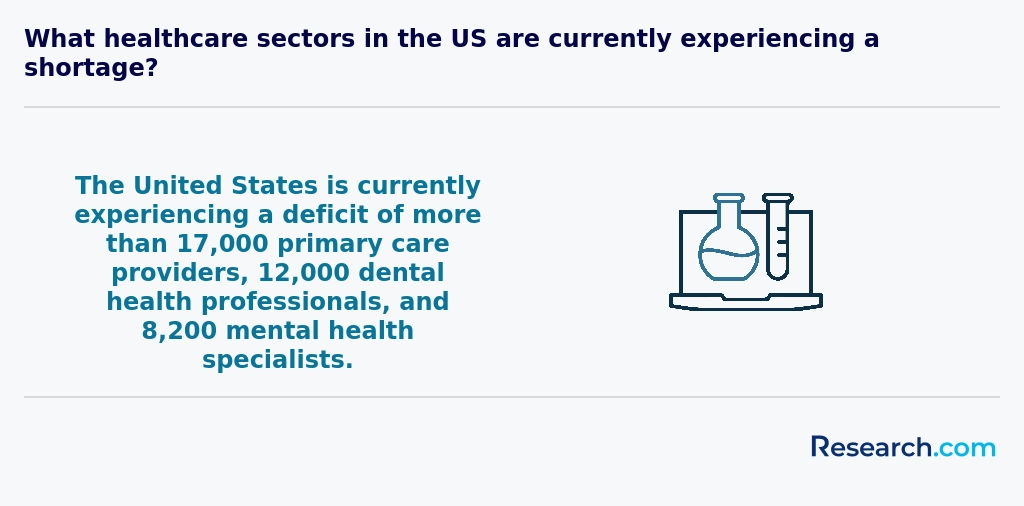
The average cost of a healthcare degree in America can vary greatly depending on whether you attend an in-state or out-of-state institution, as well as the level of the degree pursued. On average, students can expect a median total cost of around $41,900 for out-of-state programs, while in-state options tend to be more affordable at about $16,758. Graduates from well-known public universities often reflect on the financial challenges but emphasize how the investment leads to rewarding careers in nursing, public health, or healthcare administration.
Many students pursuing healthcare degrees at popular colleges find that tuition is only part of the overall expense. Beyond fees, students budget for books, supplies, clinical placements, and living expenses. Those additional costs can quickly reach several thousands annually, which is an important factor in the total expenses for healthcare degrees in United States education. It's vital to create a realistic budget to cover all these elements, especially for programs with clinical components.
Financial aid is a beacon of hope for many, but students report that thoughtful planning is essential to manage potential student loan debt. Graduates who invested in their degrees often recall how securing scholarships and grants eased their burden significantly. Those looking for the most affordable healthcare degree options discover many pathways that balance cost and quality, allowing them to pursue their passion without overwhelming financial stress.
Return on Investment: Evaluating the Long-Term Value of a Healthcare Degree
Investing in a healthcare degree not only promises immediate career opportunities but also builds a foundation for long-term financial stability and professional growth. As graduates progress through their careers, a clear understanding of the return on investment (ROI) can help in making informed decisions about education and career development. This section examines key factors such as salary potential, career advancement, and the advantages of selecting affordable programs that do not compromise on quality. Many students find that choosing a program with a balanced cost structure and robust support systems leads to higher satisfaction and success. For instance, exploring options like most affordable healthcare degree not only minimizes initial financial burdens but also offers pathways for networking, internships, and mentorship that enhance career prospects over time. Additionally, careful evaluation of post-graduation employment rates, alumni networks, and industry-specific certifications can provide further insights into both immediate and long-term benefits. By weighing the overall educational expenses against projected salary trajectories and professional growth opportunities, prospective students can strategically invest in a degree that maximizes both personal fulfillment and economic return.
What financial aid is available to healthcare degree students in America?
Pursuing a healthcare degree in America can feel overwhelming financially, but many students find relief through federal financial aid like FAFSA. Graduates from universities such as the University of Michigan often share how Pell Grants-offering up to $6,895 per year-helped them cover essential costs without accumulating debt. These grants, based on need, don't require repayment, making them a lifeline for undergraduates.
Loans also play a significant role. Federal Direct Subsidized and Unsubsidized Loans offer manageable interest rates. Many healthcare students at schools like Johns Hopkins rely on these loans, especially when pursuing graduate degrees, where they can borrow up to $20,500 annually. These funds often make the difference between pausing and advancing their education.
Scholarships from organizations such as the American Medical Association inspire many to excel. Healthcare students at the University of California, San Francisco, frequently access these awards, which support those committed to specific healthcare fields or with strong academic records. Some hospitals even provide tuition reimbursement programs, rewarding employees furthering their expertise.
State grants encourage students to serve in underserved areas, turning financial aid into a powerful force for community impact. Work-study jobs related to healthcare not only ease budgets but also build real-world skills, a common experience described by students at Duke University.
With patience and proactive research, financial aid for healthcare degrees can open doors and make your educational journey possible and rewarding.
Return on Investment: Balancing Program Costs with Career Earnings
Investing in a healthcare degree is not only about tuition-it’s about long-term financial and professional rewards. To assess the true value of your education, consider three key metrics: total program cost, average graduate salary, and time to break even. For example, a bachelor’s in healthcare administration might cost $40,000 in tuition and fees, while graduates earn a median salary of $65,000 per year. At this rate, your break-even point-when salary gains offset educational expenses-occurs in roughly 1.5 years post-graduation. Loan repayment strategies play a critical role in managing debt. Graduates who leverage income-driven repayment plans can lower monthly obligations, reducing financial stress as they begin their careers. Additionally, scholarships and grants targeted at high-need regions can accelerate payoff times. Students seeking cost-effective options may explore the Most Affordable Online Healthcare Degree Programs Ranking in South Dakota, which highlights programs combining low tuition with robust support services. Finally, factor in intangible benefits-career mobility, job security in a growing industry, and the personal fulfillment of patient-centered work. By quantifying both costs and long-term earnings, prospective students can make data-driven decisions that maximize the return on their healthcare education.
What are the prerequisites for enrolling in healthcare degree program in America?
To embark on a healthcare degree in America, you'll first need a solid foundation. Most undergraduate programs, such as the Bachelor of Science in Nursing at a school like the University of Michigan, require a high school diploma or GED with strong grades in biology, chemistry, and algebra. Graduates often recall how excelling in these subjects gave them confidence as they stepped into rigorous college courses.
For associate degrees-think of roles like Licensed Practical Nurse or medical assistant-schools like Miami Dade College expect the same basic credentials, plus entrance assessments testing math and reading skills. Passing these feels like an important first hurdle, opening the door to hands-on healthcare careers.
If you're aiming higher with bachelor's or graduate programs, like those at Johns Hopkins or UCLA, having prerequisite college courses in anatomy and physiology is key. Many graduates describe the satisfaction of meeting these requirements, knowing they've built a strong scientific base before clinical training begins.
Graduate degrees often call for a completed bachelor's, a decent GPA, and relevant healthcare experience. For example, Nurse Practitioner candidates not only need an RN license but also clinical hours, which past students found challenging yet deeply rewarding, fueling their passion for patient care.
Emerging Trends in Healthcare Education and Future Career Outlook
In today’s rapidly evolving healthcare landscape, staying informed about emerging trends is essential for prospective students and professionals alike. Technological advancements such as telemedicine, digital health records, and artificial intelligence are reshaping traditional healthcare delivery, necessitating that educational programs continuously integrate innovative curricula. Emerging specializations in healthcare informatics and virtual patient care are not only transforming how students learn but are also opening up novel career pathways. Institutions are increasingly offering flexible options, including online formats that balance affordability and accessibility-if you’re seeking the most affordable healthcare degree, many reputable schools now provide robust distance learning programs. Additionally, trends towards interdisciplinary education, where courses combine clinical practice with management, finance, and ethics, are preparing graduates to lead digital transformation initiatives in various healthcare settings. Understanding these trends and the future job market outlook empowers students to make informed choices, positioning them for success in a field that is as dynamic as it is critical to community wellbeing.
What courses are typically in healthcare degree programs in America?
Courses in healthcare degree programs across America blend rigorous science with practical skill-building, preparing you to thrive in demanding health fields. At universities like the University of Michigan or the University of North Carolina, foundational classes in anatomy, physiology, and biology ground students in understanding the human body, while chemistry and microbiology reveal the biochemical puzzles behind health and disease.
Many graduates recall how studying healthcare systems and medical ethics helped them connect classroom lessons to real-world patient care and legal responsibilities, crucial in hospitals or clinics. Communication and healthcare management courses sharpen skills needed to navigate complex healthcare environments confidently.
If you pursue nursing, expect specialized courses like pharmacology and clinical nursing practice, immersing you in hands-on patient care. Public health students often dive into epidemiology and biostatistics, equipping them to influence community well-being.
These thoughtfully structured courses, experienced firsthand by many graduates from top American colleges, ignite passion and build the confidence necessary for your healthcare journey.
What types of specializations are available in healthcare degree programs in America?
Healthcare degree specializations in the USA offer a variety of paths designed to fit your passion and career goals. Graduates from well-known colleges like the University of North Carolina or the University of Michigan often speak about how choosing nursing, healthcare administration, or public health shaped their futures profoundly. For example, nursing specializations such as Registered Nurse (RN) or Nurse Practitioner (NP) open doors to hands-on patient care with strong job growth, while healthcare administration focuses on running hospitals and clinics efficiently, combining leadership with healthcare knowledge.
Many students interested in management find healthcare administration rewarding, balancing finance and policy. Others dive into public health programs at schools like Johns Hopkins University, tackling disease prevention and community health issues. Exploring American healthcare degree program options also means considering fields like medical technology, physical therapy, or health informatics. Numerous graduates emphasize how tailored programs helped them navigate the healthcare landscape confidently.
If you're eager to advance quickly, consider options like 1 year mha programs online, which are becoming popular for those balancing work and study. Understanding these specializations helps you see where your future fits best in this vital industry.
How do you choose the best healthcare degree in America?
Choosing the best healthcare degree in America starts with understanding your own career vision. Graduates from top programs like those at the University of Michigan or University of North Carolina often share how aligning their goals with the right degree-be it nursing, health administration, or physician assistant studies-transformed their futures. When considering affordable healthcare degrees in America, factor in not only tuition but also the added costs for certifications and clinical hours, which many students attending state universities successfully manage by planning ahead.
Accreditation is crucial. Programs accredited by bodies like CAAHEP or ACEN ensure you meet licensure requirements, a common experience among graduates from well-regarded schools. Job placement rates and median salaries reported by the BLS reflect real opportunities, such as nurses earning a median $77,600 annually, a motivating reality for many who balance study with work.
Don't overlook program flexibility-some working professionals thrive in online formats. Exploring options like online degrees kinesiology can help you find a practical path that fits your lifestyle, keeping your aspirations alive while maintaining balance.
What career paths are available for healthcare degree students in America?
Graduates with a healthcare degree in America find themselves at the gateway to a vast array of rewarding career opportunities. Whether passionate about hands-on patient care or intrigued by behind-the-scenes healthcare management, pathways abound. Many nursing graduates from renowned universities in California or New York cherish the diversity of nursing roles-from bedside care to advanced nurse practitioners who provide vital primary care services. Exploring healthcare career opportunities in the USA also includes specialized roles such as physical or occupational therapists. Graduates often describe their experience pursuing these paths as both inspiring and fulfilling, knowing their work profoundly impacts lives.
For those drawn to the analytical side, careers in health informatics or medical laboratory technology offer exciting alternatives. Graduates of prominent programs in Texas or Florida enjoy using cutting-edge technologies to support diagnoses and improve patient outcomes. The top healthcare degree jobs in America extend into administration and consulting as well, where graduates help shape hospital policies and streamline services. For practical guidance on affordable options, many turn to Most Affordable Online Healthcare Degree Programs Ranking in South Dakota to find programs that fit both ambitions and budgets.
What is the job market for healthcare degree in America?
The healthcare degree job market USA is thriving, offering graduates from universities like the University of Michigan or the University of North Carolina promising career paths with strong job security. Many graduates share how their degrees opened doors to rewarding roles, from bedside nursing to health administration. The employment outlook for healthcare degrees in America consistently highlights growth fueled by an aging population and technological innovation, with registered nurses seeing nearly 200,000 new jobs annually nationwide.
Costs of studying healthcare vary, but many students find this investment worthwhile given competitive salaries and career stability. For example, graduates from public universities often balance tuition of $40,000 to $80,000 against median annual wages over $75,000. Additionally, those who blend clinical skills with leadership knowledge can pursue management roles earning more than $100,000.
If you're exploring flexible options, consider best 6 month certificate programs that pay well online, which can be an efficient way to launch a healthcare career.
Frequently Asked Questions About healthcare
Healthcare degree students in America can maximize their learning experience by engaging in diverse clinical practice opportunities. According to the Association of American Medical Colleges, hands-on experience improves skill retention and patient interaction abilities. Complementing coursework with internships or volunteer work at hospitals or clinics solidifies practical knowledge.
Students should also leverage interdisciplinary studies, combining healthcare with fields like technology or management. This approach reflects the evolving demands of the US healthcare sector, which employs over 20 million people according to the Bureau of Labor Statistics (2023). Networking with professionals and joining student organizations further enhances real-world insights.
Finally, staying current with evidence-based research strengthens critical thinking and adaptability in fast-changing healthcare environments.
The healthcare field in America is rapidly evolving, creating new career opportunities in emerging niches. One notable area is telehealth, which grew by over 150% during the COVID-19 pandemic, according to the CDC. This niche focuses on remote patient care through digital platforms and requires training in healthcare informatics and technology.
Precision medicine is another growing specialty. It uses genetic information to tailor treatments, supported by advances in biotechnology and data analysis techniques. The National Institutes of Health (NIH) has increased funding for related programs, reflecting its expanding importance.
Additionally, healthcare sustainability and management are gaining attention as providers aim to reduce environmental impacts while improving care efficiency. These emerging niches offer promising paths for new healthcare professionals seeking innovative and impactful careers.
After completing a healthcare degree in America, preparing for the job market involves strategic steps to increase employability. First, obtaining relevant certifications and licenses is crucial, as many healthcare roles require state-specific credentials. For example, registered nurses must pass the NCLEX-RN exam to practice legally. Gaining clinical experience through internships or volunteering helps build practical skills and professional networks.
Healthcare employers value graduates familiar with electronic health records (EHR) systems and interprofessional teamwork. According to the U.S. Bureau of Labor Statistics, healthcare occupations are projected to grow 13% from 2021 to 2031, offering strong job prospects. Graduates should also sharpen communication skills and consider joining professional associations for career support and job leads.
Employers in the American healthcare industry prioritize a combination of technical and soft skills when hiring graduates. Clinical competence, including proficiency in patient care and medical technologies, ranks highest. According to the Bureau of Labor Statistics, healthcare occupations are expected to grow 13% from 2021 to 2031, underscoring the demand for skilled professionals.
Effective communication is essential, as healthcare workers must collaborate with patients and multidisciplinary teams. Problem-solving and critical thinking skills help address complex medical situations efficiently.
Additionally, knowledge of healthcare regulations, electronic health records (EHR) systems, and cultural sensitivity are increasingly valued.
Finding internships relevant to a healthcare degree in America begins with leveraging university resources. Most colleges and universities have dedicated career centers that maintain partnerships with hospitals, clinics, and health organizations. According to the National Association of Colleges and Employers (NACE), over 60% of healthcare students secure internships through these campus connections.
Students can also explore opportunities on platforms like Handshake and Indeed, specifying healthcare fields such as nursing, public health, or medical technology. Additionally, professional organizations like the American Public Health Association offer internship listings and networking events.
Early application is essential, as competitive healthcare internships often fill months in advance.
A healthcare degree significantly enhances career mobility and advancement in America's expanding medical sector. According to the U.S. Bureau of Labor Statistics, healthcare occupations are projected to grow 13% from 2021 to 2031, adding about 2 million new jobs. A degree provides specialized knowledge, meeting licensure requirements essential for roles like nursing, physician assistant, or health administration. Graduates often access higher-paying positions and management roles, as employers value formal education. Additionally, a healthcare degree facilitates transitions between specialties, enabling professionals to pursue areas like public health, informatics, or healthcare policy, broadening career options and stability in a competitive job market.
Studying for a healthcare degree in America prepares students for interdisciplinary roles by emphasizing collaboration across various medical and health disciplines. Many programs incorporate coursework and clinical experiences that involve teamwork among professionals like nurses, physicians, pharmacists, and social workers. According to the Association of American Medical Colleges (AAMC), over 85% of healthcare jobs require effective communication and teamwork across disciplines.
Additionally, accredited healthcare degree programs often include training in health informatics, ethics, and patient-centered care. These elements build essential skills needed for coordinated care in complex healthcare systems like those found in the U.S.
This integrated approach not only enhances problem-solving but also improves patient outcomes by fostering mutual understanding among different healthcare roles.
When choosing between a thesis and a non-thesis healthcare degree program in America, students should consider their career goals and learning preferences. Thesis programs typically require conducting original research and writing a detailed manuscript, which is ideal for those interested in academia, research, or pursuing a PhD. Non-thesis programs focus more on practical skills and coursework, suited for students aiming to enter clinical or administrative roles.
Statistics from the National Center for Education Statistics reveal that about 30% of healthcare master's graduates complete thesis projects, reflecting varied industry needs. Students should also weigh time commitment; thesis options often take longer due to research demands.
Understanding program specifics and consulting academic advisors can ensure alignment with professional objectives in America's healthcare field.
American students seeking healthcare degrees abroad have several viable options. Many U.S. universities partner with foreign institutions to offer joint or exchange programs, allowing students to earn credits overseas while maintaining progress towards their U.S. degree. Popular destinations include the UK, Canada, and Ireland, known for their strong healthcare education systems.
Additionally, some students enroll directly in internationally accredited medical schools recognized by the Educational Commission for Foreign Medical Graduates (ECFMG), which permits graduates to apply for U.S. residencies.
According to the Association of American Medical Colleges, about 25% of U.S. medical residents graduated from international programs, reflecting increased acceptance of global education pathways.
Part-time jobs can greatly enhance the educational experience of healthcare students in America by providing practical skills and real-world exposure. Roles such as medical scribes, patient care assistants, and pharmacy technicians are popular among students pursuing healthcare degrees. According to the U.S. Bureau of Labor Statistics, these positions offer flexible hours suitable for students, with pharmacy technicians earning a median wage of $17.23 per hour as of 2023.
Working in these roles helps students develop communication and clinical skills essential for their careers. Additionally, many hospitals and clinics offer internships or part-time roles that complement academic learning. These jobs also provide networking opportunities within the healthcare industry.
Healthcare students in America benefit from a range of networking opportunities critical to building careers. Universities often host healthcare-focused career fairs, where students connect with hospitals, clinics, and medical companies seeking new talent. Professional organizations like the American Medical Association and the American Nurses Association offer student memberships that provide access to conferences, workshops, and local chapter events.
Clinical internships and residency programs also serve as essential networking platforms, allowing students to work alongside experienced practitioners. According to the National Center for Education Statistics, nearly 70% of healthcare graduates find jobs through networks developed during their studies.
Alumni networks offer significant benefits to healthcare degree students in America by providing access to professional connections and career guidance. These networks often include thousands of graduates working in diverse healthcare roles across the country. According to the National Association of Colleges and Employers (NACE), 85% of job openings are filled through networking, highlighting the importance of alumni connections for job placement.
Students can find internship opportunities, mentorship, and advice on navigating the complex healthcare job market. Many universities organize alumni events, fostering long-term relationships that support career growth in clinical and administrative healthcare fields.
Customizing a healthcare degree program in America allows students to align their education with specific career goals. Many universities offer flexible curriculum options, including electives and specializations such as public health, healthcare management, or clinical practice. According to the National Center for Education Statistics, over 70% of healthcare degree programs provide opportunities for internships or clinical rotations, giving students practical experience tailored to their interests.
Additionally, students may pursue dual degrees or certificates in areas like health informatics or policy, increasing their versatility in the job market. Online and hybrid formats also offer flexible pacing, suitable for working professionals. This individualized approach helps develop skills directly relevant to evolving healthcare fields, preparing graduates for diverse roles in the U.S. healthcare system.
Healthcare students in America commonly face significant challenges, including rigorous academic demands and high stress levels. Coursework often requires mastering complex subjects such as anatomy, pharmacology, and patient care, which can be overwhelming. According to the American Association of Colleges of Nursing, over 60% of nursing students report feeling intense pressure during their studies. Financial strain is another major challenge, as tuition and fees for healthcare programs can exceed $40,000 annually at many institutions, causing concern about debt. Additionally, clinical rotations demand long hours and adaptability to real-world medical environments, increasing physical and emotional fatigue for students.
With a healthcare degree in America, numerous professional certifications become accessible, enhancing career opportunities and earning potential. Common certifications include Certified Nursing Assistant (CNA), Licensed Practical Nurse (LPN), and Registered Nurse (RN), each requiring specific education hours and passing national exams. For those interested in specialized fields, certifications like Certified Medical Assistant (CMA), Certified Health Education Specialist (CHES), and Certified Professional Coder (CPC) are prevalent.
Advanced certifications, such as Nurse Practitioner (NP) or Physician Assistant (PA), demand graduate-level education. According to the U.S. Bureau of Labor Statistics (2023), healthcare employment is projected to grow 13% by 2032, highlighting a strong need for certified professionals nationwide.
To write a winning application for a healthcare program in America, start by thoroughly researching the specific program requirements. Most accredited programs require a strong academic record, especially in biology, chemistry, and math. According to the American Association of Colleges of Nursing, programs usually look for a minimum GPA of 3.0.
Highlight relevant healthcare experience, such as volunteering or internships, to demonstrate your commitment. Personal statements should clearly explain your motivation for pursuing healthcare and how your background aligns with the program's goals.
Strong letters of recommendation from healthcare professionals or educators add significant value. Finally, meet all deadlines and submit all required documents to ensure full consideration.
The global perspective on healthcare careers highlights strong demand for skilled professionals, driven by aging populations and advancing medical technologies. In the United States, healthcare occupations are projected to grow 13% from 2021 to 2031, faster than the average for all jobs, according to the U.S. Bureau of Labor Statistics.
Internationally, healthcare workers often face shortages, impacting access to care. This creates opportunities for U.S.-trained professionals to work abroad or collaborate on global health initiatives. American healthcare degrees emphasize evidence-based practice and interdisciplinary skills, preparing graduates for diverse roles worldwide.
Moreover, studying healthcare in the U.S. provides access to cutting-edge research and clinical experiences, valued globally in healthcare systems and education.
Gaining practical experience during a healthcare degree in America is essential for career readiness. Many programs require clinical rotations, where students work directly with patients under supervision. According to the American Association of Colleges of Nursing, over 85% of nursing programs include clinical hours as a graduation requirement.
Internships and externships are other key opportunities, often arranged through schools' partnerships with hospitals and clinics. These placements give hands-on experience and networking possibilities in real healthcare settings.
Additionally, some students participate in simulation labs that use advanced technology to mimic medical scenarios, enhancing critical skills without patient risk.
Choosing the right concentration within a healthcare degree program in America begins with understanding your career goals. The U.S. healthcare sector offers diverse roles, from nursing and public health to health informatics and healthcare administration. According to the U.S. Bureau of Labor Statistics, occupations such as registered nurses and medical and health services managers are expected to grow much faster than average by 2032.
Consider your interests and strengths, as well as the demand for specific healthcare roles in your region. Many programs offer specializations aligned with these trends. Additionally, evaluate the curriculum and clinical opportunities provided to ensure practical experience.
Financial aid options and accreditation status are crucial; accredited programs meet national standards, improving your chances of licensure and employment. Research industry forecasts and speak with advisors to make an informed decision.
Top Trending Healthcare Rankings
See What Experts Have To Say About Studying Healthcare
Read our interview with Healthcare experts

References
- Students and Alumni associations - Europubhealth https://www.europubhealth.org/students-alumni-associations/
- Pursuing Your Career Goals: Strategies and Examples https://www.ultimatemedical.edu/blog/career-goals-importance-strategies-and-examples/
- Experiential Learning to Enhance Global Health Collaboration and Student Opportunity https://annalsofglobalhealth.org/articles/10.5334/aogh.4537
- Welcome to the Upstate Nursing Alumni Association! https://www.upstatefoundation.org/NursingAlumni
- Healthcare Careers & Accredited Degree Programs https://www.healthcaredegree.com/
- Overcoming Common Challenges in Nursing School: Tips for Success - American Healthcare Institute https://amhealthinstitute.com/blog/overcoming-common-challenges-in-nursing-school-tips-for-success/
- Niche Market Opportunities Research Among Healthcare Professionals (A Decision Analyst Case History https://www.decisionanalyst.com/casestudies/nichemarketopportunities/
- Niche Markets in Healthcare: How to Find & Target https://nechayadvisors.com/blog/niche-markets-in-healthcare
- Introduction to Healthcare Careers - 10,000 Degrees https://10000degrees.org/resource/introduction-to-healthcare-careers/
- How long does it take to become a doctor https://www.umhs-sk.org/blog/how-long-does-it-take-to-become-a-doctor





