
2027 Most Valuable Healthcare Degree Programs Ranking in Canton

Co-Founder and Chief Data Scientist
Choosing the right healthcare degree program can shape your future career and open doors to meaningful opportunities. For students in Canton, understanding which programs offer the best value is essential.
This article features the 2027 Most Valuable Healthcare Degree Programs Ranking in Canton, created by the Research.com team of data scientists. The ranking is designed to help you make an informed choice based on data-driven insights.
Reading this guide will give you clarity and confidence as you explore rewarding paths in healthcare education. A strong degree can lead to a fulfilling and impactful career.
Key benefits of getting healthcare degree in Canton
- Salary for healthcare degree graduates: Jobs like Patient Care Technician offer a strong income with a mean annual wage of $60,790, while roles such as Quality Improvement Coordinator can earn up to $103,150 yearly, reflecting excellent financial rewards.
- Potential career paths: Graduates from popular Canton colleges often pursue diverse roles including Clinical Research Coordinator or Health Information Technician, providing a range of fulfilling healthcare opportunities.
- Benefits of online healthcare degrees: Earning a degree online from Canton universities offers flexible schedules and the ability to balance work and study, making education accessible without sacrificing quality.
- Key benefits of getting healthcare degree in Canton
- What can I expect from healthcare degree in Canton?
- Where can I work with healthcare degree in Canton?
- How much can I make with healthcare degree in Canton?
- 2027 Most Valuable Healthcare Degree Programs Ranking in Canton
- Key Findings
- How long does it take to complete healthcare degree in Canton?
- Accreditation and Licensure Outcomes
- What's the difference between online and on-campus healthcare degree?
- Student Life and Campus Experience in Canton, OH
- What is the average cost of healthcare degree in Canton?
- Return on Investment for Healthcare Degrees in Canton, OH
- What financial aid is available to healthcare degree students in Canton?
- Certification and Licensure Outcomes
- What are the prerequisites for enrolling in healthcare degree program in Canton?
- Emerging Trends Shaping the Future of Healthcare in Canton, OH
- What courses are typically in healthcare degree programs in Canton?
- What types of specializations are available in healthcare degree programs in Canton?
- How do you choose the best healthcare degree in Canton?
- What career paths are available for healthcare degree students in Canton?
- What is the job market for healthcare degree in Canton?
- Top Trending Healthcare Rankings
- See What Experts Have To Say About Studying Healthcare
What can I expect from healthcare degree in Canton?
The average cost of a healthcare degree in Canton varies but generally falls between $8,000 and $20,000 per year, depending on the institution and program level. Many students at Stark State College and Malone University find the combination of affordable tuition and financial aid makes pursuing degrees like ADN or BSN more accessible. Graduates often recall balancing part-time work with evening classes, appreciating the flexible schedules that accommodate real-life responsibilities.
Students frequently highlight how hands-on clinical experiences within local hospitals bring classroom lessons to life, reinforcing the value of their investment. The affordability paired with strong community support makes the journey not just manageable but deeply rewarding, as learners feel connected to the city's expanding healthcare network.
As healthcare demands grow, future Canton students may benefit from even more scholarships and hybrid learning models, potentially lowering costs further. The evolving landscape suggests a promising path where quality education and financial feasibility align, inspiring many to confidently step into healthcare roles in this vibrant metropolitan area.
Where can I work with healthcare degree in Canton?
Graduates with healthcare degrees from well-known institutions in Canton, such as Kent State University Stark or Malone University, often find themselves stepping confidently into diverse roles within the city's robust healthcare environment. Many start their careers at Aultman Hospital or Mercy Medical Center, where their clinical skills are put to use in nursing, medical technology, or health information management. The practical training they receive in these local colleges prepares them to handle real-world challenges, sparking a sense of accomplishment and belonging.
Others pursue opportunities in outpatient clinics or specialized centers, where the balance between work and life becomes more achievable. A graduate recalling their early shifts in a respiratory therapy clinic shared how rewarding it felt to help patients regain their breath and independence, highlighting the personal connections fostered in these settings.
Long-term care facilities also attract graduates eager to make a difference with aging populations. The steady growth in elder care jobs inspired several graduates from Canton's programs to specialize in geriatric nursing, finding deep purpose in providing compassionate care.
Public health roles are increasingly appealing as well, with graduates joining community health organizations to promote disease prevention and health education. The developing emphasis on population health creates exciting prospects for those passionate about broader impact beyond individual patient care.
How much can I make with healthcare degree in Canton?
Graduates with healthcare degrees from Canton's well-regarded institutions often find promising salary opportunities that reflect both local market demands and national trends. For example, those entering roles as medical assistants typically earn around $43,350 annually, providing a solid starting point for fresh graduates. Patient care technicians, a popular choice among students balancing clinical work and study, can expect higher earnings near $60,790 per year, which helps cover living costs in Canton while gaining valuable experience.
Health information technicians, who manage vital patient data behind the scenes, also earn close to $43,380, making this a compelling path for graduates interested in healthcare technology and administration. Some graduates venture into clinical research coordination, earning similar wages to medical assistants, around $43,350, allowing them to contribute to medical advances while building their careers.
Looking ahead, those aiming for leadership positions like quality improvement coordinators can anticipate significantly higher salaries-up to $103,150 annually. Graduates often share how their education at Canton colleges prepares them well for these roles, fueling feelings of confidence and excitement about their career growth amidst a booming healthcare sector.
2027 Most Valuable Healthcare Degree Programs Ranking in Canton
How do we rank schools?
Investing in your education is a significant decision that can shape your career, and the Research.com team is keenly aware of the importance of making well-informed choices. To support prospective students in Canton, we have carefully developed the "2027 Most Valuable Healthcare Degree Programs Ranking in Canton." Our dedication to quality, credibility, and accuracy is demonstrated through thorough research and detailed analysis underlying this ranking.
We utilized the following reputable data sources to ensure a comprehensive evaluation of healthcare degree programs:
By reviewing this ranking, readers will gain valuable insights into the most valuable healthcare degree programs in Canton, empowering them to make confident and informed educational decisions. For further information on how this ranking was created, please visit our Research.com methodology page.


Key Findings
- Healthcare degrees in Canton are available at multiple institutions, including public colleges costing $8,000 to $12,000 per year and private schools charging $15,000 to $25,000 annually.
- Programs typically last two to four years and include clinical or practical experience to prepare students for state and national licensing requirements.
- Entry-level salaries for healthcare graduates range from $45,000 to $60,000 annually, with registered nurses and allied health professionals earning near the higher end.
- Experienced professionals in Canton can expect salaries averaging $75,000 or more annually as they gain skills and certifications.
- The healthcare job market is growing at 10% to 15% over the next decade, driven by demand in nursing, medical assisting, and healthcare management.
- Canton's healthcare network offers internships, job placements, and scholarships to support students throughout their education and career start.
How long does it take to complete healthcare degree in Canton?
Completing a healthcare degree in Canton typically takes about two years for associate degrees offered by community colleges, ideal for students eager to enter the workforce quickly with skills in medical assisting or health information technology. Many graduates share how this focused timeline helped them confidently start their careers without long delays.
Bachelor's degrees, such as the BSN or healthcare administration programs at popular Canton universities, generally require four years. Students often describe the balance of rigorous coursework and clinical experiences as challenging but deeply rewarding, knowing their efforts prepare them for vital healthcare roles.
Graduate degrees, including master's programs like the MHA or MSN, usually extend education by another two years, with some professional pathways taking up to seven years post-bachelor's. Part-time options offered locally provide flexibility, allowing students to pace themselves while managing work or family.
With rising interest in accelerated and hybrid learning models, future students in Canton may see shorter completion times, enabling them to join the healthcare field faster while still receiving quality education aligned with national standards.
Accreditation and Licensure Outcomes
Accreditation ensures that a healthcare program meets rigorous standards of quality and prepares graduates for professional licensure. In Canton, OH, leading institutions such as Malone University and Walsh University hold specialized accreditation from bodies like the Commission on Collegiate Nursing Education (CCNE) or the Accreditation Commission for Education in Nursing (ACEN), while allied health programs are often accredited by the Commission on Accreditation of Allied Health Education Programs (CAAHEP). Prospective students should verify each program’s accreditation status on the U.S. Department of Education’s database and review published licensure exam pass rates-such as NCLEX-RN or Medical Assisting Certification exams-to gauge program effectiveness. Programs with high first-time pass rates often partner with local hospitals and clinics to integrate exam-aligned content into clinical rotations, offering mock exams, dedicated licensure prep courses, and faculty-led study groups. For example, graduates from Canton’s top nursing programs report NCLEX-RN pass rates consistently above 90%, reflecting robust curricular support and practical training. Similarly, health information technology students benefit from coding laboratories that simulate real-world billing and coding scenarios, boosting certification success. When evaluating both cost and quality, students may also consider accredited online options that blend affordability with strong licensure outcomes. For a comparison of budget-friendly, accredited programs, explore our Most Affordable Online Healthcare Degree Programs Ranking in North Dakota, which highlights institutions known for exemplary accreditation and exam pass rates.
What's the difference between online and on-campus healthcare degree?
Healthcare degree students in Canton often navigate distinct experiences depending on whether they choose online or on-campus paths. Graduates from local institutions appreciate that on-campus programs immerse them in hands-on labs and simulation centers, fostering confidence and face-to-face collaborations that boost networking and mentorship. One graduate from a popular Canton college shared how in-person clinical training felt like stepping directly into their future role, building strong practical skills through immediate feedback.
Conversely, online students relish the flexibility to balance work and family, studying asynchronously while integrating real-world clinical placements at nearby hospitals. Another graduate valued how online coursework allowed time for job experience, feeling empowered but still connected through vibrant virtual discussion boards and recorded lectures.
- Cost differences: On-campus tuition averages around $9,500 annually, while online options may trim expenses by 20%-30%, a crucial factor for many Canton students.
- Scheduling flexibility: Online programs suit those juggling commitments, without sacrificing essential local clinical practice.
These emerging trends hint at a future where hybrid models in Canton could blend immersive labs with remote learning's convenience, tailored to diverse student lifestyles.
Student Life and Campus Experience in Canton, OH
Beyond the classroom, the vibrant campus environment in Canton plays a pivotal role in shaping a well-rounded healthcare professional. Students have the opportunity to engage in a wide range of extracurricular activities-from healthcare clubs and simulation lab events to community volunteering and networking sessions with local healthcare providers. These immersive experiences are designed to complement academic learning and foster essential soft skills such as communication, teamwork, and leadership. Moreover, prospective students can explore programs that not only provide robust academic training but are also recognized as a valuable healthcare school in ohio, where a supportive campus culture and state-of-the-art facilities create an ideal launchpad for a thriving healthcare career. This enriching campus life ensures that graduates are well-prepared to meet the dynamic demands of the healthcare industry while building lasting professional relationships and lasting memories.
What is the average cost of healthcare degree in Canton?
For students pursuing healthcare degrees in Canton, the average cost typically centers around $37,160 for in-state students, while out-of-state attendees often encounter higher expenses, averaging near $50,460. Graduates from Malone University and Walsh University frequently share how their investments in healthcare education-while substantial-felt justified given the robust clinical experiences and strong local employer networks they accessed. These real-life situations highlight how Canton balances affordability with quality, making it a compelling choice for those exploring their healthcare career paths.
When considering the total expenses for healthcare programs Canton 2027 students should prepare for, additional fees such as books, supplies, and certification exams add roughly $2,000 to $5,000. Many healthcare graduates emphasize the importance of early financial planning and the broad availability of financial aid and employer tuition reimbursement, which can notably ease the burden. This foresight allows students to focus more on hands-on learning and less on financial strain.
Undergraduate programs typically cost between $8,000 and $15,000 annually at public institutions, while private schools range from $20,000 to $35,000. Meanwhile, graduate-level programs, including specialties like Public Health or Physician Assistant Studies, can range from $15,000 to over $40,000 per year. Canton students are increasingly exploring options to offset costs while still engaging with top-tier healthcare education.
Many students also find it valuable to pursue additional certifications post-degree, such as NP certification Georgia offers, which can enhance career prospects. Integrating these credentials with a Canton-based degree creates a competitive advantage in the healthcare job market while leveraging local educational strengths.
Return on Investment for Healthcare Degrees in Canton, OH
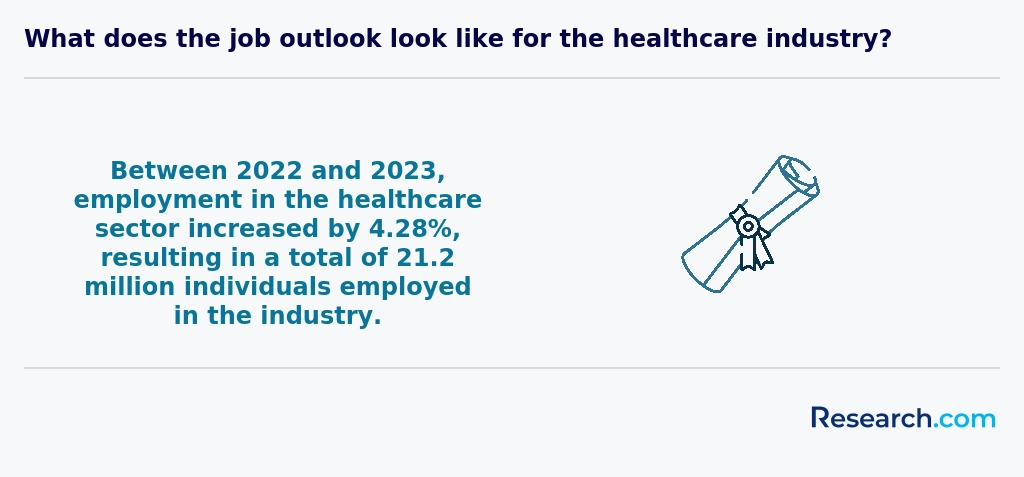
Understanding the return on investment (ROI) is essential when selecting a healthcare program. In Canton, OH, the average annual tuition for a bachelor’s in healthcare ranges from $28,000 to $32,000, while graduates report starting salaries between $42,000 and $56,000. Assuming a four-year degree at $30,000 per year, total tuition and fees amount to approximately $120,000. With an average starting salary of $50,000, most graduates recoup their educational investment within 3–4 years, factoring in living expenses and loan interest. Key factors influencing ROI include program length, graduation rate, and post-graduation employment support. Programs with strong clinical partnerships and career services often yield higher placement rates, shortening the time to full financial payoff. Additionally, prospective students seeking more cost-effective options without sacrificing quality can compare regional offerings-see our Most Affordable Online Healthcare Degree Programs Ranking in North Dakota for benchmark data on tuition versus outcomes. Ultimately, by weighing program costs against average salaries, employment rates, and financial aid opportunities, students can choose a healthcare degree in Canton, OH that delivers both meaningful careers and a strong long-term ROI.
What financial aid is available to healthcare degree students in Canton?
Students pursuing healthcare degrees in Canton often find significant financial support through federal aid programs accessed via the FAFSA. One graduate from a well-known Canton nursing school shared how Pell Grants dramatically eased their financial burden, allowing them to focus more on clinical skills than on loan debt. Looking ahead, these federal grants may expand to better accommodate the growing costs of healthcare education.
State aid, like the Ohio College Opportunity Grant, also plays a vital role-another student recalled receiving this grant, which made attending a local allied health program more affordable without sacrificing quality. Canton's healthcare employers are increasingly stepping in too; several hospitals now offer tuition reimbursement programs, encouraging employees to advance their qualifications while earning, which future candidates can expect to grow as workforce demands rise.
Private scholarships remain a hopeful option, often from national organizations focused on healthcare fields, supplementing other aid and inspiring students to pursue specialties with passion and confidence.
Certification and Licensure Outcomes
Healthcare degree programs in Canton, OH distinguish themselves not only by curriculum but by strong certification and licensure pass rates, a key indicator of program quality and student preparedness. For nursing track graduates, programs at Malone University and Walsh University report first-time NCLEX-RN pass rates exceeding 90%, reflecting rigorous clinical training and comprehensive exam prep. Allied health students aiming for credentials like Certified Professional Coder (CPC) or Registered Health Information Technician (RHIT) benefit from dedicated review workshops, with AHIMA-aligned programs achieving pass rates above 85%. These metrics align with accreditation standards from bodies such as the Commission on Collegiate Nursing Education (CCNE) and the Accrediting Bureau of Health Education Schools (ABHES), ensuring graduates meet industry benchmarks. To further support certification success, many Canton institutions integrate simulation labs and mock exams into their coursework, providing real-world scenarios for students to hone procedural and documentation skills. Career services often partner with local healthcare employers to offer coding internships-students interested in cost-effective training can explore our most affordable online medical billing and coding courses for supplemental prep. Additionally, programs maintain robust alumni networks, offering mentorship and peer-led study groups that boost confidence and reduce exam anxiety. Prospective students should review each program’s published pass rates-typically available on institutional websites or state board reports-to gauge the likelihood of success. High licensure outcomes not only enhance employability in competitive job markets but also translate into stronger return on investment, as certified professionals command higher starting salaries and more rapid career advancement in Canton’s thriving healthcare sector.
What are the prerequisites for enrolling in healthcare degree program in Canton?
To enroll in a healthcare degree in Canton, students typically need a high school diploma or GED, with strong foundations in biology, chemistry, math, and English. Graduates from local colleges often recall how a 2.5 to 3.0 GPA in these subjects helped them confidently tackle complex healthcare coursework. For example, students at Kent State University at Stark emphasize that this academic preparation, especially in science, made clinical training less intimidating and more engaging.
Many programs also request SAT or ACT scores for bachelor's applicants, although some institutions in Canton waive this if you bring relevant college credits or work experience. This flexibility can motivate those who discovered their passion for healthcare later on, making the journey feel more accessible.
Beyond academics, letters of recommendation and personal essays are vital, reflecting commitment and drive. Graduates from Stark State College share how these insights helped admissions see their dedication firsthand. Background checks and immunization proofs add another layer, preparing students to step into real healthcare settings confidently and safely.

Emerging Trends Shaping the Future of Healthcare in Canton, OH
As the healthcare landscape rapidly evolves, staying ahead of emerging trends is crucial for both students and professionals in Canton, OH. Today’s healthcare environment is increasingly influenced by advances in telehealth, digital patient records, and AI-driven diagnostics, all of which are transforming traditional care models. Institutions in Canton are adapting their curricula to incorporate these innovative concepts, ensuring that graduates are well-prepared to meet the demands of modern clinical and administrative roles. In addition to these technological advancements, emphasis on preventive care and holistic approaches-such as nutritional science-plays a vital role in promoting long-term patient wellness. Prospective students looking to broaden their expertise can benefit from exploring complementary educational pathways; for instance, they may wish to investigate what are the best online bachelors degrees in nutritional science to gain a comprehensive understanding of nutrition’s impact on overall health. Furthermore, healthcare programs in Canton are placing increased focus on interdisciplinary collaboration, encouraging partnerships between clinical practice, research, and community engagement. This integration not only enhances learning outcomes but also equips graduates with the skills to drive meaningful change in an ever-evolving industry. Embracing these trends will allow students to position themselves as forward-thinking professionals ready to tackle both current challenges and future innovations in healthcare.
What courses are typically in healthcare degree programs in Canton?
Healthcare degree programs in Canton typically include core courses like Anatomy and Physiology, Medical Terminology, Health Ethics and Law, and Pharmacology, which form the foundation of understanding patient care and healthcare environments. Students at institutions such as Stark State College and Malone University often highlight how these courses connect theory to real-life clinical situations, making learning both engaging and practical.
Beyond the basics, courses in Healthcare Systems and Policy give students a clear view of how healthcare is structured locally and nationally, preparing them for leadership roles. Many graduates speak positively about hands-on experiences through clinical rotations or internships offered by Canton colleges, emphasizing how this direct patient interaction builds confidence and skill.
Emerging courses in healthcare informatics and public health reflect Canton's shift toward technology-driven and community-focused care. Graduates often describe feeling excited about using data and digital tools to improve patient outcomes, envisioning a future where their education actively shapes innovative healthcare solutions.

What types of specializations are available in healthcare degree programs in Canton?
Healthcare degree specializations in Canton reflect both current demands and emerging trends, offering students diverse pathways to shape their futures. Graduates from local universities often highlight the practical benefits of focusing on Nursing, including Registered Nurse and Nurse Practitioner tracks, which are bolstered by strong community healthcare networks. Many express enthusiasm for Health Administration, where leadership skills learned at Canton colleges translate directly to managing hospitals and clinics adapting to an evolving healthcare landscape.
Other popular options include Public Health, where students engage with community-driven initiatives addressing Canton's unique population needs, and Medical Laboratory Science, training graduates for essential diagnostic roles within regional medical centers. Physical Therapy and Rehabilitation programs appeal especially to those motivated by Canton's aging demographic, blending clinical expertise with compassionate patient care. Increasingly, students are drawn to Health Informatics, merging healthcare and technology to innovate in patient data management.
Those exploring Canton healthcare programs career options benefit greatly from programs that emphasize real-world application and professional networking. Many find that understanding the accreditation for nursing programs offered locally ensures their qualifications meet high standards, boosting confidence as they enter the workforce.
How do you choose the best healthcare degree in Canton?
Choosing from among the best healthcare degree programs in Canton means weighing not just tuition costs but the practical training opportunities that shape real-world readiness. Graduates from popular local colleges often highlight how flexible schedules and hybrid courses enhanced their learning experience while managing work or family life. This adaptability is key in Canton's dynamic healthcare landscape.
Many students appreciate programs accredited by recognized agencies as they pave the way for licensing and certification essential for career progression. The affordable healthcare degrees Canton offers sometimes include associate degrees or certificates that swiftly launch students into roles like licensed practical nurses, while bachelor's degree programs open doors to more advanced positions and leadership roles in healthcare administration.
Looking ahead, those seeking to navigate the evolving industry can benefit from exploring healthcare career paths that blend technology with patient care. Graduates often emphasize the importance of institutions partnering with local hospitals to offer internships that increase employment rates and professional confidence.

What career paths are available for healthcare degree students in Canton?
Healthcare degree graduates in Canton have access to a diverse range of career paths fueled by the region's evolving medical landscape. Many find rewarding roles as registered nurses, physical therapists, or medical technologists, often based on valuable hands-on experience gained through clinical partnerships with local institutions like Aultman Hospital. Graduates express excitement about the growing demand for healthcare administrators and health information managers, recognizing these roles as key to improving patient care systems.
Emerging trends highlight opportunities beyond traditional clinical work. Respiratory therapists and radiologic technologists are increasingly sought after due to technological advancements and aging populations. Students from Canton-area colleges share enthusiasm about how their training includes certification prep, setting them up for promising futures. Those exploring healthcare career opportunities in Canton also consider public health and clinical research coordination, driven by regional health initiatives.
Prospective students curious about nursing can explore programs highly rated in the region, seeing hopeful futures outlined by their peers who completed nursing degrees miami rankings. These stories inspire confidence about job availability, income potential, and meaningful impact in the Canton's healthcare sector.
What is the job market for healthcare degree in Canton?
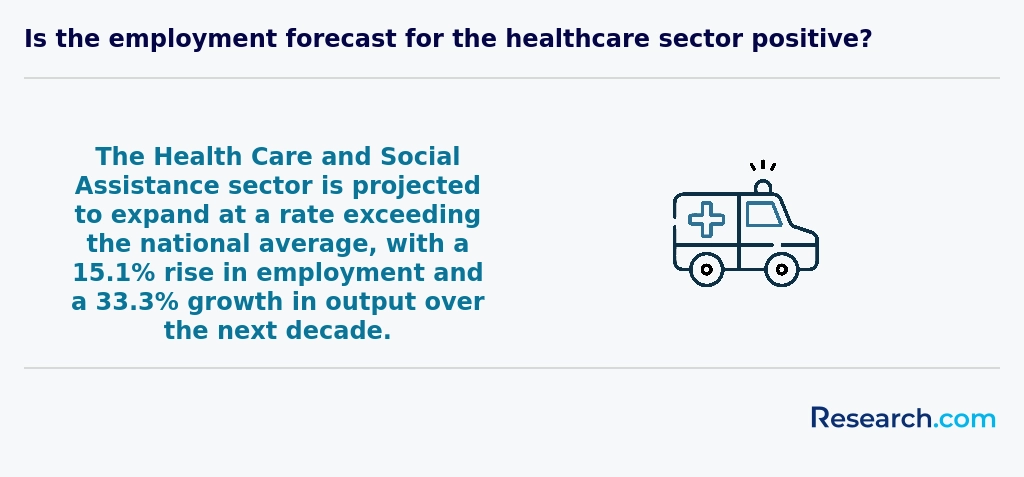
The healthcare degree job outlook Canton graduates face is promising due to the city's expanding healthcare facilities and aging population. Graduates from well-regarded local institutions often find themselves quickly employed in multi-specialty hospitals or outpatient centers, where demand for skilled nurses, administrators, and specialists remains high. Many recent graduates share positive experiences transitioning into roles with salaries that align with or surpass national averages, creating a strong incentive for pursuing healthcare careers in Canton.
Healthcare career opportunities in Canton continue evolving, especially in emerging fields like health informatics and physical therapy. Students from popular Canton colleges frequently report that practical training and internships at nearby hospitals prepare them well for these roles. The region's diverse medical settings foster career growth and stability, allowing graduates to balance rewarding work with competitive compensation.
Those choosing to study in Canton often consider institutions recognized as a valuable healthcare school in ohio. Entry-level degree costs may seem significant but are offset by strong local job prospects and salary growth. This positive environment encourages many healthcare graduates to envision long-term careers in the region.
Frequently Asked Questions About healthcare
Healthcare degree students in Canton can maximize their learning experience by engaging actively in both classroom and clinical settings. Canton is home to several accredited institutions offering practical internships at local hospitals and clinics, which is crucial because hands-on experience strengthens understanding of medical procedures and patient care.
Students should also leverage resources like Canton Public Library's health sciences section and join professional student organizations, such as the Student Nurses Association of Ohio, to network and access up-to-date research.
Maintaining a balanced schedule that includes study groups and regular consultations with advisors helps students stay on track academically. According to the Ohio Board of Nursing, clinical practice hours significantly improve job readiness for healthcare graduates in Canton.
Emerging niches within the healthcare field in Canton reflect broader national trends, emphasizing technology and specialized care. One growing area is telehealth, which expanded significantly during the COVID-19 pandemic and continues to evolve. The Centers for Medicare & Medicaid Services reported a 63-fold increase in telehealth visits nationwide by 2023, a trend mirrored locally in Canton's healthcare facilities.
Another niche is geriatric care, fueled by Ohio's aging population. The state expects a 15% increase in residents over 65 by 2030, creating demand for trained professionals in elder care, including physical therapists and gerontological nursing.
Additionally, health informatics is gaining traction in Canton, integrating data analytics to improve patient outcomes and hospital efficiency. According to the Bureau of Labor Statistics, careers in health information technology are expected to grow 15% through 2030, faster than average.
Graduates holding healthcare degrees in Canton should begin preparing for the job market by obtaining relevant certifications like CPR, Certified Nursing Assistant (CNA), or Licensed Practical Nurse (LPN), depending on their specialization. Building a strong resume with practical clinical experience is essential as local hospitals such as Mercy Medical Center and ProMedica value hands-on skills.
Networking plays a critical role in Canton's healthcare sector. Joining professional organizations like the Ohio Nurses Association or attending local job fairs at institutions like Stark State College can open doors. According to the Ohio Department of Job and Family Services, healthcare employment in Canton is projected to grow by 10% through 2030, signaling increasing demand for qualified professionals.
Continuing education and staying updated with electronic health record (EHR) software skills is advisable, as many Canton employers integrate technology in patient management. Internships and volunteer opportunities improve both skills and employability. Overall, combining certification, clinical practice, and networking improves readiness for Canton's healthcare job market.
Employers in Canton highly value healthcare degree graduates who demonstrate strong clinical skills combined with effective communication abilities. According to the Canton Chamber of Commerce 2023 workforce report, over 70% of healthcare employers prioritize candidates who can collaborate well within multidisciplinary teams.
Critical thinking and adaptability are also essential, especially given the rapidly evolving nature of medical technology and patient care guidelines. A survey by the Ohio Department of Higher Education noted that 65% of healthcare providers in Canton expect new graduates to be proficient in electronic health record systems.
Additionally, ethical decision-making and cultural competence are crucial as Canton's population grows more diverse. These skills support better patient outcomes and align with the ongoing demand for empathetic caregivers in local hospitals and clinics.
Finding internships in Canton for healthcare students involves a targeted approach combining university resources and local healthcare networks. Many institutions in Canton partner with prominent hospitals like the Cleveland Clinic and University Hospitals, which together employ thousands of healthcare professionals and offer numerous internship opportunities annually, as noted by the Ohio Department of Higher Education.
Students should start by consulting their college's career services or internship offices, which regularly update listings and provide application guidance. Additionally, exploring local healthcare facilities' websites can reveal direct internship postings, often in nursing, medical technology, and public health fields.
Professional organizations, such as the Ohio Healthcare Association, also host networking events and career fairs in Canton that help students connect with healthcare providers offering internships.
In Canton, earning a healthcare degree significantly enhances career mobility and advancement opportunities. According to the U.S. Bureau of Labor Statistics, healthcare occupations in Ohio are projected to grow by 11% from 2020 to 2030, fueling demand for qualified professionals. A degree in healthcare often qualifies graduates for licensure and certifications, which are essential for clinical and administrative roles.
Employers in Canton increasingly prefer candidates with formal education, recognizing that degrees equip individuals with up-to-date skills in patient care, technology, and healthcare management. Additionally, advanced degrees can lead to leadership positions and specialized roles, improving salary potential and job security.
Studying for a healthcare degree in Canton equips students with skills essential for interdisciplinary roles in the US healthcare system. Many programs incorporate collaborative coursework involving nursing, public health, and healthcare administration, reflecting the integrated nature of patient care today.
Canton's healthcare institutions emphasize teamwork, with clinical placements that expose students to multi-professional environments, including interactions with physicians, therapists, and social workers. According to the Canton Health Department's 2023 report, over 65% of local healthcare jobs require coordination across different specialties.
Such training prepares graduates to communicate effectively and contribute to comprehensive care plans, a crucial advantage in evolving healthcare settings.
Choosing between a thesis and a non-thesis healthcare degree program in Canton depends largely on your career goals and learning preferences. Thesis programs typically demand extensive research, culminating in a formal thesis document. This path suits students aiming for careers in research, academia, or doctoral studies. Non-thesis programs often focus more on practical skills and coursework, preparing graduates directly for clinical or administrative roles.
The University of Canton and nearby institutions report that about 40% of healthcare graduates choose thesis tracks to enhance research opportunities. Meanwhile, non-thesis options offer more flexibility and shorter completion times, appealing to working professionals in Canton's growing healthcare sector.
Students based in Canton seeking to study healthcare abroad primarily look to well-established programs in the United States. Due to Canton's proximity to major US educational hubs, many consider universities in states with renowned healthcare schools, such as New York or Massachusetts. These institutions offer a variety of options, including nursing, public health, and pre-medical programs.
According to the National Center for Education Statistics, over 30% of students from Canton enrolled in healthcare degrees choose out-of-state universities, reflecting a strong interest in diverse curricula and research opportunities. Additionally, some students explore online healthcare degrees accredited within the US, allowing them to study remotely while gaining recognized qualifications.
Exchange programs and partnerships between Canton's local institutions and US colleges also provide pathways for international healthcare education. This can be a strategic choice for those wanting exposure to different healthcare systems and clinical practices, enhancing their skills and employability.
Students pursuing healthcare degrees in Canton have various part-time job opportunities that directly complement their education. Roles such as medical assistants, pharmacy aides, or certified nursing assistants (CNAs) provide hands-on experience in clinical settings. According to the U.S. Bureau of Labor Statistics, these positions often offer flexible schedules suitable for students.
Local hospitals and clinics in Canton frequently hire part-time support staff, helping students build relevant skills while earning income. Volunteering or working in community health centers also strengthens practical knowledge and professional networking. These positions enhance understanding of patient care, medical terminology, and healthcare protocols, crucial for degree completion and future employment prospects.
Healthcare students in Canton have access to a variety of networking opportunities that can enhance their career prospects. Local universities often host health-focused career fairs, connecting students with regional hospitals and clinics. For example, the Canton Medical Center regularly partners with institutions to offer internships and shadowing programs.
Professional organizations such as the Ohio Nurses Association and the American Public Health Association hold events in or near Canton, providing chances to meet industry leaders. Additionally, Canton's proximity to Cleveland's major healthcare hub expands networking beyond the city.
According to the Ohio Board of Nursing, students who engage in these networks report stronger job placement within six months of graduation.
Alumni networks play a crucial role for healthcare degree students in Canton, offering valuable connections within the local medical community. Graduates often share job leads, internships, and volunteer opportunities that help current students gain practical experience. According to a 2023 survey by the Canton Healthcare Education Consortium, 68% of healthcare employers preferred candidates with references connected through alumni channels.
These networks provide mentoring from experienced professionals, which enhances learning beyond the classroom. Students benefit from guidance on career paths, certifications, and continuing education relevant to Canton's healthcare landscape.
Participation in alumni events can also improve networking skills and increase access to local hospitals and clinics, fostering smoother transitions into the workforce.
Customizing a healthcare degree program in Canton begins with selecting a specialization aligned to your career goals. Many local institutions offer concentrations such as nursing, public health, healthcare administration, or medical technology. According to the Ohio Department of Higher Education, tailoring coursework within these fields can improve job placement rates, which in Canton's healthcare sector rose by 6% from 2020 to 2023.
Students can also pursue elective courses or certificates in emerging areas like telehealth or health informatics, responding to regional labor market demands highlighted by Canton's Health Collaborative. Additionally, internships at Canton's growing network of hospitals and clinics provide valuable hands-on experience. Engaging with advisors familiar with Canton's healthcare landscape helps ensure your degree supports your specific career ambitions efficiently.
Healthcare students in Canton often face significant challenges related to the demanding nature of their programs. The rigorous coursework in subjects like anatomy, physiology, and pharmacology requires strong time management and study skills. Clinical placements, which are integral to the curriculum, add pressure due to the need to balance hands-on patient care with academic responsibilities.
In Canton, the competitive job market in healthcare increases anxiety among students about securing desirable positions after graduation. According to the 2023 Canton Workforce Report, nearly 35% of healthcare students report concerns about balancing tuition costs with living expenses, which affects their focus and retention rates.
Additionally, students must navigate evolving healthcare regulations and technology, requiring continuous adaptation and lifelong learning beyond graduation.
With a healthcare degree, students in Canton can pursue various professional certifications that enhance their career prospects and expertise. Popular certifications include Certified Nursing Assistant (CNA), Registered Nurse (RN) licensure, and Medical Assistant certifications. These credentials are vital for clinical roles and often required by employers.
Other options include certifications such as Certified Medical Coding Specialist and Healthcare Information Technician, addressing the growing demand for healthcare administration skills. According to the Ohio Department of Health, Canton's healthcare sector continues expanding, increasing the need for certified professionals.
Additionally, advanced certifications like Certified Health Education Specialist (CHES) can lead to opportunities in public health and patient education. These certifications typically require passing a standardized exam and meeting education or experience prerequisites.
Writing a strong application for a healthcare program in Canton begins with understanding the requirements of local institutions. Most programs require a competitive GPA, typically above 3.0, and relevant coursework in sciences such as biology and chemistry. Including volunteer or work experience in healthcare settings within Canton, where over 10,000 healthcare jobs are projected to grow by 15% through 2030 (U.S. Bureau of Labor Statistics), strengthens your profile.
Personal statements should clearly explain your motivation for entering healthcare in Canton's community, emphasizing skills like empathy and teamwork. Letters of recommendation from healthcare professionals in the area add credibility. Lastly, prepare thoroughly for any required entrance exams, such as the TEAS, to meet program benchmarks.
The global demand for healthcare professionals continues to rise, influenced by aging populations and advances in medical technology. In the United States, healthcare careers are among the fastest-growing fields, with the Bureau of Labor Statistics projecting a 13% employment growth from 2021 to 2031. Canton, Ohio, reflects this trend with a growing number of healthcare facilities and education programs supporting workforce needs.
Healthcare degrees offer opportunities not only locally but also internationally, as many skills and credentials gained in the US are recognized abroad. Professionals in nursing, allied health, and medical technology often find their qualifications valuable in global health settings. Understanding global health challenges can enhance a graduate's versatility and employability.
Students pursuing healthcare degrees in Canton can gain practical experience through several established avenues. Many local colleges and universities partner with nearby hospitals and clinics, offering clinical rotations and internships as part of their curricula. These hands-on opportunities allow students to work directly with patients under professional supervision, building essential skills.
Additionally, volunteer programs at medical centers like Mercy Medical Center and local public health organizations provide valuable exposure. According to the Ohio Board of Nursing, clinical hours are mandatory for nursing degrees in the state, with Canton schools often exceeding the minimum 500-hour requirement to ensure thorough training.
Work-study positions and research assistant roles in healthcare-related projects also support practical learning while studying.
Choosing the right concentration within a healthcare degree program in Canton requires understanding both your interests and the local job market. Healthcare fields like nursing, public health, or health informatics each offer different career paths. According to the Canton Chamber of Commerce, registered nursing roles are expected to grow by 15% in the region through 2030, highlighting strong demand.
Students should consider program accreditation, faculty expertise, and clinical opportunities available locally. For example, partnerships with Canton-area hospitals can enhance practical experience. Additionally, researching licensure requirements and future salary data through the Bureau of Labor Statistics helps align your education with career goals.
Exploring internships and speaking with current healthcare professionals in Canton can also clarify which concentration suits your skills and passion best.
Related Healthcare Rankings for Nearby Cities
- 2027 Most Valuable Healthcare Degree Programs Ranking in Akron
- 2027 Most Valuable Healthcare Degree Programs Ranking in Kent
- 2027 Most Valuable Healthcare Degree Programs Ranking in Cleveland
- 2027 Most Valuable Healthcare Degree Programs Ranking in Pittsburgh
- 2027 Most Valuable Healthcare Degree Programs Ranking in Waynesburg
- 2027 Most Valuable Healthcare Degree Programs Ranking in Tiffin
- 2027 Most Valuable Healthcare Degree Programs Ranking in Greensburg
- 2027 Most Valuable Healthcare Degree Programs Ranking in Columbus
- 2027 Most Valuable Healthcare Degree Programs Ranking in Athens
- 2027 Most Valuable Healthcare Degree Programs Ranking in Morgantown
Top Trending Healthcare Rankings
See What Experts Have To Say About Studying Healthcare
Read our interview with Healthcare experts

References
- Thesis vs. Non-Thesis Master's Programs: Which is Right for You? https://potomac.edu/thesis-vs-non-thesis-masters/
- Pre-Med Study Abroad Programs | Go Overseas https://www.gooverseas.com/study-abroad/pre-med
- Healthcare Careers & Accredited Degree Programs https://www.healthcaredegree.com/
- Trends and opportunities in healthcare across emerging markets - Inizio https://inizio.com/insights/trends-and-opportunities-in-healthcare-across-emerging-markets/
- Networking in Medicine: Build Lasting Connections l Windsor https://www.windsor.edu/networking-in-medicine-building-relationships-from-day-one/
- How to Choose a Health Administration Program https://www.healthadministrationdegrees.com/articles/choosing-a-program/
- Best Practices for Career Development and Advancement in the Healthcare Sector | Generation https://www.generation.org/news/best-practices-for-career-development-and-advancement-in-the-healthcare-sector/
- Global Health Perspectives https://globalhealthperspectives.com/
- Education requirements for the fastest-growing healthcare jobs https://www.corridorcareers.com/job-tips/blog-news-education-requirements-fastest-growing-healthcare-jobs
- The Value of Healthcare Organization Alumni Associations https://consultqd.clevelandclinic.org/the-value-of-healthcare-organization-alumni-associations


