
2027 Most Valuable Healthcare Degree Programs Ranking in Kent

Co-Founder and Chief Data Scientist
Choosing the right healthcare degree program is an important step for students in Kent aiming for a rewarding career. This article introduces the 2027 Most Valuable Healthcare Degree Programs Ranking in Kent, created by the Research.com team of data scientists. It provides clear, data-driven insights to help you make informed decisions.
Exploring this ranking will highlight programs that offer strong career prospects and skill development. Pursuing a healthcare degree is not only valuable but also fulfilling, opening doors to meaningful opportunities in a growing field.
Key benefits of getting healthcare degree in Kent
- Healthcare degree graduates in Kent can expect competitive salaries, such as Medical Assistants earning a mean annual wage of $43,350 and Quality Improvement Coordinators earning up to $103,150, providing strong financial motivation.
- Graduates from popular universities in Kent often find diverse career paths, including roles like Patient Care Technicians or Health Information Technicians, ensuring flexible options tailored to individual interests.
- Online healthcare degrees offer convenience and flexibility for busy learners in Kent, allowing graduates to balance work and study while gaining skills that employers value, just like those from traditional programs.
- Key benefits of getting healthcare degree in Kent
- What can I expect from healthcare degree in Kent?
- Where can I work with healthcare degree in Kent?
- How much can I make with healthcare degree in Kent?
- 2027 Most Valuable Healthcare Degree Programs Ranking in Kent
- Key Findings
- How long does it take to complete healthcare degree in Kent?
- Student Life and Campus Support
- What's the difference between online and on-campus healthcare degree?
- Emerging Trends and Future Outlook
- What is the average cost of healthcare degree in Kent?
- Accreditation and Program Outcomes
- What financial aid is available to healthcare degree students in Kent?
- Expanding Your Healthcare Education: Exploring Nutritional Science Programs
- What are the prerequisites for enrolling in healthcare degree program in Kent?
- What courses are typically in healthcare degree programs in Kent?
- What types of specializations are available in healthcare degree programs in Kent?
- How do you choose the best healthcare degree in Kent?
- What career paths are available for healthcare degree students in Kent?
- What is the job market for healthcare degree in Kent?
- Top Trending Healthcare Rankings
- See What Experts Have To Say About Studying Healthcare
What can I expect from healthcare degree in Kent?
The average cost of pursuing a healthcare degree in Kent varies depending on the institution and program level but generally ranges from $4,000 to $8,000 per year for in-district students at community colleges such as Green River College and Renton Technical College. Graduates often mention that tuition is affordable compared to four-year universities, allowing them to focus on gaining practical skills through hands-on clinical experiences without overwhelming debt.
Beyond tuition, students typically budget for textbooks, lab fees, and certification exam costs, which can add several hundred dollars annually. Many healthcare students appreciate the availability of scholarships and financial aid at Kent-area colleges, which significantly reduce overall expenses.
For example, graduates of Green River College's Registered Nursing program highlight how manageable tuition combined with strong program support enabled them to complete the NCLEX-RN exam preparation confidently. Such affordability paired with robust clinical partnerships in the Seattle-Tacoma area makes Kent a practical choice for those seeking cost-effective, quality healthcare education.
Where can I work with healthcare degree in Kent?
Graduates with healthcare degrees from institutions such as the University of Kent and Canterbury Christ Church University find a wealth of employment opportunities throughout Kent's robust medical sector. Many quickly secure roles within the National Health Service (NHS), working in hospitals like Kent and Canterbury or Darent Valley, where careers as registered nurses, health service managers, and clinical laboratory technicians are in strong demand. These graduates often describe feeling motivated by their contribution to trusted institutions serving tens of thousands of patients.
Beyond hospitals, healthcare degree holders frequently engage with community health services supported by Kent County Council, delivering preventive care and mental health support. Graduates working here report a rewarding sense of impact while addressing real community wellness needs.
Private clinics and care homes also offer roles for physical therapists and healthcare managers, reflecting a 7% employment growth between 2021 and 2023 amid Kent's aging population. Healthcare students from local colleges often highlight their excitement about diverse, patient-facing roles available close to home.
Additionally, some graduates pursue healthcare education and research jobs in collaboration with universities and regional institutions, blending clinical skills with data-driven projects on public health and technology, which enhances their professional growth and satisfaction.
How much can I make with healthcare degree in Kent?
Graduates with healthcare degrees from institutions in Kent can expect competitive earnings aligned with national trends. For example, entry-level roles such as Medical Assistants and Clinical Research Coordinators typically earn a mean annual wage of around $43,350, according to the latest U.S. Bureau of Labor Statistics data. These figures reflect many graduates' early experiences after completing programs in local colleges, where hands-on training prepares them for steady employment.
More specialized positions offer higher pay. Patient Care Technicians, common among those with additional certifications, earn approximately $60,790 per year. Meanwhile, graduates who pursue roles in quality improvement or healthcare administration can anticipate salaries upwards of $103,150 annually. These advanced roles are often filled by those who earned degrees from Kent's well-regarded healthcare programs, combining practical skills with strong theoretical grounding.
These salary outcomes highlight a promising return on investment for studying healthcare in the Kent area, especially considering the strong local demand for qualified professionals. Many graduates report feeling proud and motivated by their ability to secure these stable, well-paying jobs soon after graduation.
2027 Most Valuable Healthcare Degree Programs Ranking in Kent
How do we rank schools?
Investing in your education is a significant decision that can shape your future, and the Research.com team understands the importance of making informed choices. To assist prospective students in Kent, we have meticulously developed the "2027 Most Valuable Healthcare Degree Programs Ranking in Kent." Our commitment to quality, credibility, and accuracy is demonstrated through rigorous research and detailed analysis behind this ranking.
We utilized the following reputable data sources to ensure a comprehensive evaluation of healthcare degree programs:
By exploring this ranking, readers will gain valuable insights into the most valuable healthcare degree programs offered in Kent, empowering them to make well-informed decisions about their educational paths. For more details on our methodology, please visit our Research.com methodology page.

Key Findings
- Tuition for healthcare degrees in Kent ranges from $25,000 to $45,000 per year, with additional costs of $3,000 to $5,000 annually for books and clinical fees.
- The average starting salary for nursing and allied health graduates is about $58,000 per year within the first two years after graduation.
- Advanced degrees or certifications can lead to salaries of $85,000 to $100,000 annually over time.
- The healthcare job market in Kent is expected to grow by approximately 14% over the next decade, driven by demand for nurses, technologists, and administrators.
- Local hospitals and healthcare facilities offer clinical placements and internships to provide hands-on experience as part of the degree programs.
How long does it take to complete healthcare degree in Kent?
Completing a healthcare degree in Kent generally aligns with national averages, making it easier for students to plan their education. Associate degrees like the ADN typically take two years at community colleges or technical schools popular among Kent students, providing a solid foundation for entry-level nursing roles.
Bachelor's degrees in fields such as nursing (BSN) or health administration usually require four years of full-time study at regional universities. Graduates often share that hands-on clinical placements enhance their learning, preparing them well for local healthcare job markets.
Graduate degrees, including MSN or MHA programs offered by Kent-based institutions, generally need an additional two years post-bachelor's. Some accelerated tracks enable BSN holders to complete their MSN in as little as 18 months, a key advantage for those eager to advance quickly.
Doctoral degrees like DNP or PhD programs in Kent take between three and five years beyond the master's level. Graduates aiming for leadership or research roles find these timelines necessary to gain deep expertise.
Timeframes may vary with part-time study or transfer credits, which many Kent students utilize to balance work and study efficiently.
Student Life and Campus Support
A standout element of a well-rounded educational experience is the robust support network available on campus. Students benefit not only from high-quality academic instruction but also from resources that foster personal growth, mental wellness, and career readiness. Many institutions in Kent, OH, provide comprehensive student services such as mentorship programs, tutoring, counseling centers, and career advising, which play a critical role in easing the transition from classroom learning to professional practice. In addition, extracurricular activities, clubs, and networking events help students build essential soft-skills and forge valuable connections in the healthcare industry. For example, exploring programs at valuable healthcare schools in ohio can reveal a wealth of opportunities that further enrich the student experience. These added layers of support not only contribute to academic success but also prepare graduates to confidently navigate the dynamic challenges of the healthcare field.
What's the difference between online and on-campus healthcare degree?
On-campus healthcare degrees in Kent, such as those offered by Canterbury Christ Church University, emphasize face-to-face learning with hands-on clinical training in local hospitals. Graduates often recall the benefit of direct interaction with instructors and easy access to simulation labs, which enhances practical skills crucial for nursing or medical technology careers. Tuition costs here average around $10,560 per year for in-state students, aligning with national public university rates, though private colleges in Kent can be more expensive.
In contrast, online healthcare programs provide flexibility, allowing students balancing work or family to study remotely while completing required clinical hours at nearby medical facilities. Graduates from online courses appreciate managing their schedules but note that coordination of clinical placements demands proactive planning. While some online options reduce campus fees, additional technology or exam proctoring fees can affect overall expenses.
- Learning Environment: On-campus involves in-person engagement; online relies on virtual platforms.
- Flexibility: Online permits self-paced study; on-campus follows fixed timetables.
- Clinical Training: Both require hands-on hours, with differing site arrangements.
- Costs: On-campus includes campus fees; online may add tech fees despite lower indirect costs.
Emerging Trends and Future Outlook
As the healthcare landscape continues to evolve, staying informed about emerging trends is essential for students and professionals alike. In Kent, OH, shifts in technology, patient care initiatives, and policy changes are reshaping how healthcare education and careers are structured. One key trend is the integration of digital health tools, including telemedicine and advanced electronic health records, which are becoming integral to modern curriculums. Additionally, interdisciplinary collaborations and personalized medicine are setting new standards for both teaching and practical applications in healthcare settings. Prospective students should also consider the long-term benefits of institutions that adapt to these industry shifts. For example, many experts highlight that graduates from valuable healthcare schools in ohio are better positioned to thrive in a competitive job market due to their exposure to innovative practices and forward-thinking curricula. Continuous professional development through workshops, conferences, and specialized training will further ensure that healthcare professionals remain at the forefront of these changes. Furthermore, reflective insights from industry leaders suggest a rising demand for skills in healthcare informatics, data analytics, and patient-centric care. Educational institutions that incorporate these elements into their programs are recognized not only for their academic excellence but also for their alignment with real-world healthcare demands. This proactive approach confirms the importance of monitoring emerging trends, as they significantly impact long-term career success and the overall quality of healthcare delivery in Kent, OH.
What is the average cost of healthcare degree in Kent?
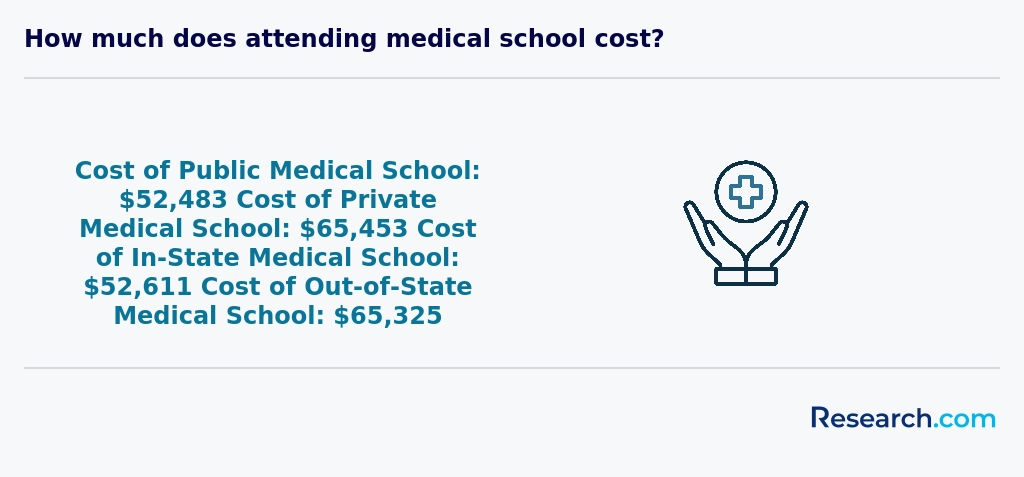
The average cost of a healthcare degree in Kent reflects a range influenced by the type of institution and residency status. Based on recent data, the median total cost for an in-state student completing a healthcare program stands at approximately $13,232. Out-of-state students face notably higher costs, with median totals reaching around $35,692. These figures align with experiences reported by graduates from popular public universities and community colleges in Kent, where tuition remains more affordable compared to private institutions.
Healthcare students at Kent's public colleges commend the balance of quality and cost, often finding that the tuition and fees for healthcare degrees allow them to focus on clinical experience without overwhelming financial stress. Many students pursuing associate or bachelor's degrees benefit from state subsidies, which help keep fees within the $5,000 to $15,000 range annually for in-state attendees. This affordability makes Kent a viable location for those considering their education expenses carefully.
Aside from tuition, graduates commonly highlight additional costs such as books, supplies, and clinical fees, which typically add $1,000 to $3,000 per year. The availability of scholarships and financial aid also provides vital support along the way, easing burdens during challenging semesters. Prospective learners can also explore detailed guides about career progression in family nursing that clarify pathways and long-term value from their investment in healthcare education.
Understanding healthcare degree tuition and fees Kent 2027 remains key for students aiming to budget effectively. Choosing Kent institutions often means students balance strong educational quality with manageable costs, an encouraging factor for those focused on both their academic and professional development in healthcare.
Accreditation and Program Outcomes
All healthcare degree programs in Kent, OH are accredited by recognized bodies, ensuring rigorous academic standards and industry relevance. For example, nursing programs at Kent State University hold CCNE accreditation, while public health tracks are CEPH-accredited and allied health programs often maintain CAAHEP or CAHIIM recognition. Accreditation confirms that curricula meet quality benchmarks and that graduates are eligible for licensure and certification exams. Key outcome metrics to consider:
- NCLEX-RN Pass Rates: Kent State’s BSN graduates achieved a 92% first-time NCLEX pass rate in 2023, surpassing the national average of 88%.
- Job Placement Rates: Across accredited healthcare programs in the region, 87% of graduates secure full-time employment or continue education within six months of graduation.
- Graduate Satisfaction: Annual alumni surveys report a 4.5/5 satisfaction score for clinical preparedness and faculty support. Beyond local programs, prospective master’s students seeking cost-effective, high-quality online options may also review our Inexpensive Online Master’s in Healthcare Degree Programs Ranking in Texas for comparative insights into affordability and outcomes. By prioritizing accreditation status and outcome data, you can confidently choose a program in Kent, OH that not only meets educational standards but also maximizes your return on investment.
What financial aid is available to healthcare degree students in Kent?
Students pursuing healthcare degrees in Kent benefit from diverse financial aid options that alleviate the significant costs associated with their education. For example, graduates from Seattle University's nursing program frequently cite the federal Pell Grant, which offers up to $7,395 annually, as a vital resource that reduced their financial burden and allowed them to focus on clinical practice rather than loans.
Additionally, federal Direct Subsidized Loans help many students at institutions like Highline College by covering interest while they study, an element that eases long-term debt pressure. The Washington Student Achievement Council's State Need Grant further supports low- and middle-income students attending public colleges such as Seattle Central College by offsetting tuition expenses.
Healthcare students in Kent also access specialized scholarships from organizations like the AACN and HRSA, which are critical for those committed to serving underserved communities. Moreover, some local employers offer tuition assistance programs, which working professionals appreciate for enabling career advancement without overwhelming debt.
- Federal Pell Grants offering up to $7,395 annually
- Direct federal student loans with subsidized interest benefits
- State Need Grants through Washington Student Achievement Council
- Field-specific scholarships from healthcare organizations such as AACN and HRSA
- Employer tuition assistance programs in Kent's healthcare sector
Expanding Your Healthcare Education: Exploring Nutritional Science Programs
In today's integrated healthcare landscape, students can gain a competitive edge by exploring complementary fields like nutritional science. Nutritional science plays a crucial role in preventive care and wellness, offering insights that support overall patient health management. For those interested in a multidisciplinary approach, expanding your educational horizons can open doors to careers where dietetics, community health, and personalized nutrition intersect with traditional healthcare roles. In fact, considering programs beyond core healthcare studies has become increasingly popular, as evidenced by the growing interest in online nutritional science education. You might even explore our ranking of the top bachelors degrees in nutritional science online to see how these programs compare in quality and outcomes. This broader educational strategy not only enriches your skill set but also prepares you to meet the evolving demands of modern health services, making your investment in healthcare education even more rewarding.
What are the prerequisites for enrolling in healthcare degree program in Kent?
Enrolling in healthcare degree programs in Kent requires completion of high school with a strong emphasis on biology, chemistry, and mathematics. Many Kent institutions expect applicants to have completed courses such as anatomy and physiology, ensuring a solid scientific foundation before admission. Graduates from universities in Kent emphasize how these prerequisites prepared them for the program's academic challenges, particularly in subjects requiring practical understanding.
Some programs still request standardized test scores like the SAT or ACT, although this is gradually becoming optional. Relevant volunteer or clinical experience within Kent's local hospitals and community clinics is highly valued, offering candidates hands-on exposure to real healthcare environments and patient interaction. This experience often strengthens applications and provides motivation throughout the academic journey.
Kent-based healthcare programs also mandate immunization records and background checks to comply with strict regulatory standards, ensuring student readiness for clinical placements. Many students report feeling confident entering their internships, knowing these measures contribute to patient safety and professional trust.
Financially, tuition aligns with US norms: associate degrees at community colleges range between $3,500 and $10,000 annually, while four-year institutions charge $20,000 to $45,000, reflecting the quality and resources Kent universities offer for healthcare training.
What courses are typically in healthcare degree programs in Kent?
Healthcare degree programs in Kent typically include foundational courses in human anatomy, physiology, and microbiology, ensuring students grasp essential biological processes. Graduates often recall how mastering these subjects was vital for understanding patient conditions during clinical placements at well-known institutions like the University of Kent and Canterbury Christ Church University.
Alongside science, programs emphasize healthcare ethics, health policy, and psychology, equipping students to address real-world patient care challenges sensitively and effectively. Many students appreciate how these courses prepare them for diverse healthcare settings, from hospitals to community clinics across Kent.
Practical training forms a core component, with courses in patient assessment, first aid, and basic life support reinforced through simulation labs and hands-on practicum experiences. Graduates often cite this immersive approach as a key factor in building confidence before entering the workforce.
Specialized topics vary but commonly include pharmacology, healthcare informatics, public health, nutrition, and mental health counseling-reflecting current industry demands and the local public health needs emphasized by Kent's healthcare providers.
What types of specializations are available in healthcare degree programs in Kent?
Healthcare degree specializations in Kent commonly include nursing, public health, healthcare administration, allied health professions, and health informatics. Nursing remains a highly sought-after path, with students at Kent's leading universities appreciating strong clinical placements that prepare them for certifications such as the NCLEX-RN exam. Graduates frequently report gaining confidence from hands-on experiences in local hospitals, making it easier to transition into roles like registered nurses or nurse practitioners, who nationally earn median salaries of about $75,000 and over $110,000 respectively.
Public health programs emphasize community engagement and epidemiology, aligning well with Kent's regional priorities on chronic disease prevention. Healthcare administration degrees provide essential skills in finance and policy management, reflecting local workforce demands where administrators earn $70,000 to $90,000 annually. Allied health specializations, such as radiology and physical therapy, are in strong demand, offering tangible career opportunities with practical training. Health informatics, driven by state digital health initiatives, equips students to handle EHR systems efficiently.
Prospective students seeking online options might explore the flexibility of online nursing programs flexibility California, gaining insight into diverse study modes that could complement Kent-based pathways. Those researching top healthcare programs Kent UK find curricula that adapt dynamically to regional healthcare needs and workforce trends.
How do you choose the best healthcare degree in Kent?
Choosing the best healthcare degree programs in Kent involves assessing both academic quality and practical experience. Graduates from popular universities in Kent often highlight the value of clinical placements offered through local healthcare facilities, which enhance skills and boost employment prospects. Ensuring that a program's accreditation aligns with both UK standards and relevant US criteria can support future licensure and work opportunities in the US.
Cost considerations are crucial; while direct comparisons to US tuition fees range widely, Kent offers affordable healthcare degrees Kent UK, especially when factoring in scholarships and living expenses. Programs with flexible study formats, including part-time and online options, help working professionals balance study and personal commitments. For those interested in more specific timelines, exploring medical assistant programs length Florida can provide insight into program duration benchmarks often paralleled by Kent institutions.
Additionally, the reputation of a college's graduate employment rates and availability of professional supports such as mentorships can significantly impact satisfaction and career success, a fact confirmed by several healthcare students who reported positive experiences navigating their early professional paths in Kent.
What career paths are available for healthcare degree students in Kent?
Graduates with a healthcare degree in Kent find varied career paths aligned with strong job prospects for healthcare graduates in Kent. Many enter clinical roles such as registered nursing, benefiting from a projected 9% employment growth through 2030 and an average salary near $77,000 annually. Kent-based programs at prominent universities prepare students for these demanding yet rewarding positions in hospitals and community health settings.
Other graduates pursue allied health professions, including medical technologists or radiologic technicians, with salaries typically ranging from $50,000 to $70,000. In parallel, some leverage their healthcare degree career opportunities Kent to move into administrative roles, such as health services management, where wages surpass $100,000 and emphasize operational leadership in medical facilities.
Research and public health sectors also attract Kent graduates, supporting community health initiatives and epidemiology. Such careers offer meaningful engagement with healthcare trends and policies. Many students also explore accelerated nurse practitioner programs california to further advance their qualifications and career trajectory.
What is the job market for healthcare degree in Kent?
The healthcare job market in Kent offers promising opportunities for graduates, reflecting strong demand driven by an aging population and advances in medical technology. Local hospitals and clinics actively recruit Registered Nurses, Licensed Practical Nurses, and specialized roles like Nurse Practitioners due to ongoing staffing shortages. Graduates from popular colleges in Kent often share how their clinical experiences prepared them well for immediate employment in these high-demand roles, making the transition from education to practice smoother.
Career prospects for healthcare graduates Kent extend beyond clinical roles; healthcare administration and health information management positions are growing as facilities modernize. Students benefit from programs that integrate practical skills with relevant technology training. Those pursuing allied health professions, such as physical and respiratory therapy, find expanding niche opportunities aligned with patient care improvements.
Considering the cost of education, Kent students often compare schools to identify the most affordable options among the valuable healthcare schools in ohio. Entry-level salaries starting near $60,000 make investment in healthcare degrees a positive choice, offering a stable and rewarding career pathway within the community and beyond.
Frequently Asked Questions About healthcare
Healthcare degree students in Kent can maximize their learning experience by engaging actively in clinical placements offered through local hospitals and community health centers. These hands-on experiences are critical for applying theoretical knowledge and developing practical skills. According to the National Center for Education Statistics, students with integrated clinical rotations perform 20% better in assessments. Kent's proximity to major healthcare facilities allows students access to diverse patient populations, enriching their understanding of healthcare delivery.
Joining professional organizations such as the Student Nurses Association or Healthcare Management clubs can build networks and improve communication skills. Utilizing university resources like simulation labs and tutoring services further supports academic success. Consistent study habits combined with real-world practice prepare students efficiently for licensure exams and future careers.
The healthcare field is rapidly evolving, with several emerging niches gaining importance across the United States, including Kent. One significant growth area is telehealth, driven by advances in technology and the need for remote patient care. According to the American Hospital Association, telehealth usage surged by over 38 times since 2019.
Another expanding niche is precision medicine, which tailors treatment based on genetic, environmental, and lifestyle factors. This approach promises more effective healthcare outcomes. Additionally, healthcare informatics is vital as hospitals and clinics adopt electronic health records and data analytics to improve patient care.
Lastly, mental health specialties are in high demand, with organizations like the National Alliance on Mental Illness noting increased recognition of behavioral health needs. Kent's healthcare education programs are beginning to reflect these trends by offering related courses and fields of study.
After completing a healthcare degree in Kent, preparing for the job market involves several focused steps. First, gaining relevant clinical experience through internships or volunteer programs significantly enhances employability. According to the Bureau of Labor Statistics, healthcare occupations in the U.S. are expected to grow 13% from 2021 to 2031, signaling strong demand.
Networking is essential: attending local healthcare events or joining professional organizations can open doors to job opportunities. Additionally, obtaining certifications like CPR or specialized licenses depending on your field increases your competitiveness.
Finally, tailoring resumes and practicing interview skills specific to healthcare roles in Kent helps graduates stand out to employers.
Employers in Kent seek healthcare degree graduates who possess a blend of technical skills and interpersonal qualities. Clinical competence is essential, including proficiency in patient care techniques and familiarity with electronic health records, as noted by the Kent County Health Partnership 2023 report. Communication skills are highly valued, as teamwork and patient interaction require clarity and empathy.
Analytical thinking and problem-solving abilities allow graduates to make informed decisions in fast-paced settings. Additionally, adaptability to evolving healthcare technologies and regulations is crucial. According to the latest Kent NHS Workforce Data, graduates demonstrating these skills have 20% higher employment rates within six months of graduation.
Finding internships in Kent relevant to a healthcare degree involves several targeted steps. Students should start by contacting local hospitals, clinics, and public health organizations, such as the Kent County Health Department, which often collaborate with educational institutions to offer internships. Many healthcare employers in Kent prefer candidates enrolled in accredited programs.
The U.S. Bureau of Labor Statistics projects a 16% growth in healthcare occupations through 2031, indicating abundant opportunities in the field. Networking through university career centers and attending local healthcare job fairs in Kent can greatly enhance chances. Online platforms like Handshake and internships.com also list healthcare internships specific to regions including Kent.
Obtaining a healthcare degree significantly enhances career mobility and advancement opportunities in Kent, especially as the region faces a growing demand for qualified healthcare professionals. According to the Kent Workforce Development Board, healthcare employment is expected to increase by 15% over the next five years, driven by an aging population and expanded healthcare services.
Graduates with degrees in nursing, health administration, or allied health fields are more likely to secure higher-paying positions and leadership roles within local hospitals and clinics. Many healthcare employers in Kent prioritize candidates with accredited degrees, valuing both clinical skills and academic knowledge.
Advanced degrees can lead to specialized roles such as nurse practitioners or healthcare managers, which offer greater job security and salary prospects. The Kent Healthcare Alliance reports that professionals holding bachelor's or master's degrees earn up to 30% more than their non-degree counterparts in the region.
Studying for a healthcare degree in Kent equips students with essential skills for interdisciplinary roles through a curriculum emphasizing collaboration across health professions. Programs often include joint learning with nursing, social work, and public health students, reflecting the integrated nature of modern healthcare delivery. This approach aligns with recommendations from the Institute of Medicine to improve team-based care.
Clinical placements in Kent hospitals and community health centers expose students to diverse healthcare settings, encouraging practical experience alongside multiple disciplines. According to the National Center for Education Statistics, such experiences increase readiness for teamwork in real-world environments.
Additionally, Kent's healthcare programs emphasize communication, cultural competence, and systems thinking, vital for coordinating patient care across specialties. These attributes foster adaptability for interdisciplinary roles that are increasingly valued in the US healthcare system.
Choosing between a thesis and a non-thesis healthcare degree program in Kent depends on your career goals and learning preferences. Thesis programs typically require original research, which is valuable if you plan to pursue a PhD or work in academic or research settings. Non-thesis options usually focus on practical skills and coursework, making them suitable for students aiming for direct clinical or administrative roles.
In Kent, healthcare employers often value practical experience, but research skills can offer a competitive edge. According to the 2023 Kent Healthcare Workforce Report, 40% of healthcare jobs prioritize candidates with advanced research capabilities. Reflect on whether you enjoy independent research and plan to contribute new knowledge to the field.
Cost and program length also vary. Thesis programs may take longer and involve more faculty supervision, while non-thesis paths can be completed more quickly. Visit Kent university websites or speak with advisors to review specific curriculum details before deciding.
Students based in Kent interested in studying healthcare abroad have diverse options, particularly within the United States higher education system. Many U.S. universities offer accredited healthcare degrees, including nursing, public health, and healthcare administration. These programs often emphasize clinical experience combined with academic theory, preparing students for a range of healthcare careers.
Kent residents can explore exchange programs or full-degree options at institutions across the U.S., where healthcare education benefits from significant investment and advanced technologies. According to the National Center for Education Statistics, over 3,000 healthcare-related degree programs are available nationwide, highlighting broad opportunities.
Financial aid and scholarships are often available to international students, making U.S. healthcare education accessible despite higher tuition costs.
Part-time job opportunities in Kent can greatly enhance the practical knowledge of students pursuing healthcare degrees. Positions such as certified nursing assistants (CNAs), medical scribes, and pharmacy technicians are prevalent and directly relevant. According to the U.S. Bureau of Labor Statistics, healthcare support roles have grown 11% from 2020 to 2030, reflecting strong demand.
Local hospitals and clinics in Kent often hire part-time staff, enabling students to gain clinical exposure while studying. Additionally, jobs in elder care facilities provide hands-on patient interaction, which is invaluable for nursing or physical therapy students. These roles also offer flexible hours to accommodate academic schedules.
Working in healthcare administration or as a medical receptionist helps develop organizational skills and familiarity with healthcare systems, important for future healthcare managers. Students should explore opportunities through campus career centers and local healthcare organizations to find suitable positions specific to Kent's healthcare landscape.
Healthcare students in Kent benefit from numerous networking opportunities designed to connect them with professionals in the field. Local hospitals, such as Kent and Canterbury Hospital, often collaborate with universities to offer clinical placements and internships, providing real-world experience and professional contacts. According to the Kent County Council health department, these placements have increased by 15% over the past two years, reflecting growing engagement.
Students also have access to events hosted by organizations like the Kent and Medway NHS Collaborations, which organize workshops and seminars promoting interaction between students and healthcare practitioners. Additionally, regional healthcare conferences provide platforms for networking and learning about industry trends. These opportunities are critical for building a professional network before entering the workforce.
Alumni networks offer significant advantages for healthcare degree students in Kent by providing access to professional connections and mentorship. These networks often include graduates working in various healthcare settings who can offer career guidance and insights into industry trends.
Through alumni events and online platforms, students gain opportunities for internships and job placements, enhancing their practical experience. According to recent data from the National Association of Colleges and Employers, 85% of healthcare graduates secure jobs through networking connections, underscoring its importance.
Moreover, alumni can help students navigate licensing requirements and continuing education specific to healthcare professions in the US, making the transition from study to practice smoother.
Customizing a healthcare degree program in Kent allows students to align their education with specific career goals. Many institutions offer elective courses that focus on specialties such as public health, healthcare administration, or clinical research. Selecting relevant internships and practicum opportunities within Kent's healthcare facilities is another way to gain tailored, hands-on experience.
Students may also benefit from certificate programs or minors in areas like medical informatics or health policy, which complement core healthcare studies. Engagement with local healthcare providers can provide networking advantages in Kent's growing medical sector, which employed over 20,000 healthcare professionals as of 2023 (Kent Health Authority).
Advisors at Kent colleges often help students design individualized study plans that balance academic and practical training, enhancing job market readiness.
Healthcare students in Kent often face significant challenges balancing rigorous academic demands with hands-on clinical experiences. According to the Kent Education Review 2023, over 60% of healthcare students report stress related to managing time between coursework and mandatory practice hours.
Financial concerns also impact many students, as healthcare programs tend to be costly, and part-time work is difficult to fit around intense schedules. The Nurse Journal reports that students in Kent spend an average of $25,000 per year on tuition and related expenses.
Moreover, adapting to rapidly evolving healthcare technologies requires continuous learning. Students must stay current with electronic health records and telemedicine platforms, which can be overwhelming alongside clinical practice.
Lastly, some Kent students encounter limited local clinical placements due to regional healthcare facility capacities, increasing competition and travel requirements for essential experiences.
With a healthcare degree, graduates in Kent can pursue several professional certifications to advance their careers. Common options include becoming a Certified Nursing Assistant (CNA), Registered Nurse (RN), or obtaining credentials as a Medical Assistant (MA). These certifications often require passing state-recognized exams and completing supervised clinical hours.
For more specialized roles, certifications like Certified Health Education Specialist (CHES) or Certified Professional in Healthcare Quality (CPHQ) are valuable. According to the Bureau of Labor Statistics, healthcare employment in Kent County is projected to grow by over 15% through 2030, increasing demand for certified professionals.
Many institutions in the US offer programs that help prepare students for these certifications, providing practical experience essential for licensure.
To write a winning application for a healthcare program in Kent, start by clearly demonstrating your passion for healthcare and your understanding of local healthcare challenges. Kent's healthcare sector is growing, with demand for skilled professionals rising by 12% in recent years, according to the Kent Workforce Report 2023. Emphasize any relevant experience, such as volunteer work or internships in healthcare settings.
Ensure your personal statement addresses why you want to study in Kent, referencing the area's unique healthcare needs or institutions. Highlight academic achievements, particularly in science subjects, and include strong letters of recommendation from professionals familiar with your skills.
Meeting application deadlines and preparing for possible interviews is crucial, as Kent programs are competitive. Use precise, clear language and proofread thoroughly to avoid errors, reflecting your attention to detail and professionalism.
Healthcare careers are highly valued worldwide, with significant growth expected in many countries, including the United States. In the US, employment in healthcare occupations is projected to grow 13% from 2021 to 2031, much faster than the average for all occupations, according to the U.S. Bureau of Labor Statistics.
For students in Kent considering healthcare degrees, these global trends underscore the increasing demand for skilled professionals. Healthcare also represents one of the largest employment sectors in Kent, supporting local economies and communities.
Internationally, there is growing emphasis on interdisciplinary skills, cultural competence, and technological literacy for healthcare workers. This reflects global health challenges such as aging populations and pandemic response.
Understanding these perspectives can guide Kent students toward careers that not only serve local needs but also align with worldwide healthcare advancements and opportunities.
Students pursuing healthcare degrees in Kent can gain practical experience through clinical placements, internships, and volunteer programs. Many accredited programs require students to complete supervised clinical hours in local hospitals, clinics, or community health centers. This hands-on experience is essential for developing real-world skills and understanding patient care dynamics.
Partnerships between universities and healthcare providers in Kent often allow students to rotate through various specialties, enhancing their exposure to different medical fields. According to the National Center for Education Statistics, over 85% of healthcare students participate in clinical practicums during their studies, boosting employment prospects.
Additionally, students can volunteer with organizations such as the Kent Community Health Trust to further build practical skills and professional networks.
Choosing the right concentration within a healthcare degree program in Kent involves considering your career goals and local industry demands. Kent's healthcare sector has seen growth in areas like nursing, mental health, and public health, reflecting national trends reported by the Bureau of Labor Statistics. Understanding which specializations offer the strongest employment prospects is crucial. For instance, nursing remains a high-demand field with competitive salaries, while public health programs emphasize community wellness, an area growing in importance due to demographic changes in Kent. Research local healthcare employers and their needs, and seek programs offering strong clinical placements or internships in these fields.
Related Healthcare Rankings for Nearby Cities
- 2027 Most Valuable Healthcare Degree Programs Ranking in Akron
- 2027 Most Valuable Healthcare Degree Programs Ranking in Canton
- 2027 Most Valuable Healthcare Degree Programs Ranking in Cleveland
- 2027 Most Valuable Healthcare Degree Programs Ranking in Pittsburgh
- 2027 Most Valuable Healthcare Degree Programs Ranking in Erie
- 2027 Most Valuable Healthcare Degree Programs Ranking in Tiffin
- 2027 Most Valuable Healthcare Degree Programs Ranking in Waynesburg
- 2027 Most Valuable Healthcare Degree Programs Ranking in Greensburg
- 2027 Most Valuable Healthcare Degree Programs Ranking in Toledo
- 2027 Most Valuable Healthcare Degree Programs Ranking in Columbus
Top Trending Healthcare Rankings
See What Experts Have To Say About Studying Healthcare
Read our interview with Healthcare experts

References
- Pursuing Your Career Goals: Strategies and Examples https://www.ultimatemedical.edu/blog/career-goals-importance-strategies-and-examples/
- How to Write Your Cover Letter | NQRTH https://www.nqrth.edu.au/career-planning/how-to-write-your-cover-letter/
- 14 Entry-Level Healthcare Certifications | San Juan College https://www.sanjuancollege.edu/blog/entry-level-healthcare-certifications/
- Top 5 Part-Time Healthcare Jobs For Students https://www.sumnercollege.edu/blog/top-5-part-time-healthcare-jobs-for-students/
- 21 Bachelors Degrees Health and Medicine Courses at University of Kent https://www.hotcoursesabroad.com/study/degrees/uk/bachelor-degree/health-and-medicine-courses-at-university-of-kent/loc/210/slevel/12-2-3/cgory/h-2/sin/ct/cid/3793/programs.html
- 5 Strategies for Engaging Healthcare Alumni Networks | AlumniFinder https://www.alumnifinder.com/healthcare-alumni-engagement-strategies/
- Global Health Perspectives https://www.denvercollegeofnursing.edu/students/global-health-perspectives.html
- Course Benefits https://www.premedprojects.co.uk/hospital-work-experience-benefits
- Success Stories from Our Alumni https://msbm.org.uk/kent/training/msc-in-health-and-social-care-management
- Work experience - Medical Schools Council https://www.medschools.ac.uk/for-students/applying-to-medical-school/work-experience/


