
2027 Most Valuable Healthcare Degree Programs Ranking in Erie

Co-Founder and Chief Data Scientist
Choosing the right healthcare degree program can shape your future in meaningful ways. For students in Erie, this article introduces the 2027 Most Valuable Healthcare Degree Programs Ranking in Erie, crafted by the skilled Research.com team of data scientists.
This ranking offers clear guidance to help you identify which programs deliver the best value and career potential. Understanding these options empowers you to make a more informed decision.
Pursuing a healthcare degree is a rewarding path filled with opportunities to make a difference. Dive in and discover what the most valuable programs in Erie have to offer.
Key benefits of getting healthcare degree in Erie
- Salary benefits: Graduates with healthcare degrees in Erie can earn competitive salaries, such as Medical Assistants averaging $43,350 annually and Patient Care Technicians earning about $60,790 each year. These figures show strong earning potential right after completing a degree.
- Career paths: A healthcare degree opens doors to diverse roles, from Clinical Research Coordinators to Quality Improvement Coordinators, offering dynamic opportunities at local institutions like Erie Community College. Graduates can find fulfilling careers that match their skills and goals.
- Online degree advantages: Earning a healthcare degree online in Erie provides flexibility that fits busy schedules, as demonstrated by graduates from local universities embracing virtual learning. This option helps students balance work, family, and studies while gaining valuable knowledge.
- Key benefits of getting healthcare degree in Erie
- What can I expect from healthcare degree in Erie?
- Where can I work with healthcare degree in Erie?
- How much can I make with healthcare degree in Erie?
- 2027 Most Valuable Healthcare Degree Programs Ranking in Erie
- Key Findings
- How long does it take to complete healthcare degree in Erie?
- Campus Facilities and Student Support Services
- What's the difference between online and on-campus healthcare degree?
- Accelerated and Dual-Degree Pathways for Healthcare Students
- What is the average cost of healthcare degree in Erie?
- Accreditation and Licensing Requirements for Healthcare Degree Programs in Erie, PA
- What financial aid is available to healthcare degree students in Erie?
- Trends Shaping the Future of Healthcare Education in Erie, PA
- What are the prerequisites for enrolling in healthcare degree program in Erie?
- Accreditation and Licensure Requirements
- What courses are typically in healthcare degree programs in Erie?
- What types of specializations are available in healthcare degree programs in Erie?
- How do you choose the best healthcare degree in Erie?
- What career paths are available for healthcare degree students in Erie?
- What is the job market for healthcare degree in Erie?
- Top Trending Healthcare Rankings
- See What Experts Have To Say About Studying Healthcare
What can I expect from healthcare degree in Erie?
The average cost of a healthcare degree in Erie is notably accessible, making it an inspiring choice for many local students. Graduates from institutions like Penn State Behrend and Mercyhurst University often describe their experience as a rewarding investment. These students benefit from a combination of moderate tuition rates and the availability of financial aid and healthcare-specific scholarships, which significantly lighten the financial load.
Many healthcare students share how the affordability of these programs in Erie allowed them to focus on gaining crucial clinical experience and excelling academically without overwhelming debt. Imagine training for a nursing career or mastering healthcare management while engaging with real patients at local hospitals, all within reach without excessive financial strain.
This supportive environment encourages students to pursue their passion fully, knowing Erie's cost of living is also reasonable compared to larger cities. The balance between cost, quality education, and practical opportunities makes healthcare degrees in Erie both achievable and deeply fulfilling.
Where can I work with healthcare degree in Erie?
Graduates with a healthcare degree from Erie's top institutions, such as local universities and colleges renowned for their allied health programs, find themselves stepping confidently into a vibrant job market. Many begin their careers at UPMC Hamot, Erie's leading hospital, where they immerse themselves in dynamic roles like nursing, radiology, or respiratory therapy. These graduates share how the hands-on training they received prepared them to thrive in fast-paced, meaningful healthcare environments.
Others discover rewarding opportunities in Erie's numerous long-term care facilities, serving as compassionate RNs or licensed practical nurses who make a real difference in the lives of elderly patients. Ambulatory care centers and outpatient clinics also welcome enthusiastic grads as medical assistants or physical therapists, where their work supports patient recovery right in the community.
Graduates passionate about mental health find fulfillment working with agencies focused on behavioral health, while those drawn to public health engage in impactful roles with local health departments. Erie's healthcare education programs also open doors for graduates eager to inspire the next generation as trainers and instructors. With each path, Erie's healthcare degree holders contribute to a healthier, stronger community.
How much can I make with healthcare degree in Erie?
Graduates with healthcare degrees in Erie are stepping into a world of promising financial opportunities. For example, medical assistants typically earn around $43,350 annually, a solid starting salary that reflects the vital role they play in patient care. Patient care technicians, another popular path for graduates from Erie's respected healthcare programs, enjoy mean wages near $60,790, providing a comfortable living while gaining hands-on clinical experience.
Health information technicians, often graduates of local colleges focusing on medical records and data management, see average earnings about $43,380 yearly, supporting crucial behind-the-scenes healthcare operations. Those advancing further may become clinical research coordinators, earning similar wages near $43,350, contributing to groundbreaking medical discoveries.
The inspiring success stories from Erie-based graduates show that with dedication, the healthcare field offers both rewarding salaries and fulfilling career paths. Specialized roles like quality improvement coordinators, who often have advanced training, earn impressive salaries exceeding $100,000, reflecting their leadership in enhancing patient care standards locally.
Studying healthcare in Erie means preparing for a thriving, respected career with competitive earnings tailored to your skills and education level.
2027 Most Valuable Healthcare Degree Programs Ranking in Erie
How do we rank schools?
Investing in your education is a significant decision that can shape your future, and the Research.com team understands the importance of making informed choices. To assist prospective students in Erie, we have meticulously crafted the "2027 Most Valuable Healthcare Degree Programs Ranking in Erie." Our commitment to quality, credibility, and accuracy is reflected in the extensive research and analysis conducted to compile this ranking.
We utilized the following reputable data sources to ensure a comprehensive evaluation of healthcare programs:
By exploring this ranking, readers will gain valuable insights into the most valuable healthcare degree programs available in Erie, enabling informed decisions about their educational and professional futures. For more details on our methodology, please visit our Research.com methodology page.

# 3 position
Lake Erie College of Osteopathic Medicine
Master of Medical Science


Key Findings
- Tuition and fees for healthcare programs in Erie range from $8,000 to $15,000 annually, which is below the national average.
- Entry-level salaries for healthcare graduates in Erie typically start between $45,000 and $50,000 per year.
- Mid-career healthcare professionals in Erie can earn between $65,000 and $80,000 annually.
- The healthcare job market in Erie is expected to grow by about 15% over the next decade, driven by local hospitals and an aging population.
- Practical training opportunities such as internships and clinical placements are available through partnerships with local healthcare facilities.
- Financial aid options, including scholarships and federal grants, help reduce the cost of healthcare education in Erie.
How long does it take to complete healthcare degree in Erie?
Completing a healthcare degree in Erie can fit beautifully into your life's pace and ambitions. Many graduates from Erie Community College share how their certificate programs, taking as little as 6 months to a year, quickly launched them into rewarding roles like Certified Nursing Assistants or Medical Assistants-proof that fast, focused training opens doors to meaningful work.
For those aiming higher, associate degrees in Nursing or Radiologic Technology from Erie's well-respected colleges usually take around 2 years. These students often describe balancing hands-on clinical experiences with supportive faculty who understand their goals, making the journey feel achievable and inspiring.
Bachelor's programs in Nursing (BSN), Health Administration, and Public Health commonly span 4 years but offer flexibility with part-time or accelerated tracks, letting students tailor their path. Graduates reveal how this flexibility allowed them to work, study, and thrive simultaneously, turning dreams into real careers.
Advanced degrees like Master's or Doctorates, though longer, empower Erie students to deepen expertise with 1.5 to 5 years of study beyond the bachelor's, opening leadership opportunities that change healthcare locally and beyond. Each step in Erie feels like a supportive, exciting climb toward an impactful future.
Campus Facilities and Student Support Services
A critical aspect often overlooked by prospective healthcare students is the campus environment and the robust support available beyond the classroom. Top-notch curriculum and cutting-edge technology are only part of the equation; state-of-the-art labs, modern classrooms, and dedicated research centers create a dynamic learning atmosphere that fosters academic excellence and personal growth. Equally important are comprehensive support services, including career counseling, academic tutoring, mental health resources, and networking events-each designed to bridge the gap between theory and practical application. Many institutions also offer strong partnerships with local hospitals and clinics, providing immersive internships that enhance real-world readiness. Exploring opportunities at a valuable healthcare school in pennsylvania can reveal how an enriching campus experience, combined with dedicated support services, equips students with the tools they need to thrive in a competitive job market. Emphasizing these elements ensures that every student not only gains specialized healthcare knowledge but also benefits from a nurturing environment that fosters long-term career success.
What's the difference between online and on-campus healthcare degree?
Choosing between online and on-campus healthcare degrees in Erie means embracing different paths toward the same rewarding goal: a fulfilling healthcare career. On-campus students at schools like Penn State Behrend enjoy vibrant campus life, engaging directly with professors and peers, and gaining hands-on experience through clinical rotations at top local centers such as UPMC Hamot. These students find energy in face-to-face collaboration that builds confidence and professional connections from day one.
Meanwhile, online learners, often balancing work and family, thrive with flexible schedules and the freedom to study anytime. Mercyhurst University's online healthcare programs empower these students to complete clinical hours locally, fitting training seamlessly into busy lives. Graduates from both formats share pride in their achievements, knowing they mastered challenging skills and earned accredited degrees recognized across Erie's healthcare landscape.
Whether in-person or online, Erie's healthcare students inspire each other with dedication and resilience, fully supported by their chosen programs to launch successful careers that impact their communities positively.
Accelerated and Dual-Degree Pathways for Healthcare Students
Healthcare students in Erie, PA increasingly seek expedited routes to licensure and advanced credentials. Accelerated bachelor’s-to-master’s and dual-degree options reduce time-to-degree while enhancing qualifications. For example, some institutions partner with regional medical centers to offer 3+1 nursing-to-MSN pathways that allow completion of a BSN in three years followed by an accelerated MSN track. Similarly, pre-health students can enroll in combined undergraduate and professional doctorate tracks that seamlessly transition from foundational coursework to clinical training. Students aiming for pharmacy careers should consider specialized accelerated pathways. Many universities now offer dedicated tracks for high-achieving undergraduates, enabling completion of both a bachelor’s degree and a PharmD in as few as six years. Prospective applicants can compare top-tier 3 year accelerated PharmD programs that balance rigorous coursework with early professional exposure. These fast-track options not only shorten the journey to clinical practice but also include integrated experiential learning, ensuring graduates enter the workforce with robust practical skills. Dual-degree options such as MSN/MHA (Master of Science in Nursing/Master of Healthcare Administration) and MD/MPH (Doctor of Medicine/Master of Public Health) allow students to diversify their skill set and command higher starting salaries. By integrating leadership, policy, and clinical practice, these programs position graduates for roles in hospital administration, health informatics, and community health leadership. When evaluating accelerated and dual-degree pathways, consider accreditation status, clinical placement support, and alumni outcomes to ensure an optimal return on investment.
What is the average cost of healthcare degree in Erie?
For students pursuing a healthcare degree in Erie, the average total tuition and fees typically amount to around $40,656 for in-state attendees, with out-of-state students facing higher costs near $57,862. These figures reflect a robust investment in your future, especially at well-regarded institutions known for their healthcare programs. Graduates from Erie colleges often speak of the value gained, highlighting how their education opened doors to meaningful careers in nursing, medical technology, or healthcare administration. The manageable cost combined with strong local support makes Erie a promising place to start your journey toward a rewarding healthcare profession.
At Erie's community colleges and universities, many students find that total tuition aligns well with the overall average cost of healthcare degree programs in Erie while benefiting from competitive state funding and scholarships. Imagine the optimistic encouragement felt by graduates who balanced coursework with real-world clinical placements, knowing their investment was paving the way toward helping communities in need. These educational pathways offer flexible and affordable options, giving you a chance to excel in healthcare fields without overwhelming financial pressure.
Beyond tuition, some students have also experienced the advantage of financial aid and support programs aimed at reducing expenses. These resources make it feasible to manage the additional costs of books, uniforms, and certification fees. Erie's strong commitment to nurturing healthcare talent creates an environment where pursuing your passion feels both achievable and inspiring. For those interested, exploring options at a valuable healthcare school in pennsylvania can provide insights into maximizing your educational investment.

Accreditation and Licensing Requirements for Healthcare Degree Programs in Erie, PA
Ensuring your healthcare degree program in Erie, PA is properly accredited is critical for licensure, transferability of credits, and employer recognition. Accredited programs meet rigorous standards set by national and regional bodies, such as the Commission on Collegiate Nursing Education (CCNE) for nursing degrees or the Commission on Accreditation of Allied Health Education Programs (CAAHEP) for allied health fields. Before applying, verify that the institution holds regional accreditation from agencies like the Middle States Commission on Higher Education (MSCHE), and confirm programmatic accreditation for your chosen specialty. Licensing requirements vary by profession. For example, aspiring registered nurses must graduate from a CCNE-accredited BSN program and pass the NCLEX-RN exam, while medical assisting students often look for CAAHEP-approved curricula to qualify for the Certified Medical Assistant (CMA) credential. Graduates aiming to become health information technicians should ensure their program aligns with the Commission on Accreditation for Health Informatics and Information Management Education (CAHIIM) standards to sit for the RHIT exam. Research clinical placement partnerships with local hospitals and clinics, as these hands-on experiences are often mandated for licensure eligibility. Cost-conscious students may also explore accredited online alternatives that maintain quality while offering flexibility and lower tuition rates. For example, prospective learners can compare accredited programs through our Inexpensive Online Healthcare Degree Programs Ranking in Mount Pleasant, MI, which highlights affordable yet reputable options. By prioritizing accreditation and understanding licensure pathways, you’ll make a well-informed investment in your healthcare education and future career.
What financial aid is available to healthcare degree students in Erie?
Students pursuing healthcare degrees in Erie are fortunate to benefit from a wide range of financial aid options that make their dreams achievable. Federal aid is a crucial starting point, with the FAFSA opening doors to Pell Grants that can cover up to $7,395 annually-grants that don't need repayment. Many Erie nursing graduates recall how this support made a real difference, easing worries about tuition costs.
Local scholarships offer another valuable lifeline. Community organizations and healthcare providers in Erie actively invest in students dedicated to serving local healthcare fields. Graduates from Erie Community College often share how these scholarships provided encouragement and financial relief during their studies.
State grants from Pennsylvania add yet another layer of support, rewarding both need and academic merit for studies at public and private colleges statewide. Hospitals and clinics in Erie also partner with students by offering tuition reimbursement and loan forgiveness, creating pathways to give back to the community without a heavy financial burden.
Finally, many Erie institutions provide flexible payment plans and institutional aid, empowering students to focus on their education while managing costs with confidence and hope.
Trends Shaping the Future of Healthcare Education in Erie, PA
As the healthcare landscape continues to evolve, staying informed about future trends is essential for prospective students. In Erie, PA, emerging technologies like telemedicine, electronic health records, and AI-driven diagnostics are transforming both the curriculum and career opportunities for healthcare graduates. Institutions are increasingly incorporating these innovations into their programs, ensuring students graduate with skills that match the ever-changing industry demands. Additionally, partnerships with community hospitals and research centers are enhancing experiential learning, which positions graduates at the forefront of patient care and health management. Experts predict that the integration of technology will not only streamline clinical processes but also open new avenues for interdisciplinary collaboration and advanced research. Prospective students looking to diversify their skillset might also consider exploring online options; in fact, many have turned to programs such as boston university mph online to find flexible learning paths while gaining cutting-edge expertise. By understanding these trends, you can make an informed decision about your educational journey and future career in healthcare. Embracing continuous learning and innovation will be key to succeeding in a field that is as dynamic as it is essential.
What are the prerequisites for enrolling in healthcare degree program in Erie?
To enroll in a healthcare degree program in Erie, you'll need a strong foundation in core subjects like biology, chemistry, mathematics, and communication. Many graduates recall how completing these courses in high school or at local colleges such as Erie Community College gave them the confidence to tackle challenging healthcare topics. This solid academic base is essential because healthcare careers demand critical thinking and precision.
Applicants typically submit official transcripts showing completion of these subjects, often with a minimum GPA around 2.5 to 3.0. Some Erie healthcare programs require passing standardized tests, though several schools now offer test-optional options, creating more accessible pathways. Students who embraced these challenges found it rewarding to see their hard work recognized during admissions.
In addition, many graduates emphasize the importance of gaining practical experience through volunteer work or clinical exposure at Erie's hospitals or community centers. Letters of recommendation and personal statements showcase your motivation and character-key qualities in the caring healthcare environment.
These prerequisites aren't obstacles but stepping stones that prepare you to thrive in Erie's vibrant healthcare education community and beyond.
Accreditation and Licensure Requirements
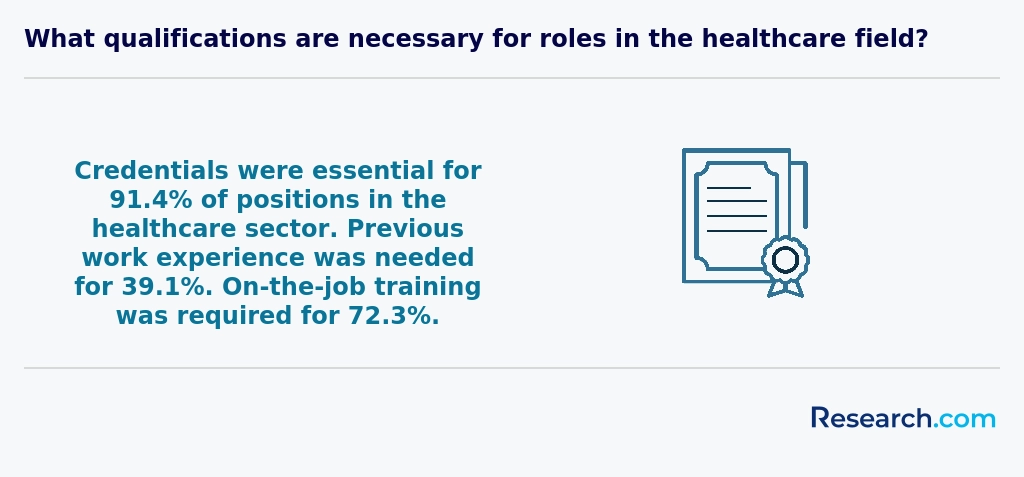
Accreditation guarantees that healthcare programs in Erie meet national standards and prepare students for certification and licensure. Before enrolling, verify each program’s accrediting body and exam pass rates.
- Nursing (ADN, BSN): look for ACEN or CCNE accreditation; graduates must pass the NCLEX-RN (typical pass rate ≥85%).
- Allied Health (Radiologic Technology, Respiratory Therapy): ensure CAAHEP or CoARC accreditation; successful completion of ARRT or CRT exams is required.
- Healthcare Administration: seek CAHME-accredited degrees; many students choose a healthcare administration degree online to combine flexibility with recognized credentials.
- State Licensure: consult the Pennsylvania State Board (e.g., Board of Nursing, Board of Medicine) for application steps, background checks, and continuing education mandates.
What courses are typically in healthcare degree programs in Erie?
Healthcare degree programs in Erie immerse students in a well-rounded curriculum designed to build confidence and expertise. Graduates often praise courses like Human Anatomy and Physiology and Medical Terminology for creating a strong foundation that makes patient care both understandable and meaningful. At popular Erie colleges, students describe hands-on classes such as Patient Care Techniques and Clinical Practices as empowering, providing real-life skills that bring textbook knowledge to life.
Many Erie programs stand out by emphasizing vital subjects like Healthcare Ethics and Law alongside Nutrition and Wellness, helping students approach healthcare with compassion and responsibility. Future professionals frequently highlight how learning Microbiology and Pharmacology Basics prepares them to make informed decisions in fast-paced medical settings.
The inclusion of Health Information Technology courses reflects Erie's forward-thinking approach, ensuring students are ready for the digital evolution in healthcare. This blend of theory and practical training in Erie's vibrant healthcare education community ignites passion and equips students to thrive in their careers.
What types of specializations are available in healthcare degree programs in Erie?
Students pursuing healthcare degrees in Erie discover a vibrant selection of specializations designed to inspire and prepare them for rewarding careers. Graduates from local universities often speak about their enriching experiences in Registered Nursing (RN), where hands-on clinical practice builds confidence while making a real difference in patient lives. Erie healthcare program concentrations also include Health Information Management, where students learn to expertly handle sensitive medical data, a skill increasingly valued in our digital age.
Others find their passion in Physical Therapy Assistant or Occupational Therapy Assistant programs, supporting recovery journeys for diverse patients, including Erie's growing senior community. These programs foster deep connections between students and those they help, creating fulfilling career paths. Medical Laboratory Technology and Public Health are additional specializations empowering students to contribute to community wellness and vital diagnostics.
For those exploring graduate options, Erie students sometimes pursue advanced training like the boston university mph online, which enhances their ability to impact public health on broader scales. These dynamic paths highlight how healthcare degree specializations in Erie open doors to meaningful, uplifting futures.
How do you choose the best healthcare degree in Erie?
Choosing the best healthcare degree in Erie means focusing on what truly inspires you and fits your lifestyle. Many graduates from Erie's community colleges and state universities share how their programs offered a supportive environment with real-world clinical experiences that brought learning to life. Whether you aim for nursing, healthcare administration, or diagnostic fields, seeing yourself thrive in hands-on settings can make all the difference. Considering affordable healthcare degrees Erie 2027 offers is empowering-enabling you to invest in your future without overwhelming debt.
Think about program flexibility too, especially if you're balancing work or family. Local institutions frequently provide part-time, online, or hybrid options that make completing your education possible without compromise. Some students have even accelerated their path through specialized tracks like 3 year accelerated PharmD programs, giving a clear route toward rewarding careers. Aligning your goals with Erie's growing healthcare job market fuels hope and confidence in your journey ahead.
What career paths are available for healthcare degree students in Erie?
Graduates pursuing healthcare degrees in Erie find a wealth of rewarding career paths that truly make a difference in the community. Many step confidently into roles like registered nurses (RNs), licensed practical nurses (LPNs), or respiratory therapists, working hands-on in notable local institutions such as UPMC Hamot or Saint Vincent Health Center. These positions offer not only fulfilling daily work but also competitive salaries and stability in Erie's growing healthcare landscape. For those drawn to leadership, healthcare administration opens doors as hospital administrators or health information managers, combining business skills with care-focused technology to improve patient outcomes.
Erie's well-known institutions, including Penn State Behrend and Erie Community College, provide excellent programs for technical careers like medical laboratory technologists or radiologic technologists. Graduates share how their education prepared them for exciting roles that are crucial within the healthcare system. If you are interested in emerging fields, physical and occupational therapy offer fast-growing, impactful pathways driven by Erie's aging population and the demand for rehabilitation services. For anyone exploring healthcare career opportunities in Erie, discovering pathways that resonate with your passion has never been more accessible or inspiring. Consider exploring options through Inexpensive Online Healthcare Degree Programs Ranking in Mount Pleasant, MI to find a program that fits your goals.
What is the job market for healthcare degree in Erie?
The healthcare job market in Erie is vibrant and growing, offering strong opportunities for graduates with healthcare degrees. Erie's well-established healthcare infrastructure, including leading hospitals and outpatient care centers, ensures steady demand for skilled professionals such as registered nurses, medical technologists, and healthcare administrators. Graduates from local universities and community colleges often share inspiring stories of securing meaningful roles soon after finishing their programs, thanks to hands-on training and partnerships with regional medical providers. The average salary for registered nurses in Erie hovers around $70,000, reflecting a balance between competitive wages and the city's cost of living, making it an attractive place to launch a healthcare career.
Many students appreciate Erie's accessible education options that reduce financial barriers, especially with opportunities to explore short certificate programs that pay well. This practical approach helps graduates quickly enter the workforce amid the expanding healthcare landscape. For those researching healthcare job opportunities in Erie, the outlook remains optimistic, fueled by continuous funding and innovative care models that broaden employment options across the region.
Erie healthcare degree employment outlook continues to brighten as the demand for healthcare services rises with an aging population and advances in medical technology. Graduates find themselves well-positioned to contribute and thrive in this dynamic market, supported by a strong community network and growing local initiatives.
Frequently Asked Questions About healthcare
Healthcare degree students in Erie can maximize their learning by taking advantage of local clinical placements and internships. Erie is home to several reputable healthcare facilities, including UPMC Hamot, which offers hands-on experience critical for skill development. According to the Pennsylvania Department of Health, Erie's growing healthcare sector provides diverse opportunities across nursing, therapy, and medical technology fields.
Students should also engage with community health programs and attend workshops or seminars by local professional organizations such as the Erie County Medical Society. These opportunities foster networking and practical knowledge. Utilizing Erie-based resources alongside accredited academic curricula prepares students well for certification exams and the regional job market.
Emerging niches within the healthcare field in Erie reflect broader national trends with a regional focus. One fast-growing area is telehealth, driven by Erie's rural communities where remote care improves access. According to the Pennsylvania Department of Health, telehealth services in Erie County increased by over 50% between 2020 and 2023.
Another notable niche is health informatics. As hospitals and clinics widely adopt electronic health records, there is a growing need for specialists who can manage and analyze healthcare data.
Geriatric care is also expanding due to Erie's aging population. Programs that prepare professionals to address the unique needs of older adults are increasingly important in local healthcare education.
After completing a healthcare degree in Erie, preparing for the job market involves several strategic steps. First, gaining hands-on experience through internships or clinical rotations is crucial, as Erie's healthcare employers prioritize practical skills. According to the Pennsylvania Department of Labor, local healthcare employment is expected to grow by 12% through 2028, emphasizing job opportunities.
Networking with local healthcare professionals and joining organizations such as the Erie County Medical Society can open doors. Additionally, obtaining necessary certifications, like the Certified Nursing Assistant (CNA) or Registered Nurse (RN) licenses, is essential for many roles.
Utilizing Erie-based job boards and career centers affiliated with your institution helps target local openings. Tailoring your resume to highlight relevant Erie healthcare experience and continuing education also improves employability in this competitive market.
Employers in Erie prioritize healthcare graduates with strong clinical skills combined with effective communication abilities. According to local health systems, proficiency in patient care, medical terminology, and technology use is essential. Erie healthcare employers also value teamwork and adaptability, especially as the sector faces evolving challenges such as an aging population and increasing chronic conditions.
The Pennsylvania Department of Labor reports that 68% of healthcare employers in Erie seek candidates who demonstrate problem-solving and critical thinking skills. Graduates familiar with electronic health records (EHR) software are notably preferred, reflecting broader national trends.
Understanding healthcare regulations and ethics further improves a graduate's job prospects in Erie's competitive market.
Finding internships in Erie relevant to a healthcare degree involves strategic research and networking. Start by exploring local healthcare facilities such as UPMC Hamot and Saint Vincent Health Center, which frequently offer internships for students in nursing, medical technology, and allied health fields. Erie's healthcare sector is growing, with over 15,000 employees, making it a strong market for practical training opportunities (Bureau of Labor Statistics, 2023).
Contacting Erie's colleges directly, like Gannon University or Penn State Behrend, can provide access to exclusive internship listings through their career services. Additionally, online platforms specific to healthcare internships, such as those hosted by the National Healthcareer Association, help identify local openings.
Networking through professional associations like the Erie County Medical Society can also connect students with mentors and internship positions. Early outreach and tailored applications increase chances of securing quality internships in Erie's healthcare environment.
Obtaining a healthcare degree in Erie significantly enhances career mobility and advancement opportunities. Erie's healthcare sector is expanding, with employers seeking qualified professionals in nursing, allied health, and public health roles. According to the U.S. Bureau of Labor Statistics, healthcare employment in Erie is projected to grow faster than average through 2030, driven by local hospitals and outpatient care centers.
A degree increases access to higher-paying positions, leadership roles, and specialized fields. It also meets state licensing requirements, essential for many healthcare careers in Pennsylvania. Graduates often benefit from professional networks and partnerships between Erie's educational institutions and healthcare providers, facilitating job placement and career development.
Healthcare degree programs in Erie emphasize interdisciplinary training to meet the region's complex health needs. Many local institutions integrate coursework across nursing, public health, and medical technology, preparing students to collaborate effectively with diverse professionals.
Erie's healthcare sector, which includes major employers like UPMC Hamot, values graduates skilled in communication and teamwork across specialties. According to the Pennsylvania Department of Labor & Industry, Erie County's healthcare employment grew by 6% over the past five years, highlighting a demand for adaptable practitioners.
Students often engage in clinical rotations and community projects that foster coordination between disciplines such as physical therapy, health administration, and emergency services.
This interdisciplinary focus equips graduates to improve patient outcomes through comprehensive care strategies, an essential competence in Erie's evolving healthcare landscape.
When deciding between a thesis and a non-thesis healthcare degree program in Erie, students should consider their career goals and learning preferences. Thesis programs typically require original research, appealing to those interested in scientific inquiry or pursuing doctoral studies. Non-thesis options often emphasize practical skills, preferred by students aiming for immediate employment in local healthcare settings.
Erie's healthcare sector is growing rapidly, with institutions like UPMC Hamot offering numerous clinical opportunities. A 2023 report by the Erie Regional Chamber highlights a 12% increase in healthcare jobs, favoring graduates with hands-on experience. This trend may influence students toward non-thesis programs that focus on applied learning.
Thesis programs can be more time-consuming, often lasting 2-3 years, while non-thesis tracks might allow quicker completion. Cost and available mentorship in Erie's universities should also factor into the decision. Understanding these aspects helps students align their education with Erie's healthcare market demands.
Students based in Erie seeking healthcare degrees abroad have several options through partnerships between Pennsylvania institutions and foreign universities. While Erie itself hosts reputable programs, including those at Gannon University, students interested in international experience can explore study abroad programs affiliated with their home colleges. These programs often include clinical placements or internships in countries like Ireland, the UK, or Australia, which maintain accreditation compatible with U.S. healthcare standards.
According to the Institute of International Education, approximately 2% of U.S. healthcare students participate in study abroad annually, reflecting growing interest in global healthcare perspectives. Erie students benefit from university advising services that help navigate accreditation requirements and licensure implications for international study. This ensures their degrees remain recognized by Pennsylvania's State Board of Medicine and Nursing.
Students pursuing healthcare degrees in Erie can benefit from various part-time job opportunities that enhance their education and professional skills. Positions such as medical assistants, pharmacy technicians, and certified nursing assistants are common and provide hands-on experience in clinical settings. Local healthcare facilities like UPMC Hamot and Saint Vincent Hospital often hire part-time staff, offering practical exposure alongside academic studies.
According to the Pennsylvania Department of Labor & Industry, healthcare support roles in Erie have seen consistent growth, with a projected increase of 12% over the next decade. These jobs can also improve understanding of patient care and healthcare administration, complementing degree coursework effectively.
Healthcare students in Erie have access to numerous networking opportunities that can enhance their academic and professional development. Local institutions such as Gannon University and Penn State Behrend often host career fairs, workshops, and guest lectures featuring healthcare professionals from Erie's growing medical community. These events allow students to connect directly with potential employers, including UPMC Hamot and Saint Vincent Health System, two of the largest healthcare providers in the region.
Additionally, Erie's healthcare sector supports various professional organizations, such as the Erie County Medical Society, which students can join or attend meetings to build contacts. Internships and clinical placements within Erie's hospitals also serve as valuable networking platforms.
Alumni networks play a vital role for healthcare degree students in Erie by connecting them to professionals across hospitals, clinics, and research centers. Erie's healthcare sector is expanding, with major employers like UPMC Hamot Health Foundation and Saint Vincent Health Systems, offering a strong local job market. Through alumni groups, students gain access to internship opportunities, mentorships, and job referrals tailored to Erie's healthcare landscape.
These networks also provide career guidance based on local industry trends. According to Erie Regional Chamber, alumni connections have helped 60% of healthcare graduates secure employment within six months. This support can be crucial for navigating Erie's competitive healthcare job market.
Customizing a healthcare degree program in Erie allows students to align their education with specific career goals. Local institutions often offer various specializations such as nursing, healthcare administration, or medical laboratory science. Erie's proximity to major hospitals and healthcare centers provides opportunities for practical experiences and internships tailored to areas like patient care or health informatics.
Students can select elective courses that focus on skills needed in Erie's healthcare job market, which has grown by over 4% annually according to the Pennsylvania Department of Labor & Industry. Many programs also support part-time study and online classes to accommodate working professionals seeking advancement.
Advisors at Erie institutions help map academic plans based on individual interests and the region's demand for healthcare specialists, making degree customization both strategic and practical.
Healthcare students in Erie face several common challenges during their studies. One major issue is balancing rigorous coursework with clinical rotations, which demand significant time and energy. According to the Pennsylvania Department of Education, Erie healthcare programs report a high dropout rate often linked to academic stress and scheduling conflicts.
Additionally, limited access to clinical placement sites in Erie hospitals and clinics can delay hands-on learning experiences. Students also frequently mention financial strain, as tuition combined with costs for textbooks, supplies, and certification exams can be burdensome. Local surveys by the Erie County Health Department highlight that 40% of healthcare students work part-time, impacting study time.
Finally, adapting to rapidly advancing medical technologies and updated healthcare regulations requires continuous learning, which some find overwhelming without sufficient institutional support.
With a healthcare degree in Erie, graduates can pursue various professional certifications to enhance their career prospects. Common certifications include Certified Nursing Assistant (CNA), Licensed Practical Nurse (LPN), and Registered Nurse (RN), each requiring specific licensure exams.
Other certifications available are in specialized fields like Medical Coding and Billing, Phlebotomy Technician, and Respiratory Therapist credentials. Pursuing these can improve job opportunities across hospitals and clinics in Erie, where demand for healthcare professionals is growing steadily according to the U.S. Bureau of Labor Statistics.
Additionally, roles in health administration and public health may require certifications such as Certified Health Education Specialist (CHES) or Project Management Professional (PMP), broadening career options beyond direct patient care.
To write a winning application for a healthcare program in Erie, start by thoroughly researching each institution's specific requirements. Erie is home to several healthcare programs, including nursing and allied health fields, with Mercyhurst University and Penn State Behrend among key options.
Focus on academic records, as strong GPA and relevant coursework improve your chances. Include healthcare-related volunteer or work experience to demonstrate commitment and practical skills.
Craft a clear and concise personal statement explaining your motivation for a healthcare career and why Erie is your preferred location. Highlight any ties to the community or local healthcare trends to show your genuine interest.
Finally, ensure all application materials are error-free and submitted before deadlines, as timely completion is crucial. According to the U.S. Bureau of Labor Statistics, healthcare jobs in Erie are expected to grow by 12% through 2030, underlining the opportunity in this region.
The global perspective on healthcare careers highlights strong demand for skilled professionals, driven by aging populations and increasing chronic diseases. In the United States, the Bureau of Labor Statistics projects healthcare occupations to grow 13% from 2021 to 2031, faster than average. Erie aligns with this trend, with local hospitals and clinics expanding services to meet regional needs, according to the Erie Regional Chamber & Growth Partnership.
Healthcare work often involves collaboration across cultures and countries, reflecting global health challenges such as pandemics. Erie's healthcare programs prepare students with relevant skills and cultural competence to serve diverse populations. Understanding global healthcare systems can widen career opportunities beyond local hospitals, enhancing adaptability and impact.
Gaining practical experience while studying for a healthcare degree in Erie is essential for building skills and improving job prospects. Many local institutions, including Penn State Behrend and Mercyhurst University, offer clinical placements and internships as part of their programs. Students typically complete supervised hours in hospitals, clinics, or community health organizations.
Erie's healthcare system, with over 10,000 healthcare workers as reported by the Erie Regional Chamber and Growth Partnership, provides numerous opportunities for hands-on experience. Participation in simulation labs and volunteer programs is also common, allowing students to apply theoretical knowledge in real-world settings.
Developing connections through internships enhances career pathways in fields such as nursing, healthcare administration, and allied health professions.
Choosing the right concentration within a healthcare degree program in Erie requires careful consideration of your interests and local job market demands. Erie's healthcare industry is growing, with a strong need for professionals in nursing, medical technology, and healthcare administration, according to the Pennsylvania Department of Labor & Industry.
Review the specific concentrations offered by local institutions, such as Mercyhurst University or Penn State Behrend, and examine their curriculum and clinical opportunities. Consider the healthcare sectors expanding in Erie, including elder care and outpatient services. Labor statistics highlight nursing and allied health roles as among the fastest-growing in the region.
Additionally, reflect on your career goals, desired work environment, and hands-on experience opportunities to make an informed choice tailored to Erie's healthcare landscape.
Related Healthcare Rankings for Nearby Cities
- 2027 Most Valuable Healthcare Degree Programs Ranking in Buffalo
- 2027 Most Valuable Healthcare Degree Programs Ranking in Cleveland
- 2027 Most Valuable Healthcare Degree Programs Ranking in Kent
- 2027 Most Valuable Healthcare Degree Programs Ranking in Akron
- 2027 Most Valuable Healthcare Degree Programs Ranking in Canton
- 2027 Most Valuable Healthcare Degree Programs Ranking in Indiana
- 2027 Most Valuable Healthcare Degree Programs Ranking in Pittsburgh
- 2027 Most Valuable Healthcare Degree Programs Ranking in Alfred
- 2027 Most Valuable Healthcare Degree Programs Ranking in Greensburg
- 2027 Most Valuable Healthcare Degree Programs Ranking in Rochester
Top Trending Healthcare Rankings
See What Experts Have To Say About Studying Healthcare
Read our interview with Healthcare experts

References
- Health Careers - Career and Technical Education https://careerandtech.e1b.org/programs/health-careers
- Networking in Medicine: Build Lasting Connections l Windsor https://www.windsor.edu/networking-in-medicine-building-relationships-from-day-one/
- Erie, PA Trade School Financial Aid: Education Grants & Scholarships https://glit.edu/financial-aid/
- What is the Timeline for Obtaining a Degree in Healthcare Management? - Healthcare Management Degree Guide https://www.healthcare-management-degree.net/faq/what-is-the-timeline-for-obtaining-a-degree-in-healthcare-management/
- How to Get Into Lake Erie College of Osteopathic Medicine ... https://medicalaid.org/blog/how-to-get-into-lake-erie-college-of-osteopathic-medicine-pa-the-definitive-guide/
- How to choose a bachelor's in healthcare administration https://www.edx.org/resources/how-to-choose-a-bachelors-in-healthcare-administration
- Client Challenge https://www.springerpflege.de/nursing-graduates-perceived-future-career-pathway-and-career-shi/50653658
- Networking for Nurses: Build Your Career https://aaams.net/blog/how-to-network-in-the-medical-field-nurses/
- Associate Degrees & Certificate Programs at EC3 https://www.ec3pa.org/pathways-to-careers-at-ec3pa
- Top 3 Reasons to Consider a Career in Healthcare https://www.roseman.edu/student-experience/news/top-3-reasons-to-consider-a-career-in-healthcare/


