
2027 Best Healthcare Degree Programs Ranking in Wisconsin

Co-Founder and Chief Data Scientist
Choosing the right healthcare degree program can shape your future and open doors to a rewarding career. This article introduces the 2027 Best Healthcare Degree Programs Ranking in Wisconsin, created by the Research.com team of data scientists. It's designed to help you make an informed decision about which programs truly stand out.
By exploring this ranking, you'll gain clear insights into quality education options tailored for Wisconsin students. Pursuing a healthcare degree offers meaningful work and the chance to make a real difference in people's lives.
Key benefits of getting healthcare degree in Wisconsin
- Healthcare degree graduates in Wisconsin can access rewarding salaries, with roles like Patient Care Technicians earning about $60,790 annually and Quality Improvement Coordinators making up to $103,150 per year, reflecting strong financial benefits.
- Graduates from Wisconsin colleges often find diverse career paths, such as Medical Assistants or Health Information Technicians, allowing flexible opportunities in clinical, administrative, or research settings.
- Online healthcare degrees from Wisconsin institutions offer convenience and flexibility, enabling students to balance work and study efficiently while gaining accredited credentials to enter the healthcare field confidently.
- 2027 Best Healthcare Degree Programs Ranking in Wisconsin
- What can I expect from healthcare degree in Wisconsin?
- Where can I work with healthcare degree in Wisconsin?
What can I expect from healthcare degree in Wisconsin?
The average cost of pursuing a healthcare degree in Wisconsin varies depending on the institution and program level. Graduates from the University of Wisconsin System, such as UW-Madison or UW-Milwaukee, often share that tuition and fees can range from roughly $10,000 to $15,000 per year for in-state students. This investment reflects the comprehensive nature of these programs, combining rigorous classroom instruction with hands-on clinical experiences that are essential for real-world readiness.
At technical colleges, healthcare students frequently find more affordable paths. Programs in medical coding or dental hygiene typically cost less, sometimes under $5,000 annually, allowing students to enter the healthcare workforce quickly without overwhelming debt. Many graduates appreciate how their practical training balances cost and career preparation, especially with strong job placement rates reported across the Wisconsin Technical College System.
Students often express gratitude for financial aid opportunities and scholarships that ease their financial burden, enabling them to focus on their studies and clinical rotations. These lived experiences reflect Wisconsin's commitment to accessible healthcare education without compromising quality or opportunity.
Where can I work with healthcare degree in Wisconsin?
With a healthcare degree in Wisconsin, graduates find themselves welcomed by a broad spectrum of employment opportunities, from bustling urban hospitals to intimate rural clinics. Many graduates from institutions like the University of Wisconsin-Madison or Marquette University share how they smoothly transitioned into roles within major health systems such as Aurora Health Care or Ascension Wisconsin, gaining valuable hands-on experience and professional growth.
Hospitals stand as the cornerstone employers, offering positions for nurses, therapists, and technologists. Graduates often describe the rewarding challenge of working in fast-paced environments where each day brings new opportunities to impact patient lives. Meanwhile, outpatient centers and long-term care facilities provide pathways for those passionate about rehabilitation and elder care, creating fulfilling careers focused on community well-being.
Graduates also highlight the appeal of non-clinical roles in health informatics and administration, especially in Wisconsin's expanding healthcare management sector. Many appreciate how these positions allow them to blend technical skills with a genuine desire to improve healthcare delivery.
Whether in Milwaukee's urban core or smaller towns, the need for dedicated healthcare professionals continues to grow, making Wisconsin a promising place to launch a meaningful career after earning a healthcare degree.
Graduates from healthcare programs at institutions like the University of Wisconsin-Madison often find themselves entering the workforce with promising salary prospects. For example, a typical Medical Assistant in Wisconsin earns around $43,350 annually, which brings a sense of financial stability early in their career. Similarly, those who trained as Patient Care Technicians report mean wages near $60,790, allowing them to support themselves comfortably while gaining valuable hands-on experience.
Health Information Technicians, who often study health informatics or related fields at colleges such as Madison College, earn approximately $43,380 per year, reflecting steady demand for data management skills in healthcare. Clinical Research Coordinators, another popular path, start near $43,350 annually, offering graduates the satisfaction of contributing to medical advances while earning a stable income. More experienced professionals like Quality Improvement Coordinators can expect salaries over $100,000, showcasing the growth potential within healthcare administration roles in Wisconsin.
- Tuition for healthcare programs in Wisconsin ranges from $10,000 to $15,000 per year at public universities and $20,000 to $40,000 at private institutions.
- Healthcare employment in Wisconsin is projected to grow by 15% over the next decade, faster than many other fields.
- Starting salaries vary by specialty, with registered nurses earning around $60,000 and physician assistants or physical therapists starting near $75,000.
- Accredited programs cover nursing, dental hygiene, public health, and medical technology, with important accreditation from bodies like CCNE and ACEN.
- Financial aid options include state grants and loan forgiveness programs for service in underserved areas, helping reduce educational costs.
Completing a healthcare degree in Wisconsin often depends on the level of education and program chosen, but many graduates find the timeline both manageable and rewarding. For instance, community college students pursuing an associate degree in Registered Nursing at Milwaukee Area Technical College typically finish within two years, quickly stepping into the workforce with confidence.
Those aiming for a bachelor's degree, such as a BSN from the University of Wisconsin-Madison, usually invest about four years of full-time study. Graduates often recall how this timeframe allowed them to build a solid foundation while forming meaningful connections with peers and faculty, which made the journey deeply fulfilling.
Advanced degrees, like master's programs for Nurse Practitioners or Physician Assistants, generally require an additional two to three years past a bachelor's, offering both challenge and opportunity to deepen expertise. Doctoral paths, including MD or DNP degrees, extend from three to six years, but graduates appreciate the extensive preparation that empowers them in their careers.
Many Wisconsin students balance school and life through part-time or accelerated programs-like the 12 to 18-month BSN routes-that reflect a practical, tailored approach to education. This flexibility often turns ambition into achievement without overwhelming daily responsibilities.
Healthcare degree programs in Wisconsin go beyond rigorous academics by offering a comprehensive array of student support services that nurture both professional and personal development. Campuses provide dedicated career counseling, mentorship programs, and internship placement services that help students connect with industry professionals and secure practical experience. In addition, robust academic tutoring, modern research facilities, and resume-building workshops equip students with the tools necessary to excel in their studies and transition seamlessly into the workforce. Universities also emphasize mental health and well-being, offering counseling services and peer support groups that foster a balanced and productive campus life. For prospective students mindful of budget considerations, exploring options like the cheapest healthcare school in wisconsin can provide a manageable path to quality education without sacrificing essential resources. These integrated support systems not only enhance academic performance but also build a lifelong network that paves the way for career success in the evolving healthcare landscape.
Choosing between online and on-campus healthcare degrees in Wisconsin often comes down to how you prefer to balance life, learning, and practical experience. Graduates from the University of Wisconsin system frequently share how online programs offer the invaluable freedom to study from home while managing work or family, a true benefit for busy adults. Yet, they also emphasize the need for self-motivation to succeed without the structure of in-person classes.
Conversely, graduates from technical colleges highlight the immersive nature of on-campus programs. Attending in person means hands-on clinical practice, essential for nursing or public health careers, where learning happens through labs and face-to-face interaction. The energy of campus life and direct support from faculty create a nurturing environment that many find boosts confidence and skill development.
In Wisconsin, tuition differences can influence decisions-online courses sometimes cost less, but in many four-year schools tuition remains comparable. Whichever path students choose, the emphasis on accredited programs, such as those recognized by ACEN, assures employers of graduates' competence.
Navigating licensure and certification is a critical step for healthcare graduates in Wisconsin, ensuring compliance with state regulations and enhancing employability. Most clinical roles, such as Registered Nurse (RN) or Physical Therapist (PT), require passing a national examination administered by the Wisconsin Department of Safety and Professional Services (DSPS). For example, aspiring RNs must pass the NCLEX-RN and apply for state licensure within 60 days of graduation, submitting official transcripts and a background check. Physical therapists follow a similar process, taking the National Physical Therapy Examination (NPTE) and fulfilling Wisconsin’s jurisprudence requirements. Beyond primary licensure, many specializations demand additional credentials. Health Information Technicians should pursue the Registered Health Information Technician (RHIT) certification through the American Health Information Management Association (AHIMA), while clinical research coordinators often obtain the Certified Clinical Research Professional (CCRP) designation. Maintaining these certifications typically involves continuing education units (CEUs), which vary by profession-nurses require 30 hours every two years, whereas therapists may need up to 50 contact hours biennially. Graduates should consult the DSPS website regularly for updates on renewal deadlines and CEU providers. For students planning advanced studies or leadership roles, consider expanding your credentials with a master’s degree. Many online programs offer flexibility to complete CEUs alongside coursework-explore our Affordable Online Master's in Healthcare Degree Programs Ranking in New Jersey to compare cost-effective pathways and accreditation standards that align with Wisconsin’s certification requirements.
The average cost of a healthcare degree program in Wisconsin reflects a balance between in-state affordability and the higher expenses often faced by out-of-state students. Graduates from popular institutions such as the University of Wisconsin campuses describe the overall experience as rewarding, especially considering the median in-state total cost hovers around $13,450. This figure allows many local students to pursue their healthcare studies with less financial strain compared to private programs.
However, the story differs for those attending private schools like Marquette University or Concordia University Wisconsin, where tuition fees contribute to a median total cost closer to $44,542. These graduates often find value in the specialized healthcare degrees offered, such as advanced nursing or physician assistant studies, despite the greater financial investment.
Many students reflect positively on managing these costs by exploring financial aid options and scholarships prevalent in Wisconsin healthcare degree tuition and fees. Practical experiences from their clinical placements and lab work add meaningful depth beyond the numbers, making the investment feel worthwhile.
For students weighing their options, researching the cheapest healthcare school in Wisconsin can open pathways to affordable education without compromising quality. Understanding these costs early helps build realistic budgets and aligns expectations.
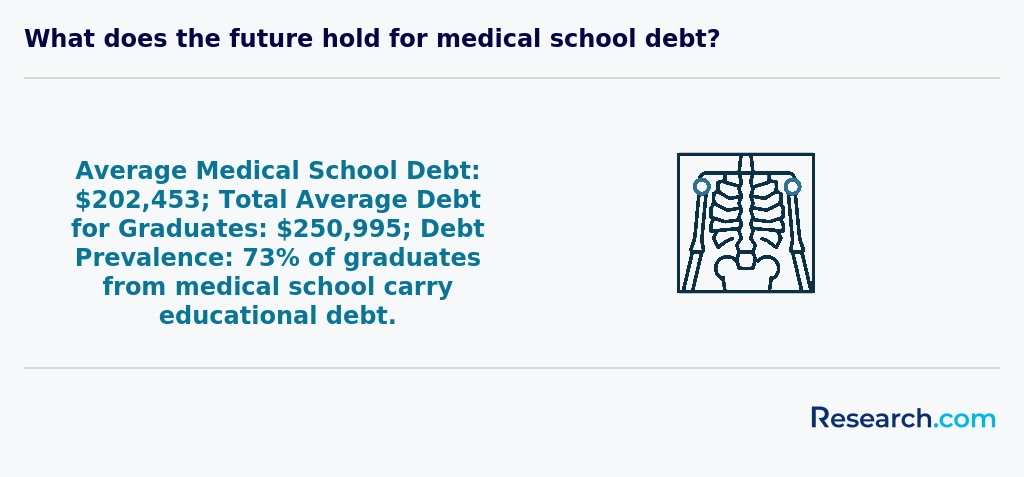
For many aspiring healthcare professionals, assessing the financial feasibility of their education is as crucial as evaluating academic excellence. Students often look for a balance between quality instruction, hands-on training, and a long-term return on investment that justifies the upfront costs. In this regard, understanding tuition fees, potential debt accumulation, and future earning potential provides a clear picture of how well a program meets both educational and financial goals. Prospective students are encouraged to compare different programs by closely examining factors such as in-state versus out-of-state tuition, available scholarship opportunities, internship stipends, and career placement rates upon graduation. Moreover, for those seeking a financially sustainable pathway to success, our comprehensive rankings also spotlight institutions that offer remarkable value. For example, you can learn more about the cheapest healthcare school in wisconsin and how it can serve as a viable option if affordability is a primary concern. This focused analysis not only reinforces the credibility of your educational investment but also empowers you to make informed decisions that align with your career aspirations in the ever-evolving healthcare landscape.
Many students pursuing healthcare degrees at institutions like the University of Wisconsin-Madison or Marquette University find that federal aid is a crucial lifeline. Applying for FAFSA is often their first step, unlocking access to Pell Grants that can cover a substantial part of tuition, sometimes up to $7,395 a year. Graduates frequently recall how these grants eased their financial stress during clinical rotations, allowing them to focus more on hands-on learning than bills.
Federal loans, such as Direct Subsidized and Unsubsidized Loans, offer manageable borrowing options, often covering additional expenses like fees and housing. Some students at the Medical College of Wisconsin share how federal work-study opportunities also helped balance earning income without overwhelming their demanding schedules.
State grants like the Wisconsin Grant and Wisconsin Higher Education Grant provide invaluable support for in-state healthcare students, often topping $3,000 annually. Many graduates speak fondly of these programs enabling them to stay enrolled without excessive debt.
Targeted scholarships from organizations such as the Wisconsin Nurses Foundation offer both financial relief and motivation, especially for those committed to serving local communities. Additionally, loan forgiveness and tuition reimbursement programs tied to employment in underserved Wisconsin areas turn dedication into rewarding career pathways.
In today’s competitive educational landscape, many aspiring healthcare professionals are drawn to accelerated programs that offer a quick pathway to entering the field. These programs are designed to condense coursework and clinical training into a shorter time frame without compromising the quality of education. Students benefit from streamlined processes that focus on essential skills and hands-on experiences, preparing them for immediate entry into the workforce. For example, enrolling in quick medical assistant programs can provide practical training and early career exposure, allowing individuals to gain valuable insights while reducing time-to-employment. Accelerated healthcare programs not only help reduce the overall duration and cost of education but also cater to individuals balancing work, family, or other commitments, making them especially attractive for mid-career professionals seeking a change. Designed with industry demands in mind, these tailored curricula integrate modern teaching methods and current clinical practices, ensuring graduates are well-prepared to meet the evolving challenges of the healthcare sector.
Enrolling in a healthcare degree program in Wisconsin often begins with meeting foundational requirements like holding a high school diploma or GED, ensuring you have the basic academic skills needed for success. Graduates from the University of Wisconsin system recall how completing high school courses in biology and chemistry gave them a confident start, making complex subjects more approachable.
Many programs, especially those at popular institutions like Madison College, expect applicants to perform well on standardized tests such as the ACT or SAT. This requirement helps confirm readiness for the rigorous coursework ahead. You might also encounter prerequisites in college-level anatomy or physiology, which former students describe as essential stepping stones that build their scientific understanding and spark enthusiasm for healthcare.
Beyond academics, clinical programs emphasize background checks and immunization proof, reflecting Wisconsin's commitment to patient safety, something graduates often mention as reassuring when entering real-world healthcare settings.
Volunteering or work experience in healthcare settings is also frequently recommended, offering valuable firsthand insight. Many find that these experiences not only strengthen applications but deepen their passion for patient care, making their journey both fulfilling and inspiring.
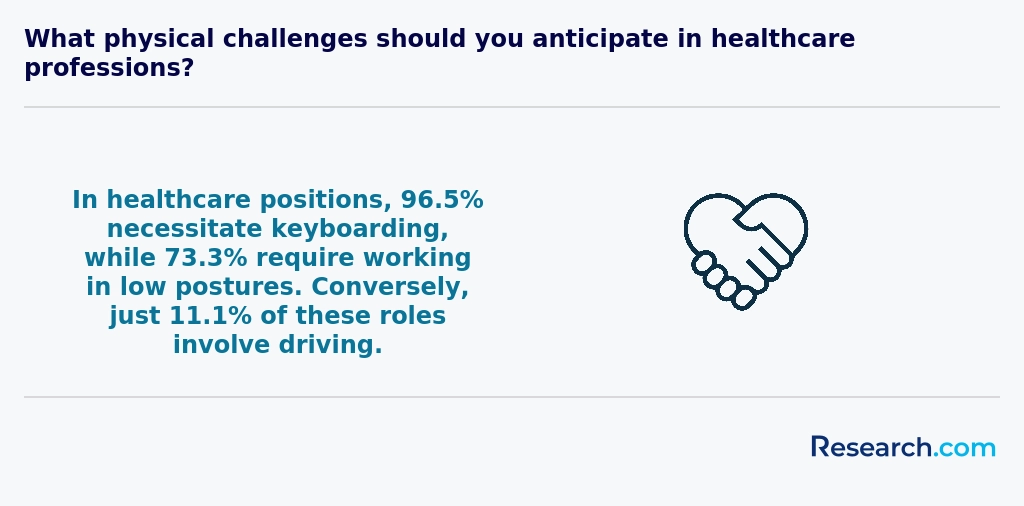
One of the most telling indicators of a program’s quality is the career success of its graduates. In Wisconsin, top healthcare degree programs report impressive alumni outcomes: the University of Wisconsin-Madison boasts a 95% job placement rate within six months of graduation, Marquette University achieves 92%, and the University of Wisconsin–Eau Claire reports 90%. These figures reflect the strong partnerships these institutions maintain with regional hospitals, clinics, and public health agencies, ensuring that students transition seamlessly into roles such as registered nurses, health information technologists, and clinical research coordinators. Beyond placement rates, median starting salaries underscore the financial return on investment for graduates. Recent data show that Wisconsin healthcare alumni command a median entry-level salary of $58,000 annually, with graduates in specialized roles-such as health informatics analysts or physical therapy assistants-often exceeding $62,000. Employers consistently praise new hires’ readiness, citing hands-on practicum experiences and interprofessional collaboration skills honed during internships and capstone projects. For students considering sub-specialties or diagnostic imaging careers, our analysis of the state’s top sonography offerings can be an invaluable resource. Those interested in exploring the most rigorous and outcomes-focused programs should review our best diagnostic medical sonography programs, which highlights institutions with the highest certification exam pass rates and employer satisfaction scores.
Healthcare degree programs in Wisconsin consistently include a thoughtful blend of science and practical courses that prepare graduates for real-world challenges. In universities like the University of Wisconsin-Madison or Marquette, students often emphasize the foundational importance of human anatomy and physiology, which brings to life the complexity of the human body, making clinical skills more intuitive later on.
Many graduates recall how microbiology and biochemistry classes deepened their understanding of disease processes, which was invaluable during clinical rotations where infection control protocols mattered greatly. Medical terminology courses help students communicate confidently with healthcare teams and patients alike, fostering smooth collaboration in fast-paced environments.
Courses in healthcare ethics and communication stand out as vital in Wisconsin's diverse clinical settings. Graduates reflect on how these classes shaped their ability to approach patient care with compassion and respect, especially understanding confidentiality laws unique to the state.
More hands-on topics like clinical pharmacology and health assessment offer immersive experiences, often praised by those who trained at institutions such as Concordia University Wisconsin. These courses hone diagnostic and patient interaction skills, reinforcing confidence before entering demanding healthcare roles.
For those pursuing health administration, classes in healthcare policy, finance, and information systems provide critical insights to manage healthcare facilities effectively within Wisconsin's evolving system. Overall, the carefully structured curriculum creates a strong foundation that graduates find both challenging and rewarding, reflecting the state's growing demand for knowledgeable healthcare professionals.
Healthcare degree specializations in Wisconsin reflect a thoughtful alignment with both local workforce demands and evolving national trends. Graduates from respected institutions like the University of Wisconsin-Madison and Marquette University often speak warmly about the strong emphasis on Nursing, including paths to become Registered Nurses or advanced Nurse Practitioners, given Wisconsin's projected 15% growth in nursing jobs. Others find fulfillment in Healthcare Administration programs, gaining practical skills to lead hospitals and clinics through today's complex healthcare environment.
Many students appreciate specializations in Public Health, which vividly connect classroom theories with community outreach efforts across Wisconsin, fostering a strong sense of purpose. Health Informatics, a rapidly expanding specialization, excites graduates eager to bridge healthcare and technology, managing crucial patient data in innovative ways. Options like Physical and Occupational Therapy or Dietetics appeal to those passionate about hands-on rehabilitation and wellness.
Exploring the breadth of Wisconsin healthcare program specialization options can also lead students toward quick medical assistant programs, offering accelerated routes into healthcare. This variety allows each student to find their own rewarding path in Wisconsin's supportive educational landscape.
Choosing the best healthcare degree in Wisconsin means reflecting deeply on what fits your career goals and lifestyle. Graduates from well-known schools like the University of Wisconsin-Madison often emphasize the importance of accredited programs with strong clinical partnerships, such as those with UW Health or Aurora Health Care. These connections offer valuable hands-on experience and smoother transitions into the workforce. Many found that understanding local employment trends helped-Wisconsin's healthcare industry is growing steadily, which makes programs in nursing, health information management, and allied health fields especially appealing.
Affordability also plays a big role; public universities in Wisconsin often provide quality education with tuition costs below the national average, making affordable healthcare degrees in Wisconsin accessible without sacrificing rigor. When weighing options, consider practical details like NCLEX pass rates or certification exam success, which show program effectiveness. Some students exploring less common paths explored the best diagnostic medical sonography programs, finding strong job prospects and rewarding career outcomes.
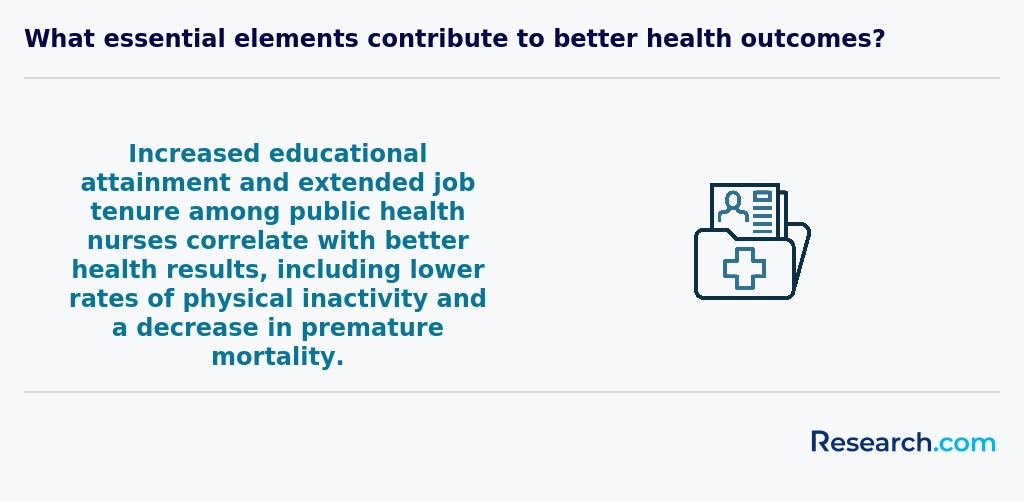
Graduates of healthcare degree programs in Wisconsin find themselves well-positioned for a range of fulfilling career opportunities. Many alumni from respected institutions such as the University of Wisconsin and Marquette University share how their education opened doors to roles like registered nurses, licensed practical nurses, and physical therapists. These careers allow them to engage directly with patients, often in hospitals or community clinics, where they experience the rewarding impact of their work firsthand. This real-world connection is a key motivator for those pursuing healthcare career opportunities in Wisconsin.
Others have pursued administrative paths, becoming medical and health services managers who ensure that clinics and hospitals run efficiently. For graduates interested in blending healthcare with technology, emerging fields like healthcare informatics offer exciting possibilities, especially in Wisconsin's growing healthcare infrastructure. The combination of hands-on patient care and innovative health tech solutions reflects the diverse nature of top healthcare jobs for graduates in Wisconsin.
Many students from Wisconsin colleges appreciate how the state's supportive environment, including financial aid and local workforce initiatives, motivates their success. Those exploring advanced degrees can also benefit from options like the Affordable Online Master's in Healthcare Degree Programs Ranking in New Jersey, broadening their horizons beyond state borders.
The healthcare job outlook in Wisconsin presents encouraging opportunities for graduates, with expected employment growth of around 15% by 2030. Graduates from well-regarded institutions like the University of Wisconsin-Madison often find rewarding roles in nursing, health services management, or allied health fields, thanks to the state's expanding healthcare infrastructure in cities such as Milwaukee and Green Bay. This steady demand inspires confidence among students who appreciate knowing their skills will meet workforce needs.
Healthcare graduates report that the competitive salaries - such as the median nurse wage near $68,000 - ease the pressure of educational investment and build financial stability early in their careers. The variety of programs available-from affordable public universities to private colleges-makes training accessible. For those balancing work and study, exploring resources like 1 year masters programs can offer flexible paths.
Many Wisconsin healthcare graduates feel optimistic about their prospects because employers like Aurora Health Care actively seek skilled professionals, enhancing Wisconsin healthcare employment opportunities. This positive labor market fuels a sense of purpose and community impact for those entering the field.
2027 Best Healthcare Degree Programs Ranking in Wisconsin
Investing in your education is a significant decision that can shape your future, and the Research.com team understands the importance of making informed choices. To assist prospective students in Wisconsin, we have meticulously crafted the "2027 Best Healthcare Degree Programs Ranking in Wisconsin." Our commitment to quality, credibility, and accuracy is reflected in the extensive research and analysis conducted to compile this ranking.
We utilized the following reputable data sources to ensure a comprehensive evaluation of healthcare programs:
By exploring this ranking, readers will gain valuable insights into the best healthcare degree programs available in Wisconsin, enabling more informed decisions about their educational paths. For more details on our methodology, please visit our Research.com methodology page.


# 13 position
University of Wisconsin-Eau Claire
Bachelor of Science in Health Care Administration Leadership


Frequently Asked Questions About healthcare
Healthcare degree students in Wisconsin can maximize their learning experience by engaging in both academic and practical opportunities. Wisconsin hosts several well-regarded institutions offering healthcare programs, such as the University of Wisconsin system, known for integrating hands-on clinical experiences with classroom instruction.
Students should take advantage of internships and externships offered through local hospitals and clinics, including partnerships within the Milwaukee and Madison health systems. According to the Wisconsin Department of Health Services, the demand for healthcare professionals is expected to grow by 11% through 2030, making practical experience vital for future job readiness.
Participating in student organizations and research projects can also enhance learning by fostering professional skills and networking. Utilizing campus resources like tutoring centers and advising improves academic success. Staying informed on state healthcare trends via sources like the Wisconsin Hospital Association enables students to align their education with evolving local industry needs.
The healthcare industry in Wisconsin is evolving rapidly, creating new opportunities for specialized education. Emerging niches include telehealth, health informatics, and geriatric care. Telehealth has grown significantly, especially after the COVID-19 pandemic, offering remote healthcare services to rural parts of the state where 30% of residents live, according to the Wisconsin Department of Health Services.
Health informatics involves managing patient data using technology and is critical for modern healthcare systems. Wisconsin's hospital systems increasingly seek professionals skilled in this area.
Additionally, with Wisconsin's aging population-nearly 20% are over 65-there is high demand for expertise in geriatric nursing and elder care management.
After completing a healthcare degree in Wisconsin, preparing for the job market involves several strategic steps. First, gaining practical experience through internships or clinical rotations is essential, as Wisconsin employers highly value hands-on skills. According to the Wisconsin Department of Workforce Development, healthcare occupations are expected to grow 16% by 2030, indicating strong demand.
Networking is also crucial. Joining professional associations like the Wisconsin Healthcare Association can provide connections and job leads. Additionally, obtaining relevant certifications, such as Certified Nursing Assistant (CNA) or Registered Nurse (RN) licenses, enhances employability. Utilizing university career services helps refine resumes and interview skills oriented toward Wisconsin's healthcare employers.
Employers in Wisconsin seek healthcare degree graduates who demonstrate strong clinical skills combined with effective communication. According to the Wisconsin Department of Health Services, proficiency in patient care and medical technologies ranks highly among desired competencies.
Critical thinking and problem-solving abilities are also essential, especially as healthcare providers navigate increasingly complex patient needs and electronic health records systems. Employers value graduates who can adapt quickly to changing protocols.
Additionally, teamwork and cultural competence are crucial. Wisconsin's diverse population requires healthcare professionals to understand different backgrounds and provide inclusive care. Data from the Wisconsin Healthcare Association highlights that soft skills like empathy and collaboration improve patient outcomes significantly.
Overall, a blend of technical expertise and interpersonal skills defines the top attributes employers want in local healthcare graduates.
Finding internships in Wisconsin related to healthcare degrees involves several strategic steps. Start by exploring the resources provided by your college's career services, as many Wisconsin institutions have partnerships with local hospitals and clinics. Organizations like the Wisconsin Hospital Association list internship opportunities across the state.
Healthcare in Wisconsin employs over 350,000 people, making it a robust field with numerous internship options in hospitals, long-term care facilities, and public health organizations. You should also consider state government health departments and federally qualified health centers, which regularly offer internships.
Networking is crucial; attend job fairs held at universities such as the University of Wisconsin system, and engage with professional groups like the Wisconsin Public Health Association. Online platforms focused on Wisconsin healthcare positions can help you find updated listings tailored to your degree focus.
Obtaining a healthcare degree in Wisconsin significantly enhances career mobility and advancement opportunities. The state's growing healthcare sector, with over 300,000 healthcare workers as reported by the Wisconsin Department of Workforce Development (2023), demands qualified professionals with formal education.
Graduates holding a healthcare degree often qualify for higher-paying roles, such as registered nurses, healthcare managers, or specialized therapists. According to the U.S. Bureau of Labor Statistics, the median wage for Wisconsin healthcare practitioners was approximately 15% above the state average in 2022, reflecting strong demand.
Furthermore, a degree offers access to licensure and certifications required for advanced positions. Many healthcare employers in Wisconsin prioritize candidates with accredited degrees, which improves job stability and upward mobility within clinical and administrative fields.
Studying for a healthcare degree in Wisconsin equips students with skills essential for interdisciplinary roles, a growing demand in the state's healthcare sector. Wisconsin's programs emphasize collaboration among fields, such as nursing, public health, and healthcare administration, preparing graduates to work effectively in team-based environments.
Many institutions incorporate practical experiences through partnerships with local hospitals and clinics, offering exposure to diverse healthcare professionals. According to the Wisconsin Department of Health Services, interdisciplinary coordination improves patient outcomes and reduces costs, making these skills highly valued.
Curricula often include training in communication, leadership, and informatics, reflecting national standards like those from the Institute of Medicine, which advocates for interdisciplinary education in healthcare.
Choosing between a thesis and a non-thesis healthcare degree program in Wisconsin depends largely on your career goals. Thesis options are often research-focused, ideal for students interested in academic or clinical research roles. Non-thesis programs emphasize practical skills and professional training, suitable for those planning to enter healthcare practice more quickly.
According to the Wisconsin Department of Health Services, the state anticipates a 16% growth in healthcare jobs through 2030, highlighting the demand for practical skills. Graduate programs at universities like the University of Wisconsin system and Marquette University offer both tracks. Research-based degrees may take longer to complete due to the thesis component, often involving original research under faculty supervision.
Non-thesis programs typically allow faster completion and more hands-on experience, which employers highly value in clinical settings. When deciding, consider whether you aim for a research career or direct patient care. Reviewing specific program outcomes and speaking with advisors can also clarify which path aligns with your professional objectives.
Students based in Wisconsin who wish to study healthcare abroad have several pathways through U.S. institutions offering international exchange programs and study abroad options. Many Wisconsin universities with healthcare degrees, such as the University of Wisconsin, participate in partnerships that allow students to gain clinical experience or complete coursework in countries with advanced medical systems. These opportunities often focus on public health, nursing, and global health initiatives.
According to the Wisconsin Department of Health Services, healthcare remains a leading employment sector in the state, encouraging students to seek diverse international experiences to enhance their careers. Additionally, programs recognized by U.S. accreditation bodies ensure that credits earned abroad transfer smoothly back to Wisconsin institutions.
Students are advised to consult with academic advisors and study abroad offices to select programs that align with licensure requirements and Wisconsin healthcare standards.
In Wisconsin, students pursuing healthcare degrees can benefit from various part-time job opportunities that complement their education. Working as a medical scribe or a pharmacy technician allows hands-on experience with patient care and medical terminology. These roles help build crucial skills while studying.
Additionally, roles such as certified nursing assistants (CNAs) or emergency medical technicians (EMTs) are common. Wisconsin's Department of Workforce Development reports that healthcare support jobs are projected to grow by over 15% between 2020 and 2030, highlighting strong demand for these positions.
These jobs provide practical exposure and improve a student's resume for future healthcare roles.
Healthcare students in Wisconsin have access to strong networking opportunities through universities, professional organizations, and state-wide healthcare events. Many Wisconsin institutions, like the University of Wisconsin system, host career fairs and alumni networking events that connect students to local healthcare providers and industry leaders.
The Wisconsin Healthcare Workforce Report highlights a growing demand for skilled healthcare professionals, encouraging collaboration between students and employers. Students can join organizations such as the Wisconsin Society for Healthcare Education, which offers seminars and mentorship programs.
Additionally, clinical placements and internships in top health systems across Wisconsin provide valuable hands-on experience and professional connections.
Alumni networks play a crucial role in supporting healthcare degree students in Wisconsin by connecting them with experienced professionals throughout the state. These networks offer mentorship opportunities, helping students navigate internships and job placements more effectively. Wisconsin's healthcare sector is expected to grow by over 15% by 2030, according to the Wisconsin Department of Workforce Development, which increases demand for strong professional connections.
Students benefit from access to workshops, seminars, and job fairs organized by alumni associations. Furthermore, networking with graduates who work in local hospitals and clinics can provide insights into workplace culture and emerging healthcare trends specific to Wisconsin.
Alumni often share job leads and recommend candidates, giving current students a competitive advantage in the state's healthcare job market. This ongoing support helps build lasting career foundations within Wisconsin's healthcare system.
Customizing a healthcare degree program in Wisconsin allows students to align education with their unique career goals. Many universities offer flexible curricula, including elective courses in areas like public health, healthcare administration, or specialized clinical practice. Students can often choose internships or practicum placements in Wisconsin's diverse healthcare settings, such as urban hospitals in Milwaukee or rural clinics. This practical experience enhances job readiness in specific fields.
Additionally, some programs provide options for certificate additions or dual degrees, enabling deeper expertise or broader qualifications. Wisconsin's Department of Workforce Development reports a steady growth of 15% in healthcare jobs through 2030, highlighting opportunities across many specialties. Students should consult academic advisors to tailor course selections effectively to their desired healthcare sector.
Healthcare students in Wisconsin often face significant challenges balancing rigorous coursework and clinical training. Programs frequently require about 60 to 80 credit hours alongside demanding hands-on experiences, which can be stressful for many.
Financial concerns are common. According to the Wisconsin Department of Public Instruction, average tuition and fees for healthcare-related associate degrees can exceed $10,000 annually, not including living expenses. This financial burden may deter some from completing their programs.
Additionally, the state's healthcare workforce shortage, especially in rural areas, increases competition for quality clinical placements. Limited opportunities can delay student progress and reduce practical experience.
Students must also keep pace with evolving healthcare technologies and compliance regulations to remain competitive in Wisconsin's dynamic medical field.
With a healthcare degree in Wisconsin, graduates can pursue a variety of professional certifications that enhance employment opportunities. Common certifications include Certified Nursing Assistant (CNA), Licensed Practical Nurse (LPN), and Registered Nurse (RN) licenses. For those interested in specialized fields, credentials like Certified Medical Assistant (CMA) or Emergency Medical Technician (EMT) are widely recognized.
The Wisconsin Department of Safety and Professional Services oversees many of these certifications, ensuring statewide standards. According to the Wisconsin Department of Workforce Development, healthcare occupations are among the fastest-growing sectors, reflecting the demand for certified professionals.
Advanced certifications such as Certified Professional Coder (CPC) or credentials in healthcare administration also offer career advancement, especially in clinical and administrative roles.
Writing a strong application for a healthcare program in Wisconsin requires clear focus and attention to detail. Start by researching the specific program's prerequisites, as many require coursework in biology, chemistry, and anatomy. Highlight your relevant experience, such as volunteering or work in healthcare settings, to demonstrate practical skills and commitment.
Many Wisconsin healthcare programs, including nursing and allied health, value high academic performance, particularly in science courses. The University of Wisconsin System reports that competitive applicants often have GPAs above 3.0. Additionally, crafting a compelling personal statement that explains your passion for healthcare and career goals can significantly enhance your application.
Ensure letters of recommendation come from professionals familiar with your abilities and character. Finally, prepare for possible entrance exams or interviews, as they are common in selective programs across the state.
Globally, healthcare careers are viewed as essential to public well-being and economic stability. In the United States, including Wisconsin, demand for healthcare professionals is rising rapidly due to an aging population and advances in medical technology. The Wisconsin Department of Workforce Development projects a 15% growth in healthcare occupations by 2030, outpacing many other fields.
Internationally, healthcare workers often benefit from strong government support and robust training programs. In the US system, degrees from accredited institutions are crucial for licensure and employment. Wisconsin's educational institutions align with national standards, preparing graduates for both local and global healthcare challenges.
Global health trends emphasize skills such as cultural competency, technology use, and interdisciplinary teamwork. Wisconsin students gain exposure to these through diverse clinical experiences and community health initiatives, which strengthens their readiness for worldwide healthcare demands.
Gaining practical experience while studying for a healthcare degree in Wisconsin is essential for developing skills and improving job prospects. Many programs require clinical rotations or internships as part of their curriculum. These experiences typically take place in hospitals, clinics, or community health centers across the state.
Wisconsin hosts numerous healthcare facilities, such as the Froedtert & the Medical College of Wisconsin health network, which often collaborate with universities to offer hands-on training. According to the Wisconsin Department of Health Services, clinical placements in diverse settings allow students to work with real patients under supervision, which enhances learning.
Additionally, some schools encourage participation in research projects or volunteer work at local organizations like the Wisconsin Medical Society. These opportunities provide valuable exposure to healthcare practices and broaden practical knowledge while studying.
Choosing the right concentration within a healthcare degree program in Wisconsin requires careful consideration of your interests and career goals. Healthcare fields range from nursing and public health to health informatics and medical laboratory science. Wisconsin's Department of Workforce Development projects a 12% growth in healthcare occupations through 2030, indicating strong job prospects.
Evaluate local demand by reviewing the Wisconsin Healthcare Workforce Report, which highlights shortages in areas like nursing and mental health counseling. Consider programs accredited by recognized bodies, such as the Commission on Accreditation of Allied Health Education Programs (CAAHEP), to ensure quality training.
Also, explore hands-on learning opportunities available through Wisconsin's healthcare institutions, as practical experience is critical for licensure and employment.
- 2027 Best Online Healthcare Degree Programs Ranking in Minnesota
- 2027 Best Online Healthcare Degree Programs Ranking in Iowa
- 2027 Best Online Healthcare Degree Programs Ranking in Illinois
- 2027 Best Online Healthcare Degree Programs Ranking in Michigan
- 2027 Best Online Healthcare Degree Programs Ranking in Indiana
- 2027 Best Online Healthcare Degree Programs Ranking in Missouri
- 2027 Best Online Healthcare Degree Programs Ranking in Kentucky
- 2027 Best Online Healthcare Degree Programs Ranking in Kansas
- 2027 Best Online Healthcare Degree Programs Ranking in Tennessee
- 2027 Best Online Healthcare Degree Programs Ranking in Arkansas
See What Experts Have To Say About Studying Healthcare
Read our interview with Healthcare experts

- Wisconsin health insurance plans https://www.uhc.com/individuals-families/wisconsin
- The impact of postgraduate education on career advancement in healthcare https://sets.com.ua/journals/vol-3-no-2-2024/the-impact-of-postgraduate-education-on-career-advancement-in-healthcare
- Education requirements for the fastest-growing healthcare jobs https://www.corridorcareers.com/job-tips/blog-news-education-requirements-fastest-growing-healthcare-jobs
- Niche Markets in Healthcare: How to Find & Target https://nechayadvisors.com/blog/niche-markets-in-healthcare
- Health Sciences Study Abroad Programs - Healthcare Abroad https://www.ceastudyabroad.com/academic-discipline/health-sciences
- Thesis vs. Non-Thesis Master's Programs: Which is Right for You? https://potomac.edu/thesis-vs-non-thesis-masters/
- How to Succeed in a Difficult Job Market After Graduation https://www.hospitalrecruiting.com/blog/6542/how-to-succeed-in-a-difficult-job-market-after-graduation/
- Top 5 Part-Time Healthcare Jobs For Students https://www.sumnercollege.edu/blog/top-5-part-time-healthcare-jobs-for-students/
- Online Degree vs. Traditional: Choosing the Right Path https://beal.edu/online-degree-vs-traditional/
- Reaching Out into the Community at High School of Health Sciences - FullScale https://www.fullscalelearning.org/cw/reaching-out-into-the-community-at-high-school-of-health-sciences/





