
2027 Best Online Doctorate in Healthcare Degree Programs Ranking in New York

Co-Founder and Chief Data Scientist
Choosing the right online doctorate in healthcare degree program can feel overwhelming, especially with so many options available in New York. This article presents the 2027 Best Online Doctorate in Healthcare Degree Programs Ranking in New York, carefully compiled by the Research.com team of data scientists. It aims to help you make a confident and informed decision about your education journey.
Exploring these top programs can open doors to exciting career opportunities and personal growth. Whether you're advancing your skills or shifting careers, this guide supports your goals with trustworthy insights.
Key benefits of getting online healthcare degree in New York
- Salary for healthcare degree graduates: Graduates can expect strong earning potential, with roles like Program Director, Healthcare offering a mean annual wage of $129,330 and Healthcare Services Researcher averaging $112,380, reflecting rewarding financial opportunities.
- Career paths: A healthcare graduate from a well-known New York university might explore diverse roles such as Research Director, Principal Scientist, or Chief Development Officer, each providing meaningful ways to impact health systems and community wellbeing.
- Benefits of online degrees: Online healthcare degrees from respected New York institutions offer flexibility and convenience, allowing students to balance studies with personal life while gaining valuable skills applicable in real-world healthcare settings.
- 2027 Best Online Doctorate in Healthcare Degree Programs Ranking in New York
- What can I expect from online healthcare degree in New York?
- Where can I work with online healthcare degree in New York?
What can I expect from online healthcare degree in New York?
The average cost of an online healthcare degree in New York varies widely depending on the institution and program level, but it generally ranges from about $15,000 to $40,000 for a bachelor's or master's program. Graduates from well-known schools like SUNY or NYU often note the significant investment but emphasize the value of accredited programs that meet state standards, making the expense feel worthwhile. Some graduates describe the financial commitment as challenging but motivating, especially when scholarships or federal aid help reduce the burden.
For many students, balancing work and coursework while enrolled online at these institutions creates a tangible connection between cost and convenience. The flexibility offsets some concerns about price, as they can continue earning an income and gain relevant clinical experience locally. However, prospective students should carefully assess what exactly their tuition covers-some programs may charge additional fees for clinical placements or materials.
This financial variability encourages a cautious approach. While affordability is key, students often express satisfaction knowing that accredited New York-based programs prepare them well for licensure and career advancement.
Where can I work with online healthcare degree in New York?
Graduates with an online healthcare degree in New York often find themselves navigating a diverse job market shaped by the state's vast healthcare system. Many pursue roles in hospital administration and management at leading institutions like NewYork-Presbyterian or Mount Sinai, where overseeing patient care and compliance fuels a meaningful impact on community health. These career paths reflect what alumni from the City University of New York and Pace University describe as rewarding environments that balance challenge with a clear sense of purpose.
Others leverage their degrees in public health agencies such as the New York State Department of Health, contributing to disease prevention and health policy. Graduates report excitement in shaping community wellness and adapting responsively to emerging public health needs. At the same time, some turn to healthcare consulting firms, applying technical expertise to optimize operations and integrate new technologies-work that graduates from St. John's University highlight as intellectually stimulating and dynamic.
Furthermore, academic and research institutions provide avenues for those inclined toward policy research or teaching, particularly for those with advanced degrees from universities like Columbia or NYU. Increasingly, healthcare technology companies in New York's growing tech hubs recruit professionals skilled in data analysis and informatics, careers praised by recent graduates for their innovation and fast-paced nature. While these opportunities are promising, choosing the right path depends heavily on individual interests and the ability to adapt within New York's evolving healthcare landscape.
Graduates from online healthcare programs in New York frequently find roles with competitive salaries reflecting the state's demand for skilled professionals. For example, a Program Director in Healthcare can expect a mean annual wage of about $129,330, according to BLS May 2023 data. Similarly, Healthcare Services Researchers, Research Directors, and Principal Scientists earn around $112,380 annually, demonstrating strong earning potential for those entering research-focused careers.
Those pursuing leadership roles like Chief Development Officers earn a mean salary near $95,600. Graduates from well-known institutions such as New York University or Columbia University often report feeling confident about these salary prospects, noting how their online degrees helped them balance work and study while positioning themselves for such advantageous roles.
It is important to recognize that while these salaries are attractive, actual earnings depend on experience, certifications, and the specific healthcare sector. Some graduates highlight challenges in entering higher-paid positions immediately but express optimism about long-term career growth given New York's expansive healthcare industry.
- Tuition for online healthcare degrees in New York ranges from $15,000 to $40,000, with public universities offering generally lower rates than private ones.
- Healthcare employment in New York is projected to grow by about 15% over the next decade, above the national average.
- Entry-level salaries for healthcare graduates typically start between $55,000 and $65,000 per year, while experienced managers and practitioners can earn from $90,000 to over $120,000 annually.
- Programs should be accredited by agencies like CAAHEP or ACEN to meet quality standards and support licensure.
- Licensing in New York may require passing national exams and completing supervised clinical hours, with some in-person requirements despite online coursework.
The time to complete an online healthcare degree in New York varies widely, shaped by the program level and delivery format. Graduates from institutions like the University at Albany or Stony Brook University often share that associate degrees can take about two years full-time, but many appreciate the flexibility to extend part-time studies beyond that. Bachelor's degrees, typical for fields such as Nursing or Healthcare Administration, generally require around four years full-time; however, those balancing work or family sometimes extend their studies over five or six years without feeling overwhelmed.
For advanced degrees, the experience differs. Master's degree students at schools like Hunter College report completing programs in two to three years full-time, though accelerated options can shrink this to 12-18 months, an appealing route for professionals with relevant backgrounds. Doctoral candidates at institutions like CUNY highlight a completion range of three to six years, often influenced by research progress and practicum placements. Many find this challenging but rewarding, especially when supported by structured program deadlines and flexible online formats.
Across New York, the ability to tailor pacing-whether at public or private universities-helps students maintain motivation and manage financial or personal obligations. While the New York State Education Department ensures program quality, individual circumstances remain key in determining completion time.
In today’s rapidly evolving healthcare landscape, staying informed about emerging trends is key to shaping a forward-thinking career. This section explores how digital innovations-such as telemedicine, artificial intelligence, and data-driven patient care-are redefining online healthcare education and practice in New York. Students and professionals alike are now expected to adapt to a dynamic environment where technological advancements and evolving clinical practices create new career pathways. For instance, the growing integration of biotechnology in healthcare has opened doors to specialized roles; to explore these promising avenues, consider learning more about what careers are in biotechnology. Additionally, insights into remote patient monitoring, digital health records management, and the rise of virtual care platforms can empower graduates to not only enter but thrive in a competitive job market. By understanding these trends, you can better align your educational goals with the future needs of the healthcare industry, ensuring long-term career success and innovation.
Choosing between online and on-campus healthcare degrees in New York involves more than just location; it reflects different learning styles and personal circumstances. For instance, graduates from SUNY schools often highlight how on-campus programs provide valuable hands-on experience, especially in nursing or physical therapy, with direct access to campus labs and affiliated hospitals. These immersive settings can foster confidence and professional connections.
Conversely, graduates from online programs at institutions like Excelsior College appreciate the flexibility to balance work and family while studying. They describe the convenience of accessing lectures and discussions from home or even during commutes, making education attainable despite demanding schedules. However, these students sometimes note the challenge of arranging on-site clinical hours independently, which can feel isolating without face-to-face peer support.
Tuition costs also vary, and while some online offerings may seem cheaper upfront, additional fees or clinical requirements might offset savings. Both formats require accreditation by New York State authorities to ensure graduates are eligible for licensure, yet the choice often comes down to how students envision integrating education with their lifestyles and career goals.
Prospective students often search for “online healthcare degree curriculum New York” to understand the academic journey ahead. Most online doctorate programs in healthcare in New York require 60–72 credit hours, blending core courses, research seminars, and a capstone project. A well-structured curriculum ensures mastery of leadership, policy analysis, and advanced research techniques, all delivered through intuitive digital platforms. Core Courses: • Advanced Epidemiology and Biostatistics – Develops skills in study design, data analysis, and interpretation of health trends. • Healthcare Policy and Regulation – Covers federal and state healthcare laws, compliance standards, and policy development. • Organizational Leadership in Healthcare – Explores strategic management, team dynamics, and change leadership within complex systems. • Health Economics and Finance – Teaches budgeting, cost–benefit analysis, and financial decision-making in healthcare institutions. • Qualitative and Quantitative Research Methods – Provides hands-on experience with mixed-method research designs and ethical considerations. Elective Modules and Specializations: • Telehealth Innovations – Examines remote care technologies, patient engagement tools, and digital health ethics. • Public Health Informatics – Focuses on data management, electronic health record systems, and predictive analytics. • Global Health Systems – Offers comparative study of international healthcare models, resource allocation, and cross‐cultural collaboration. • Community Health Leadership – Emphasizes program planning, grant writing, and stakeholder partnership in underserved areas. Capstone Project and Dissertation: In the final year, candidates apply theoretical knowledge to a real-world healthcare challenge-often partnering with New York hospitals or public health agencies. Students receive faculty mentorship through virtual advisement sessions and peer feedback via collaborative online forums. Credit Structure and Delivery: • Typically 8–10 courses plus dissertation credits. • Asynchronous lectures complemented by scheduled live workshops. • Multimedia case studies and immersive virtual labs. For students balancing cost considerations, you may also explore the Cheapest Online Healthcare Degree Programs Ranking in Tennessee to compare tuition models and financial aid options.
The average cost of an online healthcare degree in New York typically centers around $14,130 in total, reflecting a blend of factors including program level and institution type. Graduates from popular universities within the State University of New York (SUNY) system often recall that the affordability combined with flexible online formats allowed them to balance work and study effectively, which contributed positively to their educational experience. However, private institutions tend to charge higher tuition, sometimes up to $45,000 annually, making the total expenses for healthcare doctorate programs in New York vary widely depending on the program and school.
Students pursuing advanced degrees such as a Doctor of Nursing Practice (DNP) or Doctor of Health Administration face tuition ranging between $30,000 and $60,000, a sum that includes additional costs like technology fees and course materials. These extra expenses often catch students by surprise but are integral to the comprehensive training required in healthcare fields. Many graduates value the opportunity to customize their financial plans, utilizing scholarships, employer tuition reimbursement, or flexible payments to manage these costs effectively.
Understanding the average cost of online healthcare degrees in New York involves more than just tuition numbers. Reflecting on stories from recent alumni at institutions known for their healthcare programs reveals how balancing academic demands with financial realities is a shared journey. For instance, some appreciate the transparent breakdown of costs and available resources in these programs, which eased financial stress and heightened their motivation.
Prospective students should consider all potential fees and financial aids carefully, alongside determining production costs related factors, to get a realistic view of their investment. Researching individual programs deeply can guide choices, ensuring both educational quality and financial feasibility align with personal goals.
Online doctorate programs in healthcare in New York not only emphasize advanced theoretical learning but also offer unique opportunities for groundbreaking research and comprehensive dissertation support. In these rigorous online doctoral programs, students engage with a specialized curriculum designed to fuse high-level coursework with real-world research applications. Expect modules that cover advanced healthcare policy analysis, clinical research methodologies, data analytics for healthcare, and leadership in healthcare innovation. Many programs structure dedicated research tracks where students collaborate with top industry experts and benefit from personalized mentorship. Comprehensive dissertation workshops, peer-review groups, and digital resource libraries are key components that guide students through conceiving, developing, and defending their original research. These support mechanisms ensure that candidates not only build a robust knowledge base but also gain the confidence and practical skills needed to contribute innovative solutions to today’s healthcare challenges. SEO-friendly research insights, clear performance metrics, and proven academic outcomes enhance the appeal of these programs. Prospective students benefit from learning about faculty research interests, opportunities for funded projects, and ongoing partnerships with renowned New York healthcare institutions. By choosing an online doctoral healthcare program with strong dissertation support, you position yourself to lead transformative change in healthcare while achieving a rewarding and impactful career.
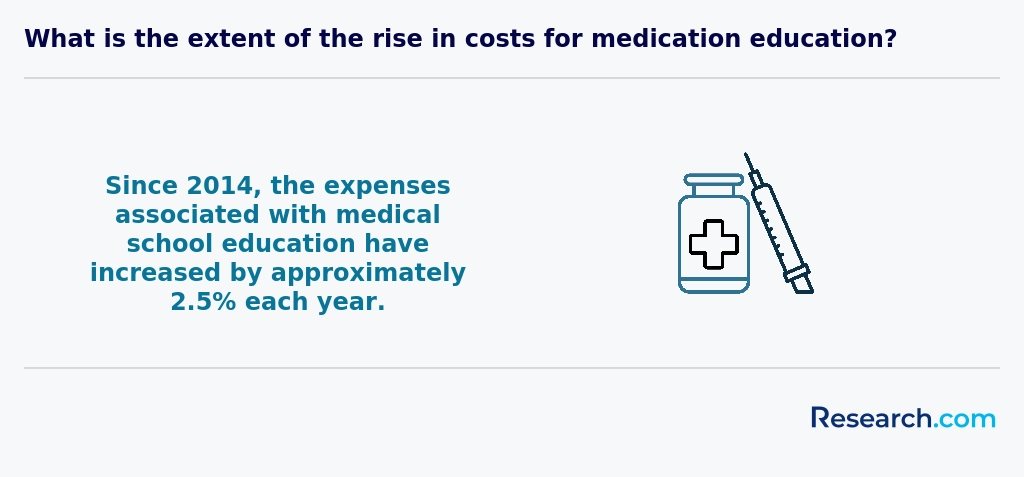
Students pursuing online healthcare degrees in New York often rely on a mixture of federal and state financial aid to cover rising tuition costs, which can range from $30,000 to $60,000. Graduates from well-known institutions like SUNY Downstate or Columbia University recall applying for the Free Application for Federal Student Aid (FAFSA) to unlock grants, loans, and work-study options. Many benefited specifically from Federal Pell Grants, which provide up to $7,395 annually for eligible low-income students, easing the immediate financial burden.
In addition, New York residents attending in-state or approved online programs frequently access the Tuition Assistance Program (TAP), which offers grants up to $6,165. Some graduates recall TAP playing a critical role during their undergraduate years, especially when combined with scholarships targeting nursing or allied health fields. The Excelsior Scholarship also helped reduce costs for those pursuing graduate healthcare degrees, though it requires enrollment in qualifying fields.
Beyond grants, forgiveness programs like Public Service Loan Forgiveness (PSLF) motivate many students who plan to serve in nonprofit or public health roles. Those juggling jobs with studies at institutions such as Touro College have found employer tuition reimbursement crucial, demonstrating the layered approach many take to manage expenses effectively.
Choosing an online doctorate in healthcare program in New York that holds recognized accreditation ensures academic rigor, professional acceptance, and eligibility for licensure or certification. First, verify regional accreditation from agencies such as the Middle States Commission on Higher Education (MSCHE) or the New England Commission on Higher Education (NECHE), which evaluate institutional resources, faculty credentials, and student support services. Next, look for programmatic accreditation-like the Commission on Accreditation of Healthcare Management Education (CAHME) or the Council on Education for Public Health (CEPH)-to confirm that curriculum design, learning outcomes, and industry partnerships meet specialized standards. Accreditation also affects your eligibility for federal financial aid and the transferability of credits between institutions. Key accreditation checkpoints: • Regional Approval: Confirms the institution meets broad educational quality benchmarks. • Programmatic Endorsement: Validates specialized healthcare curricula and practical training components. • Ongoing Review: Ensures continuous improvement through regular self-studies and peer evaluations. In addition, assess each program’s transparency in publishing graduation rates, job placement statistics, and faculty research profiles. Look for detailed disclosures on practicum requirements, virtual simulation capabilities, and alumni success stories. If you’re exploring related degrees or wish to compare healthcare doctorate programs with other advanced offerings, check our guide on what medical degrees can I get online. By prioritizing accredited programs, you safeguard your investment, enhance employer confidence, and position yourself for leadership roles in New York’s dynamic healthcare sector.
Enrolling in an online healthcare degree program in New York typically requires a high school diploma or GED, especially for bachelor's level studies, while graduate programs often ask for a related undergraduate degree. Graduates from well-known institutions in New York, like Hunter College or Pace University, often share how having a solid science background-courses in biology or chemistry-was essential for confidently tackling complex subjects such as healthcare policy and clinical practices.
Many programs expect applicants to submit official transcripts, letters of recommendation, and a personal statement that clearly expresses their passion and career goals. Some students recall how crafting their essays helped them reflect deeply on their motivations, making the application process feel more meaningful rather than just procedural.
For doctoral candidates pursuing areas like healthcare leadership, the requirements can also include standardized test scores and a detailed research proposal. Positive feedback from past enrollees suggests that meeting these prerequisites not only prepares students academically but boosts their confidence in handling advanced coursework online.

Online Healthcare doctorate programs in New York are designed to offer a rigorous blend of theoretical foundations and practical applications, ensuring that graduates are fully prepared to lead in a rapidly evolving industry. Throughout the program, you can expect to engage in a diverse set of courses that not only hone your technical expertise but also cultivate strategic leadership, ethical decision-making, and innovative problem-solving skills. Key courses typically include: • Advanced Healthcare Management – Explore core leadership theories, operational strategies, and administrative practices that drive successful healthcare organizations. • Healthcare Policy and Economics – Gain insights into regulatory frameworks, policy development, and economic factors shaping the healthcare landscape in New York and beyond. • Research Methods in Healthcare – Develop robust research skills with a focus on designing studies, managing data, and applying evidence-based practices to real-world healthcare challenges. • Clinical Practice and Patient Safety – Examine clinical protocols, quality improvement measures, and patient-centered care models through case studies and simulation exercises. • Healthcare Informatics – Learn to harness data analytics, health information systems, and emerging technologies to improve healthcare delivery and decision-making. • Ethics, Law, and Risk Management in Healthcare – Understand the legal and ethical implications inherent in healthcare, emphasizing patient rights, compliance, and risk reduction strategies. • Organizational Leadership and Change Management – Focus on advanced strategies in managing change, driving innovation, and cultivating an adaptive organizational culture in high-stakes environments. These courses are designed to be interactive and interdisciplinary, often incorporating virtual simulations, real-life case studies, and collaborative projects with industry professionals. By integrating cutting-edge digital tools with academic rigor, programs ensure that every course is a step toward building a resilient, forward-thinking healthcare leader ready to meet the challenges of today’s dynamic job market.
Online healthcare degree programs in New York typically include courses designed to build both theoretical understanding and practical skills. Graduates from popular institutions like Hunter College and SUNY Downstate University often highlight how foundational classes in anatomy, physiology, and healthcare ethics helped them grasp real-world challenges, from patient care decisions to navigating complex regulations.
Many students appreciate the inclusion of health informatics courses, which focus on managing patient information systems-something especially relevant given New York's push toward digital health records. One graduate recalled how learning data management directly applied to their role in a busy New York hospital, improving patient outcomes through better information flow.
Healthcare management courses also receive positive feedback, teaching leadership and budgeting skills needed to handle the demanding environments of New York's hospitals and clinics. Students frequently mention how these skills empowered them to support teams more effectively.
- Healthcare Policy and Law, emphasizing New York state-specific regulations and Medicaid programs, often resonates as critically practical.
- Public Health courses link theory to New York's active efforts in disease prevention and community health promotion.
- Research Methods classes build confidence in analyzing data and implementing evidence-based practices.
- Clinical practicums, either through virtual simulations or partnerships with local facilities, provide essential hands-on experience despite the online format.
Online healthcare degrees in New York typically offer specializations that reflect the state's diverse healthcare needs and robust professional environment. Graduates from well-known institutions often highlight how specializations like Healthcare Administration equip them with leadership skills crucial for managing busy urban hospitals and clinics. Others find value in Public Health programs that address community health challenges across New York's varied populations. Nursing Leadership and Administration are popular among registered nurses aiming to advance their careers while balancing work and study through flexible online options.
Some students embrace Health Informatics, appreciating its focus on digital patient records and data-driven care, which aligns with New York's push for healthcare innovation. Physical Therapy and Rehabilitation programs, often delivered remotely, resonate with those interested in telehealth applications-an emerging field with real-world impacts. The range of healthcare degree concentration options New York offers encourages students to critically consider their career paths. For example, some graduates emphasize exploring options before choosing, reflecting on how a specialization shapes their journey.
For those curious about clinical roles, integrating practical knowledge like the X-ray tech job description with their degree specializations can be beneficial in making informed decisions.
Choosing the best online healthcare degree in New York requires weighing accreditation, flexibility, and cost alongside your career goals. Graduates from SUNY's online nursing programs often praise the CCNE accreditation, which assures employers and licensure boards of rigorous standards. However, not all programs emphasize this equally, so it's crucial to verify accreditation to avoid investing in a degree that may not meet industry requirements.
Flexibility matters, especially for working adults balancing commitments. Many students find asynchronous classes at private New York institutions helpful, allowing them to study on their own schedules. Conversely, some prefer hybrid formats offered by public universities for hands-on experience, highlighting the importance of choosing what fits your lifestyle best. If affordability is a key factor, looking into affordable online healthcare degrees in New York from public institutions can reduce financial strain without sacrificing quality.
Specialization options vary widely, from Doctor of Nursing Practice to Health Informatics, each aligning with distinct healthcare roles. Graduates frequently emphasize the value of robust support services and strong alumni networks in New York, which can ease the transition into jobs. For many, access to academic advising and career counseling proved essential, turning challenges into rewarding outcomes. Those investigating programs can also explore online learning student satisfaction statistics to gauge real student experiences.
Ultimately, prospective students should analyze graduation and job placement rates critically. High success rates reflect not just program quality but also institutional reputation within New York's healthcare community, an important consideration for future employment prospects. Such a thoughtful approach empowers you to find the best online healthcare doctorate programs New York offers to suit your unique ambitions.

Graduates with an online healthcare degree in New York find diverse healthcare career opportunities in New York that go beyond traditional clinical roles. For example, many nursing graduates from well-known institutions like CUNY and SUNY pursue advanced practice roles such as nurse practitioners or educators, addressing community health needs especially in underserved urban areas. Others have shared that healthcare administration roles provide a rewarding path, managing hospital departments or public health agencies, with salaries reflecting New York's competitive market.
In addition, public health careers are increasingly popular; graduates often work in epidemiology or policy analysis, reflecting New York's focus on disease prevention. Some students from these programs note how these roles enable them to contribute meaningfully to state-wide health initiatives, a source of pride among many. Meanwhile, health informatics stands out for those interested in tech-driven healthcare improvements, with job growth promising stability, as experienced by people trained at universities emphasizing digital health.
Allied health professions such as physical therapy and medical laboratory science are also viable paths, though they usually require extra certification. For those exploring specialized options, institutions often recommend online medical coding programs with job placement, enhancing employability. These varied options reflect the expansive nature of online healthcare degree jobs New York graduates seek, offering both challenge and fulfillment.
The healthcare job market in New York offers promising opportunities for graduates holding online healthcare degrees, particularly due to the state's diverse and aging population. Graduates from well-known New York institutions often find rewarding positions in large hospital systems, outpatient care, and various public health organizations. Many share positive experiences about how their online education provided the flexibility to balance work and study, while equipping them with skills in telehealth and healthcare administration that employers now highly value.
Employment growth projections suggest that New York healthcare sectors will continue to expand, which is a key factor for students considering an online healthcare degree employment New York. Wages tend to be above the national average, reinforcing the appeal despite the high cost of living. However, students should carefully weigh program costs and potential financial aid options common in these programs.
For those still exploring field options, it helps to understand what careers are in biotechnology as part of their decision-making process, since healthcare roles often intersect with biotechnological advances, influencing job prospects and work environments.
2027 Best Online Doctorate in Healthcare Degree Programs Ranking in New York
Investing in your education is a significant decision that can shape your future, and the Research.com team understands the importance of making informed choices. To assist prospective students in New York, we have meticulously crafted the "2027 Best Online Doctorate in Healthcare Degree Programs Ranking in New York." Our commitment to quality, credibility, and accuracy is reflected in the extensive research and analysis conducted to compile this ranking.
We utilized the following reputable data sources to ensure a comprehensive evaluation of healthcare doctorate programs:
By exploring this ranking, readers will gain valuable insights into the best online healthcare doctorate programs available in New York, enabling them to make well-informed decisions about their educational journeys. For more details on our methodology, please visit our Research.com methodology page.


Frequently Asked Questions About healthcare
Online healthcare degree students in New York can maximize their learning by actively engaging with their virtual classes and utilizing available resources. New York hosts several accredited institutions offering specialized support services like tutoring and career counseling tailored to healthcare fields. According to the New York State Education Department, accreditation ensures programs meet quality standards, which benefits students seeking licensure in healthcare professions.
Participation in online discussion forums and virtual study groups enhances understanding and professional networking. Students should also take advantage of clinical placement opportunities in New York's diverse healthcare settings, as hands-on experience is critical to healthcare education. Access to local healthcare databases and research portals further supports knowledge growth.
The healthcare field is rapidly evolving, with several emerging niches gaining attention in New York and across the United States. Telehealth stands out as a growing sector, especially after the COVID-19 pandemic accelerated its adoption. According to the New York State Department of Health, telehealth usage increased by over 50% from 2019 to 2023.
Another key niche is healthcare data analytics, which combines information technology and patient care to improve outcomes and reduce costs. The demand for professionals skilled in health informatics is expected to grow 15% nationally through 2030, per the Bureau of Labor Statistics.
Additionally, geriatrics and gerontology are vital due to New York's aging population, with more focus on specialized elder care and chronic disease management.
After earning an online healthcare degree in New York, it is essential to build a strong professional profile tailored to the state's healthcare industry. New York employs nearly 2.7 million people in healthcare, indicating robust job opportunities across hospitals, outpatient centers, and public health organizations (New York State Department of Labor, 2023).
Graduates should obtain any required licenses or certifications relevant to their specialty to meet state regulations. Networking through local healthcare associations and virtual career fairs can also open doors to job opportunities.
Enhancing skills with internships or volunteer work in New York healthcare settings increases employability. Additionally, familiarity with electronic health records and telehealth technologies is increasingly valuable.
Utilizing state resources such as the New York State Center for Health Workforce Studies helps graduates understand labor market trends and salary expectations.
Employers in New York highly value healthcare graduates who demonstrate strong communication skills. Clear communication is essential in diverse medical settings to ensure patient safety and effective teamwork. According to the New York State Department of Labor, interpersonal skills rank among the top competencies for healthcare jobs statewide.
Critical thinking and problem-solving abilities are also crucial. Graduates who can quickly assess situations and make informed decisions are preferred, especially in fast-paced environments like New York City hospitals.
Additionally, proficiency in healthcare technology is increasingly important. With New York's emphasis on electronic health records and telemedicine, digital literacy helps graduates adapt and excel.
These skills, combined with cultural competence to serve New York's diverse population, define competitive healthcare professionals.
Finding internships in New York related to healthcare degrees requires a strategic approach. Start by leveraging the resources of your online program, as many universities partner with local hospitals and clinics for internship placements. The New York State Department of Health reports over 600,000 healthcare jobs statewide, highlighting many potential opportunities.
Search for internships through hospital systems such as NYU Langone Health, Mount Sinai, and Northwell Health, which often offer programs for students. Networking with healthcare professionals via LinkedIn and local organizations like the Healthcare Association of New York State can open doors.
Additionally, job boards such as Handshake or the New York State Internship Program list relevant openings. Applying early and preparing a strong resume can boost your chances of securing a competitive internship.
An online healthcare degree in New York can significantly enhance career mobility and advancement by providing flexible access to accredited programs tailored for working professionals. The New York State Department of Labor reports that healthcare occupations are among the fastest-growing sectors, with an expected growth rate of 16% through 2030, higher than the national average. Earning an advanced healthcare degree online allows candidates to gain specialized knowledge and credentials without relocating, which is crucial in New York's competitive job market.
Such degrees often meet New York's licensing and certification requirements, enabling graduates to qualify for leadership roles and expanded responsibilities. According to the Bureau of Labor Statistics, healthcare managers in New York earn a median wage well above the state average, reflecting strong career advancement potential tied to higher education credentials.
Online healthcare programs also offer networking opportunities with local professionals and institutions, fostering career connections essential in New York's diverse healthcare environment. Furthermore, these degrees provide skills applicable across various healthcare settings, from hospitals to public health agencies, enhancing versatility and mobility within the state's robust healthcare industry.
Studying for an online healthcare degree in New York equips students for interdisciplinary roles by emphasizing collaboration across healthcare fields. Many programs incorporate coursework in public health, health informatics, policy, and administration, reflecting the complexity of New York's diverse healthcare landscape.
New York is home to some of the nation's largest healthcare systems, requiring professionals to work in teams with varied expertise. According to the New York State Department of Health, over 2.7 million people are employed in health-related industries, highlighting the need for cross-disciplinary skills.
Online degrees often include practical case studies and virtual simulations to foster problem-solving alongside peers from nursing, medicine, and social work. This approach helps graduates develop leadership and communication skills vital for integrated care settings.
Choosing between a thesis and a non-thesis online healthcare degree in New York depends on your career goals and learning preferences. A thesis program emphasizes original research, ideal for students aiming for academic or research positions. It usually requires significant time commitment to develop, write, and defend a thesis.
Non-thesis programs focus more on practical skills and coursework, often suited for professionals seeking advancement in clinical or administrative healthcare roles. According to the New York State Department of Labor, healthcare occupations are growing by 14% through 2030, reflecting demand for both research and applied expertise.
Consider your future plans, availability, and whether your chosen school offers flexibility in these program types.
Students based in New York who wish to study healthcare abroad online have several options. Many U.S. institutions offer accredited online healthcare degrees with international partnerships, allowing students to access global healthcare perspectives while remaining in New York. According to the New York State Education Department, degrees from regionally accredited universities are recognized for licensure and employment, even if coursework includes foreign clinical components. Additionally, programs often incorporate comparative healthcare systems, enabling students to understand diverse medical practices worldwide without leaving home. The accessibility of reputable global programs helps New York learners broaden their healthcare expertise through flexible, cross-border education.
Students pursuing online healthcare degrees in New York can benefit from various part-time job opportunities that complement their education. Common roles include medical scribe positions, where students document physician-patient interactions, enhancing medical terminology skills. Additionally, working as a certified nursing assistant (CNA) offers hands-on patient care experience crucial for practical knowledge.
The New York State Department of Labor reports growing demand for healthcare support roles, offering flexible schedules ideal for part-time work. Administrative roles in healthcare facilities, such as patient registration or billing assistants, provide exposure to healthcare operations.
These jobs not only build relevant experience but also improve resumes for future licensure or advanced roles.
Online healthcare students in New York have multiple networking opportunities that help build professional connections despite remote learning formats. Many accredited New York institutions offer virtual career fairs and alumni networking events tailored to the healthcare field. According to the New York State Education Department, over 50% of online healthcare programs facilitate practitioner mentorships, connecting students with licensed professionals in the state.
Additionally, students can join healthcare associations such as the New York State Nurses Association or other regional chapters that host online seminars and discussion groups. These platforms provide valuable interaction with peers and industry leaders. Local hospital systems and healthcare organizations in New York City often sponsor virtual internships and workshops specifically for online students.
These opportunities support students in gaining practical insights and expanding their professional networks necessary for employment in a competitive market.
Alumni networks offer significant advantages to online healthcare degree students in New York. These networks provide access to a broad community of professionals working in diverse healthcare settings, from New York City hospitals to rural clinics.
Through alumni connections, students can find mentorship opportunities and practical career advice tailored to New York's healthcare environment, which is known for its competitive job market and innovation. According to the New York State Department of Health, healthcare employment grew by 8% between 2018 and 2023, increasing demand for skilled professionals.
Moreover, alumni networks often share exclusive job postings and continuing education resources, helping graduates stay current with state regulations and healthcare trends. This ongoing support fosters professional growth and facilitates networking essential for career advancement.
Customizing an online healthcare degree program in New York involves selecting specializations, electives, and practicum options that align with your career goals. Many New York institutions offer concentrations such as healthcare administration, public health, or informatics, allowing students to tailor their studies to industry demands.
Students can also benefit from flexible scheduling and internships in local healthcare settings, gaining relevant experience. According to the New York State Department of Labor, healthcare occupations in the state are projected to grow by 13% through 2030, emphasizing the value of specialized skills.
Consult academic advisors early to ensure your course plans meet licensure or certification requirements specific to New York. This strategic customization helps maximize career opportunities in a competitive market.
Online healthcare students in New York often face challenges related to balancing rigorous coursework with personal and professional responsibilities. According to the New York State Education Department, time management is critical, as many students juggle full-time jobs alongside studies. Technical issues also pose a barrier, including unreliable internet access, which affects remote learning quality, especially outside urban centers like NYC. Another common difficulty is meeting clinical hour requirements, as hands-on experience is essential in healthcare programs and can be harder to arrange remotely. Furthermore, students report limited networking opportunities compared to traditional, in-person programs, which can impact career growth.
With an online healthcare degree, graduates in New York can pursue several professional certifications to enhance their careers. Popular certifications include the Certified Healthcare Administrator (CHA), Certified Professional in Healthcare Quality (CPHQ), and Certified Case Manager (CCM). These certifications are widely recognized in the healthcare industry and can open doors to leadership and specialized roles.
New York State supports continuing education and credentialing, with many employers requiring certifications to meet regulatory standards. According to the New York State Department of Labor, healthcare positions holding certifications report higher job placement rates.
Certifications often require passing exams and maintaining continuing education credits, which many online programs help prepare students to meet.
To write a winning application for an online healthcare program in New York, start with a clear, concise personal statement that explains your passion for healthcare and career goals. Emphasize your relevant experience and how the program aligns with New York's healthcare industry demands.
Highlight any hands-on experience, including volunteer work or employment in healthcare settings, as New York's healthcare sector is one of the largest in the US, according to the New York State Department of Labor.
Ensure your resume is updated, showcasing your educational background, certifications, and skills. Strong letters of recommendation from supervisors or professionals familiar with your work can greatly improve your application.
Lastly, demonstrate your readiness for online learning by discussing your time management skills and familiarity with digital tools, which are essential for success in remote education.
The global perspective on a healthcare career emphasizes growing demand and diverse opportunities. According to the U.S. Bureau of Labor Statistics, healthcare occupations are projected to grow 13% from 2021 to 2031, much faster than the average for all occupations. This trend aligns with the increased need for healthcare services worldwide. In New York, the healthcare industry employs over two million people, making it the state's largest sector, according to the New York State Department of Labor.
Internationally, healthcare roles often require advanced education and specialized training, similar to U.S. standards. This alignment benefits students pursuing online healthcare degrees in New York, combining global best practices with local expertise.
Advanced degrees enable professionals to address complex health challenges, participate in research, and lead innovative care models. For New York residents, an online doctorate can open doors both locally and internationally due to the state's emphasis on healthcare excellence and its role as a global health hub.
Gaining practical experience while studying for an online healthcare degree in New York is essential for career success. Many programs require clinical placements or internships that students can complete at approved local hospitals or healthcare facilities. New York State has over 200 hospitals, creating numerous opportunities for hands-on learning.
Students often coordinate with their schools to secure these placements, which comply with state licensing requirements. Volunteering or part-time work in healthcare organizations can also provide relevant experience. Additionally, some online programs incorporate simulation labs and virtual practicums to supplement real-world training.
According to the New York State Department of Health, nearly 400,000 healthcare workers contribute to the state's medical services, highlighting the demand for skilled professionals.
Choosing the right concentration in an online healthcare degree program in New York starts with evaluating your career goals. The healthcare sector in New York is vast, offering specialties from public health to healthcare administration. According to the New York State Department of Labor, healthcare occupations in the state are projected to grow by 14% through 2030, underscoring strong demand across fields.
Consider concentrations that align with regional needs. For example, public health and epidemiology are vital due to New York City's dense population and diverse communities. Alternatively, healthcare management suits those targeting administrative roles in numerous hospital systems throughout the state.
Research specific program curricula and check if the concentration offers practical training opportunities or partnerships with New York healthcare organizations. Also, verify if the program meets licensure or certification requirements for your intended occupation within New York.
- 2027 Best Online Doctorate in Healthcare Degree Programs Ranking in New Jersey
- 2027 Best Online Doctorate in Healthcare Degree Programs Ranking in Pennsylvania
- 2027 Best Online Doctorate in Healthcare Degree Programs Ranking in Connecticut
- 2027 Best Online Doctorate in Healthcare Degree Programs Ranking in Massachusetts
- 2027 Best Online Doctorate in Healthcare Degree Programs Ranking in Ohio
- 2027 Best Online Doctorate in Healthcare Degree Programs Ranking in Virginia
- 2027 Best Online Doctorate in Healthcare Degree Programs Ranking in Kentucky
- 2027 Best Online Doctorate in Healthcare Degree Programs Ranking in South Carolina
- 2027 Best Online Doctorate in Healthcare Degree Programs Ranking in Tennessee
- 2027 Best Online Doctorate in Healthcare Degree Programs Ranking in Indiana
See What Experts Have To Say About Studying Healthcare
Read our interview with Healthcare experts

- Clinical Experience for Nursing Students: A Critical Career Step https://beal.edu/clinical-experience-for-nursing-students/
- 14 Entry-Level Healthcare Certifications | San Juan College https://www.sanjuancollege.edu/blog/entry-level-healthcare-certifications/
- New York https://www.publichealth.org/online-degrees/new-york/
- Health Management Careers https://www.ache.org/Career-Resources/Start-Your-Career/Health-Management-Careers
- Online Healthcare & Medical Certification Training Programs https://medcerts.com/programs/healthcare/
- Niche Markets in Healthcare https://ultrariskadvisors.com/niche-markets-in-healthcare/
- Top 3 Reasons to Consider a Career in Healthcare - Roseman University https://www.roseman.edu/student-experience/news/top-3-reasons-to-consider-a-career-in-healthcare/
- Thesis vs. Non-Thesis Master's Programs: Which is Right for You? https://potomac.edu/thesis-vs-non-thesis-masters/
- Online Bachelor's Degree in Health Services Administration https://www.monroeu.edu/student-life/online-experience/online-bachelors-degree-health-services-administration
- Trends and opportunities in healthcare across emerging markets - Inizio https://inizio.com/insights/trends-and-opportunities-in-healthcare-across-emerging-markets/


