2027 Most Affordable Online Bachelor's in Healthcare Degree Programs Ranking in Utah

Co-Founder and Chief Data Scientist
If you're in Utah and thinking about advancing your career in healthcare, this article is here to help. It features the 2027 Most Affordable Online Bachelor's in Healthcare Degree Programs Ranking in Utah, carefully created by the Research.com team of data scientists. Their work aims to guide you toward programs that offer real value and quality education without breaking the bank.
Exploring these affordable online degree options can open doors to new opportunities and personal growth. Whether you're starting fresh or looking to upskill, a healthcare degree is a rewarding investment in your future.
Key benefits of getting online healthcare degree in Utah
- Healthcare degree graduates in Utah can expect competitive salaries, such as $43,350 annually for Medical Assistants and Clinical Research Coordinators, and up to $103,150 annually for Quality Improvement Coordinators, reflecting strong earning potential in vital roles.
- Graduates from Utah institutions often pursue diverse healthcare careers, including Patient Care Technician or Health Information Technician positions, providing a wide range of job opportunities that fit various interests and skills.
- Completing a healthcare degree online in Utah offers flexibility and convenience, allowing students to balance work and study while gaining practical skills, making it easier to advance quickly compared to traditional programs.
- 2027 Most Affordable Online Bachelor's in Healthcare Degree Programs Ranking in Utah
- What can I expect from online healthcare degree in Utah?
- Where can I work with online healthcare degree in Utah?
What can I expect from online healthcare degree in Utah?
The average cost of an online healthcare degree in Utah ranges from about $4,000 to $7,000 per year for in-state students, making it an affordable option compared to many other states. Public institutions such as Utah Valley University or Salt Lake Community College offer competitive tuition rates that attract students seeking quality education without hefty debt.
Graduates from these programs often share how manageable tuition allowed them to balance work, family, and studies without overwhelming financial stress. One common experience is using state-specific scholarships and grants designed for healthcare students, which further ease the burden.
Students can also expect flexible payment plans or financial aid offices ready to assist with budgeting strategies. This affordability, combined with online course schedules, helps many stay motivated and complete their degrees while gaining practical skills through local internships or clinical placements.
Choosing an accredited Utah institution ensures that your investment supports both academic excellence and real-world career readiness in the thriving Utah healthcare sector.
Where can I work with online healthcare degree in Utah?
Graduates from online healthcare programs at institutions like the University of Utah and Weber State University often secure roles in major local hospitals such as Intermountain Healthcare. These employers highly value skills in nursing, health administration, and clinical support, allowing graduates to confidently step into case management or healthcare coordination positions. One graduate shared how their degree helped them quickly advance into a health information management role within a few months.
Many alumni find rewarding jobs in outpatient care centers and physician offices throughout Utah. For example, clinics in Salt Lake City frequently hire candidates with online degrees focused on health services administration, enabling graduates to oversee patient operations or community health programs. This practical experience often sparks a sense of fulfillment as they directly impact patient care and organizational efficiency.
Additionally, Utah's growing elderly population creates rising demand in home healthcare and long-term care settings. Graduates with backgrounds in healthcare management or licensed practical nursing find meaningful work in nursing homes and assisted living, providing care and improving residents' quality of life. State health departments also offer opportunities in public health and epidemiology, where graduates contribute to vital statewide initiatives on disease prevention and healthcare access.
Graduates of online healthcare degree programs in Utah can expect salaries that reflect both the demand and diversity of roles in the state. For example, many graduates from institutions like the University of Utah or Weber State University find opportunities as health information technicians, earning around $43,380 annually, which offers a solid starting income with room for growth.
Others pursuing roles as patient care technicians report mean wages near $60,790 per year, blending hands-on skills with strong job stability. Clinical research coordinator positions, often attained through online degrees, also average about $43,350, making this a viable path for those interested in medical studies and trial management.
Medical assistants, common entry points for many online students at Salt Lake Community College, earn approximately $43,350 yearly, providing a stepping stone into higher-paying roles. Ambitious graduates aiming for leadership often target quality improvement coordinator roles with salaries near $103,150, rewarding experience and additional certifications obtained post-degree.
Choosing recognized Utah programs helps graduates tap into local professional networks, boosting both earnings and career satisfaction while balancing education with life responsibilities.
- Online healthcare degree options in Utah include associate and bachelor's programs in nursing, health administration, and public health.
- Tuition for public institutions ranges from $6,000 to $12,000 per year, while private schools may charge over $20,000 annually.
- Healthcare jobs in Utah are expected to grow by approximately 15% over the next decade, faster than the national average.
- Entry-level salaries for healthcare graduates typically range from $55,000 to $65,000, with experienced professionals earning $75,000 or more.
- Many online programs in Utah have regional accreditation, ensuring quality education and eligibility for licenses and certifications.
Completing an online healthcare degree in Utah generally takes about four years for most full-time bachelor's programs, such as those at the University of Utah or Weber State University. Graduates often share that maintaining a steady pace with flexible online classes helped them balance work and family, making the experience rewarding and manageable.
For those with prior degrees, accelerated BSN programs offer an exciting option, allowing completion in as little as 12 to 18 months. Many find this route ideal for quickly advancing their healthcare careers while managing personal commitments.
Part-time students, common among working professionals at institutions like Utah Valley University, may take five to six years to finish. Their stories highlight that patience and consistent effort pay off, especially when coursework fits around busy schedules.
Associate degrees usually require two years of full-time study at community colleges such as Salt Lake Community College, providing a practical, affordable entry into healthcare that graduates praise for launching their careers swiftly.
Online healthcare degrees in Utah offer unmatched flexibility compared to traditional on-campus programs, making them ideal for busy individuals balancing work or family. Graduates from institutions like the University of Utah or Weber State University often praise the ability to watch lectures and complete assignments on their own schedule without sacrificing quality.
On-campus programs require physical attendance for lectures, labs, and clinical work, providing direct interaction with instructors and peers. This can benefit students seeking a more structured environment and face-to-face support. However, local online students appreciate how clinical hours are arranged close to home through partnerships with nearby healthcare facilities, ensuring hands-on experience without lengthy commutes.
Cost-wise, online programs frequently reduce expenses related to housing and transportation, which many Utah students find a significant advantage. Yet, succeeding online demands strong self-discipline and time management, as one graduate shared how balancing work with remote study taught valuable organizational skills.
Both formats in Utah maintain accredited, rigorous curricula, so choosing between online and campus comes down to personal learning style and life situation.
The average cost of an online healthcare degree in Utah typically centers around $32,400 for the entire program. Many students choose well-regarded public universities in the state, where affordability and quality align. Graduates from these programs often share how balancing cost with convenience made their education a rewarding experience. For instance, students pursuing degrees at popular institutions benefit from tuition rates that are generally lower than out-of-state options, making their educational journey financially manageable while studying remotely.
When exploring affordable online healthcare degrees Utah residents often find that the total cost compares favorably to private or out-of-state programs, which can easily double this figure. While the upfront tuition is key, graduates remind prospective students to consider additional expenses such as textbooks and technology fees, which can add up but remain manageable with proper planning.
Taking advantage of financial aid opportunities is crucial. Many healthcare students in Utah have successfully reduced their out-of-pocket expenses by applying for state-sponsored scholarships, federal grants, and employer tuition reimbursement programs. These strategies help stretch budgets and support degree completion without compromising quality.
Prospective students looking to maximize their career return may also consider exploring the highest paid certifications to complement their degree. This approach often amplifies employability and salary potential after graduation, making the investment in an online healthcare program even more worthwhile.

Financial aid options for online healthcare students in Utah are diverse and accessible. Graduates from popular institutions like the University of Utah and Weber State University often share how completing the FAFSA opened doors to Pell Grants, offering up to $7,395 for qualifying low-income students in 2023-24. This direct federal support can significantly ease tuition burdens for many.
State programs add another layer of assistance. For example, Utah's Regents' Scholarship rewards academic excellence and can be applied toward online healthcare degrees at public universities, helping students lower their overall costs. The Utah Educational Savings Plan (UESP) also encourages families to prepare financially well in advance.
Many students successfully tap into institutional scholarships and grants, especially those committed to working in underserved areas after graduation. Schools like Utah Valley University actively promote these targeted awards, motivating students with both financial aid and career pathways.
Working professionals often find employer tuition assistance invaluable, leveraging healthcare employers' commitment to workforce development. Private foundations focused on healthcare education further expand funding options, making a healthcare degree in Utah more affordable and attainable.
To enroll in an online healthcare degree program in Utah, you typically need a high school diploma or GED, which lays the groundwork for college success. Graduates from local universities often recall how submitting official transcripts with a GPA around 2.5 to 3.0 helped them stand out during admissions, especially at competitive schools. Many programs have moved toward test-optional policies, easing pressure for applicants who worried about SAT or ACT scores.
Providing letters of recommendation or a statement of purpose proves useful in showcasing your passion and commitment to healthcare, as several Utah colleges recommend. For instance, students pursuing nursing degrees appreciated how meeting these prerequisites built their confidence early on.
Completing prerequisite science courses like biology and anatomy is crucial, as these classes form the backbone of advanced healthcare topics you'll encounter. Some programs also require prior certifications or experience, so it helps to check specifics at schools like the University of Utah or Utah Valley University to align your preparation.
Understanding these requirements opens doors and sets you up for success in Utah's supportive online healthcare education environment.
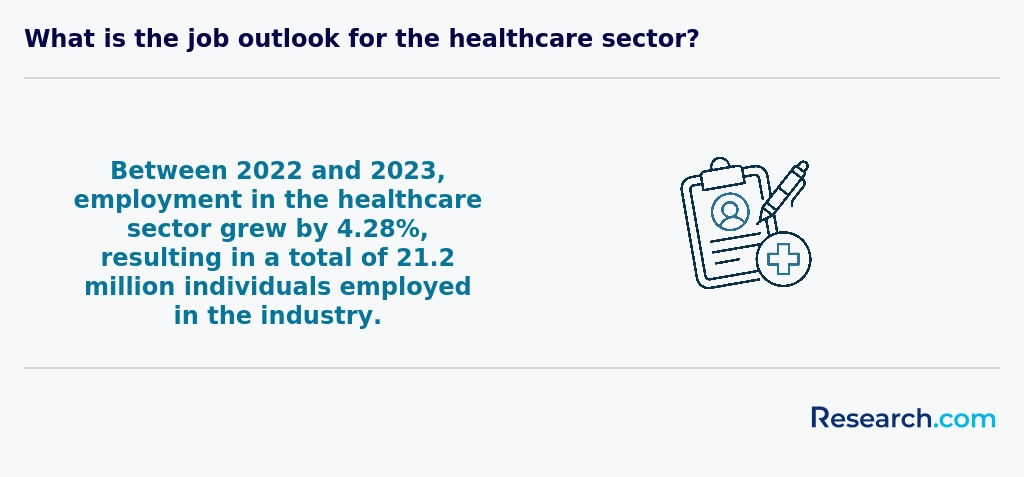
Online healthcare degree programs in Utah typically include courses in health sciences, anatomy and physiology, and medical terminology, forming a solid foundation for understanding how the body works and healthcare services operate. Graduates from popular Utah institutions often share how these classes helped them confidently navigate clinical settings and communicate effectively with healthcare professionals.
Courses on healthcare ethics and legal issues prepare students to meet professional standards and understand regulatory frameworks, essential for anyone aiming to work in Utah's healthcare system. Many students find that learning about public health topics such as epidemiology, health promotion, and disease prevention provides them with practical skills to contribute to community well-being in Utah's growing preventive care landscape.
Management and administration classes focus on healthcare finance, organizational behavior, and policy, which graduates describe as key to stepping into leadership roles within hospitals and clinics statewide. Additionally, training in health informatics equips students with the ability to manage electronic health records securely, reflecting Utah's increasing emphasis on digital healthcare solutions. Practical experiences like virtual labs and internships further enable students to apply their knowledge effectively in real-world Utah healthcare settings.
Online healthcare degree specializations Utah students can pursue often include Health Information Management, Public Health, Nursing Leadership and Management, Healthcare Administration, Occupational Therapy Assistance, and Health Sciences. Graduates from universities like the University of Utah and Weber State report that choosing a specialization aligned with Utah's growing healthcare sector helped them quickly adapt to real-world job demands and gain confidence in their roles.
For example, those focusing on Health Information Management develop skills in managing electronic health records, a crucial area as Utah hospitals modernize their systems. Graduates in Public Health emphasize community health strategies, which come in handy given ongoing state health initiatives. Meanwhile, Nursing Leadership students appreciate how their management training prepares them for supervisory roles in local healthcare facilities.
Exploring Utah healthcare degree concentration options through these practical tracks allows students to match programs to specific career paths, enhancing job readiness. Many find it helpful to research program offerings deeply before enrolling, especially for fields with robust growth potential. To understand broader industry trends and top choices in education, visit college majors.
Start by verifying accreditation from agencies like the Commission on Collegiate Nursing Education or the Council on Education for Public Health, as graduates from Utah universities often praise accredited programs for opening doors to diverse healthcare roles. Consider tuition costs carefully; many students choose public institutions in Utah due to their affordable healthcare degrees Utah online, balancing quality education with budget-friendly options.
Focus on curriculum relevance by selecting programs that offer specializations matching your career goals, whether nursing, healthcare administration, or health informatics. Graduates report feeling more confident when their courses include practical skills applicable to Utah's healthcare market. Internship opportunities with local hospitals or clinics are vital; hands-on experience during studies in Utah significantly boosts job prospects.
To fast-track your career, explore options like fast track degree programs, which many Utah students use to complete their education efficiently while working. Finally, review graduation and job placement rates published by Utah System of Higher Education to choose a program that successfully leads to employment in this growing sector.
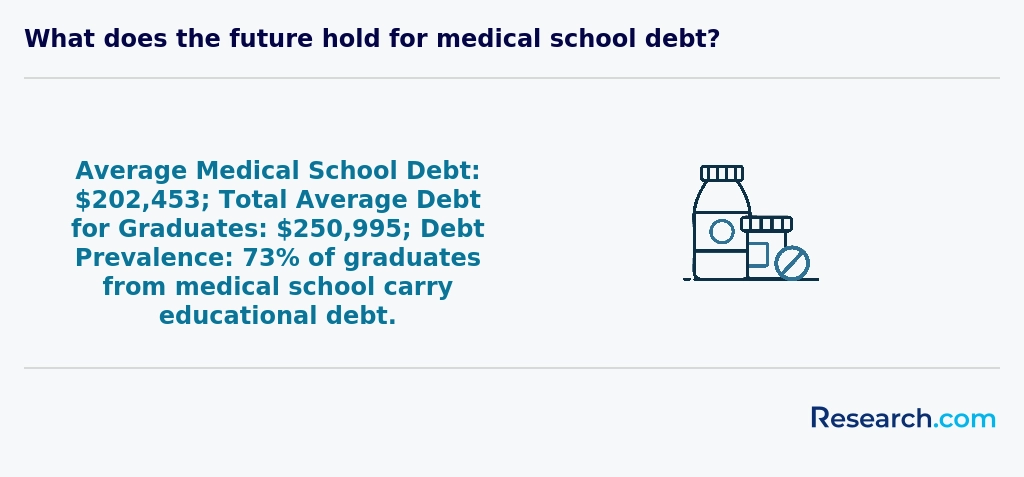
Graduates holding an online healthcare degree in Utah find diverse career paths tailored to the state's expanding healthcare sector. Many choose to become registered nurses or advanced practice registered nurses, leveraging programs from universities well known for strong clinical training integrated with licensing preparation. These roles often bring personal fulfillment by directly impacting patient lives in Utah's growing hospitals and clinics.
Others pivot to healthcare administration, managing operations at Utah's prominent medical centers or insurance providers. With the state's metropolitan areas experiencing steady growth in demand for healthcare managers, graduates enjoy competitive salaries and leadership opportunities. Alumni from Utah-based colleges frequently share how their degrees equipped them with practical skills for policy development and healthcare informatics.
For those drawn to public health, positions as health educators or policy analysts within Utah's Department of Health offer meaningful ways to improve community well-being. The increasing focus on health data and program implementation also opens doors in health informatics, combining IT expertise with healthcare. Students considering accelerated options should explore 1 year master's programs online that align with local industry needs and offer quick workforce entry, enhancing career flexibility.
Other viable roles from an online healthcare degree in Utah include medical services managers, compliance officers, research coordinators, and consultants, providing a wealth of options that match various interests and skills.
The job market for online healthcare degree graduates in Utah is strong and growing. Graduates from well-known institutions such as the University of Utah and Weber State University often find employment quickly due to the high demand for healthcare professionals in the state. Utah's expanding population and healthcare sector growth create numerous opportunities, particularly in roles like registered nurses, healthcare managers, and health information technologists.
Many graduates report that flexible online programs helped them balance work and study, making it easier to gain qualifications without relocating. The affordability of online degrees, often enhanced by regional scholarships, makes earning a healthcare degree accessible. Those seeking speedy completion can explore options for an accelerated bachelor's degree online, which some Utah colleges now offer.
Utah employers value technical skills taught in online programs, especially in telehealth and digital health services. For students focused on online healthcare jobs in Utah, completing an accredited degree not only opens doors but also leads to competitive salaries and job security within the state's thriving healthcare market.
2027 Most Affordable Online Bachelor's in Healthcare Degree Programs Ranking in Utah
Investing in your education is a significant decision that can profoundly impact your career, and the Research.com team recognizes the importance of providing accurate and trustworthy information to help you decide. To assist students seeking affordable healthcare bachelor's degrees in Utah, we have carefully developed the "2027 Most Affordable Online Bachelor's in Healthcare Degree Programs Ranking in Utah." Our dedication to quality, credibility, and accuracy is demonstrated through rigorous research and data analysis.
We utilized the following reputable data sources to ensure a comprehensive evaluation of healthcare degree programs:
By exploring this ranking, readers will gain valuable insights into affordable online healthcare programs in Utah, enabling informed decisions that align with their educational and career goals. For more information on how our rankings are created, please visit our Research.com methodology page.
# 1 position
Western Governors University
Bachelor of Health Science


# 3 position
Weber State University
Bachelor of Health Administration

Frequently Asked Questions About healthcare
Online healthcare degree students in Utah can maximize their learning experience by actively engaging with interactive course materials and virtual simulations. These tools help develop practical skills essential for healthcare professions. Utah's growing healthcare industry, which employs over 130,000 people according to the Utah Department of Workforce Services, offers ample opportunities for online learners to seek local internships or clinical placements to complement their studies.
Networking with professionals via online forums and joining state-specific healthcare associations can provide students insight into Utah's unique healthcare challenges and innovations. Additionally, time management and creating a disciplined study schedule are vital to balancing coursework with other responsibilities effectively.
Using resources from Utah-based institutions and regularly consulting updated healthcare guidelines from credible sources ensures students stay current with industry standards.
Emerging niches within the healthcare field are responding to advances in technology and evolving patient needs. In Utah, a notable growth area is telehealth, which expanded rapidly during the COVID-19 pandemic. According to the Utah Department of Health, telehealth services increased by over 300% in 2020, creating demand for professionals skilled in remote patient care.
Another area gaining traction is healthcare data analytics. Utah health systems increasingly rely on data to improve patient outcomes, making knowledge in this niche valuable. Additionally, behavioral health specialization is crucial due to Utah's focus on mental health services, driven by rising awareness and funding.
These trends highlight promising paths for online healthcare degrees in Utah.
After completing an online healthcare degree in Utah, graduates should focus on gaining relevant work experience and certifications.
Internships and volunteer opportunities within Utah's growing healthcare sector help build practical skills. According to the Utah Department of Workforce Services, the healthcare industry is expected to add over 12,000 jobs by 2030, making hands-on experience valuable.
Obtaining certifications like Certified Nursing Assistant (CNA) or Registered Health Information Technician (RHIT) can improve employability and readiness for specific roles.
Networking through local health organizations and attending job fairs in Utah increases connections with employers.
Additionally, tailoring resumes to highlight online learning adaptability and Utah-specific healthcare knowledge benefits job seekers.
Employers in Utah's healthcare sector prioritize several key skills for graduates with online healthcare degrees. Strong clinical knowledge paired with effective communication is essential, as nearly 10% of Utah's workforce holds healthcare jobs, according to the Utah Department of Workforce Services (2023).
Critical thinking and problem-solving abilities are highly valued, supporting decision-making in fast-paced environments. Employers also seek proficiency in healthcare technology, especially electronic health records (EHR) systems, given the industry's digital transformation.
Additionally, teamwork and adaptability are important traits, reflecting Utah's collaborative care models and evolving healthcare regulations. Finally, ethical standards and cultural competence stand out, addressing the needs of Utah's diverse population as highlighted in recent state health reports.
Finding internships in Utah for healthcare degree students involves leveraging local healthcare networks and university resources. Many Utah hospitals and clinics, including Intermountain Healthcare and University of Utah Health, offer internship programs specifically for students pursuing healthcare careers. Contacting your online program's career services can connect you with internship listings tailored to Utah's healthcare market.
The Utah Department of Workforce Services reports healthcare employment is one of the state's fastest-growing sectors, highlighting numerous practical training opportunities. Students should also explore professional organizations such as the Utah Nurses Association and Utah Medical Association, which may offer internship or mentorship programs.
Additionally, online platforms like Handshake and local job boards often list Utah healthcare internships. Applying early and preparing a polished resume increases your chances of securing a relevant placement.
Obtaining an online healthcare degree in Utah can significantly enhance career mobility and advancement opportunities. The state's healthcare sector is growing rapidly, with employment in healthcare occupations projected to increase by 15% through 2030, according to the Utah Department of Workforce Services. An online degree from an accredited institution provides the flexibility to continue working while gaining needed credentials.
Employers in Utah increasingly recognize online degrees, especially when earned from regionally accredited schools. This acceptance helps graduates qualify for advanced roles such as healthcare management, nursing leadership, or specialized clinical positions.
Furthermore, many online programs incorporate Utah-specific healthcare regulations and practices, preparing students to meet local licensure requirements efficiently. This regional focus benefits those seeking to climb the healthcare career ladder within the state.
Studying for a healthcare degree in Utah offers students unique preparation for interdisciplinary roles by emphasizing collaboration across various health professions. Utah's online programs often integrate courses in public health, health informatics, and healthcare management to encourage a broad understanding of how different sectors operate together.
Many Utah institutions align their curricula with national competencies set by organizations like the Interprofessional Education Collaborative (IPEC), promoting teamwork skills essential in integrated healthcare settings. According to Utah's Department of Health, the state's healthcare workforce increasingly requires professionals who can coordinate care across disciplines due to its growing and diverse population.
This focus on interdisciplinary training equips graduates to work effectively in hospitals, clinics, and community health organizations, meeting Utah's evolving healthcare demands.
When choosing between a thesis and a non-thesis healthcare degree program in Utah, consider your career goals first. Thesis programs emphasize research skills and are ideal for students aiming for roles in academia, advanced clinical research, or pursuing graduate studies.
Non-thesis programs focus more on practical knowledge and typically require additional coursework or a capstone project. These are well-suited for those seeking immediate employment in healthcare management, administration, or clinical practice.
Data from the Utah System of Higher Education shows increasing demand for healthcare administrators and public health professionals, highlighting the value of practical skills offered by non-thesis tracks.
Additionally, online thesis programs may require more time commitment for research, which is important if balancing work or family. Applicants should also verify if their intended employers in Utah prefer one over the other.
Students in Utah interested in studying healthcare abroad primarily explore international online degree programs that align with U.S. accreditation standards. Many institutions abroad offer healthcare degrees that can be completed fully online, allowing Utah residents to access global curricula without leaving home. It is essential to verify whether these programs meet U.S. licensure requirements, especially for nursing or specialized healthcare roles.
Utah's increasing demand for healthcare professionals, projected to grow by 22% through 2030 according to the Utah Department of Workforce Services, encourages students to seek diverse educational options. International programs often provide unique perspectives on global health, complementing local knowledge.
Students should consult the Commission on Collegiate Nursing Education (CCNE) or the Council on Education for Public Health (CEPH) to ensure degree legitimacy when looking abroad.
Part-time jobs in Utah that complement healthcare degree studies often focus on gaining real-world experience while managing academic commitments. Common roles include medical assistants, patient care technicians, and pharmacy aides. These positions provide hands-on experience with patient interaction and clinical procedures, essential for healthcare students.
According to the Utah Department of Workforce Services, healthcare support occupations in the state are projected to grow 15% between 2020 and 2030, reflecting strong job availability. Working part-time in clinics or hospitals can enhance skills and improve employability after graduation.
Additionally, roles such as health information technicians or administrative assistants in healthcare settings offer insight into healthcare management and data systems, complementing online coursework.
Online healthcare students in Utah can access several networking opportunities despite physical distance. Many universities offer virtual events, discussion boards, and group projects that connect students with peers and faculty. For example, the University of Utah promotes online student engagement through webinars and online student organizations tailored to healthcare disciplines.
Beyond campus, Utah's healthcare industry is growing rapidly, with a 14% projected employment increase by 2030, according to the Utah Department of Workforce Services. Students can leverage virtual job fairs and professional association memberships, such as the Utah Healthcare Association, to build connections.
Additionally, statewide conferences often include online attendance options, enabling students to meet healthcare professionals and potential mentors from across Utah's healthcare systems.
Alumni networks offer significant benefits to online healthcare degree students in Utah by providing valuable professional connections. These networks connect current students to graduates working in diverse healthcare settings, such as Intermountain Healthcare and the University of Utah Health.
Utah's healthcare sector is growing rapidly, with a projected 20% increase in healthcare jobs by 2030 according to the Utah Department of Workforce Services. Alumni can share insights about this evolving job market, helping students navigate career options.
Additionally, alumni often provide mentorship, internship opportunities, and job referrals, which are crucial for online students who may lack on-campus support. This community fosters collaboration and lifelong networking beneficial throughout one's healthcare career.
Customizing an online healthcare degree in Utah allows students to align their education with specific career goals. Many Utah institutions offer elective courses that focus on specialties such as health informatics, public health, or healthcare management. By selecting targeted electives, students can tailor their skills to meet industry demands.
Additionally, some programs provide opportunities for internships or practicum experiences in local healthcare settings, enhancing practical knowledge. According to the Utah Department of Workforce Services, healthcare occupations are expected to grow by 15% through 2028, emphasizing the need for specialized training. Students should research program options carefully to ensure they match their professional ambitions.
Online healthcare students in Utah often face challenges related to clinical placement availability. Because healthcare programs require hands-on experience, students must find local sites for internships or practicums. This can be difficult due to limited partnerships between online programs and Utah medical facilities. According to the Utah Department of Health, rural areas have fewer healthcare providers, complicating access for students living outside urban centers.
Another common issue is balancing coursework with job and family responsibilities. Many online learners work full time, which can lead to time management stress. Additionally, students sometimes report limited interaction with instructors and peers compared to traditional classes, affecting their engagement and support.
Technical issues also impact students. Reliable internet access is crucial, but Utah's rural communities sometimes lack high-speed connections, making participation more difficult.
With an online healthcare degree in Utah, graduates can pursue a variety of professional certifications to advance their careers. Common certifications include Certified Professional in Healthcare Quality (CPHQ), Registered Health Information Technician (RHIT), and Certified Medical Manager (CMM). These credentials enhance job prospects in hospitals, clinics, and insurance companies.
Utah's healthcare sector is growing rapidly, with over 100,000 healthcare jobs reported by the Utah Department of Workforce Services in 2023. Many employers prefer candidates with certifications aligned with fields such as healthcare administration, informatics, and patient care coordination.
Additionally, some certifications require clinical experience or additional exams, so verifying specific requirements is essential.
Writing a winning application for an online healthcare program in Utah requires careful preparation and attention to detail. Start by researching accredited institutions; Utah's higher education system includes respected universities like the University of Utah and Utah State University that offer quality online healthcare degrees.
Highlight your relevant experience, whether in healthcare settings or volunteer roles, and explain how this background aligns with your career goals. Strong academic records are important-most programs expect a minimum GPA around 3.0.
Carefully craft a personal statement that clearly explains your motivation to study healthcare online and how you plan to contribute to Utah's growing healthcare workforce, which is projected to expand by 15% by 2030, according to Utah Department of Workforce Services.
Finally, submit all required documents on time and consider obtaining letters of recommendation from professionals familiar with your skills and dedication to healthcare.
The global perspective on a healthcare career emphasizes growth, innovation, and the critical role of health professionals worldwide. In the US, including Utah, healthcare jobs are expected to grow 16% from 2020 to 2030, much faster than average, according to the Bureau of Labor Statistics. This trend is mirrored globally as aging populations and chronic diseases increase demands on health systems.
Utah, with its expanding healthcare sector and numerous medical facilities, offers strong opportunities for careers in nursing, administration, and allied health fields. Online healthcare degrees from Utah institutions allow flexibility while meeting regional workforce needs.
Globally, digital health and telemedicine are transforming care delivery, making healthcare careers increasingly diverse and technology-driven.
Students pursuing online healthcare degrees in Utah can gain practical experience through clinical placements required by accredited programs. Many online programs partner with local hospitals, clinics, and healthcare facilities across Utah to facilitate hands-on training. For example, the Utah Department of Health reports a growing demand for healthcare professionals, increasing opportunities for internships and externships in cities like Salt Lake City and Provo.
Additionally, simulation labs and virtual clinical exercises are increasingly used to build practical skills remotely. Students should inquire about practicum options when selecting their program to ensure they meet Utah's licensure requirements.
The Utah Medical Education Council provides resources to help students connect with approved clinical sites statewide.
Choosing the right concentration within an online healthcare degree program in Utah begins with assessing local industry needs and personal career goals. Utah's healthcare sector is growing rapidly, with health services projected to increase by 30% from 2020 to 2030, according to the Utah Department of Workforce Services.
Consider concentrations aligned with high-demand roles such as nursing administration, healthcare informatics, or public health. For example, Utah's emphasis on technology integration in healthcare supports informatics specializations. Research program curriculum and verify whether it ties into Utah's healthcare workforce trends.
Also, evaluate accreditation and clinical opportunities, even if delivered online, ensuring they meet Utah's licensure or certification requirements. Understanding these factors helps tailor your education to the state's specific healthcare environment.
- 2027 Most Affordable Online Bachelor's in Healthcare Degree Programs Ranking in Arizona
- 2027 Most Affordable Online Bachelor's in Healthcare Degree Programs Ranking in Idaho
- 2027 Most Affordable Online Bachelor's in Healthcare Degree Programs Ranking in Colorado
- 2027 Most Affordable Online Bachelor's in Healthcare Degree Programs Ranking in New Mexico
- 2027 Most Affordable Online Bachelor's in Healthcare Degree Programs Ranking in California
- 2027 Most Affordable Online Bachelor's in Healthcare Degree Programs Ranking in Oregon
- 2027 Most Affordable Online Bachelor's in Healthcare Degree Programs Ranking in Texas
- 2027 Most Affordable Online Bachelor's in Healthcare Degree Programs Ranking in South Dakota
- 2027 Most Affordable Online Bachelor's in Healthcare Degree Programs Ranking in North Dakota
- 2027 Most Affordable Online Bachelor's in Healthcare Degree Programs Ranking in Kansas
See What Experts Have To Say About Studying Healthcare
Read our interview with Healthcare experts

- Healthcare Degrees https://teach.com/online-ed/healthcare-degrees/
- Explore Healthcare Admin Degree Concentrations https://www.baypath.edu/news/bay-path-university-blogs/post/explore-healthcare-admin-degree-concentrations/
- Utah Tech University unveils Utah's most affordable online Master of Healthcare Administration program https://www.ksl.com/article/brandview/utah-tech-university-unveils-utahs-most-affordable-online-master-of-healthcare-administration-program/51004770
- How to Write Your Cover Letter | NQRTH https://www.nqrth.edu.au/career-planning/how-to-write-your-cover-letter/
- 10 Skills Employers Are Looking for in Healthcare Management Jobs https://www.aiuniv.edu/blog/10-top-skills-for-healthcare-management-jobs
- The Value of Healthcare Organization Alumni Associations https://consultqd.clevelandclinic.org/the-value-of-healthcare-organization-alumni-associations
- How to Gain Real-World Experience While Studying Online | American National University https://an.edu/how-to-gain-real-world-experience-while-studying-online/
- Welcome to the Health Professions Alumni Association! https://www.upstatefoundation.org/chpalumni
- The Role of Interdisciplinary Studies in Medical Career Training https://georgia-med.com/the-role-of-interdisciplinary-studies-in-medical-career-training.html
- Interdisciplinary Education and Practice https://www.aacnnursing.org/news-data/position-statements-white-papers/interdisciplinary-education-and-practice