2027 Most Valuable Online Healthcare Degree Programs Ranking in Arkansas

Co-Founder and Chief Data Scientist
Choosing the right healthcare degree program can be a challenging decision, especially with so many options available online. This article presents the 2027 Most Valuable Online Healthcare Degree Programs Ranking in Arkansas, developed by the Research.com team of data scientists. It's designed to help you make an informed choice and find the programs that offer real value.
Whether you're starting your education or advancing your career, a healthcare degree opens doors to meaningful opportunities. Explore this ranking to discover programs that align with your goals and set you up for success.
Key benefits of getting online healthcare degree in Arkansas
- Graduates with healthcare degrees in Arkansas can earn competitive salaries, such as Patient Care Technicians making around $60,790 annually and Quality Improvement Coordinators earning about $103,150 a year, offering strong financial motivation.
- Career options are diverse, including roles like Medical Assistants or Health Information Technicians, giving you flexibility to find a path that fits your interests and strengths.
- Online healthcare degrees from recognized Arkansas institutions offer convenient learning that fits busy schedules while providing the same quality education as traditional programs, helping you balance life and career goals.
- Key benefits of getting online healthcare degree in Arkansas
- What can I expect from online healthcare degree in Arkansas?
- Where can I work with online healthcare degree in Arkansas?
- How much can I make with online healthcare degree in Arkansas?
- 2027 Most Valuable Online Healthcare Degree Programs Ranking in Arkansas
- Key Findings
- How long does it take to complete online healthcare degree in Arkansas?
- Tips for Success in Your Online Healthcare Journey
- What's the difference between online and on-campus healthcare degree?
- Tips for Success: Navigating Your Online Healthcare Education
- What is the average cost of online healthcare degree in Arkansas?
- Accreditation and Licensure Requirements for Arkansas Online Healthcare Graduates
- What financial aid is available to online healthcare degree students in Arkansas?
- Tips for Succeeding in Your Online Healthcare Degree Journey in Arkansas
- What are the prerequisites for enrolling in online healthcare degree program in Arkansas?
- Accreditation and Licensing Requirements
- What courses are typically in online healthcare degree programs in Arkansas?
- What types of specializations are available in online healthcare degree programs in Arkansas?
- How do you choose the best online healthcare degree in Arkansas?
- What career paths are available for online healthcare degree students in Arkansas?
- What is the job market for online healthcare degree in Arkansas?
- Related Healthcare Rankings for Nearby States
- Top Trending Healthcare Rankings
- See What Experts Have To Say About Studying Healthcare
What can I expect from online healthcare degree in Arkansas?
When considering the cost of an online healthcare degree in Arkansas, you'll find it surprisingly affordable compared to many private options. Public universities like the University of Arkansas offer competitive in-state tuition rates that ease the financial burden while delivering quality education. Graduates often share how this affordability allowed them to balance work, family, and school without overwhelming debt.
For example, many students enrolling in programs such as nursing or healthcare administration at Arkansas State University report average tuition costs that fall well below national averages, typically making their investment manageable. Financial aid and scholarships tailored specifically for healthcare fields frequently add extra support, further reducing expenses.
Imagine studying anatomy, healthcare ethics, and medical coding online, while completing your clinical hours nearby-this proximity saves money on relocation and related costs. Arkansas graduates often praise the program's structure that combines accessible tuition with practical experience close to home, making it an excellent choice for dedicated learners pursuing a meaningful healthcare career.
Where can I work with online healthcare degree in Arkansas?
With an online healthcare degree from institutions like the University of Arkansas or Arkansas State University, you open doors to a wealth of career paths right here in Arkansas. Many graduates find themselves working in hospitals such as Arkansas Children's Hospital or Baptist Health, where their skills directly impact patient care and hospital administration. These roles not only offer stable employment but also a chance to be part of a compassionate community making a real difference.
Others step into outpatient care centers or clinics, especially in rural Arkansas, improving access to healthcare for underserved populations. Imagine coordinating care or managing health services at a local clinic, where your work touches families who truly need support. Graduates often share how rewarding it feels to see the immediate effects of their efforts in these communities.
Nursing homes and long-term care facilities provide vital opportunities as Arkansas's population ages, offering roles from LPNs to healthcare administrators. Public health agencies are another strong option, where you can focus on improving rural health outcomes or educating communities.
Finally, working with healthcare education and insurance companies broadens your impact, as you help navigate evolving policies and technology. In Arkansas, online healthcare degrees equip you to thrive across these diverse, meaningful careers.
How much can I make with online healthcare degree in Arkansas?
Graduates from online healthcare degree programs in Arkansas are stepping into a rewarding career path with solid earning potential. For instance, those pursuing roles like Medical Assistant or Clinical Research Coordinator can expect average annual wages around $43,350, which reflects a dependable starting salary in healthcare. Many students from the University of Arkansas for Medical Sciences have shared excitement about securing positions with wages in this range soon after graduation.
If you're aiming higher, careers such as Patient Care Technician offer an increased average salary of about $60,790 annually, showing how gaining specialized skills really pays off. Graduates from Arkansas State University often find this to be a realistic and motivating salary benchmark.
For leadership roles, such as Quality Improvement Coordinator, the salary can soar to an impressive $103,150 per year. This kind of growth exemplifies how further certifications and experience, combined with an online healthcare degree, can elevate your career and income in Arkansas's healthcare sector.
These earnings demonstrate that investing in an online healthcare degree from local institutions can build a thriving future, especially when paired with dedication and real-world experience in the state. Arkansas healthcare graduates often feel proud knowing their education directly supports a growing, stable job market with attractive salaries.
2027 Most Valuable Online Healthcare Degree Programs Ranking in Arkansas
How do we rank schools?
Investing in your education is a significant decision that can shape your future, and the Research.com team understands the importance of making informed choices. To assist prospective students in Arkansas, we have meticulously crafted the "2027 Most Valuable Online Healthcare Degree Programs Ranking in Arkansas." Our commitment to quality, credibility, and accuracy is reflected in the extensive research and analysis conducted to compile this ranking. We utilized the following reputable data sources to ensure a comprehensive evaluation of healthcare degree programs:
By exploring this ranking, readers will gain valuable insights into the most valuable online healthcare degree programs available in Arkansas, empowering them to make informed decisions about their educational and career paths. For more details on our methodology, please visit our Research.com methodology page.


Key Findings
- Tuition for online healthcare degrees in Arkansas ranges from under $5,000 annually at community colleges to $7,000-$15,000 at public universities, with private schools sometimes charging over $20,000 per year.
- Starting salaries for graduates typically range from $45,000 to $50,000 per year, while mid-career professionals can earn above $70,000 depending on their specialty.
- Healthcare jobs in Arkansas are expected to grow by about 15% over the next decade, faster than many other fields.
- High demand exists for registered nurses, health services managers, and allied health professionals, especially in rural and underserved areas.
- Online degrees must be from regionally accredited institutions to meet licensure and certification requirements for most healthcare roles in Arkansas.
How long does it take to complete online healthcare degree in Arkansas?
Completing an online healthcare degree in Arkansas typically takes between two and four years, depending on your program level and prior experience. For example, many graduates from the University of Arkansas for Medical Sciences report finishing their associate degrees in nursing or medical assisting in about two years of full-time study, which opens the door to entry-level healthcare roles quickly.
On the other hand, bachelor's degrees, like those offered by Arkansas State University's online nursing program, usually require around four years if you're studying full-time. However, accelerated tracks can help eager students complete in as little as 18 to 36 months, especially if you already hold a nursing diploma or associate degree.
For advanced degrees, such as a Master of Science in Nursing from popular schools like the University of Arkansas, expect to spend between 18 months and three years. Many graduates appreciate part-time options that let them balance work and life, even if it means a longer path to the finish line.
Arkansas online healthcare programs often include clinical hours at local facilities, which adds valuable real-world experience and can influence your timeline. These flexible, practical paths have empowered countless students to advance their careers while managing busy schedules and family commitments.
Tips for Success in Your Online Healthcare Journey
Navigating an online healthcare degree program requires proactive planning and effective strategies to ensure academic and professional success. Start by organizing a dedicated study schedule that accommodates both coursework and personal commitments; this structure is especially beneficial when balancing online classes with work and family responsibilities. Engage actively with virtual learning platforms by participating in discussion forums, attending live webinars, and taking advantage of academic support services provided by your institution. Additionally, establish connections within your field by joining professional groups and alumni networks-networking can lead to mentorship opportunities and insightful career guidance. It’s also vital to stay informed about financial planning and available resources; prospective students can explore more options and insights through affordable healthcare schools in arkansas to make well-informed decisions on managing educational expenses. Regularly setting small, achievable goals, and seeking feedback from instructors and peers, can further enhance your learning experience and prepare you for the dynamic healthcare industry.
What's the difference between online and on-campus healthcare degree?
Choosing between online and on-campus healthcare degrees in Arkansas means weighing flexibility against hands-on experiences. Online programs, like those offered by the University of Arkansas, allow students juggling work or family in Little Rock or Fayetteville to study anytime, anywhere. Graduates often highlight how this freedom helped them stay motivated and balance life's demands without sacrificing progress.
On-campus degrees provide direct access to labs and local clinical sites, which some students found invaluable for immediate feedback and building professional networks. However, online students appreciate how programs coordinate clinical placements close to their homes across Arkansas, turning community hospitals or clinics into personalized learning environments.
In both formats, accredited programs maintain quality, but online learners must proactively secure reliable internet and plan clinical hours carefully. Those graduates who embraced asynchronous lessons praised the chance to dive deep into material at their own pace, fostering confidence and self-discipline essential for healthcare careers.
Tips for Success: Navigating Your Online Healthcare Education
Achieving success in an online healthcare program requires not only academic dedication but also strong self-discipline and effective time-management strategies. Prospective students should begin by setting clear goals, organizing their study schedules, and leveraging digital tools that streamline coursework and collaboration. Supplemental resources such as online tutoring, virtual study groups, and dedicated academic advisories can be immensely helpful. It is also beneficial to engage with career development resources early on; for instance, exploring specialized programs and career tracks can provide clarity on your professional path-learn more about what are the best healthcare administration degrees to help guide your decision-making process. Additionally, regularly reviewing progress, seeking feedback from faculty, and balancing professional and personal commitments will ensure you gain the most from your educational journey in the dynamic field of healthcare.
What is the average cost of online healthcare degree in Arkansas?
The average cost of an online healthcare degree Arkansas residents pursue typically centers around $19,030 for in-state students, reflecting a balanced approach between quality education and affordability. Graduates from popular universities such as the University of Arkansas or Arkansas State University often share how their investment felt reasonable given the flexible online formats and the comprehensive support provided throughout their studies. With a median total cost near $28,168 when combining all student types, many find the pricing accessible compared to other states, especially when paired with financial aid opportunities.
Those considering Arkansas online healthcare degree tuition fees should know that these programs offer diverse options from associate levels to master's degrees, with tuition costs that fit within a manageable range. Tuition rates generally fall between $300 and $500 per credit hour for in-state students, which allows learners to budget effectively, particularly when balancing work and study. Many students appreciate how such cost structures help them advance their healthcare careers without accumulating overwhelming debt.
Arkansas tends to be a welcoming place for healthcare students thanks to its support systems and comparatively affordable tuition. Some graduates recall how programs at Arkansas universities combined online coursework with limited in-person clinicals, helping them feel prepared and confident in their professions. If you want to explore your options further, consider looking at affordable healthcare schools in arkansas to find the best fit for your goals and budget.
Accreditation and Licensure Requirements for Arkansas Online Healthcare Graduates
Ensuring your online healthcare degree program is properly accredited and aligns with Arkansas licensure standards is critical for both professional credibility and eligibility for state certification. In Arkansas, accredited programs are typically approved by regional agencies such as the Southern Association of Colleges and Schools Commission on Colleges (SACSCOC) and specialized bodies like the Commission on Collegiate Nursing Education (CCNE) or the Accreditation Council for Occupational Therapy Education (ACOTE). Graduates of these programs are eligible to sit for licensure exams administered by the Arkansas State Board of Nursing, the Arkansas State Board of Health, or other relevant state boards depending on their chosen field. Before enrolling, verify that your institution holds programmatic accreditation recognized by the U.S. Department of Education. This approval not only satisfies state licensure prerequisites but also ensures seamless transfer of credits and access to federal financial aid. For example, nursing students must graduate from a CCNE-accredited program to qualify for the NCLEX-RN exam, while health information management graduates should seek programs accredited by the Commission on Accreditation for Health Informatics and Information Management Education (CAHIIM). Additionally, aspiring healthcare professionals should review state-specific clinical hour requirements and any mandatory background checks or immunizations. Many programs facilitate clinical placements at Arkansas Department of Health-approved sites, helping students meet hands-on training mandates. Students comparing costs and accreditation can also explore our Low Cost Online Healthcare Degree Programs Ranking in Moon Township, PA to find fully accredited, budget-friendly online options that meet both educational and licensing standards.
What financial aid is available to online healthcare degree students in Arkansas?
Many online healthcare students in Arkansas find financial aid to be a crucial partner on their educational journey. Graduates from universities like the University of Arkansas for Medical Sciences often share how Pell Grants, offering up to $7,395, lifted the initial cost barrier. These grants, unlike loans, do not require repayment, creating a real sense of relief for students managing family and work responsibilities.
Federal Direct Subsidized and Unsubsidized Loans also support students, providing accessible funding with lower interest rates than private options. For Arkansas residents, state scholarships like the Arkansas Academic Challenge Scholarship and the Workforce Challenge Scholarship specifically ease tuition costs for healthcare fields. Many students at Arkansas State University have benefited from these programs, which reward academic success and focus on in-demand careers.
Institutional scholarships and flexible payment plans at local public universities often bring additional financial comfort. Plus, work-study opportunities and private healthcare scholarships, sponsored by groups such as the Arkansas Nurses Foundation, offer extra support, making dreams of a healthcare career both reachable and rewarding.
Tips for Succeeding in Your Online Healthcare Degree Journey in Arkansas
Embarking on an online healthcare degree program presents its own set of challenges and opportunities. To thrive in this dynamic educational landscape, students should prioritize structured time management, harness interactive learning tools, and proactively seek academic support. Creating a dedicated study schedule helps balance coursework, work responsibilities, and family life, ensuring that deadlines are consistently met while maintaining a healthy work-life-study balance. In addition, engaging with virtual study groups, discussion forums, and instructor office hours can significantly enhance understanding and retention of complex material. It is also beneficial to regularly assess progress and set measurable goals throughout the program. Utilizing university-provided resources-such as tutoring services, technical support, and career counseling-can further empower students to navigate academic challenges and prepare for post-graduation opportunities. For prospective students looking to maximize educational outcomes, exploring programs that offer comprehensive support services is essential. Detailed insights on available resources and program affordability can be found by checking out affordable healthcare schools in arkansas. Embracing these strategies not only promotes academic success but also fosters a confident transition into a rewarding career in the healthcare industry.
What are the prerequisites for enrolling in online healthcare degree program in Arkansas?
To enroll in an online healthcare degree program in Arkansas, you'll need to meet several key prerequisites that set you up for success. Most undergraduate programs, like those offered through the University of Arkansas or Arkansas State University, require a high school diploma or GED. Graduates often recall how strengthening their foundation in science and math-biology, chemistry, and algebra-made coursework more manageable and rewarding.
For those aiming higher, such as pursuing a Bachelor of Science in Nursing or a Master's in Public Health, previous degrees matter. Many graduates share that having an associate degree or bachelor's degree with relevant coursework-like anatomy or microbiology-was crucial to gaining admission.
Expect to provide official transcripts and sometimes test scores, though many schools are becoming test-optional. Letters of recommendation and personal statements often showcase your passion and dedication, important in Arkansas's competitive healthcare field. Clinical programs also require background checks, immunizations, and valid CPR certification-practical steps that protect both you and patients during hands-on experiences.
Accreditation and Licensing Requirements
Accreditation confirms your online healthcare program meets industry standards and qualifies you for licensure or certification exams.
- Regional accreditation (e.g., Higher Learning Commission) ensures overall academic quality.
- Programmatic accreditation by ACEN or CCNE (nursing), CAAHEP (allied health), or CAHME (health administration) validates specialized training.
- Verify state licensing requirements and national exam eligibility, such as NCLEX for nurses or RHIA for health information professionals.
Compare accreditation status, exam pass rates, and post-graduation support when choosing a program. For administrative pathways, consider the cheapest online healthcare administration degree that meets both quality and budget needs.
What courses are typically in online healthcare degree programs in Arkansas?
When you dive into an online healthcare degree in Arkansas, expect to encounter courses that truly prepare you for the realities of medical careers here. Many graduates from the University of Arkansas for Medical Sciences share how anatomy and physiology courses gave them a strong foundation for understanding patients' bodies, which made clinical work far less intimidating.
Medical terminology classes are a must, helping you communicate clearly with healthcare teams in local hospitals and clinics. You'll also tackle healthcare ethics and law, tailored to Arkansas's unique public health policies-something graduates find invaluable when navigating real-world challenges like patient privacy and state regulations.
Courses in health informatics teach you to manage electronic health records, a skill that's in high demand as Arkansas embraces digital healthcare solutions. Plus, programs often include healthcare management and administration, ideal if you aspire to lead growing outpatient centers or home health services around the state.
Practical courses in clinical pharmacology and patient care build your confidence for hands-on nursing or allied health roles. Many graduates highlight public health studies, addressing community issues like obesity and chronic disease, deepening their connection to the people they'll serve in Arkansas.
What types of specializations are available in online healthcare degree programs in Arkansas?
When exploring online healthcare degree specializations in Arkansas, several exciting paths open up that align with both personal passion and the state's healthcare needs. Many students at popular Arkansas colleges choose Nursing, especially the BSN and RN-to-BSN programs, which empower graduates to lead clinical teams and improve patient care through cutting-edge technology. Others are drawn to Health Information Management, where they develop expertise in medical coding and data privacy-skills highly valued as healthcare becomes more digitized. Public Health is another impactful option, focusing on community wellness and policies that address Arkansas's rural health disparities.
Graduates from Arkansas universities often share how specializing in Healthcare Administration transformed their ability to manage clinical settings effectively. If you wonder what areas to consider, reviewing what are the best healthcare administration degrees can steer you toward leadership roles that shape hospital operations. Also, Medical Laboratory Science offers a hands-on technical career vital for diagnostics and research, a perfect fit for those fascinated by lab work. These Arkansas online healthcare programs with specialization options truly prepare you to make a difference.
How do you choose the best online healthcare degree in Arkansas?
Choosing the best online healthcare degree in Arkansas starts with finding programs that hold strong accreditation, as this guarantees quality recognized by employers and licensing authorities. Graduates from universities like the University of Arkansas for Medical Sciences often share how accreditation gave them confidence in their education and smooth licensure paths. When exploring options, focus on degrees that align with Arkansas's fast-growing fields, such as nursing and healthcare management, to ensure your skills meet local demand.
Many students pursuing affordable online healthcare degrees Arkansas find public universities' tuition rates between $5,000 and $8,000 make higher education accessible without overwhelming debt. Flexibility is key-programs offering asynchronous courses empower busy learners to balance study with work and family life easily. Support services like advising and career counseling can transform challenges into opportunities, as shared by graduates thriving in these programs.
Finally, consider schools with strong ties to local hospitals and clinics, increasing chances of internships and job placements. For a focused perspective on costs, you may explore the Low Cost Online Healthcare Degree Programs Ranking in Moon Township, PA to see how affordability and quality blend, guiding your best choice.
What career paths are available for online healthcare degree students in Arkansas?
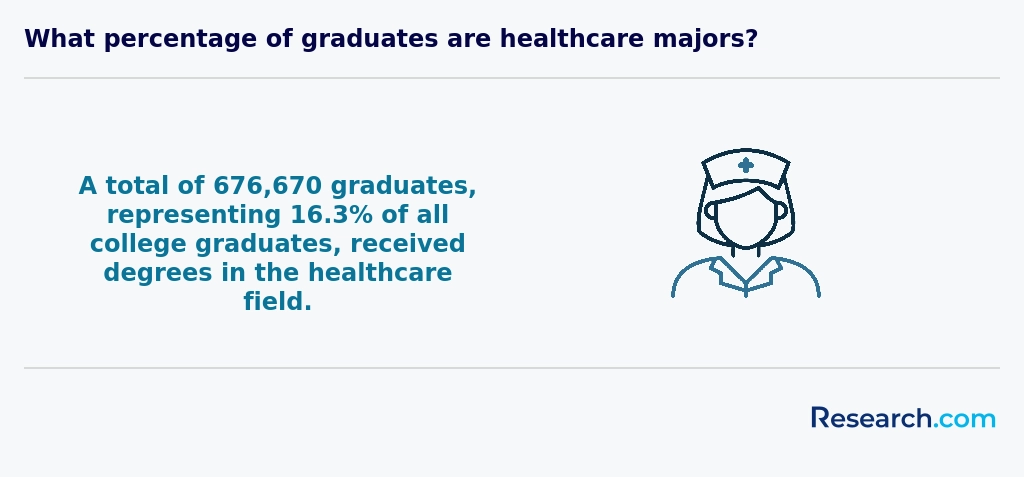
Graduates holding an online healthcare degree in Arkansas find themselves stepping into diverse and rewarding roles. Many have advanced from programs at renowned institutions like the University of Arkansas for Medical Sciences, embracing careers as registered nurses or nurse practitioners, where they deliver vital care in bustling Little Rock hospitals or rural clinics. Others pursue healthcare administration, overseeing operations in facilities ranging from Fayetteville elder care centers to urban hospitals, benefiting from Arkansas's growing medical industry. These roles not only offer competitive salaries but also the chance to make real differences in community health.
Public health is another dynamic career path, where graduates contribute to managing state health initiatives, tackling chronic diseases and improving rural healthcare access. Many have harnessed their online degrees to become epidemiologists or health educators, impacting lives on a larger scale. For those intrigued by technology or therapy support, opportunities abound as health informatics specialists or therapy assistants, roles that graduates from Arkansas State University frequently explore.
For students eager to deepen their expertise quickly, pursuing a masters degree online 1 year can accelerate career growth. This blend of flexibility and high demand makes Arkansas an encouraging place for aspiring healthcare professionals eager to transform their passion into a meaningful career.
What is the job market for online healthcare degree in Arkansas?
The job market for graduates with an online healthcare degree in Arkansas is thriving, driven by significant growth in healthcare occupations. Students from well-regarded universities like the University of Arkansas for Medical Sciences often find rewarding opportunities in roles such as registered nurses, health services managers, and therapists. These roles are especially crucial in rural communities, where access to care is limited, making your work highly impactful.
Graduates routinely share how their flexible online programs allowed them to balance family and study while quickly stepping into well-paying jobs with wages near $61,000 annually for registered nurses. Arkansas healthcare degree employment outlook shows about 18% growth in healthcare jobs through 2030, creating roughly 10,000 new positions. This means graduates from institutions across the state are entering a market eager for skilled professionals.
If you're curious about what is the easiest phd to get online, blending it with healthcare could open unique advancement pathways. Arkansas also offers more affordable tuition for in-state students pursuing their online healthcare education, making it an attractive choice. The positive experiences of graduates in Arkansas's online healthcare degree job opportunities Arkansas highlight the genuine potential for career success and personal fulfillment.
Frequently Asked Questions About healthcare
Online healthcare degree students in Arkansas can maximize their learning experience by actively engaging with course materials and participating in virtual discussions. Utilizing Arkansas' strong healthcare network, students should seek internships or clinical placements locally to complement their online studies with hands-on experience.
Staying organized and adhering to a consistent study schedule also helps manage the demands of online learning. Arkansas ranks higher than the national average in healthcare job growth, so focusing on region-specific trends can enhance career readiness.
Students should leverage resources offered by accredited institutions, ensuring programs meet Arkansas State Board of Nursing or relevant accrediting criteria for quality education.
The healthcare field is rapidly evolving, with several emerging niches gaining importance, especially within Arkansas. One growing area is telehealth, which expanded significantly during the COVID-19 pandemic. Arkansas saw a 180% increase in telehealth visits in 2020, highlighting opportunities for professionals trained in virtual patient care.
Another promising niche is healthcare data analytics. With Arkansas investing in health information technology, graduates skilled in interpreting medical data can support decision-making and improve patient outcomes.
Additionally, population health management is gaining traction in Arkansas, as public health agencies focus on managing chronic diseases and improving rural health access-two critical state concerns according to the Arkansas Department of Health.
These areas, combined with traditional healthcare roles, offer multiple pathways for students pursuing online healthcare degrees in Arkansas.
After earning an online healthcare degree in Arkansas, preparing for the job market involves several key steps. First, gaining relevant experience through internships or volunteer work in local healthcare settings can strengthen your resume. Arkansas's healthcare sector employs over 200,000 professionals, with strong demand in nursing and allied health fields, making practical experience crucial (Arkansas Department of Workforce Services, 2023).
Networking is also vital. Connecting with Arkansas healthcare organizations, such as the Arkansas Hospital Association, can open doors to job leads. Additionally, obtaining necessary licenses or certifications specific to Arkansas, like RN licensure through the Arkansas State Board of Nursing, is essential before applying.
Developing strong communication and technical skills tailored to healthcare technology will increase employability. Many employers seek candidates familiar with electronic health records and telehealth platforms.
Employers in Arkansas highly value healthcare graduates who possess strong clinical skills, including patient assessment and care management. According to the Arkansas Department of Health, practical experience with electronic health records (EHR) is also essential, as most facilities have adopted digital systems. Communication skills are critical; professionals must effectively interact with diverse patients and multidisciplinary teams. Analytical thinking and problem-solving abilities help graduates navigate complex healthcare challenges. Additionally, understanding Arkansas' healthcare regulations and patient privacy laws boosts employability. The Arkansas Center for Nursing reports that teamwork and adaptability are increasingly sought after, reflecting the dynamic nature of healthcare environments statewide.
Finding internships in Arkansas related to healthcare degrees involves leveraging local healthcare networks and educational resources. Many universities with online healthcare programs maintain partnerships with regional hospitals and clinics, including Arkansas Children's Hospital and Baptist Health. These institutions often provide internship opportunities for students looking to gain practical experience.
Additionally, students should explore the Arkansas Department of Health's website, which lists healthcare facilities and potential internship programs across the state. Professional organizations, such as the Arkansas Healthcare Executives Forum, can also be valuable for networking and internship leads.
According to the Arkansas Department of Labor, healthcare employment grew by 11% from 2019 to 2022, boosting internship availability.
An online healthcare degree in Arkansas can significantly enhance career mobility and advancement opportunities. The healthcare sector in Arkansas is projected to grow by 13% from 2020 to 2030, according to the U.S. Bureau of Labor Statistics. This growth increases demand for qualified professionals who often require formal education credentials to access better roles.
Online degrees provide flexibility, allowing current workers to upskill without leaving their jobs. Many employers in Arkansas recognize accredited online programs, especially in nursing, healthcare administration, and public health, as valid credentials for promotion.
Professionals with such degrees often qualify for leadership roles, higher salaries, and broader job markets statewide. The Arkansas Department of Health emphasizes continuing education as a key factor in career advancement.
Studying for an online healthcare degree in Arkansas equips students with skills vital for interdisciplinary roles, emphasizing collaboration across healthcare fields. Arkansas's programs often integrate coursework in communication, ethics, and health information technology, which reflect real-world team environments. According to the Arkansas Department of Health, effective interdisciplinary care improves patient outcomes, particularly in rural areas where resources are limited.
Many degrees include case studies and practicum components encouraging teamwork among nursing, public health, and medical students. This approach aligns with the growing demand for healthcare professionals who can coordinate services and navigate complex systems efficiently.
Arkansas online programs also prepare students to use electronic health records and telehealth platforms, essential tools for modern, integrated care delivery.
When choosing between a thesis and a non-thesis online healthcare degree program in Arkansas, consider your career goals and learning style. Thesis programs typically require independent research and a formal paper, which suits students interested in clinical work, research, or further education such as a PhD.
Non-thesis programs focus more on practical skills and coursework, ideal for those aiming to enter the workforce quickly or advance in healthcare administration roles. According to Arkansas Department of Health data, healthcare jobs are growing rapidly, with a need for skilled practitioners and managers.
Also, check program accreditation to ensure quality education and eligibility for licensure or certification.
Students in Arkansas interested in pursuing healthcare degrees abroad face limited options for fully online international programs. Most accredited foreign healthcare degrees require some on-campus training or clinical experience in the institution's country.
Arkansas-based students often explore international partnerships offered by US universities, which allow part of the curriculum to be completed overseas while maintaining enrollment at home institutions. Given Arkansas's focus on expanding healthcare education, such exchange opportunities remain niche but growing.
According to the Arkansas Department of Higher Education, 68% of healthcare students prefer accredited domestic programs due to licensing requirements in the US. Foreign healthcare degrees may face complex certification hurdles upon return, especially in specialized fields like nursing or physical therapy.
Therefore, Arkansas students searching for abroad options typically consider hybrid programs or study abroad semesters integrated with online coursework to balance international exposure and US credentialing standards.
Students pursuing online healthcare degrees in Arkansas can benefit from various part-time job opportunities that complement their education. Roles such as medical scribe, pharmacy technician, and certified nursing assistant (CNA) are commonly available and provide practical experience.
Arkansas has a growing healthcare sector, with over 200,000 healthcare jobs as reported by the Arkansas Department of Workforce Services in 2023. Part-time work in local clinics or hospitals helps students apply theoretical knowledge while earning income.
Additionally, roles in health information technology or patient care support can strengthen skills relevant to many healthcare fields. These jobs align well with class schedules and enhance resumes for graduates entering the workforce.
Online healthcare students in Arkansas have several networking opportunities to connect with peers and professionals despite remote learning. Many Arkansas universities offering online programs, such as the University of Arkansas for Medical Sciences, host virtual career fairs and webinars tailored to healthcare students.
Students can join local chapters of national healthcare organizations like the Arkansas Nurses Association and the Arkansas Medical Society, which often welcome online students. These groups provide webinars, local meetups, and mentorship programs.
Additionally, healthcare demand in Arkansas is growing, with the Arkansas Department of Health reporting a 7% increase in healthcare jobs between 2020 and 2023, creating more opportunities for students to engage with professionals through internships and clinical placements arranged by schools.
Alumni networks provide significant benefits to online healthcare degree students in Arkansas by fostering professional connections and mentoring opportunities. Graduates of Arkansas institutions often join active networks that span hospitals, clinics, and public health organizations within the state. This connectivity helps students access job openings and internships in Arkansas's growing healthcare sector, which includes more than 91,000 healthcare workers as reported by the Arkansas Department of Workforce Services.
Additionally, alumni groups facilitate knowledge sharing about local healthcare trends and licensure requirements. They also offer guidance on career advancement in specialties like nursing, health administration, and allied health professions. Such networks enhance students' chances of successful employment after graduation.
Online healthcare degree programs in Arkansas offer flexibility to tailor your education according to career ambitions. Many universities provide customizable tracks or concentrations such as healthcare management, nursing, or health informatics. This allows students to focus on skills relevant to growing fields within Arkansas's healthcare sector.
Additionally, students can often choose electives or participate in virtual internships. These options help build practical experience aligned with job market demands. According to the Arkansas Department of Health, job growth in healthcare occupations is expected to rise by 15% through 2030, especially in nursing and administration roles.
Be sure to explore schools' transfer credits, part-time schedules, and certification preparation options to best fit your professional goals.
Online healthcare students in Arkansas often encounter unique challenges tied to the state's education and healthcare systems. One primary difficulty is gaining access to quality clinical placements, as Arkansas faces a shortage of healthcare facilities offering hands-on training to online students. According to the Arkansas Department of Health, this limits practical experience necessary for many healthcare professions.
Additionally, reliable internet connectivity can be an issue in rural areas where many potential students live. The Federal Communications Commission reports that over 20% of Arkansas residents lack high-speed internet, impacting students' ability to engage fully with online coursework.
Lastly, balancing work, family, and study proves challenging, especially for adult learners who form a large part of the online student population in healthcare fields. These factors collectively influence the success and retention rates for Arkansas's online healthcare programs.
With an online healthcare degree in Arkansas, you can pursue several professional certifications to enhance your career prospects. Common certifications include Certified Nursing Assistant (CNA), Licensed Practical Nurse (LPN), and Registered Nurse (RN), which require passing state-approved exams.
Healthcare managers may seek Certified Healthcare Administrative Professional (CHAP) or Certified Medical Manager (CMM) credentials to improve leadership roles. For those interested in health information, Certified Professional in Healthcare Information and Management Systems (CPHIMS) is a respected option.
Arkansas reported over 85,000 healthcare jobs in 2023, showing strong demand for certified professionals (Arkansas Department of Labor).
Writing a strong application for an online healthcare program in Arkansas requires clear focus and attention to state-specific healthcare needs. Highlight your understanding of Arkansas's healthcare challenges, such as rural access issues and high chronic disease rates, using data from sources like the Arkansas Department of Health.
Demonstrate your commitment by sharing relevant experiences in healthcare settings or community service. Emphasize your ability to balance online learning with professional responsibilities. Arkansas institutions often value applicants who show adaptability and self-discipline.
Be sure to include a well-crafted personal statement, clearly explaining your career goals in healthcare within Arkansas. Finally, submit all required documents before deadlines, and ensure your letters of recommendation reflect your work ethic and potential for success in healthcare education.
Healthcare careers are increasingly seen through a global lens, shaped by worldwide trends in population aging, technology, and disease management. For students in Arkansas pursuing online healthcare degrees, understanding these perspectives is important.
Globally, healthcare demand is rising rapidly. The World Health Organization notes a growing need for healthcare workers, especially in nursing and allied health fields. In Arkansas, the Department of Workforce Services projects healthcare employment growth of over 15% by 2030, reflecting wider U.S. trends.
International collaboration is common in healthcare research and practice, bringing new treatments and standards to the U.S. This global exchange influences curricula in online programs, preparing graduates to meet diverse patient needs.
Online education in Arkansas offers access to these evolving global standards, helping students build adaptable skills for a worldwide healthcare environment.
Gaining practical experience during an online healthcare degree in Arkansas is essential because healthcare employers often require hands-on skills. Many online programs offer local clinical placements or internships, allowing students to fulfill practical hours at nearby hospitals, clinics, or care facilities. Arkansas has numerous healthcare providers such as the University of Arkansas for Medical Sciences (UAMS) and local community health centers that partner with schools to facilitate these experiences.
Additionally, students can pursue volunteer opportunities or part-time positions in healthcare settings to enhance their practical knowledge. According to the Arkansas Department of Health, internships in rural areas are growing, reflecting the state's need for healthcare professionals in underserved communities.
Choosing the right concentration within an online healthcare degree program in Arkansas involves considering both personal interests and the state's healthcare needs. Arkansas faces a high demand for healthcare professionals in rural areas, with providers such as nurses, public health experts, and healthcare administrators being particularly sought after, according to the Arkansas Department of Health.
Prospective students should assess which concentration aligns with their career goals and the job market. For example, nursing remains a strong field, with over 30,000 jobs expected statewide by 2030. Public health and healthcare management fields are growing due to ongoing statewide efforts to improve community health and resource management.
Additionally, researching program accreditation and specialization options available online through Arkansas universities helps ensure quality education and licensure eligibility. This approach supports informed decision-making for a sustainable career in healthcare.
Related Healthcare Rankings for Nearby States
- 2027 Most Valuable Online Healthcare Degree Programs Ranking in Missouri
- 2027 Most Valuable Online Healthcare Degree Programs Ranking in Tennessee
- 2027 Most Valuable Online Healthcare Degree Programs Ranking in Mississippi
- 2027 Most Valuable Online Healthcare Degree Programs Ranking in Louisiana
- 2027 Most Valuable Online Healthcare Degree Programs Ranking in Texas
- 2027 Most Valuable Online Healthcare Degree Programs Ranking in Illinois
- 2027 Most Valuable Online Healthcare Degree Programs Ranking in Iowa
- 2027 Most Valuable Online Healthcare Degree Programs Ranking in Georgia
- 2027 Most Valuable Online Healthcare Degree Programs Ranking in Ohio
- 2027 Most Valuable Online Healthcare Degree Programs Ranking in Nebraska
Top Trending Healthcare Rankings
See What Experts Have To Say About Studying Healthcare
Read our interview with Healthcare experts

References
- Nursing Pathway Degree in West Memphis | ASU Mid-South https://asumidsouth.edu/health-studies-aas/
- Highest-Paying Healthcare Degrees Online https://www.edumed.org/articles/highest-paying-healthcare-degrees/
- Different Careers in the Medical & Healthcare Industry https://www.onlinedegree.com/career/medical-healthcare/
- Online Learning Across the University of Arkansas System https://uasys.edu/online/
- Healthcare Administration https://www.asutr.edu/page/healthcare-administration
- Online Health Information Management Bachelor Degree https://www.uagrantham.edu/online-degrees/health-information-management-bachelor-science/
- Online Healthcare Degrees https://teach.com/online-ed/healthcare-degrees/
- Best Online Colleges in Arkansas https://www.onlineu.com/best-online-colleges/arkansas
- Health Literacy: Why it Matters https://arkansasliteracy.org/tutor-resources/health-literacy-why-it-matters/
- Arkansas College Of Health Careers https://achc.us/