2027 Most Affordable Healthcare Degree Programs Ranking in San Juan

Co-Founder and Chief Data Scientist
Choosing the right healthcare degree program in San Juan can feel overwhelming. To make this easier, the Research.com team of data scientists created the 2027 Most Affordable Healthcare Degree Programs Ranking in San Juan. This ranking helps students like you identify quality, affordable options worth considering for your future.
Exploring these programs can open doors to rewarding careers in healthcare. By reading this article, you'll gain valuable insights to make informed decisions about your education and career path with confidence and hope.
Key benefits of getting healthcare degree in San Juan
- Salary for healthcare degree graduates: Graduates can earn competitive wages such as $43,350 annually for Medical Assistants or Clinical Research Coordinators, and up to $103,150 annually for Quality Improvement Coordinators, offering strong financial stability in San Juan.
- Career paths: Healthcare degree holders from University of Puerto Rico in San Juan often find rewarding careers as Patient Care Technicians, Health Information Technicians, or Quality Improvement Coordinators, providing diverse opportunities to grow in the healthcare field.
- Benefits of online degrees: Earning a healthcare degree online from Caribbean University in San Juan offers flexible schedules and the ability to balance work and study, making it easier for busy students to achieve their goals successfully.
- Key benefits of getting healthcare degree in San Juan
- What can I expect from healthcare degree in San Juan?
- Where can I work with healthcare degree in San Juan?
- How much can I make with healthcare degree in San Juan?
- 2027 Most Affordable Healthcare Degree Programs Ranking in San Juan
- Key Findings
- How long does it take to complete healthcare degree in San Juan?
- What's the difference between online and on-campus healthcare degree?
- What is the average cost of healthcare degree in San Juan?
- Accreditation and Licensure
- What financial aid is available to healthcare degree students in San Juan?
- What are the prerequisites for enrolling in healthcare degree program in San Juan?
- Licensure and Certification Requirements
- What courses are typically in healthcare degree programs in San Juan?
- What types of specializations are available in healthcare degree programs in San Juan?
- How do you choose the best healthcare degree in San Juan?
- What career paths are available for healthcare degree students in San Juan?
- What is the job market for healthcare degree in San Juan?
- Top Trending Healthcare Rankings
- See What Experts Have To Say About Studying Healthcare
What can I expect from healthcare degree in San Juan?
The average cost of pursuing a healthcare degree in San Juan tends to be significantly more affordable than many mainland U.S. programs, often making it a smart choice for local students seeking quality education without overwhelming debt. Graduates from institutions like the University of Puerto Rico, Medical Sciences Campus, often recall how tuition costs aligned well with their budgets, allowing them to focus more on their studies and clinical training rather than financial stress.
Many students benefit from financial aid, scholarships, and government grants, which frequently reduce out-of-pocket expenses. For example, a typical bachelor's degree in nursing or public health might range lower than similar programs elsewhere, while specialized certifications remain accessible through flexible pricing.
Looking ahead, as healthcare demands grow in San Juan, these programs are likely to maintain competitive tuition fees to attract more students. This evolving affordability encourages a diverse group of aspiring healthcare professionals to gain the hands-on experience and accredited education they need to succeed locally and beyond.
Where can I work with healthcare degree in San Juan?
Healthcare graduates in San Juan often find energy and purpose working at major hospitals like San Juan Medical Center or Auxilio Mutuo Hospital, where they apply their skills in nursing, medical technology, and health administration. Many graduates from the University of Puerto Rico's Medical Sciences Campus describe the rewarding experience of joining local clinics and specialty centers, delivering personalized patient care and community health education.
Emerging trends show increasing opportunities in public health agencies, where roles in epidemiology and policy implementation allow graduates to make a tangible impact on population health. Graduates often share how working alongside passionate health educators and administrators enhances their sense of contribution to San Juan's wellbeing.
Pharmaceutical firms and medical research centers in the city are expanding, creating career paths for healthcare administration and clinical research graduates eager to support drug development and innovative trials. A growing home health care sector offers flexible roles in therapy and care coordination, appealing to those who value close, meaningful patient connections in diverse home settings.
Students envision vibrant, multifaceted careers fueled by San Juan's diverse healthcare landscape, with steady job growth and the chance to contribute to their community's health from day one.
How much can I make with healthcare degree in San Juan?
Graduates from healthcare programs in San Juan often start their careers with promising salaries that reflect both local demand and specialized skills. For example, Medical Assistants typically earn around $43,350 annually, matching the mean wage reported by the U.S. Bureau of Labor Statistics. Many who pursued hands-on programs at well-known institutions in San Juan share how this salary supported their first steps into the workforce with confidence.
Some alumni who specialized as Patient Care Technicians benefit from even higher annual wages near $60,790. These roles often suit graduates from technical colleges in the area who enjoy direct patient interaction and steady job growth. Meanwhile, Health Information Technicians earn close to $43,380, reflecting the importance of managing medical records accurately in local clinics and hospitals.
Aspiring leaders might pursue roles like Quality Improvement Coordinators, where salaries soar above $100,000 a year. Graduates who advanced through San Juan's healthcare programs emphasize how mastering managerial skills positioned them for these rewarding salaries and career fulfillment.
With San Juan's bilingual environment and growing healthcare infrastructure, these salary levels highlight exciting future prospects for graduates ready to contribute to the vibrant local healthcare scene.
2027 Most Affordable Healthcare Degree Programs Ranking in San Juan
How do we rank schools?
Investing in your education is a significant decision that requires careful consideration, and the Research.com team is dedicated to supporting students in making well-informed choices. To aid prospective students in San Juan, we have carefully developed the "2027 Most Affordable Healthcare Degree Programs Ranking in San Juan." Our commitment to quality, credibility, and accuracy is demonstrated through rigorous research and analysis conducted to create this ranking.
We utilized the following reputable data sources to ensure a comprehensive evaluation of healthcare degree programs:
By exploring this ranking, readers will gain valuable insights into affordable healthcare degree options in San Juan, enabling them to make confident educational and financial decisions. For more details on our methodology, please visit our Research.com methodology page.


# 4 position
Universidad Ana G. Mendez-Cupey Campus
B.S. in Health Management
# 5 position
Universidad Ana G. Mendez-Cupey Campus
Master of Health Administration with specialization
# 6 position
CEM College-San Juan
Bachelor of Science in Nursing

# 9 position
EDP University of Puerto Rico Inc-San Juan
Bachelor of Science in Nursing
# 10 position
EDP University of Puerto Rico Inc-San Juan
Master of Science in Health Sciences
Key Findings
- Tuition for public colleges in San Juan ranges from $4,000 to $9,000 per year for in-state students, while private institutions can charge over $15,000 annually.
- Entry-level salaries for healthcare graduates in fields like nursing and healthcare administration typically range from $45,000 to $55,000 per year.
- With experience and advanced certifications, professionals can expect salaries to rise to about $75,000 to $85,000 within five years.
- The healthcare job market in San Juan is growing at nearly 12% over the next decade, especially in nursing, medical technology, and health services management.
- Many healthcare programs are accredited, ensuring degrees meet requirements for certification and licensure.
- Financial aid and scholarships are commonly available to help reduce the cost of healthcare education.
How long does it take to complete healthcare degree in San Juan?
Graduates from well-regarded institutions in San Juan often share how the typical timeline for a healthcare degree matches the standard U.S. pace, yet offers unique flexibility. For example, those pursuing an associate degree in fields like Medical Assisting usually complete their studies within about two years, enjoying hands-on training that prepares them quickly for entry-level roles.
At prominent local universities, bachelor's degree students in Nursing or Health Sciences routinely finish in around four years. Many highlight the balance between classroom theory and clinical practice as a rewarding challenge that deepens their passion for healthcare.
Graduate programs, such as Physician Assistant or Doctor of Nursing Practice degrees, can extend an additional two to four years. Students often embrace this time as a period of professional and personal growth, appreciating how their schools support research opportunities and specialized clinical rotations.
With the rise of part-time and hybrid study options in San Juan, some learners find completing degrees over five or six years suits their lifestyle better-especially those working while studying. The affordability of tuition encourages continuous enrollment, making degree completion feel more attainable and inspiring.
What's the difference between online and on-campus healthcare degree?
Online and on-campus healthcare degrees in San Juan diverge notably in experience and structure. Graduates from the University of Puerto Rico's healthcare programs share how online formats gave them the freedom to manage work and family while progressing academically. Yet, they also emphasize the importance of local clinical rotations, often completed at nearby hospitals or clinics, that anchor their learning in real-world practice.
Conversely, students at institutions like the Caribbean University benefit from immersive on-campus labs and direct faculty interaction, creating an engaging environment for honing clinical skills through simulations and immediate feedback. Many appreciate the camaraderie and hands-on opportunities that build confidence-something that's hard to replicate virtually but could evolve with emerging VR training tools.
Looking forward, a blended approach might redefine healthcare education in San Juan, combining digital flexibility with enhanced local practical engagement. These evolving models promise to make healthcare degrees more accessible without sacrificing essential experiential learning, mirroring graduates' hopes for a future where education adapts seamlessly to diverse lifestyles.
What is the average cost of healthcare degree in San Juan?
The average cost of a healthcare degree in San Juan typically centers around $7,050 for in-state students, making it an attractive option for locals seeking quality education without excessive debt. Graduates from popular institutions often share stories of balancing affordable tuition with practical experiences that prepare them well for the healthcare field. Public universities in San Juan usually offer programs close to this median, allowing students to access solid training while maintaining manageable expenses.
For those considering out-of-state options, costs can rise significantly, reaching median totals around $19,312. Nevertheless, many find that scholarships and financial aid aimed specifically at healthcare students make these programs more accessible. The affordability of healthcare degree programs San Juan also benefits from additional support in the form of flexible payment plans and targeted financial assistance, easing the financial burden for many.
Beyond tuition, students often encounter costs for labs, textbooks, and clinical placements, which add layers of investment but also enhance hands-on learning and career readiness. Enrollment at respected colleges in San Juan often comes with a vibrant community where students build strong professional networks and confidence as they approach licensing and certification exams.
Looking ahead, emerging trends point to more adaptive programs offering shorter timeframes and condensed coursework, similar to 6 month courses that pay well. These innovations promise to lower overall expenses while maintaining educational quality, making healthcare degrees in San Juan an increasingly enticing prospect for motivated students.
Accreditation and Licensure
Accredited healthcare degree programs ensure your education meets regional and professional standards, preparing you for licensure exams and employer expectations. In San Juan, verify both institutional accreditation and specialized program recognition to maximize career opportunities and credit transferability.
- Regional accreditation by the Middle States Commission on Higher Education (MSCHE)
- Nursing accreditation through CCNE (Commission on Collegiate Nursing Education) or ACEN (Accreditation Commission for Education in Nursing)
- Public health accreditation via the Council on Education for Public Health (CEPH)
- Pharmacy and allied health accreditation from the Accreditation Council for Pharmacy Education (ACPE)
Review each program’s licensure exam pass rates-such as NCLEX for nurses or board exams for laboratory professionals-to assess quality and licensing success. For leadership-focused paths, explore our cheapest online mha programs.
What financial aid is available to healthcare degree students in San Juan?
Students pursuing healthcare degrees in San Juan often find financial aid options that make their educational journey more accessible and less stressful. Graduates from institutions like the University of Puerto Rico describe how federal grants, such as Pell Grants and FSEOG, provided crucial support, covering thousands of dollars annually without the burden of repayment. These grants, combined with federal loans offering subsidized interest, help many manage tuition costs while focusing fully on their studies.
Beyond federal aid, state and local scholarships specifically targeting healthcare fields in Puerto Rico create promising pathways for residents. Students share how these awards motivated them to specialize in in-demand areas like nursing or public health, knowing there was local support invested in their future careers.
Institution-specific scholarships, especially at well-known San Juan universities, often reward both merit and financial need, easing worries about cost. Many healthcare students also benefit from employer tuition reimbursement programs, turning current healthcare roles into opportunities to grow professionally and financially. This blend of aid forms truly empowers students to pursue their goals confidently.
- Federal grants like Pell Grants and FSEOG
- Federal student loans with subsidized interest benefits
- State and local scholarships specific to San Juan and Puerto Rico
- Institutional scholarships for healthcare programs
- Employer tuition assistance programs
What are the prerequisites for enrolling in healthcare degree program in San Juan?
Students aiming to enroll in healthcare degree programs in San Juan often start with a solid high school diploma or GED, particularly with strong science courses like biology and chemistry, which build essential foundations. Graduates from prominent universities in San Juan recall that early exposure to these subjects made advanced topics more approachable and enjoyable.
Standardized tests like the SAT or ACT sometimes factor into admissions, though the evolving landscape suggests some programs are shifting to test-optional policies. Still, competitive scores can open doors to more selective programs and scholarships, as many local students have experienced firsthand.
More specialized healthcare programs in San Juan typically expect applicants to complete prerequisite college courses such as anatomy, physiology, and statistics. Graduates describe how mastering these classes ahead of time eased their transition into rigorous healthcare studies, boosting their confidence and enthusiasm.
Hands-on experience through internships or volunteer roles in San Juan's hospitals and clinics is increasingly valued. Many current students highlight how such practical involvement deepened their passion and provided real-world perspectives, inspiring them to succeed in their healthcare careers.
Licensure and Certification Requirements
Healthcare degree completion is only the first step; professional practice in San Juan mandates official licensure and certification. Follow these key requirements to secure credentials and begin your career:
- Graduate from an accredited program recognized by the Puerto Rico Board of Education and relevant professional bodies
- Pass mandatory licensing exams (e.g., NCLEX-RN for nurses, PTCB for pharmacy technicians, specialty exams for allied health roles)
- Submit applications to the Puerto Rico Department of Health or the applicable licensing board, including official transcripts and exam results
- Complete fingerprinting and background checks as required by local regulations
- Fulfill ongoing professional development through continuing education units (CEUs) mandated by state and national boards
- For pharmacy careers, review the precise degree and licensure pathways in our pharmacist education requirements resource
What courses are typically in healthcare degree programs in San Juan?
Healthcare degree programs in San Juan typically blend core sciences like anatomy, physiology, and microbiology with emerging, forward-looking subjects. Graduates from popular universities often describe how courses in pharmacology and medical ethics challenge their critical thinking, preparing them for complex real-world dilemmas faced in local clinics and hospitals. For example, students recall engaging deeply in case studies involving public health crises unique to Puerto Rico, which stimulates a strong sense of purpose and community connection.
Beyond traditional coursework, many programs now emphasize health informatics and digital health technologies. Learners in San Juan's colleges report excitement about mastering electronic health records and data analytics, skills increasingly vital for modern healthcare roles. Through internships and hands-on labs, students can visualize how innovative tools transform patient care and hospital management, bridging textbook knowledge with impactful practice.
Courses on nutrition, emergency care, and communication also resonate strongly, empowering future professionals to meet diverse patient needs with empathy and precision. This holistic curriculum reflects a vibrant healthcare education ecosystem, uniquely adapted to San Juan's evolving health landscape.
What types of specializations are available in healthcare degree programs in San Juan?
Healthcare degree specializations in San Juan frequently include Nursing, Healthcare Administration, Public Health, Medical Laboratory Sciences, and Allied Health Professions. Graduates from prominent universities in San Juan often express enthusiasm about directly applying their skills in local hospitals, where roles like Nurse Practitioner or respiratory therapist are in high demand. These specializations are designed to align with the evolving needs of the San Juan healthcare system, emphasizing community health and modern diagnostic techniques.
Students in San Juan healthcare degree program options often highlight how their training integrates with real-world situations, such as managing public health crises or supporting outpatient care centers. This hands-on experience builds confidence and practical expertise. The future could see expanded opportunities within these specializations as telehealth and digital health technologies become more prominent, potentially creating new roles focused on innovative patient care.
Many students also appreciate the affordable tuition, which, combined with scholarships, makes pursuing healthcare degrees in San Juan accessible. For those balancing studies with other commitments, exploring top online college courses for seniors can be an excellent way to maintain momentum in their healthcare careers.
How do you choose the best healthcare degree in San Juan?
Choosing the best healthcare degree in San Juan involves envisioning how each program fits your future career and lifestyle. Graduates from institutions like the University of Puerto Rico often highlight how hands-on clinical partnerships with local hospitals boosted their confidence and job readiness. Considering programs that offer flexible or hybrid formats is increasingly important, especially for working students balancing urban life demands.
Cost remains a key factor; many turn to affordable healthcare degree programs San Juan institutions provide, which allow access without overwhelming debt. The reputation of schools in the area and their accreditation - such as by the Puerto Rico Board of Medical Examiners - also affect licensure prospects and job opportunities. Exploring financial aid and scholarships through local resources can further ease the path.
As healthcare evolves, degrees blending technology and patient care are gaining traction. Prospective students might benefit from reviewing options at top accredited non-profit schools to find innovative programs aligned with emerging trends that appeal to the modern healthcare landscape.
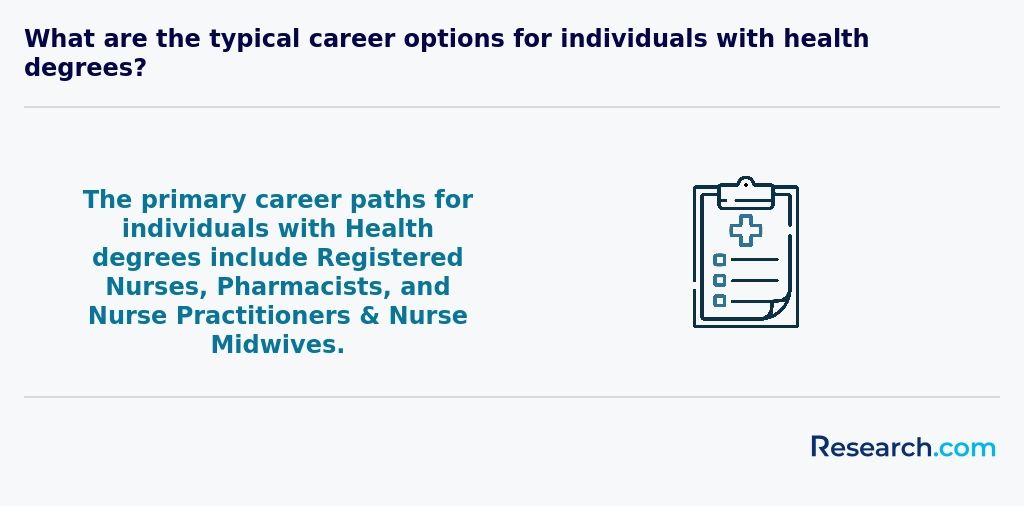
What career paths are available for healthcare degree students in San Juan?
Graduates of healthcare programs in San Juan find themselves stepping into a variety of dynamic career paths that reflect the city's expanding medical infrastructure. Many healthcare degree holders pursue clinical roles such as registered nurses and respiratory therapists, benefiting from strong local demand and competitive salaries. These roles often start with programs available at popular universities and colleges in San Juan, where students share stories of hands-on clinical experience that build confidence and job readiness. Exploring the broader landscape, allied health professions like physical therapy assistants and radiologic technologists also attract graduates drawn to shorter, affordable programs that rapidly lead to employment. This vibrant job market creates exciting possibilities for those studying healthcare career opportunities in San Juan.
Meanwhile, students interested in health services management or public health often collaborate with local institutions and the Puerto Rico Department of Health, gaining internships that enhance skills for future roles in hospital administration and policy analysis. Many graduates speak enthusiastically about how their education in San Juan equips them for careers that impact community health directly. For those seeking cost-effective education and promising job prospects, considering the cheapest online colleges for working students can be a smart next step toward a successful healthcare career.
What is the job market for healthcare degree in San Juan?
The healthcare job outlook in San Juan is promising, driven by a growing need for skilled professionals in hospitals, outpatient centers, and specialized clinics. Graduates from San Juan's popular universities often find themselves stepping directly into roles as registered nurses, physical therapists, or health services managers. Many recount how their education prepared them for the diverse demands of these settings, with competitive salaries that reflect local economic trends. The steady expansion of healthcare services means employment opportunities continue to diversify, making San Juan a fertile ground for healthcare degree employment opportunities.
Students studying healthcare in San Juan appreciate the affordable tuition compared to mainland institutions, which helps reduce financial barriers. Some graduates highlight how programs at local colleges provide comprehensive clinical experience, enhancing job readiness. For those considering advancing their careers, exploring the cheapest online mha programs offers a pathway toward leadership roles. As San Juan invests in healthcare infrastructure, new specialties and innovative roles are emerging, giving degree holders a unique advantage in the local market.
Frequently Asked Questions About healthcare
Healthcare degree students in San Juan can maximize their learning by engaging in hands-on clinical experiences offered through partnerships between universities and local hospitals. These practical opportunities help bridge theoretical knowledge with real patient care.
Taking advantage of federal financial aid programs, such as Pell Grants and the Federal Work-Study program, can also allow students to focus more on their studies without financial stress. According to the U.S. Department of Education, about 67% of undergraduate students in Puerto Rico receive some form of federal aid, highlighting its accessibility.
Students should also consider joining professional healthcare organizations or campus clubs to build networks and stay updated with industry developments. Networking in San Juan's growing healthcare sector increases chances of internships and employment after graduation.
The healthcare field in San Juan is evolving with new specializations gaining demand. Emerging niches include telehealth, which grew rapidly during the COVID-19 pandemic, offering remote patient care and improving access in Puerto Rico's urban and rural areas. Another growing area is geriatric care, driven by the island's aging population; by 2030, nearly 25% of Puerto Rico's residents will be over 65, increasing the need for specialized healthcare professionals.
Behavioral health is also a critical niche, focusing on mental health and substance abuse treatment. Additionally, health informatics-combining healthcare and information technology-is expanding as hospitals adopt electronic health records and data analysis tools. These fields present promising opportunities for students pursuing healthcare degrees in San Juan.
After completing a healthcare degree in San Juan, preparing for the job market involves several strategic steps. Start by obtaining relevant certifications required by Puerto Rico's healthcare system, such as CPR or specialized licenses depending on your field. Networking is vital; engage with local professional organizations like the Puerto Rico Nurses Association or healthcare job fairs held in San Juan.
Internships or clinical rotations completed during your studies can often lead to job placements, so maintain strong relationships with supervisors and mentors. The Puerto Rico Department of Labor reports a steady demand for healthcare professionals, especially nurses and medical technologists, making San Juan a promising area for employment.
Additionally, updating your resume and practicing interview skills tailored to the healthcare environment will increase your competitiveness.
Healthcare employers in San Juan prioritize a combination of technical and interpersonal skills when hiring graduates with healthcare degrees. Strong communication abilities are essential, as professionals must effectively interact with patients and multidisciplinary teams. Clinical competency, including proficiency in medical technologies and patient care protocols, is highly valued and often verified through certification exams.
Critical thinking and problem-solving skills are crucial in managing complex patient cases and making timely decisions. According to the Puerto Rico Department of Health, healthcare facilities in San Juan increasingly demand cultural competence to serve the city's diverse population effectively.
Employers also emphasize adaptability and teamwork, reflecting the dynamic environment of healthcare services. These skills improve patient outcomes and contribute to efficient workplace collaboration.
Finding internships in San Juan relevant to a healthcare degree involves leveraging local hospitals, clinics, and healthcare organizations. Major employers like the University of Puerto Rico Medical Sciences Campus and San Juan City Hospital often offer structured internships tailored for healthcare students.
Students should also connect with their academic advisors and career services offices, which typically have established partnerships with local healthcare providers. Internships provide practical experience essential for licensure and improve job placement chances.
Additionally, exploring opportunities through professional associations such as the Puerto Rico Public Health Association can be beneficial. According to the U.S. Bureau of Labor Statistics, healthcare occupations in Puerto Rico are projected to grow faster than average, underscoring the importance of real-world experience.
A healthcare degree in San Juan significantly enhances career mobility and advancement opportunities within the region's healthcare sector. According to the U.S. Bureau of Labor Statistics, jobs in healthcare occupations in Puerto Rico are projected to grow faster than the national average through 2030, supporting strong demand for qualified professionals.
Possessing a degree provides access to a broader range of roles-from clinical positions like nursing and medical technology to administrative and management roles in hospitals and clinics. Graduates often report higher starting salaries and faster promotion tracks compared to those without formal education.
The degree also offers eligibility for professional licensure and certifications, which are mandatory for most healthcare jobs in San Juan. This formal qualification is crucial in an increasingly competitive job market, enabling graduates to meet regulatory standards and secure specialized positions.
Studying for a healthcare degree in San Juan prepares students for interdisciplinary roles by emphasizing collaboration across multiple health professions. Programs often integrate coursework from nursing, public health, health administration, and allied health fields, reflecting the interdisciplinary nature of modern healthcare.
San Juan's institutions align with US educational standards, offering clinical experiences in diverse settings such as hospitals, community clinics, and public health agencies. According to the Puerto Rico Department of Health, approximately 30% of healthcare roles in San Juan require teamwork among professionals from different disciplines to improve patient outcomes.
This approach equips graduates with communication, teamwork, and problem-solving skills essential for roles that bridge clinical and administrative tasks, meeting the rising demand for versatile healthcare workers in the region.
When choosing between a thesis and a non-thesis healthcare degree program in San Juan, students should consider their career goals and learning preferences. Thesis programs focus on original research and are ideal for those aiming to pursue doctoral studies or careers in research and academia. Non-thesis programs typically emphasize practical skills and clinical experience, which suit students targeting immediate employment in healthcare settings.
In San Juan, institutions like the University of Puerto Rico offer both options, with thesis tracks requiring additional time for research and writing. According to the U.S. Department of Education, over 60% of healthcare graduates in Puerto Rico opt for non-thesis programs due to quicker completion and applied training.
Cost and program length also impact the decision; thesis degrees often take longer and may involve higher fees. Students should evaluate personal interests, professional aims, and available resources before selecting a track.
Students in San Juan interested in studying healthcare degrees abroad have several options within the United States. Many choose nearby states like Florida or Pennsylvania, which host reputable universities offering nursing, public health, and allied health programs. According to the National Center for Education Statistics, over 20% of healthcare students in Puerto Rico pursue degrees on the mainland to access a broader range of specialties and research opportunities.
Popular choices include institutions with extensive clinical partnerships and accredited healthcare programs, essential for certification and employment. Costs vary widely, making community colleges with transfer agreements an affordable pathway.
Students pursuing healthcare degrees in San Juan can benefit from several part-time job opportunities that complement their education. Positions such as medical assistants, pharmacy aides, and nursing aides often provide practical experience relevant to coursework. According to the U.S. Bureau of Labor Statistics, healthcare support roles are expected to grow by 11% nationwide through 2032, reflecting strong local demand in the San Juan metropolitan area.
Additionally, roles in clinics and community health centers enable students to develop patient interaction skills. Many employers accommodate flexible schedules to align with academic commitments. Gaining hands-on exposure not only reinforces theoretical knowledge but also enhances resumes for future employment.
Healthcare students in San Juan benefit from diverse networking opportunities tied to the city's strong medical and educational infrastructure. San Juan hosts several hospitals and clinics where students can engage in internships, clinical rotations, and volunteer work, connecting with healthcare professionals early in their studies.
The University of Puerto Rico's Medical Sciences Campus offers events, workshops, and guest lectures that foster peer and professional networking. Student organizations such as the Health Sciences Student Association create additional platforms to meet like-minded peers and industry experts.
Moreover, regional conferences and public health initiatives organized in San Juan provide access to broader professional networks within Puerto Rico's healthcare system. These experiences help students build valuable relationships that support their future careers.
Alumni networks play a crucial role for healthcare degree students in San Juan by creating connections that support career growth. Graduates often join these networks, which provide access to job opportunities in local hospitals and clinics. According to the Puerto Rico Department of Health, over 60% of healthcare positions in San Juan are filled through referrals, highlighting the value of networking.
Additionally, alumni associations offer mentorship programs, helping current students navigate internships and certifications required in healthcare professions. They also organize workshops and seminars featuring industry experts, keeping students informed about advances and regulations in Puerto Rico's healthcare system.
Strong alumni ties can enhance a student's professional reputation locally and provide ongoing support in a competitive job market.
Customizing a healthcare degree program in San Juan allows students to align their studies with specific career goals. Many local institutions offer elective courses and specialized tracks in areas like nursing, public health, or health informatics. This flexibility helps tailor education to meet industry demands in Puerto Rico's growing healthcare sector.
Students can also benefit from practicum placements at renowned hospitals in San Juan, such as the Centro Médico, gaining hands-on experience in their chosen field. According to the Puerto Rico Department of Health, healthcare jobs in San Juan are projected to grow by 10% through 2030, highlighting the importance of relevant, focused training.
Additionally, some programs offer night or online classes to accommodate working professionals, making it easier to balance education and career advancement.
Healthcare students in San Juan face a range of challenges common to the broader US education environment, as well as some unique to the region. One major issue is the high cost of education relative to local income levels, with tuition often exceeding the average household income in Puerto Rico, which is about $20,000 per year according to the U.S. Census Bureau.
In addition, many students struggle with limited clinical placement opportunities due to the small number of accredited hospitals and healthcare facilities in San Juan. This shortage can delay graduation and reduce practical experience.
Language barriers are also notable; while classes are primarily conducted in English, many patients speak Spanish, requiring strong bilingual skills for effective communication in clinical settings.
Finally, students must navigate financial aid and scholarship options that are often more restricted compared to mainland programs, impacting their ability to manage tuition and living expenses.
With a healthcare degree in San Juan, you can pursue several professional certifications that enhance your career prospects. Common certifications include Certified Medical Assistant (CMA), Registered Health Information Technician (RHIT), and Certified Professional Coder (CPC). These credentials are recognized nationally and valued by employers across Puerto Rico.
Additionally, you may consider certifications like Licensed Practical Nurse (LPN) or Registered Nurse (RN) licenses, which require passing state-specific exams. The Puerto Rico Board of Nursing regulates these licenses. According to the Puerto Rico Department of Health, demand for certified healthcare professionals is expected to grow by 12% through 2030.
Certification can improve salary potential and job security in San Juan's competitive healthcare market.
Applying to a healthcare program in San Juan requires careful preparation and clear presentation. Start by thoroughly researching the specific requirements of each program, as many local institutions, including the University of Puerto Rico's Medical Sciences Campus, emphasize both academic performance and relevant healthcare experience. Maintain a strong GPA, ideally above 3.0, as competition can be intense.
Use your personal statement to highlight your passion for healthcare in San Juan's diverse communities, citing local health challenges such as the prevalence of chronic diseases noted by Puerto Rico's Department of Health. Emphasize volunteer or work experience that demonstrates your commitment and practical skills.
Letters of recommendation from healthcare professionals familiar with your work carry significant weight. Also, ensure all standardized tests and transcripts are submitted on time.
The global perspective on healthcare careers highlights increasing demand for skilled professionals, driven by aging populations and expanding healthcare needs. In the United States, including San Juan, healthcare occupations are projected to grow 13% from 2021 to 2031, faster than average for all jobs, according to the Bureau of Labor Statistics.
This growth creates diverse opportunities in nursing, allied health, and public health fields. San Juan benefits from a strategic location, offering pathways into both local and broader U.S. healthcare systems. Students gaining healthcare degrees here may access federal licensure and certification options applicable nationwide.
Healthcare careers are recognized globally for their stability and potential impact on communities, making them attractive to students aiming for long-term employment and meaningful work.
Gaining practical experience while studying for a healthcare degree in San Juan is essential for career readiness. Many programs require clinical rotations or internships, providing hands-on training in hospitals, clinics, or community health centers. For example, institutions like the University of Puerto Rico Medical Sciences Campus facilitate student access to local healthcare settings. These opportunities allow students to apply theoretical knowledge and develop skills under professional supervision.
Additionally, volunteering at facilities such as the San Juan Veterans Affairs Medical Center offers valuable exposure. Practical experiences often count toward degree requirements, enhancing employability in the competitive healthcare job market in San Juan.
Choosing the right concentration within a healthcare degree program in San Juan requires considering local healthcare needs and job market trends. According to the Puerto Rico Department of Health, areas like nursing, medical laboratory technology, and public health are in growing demand due to ongoing public health initiatives and an aging population.
Prospective students should evaluate personal interests alongside job outlooks. For example, nursing programs often offer strong employment opportunities with median salaries around $60,000 annually, as reported by the U.S. Bureau of Labor Statistics. Meanwhile, public health concentrations align well with community health efforts prevalent in San Juan.
Additionally, accreditation and program flexibility are important. Look for programs recognized by relevant bodies such as the Commission on Accreditation of Allied Health Education Programs (CAAHEP) and consider whether part-time or online options suit your schedule.
Top Trending Healthcare Rankings
See What Experts Have To Say About Studying Healthcare
Read our interview with Healthcare experts

References
- Thesis vs. Non-Thesis Master's Programs: Which is Right for You? https://potomac.edu/thesis-vs-non-thesis-masters/
- Education requirements for the fastest-growing healthcare jobs https://www.corridorcareers.com/job-tips/blog-news-education-requirements-fastest-growing-healthcare-jobs
- Is an Online Degree the Same as a Traditional Degree | Online Degree https://www.cambridgehealth.edu/online-degrees/get-an-online-degree/is-an-online-degree-the-same-as-a-traditional-degree/
- Pursuing Your Career Goals: Strategies and Examples https://www.ultimatemedical.edu/blog/career-goals-importance-strategies-and-examples/
- How to Write Your Cover Letter | NQRTH https://www.nqrth.edu.au/career-planning/how-to-write-your-cover-letter/
- Healthcare Careers & Accredited Degree Programs https://www.healthcaredegree.com/
- LPN/LVN I Puerto Rico in San Juan, PR https://careers.encompasshealth.com/job/lpn-lvn-i-puerto-rico/san-juan-pr/2531185/
- Interdisciplinary Education and Practice https://www.aacnnursing.org/news-data/position-statements-white-papers/interdisciplinary-education-and-practice
- How to Get Into San Juan Bautista School of Medicine: The Definitive Guide (2024) | International Medical Aid https://medicalaid.org/blog/how-to-get-into-san-juan-bautista-school-of-medicine-the-definitive-guide/
- HEALTH MANAGEMENT (THESIS / NON-THESIS) - Lisansüstü Eğitim Enstitüsü https://lee.nisantasi.edu.tr/en/health-management-thesis-non-thesis/