2027 Best Online Healthcare Degree Programs Ranking in Montana

Co-Founder and Chief Data Scientist
If you're considering advancing your career with a healthcare degree in Montana, this article is for you. We present the 2027 Best Online Healthcare Degree Programs Ranking in Montana, developed by the Research.com team of data scientists to help you make an informed choice.
Finding the right program can feel overwhelming, but this ranking highlights quality options worth your attention. Pursuing a healthcare degree opens doors to rewarding careers that make a real difference in people's lives.
Explore these top programs and take a confident step toward your future today.
Key benefits of getting online healthcare degree in Montana
- Healthcare graduates in Montana can expect competitive salaries, such as Medical Assistants earning a mean annual wage of $43,350 and Quality Improvement Coordinators earning over $103,000, offering strong financial stability.
- Graduates from Montana State University often pursue careers in clinical research, patient care, or health information technology, reflecting diverse opportunities within the healthcare field.
- Online healthcare degrees from Montana colleges provide flexibility and convenience, allowing students like busy working adults to balance studies with personal commitments while gaining valuable skills.
- Key benefits of getting online healthcare degree in Montana
- What can I expect from online healthcare degree in Montana?
- Where can I work with online healthcare degree in Montana?
- How much can I make with online healthcare degree in Montana?
- 2027 Best Online Healthcare Degree Programs Ranking in Montana
- Key Findings
- How long does it take to complete online healthcare degree in Montana?
- What's the difference between online and on-campus healthcare degree?
- What is the average cost of online healthcare degree in Montana?
- What financial aid is available to online healthcare degree students in Montana?
- What are the prerequisites for enrolling in online healthcare degree program in Montana?
- What courses are typically in online healthcare degree programs in Montana?
- What types of specializations are available in online healthcare degree programs in Montana?
- How do you choose the best online healthcare degree in Montana?
- What career paths are available for online healthcare degree students in Montana?
- What is the job market for online healthcare degree in Montana?
- Related Healthcare Rankings for Nearby States
- Top Trending Healthcare Rankings
- See What Experts Have To Say About Studying Healthcare
What can I expect from online healthcare degree in Montana?
The average cost of an online healthcare degree in Montana typically ranges from $300 to $600 per credit hour for residents, varying by institution and program level. For example, students enrolled in programs at popular institutions like the University of Montana or Montana State University often find their tuition fees falling within this range, making it a financially attainable option compared to national averages.
Graduates frequently highlight the value of this investment, emphasizing flexible schedules and the ability to balance studies with work or family commitments. Many appreciate how local clinical requirements allow them to gain hands-on experience close to home, providing not just cost efficiency but also meaningful community connections.
Financial support plays a significant role in affordability. Montana offers state grants and federal loans alongside workforce development scholarships, which assist students in managing tuition expenses. These resources especially benefit those aiming to serve rural healthcare settings, reflecting the state's commitment to addressing regional healthcare workforce demands.
Where can I work with online healthcare degree in Montana?
Graduates with online healthcare degrees from Montana State University or the University of Montana often find diverse employment options across the state's expanding healthcare sector. Many secure roles in hospitals such as Billings Clinic or St. Patrick Hospital, working as nurses or healthcare administrators, where licensure earned post-degree is essential. One graduate shared how the flexibility of an online program allowed them to work while preparing for state certifications, leading to a fulfilling nursing career in a Billings hospital.
Others pursue positions in primary care clinics or specialist practices in Missoula and rural communities, managing operations or supporting patient care. The Montana Department of Labor & Industry projects over 10% growth in healthcare support roles, reflecting strong demand. Public health agencies and tribal organizations also offer meaningful careers, especially for graduates passionate about community health and Indigenous services.
Additionally, students report excitement about careers in telehealth and healthcare technology firms, sectors rapidly growing thanks to state initiatives expanding remote care. With Montana's aging population, elder care roles in long-term and assisted living facilities provide stable, rewarding employment for many graduates.
How much can I make with online healthcare degree in Montana?
Graduates of online healthcare degree programs in Montana can expect starting salaries that vary widely by role but generally reflect both regional demands and education level. For instance, medical assistants in the state typically earn around $43,350 annually, which aligns with national figures and offers a solid entry point into healthcare careers.
Health information technicians, another growing field for online degree holders, receive similar compensation, averaging $43,380 per year. This role is well-suited for those interested in medical records and data management, often pursued by graduates from Montana State University's online programs, who appreciate the balance of flexibility and job stability.
More specialized positions such as patient care technicians command higher wages, with mean annual salaries near $60,790. Graduates from institutions like the University of Montana pursuing these certifications find this a rewarding pathway, blending direct patient care with competitive pay.
At the upper end, quality improvement coordinators earn approximately $103,150 annually, reflecting advanced responsibilities in healthcare systems. Many online healthcare management graduates in Montana aim for such roles, finding that their education equips them for leadership and impactful work within hospitals and clinics.
2027 Best Online Healthcare Degree Programs Ranking in Montana
How do we rank schools?
Investing in your education is a significant decision that can shape your future, and the Research.com team understands the importance of making informed choices. To assist prospective students in Montana, we have meticulously crafted the "2027 Best Online Healthcare Degree Programs Ranking in Montana." Our commitment to quality, credibility, and accuracy is reflected in the extensive research and analysis conducted to compile this ranking.
We utilized the following reputable data sources to ensure a comprehensive evaluation of healthcare degree programs:
By exploring this ranking, readers will gain valuable insights into the top online healthcare degree programs available in Montana, empowering them to make well-informed decisions about their educational journey. For more details on our methodology, please visit our Research.com methodology page.

# 2 position
Montana State University Billings
Master of Health Administration

# 3 position
Montana State University Billings
Bachelor of Health Administration
Key Findings
- Online healthcare degrees in Montana include certificates, bachelor's, and master's programs with the same accreditation as on-campus courses.
- Bachelor's degree tuition typically ranges from $25,000 to $40,000, with public universities offering lower in-state rates.
- Entry-level healthcare salaries range from $50,000 to $60,000 annually, with potential growth to $90,000 or more in specialized or leadership roles.
- Healthcare job growth in Montana is steady, driven by aging populations and demand in both rural and urban areas.
- Clinical experience must be completed in person at approved healthcare facilities, often requiring local placement arrangements.
How long does it take to complete online healthcare degree in Montana?
Completing an online healthcare degree in Montana typically spans from two to four years, varying by degree level and enrollment pace. For instance, graduates from the University of Montana's online health programs often report that an associate degree in areas like medical assisting takes about two years full-time, fitting well with those managing work and family commitments. Meanwhile, bachelor's degrees in nursing or public health at Montana State University usually require around four years, though some students choose accelerated tracks to finish in as little as three years, enhancing their career momentum.
Master's degrees, such as the Master of Science in Nursing offered online in Montana, generally take two years full-time post-bachelor's. Graduates express satisfaction with the flexibility Montana colleges provide, allowing part-time enrollment that accommodates working professionals. Additionally, many students benefit from transfer credits or program designs that integrate in-state clinical hours, crucial for Montana's healthcare demands.
These options create a balance between efficient completion times and practical learning experiences, empowering Montana's healthcare students to advance confidently in their careers.
What's the difference between online and on-campus healthcare degree?
Online healthcare degrees in Montana, such as those offered by the University of Montana and Montana State University, emphasize flexible scheduling, ideal for working adults or residents in rural areas where commuting is challenging. Graduates often highlight the convenience of balancing coursework with jobs or family life, appreciating the local clinical placements arranged with healthcare providers across the state. These programs frequently extend in-state tuition rates to remote students, making education more affordable.
Conversely, on-campus programs at these universities deliver hands-on experiences through practical labs and direct faculty mentoring. Graduates describe the value of in-person interactions and access to campus resources, which enhance skills critical for nursing and medical technology fields. While costs can vary, public institutions in Montana typically charge around $7,000 to $9,000 annually for in-state students, whether online or on-campus.
Both formats meet accreditation standards requiring clinical practicums. Networking and job placement support tend to be stronger on-campus but are increasingly robust online through partnerships, ensuring Montana students gain relevant experience no matter their study mode.
What is the average cost of online healthcare degree in Montana?
The average cost of an online healthcare degree in Montana typically centers around $27,602 for both in-state and out-of-state students. This figure reflects tuition fees and is consistent across major public universities within the state, providing a transparent baseline for financial planning. Graduates from these programs often highlight the affordability compared to national standards, noting that Montana's tuition fees are significantly lower than the average private college tuition costs elsewhere.
Students pursuing an online healthcare degree in Montana often enroll in well-regarded institutions like Montana State University or the University of Montana. These schools offer competitive tuition while delivering quality education and flexible online coursework. Many graduates express satisfaction with how their programs balance cost and educational rigor, making their investment feel worthwhile. These programs also often include resources such as technology support fees, which help maintain smooth remote learning experiences.
When evaluating Montana online healthcare degree tuition fees, it's important to consider additional expenses such as textbooks, lab supplies, and clinical placement costs. However, in-state students benefit from clinical training opportunities within Montana, which can reduce out-of-pocket costs related to travel and accommodations. Many find that financial aid and scholarships offered at the state level help alleviate overall expenses.
Prospective students interested in exploring affordable pathways to advance their healthcare careers might also consider looking into easy online masters programs, which can complement healthcare degrees. Resources like easy online masters offer insights into programs that balance cost and curriculum demands effectively.
What financial aid is available to online healthcare degree students in Montana?
Students pursuing online healthcare degrees in Montana can access federal financial aid by completing the FAFSA, qualifying for Pell Grants that do not require repayment, and obtaining low-interest federal loans to cover costs. Graduates from institutions like the University of Montana report that these forms of aid were instrumental in managing tuition fees averaging between $20,000 and $40,000 annually.
State-level programs further support healthcare students. The Montana University System's Health Professional Scholarship Program, for example, offers scholarships with an obligation to serve in local healthcare, aligning with workforce needs. Many students attending Montana State University benefited from such aid, which helped offset costs while fostering a commitment to Montana's healthcare community.
Institutional scholarships at colleges across Montana often target nursing and allied health students, commonly funded through partnerships with local healthcare providers. Employed healthcare workers may access employer tuition reimbursement, making online degree pursuit financially feasible without sacrificing income.
Additional private scholarships, offered by organizations like the Montana Community Foundation, supplement aid packages. Graduates attribute early application and diligent research to unlocking these opportunities, enabling smoother financial journeys toward their healthcare careers.
What are the prerequisites for enrolling in online healthcare degree program in Montana?
To enroll in an online healthcare degree program in Montana, students must first have a high school diploma or GED, a baseline requirement across institutions like the University of Montana and Montana State University. Graduates often reflect on how this foundational step gave them confidence to tackle college-level coursework remotely.
Official transcripts from previous education-high school or college-are also essential to verify readiness and completed prerequisites. Common prerequisite courses include general biology with lab, chemistry, human anatomy and physiology, and college-level math or statistics. These subjects are frequently emphasized by Montana healthcare programs to ensure students build a strong scientific foundation.
Many programs, especially in nursing tracks, value relevant healthcare experience such as CNA certification or volunteer work in local clinics, which students report helped them feel more prepared and connected to Montana's healthcare environment.
While standardized tests like the SAT or ACT are less commonly required due to test-optional policies, students applying to competitive programs sometimes undergo alternative placement testing. Additionally, proof of immunizations and background checks is standard for programs involving clinical training, demonstrating Montana's commitment to patient safety and regulatory compliance.

What courses are typically in online healthcare degree programs in Montana?
Online healthcare degree programs in Montana commonly include foundational courses such as anatomy and physiology, which enable students to understand the human body's complex structure and function-an essential competency for any healthcare role. Graduates from well-regarded institutions like the University of Montana report that mastering medical terminology early eased their communication with peers and patients in clinical settings.
Health promotion and disease prevention courses are a core component, addressing Montana's rural healthcare challenges by teaching strategies to improve community wellness. Healthcare ethics and law classes prepare students to navigate the legal and moral complexities they will face, which graduates appreciate as crucial for professionalism in patient care.
Additionally, courses in healthcare administration and informatics train students to manage healthcare systems and utilize technology effectively, enhancing employment readiness. Practical components such as clinical practicums or virtual simulations are valued by students at Montana State University for providing hands-on experience, reinforcing theoretical knowledge, and boosting confidence before licensure exams.
- Anatomy and Physiology
- Medical Terminology
- Health Promotion and Disease Prevention
- Healthcare Ethics and Law
- Healthcare Administration and Informatics
- Clinical Practicum or Simulations
What types of specializations are available in online healthcare degree programs in Montana?
Online healthcare degree specializations Montana students often pursue include Nursing, particularly Registered Nurse (RN) to Bachelor of Science in Nursing (BSN) and Nurse Practitioner tracks. Graduates frequently mention that programs at institutions like the University of Montana provide robust clinical preparation paired with flexible online coursework, which accommodates their busy schedules. Healthcare Administration is another common specialization, appealing to those aiming for management roles within hospitals and clinics across the state. Public Health, with its emphasis on community health and epidemiology, resonates strongly in Montana given the focus on state-wide initiatives addressing opioid addiction and rural health disparities.
Programs in Health Informatics combine healthcare and information technology to improve patient outcomes, a field gaining traction as healthcare data grows in importance. Allied Health professions, such as medical assisting, attract students focused on direct service roles. These Montana healthcare degree programs specialties reflect the practical needs of the workforce and are tailored for working adults, many of whom benefit from online access.
Prospective students should carefully consider affordability and flexibility; graduates from Montana state universities frequently highlight the value of tuition rates below national averages. For those exploring options, the easiest degree to get in healthcare often relates to foundational allied health careers, providing a strategic entry point into the industry.
How do you choose the best online healthcare degree in Montana?
Choosing the best online healthcare degree in Montana involves prioritizing accredited programs that meet national standards, such as those endorsed by the Commission on Collegiate Nursing Education or the Council on Education for Public Health. Graduates from institutions like the University of Montana or Montana State University often praise the balance these programs provide between rigorous coursework and practical clinical experiences required locally. Cost considerations are essential; Montana's public universities frequently offer affordable healthcare degree programs Montana residents benefit from, often costing less than the national average of $10,000 to $15,000 annually for healthcare bachelor's degrees. Flexible scheduling is another vital factor, as many students, including working professionals, express satisfaction with asynchronous classes allowing study around family and job commitments. Clinical placements remain a crucial component, with successful online students appreciating schools that assist in local healthcare facility partnerships. For career readiness, strong support services enhance job prospects in Montana's growing healthcare sector. Exploring factors like these helps identify the best fit tailored to your goals. Some also research the easiest phd to get to complement healthcare advancement.
What career paths are available for online healthcare degree students in Montana?
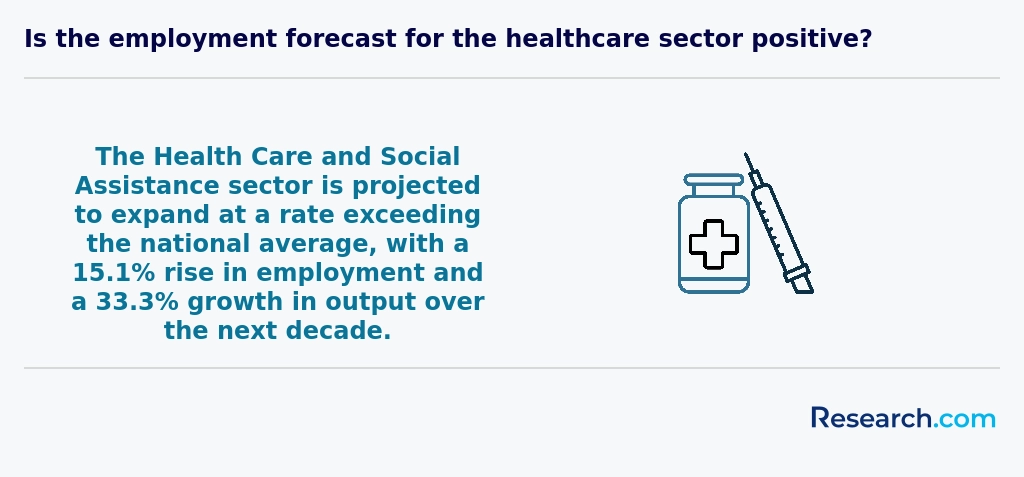
Graduates with an online healthcare degree in Montana often pursue careers as registered nurses, a role projected to grow by about 9% in the state due to increased patient care demand. Many students from institutions like the University of Montana have chosen the Bachelor of Science in Nursing (BSN) pathway, which is essential for advanced clinical positions. Another common career trajectory includes medical and health services managers, whose national job growth rate sits at 28% from 2021 to 2031; Montana's healthcare landscape values managers with local knowledge to address specific community challenges.
Beyond nursing and management, public health careers attract graduates focused on rural health improvement, tackling issues like substance use disorders and access to care. Allied health professions-such as respiratory therapy and radiologic technology-also offer strong job opportunities, often requiring both education and licensure. Graduates report a sense of fulfillment contributing to Montana's healthcare system and appreciate programs like those at Montana State University. For those still exploring options, reviewing a fastest associates degree can help identify quick entry points into these vital careers. Students interested in online healthcare degree careers Montana find these options reflect both regional needs and national trends.
What is the job market for online healthcare degree in Montana?
Graduates holding an online healthcare degree in Montana find a robust job market driven by strong demand for healthcare professionals across the state. Institutions like the University of Montana and Montana State University support online learners who often secure positions in hospitals, outpatient care centers, and rural clinics. These graduates experience encouraging job prospects as demographic shifts, such as an aging population, increase the need for skilled nurses, therapists, and healthcare managers.
Many graduates report satisfaction in finding stable employment in both metropolitan and remote areas, where persistent shortages of qualified workers exist. Competitive median salaries often exceed $60,000 annually, reflecting the value of specialized certifications and the state's investment in healthcare infrastructure. For those exploring options, the availability of affordable online programs reduces financial barriers, making it easier to align career goals with local market needs.
Students considering an online healthcare education in Montana can also explore the quickest cheapest masters degree options to accelerate their entry into this growing field and benefit directly from the evolving job market for online healthcare jobs in Montana.
Frequently Asked Questions About healthcare
Online healthcare degree students in Montana can maximize their learning by actively engaging with course materials and participating in virtual discussions. Access to clinical placements within Montana's healthcare system is essential; students should seek programs that coordinate local internships or partnerships. According to the Montana Department of Labor & Industry, healthcare jobs in the state are projected to grow 17% through 2030, highlighting the importance of practical experience.
Students benefit from utilizing library resources and academic support centers offered by their institutions. Regular communication with instructors and peers enhances comprehension and networking opportunities within Montana's healthcare community. Time management and self-discipline remain critical for success in online learning environments.
The healthcare field in Montana is evolving with several emerging niches offering promising career opportunities. One key area is telehealth, which expanded rapidly during the COVID-19 pandemic. Montana's rural population benefits greatly from remote healthcare services, making telehealth expertise highly valuable.
Another growing field is gerontology, driven by Montana's aging population. Specialists in elder care and chronic disease management are in increased demand.
Additionally, healthcare informatics is gaining importance as providers adopt electronic health records and data analytics to improve patient outcomes.
Behavioral health also remains critical, addressing mental health needs that are significant in Montana communities.
After completing an online healthcare degree in Montana, effective preparation for the job market involves several key steps. First, graduates should obtain necessary state licensure or certification, a requirement for many healthcare roles. Montana's Department of Labor reports healthcare occupations grow faster than average, emphasizing the need to stay current with industry credentials. Networking is also crucial; joining local professional organizations like the Montana Healthcare Association can open doors.
Practical experience through internships or volunteer work improves job prospects, especially in rural areas where demand is high. Updating your resume to highlight skills gained online and familiarity with Montana's healthcare systems also helps employers recognize your readiness.
Employers in Montana prioritize several key skills when hiring healthcare degree graduates, especially from online programs. Strong communication skills are essential, as healthcare professionals must effectively interact with patients and interdisciplinary teams. Critical thinking and problem-solving abilities rank high, helping graduates navigate complex medical situations. According to the Montana Department of Labor & Industry, proficiency in electronic health records (EHR) systems is increasingly demanded due to the state's adoption of digital healthcare technologies. Additionally, cultural competence is vital, given Montana's diverse rural populations. Employers also value adaptability and a solid foundation in healthcare ethics to meet evolving healthcare standards.
Finding internships in Montana relevant to a healthcare degree involves strategic research and networking. Start by exploring healthcare facilities such as hospitals, clinics, and long-term care centers in Montana's major cities like Billings and Missoula. The Montana Hospital Association provides useful directories for potential internship sites. Many universities and online programs offer career services that include internship placement assistance, which is crucial for remote students.
Additionally, connecting with professional organizations like the Montana Public Health Association can open doors to internships and volunteer opportunities. According to the U.S. Bureau of Labor Statistics, Montana's healthcare employment is expected to grow 13.8% from 2020 to 2030, signaling increasing internship availability.
Students should also use platforms like Handshake or local job boards to find postings specific to Montana healthcare internships. Early application and outreach to supervisors remain key strategies in securing valuable hands-on experience.
Obtaining an online healthcare degree in Montana can significantly enhance career mobility by providing flexible access to education aligned with the state's healthcare needs. Montana's growing healthcare sector, with a projected employment increase of 15% for healthcare practitioners by 2030 according to the U.S. Bureau of Labor Statistics, creates opportunities for advancement. Online degrees allow working professionals to upgrade skills without relocating or interrupting employment, which is crucial in rural areas. Graduates often qualify for higher-paying roles or specialized fields, such as nursing leadership or healthcare administration, improving their competitiveness in Montana's healthcare job market.
Many employers in Montana value accredited online degrees due to their rigorous curriculum and relevance to local healthcare challenges. This acceptance supports career transitions and promotions. Additionally, Montana's participation in interstate professional licensing compacts helps online degree holders pursue licensure and employment across nearby states, further extending career opportunities beyond Montana's borders.
Studying for a healthcare degree online in Montana equips students with skills essential for interdisciplinary roles in a growing healthcare environment. Montana's programs emphasize collaboration between nursing, public health, and healthcare administration to address regional health challenges. According to the Montana Office of the Commissioner of Higher Education, many degrees include coursework on teamwork, communication, and integrated care models, reflecting the real-world need for professionals who work across specialties.
Montana's healthcare sector often involves coordinated services to manage rural health disparities, making interdisciplinary training valuable. Online programs also leverage technology to unite students from diverse healthcare backgrounds, preparing them for collaborative practice in modern settings. This approach supports Montana's priority to improve health outcomes through team-based care.
Choosing between a thesis and a non-thesis healthcare degree program in Montana depends largely on your career goals and learning preferences. A thesis program requires original research and a formal written document, ideal for students aiming for academic or research-based roles. Montana's healthcare sector, growing due to an aging population, benefits from professionals who understand evidence-based practices, making theses valuable for leadership positions.
Non-thesis options focus on practical skills without extensive research, suited for those seeking immediate workforce entry. According to the Montana University System, online healthcare programs align with state workforce demands, emphasizing flexibility for working adults. Consider your time commitment, research interest, and career path before deciding.
Students based in Montana who wish to study healthcare abroad have limited direct options due to international licensing and program accreditation issues. Most U.S. healthcare degrees, especially in nursing and allied health, require clinical hours completed within the United States to meet Montana Board of Nursing standards. However, some Montana students enroll in online programs offered by U.S. universities with international study components or partnerships, allowing limited global exposure.
According to the Montana University System, about 80% of healthcare workers in the state hold degrees from in-state or regional institutions. This highlights the value of accredited programs that comply with U.S. healthcare regulations, which are crucial for licensure and employment in Montana.
Therefore, students interested in international health perspectives may consider domestic online degrees with global health tracks or pursuing study abroad programs during undergraduate years, rather than fully online healthcare degrees offered by foreign institutions.
Students pursuing online healthcare degrees in Montana can enhance their education by taking part-time jobs related to the healthcare field. Common roles include medical assistants, home health aides, and patient service representatives. These positions offer practical experience that aligns with coursework and develop essential skills. According to the Montana Department of Labor & Industry, healthcare support occupations are expected to grow by 18% between 2020 and 2030, indicating strong job availability.
Hospitals, clinics, and eldercare facilities in Montana frequently hire part-time workers, providing opportunities to observe healthcare operations firsthand. These jobs also help students build professional networks useful for future employment.
Online healthcare students in Montana benefit from diverse networking opportunities, despite studying remotely. Many Montana universities with healthcare programs encourage participation in local professional chapters such as the Montana Nurses Association or Montana Public Health Association. These organizations often host events, webinars, and conferences that students can attend to connect with industry professionals and peers.
Additionally, Montana's healthcare sector employs over 50,000 professionals, creating a broad local network for students to leverage during clinical placements or job searches, according to the Montana Department of Labor & Industry. Schools sometimes partner with local hospitals and clinics to provide real-world experience and networking possibilities.
Online platforms and LinkedIn groups tailored to Montana healthcare professionals further support connections in the state's healthcare community, fostering mentorship and career growth.
Alumni networks play a crucial role for online healthcare degree students in Montana by providing valuable professional connections. Many Montana graduates enter a state healthcare workforce expected to grow 15% from 2020 to 2030, according to the Montana Department of Labor & Industry. These networks help students access job leads, internships, and mentorship opportunities within Montana's rural and urban healthcare settings.
Members often share industry insights and career advice, which can be especially helpful in a specialized field like healthcare. Alumni events and online platforms facilitate peer support, improving student retention and success in demanding programs. For Montana students, these connections bridge the gap between theory and local employment realities.
Customizing an online healthcare degree program in Montana allows students to align their education with specific career goals. Many institutions offer various specializations such as healthcare administration, nursing, public health, or medical informatics. Students can select courses and electives that best fit their interests and professional aspirations.
Montana's healthcare workforce is growing, with a 13% employment increase expected by 2030, according to the Montana Department of Labor & Industry. Tailoring your degree to focus on in-demand skills, like rural health management or telehealth, can improve job prospects.
Additionally, online programs often provide flexible pacing and internship opportunities within Montana's healthcare facilities, helping students gain practical experience suited to regional needs.
Online healthcare students in Montana face several notable challenges. Limited access to high-speed internet in rural areas affects many, as about 30% of Montanans live in such regions, making stable connections for video lectures difficult (FCC, 2023). Additionally, clinical placements pose a challenge. Montana's sparse population means fewer healthcare facilities nearby, forcing students to travel long distances for hands-on experience.
Time management is another issue since many students balance work, family, and study commitments simultaneously. Furthermore, students often report feeling isolated without the in-person support networks found on campus, impacting motivation and engagement.
With an online healthcare degree in Montana, graduates can pursue various professional certifications to advance their careers. Common certifications include Certified Nursing Assistant (CNA), Registered Health Information Technician (RHIT), and Medical Coding Specialist credentials. These certifications enhance job prospects and earning potential.
The Montana Department of Labor reports steady demand for healthcare professionals, with many employers preferring or requiring certifications alongside degrees.
For example, nurses often earn the Certified Registered Nurse Anesthetist (CRNA) or Nurse Practitioner (NP) certifications, which require additional education but build on a nursing degree.
Other growing fields include healthcare administration and informatics, with certifications like Certified Professional in Healthcare Quality (CPHQ) providing added qualifications.
To write a winning application for an online healthcare program in Montana, start with a clear, well-organized personal statement. Highlight your passion for healthcare and commitment to serving Montana's rural communities, where demand for healthcare workers is high, according to the Montana Department of Labor & Industry.
Include specific examples of relevant experience, such as volunteer work or employment in healthcare settings. Admissions committees value practical knowledge alongside academic ability.
Strong letters of recommendation from professionals familiar with your work ethic and healthcare interest can strengthen your application significantly.
Finally, ensure you meet all prerequisite course requirements and provide official transcripts. Schools like the University of Montana emphasize careful compliance with these details for consideration.
The global perspective on a healthcare career highlights a steadily growing demand for skilled professionals, especially in countries like the United States. In Montana, healthcare occupations are expected to grow by 14.5% from 2020 to 2030, according to the U.S. Bureau of Labor Statistics. This growth aligns with global trends driven by aging populations and increased chronic conditions. Online healthcare degrees offer flexibility to meet this demand without relocating. Montana's rural nature emphasizes the need for healthcare workforce expansion, making online education critical for accessible training. Graduates can contribute locally while remaining competitive on a worldwide scale.
Students pursuing online healthcare degrees in Montana can gain practical experience through clinical placements arranged by their programs. These hands-on opportunities often take place in local hospitals, clinics, and community health centers. Montana's rural healthcare system, serving a population of about 1.1 million, offers diverse settings for real-world learning, especially in underserved areas.
In addition, many programs encourage internships or externships in various healthcare facilities, allowing students to develop skills required for certification or licensure. Montana's Department of Public Health and Human Services supports partnerships that facilitate these experiences.
Some schools also provide simulation labs or virtual clinical exercises to enhance practice when in-person options are limited.
Choosing the right concentration within an online healthcare degree program in Montana involves assessing your career goals and local healthcare needs. Montana faces a growing demand for healthcare professionals, especially in rural areas where access is limited, according to the Montana Department of Public Health and Human Services.
Consider concentrations that align with in-demand roles such as nursing, healthcare administration, or public health. Nursing, for example, continues to see significant job growth in Montana, with an expected increase of over 20% by 2030, as reported by the U.S. Bureau of Labor Statistics.
Research how each concentration fits your interests and strengths. Programs focusing on telehealth or gerontology may offer opportunities suited to Montana's aging population.
Also, verify the accreditation and clinical placement support offered by the online program. This ensures your degree has value across Montana and beyond.
Related Healthcare Rankings for Nearby States
- 2027 Best Online Healthcare Degree Programs Ranking in Idaho
- 2027 Best Online Healthcare Degree Programs Ranking in North Dakota
- 2027 Best Online Healthcare Degree Programs Ranking in South Dakota
- 2027 Best Online Healthcare Degree Programs Ranking in Washington
- 2027 Best Online Healthcare Degree Programs Ranking in Oregon
- 2027 Best Online Healthcare Degree Programs Ranking in Utah
- 2027 Best Online Healthcare Degree Programs Ranking in Nebraska
- 2027 Best Online Healthcare Degree Programs Ranking in Minnesota
- 2027 Best Online Healthcare Degree Programs Ranking in Colorado
- 2027 Best Online Healthcare Degree Programs Ranking in Iowa
Top Trending Healthcare Rankings
See What Experts Have To Say About Studying Healthcare
Read our interview with Healthcare experts

References
- 20 healthcare investment niches and 3 things to know: The evolution of ... https://blackbookmarketresearch.com/20-healthcare-investment-niches-and-3-things-to-know-the-evolution-of
- 5 Best Accredited Online Colleges In Montana https://www.accreditedschoolsonline.org/montana/
- Client Challenge https://www.springerpflege.de/nursing-graduates-perceived-future-career-pathway-and-career-shi/50653658
- Trends and opportunities in healthcare across emerging markets - Inizio https://inizio.com/insights/trends-and-opportunities-in-healthcare-across-emerging-markets/
- Alumni Reconnect - Poznan University of Medical Sciences https://pums.edu.pl/alumni-friends/alumni-reconnect/
- Career Opportunities in Healthcare Without a Medical Degree https://www.just-medical.ch/en/blog/medical-careers-without-formal-education
- The impact of postgraduate education on career advancement in healthcare https://sets.com.ua/journals/vol-3-no-2-2024/the-impact-of-postgraduate-education-on-career-advancement-in-healthcare
- Online Colleges in Montana | OEDb.org https://www.oedb.org/montana/
- Montana https://www.publichealth.org/online-degrees/montana/
- The Role of Interdisciplinary Studies in Medical Career Training https://georgia-med.com/the-role-of-interdisciplinary-studies-in-medical-career-training.html