2027 Best Online Healthcare Degree Programs Ranking in Oregon

Co-Founder and Chief Data Scientist
Choosing the right healthcare degree program can shape your career and future. For students in Oregon, navigating options can feel overwhelming.
This article presents the 2027 Best Online Healthcare Degree Programs Ranking in Oregon, developed by the Research.com team of data scientists. It offers a clear, trustworthy guide to help you find programs that match your goals and lifestyle.
Exploring these top-ranked programs empowers you to make confident decisions and invest in a rewarding healthcare career. Your journey toward making a positive impact starts here.
Key benefits of getting online healthcare degree in Oregon
- Healthcare degree graduates in Oregon can expect competitive salaries such as $43,350 annually for Medical Assistants and Clinical Research Coordinators, and up to $103,150 for Quality Improvement Coordinators, reflecting strong earning potential.
- Graduates from institutions like Oregon Health & Science University have diverse career options, including roles in patient care, health information management, and quality improvement leadership.
- Online healthcare degrees from universities such as Portland State University offer flexible schedules, allowing students to balance work and study while gaining the same respected credentials as traditional programs.
- Key benefits of getting online healthcare degree in Oregon
- What can I expect from online healthcare degree in Oregon?
- Where can I work with online healthcare degree in Oregon?
- How much can I make with online healthcare degree in Oregon?
- 2027 Best Online Healthcare Degree Programs Ranking in Oregon
- Key Findings
- How long does it take to complete online healthcare degree in Oregon?
- What's the difference between online and on-campus healthcare degree?
- What is the average cost of online healthcare degree in Oregon?
- What financial aid is available to online healthcare degree students in Oregon?
- What are the prerequisites for enrolling in online healthcare degree program in Oregon?
- What courses are typically in online healthcare degree programs in Oregon?
- What types of specializations are available in online healthcare degree programs in Oregon?
- How do you choose the best online healthcare degree in Oregon?
- What career paths are available for online healthcare degree students in Oregon?
- What is the job market for online healthcare degree in Oregon?
- Related Healthcare Rankings for Nearby States
- Top Trending Healthcare Rankings
- See What Experts Have To Say About Studying Healthcare
What can I expect from online healthcare degree in Oregon?
The average cost of an online healthcare degree in Oregon varies but typically ranges from $15,000 to $30,000 for a full bachelor's program. Graduates from Oregon State University and Portland State University often share how flexible tuition payment plans helped them manage expenses while balancing work and family. These programs are competitively priced compared to in-person options, partly because they reduce commuting and housing costs.
Many students take advantage of the Oregon Opportunity Grant, which significantly lowers out-of-pocket expenses, especially for those enrolled at least part-time. Additionally, employers increasingly offer tuition reimbursement for healthcare-related studies, which graduates report as a motivating factor to advance their careers.
Scholarships targeted at healthcare disciplines and state residency benefits also play a crucial role. Graduates stress that researching these options early made a meaningful difference, allowing them to focus more on mastering skills like telehealth technologies and healthcare administration, core components at schools like OSU and PSU.
Where can I work with online healthcare degree in Oregon?
Graduates with online healthcare degrees from popular Oregon institutions like Oregon State University or Portland State University can find diverse employment opportunities across the state's growing healthcare network. Many graduates start working as registered nurses after completing BSN programs and passing the NCLEX-RN exam, joining hospitals, outpatient clinics, or nursing homes where patient care is in high demand.
Others leverage healthcare administration degrees to secure management roles in major Oregon healthcare systems such as Kaiser Permanente or Legacy Health. These positions require a solid understanding of local policies, which online programs tailor specifically to Oregon's healthcare regulations, helping students feel confident stepping into leadership roles.
Allied health graduates often find rewarding careers in health information management or medical coding, working both remotely and onsite to handle patient data and billing. These roles offer stability and the flexibility that many online students appreciate.
Some graduates pursue telehealth jobs, expanding access to care in Oregon's rural communities, an area experiencing rapid growth due to increased state investment. Others contribute to public health efforts through agencies focused on community outreach and disease prevention, making a real impact close to home.
How much can I make with online healthcare degree in Oregon?
Graduates with an online healthcare degree in Oregon can expect competitive salaries that align with both their education and chosen healthcare roles. For instance, recent alumni from programs at Portland Community College or Oregon Health & Science University often start as Medical Assistants earning around $43,350 annually or as Patient Care Technicians with wages near $60,790. These roles provide solid entry points into the healthcare industry while allowing graduates to gain hands-on experience and build credentials.
Those moving into more specialized positions, such as Health Information Technicians, typically see starting salaries around $43,380. Graduates who pursue leadership positions like Quality Improvement Coordinators can anticipate mean annual earnings exceeding $103,000, reflecting their advanced skills and responsibilities. Oregon's growing healthcare sector means these opportunities are expanding, with continuing education and certifications offering clear pathways for salary advancement.
Choosing accredited online programs from respected Oregon institutions helps graduates confidently enter these fields, knowing they are prepared for Oregon's specific healthcare demands and salary expectations.
2027 Best Online Healthcare Degree Programs Ranking in Oregon
How do we rank schools?
Investing in your education is a significant decision that can shape your future, and the Research.com team understands the importance of making informed choices. To assist prospective students in Oregon, we have meticulously crafted the "2027 Best Online Healthcare Degree Programs Ranking in Oregon." Our commitment to quality, credibility, and accuracy is reflected in the extensive research and analysis conducted to compile this ranking.
We utilized the following reputable data sources to ensure a comprehensive evaluation of healthcare programs:
By exploring this ranking, readers will gain valuable insights into the best online healthcare degree programs available in Oregon, empowering them to make informed decisions about their educational and professional futures. For more details on our methodology, please visit our Research.com methodology page.


# 6 position
Oregon Health & Science University
Master of Nursing Education

# 7 position
Oregon Health & Science University
Bachelor of Nursing


Key Findings
- Online healthcare degrees in Oregon cover fields like nursing, health administration, public health, and medical technology.
- Tuition costs range from $10,000-$15,000 for associate degrees, $30,000-$50,000 for bachelor's, and $25,000-$60,000 for graduate programs.
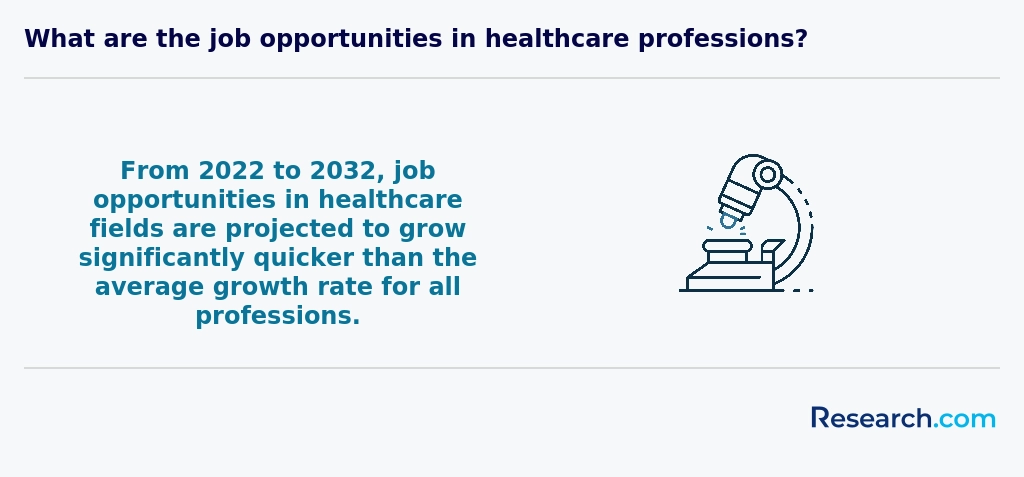
- Healthcare jobs in Oregon are expected to grow about 15% over the next decade, with entry-level salaries around $50,000 and experienced roles paying $90,000 or more.
- Many programs require accreditation and include clinical placements to meet licensure needs and provide practical experience.
- Financial aid like scholarships, grants, and loan forgiveness is available to support students in healthcare fields.
How long does it take to complete online healthcare degree in Oregon?
Completing an online healthcare degree in Oregon typically takes between one and six years, depending on your program and enrollment status. For example, graduates from Oregon Health & Science University often report finishing a full-time Bachelor of Science in Nursing (BSN) program in about four years. Part-time students at Portland State University balancing work and family usually extend their studies to five or six years, making steady progress without overwhelming commitments.
Associate degrees, such as dental hygiene programs offered at Lane Community College, generally take two to three years. Many appreciate this faster timeline to enter the workforce. For those pursuing a Master of Science in Nursing (MSN) through Eastern Oregon University's online platform, two years full-time or three-plus years part-time is common, allowing students to customize their pace.
Graduates often emphasize the importance of planning for clinical practicum hours, which must be completed locally in Oregon healthcare settings. Some accelerated options at University of Portland enable professionals with prior credentials to graduate in as little as 12 to 18 months, fueling motivation and career advancement without delay.
What's the difference between online and on-campus healthcare degree?
Choosing between online and on-campus healthcare degrees in Oregon depends largely on your lifestyle and learning preferences. Graduates from Oregon Health & Science University's on-campus programs often praise the hands-on experience gained through direct access to labs and medical simulation centers, which builds confidence in clinical skills. Meanwhile, those pursuing online healthcare degrees at institutions like Portland State University highlight the flexibility to study from home, balancing coursework with family or work, especially valuable for students living in rural parts of Oregon.
Both paths require clinical hours, but online students must coordinate practical training at healthcare facilities near their residence, which can feel empowering as they engage with their local communities. Tuition differences may be minor, but online programs sometimes reduce campus fees, though technology costs can add up. Graduates frequently note the growing quality of virtual support services, which help maintain motivation and reduce feelings of isolation. Ultimately, the best choice aligns with your personal schedule, access to resources, and career goals within Oregon's healthcare landscape.
What is the average cost of online healthcare degree in Oregon?
The average cost of an online healthcare degree in Oregon typically falls around $32,624, with in-state students paying close to $32,784 and out-of-state students facing around $42,528. Graduates from Oregon State University and other popular institutions often recall that while tuition is a significant expense, the investment in their education opened doors to rewarding careers in healthcare.
Community colleges in Oregon offer more affordable routes, with associate degrees costing between $4,000 and $7,000. Many students appreciate the flexibility and lower cost, especially those balancing family or work commitments. This pathway is an excellent entry point into healthcare fields such as nursing or medical assisting.
Bachelor's degrees online at major public universities in Oregon range from $10,000 to $20,000 for in-state learners. Students pursuing programs like the RN-to-BSN at Oregon State University often mention how manageable tuition combined with flexible scheduling allowed them to progress in their careers without compromising their personal lives.
Graduate healthcare degrees, like the Master of Public Health or nursing master's programs, tend to be more expensive, averaging between $20,000 and $40,000, with private institutions sometimes exceeding $50,000. Despite this, many graduates highlight that financial aid, scholarships, and employer tuition assistance significantly ease these costs.
For those exploring options, looking into an accelerated associate degree can be a strategic choice that balances time, cost, and career goals effectively. Prospective students should always verify tuition fees with their chosen school since prices can fluctuate annually, but with proper planning, pursuing an online healthcare degree in Oregon is a realistic and rewarding endeavor.
What financial aid is available to online healthcare degree students in Oregon?
Federal aid is a critical lifeline for Oregon students pursuing online healthcare degrees, with FAFSA enabling access to Pell Grants up to $7,395 annually, which many students at institutions like Oregon State University find invaluable for easing tuition costs. Graduates recall how these funds allowed them to focus more on their studies rather than worrying about debt.
State-specific programs add another layer of support. The Oregon Health Authority and Workforce Talent Development Board provide scholarships and loan repayment incentives, especially appealing to those studying nursing or public health at universities such as Portland State University. These often require a commitment to work within Oregon's healthcare system, giving students a clear path to both education and employment.
Institutional scholarships from universities such as Oregon Health & Science University include merit-based and need-based awards. Graduates frequently highlight how these scholarships helped cover equipment or technology expenses necessary for online learning.
Additionally, many students benefit from employer tuition reimbursement programs or grants from professional groups like the Oregon Nurses Association, which can offer timely financial relief during continuing education.
What are the prerequisites for enrolling in online healthcare degree program in Oregon?
To enroll in an online healthcare degree program in Oregon, you first need a high school diploma or GED, which sets the essential foundation. Many graduates from institutions like Oregon State University have noted that meeting this basic requirement felt reassuring, knowing they were starting on solid ground.
Additionally, some programs ask for SAT or ACT scores, though schools such as Portland State University have adopted test-optional policies, easing the path for many applicants. Maintaining a GPA around 2.5 to 3.0 is typically required, which aligns with the experiences shared by students who successfully gained admission.
Completing prerequisite courses in biology, chemistry, anatomy, physiology, and math with at least a "C" grade is another key step. Many students found that finishing these classes early helped them feel confident and prepared when starting their healthcare coursework.
For advanced degrees, like a Bachelor of Science in Nursing, having an associate degree and nursing licensure is common. Graduates mention that providing clinical experience or letters of recommendation added a personal touch to their applications, highlighting their readiness to thrive in healthcare.

What courses are typically in online healthcare degree programs in Oregon?
Online healthcare degrees in Oregon typically include courses designed to build both practical skills and in-depth medical knowledge. Graduates from popular institutions like Oregon State University often highlight courses such as Human Anatomy and Physiology, which provide essential understanding of the human body, making real-world clinical scenarios easier to grasp.
Other frequently taken classes include Medical Terminology and Healthcare Ethics and Law, critical for effective communication and navigating patient rights within Oregon's evolving healthcare system. Students appreciate Health Information Management courses that cover electronic health records and privacy, skills directly applicable in local clinics and telehealth services.
In programs at colleges like Portland Community College, Pharmacology Basics and Public Health are emphasized, reflecting Oregon's focus on rural health and community care. Many students praise the inclusion of Healthcare Administration and Management courses, preparing them for leadership roles. Practical experience through Clinical Practice or Capstone Projects connects theory with real healthcare settings, boosting student confidence as they enter Oregon's fast-growing healthcare job market.
What types of specializations are available in online healthcare degree programs in Oregon?
Online healthcare degree programs in Oregon commonly offer specializations that align with the state's diverse healthcare needs. Prospective students often choose Nursing pathways, such as Family Nurse Practitioner or Psychiatric Mental Health Nursing, which combine local clinical hours with online coursework. Graduates from universities in Oregon appreciate how these programs balance flexibility with practical training.
Another popular concentration is Health Informatics, which prepares students to manage electronic health records and telehealth systems-skills increasingly valued in Oregon's growing healthcare market. Public Health degrees also attract those interested in community health promotion and policy, with many students engaging in real-world projects addressing state-specific public health challenges.
Students focusing on Healthcare Administration gain expertise in healthcare law and operations, benefiting from Oregon's vibrant hospital systems. Meanwhile, Physical Therapy Assistant and Occupational Therapy paths support licensed therapists pursuing further certifications online.
Those considering options should explore the quickest cheapest masters degree available through local institutions to maximize affordability while meeting career goals.
How do you choose the best online healthcare degree in Oregon?
When selecting the best online healthcare degree programs Oregon offers, start by pinpointing your career goals and the healthcare field you want to enter. Graduates from well-known Oregon institutions often say choosing between nursing, health administration, or medical informatics early helps focus their studies and improve job prospects. Consider the degree level carefully-associate, bachelor's, or master's-as it impacts your future opportunities and earning potential.
Accreditation is vital. Look for programs recognized by bodies like the Commission on Collegiate Nursing Education (CCNE) or the Commission on Accreditation of Health Informatics and Information Management Education (CAHIIM). Many successful students appreciate how attending accredited schools in Oregon boosted their confidence and ensured employers valued their qualifications.
Cost can be decisive. Affordable online healthcare degrees in Oregon are often found at public universities where in-state tuition ranges roughly from $8,000 to $15,000 annually. Private institutions tend to be pricier but sometimes offer scholarships that graduates say make a difference. Flexibility is another plus; many enjoy fully asynchronous courses allowing study around jobs or family.
Check program outcomes by considering graduation rates and employment placement. Internships and industry connections in Oregon's healthcare sector can provide valuable hands-on experience. For insight into earnings, see data on highest paying bachelor degrees, which can guide your decision toward the best financial and career returns.

What career paths are available for online healthcare degree students in Oregon?
Graduates with an online healthcare degree in Oregon find diverse career paths tailored to the state's dynamic healthcare environment. Many start as Registered Nurses, especially in cities like Portland or Eugene, and then progress to Nurse Practitioner roles or specialized nursing educators, leveraging further certifications after their foundational degrees. Others focus on healthcare jobs with online degree Oregon options in health information management, becoming Medical Records Managers or Health Information Technicians, vital for managing patient data in the expanding telemedicine landscape.
Public health roles are also popular among graduates from Oregon's well-regarded universities, with opportunities as Community Health Workers, Policy Analysts, or Health Educators who shape local health initiatives. Graduates often share how online programs from community colleges or public universities equipped them with skills for these meaningful roles, blending flexibility with practical training.
For those seeking non-clinical opportunities, healthcare administration offers management and organizational positions. Exploring these pathways can bring rewarding career satisfaction and align with some of the most lucrative college majors. Planning ahead with this knowledge helps students navigate Oregon's growing healthcare sector confidently.
What is the job market for online healthcare degree in Oregon?
The job market for graduates with online healthcare degrees in Oregon is exceptionally strong, driven by a growing demand for healthcare professionals across urban and rural areas. Graduates from well-known Oregon institutions often find roles in hospitals, clinics, and public health organizations, capitalizing on a state focus on community health and preventive care. For example, those completing their degrees at popular universities in Oregon report successfully landing registered nursing and healthcare management positions swiftly after graduation.
Many students appreciate that Oregon's healthcare employers value candidates comfortable with online learning environments, especially as digital health services expand. The Oregon healthcare degree employment outlook remains positive, with expected growth in nursing and health information technology roles offering not only job security but also competitive salaries. Graduates often share that flexible, tech-savvy skills gained during their studies helped them advance quickly in their careers.
For those exploring further education options, reviewing the highest paying master degrees in healthcare can provide guidance on how to enhance credentials and unlock higher-paying positions in this thriving market.
Frequently Asked Questions About healthcare
Online healthcare degree students in Oregon can maximize their learning by actively engaging with virtual class materials and participating in discussion forums. Consistent communication with instructors and peers helps clarify complex healthcare concepts. Oregon's use of simulation technologies in some online programs offers a practical way to gain clinical skills remotely. Students should also seek local internship or clinical placements, as hands-on experience is crucial for healthcare careers. According to the Oregon Health Authority, aligning studies with state healthcare priorities, such as rural health, can enhance job prospects. Time management and creating a dedicated study environment are essential for success in online healthcare education.
Emerging niches in the healthcare field reflect evolving patient needs and technological advances. In Oregon, telehealth has seen rapid growth, especially after the 2020 pandemic, with a 30% increase in virtual care visits reported by the Oregon Health Authority. This surge creates demand for professionals skilled in digital health technologies and remote patient monitoring.
Another expanding area is gerontology, due to Oregon's aging population; over 17% of residents are 65 or older, which is above the national average. This drives opportunities in elder care management and support services.
Additionally, healthcare informatics is gaining importance, merging data analysis with patient care to improve outcomes. Oregon universities increasingly offer online degrees focusing on these skills.
After completing an online healthcare degree in Oregon, it is crucial to focus on practical experience and certification to improve job prospects. Many healthcare roles require state licensure or certification, such as the Oregon State Board of Nursing for nurses or the Oregon Medical Board for medical practitioners.
Networking within Oregon's healthcare community, including local hospitals and clinics in Portland and Eugene, can provide valuable job leads. According to the Oregon Employment Department, healthcare occupations are projected to grow 15% through 2030, reflecting strong demand.
Consider internships and volunteering to build hands-on skills and professional connections. Use resources such as Oregon's Workforce and Talent Development Board for career services tailored to healthcare graduates.
Employers in Oregon value healthcare degree graduates who demonstrate strong clinical skills and the ability to apply evidence-based practices. According to the Oregon Employment Department, competencies such as patient communication, critical thinking, and teamwork rank highly.
Technical proficiency with electronic health records (EHR) is increasingly important, as Oregon healthcare facilities emphasize digital documentation. Additionally, cultural competence is vital due to the state's diverse populations, improving patient outcomes and satisfaction.
Graduates with leadership and problem-solving skills are preferred, as healthcare roles often require managing complex situations. Familiarity with Oregon's healthcare regulations and an understanding of public health trends further enhance employability.
Finding internships in Oregon relevant to healthcare degrees involves several strategic steps. Start by exploring partnerships between online programs and local healthcare providers, as many Oregon universities collaborate with hospitals and clinics for student placements. According to the Oregon Employment Department, healthcare occupations in the state are projected to grow 14% through 2030, increasing internship opportunities.
Contact clinical coordinators at your online school for guidance on approved internships. Additionally, check with OregonHealthCare.gov and professional organizations like the Oregon Nurses Association for listings. Networking through LinkedIn and local health events also helps. Early applications are crucial due to competitive placements in Oregon's large medical centers such as OHSU.
Obtaining an online healthcare degree in Oregon significantly enhances career mobility and advancement opportunities. Oregon's healthcare industry is growing rapidly, with employment in healthcare occupations expected to increase by 15% from 2020 to 2030, according to the Oregon Employment Department. An online degree provides flexibility for working professionals to gain advanced qualifications without leaving their jobs.
The state's healthcare employers value accredited online degrees, which meet the same standards as traditional programs. Graduates often qualify for higher-paying roles such as nurse practitioners, healthcare administrators, or specialized technicians.
Moreover, online programs frequently incorporate current Oregon healthcare policies and standards, helping students better navigate regional licensure and certification requirements.
Studying for a healthcare degree in Oregon offers students a strong foundation in interdisciplinary collaboration, essential for modern healthcare settings. Oregon's online programs often include coursework in healthcare policy, ethics, management, and clinical practice, preparing students to work with diverse teams.
The Oregon Center for Nursing reports that integrated care approaches are prioritized statewide, making interdisciplinary skills a key focus in education. This prepares graduates to coordinate effectively with professionals such as physicians, social workers, and pharmacists.
Additionally, Oregon's emphasis on rural and community health equips students to adapt to a variety of healthcare environments, enhancing teamwork capabilities across disciplines.
Choosing between a thesis and a non-thesis online healthcare degree program in Oregon depends on your career goals and learning preferences. Thesis programs focus on research, requiring you to conduct original studies, which is ideal if you plan to pursue advanced research or doctoral studies. Non-thesis options emphasize practical skills and coursework, often allowing students to complete internships or capstone projects.
In Oregon, healthcare employers increasingly value hands-on experience. According to Oregon Employment Department data from 2023, healthcare occupations are expected to grow by 16%, highlighting a strong job market for graduates with applied skills. Thesis programs may also appeal if you wish to contribute to healthcare policy or innovation through research.
Ultimately, your choice should align with whether you prefer academic research or direct professional application in healthcare settings.
Students based in Oregon interested in studying healthcare abroad have several options, primarily through international partnerships and exchange programs offered by Oregon universities. While fully online healthcare degrees are mostly US-based, some accredited institutions have collaboration agreements allowing students to take part of their coursework or clinical experience overseas. For example, Oregon Health & Science University (OHSU) sometimes facilitates global health opportunities, enhancing practical experience.
It is important to ensure that any foreign coursework meets accreditation standards recognized by US bodies like the Commission on Collegiate Nursing Education (CCNE) or the Accreditation Council for Pharmacy Education (ACPE). Oregon has a growing healthcare sector, with over 150,000 healthcare workers as of 2023 (Oregon Employment Department), so aligning degrees with local licensure requirements is critical for career success.
In Oregon, part-time job opportunities that complement healthcare degree education are diverse and often aligned with the expanding healthcare sector. Positions such as medical assistants, certified nursing assistants (CNAs), and home health aides allow students to gain practical experience while pursuing their degrees. The Oregon Employment Department reports a projected 15% job growth in healthcare support roles through 2030, reflecting strong local demand.
Many students choose roles in outpatient care centers and nursing homes, common employers in the state. These jobs provide valuable patient interaction and familiarity with clinical environments.
Additionally, telehealth support roles have grown due to increased remote healthcare services, offering flexible work options suitable for online learners in Oregon.
Online healthcare students in Oregon have access to several valuable networking opportunities, despite the remote learning format. Many Oregon universities offering online healthcare degrees host virtual career fairs and networking events, connecting students with local healthcare employers and professionals. For example, Oregon Health & Science University frequently organizes webinars and online meetups for its healthcare students.
Additionally, students can join state-specific professional organizations, such as the Oregon Nurses Association, which provide online forums, conferences, and mentorship programs. These opportunities facilitate connections with healthcare workers across the state.
According to the Oregon Employment Department, healthcare remains a top employment sector, increasing the value of these professional networks. Leveraging LinkedIn groups focused on Oregon healthcare careers also helps students build regional connections.
Alumni networks provide significant support to online healthcare degree students in Oregon by connecting them with experienced professionals across the state. These networks offer valuable mentorship opportunities, helping students navigate career pathways in a healthcare market expected to grow by 16% in Oregon through 2030, according to the Oregon Employment Department. Members often share job leads, internships, and continuing education resources vital for career advancement. Strong alumni connections can also ease entry into Oregon's diverse healthcare settings, from urban centers like Portland to rural clinics. Participation in these networks enhances professional identity and fosters collaboration within the local healthcare community.
Customizing an online healthcare degree program in Oregon allows students to align their education with specific career goals. Many universities offer concentrations such as public health, health informatics, or nursing leadership to tailor studies to industry demands. Oregon's healthcare sector is growing, with employment projected to increase 15% through 2030 according to the Oregon Employment Department. Students can select elective courses or internships based on local healthcare needs, such as rural health or mental health services. Additionally, accredited Oregon programs often provide flexible scheduling and options to earn professional certifications alongside degrees, enhancing career readiness in the regional job market.
Online healthcare students in Oregon often face challenges related to balancing rigorous coursework with personal and professional responsibilities. Many students juggle full-time jobs or family care while managing demanding study schedules. Access to quality clinical placements can be limited, as Oregon requires in-person practical training even for online degrees. This creates logistical difficulties, especially in rural areas where healthcare facilities are scarce.
Technological barriers also arise; reliable internet is essential, yet 8% of Oregon households lack broadband access, impacting students' ability to participate fully. Additionally, navigating different state licensing requirements after graduation can be complex, affecting career choices.
With an online healthcare degree in Oregon, graduates can pursue various professional certifications to enhance their careers. Popular certifications include Certified Nursing Assistant (CNA), Registered Nurse (RN) license, and Certified Medical Assistant (CMA). Many programs prepare students for the National Healthcareer Association (NHA) certifications commonly recognized across the state.
Oregon's healthcare job market values certifications such as the Certified Professional in Healthcare Quality (CPHQ) and credentials offered by the American Health Information Management Association (AHIMA) for health information roles. The Oregon Employment Department highlights a 12% growth in healthcare occupations by 2030, emphasizing the importance of certified professionals.
Online degrees often align with state licensure requirements, facilitating easier transitions to certification exams. Prospective students should verify specific credentialing agencies' prerequisites related to their chosen healthcare field in Oregon.
To write a winning application for an online healthcare program in Oregon, start by clearly demonstrating your passion for healthcare. Admissions committees value applicants who show genuine interest and commitment to the field. Include specific reasons why you want to study healthcare online and how it aligns with your career goals.
Ensure your application highlights relevant academic achievements and any healthcare-related experience, such as volunteer work or job roles. Oregon's healthcare sector is growing, with a projected 16% increase in allied health jobs by 2030, according to the Oregon Employment Department.
Additionally, tailor your personal statement to reflect knowledge of the challenges faced by Oregon's healthcare system, such as rural access, showing your awareness and readiness to contribute. Finally, secure strong recommendation letters from professionals or instructors who can attest to your skills and dedication.
Healthcare careers are viewed globally as vital and expanding fields, especially in technologically advanced countries like the United States. For students in Oregon, pursuing an online healthcare degree aligns with a growing demand for skilled professionals nationwide. According to the U.S. Bureau of Labor Statistics, healthcare occupations are projected to grow 16% from 2021 to 2031, much faster than average.
Oregon's healthcare sector reflects similar trends, with the Oregon Employment Department reporting steady increases in jobs such as registered nurses and medical assistants. Globally, healthcare remains a respected and essential profession that offers opportunities to impact patient lives, public health, and innovation.
Understanding international practices can enrich a healthcare career, especially as telehealth and global health concerns connect professionals worldwide. For Oregon students, obtaining a flexible, accredited online degree can provide a competitive edge both regionally and globally.
Gaining practical experience while pursuing an online healthcare degree in Oregon is essential for career readiness. Many programs require clinical hours that students can complete at approved local healthcare facilities. Oregon has a robust network of hospitals and clinics, especially in metropolitan areas like Portland and Eugene, making it easier to arrange placements. Students often coordinate with their school's clinical coordinator to find suitable internships or externships.
Additionally, Oregon's healthcare workforce demand is rising, with a projected 15% growth in healthcare jobs through 2030 according to the Oregon Employment Department. Volunteering or part-time work in medical settings can also provide valuable hands-on experience while studying.
Choosing the right concentration within an online healthcare degree program in Oregon starts with understanding your career goals and interests. Healthcare offers diverse fields such as nursing, health informatics, and public health. Research Oregon's healthcare job market to identify areas with strong growth; for instance, the Oregon Employment Department projects a 15% increase in healthcare occupations through 2031.
Consider the specific skills and certifications required in your chosen concentration. Online programs often allow flexibility, so select one aligned with Oregon's licensure requirements if you plan clinical work. Finally, review program curricula and faculty expertise to ensure they meet your educational needs and professional ambitions.
Related Healthcare Rankings for Nearby States
- 2027 Best Online Healthcare Degree Programs Ranking in Washington
- 2027 Best Online Healthcare Degree Programs Ranking in California
- 2027 Best Online Healthcare Degree Programs Ranking in Idaho
- 2027 Best Online Healthcare Degree Programs Ranking in Montana
- 2027 Best Online Healthcare Degree Programs Ranking in Utah
- 2027 Best Online Healthcare Degree Programs Ranking in Arizona
- 2027 Best Online Healthcare Degree Programs Ranking in Colorado
- 2027 Best Online Healthcare Degree Programs Ranking in New Mexico
- 2027 Best Online Healthcare Degree Programs Ranking in South Dakota
- 2027 Best Online Healthcare Degree Programs Ranking in North Dakota
Top Trending Healthcare Rankings
See What Experts Have To Say About Studying Healthcare
Read our interview with Healthcare experts

References
- OHSU Programs and School in Oregon https://www.ohsu.edu/education/ohsu-programs-and-schools
- How service-learning experiences can help undergraduate ... https://www.ijsed.com/article/123671-how-service-learning-experiences-can-help-undergraduate-students-choose-a-health-related-profession-a-perspective
- Resources https://oregoncarecareers.com/resources/
- What is the Salary Level That Corresponds With Each ... https://www.healthcare-management-degree.net/faq/what-is-the-salary-level-that-corresponds-with-each-educational-level-of-healthcare-management/
- Highest-Paying Healthcare Degrees Online https://www.edumed.org/articles/highest-paying-healthcare-degrees/
- Best Online Colleges In Oregon https://www.affordablecollegesonline.org/online-colleges/oregon/
- Healthcare Pathways (HPC) Award https://www.pcc.edu/programs/medical-professions/cert-healthcare-pathways/
- Health Professions | CCC https://www.clackamas.edu/academics/educational-focus-areas-group/health-professions
- Online Healthcare Degrees https://teach.com/online-ed/healthcare-degrees/
- Online Degree Programs https://sou.edu/academics/online-degrees/