
2027 Best Online Doctorate in Healthcare Degree Programs Ranking in Boston, MA

Co-Founder and Chief Data Scientist
Choosing the right healthcare doctorate program can shape your future, especially in a vibrant city like Boston. This article introduces the 2027 Best Online Doctorate in Healthcare Degree Programs Ranking in Boston, MA, carefully developed by the Research.com team of data scientists.
It helps you navigate the many options by spotlighting programs that truly stand out. Reading this guide will empower you to make an informed decision aligned with your career goals.
Advance your expertise, increase your impact, and take confident steps toward a rewarding healthcare career.
Key benefits of getting online healthcare degree in Boston
- Graduates with online healthcare degrees in Boston can expect strong earning potential, with roles like Program Director earning a mean annual wage of $129,330 and Healthcare Services Researchers earning around $112,380.
- Healthcare degree holders can pursue diverse career paths such as Research Director, Principal Scientist, or Chief Development Officer, offering opportunities in management, research, and development across Boston's thriving medical industry.
- Completing your healthcare degree online provides flexibility, allowing you to balance work and study effectively-an advantage Boston graduates at top universities appreciate while advancing their careers without interrupting their lives.
- Key benefits of getting online healthcare degree in Boston
- What can I expect from online healthcare degree in Boston?
- Where can I work with online healthcare degree in Boston?
- How much can I make with online healthcare degree in Boston?
- 2027 Best Online Doctorate in Healthcare Degree Programs Ranking in Boston, MA
- Key Findings
- How long does it take to complete online healthcare degree in Boston?
- What's the difference between online and on-campus healthcare degree?
- What is the average cost of online healthcare degree in Boston?
- What financial aid is available to online healthcare degree students in Boston?
- What are the prerequisites for enrolling in online healthcare degree program in Boston?
- What courses are typically in online healthcare degree programs in Boston?
- What types of specializations are available in online healthcare degree programs in Boston?
- How do you choose the best online healthcare degree in Boston?
- What career paths are available for online healthcare degree students in Boston?
- What is the job market for online healthcare degree in Boston?
- Top Trending Healthcare Rankings
- See What Experts Have To Say About Studying Healthcare
What can I expect from online healthcare degree in Boston?
The average cost of an online healthcare degree in Boston varies widely, but students can typically expect to invest between $15,000 and $50,000 depending on the program level and institution. Graduates from well-known Boston universities often share how the financial commitment felt substantial yet worthwhile-balancing work and study while leveraging scholarships or federal aid softened the burden. For example, pursuing an online Bachelor's in Health Sciences at a respected Boston college might cost closer to the lower end, while advanced degrees like a Doctor of Healthcare Administration from a prestigious university usually command higher tuition fees.
One common thread among Boston's healthcare students is the recognition that tuition is not merely a price but an investment, unlocking access to world-class faculty, innovative virtual simulations, and a vast local healthcare network. This network often leads to internships and job placements that make the cost tangible and justified. Many graduates describe moments when leveraging academic advisors and career services transformed uncertainty about finances into confidence about their professional future.
Where can I work with online healthcare degree in Boston?
Graduates with online healthcare degrees in Boston often find themselves stepping directly into dynamic roles within the city's unrivaled medical landscape. Imagine a graduate from Boston University navigating the corridors of Massachusetts General Hospital, contributing to healthcare management projects that impact thousands. These roles extend beyond patient care, embracing administration, clinical research, and public health coordination-fields where online-degree holders thrive.
Many graduates share that their degree opened doors inside Boston's robust network of hospitals, research hubs like Harvard Medical School, and community health centers. It's common to hear how working alongside leading biomedical innovators fuels both challenge and inspiration. Even government agencies like the Massachusetts Department of Public Health actively seek professionals who bring fresh perspectives from online programs.
While some clinical careers require additional licensing, the city's emphasis on health informatics and policy offers rich, accessible career paths for online graduates. Their stories reflect a confidence born from blending practical experience with flexible learning, proving that Boston's healthcare ecosystem rewards adaptability and ambition.
How much can I make with online healthcare degree in Boston?
Graduates from online healthcare programs in Boston have compelling financial prospects. For instance, healthcare alumni from institutions like Northeastern University or Boston University often find themselves earning mean annual wages around $112,380 in roles such as Healthcare Services Researcher, Research Director, or Principal Scientist. These positions reflect a strong intersection of research and leadership, rewarding expertise with salaries well above national averages.
Moving into healthcare management, many Boston graduates rise to positions like Program Director, Healthcare, commanding impressive mean annual wages of approximately $129,330. This salary level reflects both the responsibility of overseeing healthcare operations and Boston's unique ecosystem, driven by leading hospitals and academic centers.
Even roles like Chief Development Officer offer a competitive annual mean wage near $95,600, showcasing viable paths outside direct clinical work. Graduates often recall the blend of rigorous education and practical connections formed during their online studies, which build confidence entering this vibrant job market.
These salary figures challenge the notion that online degrees are less valuable locally. In Boston's dynamic healthcare sector, online graduates routinely secure salaries that reflect not only their skills but also the city's commitment to advanced healthcare education and innovation.
2027 Best Online Doctorate in Healthcare Degree Programs Ranking in Boston, MA
How do we rank schools?
Investing in your education is a significant decision that can profoundly impact your career and future, and the Research.com team recognizes the importance of providing trustworthy guidance. To support prospective students seeking advanced healthcare education in Boston, MA, we have carefully developed the "2027 Best Online Doctorate in Healthcare Degree Programs Ranking in Boston, MA." Our dedication to quality, credibility, and accuracy is evident in the thorough research and detailed analysis that underpins this ranking.
We utilized the following reputable data sources to ensure a comprehensive evaluation of healthcare doctorate programs:
By exploring this ranking, readers will gain valuable insights into the top online doctorate programs in healthcare, empowering them to make informed decisions about their educational journeys. For a deeper understanding of how this ranking was created, please visit our Research.com methodology page.


# 3 position
MGH Institute of Health Professions
Physical Therapy, Transitional Doctor of Physical Therapy

Key Findings
- Tuition for online healthcare degrees in Boston ranges from $20,000 to $45,000, with public universities generally being more affordable than private ones.
- Entry-level healthcare professionals with a bachelor's degree can expect an average starting salary of around $60,000 per year.
- Advanced degrees such as master's or doctorates can lead to salaries above $100,000 in clinical, administrative, or research roles.
- Employment in healthcare occupations in the Boston area is projected to grow by approximately 12% over the next decade.
- Boston hosts major hospitals and research centers that create strong demand for healthcare workers in nursing, administration, public health, and specialized roles.
- Online healthcare programs in Boston often offer flexible scheduling and meet nationally recognized accreditation standards.
How long does it take to complete online healthcare degree in Boston?
Completing an online healthcare degree in Boston often challenges the typical notion that higher education fits neatly into a fixed timeframe. Graduates from well-known institutions like Northeastern University or Boston University often recount how their journey spanned from two to six years, a reflection of both degree complexity and personal circumstance.
For example, a full-time student pursuing a Bachelor of Science in Nursing might finish within four years, but many find themselves pacing through part-time studies around demanding work schedules, stretching the timeline to five or six years. Graduate students in programs like the Master of Science in Nursing frequently highlight the flexibility that helps them balance life and study, extending their course duration from two to four years without diminishing enthusiasm or career momentum.
Doctoral candidates, engaging deeply with clinical research or practice, embrace a multi-year commitment of three to six years, often remarking on the rewarding interplay of academic rigor and meaningful professional development. These personalized timelines in Boston's robust education ecosystem underscore that time to degree completion is as much about adaptability as it is about coursework.
Many learners take advantage of summer sessions or extra credits, accelerating their path to success, proving that in Boston, your journey truly shapes your timeline.
What's the difference between online and on-campus healthcare degree?
Choosing between online and on-campus healthcare degrees in Boston reveals more than just a matter of location-it reshapes your entire learning journey. Graduates from prestigious institutions like Boston University often share how on-campus programs became immersive adventures, filled with hands-on labs and buzzing clinical environments that fostered immediate connections with local healthcare hubs. The energy of in-person collaboration and real-time mentorship is hard to replicate, making those moments invaluable.
Conversely, online learners from colleges such as Northeastern speak to a different kind of empowerment: the freedom to balance demanding jobs or family life without sacrificing education. They appreciate accessing lectures asynchronously and honing skills via digital simulations, a convenience that resonates deeply amid Boston's bustling pace. Yet, securing local clinical placements independently demands grit and coordination, challenging but also sharpening their proactive spirit.
This contrast challenges the assumption that physical presence guarantees better education. Instead, in Boston's competitive healthcare education landscape, success often springs from how well you leverage your environment-whether online or on-campus-to build expertise and connections. Both paths pulse with potential, inviting you to reflect on your own priorities and circumstances.
What is the average cost of online healthcare degree in Boston?
The average cost online healthcare degree Boston students can expect hovers around $43,200 for the entire program, whether pursued as in-state or out-of-state learners. This figure might initially seem daunting, but graduates from prominent Boston colleges often reflect on the value they received-combining rigorous academics with flexible online formats tailored to working professionals. One common scenario involves balancing clinical practicums with coursework, where the cost per credit hour, typically ranging from $800 to $1,200, translates into a tangible investment in real-world skills and credentials recognized by local healthcare employers.
Students pursuing online doctorates in healthcare tuition fees Boston MA find that though their programs may push toward the higher end of the scale, the prestige of Boston's medical institutions and the comprehensive support services make it worthwhile. Many recount their relief in accessing scholarships and financial aid programs offered by schools and city foundations, turning what initially seems like prohibitive tuition into an achievable goal. The emotional payoff often comes from entering the healthcare field prepared and confident after completing that significant investment.
Understanding the cost breakdown encourages prospective learners to think beyond headline tuition numbers. Fees for technology access, clinical placements, and licensing exams also factor heavily into a student's budget. Yet, the tangible outcomes-careers in health administration, nursing, or public health-can validate the total expenditure. For those exploring pathways toward career advancement, it's worth investigating an easy masters degree in healthcare online, which not only fits personal schedules but also aligns with Boston's cost-effective educational opportunities.

What financial aid is available to online healthcare degree students in Boston?
Many students pursuing online healthcare degrees in Boston find themselves navigating a complex web of financial aid with a mix of anticipation and relief. Graduates from renowned local institutions, such as Northeastern University and Boston University, often share how federal aid transformed their educational journey. While Pell Grants may be off-limits for graduate healthcare students, federal loans like Direct Unsubsidized and Grad PLUS Loans become critical lifelines, offering manageable repayment plans that ease financial stress.
State-specific opportunities add another layer of support. Boston residents can tap into resources from the Massachusetts Educational Financing Authority, which many students credit for clarifying confusing aid processes. The comfort of knowing local scholarships and grants exist tailored to their unique situation fosters a deep sense of hope.
Equally impactful is employer tuition assistance, especially in a healthcare hub bustling with employers like Massachusetts General Hospital. Graduates recall how tuition reimbursement programs made advanced degrees feel attainable without sacrificing income. These personal anchors-state resources, federal loans, and employer aid-remind students that while the costs are daunting, strategic financial planning and available aid create a path forward worth pursuing.
What are the prerequisites for enrolling in online healthcare degree program in Boston?
Enrolling in an online healthcare degree program in Boston isn't just about meeting checkboxes; it demands a blend of academic readiness and real-world insight. Graduates from local institutions often reflect on how a strong foundation in sciences like biology and chemistry-common prerequisites at universities such as Northeastern or Boston University-gave them the confidence to tackle complex healthcare topics online.
But it's more than grades. Many students share that having relevant professional experience transformed abstract theories into meaningful lessons. For example, those balancing work in Boston's bustling healthcare sector find that prior exposure to patient care or administration deepens their engagement and motivation.
Letters of recommendation and a compelling statement of purpose are also crucial, revealing your drive and vision beyond transcripts. Some programs in Boston even require background checks and immunization, underscoring the trust placed in future healthcare leaders to uphold safety standards.
This combination of academic preparation, professional experience, and personal commitment shapes a truly resilient learner ready to thrive in Boston's dynamic healthcare environment.

What courses are typically in online healthcare degree programs in Boston?
Online healthcare degrees in Boston typically immerse students in courses that go beyond standard textbooks, grounding theory in the city's vibrant medical landscape. Graduates from well-known Boston institutions often recount how Healthcare Administration classes mirrored real challenges faced within local hospitals, bridging academic concepts with day-to-day management struggles.
Health Informatics frequently excites students eager to harness Boston's tech innovations to improve patient care, revealing the impact of data analytics in transforming healthcare outcomes. Other courses such as Public Health resonate deeply by connecting classroom lessons to community health initiatives right in Boston's neighborhoods, fostering a sense of purpose and urgency.
Courses covering Healthcare Finance and Ethics prompt learners to wrestle with real ethical dilemmas and budget constraints that Boston's healthcare leaders confront, sharpening critical thinking under pressure. Some graduates highlight Clinical Research Methods as a pivotal course that unlocked their ability to engage with Boston's cutting-edge academic medical centers, making research relevant and accessible.
What types of specializations are available in online healthcare degree programs in Boston?
Online healthcare degree programs specialties Boston often challenge students to think beyond traditional roles by offering a range of nuanced specializations. Graduates from Boston's universities frequently highlight how focusing on Health Informatics allowed them to merge technology with patient care, revolutionizing workflows within world-renowned hospitals. Others describe diving into Public Health, equipping them to tackle community health crises by understanding disease patterns and influencing policy changes firsthand.
Healthcare Administration graduates share how leadership training empowered them to navigate complex organizational systems, a skill highly prized in Boston's dense healthcare ecosystem. Similarly, Nursing Leadership and Education specializations have driven many registered nurses to transition from clinical roles into mentorship and teaching, deepening the impact they have on healthcare quality.
Prospective students should also consider emerging areas such as Health Policy and Management, which prepares professionals for influential roles in shaping healthcare frameworks. This variety reflects the dynamic landscape of online healthcare doctorate specializations Boston offers, illustrating how tailored learning paths open doors in research centers and public agencies alike.
For those uncertain about where to start, exploring the easiest degree to get might provide valuable insights into manageable pathways within these specializations.
How do you choose the best online healthcare degree in Boston?
Choosing the best online healthcare degree in Boston means looking beyond convenience or brand names. Graduates from top Boston colleges often share how essential it was to verify program accreditation-regional and specialized like CAHME or ACPE-to ensure their degree held real value in the job market. This step can make the difference when competing for roles in Boston's dense healthcare ecosystem.
Think about curriculum depth and flexibility. One graduate from a popular Boston university recalls juggling coursework and clinical simulations at odd hours, highlighting how programs that offer virtual labs or interprofessional courses connected to Boston's medical research institutions helped maintain enthusiasm and relevance in the field. Finding a program tailored to your specialty and adaptable to your schedule is crucial.
Cost is more than tuition; it's overall affordability including fees. Boston's market typically leans high, but students who explored affordable healthcare degree cost Boston MA options and financial aid found relief that encouraged persistence and optimism. Balancing cost with quality prevents burnout and financial strain.
Lastly, don't underestimate the power of local networks. Graduates emphasize how strong alumni connections and partnerships with Boston-area hospitals accelerated their career growth. For those wondering about advanced credentials, checking out the easiest phd to get can illuminate smart pathways in healthcare education.
What career paths are available for online healthcare degree students in Boston?
Graduates of online healthcare degrees in Boston find themselves stepping into vibrant career paths shaped by the city's unique medical landscape. Many nursing graduates from institutions like Boston University or Northeastern University transition confidently into roles as Registered Nurses or Nurse Practitioners, reflecting not only a personal commitment to care but also the city's soaring demand for healthcare professionals. Their stories often reveal a profound fulfillment in serving diverse urban communities while advancing through flexible online programs.
Healthcare leadership careers Boston MA boast opportunities beyond the bedside. Graduates from well-known local colleges pursuing healthcare administration degrees often immerse themselves in Boston's dynamic hospital systems, such as Massachusetts General Hospital, where they hone skills in managing complex healthcare operations. Their journeys underscore a meaningful blend of impact and professional growth within online learning frameworks that accommodate working adults.
Public health specialists equipped with an online Master of Public Health from Boston-based schools frequently engage in tackling urban health inequities, translating their education into impactful policy work. Meanwhile, those exploring healthcare informatics find themselves at the nexus of technology and medicine, contributing to Boston's expanding biotech scene. For those seeking to ascend quickly, exploring options like the fastest associates degree can serve as a springboard into this evolving workforce.
What is the job market for online healthcare degree in Boston?
The job market for online healthcare degree graduates in Boston offers more than just stability-it presents a dynamic environment fueled by the city's expansive medical network and a demand that far exceeds traditional expectations. Graduates from well-regarded universities here often find themselves stepping into roles as healthcare administrators or clinical managers within top hospitals, where nuanced knowledge and adaptability are key to navigating complex healthcare systems. This thriving ecosystem illustrates that the online healthcare degree job market Boston fosters not only access but real opportunity.
Students from Boston-based institutions frequently share stories of balancing rigorous online coursework with hands-on application, preparing them for roles like public health professionals and health policy analysts. Such real-world readiness reflects why employers in Boston highly value these degrees. As the field evolves, the healthcare career opportunities Boston MA offers are expanding, making specialization increasingly crucial.
Cost remains a consideration, but many turn to programs highlighted as a quickest cheapest masters degree options, ensuring they can advance without sacrificing financial security or momentum in their careers.
Frequently Asked Questions About healthcare
Students pursuing online healthcare degrees in Boston can enhance their learning by actively engaging with digital resources and local healthcare networks. Boston hosts renowned medical institutions, such as Massachusetts General Hospital and Boston Children's Hospital, which offer partnerships and virtual seminars beneficial for remote learners. According to the Massachusetts Department of Higher Education, networking with local healthcare professionals improves practical skills and career opportunities. Additionally, time management and participation in synchronous classes help foster consistent study habits. Utilizing Boston's extensive online libraries and virtual simulation labs tailored for healthcare education further supports mastering complex medical concepts essential for success in this competitive field.
Emerging niches within the healthcare field reflect rapid advancements and growing demand for specialized skills. In Boston, a national hub for healthcare innovation, areas like telehealth, healthcare informatics, and genomic medicine are gaining prominence. According to the Massachusetts Department of Public Health, telehealth usage increased by over 50% from 2020 to 2023, highlighting its expanding role.
Healthcare informatics professionals analyze patient data to improve outcomes, a field expected to grow 15% nationally by 2030, per the U.S. Bureau of Labor Statistics. Genomic medicine, supported by Boston's research institutions, offers personalized treatment plans based on genetic profiles, opening new avenues for care and research.
After completing an online healthcare degree in Boston, it is essential to build a strong professional network. Boston's healthcare sector is one of the largest in the United States, with over 300,000 healthcare jobs, according to the Massachusetts Executive Office of Labor and Workforce Development (2023).
Internships and certifications aligned with Boston's healthcare industry standards can improve job prospects. For example, obtaining credentials like Certified Healthcare Manager (CHM) or nursing licenses recognized in Massachusetts enhances employability.
Additionally, graduates should utilize Boston-based job boards and attend local healthcare career fairs, often organized by institutions such as Massachusetts Medical Society. These give access to hospital systems like Massachusetts General and Boston Medical Center.
Finally, staying updated on healthcare trends and regulations in Massachusetts by joining professional organizations can provide valuable career support.
Employers in Boston's healthcare sector prioritize strong analytical and clinical skills for graduates of online healthcare degree programs. According to the Massachusetts Department of Public Health, proficiency in patient care technologies and electronic health records is increasingly essential. Communication skills are critical, as effective teamwork and patient interaction directly impact treatment outcomes.
Additionally, problem-solving ability and adaptability rank highly, reflecting the dynamic nature of healthcare systems in Boston. Knowledge of healthcare regulations and ethics, including HIPAA compliance, is necessary for all healthcare roles. Boston's expanding healthcare industry also values leadership skills, preparing graduates for roles in management and policy.
Finding internships in Boston relevant to a healthcare degree requires a strategic approach. Start by exploring healthcare facilities such as Massachusetts General Hospital and Boston Children's Hospital, known for partnering with universities on internship programs. The Massachusetts Department of Public Health website offers resources and listings for local healthcare internships, often including paid opportunities.
Online students should also connect with their university's career services, which frequently assist with remote or local placements. Networking through Boston-based professional organizations like the Massachusetts Health & Hospital Association can lead to valuable internship contacts.
According to the Boston Foundation, healthcare internships in Boston are growing, reflecting the city's status as a healthcare innovation hub.
Obtaining an online healthcare degree in Boston can significantly enhance career mobility and advancement opportunities. The city's robust healthcare sector, including world-renowned hospitals like Massachusetts General and Brigham and Women's, demands highly educated professionals. According to the Massachusetts Executive Office of Labor and Workforce Development, healthcare occupations in Boston are projected to grow by over 15% between 2020 and 2030, signaling strong job availability.
Online degrees offer flexibility for working professionals to gain advanced skills without relocating. Many Boston healthcare employers recognize accredited online programs, enabling graduates to qualify for leadership roles more quickly.
Higher educational attainment often correlates with increased earning potential and access to specialized positions, such as healthcare administration or clinical research management.
Studying for a healthcare degree in Boston offers unique preparation for interdisciplinary roles by integrating diverse healthcare disciplines within its curriculum. Boston's online healthcare programs emphasize collaboration among fields such as medicine, nursing, public health, and health administration. This approach equips students with skills to navigate complex healthcare systems effectively.
The city's rich healthcare ecosystem, including renowned institutions like Massachusetts General Hospital and Boston Children's Hospital, supports practical learning through case studies and virtual collaborations. According to the Massachusetts Department of Public Health, Boston's healthcare workforce is among the most diverse and specialized nationwide, reflecting the need for professionals adept in team-based care.
Online programs also focus on communication, leadership, and technology use, which are critical in interdisciplinary settings. Such preparation makes graduates well-suited for roles requiring coordination across various healthcare sectors in Boston's dynamic medical landscape.
Choosing between a thesis and a non-thesis healthcare degree program in Boston primarily depends on your career goals and learning preferences. Thesis programs typically require original research, which is suitable for students interested in academic or research careers. Non-thesis programs focus more on practical skills, preparing graduates for direct clinical or administrative roles.
The Boston healthcare sector is one of the largest in the US, with over 300,000 workers, increasing demand for professionals with applied skills. According to the Massachusetts Department of Higher Education, thesis options might offer a competitive edge for roles at research hospitals like Massachusetts General.
Consider also the time commitment: thesis paths often take longer due to research demands.
Students based in Boston who wish to study healthcare abroad have several online options through U.S. institutions offering globally recognized programs. Many universities provide online healthcare degrees with international curriculum components, enabling learners to gain a global perspective without relocating. These programs often include partnerships or exchange options with foreign universities, enhancing cross-cultural competencies.
Boston's strong healthcare industry, including institutions like Massachusetts General Hospital, supports a growing demand for professionals with international healthcare knowledge. According to the Massachusetts Department of Higher Education, 45% of local healthcare students prefer flexible online options.
Additionally, students can explore accredited online programs through organizations such as the Commission on Accreditation of Healthcare Management Education (CAHME), ensuring quality education aligned with international standards.
Boston offers a range of part-time job opportunities that nicely complement healthcare degree studies, especially for those enrolled in online programs. Common roles include medical assistants, patient care technicians, and health information clerks, which provide hands-on experience in clinical and administrative settings. These jobs allow students to apply classroom knowledge in real-world environments, enhancing both skills and resumes.
The city's vibrant healthcare sector-with institutions like Massachusetts General Hospital and Boston Children's Hospital-employs many part-time workers, often paying between $15 to $22 per hour, according to the U.S. Bureau of Labor Statistics (2023).
Additionally, research assistant positions related to public health or healthcare management, frequently available at local universities, can deepen academic expertise while offering flexible hours.
Online healthcare students in Boston benefit from a variety of networking opportunities despite the remote nature of their studies. Many local universities hosting online programs, such as Northeastern University and Boston University, offer virtual career fairs and alumni networking events tailored to healthcare professionals.
Boston's strong healthcare industry, featuring over 30 major hospitals and research centers, provides access to professional associations like the Massachusetts Healthcare Interoperability Council and the Boston Public Health Commission. These groups often hold hybrid events, combining online and in-person sessions, which allow students to build connections with local healthcare leaders.
Additionally, platforms like LinkedIn and specialized forums help students engage with healthcare communities specific to Boston's evolving market. According to the Massachusetts Department of Public Health, the local healthcare sector employs over 400,000 people, creating abundant prospects for networking and mentorship.
Alumni networks play a significant role for online healthcare degree students in Boston by providing valuable professional connections. These networks often include graduates working in Boston's extensive healthcare industry, which is among the largest in the nation with over 150 hospitals and numerous research institutions, according to the Massachusetts Department of Public Health.
Through alumni events, mentorship programs, and online platforms, students can access career advice, job leads, and collaboration opportunities. Research from the National Bureau of Economic Research shows that strong alumni networks improve job placement rates by up to 10% in professional fields, including healthcare.
For remote learners, alumni connections help create a sense of community, bridging gaps in networking that come with online study. In Boston's competitive healthcare market, these relationships facilitate career advancement and professional development.
Customizing an online healthcare degree program in Boston allows students to align their education with specific career goals. Many universities offer elective courses or concentrations such as healthcare administration, public health, or healthcare informatics. This flexibility helps tailor the curriculum to meet industry demands.
Boston's healthcare sector, valued at over $40 billion annually according to the Massachusetts Department of Public Health, requires diverse expertise. Students can choose internships or capstone projects related to local healthcare organizations, which enhances practical experience and professional networks.
Advisors at Boston institutions often assist students in selecting courses that support certifications such as Certified Healthcare Administrator (CHA) or Public Health credentials.
Online healthcare students in Boston face several notable challenges as they pursue their degrees. Access to reliable clinical placements is one major issue since many healthcare programs require hands-on experience. Boston's competitive healthcare market means spots for internships and practicums can be limited. According to the Massachusetts Department of Higher Education, clinical site availability has declined by 12% over recent years, affecting online learners.
Another challenge is balancing coursework with professional and personal responsibilities. Many students are working healthcare professionals, making time management crucial. Technology barriers, such as inconsistent internet access or unfamiliarity with online platforms, can also hinder progress. Lastly, maintaining engagement and motivation without in-person interaction requires strong self-discipline and support systems, which some students find difficult to establish.
With an online healthcare degree, you can pursue several professional certifications that enhance your career prospects. Common certifications include Certified Professional in Healthcare Quality (CPHQ), Certified Healthcare Administrative Professional (CHAP), and Registered Health Information Administrator (RHIA).
These certifications demonstrate expertise in healthcare management, quality control, and health information systems, all of which remain in high demand in Boston's growing healthcare market. According to the Massachusetts Executive Office of Labor and Workforce Development, healthcare continues to be one of the area's largest employment sectors.
Additional certifications like Certified Case Manager (CCM) or Certified Medical Manager (CMM) are also viable paths. These credentials often improve job stability and salary potential for online degree graduates.
Writing a winning application for an online healthcare program in Boston begins with understanding local and national admission standards. Highlight your academic achievements and any relevant healthcare experience, as Boston is home to leading hospitals and research centers, strengthening your application credibility. Ensure your personal statement clearly expresses your motivation and how the program aligns with your career goals. According to the Massachusetts Department of Public Health, Boston healthcare demands are growing, which emphasizes the value of demonstrating commitment to serving this community.
Include strong letters of recommendation from professionals familiar with your work ethic and healthcare skills. Proofread thoroughly to avoid errors that could undermine your professionalism.
Healthcare careers are increasingly viewed through a global lens, reflecting the interconnected nature of health issues worldwide. Professionals trained in the U.S., including those earning online healthcare degrees in Boston, benefit from exposure to diverse healthcare models and international standards. According to the Boston Public Health Commission, the city actively engages in global health initiatives, reinforcing the importance of cultural competence and collaboration.
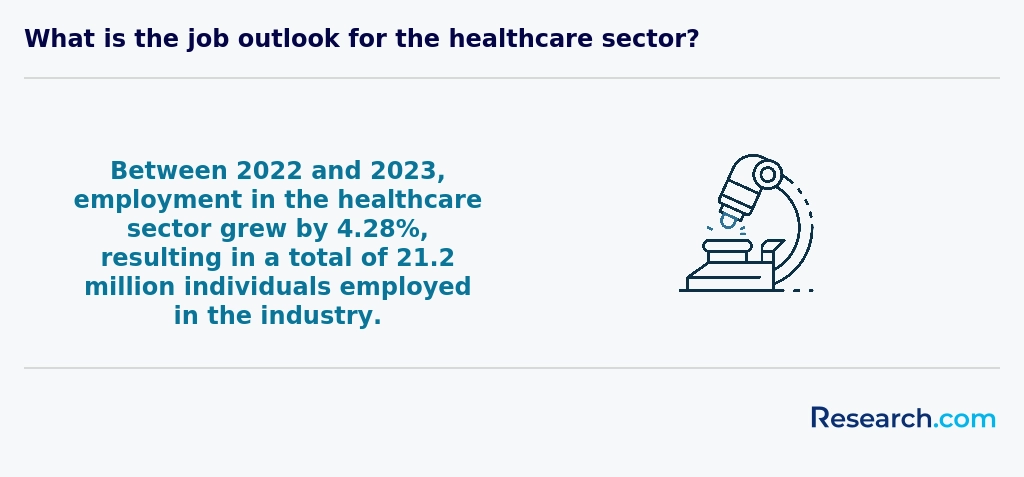
Job growth in healthcare remains strong nationwide, with the U.S. Bureau of Labor Statistics projecting a 16% increase in healthcare employment by 2031. This highlights opportunities not only locally but in global health agencies and organizations. For Boston students, understanding global perspectives enhances adaptability in diverse settings.
In summary, a healthcare career today involves awareness of global health challenges and practices, offering graduates a competitive edge in both local and international markets.
Gaining practical experience while studying for an online healthcare degree in Boston is essential to preparing for a successful career. Many programs incorporate clinical practicum or internship components that can be completed at local Boston healthcare facilities. Students often partner with hospitals, clinics, or community health centers in the area, such as Massachusetts General Hospital or Boston Medical Center, both major employers in the region.
Online students are encouraged to seek opportunities through Boston's robust healthcare network, where thousands of jobs and internships are available in fields like nursing, health administration, and public health. According to the Massachusetts Department of Public Health, hands-on experience improves job prospects and skill development.
Moreover, some programs offer virtual simulations and telehealth practicums as supplementary options. These allow students to practice clinical decision-making remotely, adapting to evolving healthcare technologies.
Choosing the right concentration within an online healthcare degree program in Boston involves aligning your interests with local industry demands. Boston's healthcare sector is robust, with over 100 hospitals and research institutions, making specialties like health policy, administration, and public health particularly relevant (Massachusetts Department of Public Health, 2023).
Consider your career goals and the job outlook in the Boston area. For instance, healthcare administration roles are growing by 18% nationally through 2030 (Bureau of Labor Statistics), with Boston's aging population increasing demand.
Additionally, investigate faculty expertise and course flexibility. Strong programs often connect students with Boston's leading medical centers, enhancing practical learning opportunities.
Ultimately, reviewing program accreditation and local healthcare trends will help you select a concentration that offers both passion and opportunity.
Related Healthcare Rankings for Nearby Cities
- 2027 Best Online Healthcare Degree Programs Ranking in Saratoga Springs, NY
- 2027 Best Online Healthcare Degree Programs Ranking in Dobbs Ferry, NY
- 2027 Best Online Master's in Healthcare Degree Programs Ranking in New York, NY
- 2027 Best Online Healthcare Degree Programs Ranking in South Orange, NJ
- 2027 Best Online Bachelor's in Healthcare Degree Programs Ranking in Utica, NY
- 2027 Best Online Bachelor's in Healthcare Degree Programs Ranking in Philadelphia, PA
- 2027 Best Online Healthcare Degree Programs Ranking in Rochester, NY
- 2027 Best Online Healthcare Degree Programs Ranking in Baltimore, MD
- 2027 Best Online Healthcare Degree Programs Ranking in Adelphi, MD
- 2027 Best Online Master's in Healthcare Degree Programs Ranking in Washington, DC
Top Trending Healthcare Rankings
See What Experts Have To Say About Studying Healthcare
Read our interview with Healthcare experts

References
- Top 10 Online Colleges and Degrees in Boston, MA https://www.greatvaluecolleges.net/by-city/online-colleges-boston/
- Online Degree vs. Traditional: Choosing the Right Path https://beal.edu/online-degree-vs-traditional/
- Global Health Perspectives https://globalhealthperspectives.com/
- Trends and opportunities in healthcare across emerging markets - Inizio https://inizio.com/insights/trends-and-opportunities-in-healthcare-across-emerging-markets/
- 20 healthcare investment niches and 3 things to know: The evolution of ... https://blackbookmarketresearch.com/20-healthcare-investment-niches-and-3-things-to-know-the-evolution-of
- How to Succeed in a Difficult Job Market After Graduation https://www.hospitalrecruiting.com/blog/6542/how-to-succeed-in-a-difficult-job-market-after-graduation/
- Is an Online Degree the Same as a Traditional Degree | Online Degree https://www.cambridgehealth.edu/online-degrees/get-an-online-degree/is-an-online-degree-the-same-as-a-traditional-degree/
- The Healthcare Student’s Guide to Internships | EduMed.org https://www.edumed.org/resources/student-online-guide-to-internships/
- Know more about thesis vs non- thesis: what is the difference? https://studyfans.com/en/blogs/816
- How Long Does It Take to Earn a Healthcare Administration Degree Online? https://campus.edu/blog/hash-campus/how-long-does-it-take-to-earn-a-healthcare-administration-degree-online


