
2027 Best Healthcare Degree Programs Ranking in Huntsville

Co-Founder and Chief Data Scientist
Choosing the right healthcare degree program in Huntsville can shape your future career and open doors to rewarding opportunities. This article presents the 2027 Best Healthcare Degree Programs Ranking in Huntsville, created by the Research.com team of data scientists to help you make an informed decision.
By exploring these rankings, you'll discover programs that match your goals and interests, ensuring your education aligns with industry demands. Pursuing a healthcare degree is a powerful step toward making a positive impact and achieving personal growth.
Let this guide support your journey to a fulfilling career in healthcare.
Key benefits of getting healthcare degree in Huntsville
- Salary for healthcare degree graduates: Graduates in Huntsville can expect competitive salaries, such as Patient Care Technicians earning around $60,790 annually and Medical Assistants earning about $43,350 yearly, providing financial stability early in their careers.
- Diverse career paths: A healthcare degree from a Huntsville college opens doors to various roles like Health Information Technicians or Quality Improvement Coordinators, allowing graduates to find fulfilling jobs that match their interests and strengths.
- Benefits of online degrees: Earning a healthcare degree online from a Huntsville institution offers flexibility and convenience, helping students balance studies with personal and work life while still accessing quality education and career support.
- Key benefits of getting healthcare degree in Huntsville
- What can I expect from healthcare degree in Huntsville?
- Where can I work with healthcare degree in Huntsville?
- How much can I make with healthcare degree in Huntsville?
- 2027 Best Healthcare Degree Programs Ranking in Huntsville
- Key Findings
- How long does it take to complete healthcare degree in Huntsville?
- Alumni Success and Career Networking
- What's the difference between online and on-campus healthcare degree?
- Licensing and Certification Requirements
- What is the average cost of healthcare degree in Huntsville?
- Affordable Online Healthcare Programs: Cost-Effective Master’s Alternatives
- What financial aid is available to healthcare degree students in Huntsville?
- Campus Life and Student Support in Huntsville, AL
- What are the prerequisites for enrolling in healthcare degree program in Huntsville?
- Licensure and Certification Requirements
- What courses are typically in healthcare degree programs in Huntsville?
- What types of specializations are available in healthcare degree programs in Huntsville?
- How do you choose the best healthcare degree in Huntsville?
- What career paths are available for healthcare degree students in Huntsville?
- What is the job market for healthcare degree in Huntsville?
- Top Trending Healthcare Rankings
- See What Experts Have To Say About Studying Healthcare
What can I expect from healthcare degree in Huntsville?
Students pursuing healthcare degrees in Huntsville typically encounter a range of costs influenced by their chosen institution and program level. Graduates from Calhoun Community College often share how their affordable associate degrees, usually costing significantly less than four-year options, allowed them to start their careers without overwhelming debt. Meanwhile, those attending the University of Alabama in Huntsville or Athens State University might expect higher tuition fees reflecting the expanded resources and advanced coursework available at these institutions.
Many healthcare students appreciate the availability of financial aid and scholarships tailored specifically to the region's growing medical workforce demand. This financial support eases the burden, making degrees more accessible. For example, nursing students often speak enthusiastically about balancing part-time work with clinical rotations supported by healthcare employers like Huntsville Hospital, which further helps manage expenses.
Looking ahead, emerging partnerships between local healthcare providers and educational institutions may offer even more subsidized opportunities, reducing costs while enhancing hands-on learning. This evolving landscape feeds hope among current and future students that quality education in Huntsville will remain affordable and deeply connected to real-world healthcare careers.
Where can I work with healthcare degree in Huntsville?
Graduates with healthcare degrees in Huntsville can anticipate diverse and evolving career opportunities within the city's robust medical and health services landscape. Many find fulfilling roles at Huntsville Hospital Health System, where a graduate might start as a registered nurse or medical technologist, working alongside experienced professionals in a dynamic hospital environment. This direct involvement brings not only valuable practical skills but also a strong sense of purpose and community impact.
Others pursue roles in local clinics, rehabilitation centers, or urgent care facilities, where healthcare administration or physical therapy graduates report engaging, hands-on experiences managing patient care and wellness programs. For example, a recent graduate from the University of Alabama in Huntsville shared how their internship at a community clinic sparked a passion for preventive care and patient education.
Emerging trends in Huntsville's biotechnology and pharmaceutical sectors open exciting pathways for graduates interested in research and lab sciences. Partnerships between Wallace State Community College and biotech firms provide students with cutting-edge training that can translate into careers in medical research or clinical data analysis.
The Madison County Health Department also attracts those focused on public health, offering opportunities to contribute to epidemiology and health education initiatives, especially as the region prioritizes managing chronic disease and expanding preventive services.
Finally, healthcare education roles are growing, with graduates from local institutions often moving into teaching or administrative positions, nurturing the next wave of healthcare professionals in a supportive and inspiring learning environment.
How much can I make with healthcare degree in Huntsville?
Graduates with healthcare degrees in Huntsville often find rewarding salary prospects aligned with local industry demands. For instance, medical assistants typically earn around $43,350 annually, offering a reliable starting point for recent college completers from popular institutions like the University of Alabama in Huntsville or Oakwood University. Many recent grads share enthusiasm about quickly securing roles that combine hands-on patient support with growing responsibilities.
Those who specialize as patient care technicians report mean salaries near $60,790, reflecting an encouraging step up. Health information technicians, frequently hired by Huntsville's expanding healthcare data centers, also make about $43,380 per year, blending technical skills with medical knowledge.
More experienced positions, such as quality improvement coordinators, command salaries near $103,150, showcasing the potential for career growth after additional experience or certifications. Graduates envision themselves advancing from entry-level jobs toward these roles, enjoying both increased earnings and professional fulfillment.
Studying healthcare in Huntsville connects students to a vibrant medical community, where practical learning meets competitive compensation, fueling confidence and optimism for future career achievements.
2027 Best Healthcare Degree Programs Ranking in Huntsville
How do we rank schools?
Investing in your education is a significant decision that can shape your future, and the Research.com team recognizes the importance of providing trustworthy and accurate information to support that choice. To help prospective students in Huntsville, we have carefully developed the "2027 Best Healthcare Degree Programs Ranking in Huntsville." Our dedication to quality, credibility, and accuracy is demonstrated through thorough research and analysis behind this ranking.
We utilized the following reputable data sources to ensure a comprehensive evaluation of healthcare degree programs:
By exploring this ranking, readers will gain valuable insights into the best healthcare degree programs available in Huntsville, enabling well-informed decisions about their educational paths. For further details on our approach, please visit our Research.com methodology page.


Key Findings
- Healthcare degree programs in Huntsville range from associate to master's levels, covering nursing, health sciences, and allied health fields.
- Tuition costs for healthcare programs vary from $7,000 to $12,000 per year at public institutions, with private schools charging over $15,000 annually.
- Additional expenses include books, lab fees, and clinical placement costs, often adding several hundred dollars each semester.
- Starting salaries for healthcare graduates average around $54,000 per year, with experienced professionals earning between $70,000 and $90,000 annually.
- The healthcare job market in Huntsville is expected to grow by about 15% over the next decade, driven by local demand and expanding healthcare facilities.
- Clinical training and internships are key parts of healthcare education and often lead to job offers upon graduation.
How long does it take to complete healthcare degree in Huntsville?
Graduates from Huntsville's healthcare programs often find their timelines shaped by both ambition and opportunity. At Calhoun Community College, many complete associate degrees in about two years, quickly stepping into roles like medical assisting or radiologic technology with confidence. Imagine the satisfaction of graduating on a tight schedule and entering the workforce eager to make an impact.
Bachelor's degrees from institutions like the University of Alabama in Huntsville usually take around four years. Recent graduates describe their journey as challenging but deeply rewarding, especially knowing their studies follow nationally recognized standards. The path feels like a solid investment in their future, blending classroom knowledge with real-world readiness.
Some students embrace accelerated BSN programs, finishing in as little as 12 to 18 months if they hold prior degrees. These routes spark excitement with their intensity and promise, fitting perfectly for those balancing work and study.
Looking ahead, the growth of flexible learning options-including part-time and evening classes-means Huntsville students may soon enjoy even more control over pacing, helping them thrive personally and professionally.
Alumni Success and Career Networking
Healthcare degree programs in Huntsville, AL, not only prepare students for technical and clinical roles but also foster a strong sense of community that drives long-term career success. Many programs actively support networking through mentorship initiatives, alumni events, and partnerships with local healthcare institutions, allowing graduates to connect with leaders in their field. These connections can be particularly beneficial when exploring specialized opportunities; for example, some alumni have advanced their expertise by joining an online ultrasound tech program that complements their degree and enhances their practical skills. Career services teams also provide ongoing support by organizing job fairs, resume workshops, and interview coaching sessions, ensuring that students are well-prepared to enter a competitive job market. Furthermore, regular alumni meet-ups and online forums allow graduates to share industry insights, discuss emerging trends, and even collaborate on innovative healthcare projects. This robust network not only builds confidence but also reinforces the long-term value of a healthcare education in Huntsville, making it easier for graduates to secure rewarding positions throughout their careers.
What's the difference between online and on-campus healthcare degree?
Online healthcare degree programs in Huntsville are evolving to match the demands of busy adults balancing work and family. Graduates often share how the flexibility allowed them to study after shifts or on weekends without sacrificing hands-on clinical practice. Universities like the University of Alabama in Huntsville now integrate virtual simulations with partnerships at local hospitals, enabling students to gain real patient experience despite remote coursework.
Conversely, on-campus programs immerse students directly in a dynamic learning environment. Graduates recall the energy of collaborating in labs and immediate feedback from instructors at schools such as Calhoun Community College. Access to cutting-edge equipment and face-to-face mentorship helps build confidence and crucial communication skills for patient care.
Looking ahead, Huntsville may see hybrid models expanding, blending online flexibility with enriched on-site experiences. This could foster tighter community connections while maintaining accessibility, making healthcare education more personalized and adaptable for future students aiming to thrive in a fast-changing medical landscape.
Licensing and Certification Requirements
Navigating licensure and certification is a crucial step for Healthcare degree graduates in Huntsville, AL, ensuring you meet state and national quality standards before entering the workforce. For aspiring nurses, successful completion of an accredited program must be followed by passing the NCLEX-RN exam administered by the Alabama Board of Nursing. Health Information Management graduates typically pursue the Registered Health Information Technician (RHIT) credential through the American Health Information Management Association (AHIMA) exam. Many students interested in specialized coursework and exam prep choose affordable online health information management programs that align directly with RHIT competencies. Beyond initial licensure, maintaining credentials often requires ongoing professional development. Registered nurses in Alabama must earn at least 24 contact hours of approved continuing education (CE) every two years, while RHITs are required to complete 20 continuing education units (CEUs) within the same timeframe. Allied health roles-such as Medical Assistants and Clinical Laboratory Technologists-also mandate certification through bodies like the American Association of Medical Assistants (AAMA) or American Society for Clinical Laboratory Science (ASCLS), with varying CE requirements. Prospective students should consult the Alabama Board of Nursing, AHIMA, and relevant certifying agencies early in their academic journey to structure their practicum experiences, select elective courses that reinforce exam topics, and develop a clear roadmap for both initial certification and long-term credential maintenance.
What is the average cost of healthcare degree in Huntsville?
Students pursuing a healthcare degree in Huntsville typically face a median total cost of around $41,498, with in-state tuition significantly lower at approximately $12,132. This reflects a common pattern where attending local public institutions like the University of Alabama in Huntsville offers a more affordable path compared to private colleges, where tuition can be considerably higher. Graduates from these programs often share that the balance between cost and quality education made their journeys both manageable and rewarding.
Considering Huntsville healthcare degree program tuition fees, many students take advantage of community colleges for associate degrees, which help minimize expenses while building strong foundational skills. For example, Calhoun Community College's credit-based pricing structure allows some students to shape their education costs progressively, promoting a sense of control and optimism during their studies. This flexible approach alleviates immediate financial pressure and motivates students to complete their education efficiently.
Looking ahead, rising healthcare demand suggests that scholarships and targeted financial aid will expand, further easing financial barriers for Huntsville students. Aspiring healthcare professionals often feel reassured that programs recognized for workforce development are actively supported by grants and loans, especially in medical fields experiencing shortages. Insightful resource links like Utah NP job outlook offer comparative perspectives that encourage financial planning tailored to healthcare's evolving landscape.

Affordable Online Healthcare Programs: Cost-Effective Master’s Alternatives
Many Huntsville students balance rigorous coursework with tight budgets, making online options an attractive path to advanced credentials without high on-campus fees. Cost-effective online master’s programs often feature lower tuition rates, flexible scheduling, and the ability to maintain full-time work while studying. Before enrolling, verify accreditation by the Commission on Collegiate Nursing Education (CCNE) or the Accreditation Council for Pharmacy Education (ACPE) to ensure your degree meets industry standards and qualifies you for licensure exams. In addition to traditional local offerings, you can expand your search to nationally ranked, budget-friendly online programs. For a comprehensive list of top-performing, low-cost online master’s in healthcare, see our Low Cost Online Master's in Healthcare Degree Programs Ranking in Pennsylvania. This resource highlights programs with strong student support, robust clinical partnerships, and transparent fee structures. When comparing options, consider total cost of attendance-including technology fees and practicum expenses-alongside outcomes like graduation rates and job placement. By leveraging these affordable online master’s alternatives, Huntsville students can achieve advanced credentials without compromising quality or financial stability.
What financial aid is available to healthcare degree students in Huntsville?
Healthcare students in Huntsville increasingly benefit from diverse financial aid options that ease the burden of tuition and living expenses. Graduates from Alabama A&M University often recall how Pell Grants, offering up to $7,395 annually, made their studies more affordable by covering a substantial part of their costs, allowing them to focus more on learning than finances.
Looking ahead, federal student loans such as Direct Subsidized and Unsubsidized Loans remain vital, with graduate students particularly leveraging up to $20,500 per year in loan limits to fund advanced healthcare degrees. These loans' manageable interest rates provide peace of mind during and after college.
Institutional scholarships and grants from local schools like the University of Alabama in Huntsville continue to grow, targeting healthcare disciplines and rewarding merit. Many students appreciate how these awards recognize their dedication to fields like nursing and radiologic technology, fostering a sense of accomplishment.
Emerging workforce development grants from the Alabama Department of Labor and employer tuition assistance programs are reshaping the landscape, supporting high-demand healthcare roles and offering flexible funding that complements hands-on experience in Huntsville's expanding healthcare sector.
Campus Life and Student Support in Huntsville, AL
Huntsville’s healthcare degree programs offer more than just classroom learning; they provide a vibrant campus life that nurtures personal growth and professional development. Students enjoy access to state-of-the-art facilities, career counseling, and networking events that help bridge the gap between academic theory and real-world practice. Many institutions host healthcare clubs, mentorship programs, and community service initiatives, all designed to foster a supportive learning environment. This comprehensive approach not only enriches academic experiences but also helps students build lasting relationships that can open doors to future job opportunities. For instance, exploring the most affordable healthcare schools in alabama might reveal programs that combine a robust academic curriculum with active student life, ensuring that graduates are well-prepared both in knowledge and interpersonal skills. With a focus on inclusive student support services-ranging from financial advising to mental health resources-Huntsville’s campuses are committed to preparing you for success in every aspect of your healthcare career.
What are the prerequisites for enrolling in healthcare degree program in Huntsville?
Enrolling in healthcare degree programs in Huntsville typically begins with completing a high school diploma or GED, setting a solid foundation in essential subjects like biology and chemistry. Graduates from local institutions often recall how strong performances in these courses helped them confidently tackle demanding healthcare studies at universities like the University of Alabama in Huntsville or Oakwood University.
Many programs look for a GPA around 2.5 to 3.0, reflecting readiness for challenging coursework, while some require specific prerequisite classes, emphasizing anatomy or microbiology. Applicants often share how preparing these requirements boosted their enthusiasm, turning abstract concepts into exciting real-world skills.
Although standardized tests like the SAT or ACT may be optional, competitive programs encourage higher scores to open doors. Application materials-transcripts, recommendation letters, and personal statements-are key chances for students to express their passion for healthcare, which alumni describe as critical for standing out.
Future trends suggest increasing emphasis on holistic admissions and readiness for clinical safety checks, which graduates say add confidence before hands-on training at Huntsville's healthcare facilities.

Licensure and Certification Requirements
Upon completing a healthcare degree in Huntsville, AL, obtaining the appropriate license or certification is essential for practice and career advancement:
- Registered Nursing (RN): Pass the NCLEX-RN exam and apply through the Alabama Board of Nursing. Accredited clinical hours meet eligibility requirements.
- Health Information Technician: Earn the Registered Health Information Technician (RHIT) credential via AHIMA after graduating from a CAHIIM-accredited program.
- Patient Care Technician: Certify as a Patient Care Technician/Assistant (CPCT/A) through the National Healthcareer Association, which includes supervised clinical training.
- Healthcare Administration: While entry-level roles may not require certification, many employers prefer the Certified Healthcare Administrator (CHA). Consider an affordable mha online to strengthen your credentials.
- Specialized Credentials: Enhance employability with certifications like Basic Life Support (BLS), Advanced Cardiovascular Life Support (ACLS), or specialty-specific exams relevant to your career path.
Verify state board application deadlines, renewal cycles, and required continuing education units (CEUs) to maintain licensure and stay competitive.
What courses are typically in healthcare degree programs in Huntsville?
Healthcare degree programs in Huntsville typically immerse students in dynamic courses like human anatomy, physiology, microbiology, and chemistry, building a strong scientific base essential for understanding the human body. Graduates often recall how hands-on labs in local colleges brought these subjects to life, transforming textbook knowledge into practical skills.
Courses in medical terminology and healthcare ethics sharpen communication and decision-making in real clinical environments. One graduate from a Huntsville college described how ethical case studies prepared them to confidently navigate patient care dilemmas they later faced during internships in city hospitals.
Emerging trends show a growing emphasis on healthcare management, health informatics, and public health, reflecting Huntsville's expanding healthcare infrastructure. Students frequently share how courses in epidemiology and community health empowered them to tackle local health challenges, especially as the city's population surged by 15% in recent years.
Pharmacology, patient care techniques, and medical imaging training equip learners to transition seamlessly into clinical roles. Hands-on tech-driven simulations at Huntsville's institutions create a palpable excitement for future healthcare innovations, making students optimistic about their roles in improving patient outcomes.
What types of specializations are available in healthcare degree programs in Huntsville?
Healthcare degree specializations in Huntsville reflect the city's growing biomedical and technological focus. Students often pursue Nursing tracks including LPN, RN, and Nurse Practitioner pathways, which combine hands-on clinical practice with flexible online classes. Graduates from local colleges praise the real-world readiness these programs offer, preparing them for in-demand roles. Biomedical Sciences is another standout, influenced by Huntsville's aerospace ties, offering cutting-edge biomedical engineering and clinical lab science opportunities that excite those interested in research and innovation.
Allied Health Professions such as respiratory therapy and physical therapist assistant roles remain vital, with students valuing the practical experience gained through partnerships between colleges and healthcare employers. Emerging trends point to Health Information Management as a rapidly expanding field due to the digital transformation of medical records, an area that many students feel aligns perfectly with future job markets. Those interested in policy and community care often choose Public Health, a specialization reflecting Huntsville's commitment to preventative healthcare.
For prospective students considering career benefits, exploring the Iowa nurse practitioner salary can provide comparative insights while focusing on Huntsville's best healthcare programs with specialization Huntsville graduates find particularly rewarding.
How do you choose the best healthcare degree in Huntsville?
Choosing the best healthcare degree in Huntsville means looking beyond just the curriculum. Graduates from popular institutions like Calhoun Community College often share how the city's expanding healthcare sector offers unique chances for hands-on learning and job placement. Imagine joining a program that balances affordability with strong local ties-this is critical when exploring affordable healthcare degrees Huntsville provides. These programs often include clinical rotations in thriving medical facilities, helping students feel confident and ready for real-world challenges.
Future-focused students consider not only traditional paths but also forward-thinking options with flexible schedules and online components. This adaptability is vital as healthcare evolves rapidly. Many have found success by continuing their education through pathways like the RN to MSN degree, which builds on initial experience and opens doors to leadership roles. In Huntsville, where technology and health converge, picking a degree that aligns with industry growth and personal passion leads to rewarding, stable careers.
What career paths are available for healthcare degree students in Huntsville?
Graduates with a healthcare degree in Huntsville are stepping into a dynamic landscape of career possibilities driven by the city's expanding medical facilities and biotechnological advances. Many find themselves in roles such as registered nurses or allied health professionals, where they apply practical skills learned at local universities, often sharing stories of hands-on clinical experiences that deepen their connection to patient care. Others pursue leadership positions like medical and health services managers, benefiting from internships within Huntsville's prominent hospital systems to refine their administrative talents. With Huntsville's growing emphasis on healthcare technology, careers in healthcare informatics and biomedical research are becoming increasingly promising, attracting graduates eager to innovate in data management and biotech fields. These opportunities reflect the energy behind healthcare career paths in Huntsville, where flexible programs empower students to tailor their journey to emerging industry needs while embracing a supportive community focused on growth and impact. For those considering affordability, exploring the most affordable healthcare schools in Alabama offers valuable options to balance quality education with cost.
What is the job market for healthcare degree in Huntsville?
The healthcare job opportunities in Huntsville are poised for strong growth as the city's expanding population drives demand for skilled professionals. Graduates from well-known local institutions often find themselves quickly absorbed into roles at major employers like Huntsville Hospital, where they apply their nursing or healthcare administration degrees in dynamic, fast-paced environments. Many graduates describe a rewarding experience knowing their work supports a community-focused healthcare system that actively invests in modern infrastructure and technology.
Looking toward the Huntsville healthcare employment outlook 2027, fields such as nursing, medical assisting, and health information technology are expected to offer particularly promising prospects. Students often balance rigorous coursework with internships at outpatient care centers or specialized clinics, gaining practical skills that employers highly value. For those exploring cost-effective training routes, the options range from four-year degrees to certifications available through community colleges, including an online ultrasound tech program, which many have found accessible and career-enhancing.
Such opportunities combine with competitive salaries and a supportive local ecosystem, fueling optimism among recent graduates who feel prepared for a stable and fulfilling career in healthcare right here in Huntsville.
Frequently Asked Questions About healthcare
Healthcare degree students in Huntsville can maximize their learning experience by actively engaging with local healthcare facilities. Huntsville is home to several top-rated hospitals and research centers, such as Huntsville Hospital and the HudsonAlpha Institute for Biotechnology, offering valuable internship and volunteering opportunities.
Students should also take advantage of collaborative programs between universities like the University of Alabama in Huntsville and healthcare providers, which often include clinical rotations and hands-on training. According to the Alabama Department of Public Health, clinical experience significantly improves job placement rates for healthcare graduates across the state.
Furthermore, joining local professional organizations and attending healthcare conferences can expand students' networks and expose them to current industry trends in North Alabama.
Emerging niches within the healthcare field in Huntsville reflect national trends influenced by technological innovation and demographic shifts. One rapidly growing area is telehealth, which expanded greatly due to the COVID-19 pandemic and continues to be supported by local healthcare providers and institutions. The Alabama Department of Public Health reports telemedicine use in Madison County increased by over 60% between 2020 and 2023.
Another promising niche is healthcare data analytics, where professionals interpret complex medical data to improve patient outcomes and operational efficiency. Huntsville's expanding tech sector supports this integration of healthcare and information technology.
Additionally, personalized medicine, including pharmacogenomics, is becoming more accessible due to advancements in genetic research, particularly with partnerships between Huntsville-based research centers and medical schools.
These emerging fields offer new opportunities for students pursuing healthcare degrees in Huntsville to enter growing and innovative sectors.
After completing a healthcare degree in Huntsville, graduates should focus on building both their credentials and professional network to successfully enter the job market. Securing relevant certifications, such as Basic Life Support (BLS) or Registered Nurse (RN) licensure, is critical for many roles.
Huntsville's healthcare sector is growing, with major employers like Huntsville Hospital and Crestwood Medical Center offering opportunities. Engaging in internships or clinical rotations during studies enhances practical experience and employability. According to the Alabama Department of Labor, healthcare jobs in the region are expected to grow by over 15% by 2030.
Networking through local professional groups, career fairs, and healthcare conferences can boost job prospects. Additionally, crafting a tailored resume and preparing for interviews with a focus on local healthcare needs will aid in standing out to employers.
Employers in Huntsville prioritize a combination of technical and interpersonal skills in healthcare degree graduates. Clinical competence is fundamental, with proficiency in patient care, medical terminology, and electronic health records strongly emphasized. According to the Alabama Hospital Association, there is a growing demand for professionals skilled in telehealth technologies, reflecting Huntsville's expanding healthcare infrastructure.
Communication skills are equally critical. Healthcare workers must effectively interact with diverse patient populations and multidisciplinary teams. Problem-solving and critical thinking abilities are essential to address complex medical situations rapidly.
Lastly, adaptability and a commitment to ongoing education are prized, given the fast-evolving nature of medical practices and regulations in the region.
Finding internships in Huntsville relevant to a healthcare degree involves leveraging local healthcare facilities and educational institutions. Huntsville hosts several hospitals, including Huntsville Hospital, the largest in Alabama, which offers internship programs for students pursuing nursing, medical technology, and other healthcare fields. Additionally, the city's proximity to medical research centers like the HudsonAlpha Institute for Biotechnology provides opportunities in healthcare research internships.
Students should also explore partnerships through universities such as the University of Alabama in Huntsville, which often collaborates with local healthcare providers for clinical placements. Networking through career fairs and local professional associations like the Alabama Hospital Association can further help in securing internships. According to the Bureau of Labor Statistics, Huntsville's healthcare sector continues to grow, making timely internship experience crucial for employment prospects.
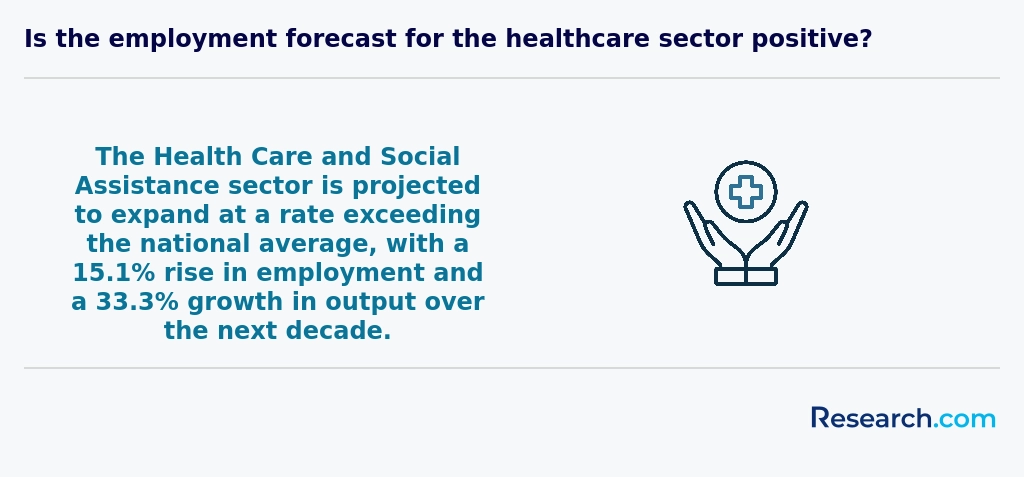
In Huntsville, earning a healthcare degree significantly enhances career mobility and advancement opportunities. The city's expanding medical sector, including facilities like Huntsville Hospital and numerous specialty clinics, creates a strong demand for qualified healthcare professionals. According to the Alabama Department of Labor, healthcare occupations in the Huntsville metropolitan area are projected to grow by nearly 19% through 2030, outpacing many other industries. This growth favors professionals with formal education and appropriate credentials, as employers seek advanced clinical skills and decision-making abilities.
Healthcare degrees also open pathways to leadership roles in administration, management, or specialized clinical practice. Graduates with associate, bachelor's, or advanced degrees commonly experience increased earning potential and greater job security. Local healthcare education programs align curricula with industry needs, further supporting graduates' readiness for career progression.
Studying for a healthcare degree in Huntsville equips students with essential skills for interdisciplinary roles through comprehensive curricula that integrate multiple health disciplines. Local institutions often emphasize collaboration between nursing, public health, and healthcare administration programs. This approach reflects Huntsville's diverse healthcare environment, which includes well-established hospitals like Huntsville Hospital and a growing biotechnology sector.
Students gain hands-on experience via clinical rotations and community projects, working alongside professionals from various specialties. According to the Alabama Department of Public Health, Huntsville shows a strong demand for healthcare workers skilled in teamwork and cross-disciplinary communication. This real-world exposure prepares graduates to effectively navigate complex healthcare systems and deliver coordinated patient care.
When choosing between a thesis and a non-thesis healthcare degree program in Huntsville, consider your career goals carefully. A thesis program typically involves conducting original research and writing a detailed dissertation, which can be advantageous if you plan to pursue a PhD or a research-focused career in healthcare. Non-thesis programs, on the other hand, emphasize coursework and practical skills, often appealing to those aiming for clinical or administrative roles.
The University of Alabama in Huntsville, for example, offers both options in healthcare-related fields. According to the Alabama Department of Labor, healthcare occupations in Huntsville are projected to grow by 14% through 2030, supporting diverse career paths. Choosing a thesis or non-thesis path should reflect whether you prefer research or applied practice in this expanding market.
Students based in Huntsville have several pathways to pursue healthcare degrees abroad while maintaining ties to U.S. accreditation standards. Many universities offer study-abroad programs or dual-degree partnerships with international institutions, allowing students to gain global experience without interrupting their U.S.-based education. For example, nursing and public health programs often include clinical placements in countries with diverse healthcare systems.
Huntsville's local institutions, such as the University of Alabama in Huntsville (UAH), provide advisory services to help students navigate these programs effectively. According to the National Center for Education Statistics, approximately 5% of U.S. healthcare students engage in international study experiences, which enhance cultural competence.
Such international exposure is vital in healthcare careers, particularly as Huntsville's medical community grows in biotechnology and telemedicine sectors, emphasizing global collaboration.
Huntsville offers several part-time job opportunities that can enhance healthcare degree education. Many students find roles as medical assistants, patient care technicians, or pharmacy aides within local hospitals like Huntsville Hospital, which employs over 4,000 healthcare professionals. These positions provide practical skills and exposure to clinical environments.
Additionally, jobs such as EMT or certified nursing assistant (CNA) roles are popular and flexible options that help build patient interaction experience, essential for healthcare careers. According to the Alabama Department of Labor, healthcare support jobs in Huntsville are projected to grow by 15% through 2028.
Volunteer opportunities in public health organizations and clinics also complement academic learning by offering community health practice in real-world settings.
Healthcare students in Huntsville benefit from several strong networking opportunities that can enhance their careers. The city hosts events sponsored by organizations like the Huntsville Hospital Foundation, where students can meet established healthcare professionals and alumni. Additionally, Alabama A&M University and Calhoun Community College offer student clubs and local chapters of national health associations, fostering peer and professional connections.
Huntsville's growing medical sector, including research centers focused on biotechnology, creates internships and volunteer roles that build industry contacts. According to the Huntsville Hospital System, local healthcare employment grew by 6% in 2023, increasing networking chances in clinical and administrative fields.
Furthermore, regional healthcare conferences and seminars provide students direct access to employers and innovators, crucial for job placement and mentorship opportunities in this competitive field.
Alumni networks play a crucial role for healthcare degree students in Huntsville by offering valuable professional connections. These networks often include graduates working in prominent local hospitals and research centers, such as Huntsville Hospital and the HudsonAlpha Institute for Biotechnology.
Access to mentors within these networks can guide students through clinical challenges and career decisions. According to the Alabama Department of Public Health, healthcare jobs in Huntsville have grown steadily over the past five years, increasing employment opportunities for graduates.
Furthermore, alumni can share job openings and internships, enhancing students' chances of gaining relevant experience before graduation. This collaborative environment supports both personal and professional development.
Customizing a healthcare degree in Huntsville allows students to tailor their education to their specific career goals within a growing regional healthcare market. Many local institutions offer flexible program options, including specializations in nursing, health administration, or medical technology. Students can choose elective courses that focus on areas such as public health, healthcare informatics, or clinical research, enhancing their skills for targeted roles.
Internships and practicum placements at Huntsville's hospitals and healthcare centers, like Huntsville Hospital Health System, provide hands-on experience critical for career development. Utilizing academic advising and career services helps align coursework and clinical hours with professional aspirations.
Healthcare students in Huntsville commonly face several challenges during their education. A key difficulty involves balancing rigorous coursework with clinical practice hours, which are essential but time-consuming. Many programs require extensive hands-on experience, often in busy local hospitals or clinics, which can be stressful for students managing part-time jobs or family responsibilities.
Another challenge is the rising cost of tuition and related expenses, as reported by the National Center for Education Statistics, with healthcare programs generally being more costly than other degrees. This financial burden sometimes leads students to incur significant debt or seek additional employment, impacting study time and well-being.
Finally, Huntsville's competitive healthcare job market means students must maintain high academic performance and engage in networking early to secure desirable placements post-graduation, according to local employment data from the Alabama Department of Labor.
With a healthcare degree, students in Huntsville can pursue various professional certifications that enhance their career prospects. Common certifications include Registered Nurse (RN), Certified Medical Assistant (CMA), and Certified Clinical Medical Assistant (CCMA). These credentials are often required to work in local hospitals like Huntsville Hospital, which employs over 4,000 healthcare professionals.
Advanced certifications such as Certified Health Education Specialist (CHES) and Certified Professional Coder (CPC) are also valuable. According to the Alabama Department of Public Health, demand for certified healthcare professionals in Huntsville is growing steadily, reflecting national trends.
Certification requirements vary by profession but often involve passing national exams and completing clinical hours. These credentials demonstrate competence and commitment, improving job stability and salary potential in Huntsville's healthcare sector.
To write a winning application for a healthcare program in Huntsville, start by clearly demonstrating your passion for healthcare and commitment to serving the local community. Huntsville's healthcare sector is growing steadily, with employment in healthcare occupations expected to increase by 15% through 2030, according to the Bureau of Labor Statistics.
Highlight any relevant experience, such as volunteering or internships in local hospitals like Huntsville Hospital, which serves as a major healthcare provider in the area. Strong academic records, particularly in science courses, are essential. Be sure to prepare a well-organized personal statement that aligns your goals with the program's mission. Request professional letters of recommendation from healthcare professionals or educators familiar with your skills and dedication.
The global perspective on a healthcare career highlights its growing importance worldwide, reflecting trends also seen in Huntsville. Healthcare remains one of the fastest-growing sectors in the U.S., with the Bureau of Labor Statistics projecting a 13% job growth from 2021 to 2031. This demand is driven by an aging population and advances in medical technology.
In Huntsville, the presence of strong medical facilities and research centers supports diverse healthcare educational programs. According to the Alabama Department of Public Health, the region shows increased employment opportunities for nurses, therapists, and allied health professionals.
Internationally, healthcare careers emphasize cross-cultural competence and evolving technologies, skills increasingly valued in U.S. healthcare education.
Gaining practical experience while studying for a healthcare degree in Huntsville is essential for student success. Many local colleges and universities offer clinical placements through partnerships with hospitals such as Huntsville Hospital and Crestwood Medical Center. These placements provide hands-on training in real healthcare settings.
Internships and externships are common and often required components of healthcare programs. They allow students to apply theoretical knowledge while developing professional skills. Additionally, volunteering opportunities at community clinics or health organizations in Huntsville can add valuable experience.
Some programs also include simulation labs with advanced medical technology that replicates patient care scenarios, enhancing practical skills.
Choosing the right concentration within a healthcare degree program in Huntsville begins with understanding local industry demands. Huntsville's healthcare sector is growing steadily, supported by institutions like Huntsville Hospital and Crestwood Medical Center, which emphasize specialties such as nursing, health informatics, and public health. According to the Alabama Department of Labor, healthcare employment in the Huntsville metropolitan area is projected to increase by 10% by 2030, highlighting strong job opportunities.
Prospective students should assess their interests alongside local workforce needs. For example, nursing remains a dominant field with high demand, while health information technology is expanding rapidly due to digitization of records. Additionally, exploring programs accredited by the Commission on Accreditation of Allied Health Education Programs (CAAHEP) ensures quality education aligned with professional standards.
Related Healthcare Rankings for Nearby Cities
- 2027 Best Healthcare Degree Programs Ranking in Birmingham
- 2027 Best Healthcare Degree Programs Ranking in Nashville
- 2027 Best Healthcare Degree Programs Ranking in Montgomery
- 2027 Best Healthcare Degree Programs Ranking in Knoxville
- 2027 Best Healthcare Degree Programs Ranking in Memphis
- 2027 Best Healthcare Degree Programs Ranking in Hattiesburg
- 2027 Best Healthcare Degree Programs Ranking in Mobile
- 2027 Best Healthcare Degree Programs Ranking in Cincinnati
- 2027 Best Healthcare Degree Programs Ranking in Little Rock
- 2027 Best Healthcare Degree Programs Ranking in Charlotte
Top Trending Healthcare Rankings
See What Experts Have To Say About Studying Healthcare
Read our interview with Healthcare experts

References
- The Value of Healthcare Organization Alumni Associations https://consultqd.clevelandclinic.org/the-value-of-healthcare-organization-alumni-associations
- Trends and opportunities in healthcare across emerging markets - Inizio https://inizio.com/insights/trends-and-opportunities-in-healthcare-across-emerging-markets/
- Education requirements for the fastest-growing healthcare jobs https://www.corridorcareers.com/job-tips/blog-news-education-requirements-fastest-growing-healthcare-jobs
- How to Create a Healthcare Career Roadmap https://www.ihire.com/resourcecenter/jobseeker/pages/how-to-create-a-healthcare-career-roadmap
- Careers - Crestwood Medical Center https://crestwoodmedcenter.com/careers/
- How to Choose a Health Administration Program https://www.healthadministrationdegrees.com/articles/choosing-a-program/
- Online Degree vs. Traditional: Choosing the Right Path https://beal.edu/online-degree-vs-traditional/
- Interdisciplinary Education and Practice https://www.aacnnursing.org/news-data/position-statements-white-papers/interdisciplinary-education-and-practice
- How do you Network as a Student? | Medmentor https://medmentor.co.uk/blog/how-do-you-network-as-a-student
- Top 5 Part-Time Healthcare Jobs For Students https://www.sumnercollege.edu/blog/top-5-part-time-healthcare-jobs-for-students/


