2027 Fastest Online Master's in Environmental Science Degree Programs Ranking in Alabama

Co-Founder and Chief Data Scientist
Choosing the right online master's in environmental science program can be challenging, especially for students in Alabama eager to advance their careers. This article introduces the 2027 Fastest Online Master's in Environmental Science Degree Programs Ranking in Alabama, developed by the Research.com team of data scientists. It offers clear insights to help you find quality programs that fit your goals.
By exploring this ranking, you can confidently identify programs that combine speed with strong academic value. Pursuing an environmental science degree opens doors to meaningful work that impacts our planet's future, making your educational journey both rewarding and inspiring.
Key benefits of getting online environmental science degree in Alabama
- Environmental science graduates in Alabama often enjoy rewarding careers that can range widely, with typical U.S. salaries for related fields averaging around $50,000 to $70,000 annually, offering a solid financial foundation.
- Graduates from universities like the University of Alabama find diverse career paths in areas such as environmental consulting, conservation, and regulatory roles, which provide exciting opportunities to make a real impact locally and globally.
- Online environmental science degrees offer flexibility for working students and those balancing family life, making education more accessible without sacrificing quality - a benefit many graduates of programs like University of South Alabama's online offerings highly value.
- 2027 Fastest Online Master's in Environmental Science Degree Programs Ranking in Alabama
- What can I expect from online environmental science degree in Alabama?
- Where can I work with online environmental science degree in Alabama?
What can I expect from online environmental science degree in Alabama?
When it comes to the average cost of an online environmental science degree in Alabama, many students find it surprisingly affordable compared to other states. Most programs at well-known schools around Alabama, like the ones popular in Birmingham or Huntsville, tend to charge between $10,000 and $20,000 for the entire degree. Graduates often mention that this price feels like a solid investment, especially considering the personalized support and flexible schedules these programs offer.
One common experience shared by alumni is how the tuition allowed them to balance work and study without breaking the bank. Plus, since many Alabama programs focus on hands-on projects and local ecosystems-like the Mobile-Tensaw River Delta-it feels like you're getting real-world value beyond just textbook learning.
Students also appreciate how the cost covers access to tools like Geographic Information Systems (GIS), which helps make learning more interactive and relevant to actual environmental jobs in Alabama's growing green economy.
Where can I work with online environmental science degree in Alabama?
If you earn an online environmental science degree in Alabama, you've got plenty of cool job options right in your backyard. Many grads jump into roles with state agencies like the Alabama Department of Environmental Management or the Forestry Commission, where they help monitor water and air quality or manage natural areas. Imagine working on a team protecting Alabama's beautiful rivers or forests-that's something graduates from the University of Alabama and Auburn University often say feels really rewarding.
Others find themselves consulting for local businesses, helping manufacturers and farmers stay eco-friendly and follow environmental laws. With Alabama's big automotive and chemical industries, folks with this degree have plenty of chances to make a real impact by preventing pollution or managing waste.
Plus, working with non-profits is a popular path. Many alumni love engaging with communities to promote sustainability or conserve natural habitats-something especially awesome in a state as green as Alabama. And if research is your thing, universities here offer plenty of opportunities to dive into important environmental issues.
If you're thinking about getting an online environmental science degree in Alabama, you might be wondering what kind of paycheck to expect after graduation. While exact salary numbers from the Bureau of Labor Statistics for many specific jobs in Alabama aren't available, general figures help paint a pretty clear picture.
Graduates from schools like the University of Alabama or Auburn University often start out earning between $45,000 and $55,000 a year in entry-level roles, such as environmental technicians or field specialists. It's pretty encouraging to know that as you build experience and maybe snag additional certifications-like GIS or hazardous materials handling-your salary can climb up to the $65,000 to $85,000 range in mid-career positions.
For those who push further and earn advanced degrees, or step into senior roles like environmental managers or policy analysts, reaching $90,000 or more annually is quite doable. Plus, Alabama's growing industries-think forestry or energy-are constantly on the lookout for environmental pros, making this a pretty upbeat career path for grads from local colleges.
- Online environmental science degrees in Alabama offer flexibility and are available from multiple accredited institutions.
- In-state tuition for a bachelor's degree typically ranges from $15,000 to $30,000 per year, while private schools often charge over $30,000 annually.
- Master's degree programs cost between $10,000 and $25,000 per year, with some offering accelerated options.
- Entry-level environmental science salaries in Alabama range from $48,000 to $55,000, increasing to $65,000-$80,000 with experience.
- The job market includes roles in natural resource management, consulting, sustainability, and government positions focused on conservation.
Finishing an online environmental science degree in Alabama usually takes about four years for a bachelor's, especially if you stick with the full-time pace that universities like the University of Alabama or Auburn University set. But here's the cool part: many students find they can speed things up by taking extra classes each term or jumping into accelerated courses. Some grads from these schools shared how pushing a bit harder let them wrap up earlier and jump into their careers sooner, which felt really rewarding.
For those going the master's route, it's often an 18 to 24-month journey. Schools like Alabama A&M offer flexible schedules, so working professionals can balance life and study. A few graduates mentioned tackling heavier course loads and prerequisites helped them finish in just about a year, which gave them a big confidence boost.
Getting this degree online means you can often study whenever you want, making it easier to handle internships or projects at your own pace. It's all about finding what works best for you in Alabama's online programs.
If you're thinking about environmental science degrees in Alabama, the biggest difference between online and on-campus programs is how you experience the learning. On-campus students at schools like the University of Alabama get hands-on time with lab work, field trips, and face-to-face chats with professors and classmates. Those moments really help bring the science to life, especially when you're out in nature examining local ecosystems.
On the flip side, online programs at places like Auburn University offer way more flexibility. Graduates often say it's perfect if you're juggling a job or family because you can study when it fits your schedule. Plus, no long drives or moving costs, which is a huge win if you live far from campus. Some online students miss the in-person labs but find virtual labs and local partnerships help fill that gap.
Both routes at Alabama schools follow solid accreditation rules, so your degree holds up no matter how you earn it. It really just depends on whether you want that campus vibe or the freedom to learn your way.
The average cost of an online environmental science degree in Alabama typically centers around $12,060 for the whole program, which is a pretty reasonable figure compared to national averages. Many students looking into Alabama online environmental science program tuition and fees find that public universities offer great value, especially if you qualify for in-state tuition. For example, some graduates from well-known schools in Alabama mention that paying around $300 to $500 per credit felt manageable, especially when balancing work and studies from home.
One common scenario is a student juggling a part-time job while completing the 30 to 36 credit hours usually required for the degree. Because private colleges in Alabama can charge closer to $600 to $1,000 per credit, sticking with public options often means less financial stress. Beyond tuition, graduates remind future students to budget for things like technology fees and textbooks, which can add up but don't usually break the bank.
If you're curious about career prospects after finishing your degree, plenty of folks find it helpful to check out resources on sustainability management career paths related to environmental science.
Overall, the affordability plus the flexibility of online programs in Alabama makes pursuing this degree feel like a smart and doable investment.
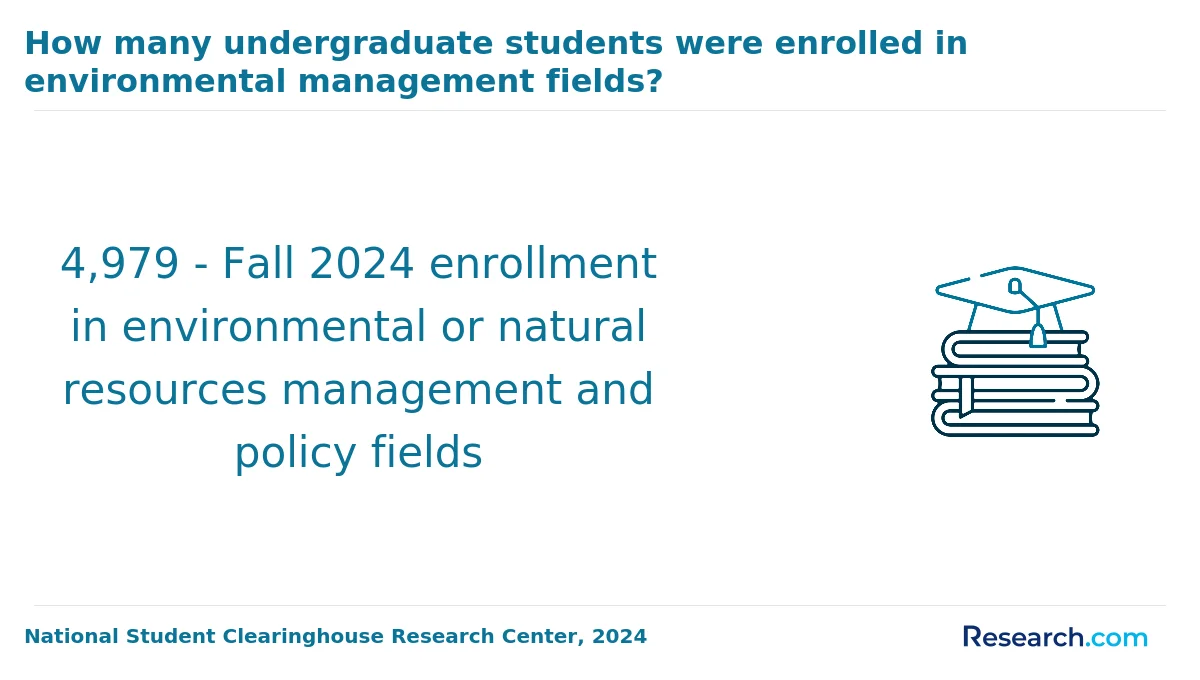
If you're diving into an online environmental science degree in Alabama, financial aid options can really ease the journey. Many students start by filling out the FAFSA to tap into federal aid like the Pell Grant, which can cover up to $7,395 a year-and the best part? You don't have to pay it back. Graduates from schools like the University of Alabama in Huntsville often rave about how these grants helped them focus on their studies instead of stressing over bills.
On top of that, Alabama offers state scholarships like the Alabama Student Assistance Program and the Tuition Grant, which private college students appreciate when juggling tuition. Lots of universities also have their own scholarships aimed at environmental science folks, rewarding good grades or community work-which means plenty of chances to snag free money.
For those balancing work and school, employer tuition assistance is a real lifesaver, especially in cities like Birmingham where environmental firms support staff continuing their education. Plus, professional groups sometimes offer scholarships targeting environmental majors, helping you keep funded throughout your studies.
If you're thinking about diving into an online environmental science degree in Alabama, you'll want to know what schools expect before you get started. Most folks I've talked to from popular campuses like the University of Alabama or Auburn University say having a solid high school diploma is key-sometimes a GED works too. It really helps if you've taken science and math classes like biology, chemistry, or algebra because those basics make the tougher courses way more manageable.
For those eyeing a master's program, you'll usually need a bachelor's degree, preferably in something close to environmental science or related fields. Graduates often mention that while some schools don't require the GRE anymore, they care a lot about your GPA and what relevant experience you bring.
Also, if English isn't your first language, be prepared to show your skills with tests like TOEFL or IELTS-something many students found crucial to keeping up in classes at Alabama State University. And don't overlook tech needs! Since it's all online, reliable internet and knowing your way around computers really make a difference.
Many students feel confident jumping in once they have these basics because Alabama schools tend to balance accessible admissions with solid support for STEM learners.
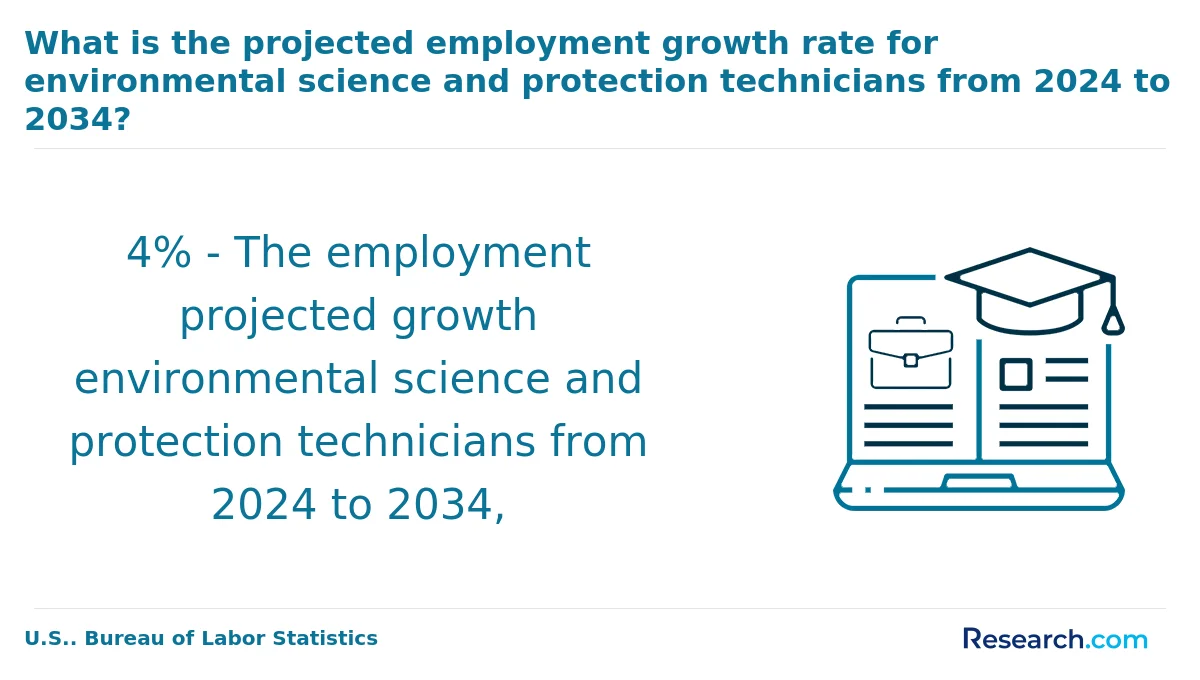
If you're diving into an online environmental science degree in Alabama, you'll find courses that really connect you to the state's unique landscape and industries. Graduates from popular schools like the University of Alabama often mention how their Environmental Biology class helped them understand Alabama's rich ecosystems, from forests to river systems. It's not just book learning-you'll get the scoop on real-world things like how local farms impact water quality or how biodiversity is protected.
Courses like Environmental Policy and Regulation are pretty popular, too. They drill down on rules that matter in Alabama, which is cool because you see how laws affect industries like agriculture and manufacturing right in your own backyard.
GIS classes stand out as something super practical, teaching you how to map and analyze environmental data-skills grads say helped them land jobs quickly.
And if research sounds dry, wait till you try Environmental Research Techniques. Graduates talk about how fun it was learning to collect data on local habitats, making science feel hands-on even online.
If you're looking at online environmental science specializations Alabama offers, there are some solid options to fit different interests. Many students pick Environmental Policy and Management, which is perfect if you want to dive into laws and sustainability efforts shaping the state. Graduates from universities in Alabama often find themselves working with government agencies or consulting firms, dealing with things like water quality rules and land use planning that really matter here.
Then there's Ecology and Conservation Biology, focused on preserving Alabama's unique ecosystems-think wetlands, forests, and coastal areas. Students learn about wildlife management and habitat restoration, which alumni say feels really rewarding, especially when they get involved with local efforts through groups like the Alabama Department of Conservation and Natural Resources.
Some also choose Geospatial Science and Environmental Data Analysis, where they get hands-on with GIS and remote sensing-skills that are booming thanks to Alabama's growth in agriculture tech and urban planning. If you're curious, check out this online degree in environmental policy for a closer look at how these paths shape careers.
Choosing the best online environmental science degree Alabama offers means diving into what really matters for your goals. Graduates from well-known Alabama schools often talk about how important accreditation was for them-it's more than just a checkbox; it's about making sure your degree holds weight with employers and other universities.
Look for programs that focus on Alabama's unique environmental issues, like coastal resilience or forestry. Many courses at local public universities weave these topics into their curriculum, which makes studying feel relevant and exciting. Plus, with affordable environmental science master's programs Alabama boasts, you can keep your budget in check without sacrificing quality.
Flexibility is a game changer. Those who juggled work or family loved asynchronous classes that fit their schedules. And don't forget to check out career support services-programs connected with Alabama's environmental agencies offer great internships and boost job prospects. If you want a sneak peek at jobs with an environmental science degree, those connections can make all the difference!
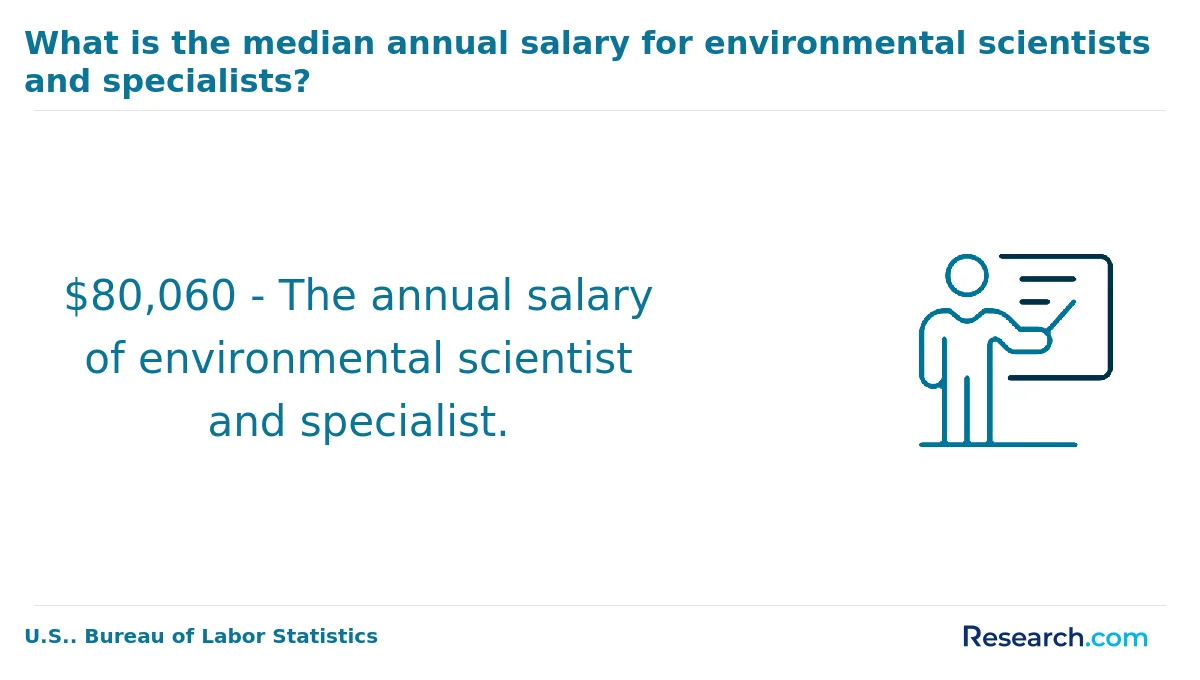
If you're diving into environmental science careers in Alabama, there's a lot of exciting paths waiting for you. Many graduates from popular schools like the University of Alabama or Auburn University find themselves working as environmental consultants, helping local industries stay eco-friendly and compliant with regulations. Imagine visiting a manufacturing plant or a farm and knowing your advice makes a real difference in protecting water or air quality.
Others become wildlife biologists or conservation scientists, exploring Alabama's rich ecosystems-from its forests to the Gulf Coast-working to save endangered species. Graduates often say this hands-on work with state agencies is incredibly rewarding and brings a strong sense of purpose.
Then there are environmental engineers who design smart ways to clean up pollution or manage waste, often landing jobs with engineering firms or city departments. An average salary of around $79,000 makes this a solid choice.
Plus, many grads jump into environmental education roles, raising awareness in communities and schools. And if you want to learn more about potential earnings, check out this masters degree environmental science salary overview that can help map out your future.
Looking for online environmental science jobs Alabama offers? There are also opportunities as policy analysts, natural resource managers, or health and safety experts-all crucial roles for Alabama's environmental future.
If you're eyeing online environmental science jobs Alabama has been showing some pretty encouraging signs lately. Graduates from schools like the University of Alabama or Auburn University often land gigs with local government agencies or consulting firms working on everything from protecting forests to monitoring water quality. The state's mix of coastal areas, forests, and rivers means there's never a shortage of projects needing fresh talent.
Many grads share how their online degree opened doors to internships and roles with groups like the Alabama Department of Environmental Management, which keeps the state's environment in check. It's also common to find spots in Alabama's growing renewable energy sector, especially in solar and biomass, where employers need folks who get the ins and outs of environmental impact and regulations.
For anyone wondering about the required education for an environmental biologist, Alabama's programs mix solid theory with real-world skills that employers want, giving grads a leg up. With environmental concerns being a hot topic here, the career prospects with an Alabama environmental science degree are looking bright.
Since online environmental science jobs Alabama-wise blend flexibility with strong local demand, it's a great time to jump in if you want a career that truly makes a difference.
2027 Fastest Online Master's in Environmental Science Degree Programs Ranking in Alabama
Investing in your education is a significant decision that can shape your future, and the Research.com team understands the importance of making informed choices. To assist prospective students in Alabama, we have meticulously crafted the "2027 Fastest Online Master's in Environmental Science Degree Programs Ranking in Alabama." Our commitment to quality, credibility, and accuracy is reflected in the extensive research and analysis conducted to compile this ranking.
We utilized the following reputable data sources to ensure a comprehensive evaluation of environmental science programs:
By exploring this ranking, readers will gain valuable insights into the fastest online master's degree options in environmental science available in Alabama, helping them make informed decisions about their educational and career paths. For more details on our methodology, please visit our Research.com methodology page.

# 2 position
Columbia Southern University
Master of Occupational Safety and Health/Environmental Management

Frequently Asked Questions About environmental science
Students pursuing online environmental science degrees in Alabama can enhance their learning by actively engaging with local environmental issues. Alabama's unique ecosystems, such as the Mobile-Tensaw Delta, offer excellent case studies for practical understanding. Leveraging online resources from institutions like the University of Alabama's environmental programs provides access to expert research and current data.
Networking through virtual student organizations and regional environmental groups broadens perspectives and career opportunities. Additionally, seeking internships or volunteer roles with Alabama's environmental agencies or nonprofits deepens practical skills. Staying updated on state-specific legislation and conservation efforts ensures relevant knowledge aligned with Alabama's environmental priorities, as highlighted by the Alabama Department of Environmental Management (ADEM).
The field of environmental science is expanding rapidly, offering several emerging niches that online degree students in Alabama might consider. One growing area is climate adaptation and resilience, focusing on preparing communities for extreme weather and rising sea levels, which is critical in coastal Alabama.
Another niche involves environmental data science, using big data and geographic information systems (GIS) to analyze ecological changes and resource management. Alabama's state agencies increasingly rely on specialists skilled in these technologies.
Environmental policy and sustainable urban planning also offer opportunities, addressing Alabama's urban growth and its environmental impacts through informed regulations and development strategies.
Finally, renewable energy, especially solar and biomass, is an evolving sector within the state, creating demand for experts in environmental assessment and energy systems.
After completing an online environmental science degree in Alabama, preparing for the job market involves strategic steps tailored to regional opportunities. The Alabama Department of Labor reports steady growth in environmental-related jobs, especially in areas like environmental consulting and natural resource management.
Gaining practical experience is key. Many programs encourage internships or volunteer work with organizations such as the Alabama Environmental Council. These connections provide real-world skills and networking.
Certifications like the Certified Environmental Professional (CEP) can enhance your credentials further. Employers in Alabama value such qualifications alongside a degree.
Finally, staying informed about local environmental regulations and policies will position graduates as knowledgeable candidates, ready for diverse roles in this growing field.
Employers in Alabama highly value environmental science graduates who possess strong analytical and research skills. These abilities help professionals assess environmental data accurately, which is crucial in addressing Alabama's diverse ecosystems and regulatory challenges. Communication skills are also essential, as graduates must explain complex scientific information clearly to stakeholders and the public.
Technical proficiency with Geographic Information Systems (GIS) and data modeling tools is particularly sought after, given Alabama's emphasis on land use planning and environmental management. Critical thinking and problem-solving skills enable graduates to develop sustainable solutions to local environmental issues, such as water quality and habitat preservation.
The Alabama Department of Environmental Management highlights teamwork and project management as vital skills for coordinating conservation efforts and compliance projects efficiently.
Finding internships in Alabama relevant to an environmental science degree requires a proactive approach. Start by exploring programs offered through Alabama's universities such as the University of Alabama or Auburn University, which often publish internship opportunities on their career services portals.
The Alabama Department of Environmental Management (ADEM) provides internships focused on environmental regulation and enforcement. These positions offer hands-on experience with state environmental policies and monitoring.
Additionally, organizations like the Alabama Wildlife Federation and the Cahaba River Society host internships focused on conservation and resource management. Networking at local environmental events can also connect students with opportunities.
Many students use resources like Handshake and the U.S. Environmental Protection Agency's internship listings to find national and state openings. According to the National Association of Colleges and Employers, structured internships increase employment chances post-graduation, making early application important.
Obtaining an online environmental science degree in Alabama can significantly enhance career mobility and advancement within the state's growing environmental sector. Alabama's workforce benefits from federal and state initiatives aimed at environmental conservation and sustainable resource management, making graduates with relevant expertise highly valued.
The Alabama Department of Environmental Management actively hires professionals with advanced knowledge to address issues like water quality and air pollution, often requiring at least a bachelor's degree, with master's degrees preferred for higher roles.
According to the U.S. Bureau of Labor Statistics, Alabama's environmental scientists and specialists earn a median annual wage of around $59,000, with potential increases tied to education level and experience.
Online degrees provide flexible access to accredited programs, allowing students to balance work while gaining skills that qualify them for supervisory or specialized positions, thus broadening career prospects within agencies, consulting firms, and industry.
Online environmental science degrees in Alabama equip students with interdisciplinary skills by combining biological, physical, and social sciences. Programs often include coursework in ecology, policy, chemistry, and data analysis, ensuring a broad understanding of environmental challenges. This diverse curriculum prepares graduates to work across sectors such as conservation, resource management, and environmental consulting.
Alabama's diverse ecosystems-from wetlands to forests-offer relevant case studies enhancing practical knowledge. According to the Alabama Department of Environmental Management, the state emphasizes sustainable resource use, which online programs reflect by integrating state-specific laws and regulations.
Students gain critical thinking and communication skills to collaborate with professionals in engineering, public health, and urban planning. This blend is essential for addressing complex environmental issues in Alabama's evolving economy.
Choosing between a thesis and a non-thesis environmental science degree in Alabama depends on your career goals and learning style. Thesis programs, common in research-intensive Alabama schools, require original research and a written dissertation, ideal for students aiming to pursue a PhD or work in scientific research.
Non-thesis tracks often focus on coursework and practical skills, appealing to professionals seeking quick advancement in government, consulting, or industry roles without the research emphasis.
Alabama's growing environmental sector, including agencies like the Alabama Department of Environmental Management, values both pathways differently depending on job requirements. According to the Alabama Commission on Higher Education, thesis options are less common but highly valued for academic careers.
Evaluate your time commitment and whether you prefer hands-on projects or independent research before deciding.
Students based in Alabama seeking to study environmental science abroad have several options through online degree programs offered by U.S. institutions with international study components. While Alabama itself does not have many direct overseas campuses, many accredited universities provide virtual courses combined with short-term study abroad experiences, allowing students to gain global environmental perspectives. According to the Alabama Commission on Higher Education, over 60% of Alabama graduate students enroll in online programs, making hybrid international study feasible.
Many programs emphasize global environmental issues through partnerships with universities worldwide, enhancing research and cultural exchange. These opportunities often include summer research, international fieldwork, or virtual collaborations with foreign institutions.
Students should consult the program details concerning international requirements and potential scholarships, as funding specific to environmental science abroad varies. Overall, Alabama students can access global learning without full relocation by leveraging online education and targeted abroad experiences offered by U.S.-based universities.
Students pursuing online environmental science degrees in Alabama can benefit from various part-time jobs that enhance their education. Positions such as environmental technician assistants or field data collectors offer practical experience with soil, water, and air quality testing. These roles often exist at state agencies like the Alabama Department of Environmental Management, which plays a key role in enforcing regulations and monitoring environmental health. Internships with local nonprofits focused on conservation or sustainability projects also align well with coursework. Additionally, part-time GIS (Geographic Information Systems) technician roles are in demand, supporting skills vital for environmental analysis. Such work boosts both resumes and real-world knowledge.
Online environmental science students in Alabama benefit from multiple networking opportunities that connect them with professionals and peers. Many universities encourage participation in local chapters of national organizations such as the Alabama Environmental Council and the Alabama Recycling Coalition. These groups offer virtual and in-person events, fostering industry contacts and volunteer experiences.
Students often access online forums and workshops organized by the Alabama Water Environment Association, which supports water resource management professionals. Additionally, Alabama's strong environmental sector includes government agencies like the Alabama Department of Environmental Management, providing internships and job networking events for students.
Alumni networks offer significant benefits to online environmental science degree students in Alabama by providing professional connections and career support. Graduates often gain access to job openings and internships in local organizations like the Alabama Department of Environmental Management or conservation groups.
Strong alumni communities foster mentorship opportunities, allowing students to receive guidance from experienced professionals within the state. This support is crucial given Alabama's diverse ecosystems, from coastal wetlands to forested areas, where hands-on experience matters.
According to the National Environmental Education Foundation, networks improve job placement rates by up to 20%, which is especially valuable in competitive fields such as environmental science.
Many online environmental science degree programs in Alabama offer customizable options that allow students to align their studies with specific career goals. Students can often choose elective courses focusing on areas such as natural resource management, environmental policy, or sustainability. This flexibility enables learners to develop expertise tailored to sectors like government agencies, private industry, or non-profit organizations.
Alabama universities frequently integrate internships or capstone projects, giving students practical experience relevant to local environmental challenges like coastal protection or energy development. According to the Alabama Department of Environmental Management, understanding regional issues improves job prospects in the state.
Additionally, some programs permit dual concentrations or certificates in climate change or GIS (Geographic Information Systems), expanding technical skills highly valued by employers.
Online environmental science students in Alabama often face specific challenges related to the nature of their studies and the state's educational infrastructure. One primary issue is accessing hands-on fieldwork opportunities, which are crucial for mastering practical skills in this discipline. Many programs require lab work or site visits, difficult to replicate in an online format.
Additionally, students may experience limited local internship placements in environmental agencies or companies due to Alabama's smaller environmental sector compared to larger states. According to the Alabama Department of Environmental Management, there are fewer statewide employment opportunities that offer real-world experience.
Furthermore, some students encounter inconsistent internet connectivity in rural parts of Alabama, which can hinder participation in live classes or accessing large datasets. Balancing coursework with professional or family obligations also remains a frequent challenge for online learners.
With an online environmental science degree, graduates in Alabama can pursue several professional certifications that enhance career prospects. One prominent option is the Certified Environmental Professional (CEP) credential offered by the Academy of Board Certified Environmental Professionals. This certification demonstrates expertise in environmental laws, regulations, and management.
Another valuable certification is the Registered Environmental Manager (REM), which emphasizes practical environmental management skills across multiple sectors. The National Registry of Environmental Professionals administers this credential.
For those interested in energy efficiency and sustainability, the Leadership in Energy and Environmental Design (LEED) Accredited Professional certification is widely recognized.
Such certifications are increasingly sought in Alabama's growing environmental consulting and conservation jobs, as reported by the Alabama Department of Labor.
To write a winning application for an online environmental science program in Alabama, start by carefully researching each school's requirements. Many universities prioritize a strong academic record, especially in science-related courses like biology, chemistry, and ecology.
Highlight any relevant work or volunteer experience related to Alabama's unique ecosystems, such as the Mobile-Tensaw Delta or the Appalachian foothills. Schools value applicants who understand local environmental challenges.
Write a clear and focused personal statement explaining your motivation, career goals, and how an Alabama-based online program aligns with these. Admissions committees look for commitment and clarity.
Finally, provide strong letters of recommendation from professors or employers familiar with your academic abilities and passion for environmental science.
Environmental science careers offer a global outlook due to the worldwide importance of sustainability and climate change. Professionals in this field contribute to solving issues like pollution, resource management, and conservation, which affect countries across all continents.
In the United States, including Alabama, demand for environmental scientists is projected to grow by 8% through 2031, according to the U.S. Bureau of Labor Statistics. Alabama's diverse ecosystems provide unique opportunities for research and conservation efforts, making expertise in this field highly valuable.
Graduates with online environmental science degrees gain skills applicable internationally, from working with global organizations to influencing local environmental policies tied to broader global goals such as the United Nations' Sustainable Development Goals.
Gaining practical experience while studying for an online environmental science degree in Alabama is essential to connect theory with real-world applications. Many programs encourage internships with local agencies like the Alabama Department of Environmental Management or nonprofit organizations focused on conservation. These internships offer valuable hands-on opportunities in air and water quality monitoring, which the state emphasizes in its environmental policies.
Students can also participate in virtual labs and remote fieldwork projects offered by universities, allowing remote data collection and analysis. Joining Alabama-based environmental research groups or volunteering with community initiatives focused on biodiversity can further enhance practical skills. According to the U.S. Bureau of Labor Statistics, practical experience markedly improves job prospects in the regional environmental science sector.
When choosing a concentration within an online environmental science degree in Alabama, start by identifying your career goals. Alabama's diverse environments, from the Gulf Coast to Appalachian foothills, offer unique fields like marine biology, natural resource management, and environmental policy. Look for programs that provide specialization options aligned with regional priorities such as water quality or land conservation. According to the Alabama Department of Environmental Management, water resource protection is a key state focus, which may influence demand for related expertise.
Research faculty expertise and available internships in Alabama to gain practical experience. Also, consider concentrations certified by relevant bodies like the National Environmental Health Association for better job prospects.
- Most Popular Online Environmental Science Degrees 2025 https://www.onlineu.com/degrees/environmental-science
- Top Trending Research Topics in Environmental Science - Agriculture Journal IJOEAR Blog https://ijoear.com/blog/top-trending-research-topics-in-environmental-science
- 14 Entry Level Environmental Science Cover Letter Examples: Plus Recruiter Insights (Updated for 2025) https://resumeworded.com/cover-letter-samples/entry-level-environmental-science
- Environmental Science Courses & Degrees https://www.open.edu.au/study-online/science/environmental-science
- Explore Environmental Career Profiles | ECO Canada https://eco.ca/career-profiles-index/
- Networking Strategies for Environmental Professionals https://www.nrep.org/blog/environmental-professional-networking-strategies
- Strong Programs in Environmental Studies https://toptieradmissions.com/strong-programs-in-environmental-studies/
- NETWORKING FOR SUCCESS: HOW TO SHINE IN ENVIRONMENTAL JOBS - Step(h) into Nature https://stephintonature.com/all-environmental-conservation-travel-blogs/environmental-jobs-networking
- Application Letter to Master's Program in Environmental Science in Germany https://essayforum.com/letters/application-master-program-environmental-86188/
- How to Find Entry Level Jobs with an Environmental Science Degree https://facs.com/blog/how-to-find-entry-level-jobs-with-an-environmental-science-degree/