2027 Most Popular Engineering Degree Programs Ranking in Milwaukee

Co-Founder and Chief Data Scientist
Choosing the right engineering degree program in Milwaukee can feel overwhelming. To make this easier, the Research.com team of data scientists created the 2027 Most Popular Engineering Degree Programs Ranking in Milwaukee. This ranking helps you explore which programs are highly regarded and trusted by students and professionals alike.
Reading this article gives you a clearer view of your options, so you can confidently pursue an engineering degree that fits your goals. Engineering offers great opportunities for growth, creativity, and a rewarding career path.
Discover programs that could shape your future and open doors to success.
Key benefits of getting engineering degree in Milwaukee
- Salary for engineering degree graduates: Mechanical engineers in Milwaukee earn a mean annual wage of $105,220, electrical engineers make about $117,680, and civil engineers earn around $101,160, offering strong financial rewards.
- Career paths: Graduates from Milwaukee's popular universities can explore diverse roles in manufacturing, construction, and technology sectors, making the most of local industry opportunities.
- Online degree benefits: Earning an engineering degree online from Milwaukee-area schools provides flexibility and often lower costs, enabling students to balance work and study effectively while accessing quality education.
- 2027 Most Popular Engineering Degree Programs Ranking in Milwaukee
- What can I expect from engineering degree in Milwaukee?
- Where can I work with engineering degree in Milwaukee?
What can I expect from engineering degree in Milwaukee?
Landing an engineering degree in Milwaukee typically means balancing ambition with budgeting savvy. At the Milwaukee School of Engineering (MSOE), graduates often share stories of investing a higher tuition fee-one that reflects the private institution's cutting-edge labs and co-op programs-yet feeling it worthwhile as they swiftly jump into well-paid roles after graduation. Meanwhile, students at the University of Wisconsin-Milwaukee enjoy the comfort of more affordable public tuition rates, which lets them stretch every dollar while still gaining solid hands-on experience through internships intertwined with their coursework.
One might imagine a student mapping their financial journey: juggling scholarships, part-time work, and the practical wisdom gained from co-ops right in Milwaukee's thriving industries. The average cost can shift widely, but this city offers a spectrum-from budget-friendly in-state options to premium programs valued for their real-world connections, making engineering degrees in Milwaukee as economically diverse as the sectors they prepare you for.
Where can I work with engineering degree in Milwaukee?
Graduates from Milwaukee's engineering programs often find themselves nestled in a vibrant mosaic of jobs spanning industries unique to the city. Imagine stepping out of a Marquette University lecture hall and days later collaborating on cutting-edge machinery lines at a local manufacturing powerhouse, where your mechanical engineering skills fine-tune the heartbeats of heavy equipment.
Electrical engineering grads from the University of Wisconsin-Milwaukee frequently describe the thrill of joining companies like Rockwell Automation, diving into innovative control systems that make factories hum smarter. The excitement is palpable-it's engineering that sparks real-world change.
Picture civil engineering alumni walking the docks or city streets, designing urban sustainability projects that shape Milwaukee's skyline and waterfront, earning not only wages above the national average but pride in boosting their hometown's future.
Meanwhile, biomedical engineering enthusiasts at local institutions dream vividly of crafting medical devices, contributing to healthcare advancements just blocks from campus. And in Milwaukee's growing tech hubs, software-savvy engineers weave digital magic, powering startups that push traditional fields into tomorrow.
Here, an engineering degree in Milwaukee feels less like a ticket and more like a passport to hands-on impact, community growth, and thrilling innovation.
Imagine finishing your engineering degree at one of Milwaukee's well-known institutions, stepping out with both pride and prospects. Graduates often land salaries that turn heads: mechanical engineers pull in around $105,220 a year, electrical engineers can expect about $117,680, and civil engineers start strong near $101,160 annually. Industrial engineers from local colleges are not far behind, seeing average wages close to $103,150.
Picture a young graduate from a Milwaukee engineering program landing a role in a buzzing manufacturing hub, their paycheck reflecting the city's industrial heartbeat. It's not just a number; it's the reward for sleepless nights cracking equations and long days mastering design software.
This city's engineering scene isn't just about salary-it's about vibrant opportunities tied to Milwaukee's tech and production sectors, where companies appreciate fresh talent and experience alike. Starting salaries tend to hover between $60,000 and $70,000, but with some years under their belt, Milwaukee engineers can reach six figures, energized by bonuses and benefits fueled by the city's steady demand.
- Engineering degrees in Milwaukee typically follow four-year bachelor's programs in mechanical, electrical, civil, and industrial engineering.
- Annual tuition at public universities like the University of Wisconsin-Milwaukee ranges from $8,000 to $10,000 for in-state students, while private colleges charge between $25,000 and $35,000.
- The total yearly cost including fees, textbooks, and living expenses can exceed $20,000 for many students.
- Entry-level engineers in Milwaukee earn around $60,000 per year, with mid-career salaries ranging from $80,000 to over $100,000 depending on experience and field.
- The local job market supports stable demand, especially in electrical and mechanical engineering, driven by manufacturing and technology industries.
- Internship and co-op programs are common, helping students gain hands-on experience and improve employment prospects.
Picture this: four whirlwind years of grappling with circuits and equations, fueled by late-night coffee runs and hands-on projects at the Milwaukee School of Engineering. That's the typical rhythm for aspiring engineers in this city, where a full-time Bachelor of Science usually unfolds over four years, wrapping up around 120 to 130 credit hours. Graduates often reminisce about that satisfying challenge of balancing theory with the real-world tinkering MSOE champions.
Meanwhile, at the University of Wisconsin-Milwaukee, students dive into a similar four-year journey but with a twist-many seize valuable co-op opportunities that stretch their timeline just a bit, yet enrich their résumé with practical work experience. For those weaving studies around jobs or family life, part-time or online courses can extend the path, yet provide flexibility that feels like a breath of fresh air amid a busy schedule.
And if ambition strikes for a master's, envision another two years-unless you're gifted with an accelerated program knocking out the mission in 12 to 18 months. Milwaukee's engineering degrees don't just mark time; they build stories of growth, perseverance, and bright futures.
Exploring an engineering degree in Milwaukee is about more than just lectures and labs-it’s also about embracing a dynamic campus culture that shapes your personal and professional growth. Students quickly discover that the vibrant student life at local institutions offers numerous opportunities to build lifelong friendships, participate in industry-related clubs, and experience a unique cultural blend that extends far beyond the classroom. Campus organizations, from robotics clubs and design competitions to community outreach and sustainability initiatives, allow students to gain hands-on experience while forging a strong network with peers, faculty, and industry leaders. These communities not only foster creativity and collaboration but also enhance career readiness by hosting regular networking events and internship fairs. For example, many prospective students compare their options by reviewing the ranking of in demand engineering schools in the area, ensuring that they choose a program that nurtures academic excellence and personal growth. By engaging in a rich campus life, students in Milwaukee find a balance between rigorous academics and extracurricular enrichment, preparing them for successful futures in engineering and beyond.
Imagine juggling a Milwaukee morning rush with virtual circuit labs-online engineering degrees here offer that kind of flexibility. Graduates have praised how programs from local institutions let them attend to family or jobs while still diving deep into ABET-accredited coursework. Yet, the trade-off is clear: the tactile thrill of Milwaukee's on-campus labs, where hands-on experiments with fluid dynamics or materials science come alive, can't be fully replicated online.
A recent graduate from a top Milwaukee college recalled the buzz of collaborating in a bustling workshop, surrounded by peers and professors. That face-to-face spark fuels creativity and builds local industry ties-critical when eyeing internships in the city's automotive or manufacturing hubs. Conversely, online learners thrive by tapping into virtual simulations and regional lab partnerships, crafting their own professional networks through digital communities.
Costs hover around $10,000 annually for in-state students, yet the choice shapes more than your wallet: it frames how Milwaukee engineers build their futures, learning either through shared campus energy or personalized, flexible study rhythms.
The average engineering degree cost in Milwaukee hovers around $65,250, blending together tuition, fees, and those often-unseen expenses that sneak up like surprise lab assignments. For in-state students attending public universities such as the University of Wisconsin-Milwaukee, costs typically fall near $50,480, crafting a financial landscape more approachable yet still packed with challenges and reward. Graduates often share that the cost felt justifiable when weighed against hands-on experience and the strong local network built through programs here.
Private institutions like Marquette University paint a different financial canvas - more like a bold, expensive brushstroke. Tuition can skyrocket past $40,000 annually, pushing the total cost well beyond six figures if you tally four years without aid. But many notable Milwaukee engineering students recount stories of scholarships and financial maneuvering that smoothed this path, turning something daunting into a thrilling journey. This mix of figures crafts the total cost of engineering degree Milwaukee students might expect.
Living in Milwaukee adds its own flavor to the cost stew-think $10,000 to $15,000 yearly in living expenses and $1,200 to $1,500 for books, supplies, and lab fees that keep projects alive and circuits buzzing. The path through engineering here isn't just about tuition; it's about embracing an energetic city and the in demand engineering schools that fuel ambition.
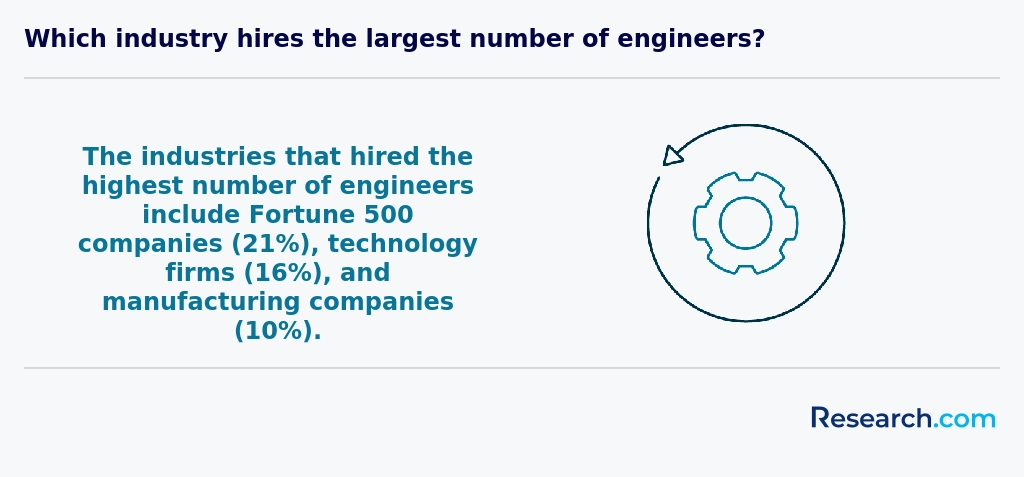
Ensuring your engineering degree program in Milwaukee, WI, is accredited by ABET (the Accreditation Board for Engineering and Technology) is vital for both academic quality and future career prospects. ABET accreditation signifies that a program meets rigorous standards in curriculum, faculty qualifications, facilities, and continuous improvement processes. Graduates of ABET-accredited programs are eligible to sit for the Fundamentals of Engineering (FE) exam, the first step toward becoming a licensed Professional Engineer (PE). Achieving your FE and PE licensure not only enhances your credibility but also unlocks higher-level roles in project management, public infrastructure design, and advanced consulting. Most Milwaukee institutions, like the University of Wisconsin-Milwaukee and Marquette University, maintain full ABET accreditation for their core engineering tracks. However, prospective students should verify each specialization’s accreditation status and inquire about program outcomes, such as FE pass rates and PE licensure success. Additionally, consider cost-effective options in other regions; for example, our Low Cost Engineering Degree Programs Ranking in New Jersey highlights affordable accredited pathways that may complement your financial planning. Finally, strong ties between accredited programs and state licensure boards facilitate exam prep workshops, mentorship from licensed faculty, and streamlined application processes. Prioritizing an ABET-accredited curriculum ensures you build a solid foundation for ethical practice, technical competence, and long-term professional growth in engineering.
Imagine sitting in a bustling Milwaukee classroom at the Milwaukee School of Engineering, buzzing with brilliant minds, while knowing that your tuition burden is lightened by a WHEG grant-money flowing directly from your status as a Wisconsin resident. Graduates often recount that these state grants felt like a secret handshake into the engineering world, easing financial stress with thousands saved each year.
Or picture snagging a merit scholarship for your passion in robotics, awarded by MSOE, ranging up to $10,000 annually-a windfall that transformed tuition from a mountain into a molehill. The exhilaration of receiving such scholarships is often described as a tangible nod to dedication in Milwaukee's thriving STEM community.
Federal avenues, like Pell Grants and federal loans, weave safety nets for many Milwaukee engineering students. Federal work-study puts wallets and skills to work, connecting students with local engineering firms where lectures meet real projects. This blend of aid turns dreams into tangible routes on Milwaukee's engineering map.
Earning a Professional Engineer (PE) license can significantly boost your credibility and career prospects after graduating from an engineering program in Milwaukee, WI. The typical pathway involves two key exams and a period of supervised work experience:
- Fundamentals of Engineering (FE) Exam: Usually taken in your final year of undergraduate study, this exam assesses your grasp of core engineering principles. Passing grants you the Engineer-in-Training (EIT) designation.
- Work Experience: Most state boards require 4 years of documented work under a licensed PE. In Milwaukee, internships and co-op placements often count toward this requirement.
- PE Exam: After meeting experience requirements, you can sit for the PE exam in your chosen discipline (e.g., civil, mechanical, electrical). Successfully passing this exam allows you to use the PE title, signaling expert competency to employers and clients. Benefits of licensure include: • Legal authority to sign and seal engineering plans. • Access to higher-responsibility roles in consulting, project management, and public sector projects. • Potential for increased salary-PEs often earn 10–20% more than unlicensed engineers. To prepare: • Enroll in FE/PE review courses offered by local universities like UWM or MSOE. • Join the Wisconsin Society of Professional Engineers for study groups and networking. • Use practice exams and flashcards focusing on state-specific codes and standards. For engineers exploring tech-driven career pivots, cloud computing expertise is highly valued. Learn more about how to start as a cloud engineer and complement your PE credentials with in-demand cloud certifications.
To step into Milwaukee's engineering world, you'll want a toolbox packed with solid math and science skills. Think algebra and geometry as your base camp, with calculus and physics as the ropes that help you climb higher. Graduates from Milwaukee School of Engineering often reminisce about late-night problem-solving sessions fueled by coffee and determination-those hours made their admissions essays shine brighter.
Biology might sneak in if you're eyeing branches like biomedical engineering, while English and communication are your secret weapons for crafting personal statements that breathe life into your passion. Imagine standing before an admissions panel, sharing your story of weekends spent tinkering in robotics clubs or conquering challenging science fairs-experiences Milwaukee programs cherish deeply.
Many future engineers here face the SAT or ACT battleground, though some universities offer test-optional paths, easing the journey. Letters of recommendation from mentors in STEM fields often serve as trusted endorsements, painting a fuller picture beyond grades.
In Milwaukee, where hands-on problem-solving is king, demonstrating curiosity, persistence, and creativity makes you more than just a set of scores-it makes you a future innovator ready to build the city's next big thing.
In Milwaukee, engineering students dive headfirst into a blend of courses that build their brains and hands simultaneously. Freshmen at the University of Wisconsin-Milwaukee, for example, often start with a toolkit of calculus, physics labs buzzing with real equipment, and chemistry experiments that make molecules practically dance. These foundational classes aren't just abstract theories-they're the building blocks that empower later projects, like designing a simple circuit or modeling fluid flow.
As you wade deeper into your major-whether mechanical, electrical, civil, or industrial engineering-the coursework sharpens like a finely tuned machine. Imagine tackling thermodynamics where you engineer solutions to actual heat exchange problems in Milwaukee's chilly winters, or unraveling the secrets of structural materials that could shape the city's skyline. Electrical engineering students wire up real circuits, watching concepts turn to sparks of insight.
Graduates often recall how project-based labs and local internships with Milwaukee's manufacturers made lessons leap off textbooks, letting theory meet Milwaukee's industrial heartbeat. The thrill of co-op placements brings classroom knowledge full circle into the vibrant, hands-on world that awaits beyond graduation.
Mechanical engineering, rooted deeply in Milwaukee's industrial heartbeat, draws many eager minds ready to innovate within manufacturing and automotive sectors. Graduates often recall late nights in labs at local universities, crafting robotic prototypes or designing engine parts that could drive future tech revolutions. Meanwhile, those diving into electrical engineering thrive amid Milwaukee's tech startups, where wiring circuits for clean energy or telecom devices becomes a dance of creativity and precision. Civil engineering students, inspired by the city's skyline and infrastructure growth, find hands-on joy building bridges or improving water systems-projects visible from their campus windows.
Environmental engineering taps into Milwaukee's proximity to Lake Michigan, compelling students to imagine cleaner waters and greener cities. A graduate might reflect on a capstone project focused on reducing urban pollution, highlighting the real-world impact of their education. Biomedical engineering blends the pulse of healthcare with cutting-edge tech; learners at medical-device-focused schools often envision themselves advancing treatments or inventing life-saving gadgets. For those exploring how to start as a cloud engineer, software engineering specializations offer a route into Milwaukee's thriving tech landscape. These engineering degree specializations in Milwaukee echo the city's complex, evolving character, making study here an immersive journey into future innovation.
Additional Milwaukee engineering program concentration options include industrial and chemical engineering, reflecting the region's versatile economy and opening diverse paths for students eager to shape tomorrow.
Choosing an engineering degree in Milwaukee often feels like navigating a maze of gears and circuits-but personal stories from graduates shed light on the path. Imagine attending the Milwaukee School of Engineering, where a smaller class means your professor knows your name and your project's quirks, fueling your confidence as you tackle mechanical puzzles. Or picture walking the spacious labs of the University of Wisconsin-Milwaukee, buzzing with innovation and industry-sponsored research, perfect for those drawn to software or civil engineering. These real-life experiences help sharpen your sense of which environment fits your style.
When hunting for the best engineering degree programs in Milwaukee, think about what ignites your passion-are you energized by hands-on building, or does coding from a coffee shop spark your creativity more? Affordability also plays its part; those looking into affordable engineering colleges Milwaukee may find unique financial aid options or co-op programs that ease the burden. For a deeper dive into cost-effective pathways, check out the Low Cost Engineering Degree Programs Ranking in New Jersey.

Graduates stepping out of Milwaukee's engineering programs find themselves on a launchpad into diverse and dynamic career paths. In manufacturing engineering, for instance, they're not just assembling machines but shaping the future of automotive and electrical industries that pulse through the city's industrial heart. Those who studied right here in Milwaukee often share how their hands-on projects translated into real-world roles at manufacturing firms, embodying the city's reputation for innovation.
Civil and environmental engineering graduates can dive into Milwaukee's aging infrastructure, turning challenges like bridges and wastewater systems into opportunities for sustainable reinvention. Some alumni recount their thrill working alongside the Milwaukee Metropolitan Sewerage District, applying knowledge toward vital environmental compliance and water management programs, fueling the city's green ambitions.
Electrical and computer engineering grads tap into Milwaukee's surge in automation and software development, engaging with smart city initiatives and Industry 4.0 breakthroughs. Stories from local universities highlight how coding and circuit design skills open doors to exciting careers. For those exploring alternative routes, mechanical engineering roles in aerospace and renewable energy reflect the city's blend of tradition and forward-thinking.
For students curious about engineering careers in Milwaukee and considering a mix of education and credentials, exploring career certifications that pay well can add a competitive edge.
The engineering degree job opportunities Milwaukee offers feel like stepping into a dynamic workshop buzzing with innovation and steady demand. Graduates from institutions like the University of Wisconsin-Milwaukee describe landing roles where CAD skills and project management are prized assets, working alongside manufacturing giants or agile local tech firms. Mechanical and civil engineers, for example, find themselves at the crossroads of traditional industries and burgeoning green energy projects, making every day a chance to contribute to meaningful change.
Salary outlooks often reflect this balance between stability and growth, with mechanical engineers averaging around $84,000, a competitive figure that keeps spirits high for recent graduates. The proximity to employers such as Johnson Controls or Harley-Davidson creates a seamless pipeline for new talent, a reality many local students celebrate as they transition from classrooms into real-world engineering challenges.
The cost of studying here, particularly in public universities, invites confidence for prospective students - the annual tuition remains around $10,000, significantly less than national averages. This affordability combined with Milwaukee's career possibilities makes pursuing an engineering degree an exciting journey, especially for those exploring college degrees for older adults online.
2027 Most Popular Engineering Degree Programs Ranking in Milwaukee
Investing in your education is a significant decision that can shape your career and future opportunities, and the Research.com team is committed to supporting you in making well-informed choices. For the "2027 Most Popular Engineering Degree Programs Ranking in Milwaukee," we have conducted thorough research to ensure quality, credibility, and accuracy throughout the ranking process. We leveraged multiple trusted data sources to develop an insightful and reliable evaluation of engineering programs in the region:
By consulting this ranking, readers will gain comprehensive and data-driven insights into the leading engineering degree programs in Milwaukee, empowering them to select the best fit for their educational goals. For a detailed explanation of how this ranking was compiled, please visit our Research.com methodology page.


Frequently Asked Questions About engineering
Engineering degree students in Milwaukee can maximize their learning experience by engaging deeply with both academic coursework and practical opportunities. Milwaukee is home to established institutions like the University of Wisconsin-Milwaukee, which offers accredited engineering programs focused on hands-on labs and research. According to the American Society for Engineering Education, participation in undergraduate research increases retention by 10%. Students should seek internships with local companies such as Harley-Davidson and Rockwell Automation, which are leaders in manufacturing and engineering innovation. Collaborating on community projects and joining engineering clubs can further enhance skills. Utilizing career services and attending Milwaukee's engineering job fairs helps build valuable professional networks.
The engineering field is rapidly evolving, with several emerging niches gaining importance in Milwaukee and across the United States. Areas like renewable energy engineering, particularly focusing on solar and wind technologies, are growing due to increased demand for sustainable solutions. Milwaukee's proximity to the Great Lakes supports advancements in environmental and water resources engineering, addressing freshwater management challenges.
Another expanding niche is biomedical engineering, driven by innovations in medical devices and healthcare technology. This sector is supported by local research institutions and healthcare systems. Additionally, automation and robotics engineering continue to be in high demand as manufacturing in Milwaukee modernizes.
Data from the U.S. Bureau of Labor Statistics highlights that jobs in these specializations are expected to grow faster than average through 2030, making them attractive options for new engineering students in Milwaukee.
Preparing for the job market after completing an engineering degree in Milwaukee involves combining academic knowledge with practical experience. Milwaukee hosts several engineering employers, including firms in manufacturing, aerospace, and biomedical sectors, providing diverse opportunities. Internships and cooperative education programs offered by local universities can significantly boost employability by allowing students to gain real-world experience.
Networking is crucial; engaging with local professional organizations like the Milwaukee Section of the American Society of Civil Engineers can connect graduates with industry professionals. Additionally, staying informed on regional labor trends through sources like the Wisconsin Department of Workforce Development helps identify in-demand engineering skills specific to Milwaukee's market.
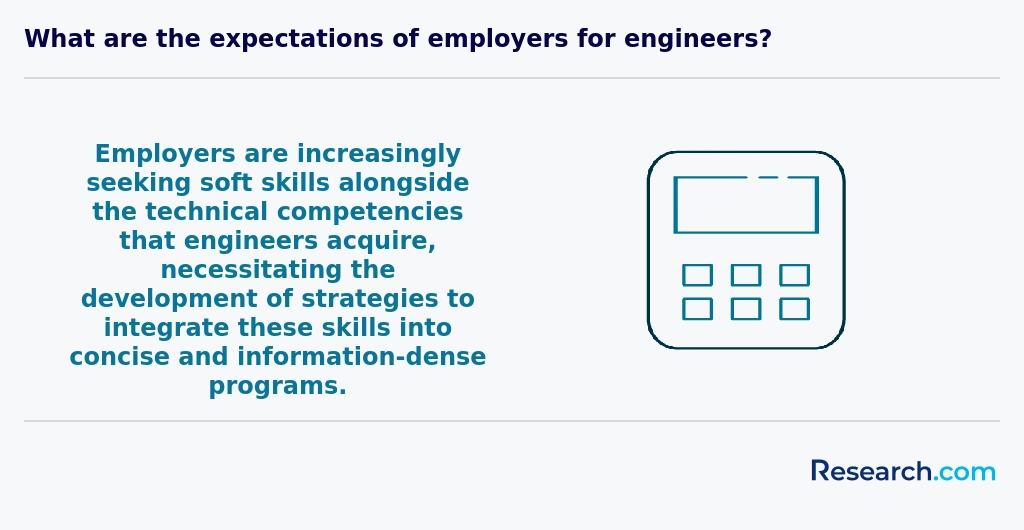
Soft skills such as communication and teamwork are also highly valued by Milwaukee employers, according to recent surveys by local recruiting firms.
Engineering employers in Milwaukee prioritize strong technical expertise, particularly in fields such as mechanical, electrical, and civil engineering. Proficiency in computer-aided design (CAD) software and knowledge of industry standards are highly valued. According to the Wisconsin Department of Workforce Development, problem-solving and analytical thinking rank among the top soft skills sought by employers.
Communication skills are essential, as engineers must collaborate within multidisciplinary teams and explain complex ideas clearly. Familiarity with project management tools and practices also enhances a graduate's attractiveness in Milwaukee's manufacturing and construction sectors.
Additionally, understanding sustainable practices and emerging technologies like automation provides a competitive edge in the local job market.
Finding internships in Milwaukee relevant to an engineering degree involves leveraging several local resources and strategies. Milwaukee is home to numerous manufacturing and technology companies, making it a practical location for engineering internships. According to the Milwaukee 7 economic development group, industries such as electrical engineering, mechanical engineering, and civil engineering are prominent in the area.
Students should start by visiting university career centers, such as those at Marquette University or the University of Wisconsin-Milwaukee, which maintain strong partnerships with local employers. Online platforms like Handshake often list region-specific internships too.
Networking events and career fairs hosted by engineering societies like the Society of Women Engineers (SWE) Milwaukee chapter can further connect students with employers offering internships. Additionally, Milwaukee's local government and economic offices frequently publish internship opportunities in STEM fields that can provide valuable experience.
In Milwaukee, earning an engineering degree significantly enhances career mobility and advancement opportunities. The city's growing manufacturing and technology sectors increasingly seek skilled engineers, creating strong demand for graduates. According to the U.S. Bureau of Labor Statistics, the Milwaukee metropolitan area is projected to experience a 7% growth in engineering jobs between 2022 and 2032, faster than the national average. This growth signals expanding opportunities for career progression.
Additionally, possession of an engineering degree often leads to higher starting salaries and eligibility for leadership roles. Employers in Milwaukee highly value accredited degrees, and professional certifications like the PE license further boost career advancement prospects. Local networking through industry organizations also supports mobility within the engineering field.
Engineering degree programs in Milwaukee emphasize interdisciplinary skills to meet the region's diverse industrial needs. Milwaukee's strong manufacturing, biomedical, and environmental sectors encourage collaboration across engineering disciplines, integrating electrical, mechanical, and civil engineering concepts. Local universities incorporate project-based learning with real-world challenges, fostering teamwork and cross-disciplinary problem solving. According to the Milwaukee 7 Economic Development Corporation, over 40% of regional engineering jobs require knowledge beyond a single specialty. This practical approach helps students develop versatility, preparing them to work effectively with experts from different fields. Such training is vital for innovation, especially in Milwaukee's growing technology and healthcare industries.
Choosing between a thesis and a non-thesis engineering degree program in Milwaukee depends largely on your career goals and interests. Thesis programs focus on original research, ideal for students aiming to pursue a PhD or work in research-intensive roles. Non-thesis programs typically emphasize coursework and practical skills, suitable for those seeking immediate employment in industry.
In Milwaukee, universities like Marquette and the University of Wisconsin-Milwaukee offer both options. According to the National Center for Education Statistics, about 30% of engineering graduate students nationwide choose thesis tracks, signaling a focus on research careers.
Consider your learning style and long-term plans carefully.
Students based in Milwaukee who wish to study engineering abroad have several practical pathways through local universities' international partnerships. For example, Milwaukee School of Engineering offers exchange programs and dual-degree agreements with institutions in Germany and Spain, enabling students to gain global experience without losing time on their degree progress.
Additionally, University of Wisconsin-Milwaukee provides study abroad options in countries known for engineering innovation, such as Japan and Sweden. These programs often focus on areas like mechanical and electrical engineering, fields highly relevant to Milwaukee's manufacturing economy. According to Open Doors Report 2023, engineering ranks among the top disciplines for U.S. students studying abroad, reflecting growing interest.
Students can also utilize federal and state financial aid for approved exchange programs, making international study more accessible. Partnering universities abroad follow U.S. accreditation standards, ensuring credits transfer smoothly. This framework supports Milwaukee students aiming to enhance their education with global perspectives while maintaining progress toward their engineering degrees.
Milwaukee offers various part-time job opportunities that complement engineering degree education, helping students gain practical experience. Many engineering students find internships or cooperative education roles in manufacturing firms such as Harley-Davidson and Briggs & Stratton, both prominent local employers. These positions provide hands-on work with mechanical and electrical systems, essential for applied engineering skills.
Additionally, Milwaukee's growing tech sector offers roles in software development and systems engineering, frequently available at startups and established companies. According to the Milwaukee 7 organization, over 100 tech companies in the region have expanded their engineering teams recently.
University-based research assistantships within programs like the University of Wisconsin-Milwaukee also provide opportunities to engage in applied research, further enriching engineering education.
Engineering students in Milwaukee benefit from diverse networking opportunities through local universities, industry events, and professional organizations. Institutions like Milwaukee School of Engineering (MSOE) and University of Wisconsin-Milwaukee (UWM) host career fairs annually attracting over 100 companies, providing direct connections to employers.
Students can join chapters of national engineering societies such as the Society of Women Engineers (SWE) and the American Society of Mechanical Engineers (ASME), which offer workshops, mentorship programs, and local meetups.
Additionally, Milwaukee's manufacturing and technology sectors actively engage with students through internships and cooperative education, enhancing real-world experience and professional contacts. According to the Milwaukee 7 economic development group, STEM employers in the area have grown by 15% in recent years, boosting networking prospects.
Alumni networks play a crucial role in supporting engineering degree students in Milwaukee. These networks provide access to experienced professionals who can offer mentorship, career advice, and internship opportunities. According to the University of Wisconsin-Milwaukee's College of Engineering & Applied Science, over 80% of engineering graduates find employment within six months, a success often credited to strong alumni connections.
Networking events and online platforms maintained by Milwaukee engineering schools facilitate relationships between students and alumni working in local industries such as manufacturing and aerospace. This helps students gain insights into regional job markets and skill requirements.
Furthermore, alumni networks frequently support scholarships, fund research projects, and sponsor workshops that enhance educational experiences. These resources strengthen students' practical knowledge and improve their chances of entering Milwaukee's competitive engineering workforce.
Students pursuing engineering degrees in Milwaukee can customize their programs by selecting specialized courses aligned with their career goals. Many local universities, such as the University of Wisconsin-Milwaukee, offer options in civil, mechanical, electrical, and industrial engineering. Elective choices allow a focus on emerging fields like renewable energy or manufacturing technology.
Internships and cooperative education programs provide practical experience with Milwaukee's strong manufacturing and industrial sectors, enhancing employability. Additionally, students can participate in research projects or professional organizations to gain relevant skills.
Advisors at Milwaukee institutions help tailor degree plans, ensuring alignment with industry demands and certification requirements like the Fundamentals of Engineering (FE) exam.
Engineering students in Milwaukee face several common challenges during their studies. Many report difficulty balancing demanding coursework with part-time jobs or internships, as practical experience is crucial in this field. Additionally, the competitive nature of engineering programs requires strong time management and problem-solving skills. According to the Milwaukee School of Engineering (MSOE), students often find advanced math and physics courses especially challenging. Financial concerns are also significant, with tuition and living costs in the city impacting many students, as noted in a 2023 report by the Wisconsin Department of Public Instruction. Access to up-to-date lab equipment can vary between institutions, affecting hands-on learning opportunities.
Graduates with an engineering degree in Milwaukee have access to several valuable professional certifications that enhance career prospects. The most recognized is the Professional Engineer (PE) license, which requires passing the Fundamentals of Engineering (FE) exam, gaining work experience, and then passing the PE exam. This license allows engineers to offer services directly to the public.
Other important certifications include the Certified Manufacturing Engineer (CMfgE) from SME and the Project Management Professional (PMP), both respected in Milwaukee's manufacturing and construction sectors.
According to the National Society of Professional Engineers, over 70% of licensed engineers in Wisconsin hold a PE credential.
To write a winning application for an engineering program in Milwaukee, start by researching the specific requirements of institutions like Milwaukee School of Engineering (MSOE) or University of Wisconsin-Milwaukee. Both emphasize strong academic records, especially in mathematics and science courses. Highlight your relevant coursework, projects, or internships to showcase hands-on experience.
Pay close attention to standardized test scores if required; MSOE, for instance, looks for competitive ACT or SAT results. Prepare a clear, concise personal statement explaining your passion for engineering and your career goals.
Letters of recommendation from teachers or professionals who can vouch for your skills are important. Meeting deadlines and submitting all required documents complete your application's professionalism.
Engineering careers in Milwaukee reflect a broader global trend emphasizing innovation, sustainability, and technological advancement. According to the U.S. Bureau of Labor Statistics, engineering professions are expected to grow around 7% nationally from 2021 to 2031, indicating solid demand worldwide.
Milwaukee, known for its manufacturing and industrial base, offers engineering students access to real-world applications and global markets through companies like Harley-Davidson and Johnson Controls. This local-industry partnership helps prepare graduates for international challenges by integrating global supply chain and environmental standards into education.
Globally, engineers are increasingly expected to possess skills in data analysis, automation, and renewable energy, all relevant fields for Milwaukee's evolving economy. The American Society of Engineering Education highlights that U.S. graduates with global perspectives tend to adapt better to diverse workplaces and technological shifts.
Gaining practical experience while studying for an engineering degree in Milwaukee is essential for career readiness. Many local universities encourage internships and cooperative education programs, connecting students with companies like Rockwell Automation and Harley-Davidson, which have significant engineering operations in the city. These internships offer hands-on experience and networking opportunities.
Students can also participate in campus research projects or engineering clubs that focus on real-world problem solving. According to the National Association of Colleges and Employers, 63% of engineering students who complete internships receive job offers from their internship employers. This makes internships a valuable path in Milwaukee's competitive engineering job market.
Choosing the right concentration within an engineering degree in Milwaukee begins with understanding local industry demand. Milwaukee's economy features strong sectors such as manufacturing, electrical equipment, and biomedical engineering, offering graduates targeted job opportunities. According to the Milwaukee 2023 Economic Development Report, mechanical and electrical engineering fields show steady growth, reflecting regional needs.
Students should also consider their personal interests and strengths. Many Milwaukee universities provide foundational courses in the first year, allowing exploration before specializing. Accredited programs often include options like civil, mechanical, electrical, and industrial engineering.
Additionally, evaluating internship availability with local companies helps align studies with practical experience. Consulting program advisors and reviewing employment statistics from the National Center for Education Statistics can further inform the decision.
- 2027 Most Popular Engineering Degree Programs Ranking in Chicago
- 2027 Most Popular Engineering Degree Programs Ranking in Detroit
- 2027 Most Popular Engineering Degree Programs Ranking in Dayton
- 2027 Most Popular Engineering Degree Programs Ranking in Minneapolis
- 2027 Most Popular Engineering Degree Programs Ranking in Saint Louis
- 2027 Most Popular Engineering Degree Programs Ranking in Cleveland
- 2027 Most Popular Engineering Degree Programs Ranking in Pittsburgh
- 2027 Most Popular Engineering Degree Programs Ranking in Nashville
- 2027 Most Popular Engineering Degree Programs Ranking in Rochester
- 2027 Most Popular Engineering Degree Programs Ranking in Huntsville
See What Experts Have To Say About Studying Engineering
Read our interview with Engineering experts

Bohdan W. Oppenheim
Engineering Expert
Professor Emeritus of Healthcare Systems Engineering
Loyola Marymount University

Joseph Reichenberger
Engineering Expert
Professor of Civil Engineering & Environmental Science
Loyola Marymount University

Jasna Jankovic
Engineering Expert
Associate Professor
University of Connecticut

- 6+ Engineering Cover Letter Examples (with In-Depth Guidance) https://www.tealhq.com/cover-letter-examples/engineering
- How to Study Abroad as an Engineering Major https://www.semesteratsea.org/study-abroad-engineering-major/
- Milwaukee School of Engineering Tuition and Financial Aid https://www.prepscholar.com/sat/s/colleges/Milwaukee-School-of-Engineering-tuition-financial-aid
- Thesis vs. Non-Thesis Master's Programs: Which is Right for You? https://potomac.edu/thesis-vs-non-thesis-masters/
- Top Certification Courses for Advancing Engineering Careers - IJOER Engineering Journal Blog https://ijoer.com/blog/top-certification-courses-for-advancing-engineering-careers
- Engineering Students' Challenges And Ways To Overcome Them - Bgi Bhopal https://bgibhopal.com/overcoming-challenges-as-an-engineering-student/
- Interdisciplinary Engineering Education: Difficult, but not Impossible https://engineeringedu.press/2020/02/16/interdisciplinary-engineering-education-difficult-but-not-impossible/
- targetjobs https://targetjobs.co.uk/careers-advice/engineering/what-skills-do-engineering-employers-look
- Engineering Study Abroad Programs | Go Overseas https://www.gooverseas.com/study-abroad/engineering
- All STEM Placements/Internships | Gradcracker - Careers for STEM Students https://www.gradcracker.com/search/all-disciplines/engineering-work-placements-internships