2027 Most Popular Engineering Degree Programs Ranking in Wisconsin

Co-Founder and Chief Data Scientist
Choosing the right engineering degree program in Wisconsin can feel overwhelming. To help, this article presents the 2027 Most Popular Engineering Degree Programs Ranking in Wisconsin, created by the Research.com team of data scientists. The ranking offers clear insights into which programs stand out, making your decision easier and more confident.
Engineering degrees open doors to rewarding careers and lasting impact. By exploring these top programs, you'll find opportunities that match your ambitions and skills. Dive in to discover your path toward a bright future in engineering.
Key benefits of getting engineering degree in Wisconsin
- Salary for engineering degree graduates: Mechanical Engineers in Wisconsin earn a mean annual wage of $105,220, while Electrical Engineers can expect about $117,680, offering strong financial rewards for graduates.
- Career paths: Graduates from the University of Wisconsin-Madison often find diverse roles in industries like automotive, technology, or construction, reflecting wide opportunities to grow and thrive.
- Online degree benefits: Completing an engineering degree online through schools like UW Extended Campus allows flexibility to balance work and study, making it easier to earn a degree without pausing your career.
- 2027 Most Popular Engineering Degree Programs Ranking in Wisconsin
- What can I expect from engineering degree in Wisconsin?
- Where can I work with engineering degree in Wisconsin?
What can I expect from engineering degree in Wisconsin?
The average cost of pursuing an engineering degree in Wisconsin tends to be more affordable than many other states, especially for in-state students attending public universities like the University of Wisconsin-Madison or the University of Wisconsin-Milwaukee. Graduates often reflect on balancing tuition expenses with accessible financial aid, scholarships, and part-time work, making it feasible to complete their degree without overwhelming debt.
For instance, many students share that attending the Milwaukee School of Engineering allowed them to combine rigorous coursework with paid internships, reducing their overall financial burden while gaining valuable work experience. Public university tuition rates for engineering programs generally fall below the national average, which is a significant relief for those budgeting carefully.
Additionally, students appreciate that scholarships specifically aimed at engineering disciplines are common in Wisconsin, further easing costs. This financial accessibility, paired with solid job prospects after graduation, contributes to a positive outlook for many engineering students in the state.
Where can I work with engineering degree in Wisconsin?
Graduates from engineering programs at universities like the University of Wisconsin-Madison or Milwaukee School of Engineering often find rewarding jobs in Wisconsin's manufacturing sector, designing and improving machinery or automotive parts. Many share how hands-on internships during their studies paved the way for full-time roles at leading manufacturers, giving them practical skills employers value.
Biomedical and chemical engineering graduates frequently enter the bustling healthcare technology hubs near Madison and Milwaukee. They contribute to developing cutting-edge medical devices or pharmaceuticals, enjoying the satisfaction of impacting patient care directly through innovation. Collaborative projects with local research centers often lead to exciting job offers.
For those drawn to sustainability, roles in renewable energy companies designing wind or solar projects are growing rapidly. Graduates describe feeling motivated by contributing to Wisconsin's clean energy goals and working on meaningful environmental solutions.
Civil engineers often land positions with state or local agencies, helping maintain and expand infrastructure. Real-world experience gained during co-op placements at these agencies makes transitioning to steady public sector careers smoother and fulfilling for graduates.
Research engineering positions at universities and private labs offer opportunities to push technology boundaries, inspiring graduates who enjoy innovation and problem solving to thrive in Wisconsin's vibrant tech ecosystem.
Graduates with engineering degrees from well-known Wisconsin institutions like the University of Wisconsin-Madison often find competitive starting salaries. For example, mechanical engineers can expect a mean annual wage of about $105,220, while electrical engineers earn even more, averaging around $117,680. Civil engineers in Wisconsin typically make about $101,160 per year. These figures reflect strong industry demand in cities like Milwaukee and Madison, where technology and manufacturing firms actively recruit local talent.
A recent graduate working in Milwaukee shared how securing an electrical engineering position quickly led to a salary above $110,000 after gaining a couple of years of experience. Meanwhile, a civil engineering alum from UW-Madison appreciated the balance of good pay and meaningful environmental projects within the state. Industrial engineering graduates also enjoy solid salary prospects near $103,150, often finding roles in the state's growing manufacturing sector.
To maximize earnings, focus on gaining practical skills through internships at Wisconsin-based companies and consider specializations in high-demand fields like electrical or industrial engineering. This approach helps local graduates quickly transition into well-paying roles with strong career growth.
- Many engineering programs in Wisconsin are ABET-accredited, ensuring quality education for professional licensure.
- In-state tuition at public universities ranges from $10,000 to $12,000 per year, while private universities often charge over $30,000 annually.
- New engineering graduates in Wisconsin earn an average starting salary of about $65,000, with experienced engineers making between $90,000 and $100,000 yearly.
- Wisconsin's engineering job market has strong demand in manufacturing, aerospace, electrical systems, and civil infrastructure sectors.
- Local professional organizations and university partnerships offer internships and networking opportunities to support career development.
Completing an engineering degree in Wisconsin typically takes around four years for full-time students, aligning with most Bachelor of Science programs nationwide. For example, graduates from the University of Wisconsin-Madison often complete their degrees within this timeframe, provided they carefully plan their course schedules to avoid delays caused by prerequisite sequencing or class availability.
Many students choose to join Cooperative Education programs that alternate semesters of study with paid internships. While this path might extend graduation to five years, it offers valuable hands-on experience and enhances employment prospects after graduation.
Part-time enrollment or balancing work and studies can lengthen the time to degree completion. However, this flexibility allows students to manage financial pressures while progressing steadily toward their goals.
Wisconsin engineering students can succeed by proactively engaging with academic advisors, prioritizing core courses, and exploring accelerated or dual-degree options offered by some universities to shorten the path if desired.
On-campus engineering programs in Wisconsin, like those at the University of Wisconsin-Madison, immerse students in hands-on learning through advanced labs and face-to-face collaboration. Graduates often recall how immediate feedback from professors and teamwork in physical spaces strengthened their understanding and boosted confidence.
In contrast, online programs such as those at the University of Wisconsin-Milwaukee offer flexibility that suits professionals balancing work and study. Students appreciate the ability to learn through virtual labs and video demos on their own schedules, though this demands strong self-discipline and time management skills.
Cost-wise, on-campus tuition typically ranges from $10,000 to $13,000 annually for in-state students, with extra expenses like commuting. Online programs may charge similar tuition but save on housing and travel, making them financially attractive for many.
- On-campus programs foster rich networking via campus events and career fairs, crucial for internships.
- Online degrees provide access to students in rural areas or with tight schedules.
- Both require dedication but cater to different lifestyles and learning preferences.
The average cost of engineering degree in Wisconsin varies mainly based on residency status and institution type. For in-state students attending public universities like the University of Wisconsin-Madison, the median in-state total cost is about $11,152. Graduates often reflect on how this affordability helped them focus on learning rather than financial stress, making the investment feel worthwhile. Private colleges, by contrast, generally have higher tuition and fees, pushing the overall median total cost to around $40,726, which can feel daunting initially but is often offset by scholarships and financial aid offered by these institutions.
When budgeting for Wisconsin engineering degree tuition and fees, students should also factor in living expenses like housing, books, and transportation, which can add $12,000 to $15,000 annually. Many students share how managing these practical costs alongside tuition taught them valuable life skills and helped them build resilience. Those enrolling at schools such as the University of Wisconsin-Milwaukee often encounter specific lab or technology fees, adding a few hundred to over a thousand dollars yearly, but these costs support hands-on learning essential to engineering success.
For prospective students seeking affordable options, exploring affordable engineering programs in wisconsin can provide strategic ways to minimize debt. Additionally, qualifying for state grants like the Wisconsin Tuition Grant or tapping into scholarships can effectively reduce overall expenses, making an engineering degree an achievable goal for many Wisconsin residents.
Investing in an engineering degree is a major financial commitment, but Wisconsin graduates often see a strong return on investment within just a few years. By comparing average total program costs-ranging from $88,000 at public universities to $272,000 at private institutions-with median starting salaries between $68,000 and $80,000, most students recoup their investment in approximately 2–3 years. • Average Total Cost: – Public (in-state): $22,000 per year × 4 years = $88,000 – Private: $68,000 per year × 4 years = $272,000 • Median Starting Salaries: – Mechanical Engineers: $68,000–$75,000 – Electrical Engineers: $80,000–$85,000 – Civil Engineers: $65,000–$72,000 • Typical Payback Period: – Public program grads: $88,000 cost ÷ $70,000 salary ≈ 1.25 years – Private program grads: $272,000 cost ÷ $80,000 salary ≈ 3.4 years Factors that accelerate ROI: – Internship earnings and co-op stipends – Employer‐sponsored tuition reimbursement – Specialized certifications in high‐demand areas For those exploring cutting-edge fields, you might also wonder how many years to become a machine learning engineer, as program length and salary projections can shift your personal ROI timeline. By weighing program costs against potential earnings and leveraging financial aid or part-time work, Wisconsin engineering students can confidently calculate their breakeven point and make data-driven decisions about their education.
Students pursuing engineering degrees in Wisconsin can access a variety of financial aid options to ease their tuition expenses. Many begin by completing the FAFSA to qualify for federal support like the Pell Grant, which offers up to $7,395 annually for eligible low-income students. This grant has been a game-changer for numerous engineering undergraduates at the University of Wisconsin-Madison, allowing them to focus more on their studies and less on finances.
At the state level, the Wisconsin Higher Education Grant (WHEG) provides additional aid, typically between $334 and $1,500 per year, based on financial need. Graduates from the Milwaukee School of Engineering often mention how this helped fill gaps in their funding, reducing debt load.
Many schools offer engineering-specific scholarships geared toward STEM achievements, while private organizations like the Wisconsin Society of Professional Engineers award scholarships ranging from $1,000 to $5,000. Work-study and co-op programs at Wisconsin engineering schools also provide paid, hands-on experience that supports living costs while building resumes.
Earning your Professional Engineer (PE) license in Wisconsin not only validates your expertise but also significantly enhances career prospects and earning potential. To embark on this process, you’ll first need to complete an ABET-accredited bachelor’s degree, such as those listed in our recent rankings. For those seeking cost-effective pathways to meet educational prerequisites, explore our Inexpensive Online Engineering Degree Programs Ranking in Grand Forks, ND, which can help you fulfill required coursework. 1. Fundamentals of Engineering (FE) Exam • Register with NCEES and prepare using practice exams focused on your discipline (civil, mechanical, electrical, etc.). • Upon passing the FE exam, you earn the EIT (Engineer-in-Training) designation, a key milestone toward licensure. 2. Documented Work Experience • Accumulate four years of supervised engineering experience under a licensed PE in Wisconsin. • Keep detailed records of project responsibilities, technical reports, and mentorship to satisfy the Wisconsin Department of Safety and Professional Services (DSPS). 3. Principles and Practice of Engineering (PE) Exam • After meeting the experience requirement, apply through DSPS to take the PE exam in your chosen discipline. • Use professional review courses and study guides tailored to NCEES exam specifications. 4. Continuing Education and Renewal • Once licensed, Wisconsin requires 30 professional development hours (PDHs) every two years to maintain your PE credential. • PDH activities can include technical seminars, university courses, and approved online training programs. Benefits of PE Licensure in Wisconsin – Enhanced credibility with government agencies, private firms, and clients. – Eligibility for senior-level roles, project sign-off authority, and higher salary brackets. – Access to specialized fields such as structural, environmental, and forensic engineering. By strategically planning your licensure journey-leveraging online courses for flexibility, accumulating quality experience, and investing in targeted exam preparation-you’ll position yourself as a highly qualified engineer ready to meet Wisconsin’s evolving infrastructure and industry needs.
To enroll in an engineering degree in Wisconsin, students must build a strong foundation in math and science during high school. Graduates from the University of Wisconsin-Madison or Milwaukee often share how four years of math-including algebra, geometry, and calculus-prepared them for the challenging engineering coursework. Similarly, a focus on physics and chemistry courses proved essential to grasp core engineering concepts early on.
Applicants need to submit official transcripts showing they meet GPA standards, usually between 2.75 and 3.5, which helps demonstrate readiness. Many programs still value standardized test scores like the SAT or ACT, emphasizing strong performance in math and science sections to boost competitiveness.
Practical experience such as participating in robotics clubs or science fairs can set candidates apart, as reported by graduates who felt better equipped for problem-solving and teamwork. Transfer students benefit from earning AP credits or taking dual enrollment classes in calculus and physics, which can shorten their degree path and ease financial burdens.

When choosing an engineering program, understanding the long-term return on your educational investment is vital. Prospective students in Wisconsin can benefit from analyzing not only initial tuition costs and financial aid but also post-graduation salary trajectories, career advancement opportunities, and network-building potential over time. Engineering graduates often experience significant salary growth as they gain experience and move into specialized roles, making their degree a sound investment for future financial stability and professional fulfillment. In addition, many universities collaborate with local industries to offer internship programs and real-world project experiences-a factor that can substantially boost your career prospects and ease your transition into the job market. By reviewing recent data and alumni success stories, you can compare program costs with median starting salaries and long-term earnings potential, ensuring you make an informed decision that aligns with both your financial goals and career ambitions. For those looking for cost-effective options that provide strong career outcomes, check out affordable engineering programs in wisconsin to explore programs that balance quality and cost. This holistic view of ROI not only highlights the economic benefits of an engineering degree but also underscores the importance of program reputation, industry partnerships, and practical experience in shaping a rewarding future.
Engineering degree programs in Wisconsin consistently include key courses that build a strong technical foundation while preparing you for real-world challenges. Graduates from popular institutions like the University of Wisconsin-Madison often recall starting with calculus, physics, and chemistry, which sharpen essential problem-solving skills critical for any engineering path.
As you advance, expect specialized courses such as statics and dynamics, where you learn how forces impact structures and machines-imagine designing a bridge or a vehicle suspension system. Thermodynamics and fluid mechanics are common, helping you understand energy flow and fluid behavior, vital for careers in mechanical or civil engineering fields.
Courses like materials science introduce you to the properties of metals, plastics, and composites, enabling you to select the right materials for manufacturing or construction projects. Electrical circuits and computer-aided design (CAD) are core for students focusing on electrical or computer engineering, giving hands-on experience with circuit building and design software frequently used in industry.
Wisconsin engineering programs emphasize laboratory work and team projects, replicating the collaborative environment you'll encounter in your engineering career. These practical settings, combined with strong academic training, boost confidence and readiness for internships offered through universities statewide, making your education both practical and engaging.
Engineering degree specializations in Wisconsin offer focused training that aligns with key industries statewide. Popular engineering majors in Wisconsin universities such as the University of Wisconsin-Madison and Milwaukee School of Engineering include Civil Engineering, which prepares students to design essential infrastructure like roads and bridges, responding directly to the state's transportation needs. Mechanical Engineering graduates often find success in Wisconsin's vibrant manufacturing and automotive sectors, applying hands-on skills in real industrial environments.
Electrical Engineering programs equip students with knowledge in power systems and telecommunications, crucial for roles in regional technology companies. Biomedical Engineering is gaining momentum due to Wisconsin's expanding healthcare and biotech industries, allowing graduates to work on innovative medical devices. Industrial and Environmental Engineering focus on optimizing processes and addressing environmental challenges, reflecting Wisconsin's commitment to efficiency and sustainability. Many graduates from these programs share that internships and projects at local companies deeply enhanced their confidence and job readiness.
Students interested in tech-focused roles can explore career pathways related to the question of how many years to become a machine learning engineer, demonstrating the practical opportunities linked to Wisconsin's engineering curriculum.
To choose the best engineering degree in Wisconsin, start by pinpointing the specialization that matches both your passion and local job opportunities. Graduates from institutions like the University of Wisconsin-Madison often share how focusing on mechanical or electrical engineering opened doors within Wisconsin's manufacturing and tech sectors. Ensuring the program you select is ABET-accredited is crucial, as it guarantees a curriculum aligned with industry standards, improving your employability.
Cost is another key factor; many students research affordable engineering schools in Wisconsin to balance quality and budget. Comparing tuition, fees, and financial aid packages can make a substantial difference. Some find value in exploring options beyond traditional campuses by consulting resources like Inexpensive Online Engineering Degree Programs Ranking in Grand Forks, ND for flexible learning formats.
Hands-on experience through internships, co-op programs, or research opportunities is often highlighted by recent grads as a game-changer. Schools with strong industry connections in Wisconsin's automotive and technology hubs provide real-world projects that build confidence and job readiness. Also, consider campus location and resources carefully, since proximity to industry leaders and access to up-to-date labs can make your degree more practical and rewarding.
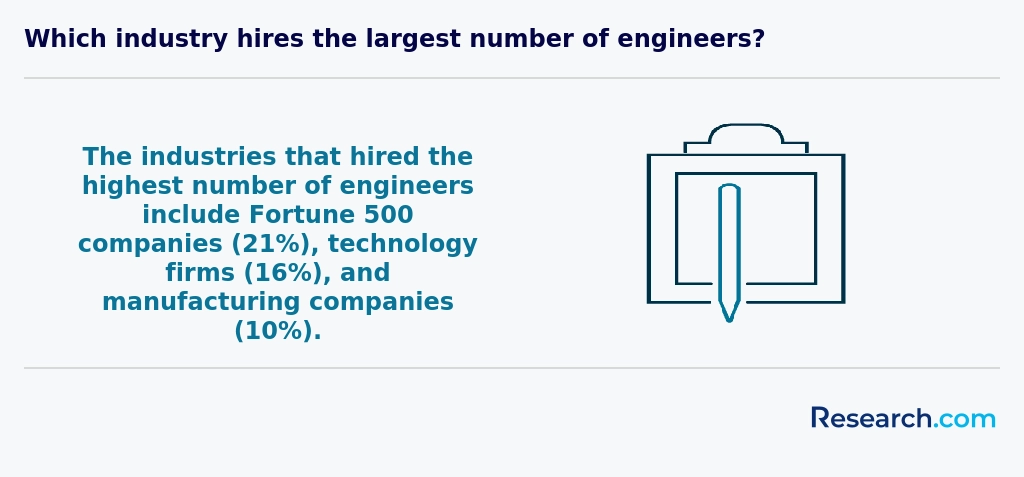
Graduates with an engineering degree in Wisconsin find diverse career paths available in key sectors like manufacturing, public infrastructure, agriculture, healthcare, and information technology. Mechanical, electrical, and industrial engineers often join companies such as Harley-Davidson or Johnson Controls, where they contribute to product innovation and process optimization. Civil engineers play vital roles in highway and bridge projects managed by local governments, gaining practical experience in urban planning and construction.
Many students from the University of Wisconsin-Madison and other notable schools embrace opportunities in agricultural technology, helping develop sustainable farming solutions. Biomedical and electrical engineers frequently secure positions with medical device firms like GE Healthcare, working on cutting-edge diagnostic tools. Graduates also thrive in Madison's IT industry, supporting software and systems engineering.
For those exploring engineering career opportunities in Wisconsin, it is useful to consider the strong alignment between education and local industry demands. Engineering students often benefit from internships and co-ops that turn classroom theory into hands-on expertise, making the transition smoother after graduation. For tailored advice on navigating your college path, reviewing college majors can help clarify your best fit and future prospects.
The engineering job outlook Wisconsin shows strong demand across diverse industries, making it a practical choice for local students. Graduates from popular programs at the University of Wisconsin-Madison or Milwaukee School of Engineering often find employment with major firms like Harley-Davidson or Johnson Controls, especially in mechanical and manufacturing engineering roles.
Employment opportunities for engineers in Wisconsin extend into sectors such as renewable energy and infrastructure. For example, civil engineering graduates frequently contribute to Milwaukee's urban development projects, benefiting from consistent public and private investment. Those with skills in electrical and environmental engineering are increasingly hired for wind and solar energy initiatives statewide.
Wisconsin graduates pursuing computer or software engineering degrees report growing job prospects in the state's tech hubs, particularly in Madison's expanding startup scene. The median salary of around $82,000 offers a competitive edge that supports the relatively affordable tuition at UW system schools. Engineering students can enhance their career potential by exploring certifications that pay well, complementing their degree with targeted skills through certifications that pay well.
2027 Most Popular Engineering Degree Programs Ranking in Wisconsin
Investing in one's education is a significant decision that can greatly impact future opportunities. The Research.com team recognizes this responsibility and has taken extensive measures to ensure the quality, credibility, and accuracy of the "2027 Most Popular Engineering Degree Programs Ranking in Wisconsin." Our dedicated research process draws from multiple authoritative sources to provide a reliable guide for prospective students.
We utilized the following reputable data sources to compile this ranking:
By examining this ranking, readers will gain valuable insights into the most popular and well-regarded engineering degree programs available in Wisconsin, enabling better-informed educational choices. For further information on our rigorous methodology, please visit our Research.com methodology page.


# 10 position
University of Wisconsin-Eau Claire
Bachelor of Science in Materials Science and Engineering


Frequently Asked Questions About engineering
Engineering degree students in Wisconsin can maximize their learning by combining strong classroom study with hands-on experience. Many Wisconsin universities offer cooperative education (co-op) programs that allow students to work in engineering roles while earning credit. According to the University of Wisconsin System, these opportunities enhance practical skills and improve job prospects after graduation.
Joining engineering student organizations and attending career fairs is another proven strategy. Networking with professionals and peers helps students stay current on industry trends in sectors like manufacturing and biomedical engineering, which are prominent in Wisconsin.
Utilizing state resources such as the Wisconsin Economic Development Corporation's initiatives can also support students in securing internships or research projects, deepening their understanding of the engineering field.
The engineering field in Wisconsin is evolving, with several emerging niches gaining attention. Areas such as renewable energy engineering are growing due to increased focus on sustainable solutions. According to the Wisconsin Economic Development Corporation, green technology jobs are projected to grow by over 7% by 2030.
Another promising niche is biomedical engineering, supported by Wisconsin's strong healthcare and research institutions. The state ranks among the top in medical device manufacturing, creating opportunities for engineers specializing in this field.
Additionally, data engineering and automation are expanding rapidly in Wisconsin's manufacturing sector, emphasizing the integration of advanced technologies and AI. These niches reflect broader national trends and local economic strengths.
Graduates with engineering degrees in Wisconsin can improve their job prospects by gaining practical experience during their studies. Many universities, including the University of Wisconsin-Madison and Milwaukee School of Engineering, offer co-op and internship opportunities that connect students with local industries. Such experience not only enhances technical skills but also builds valuable professional networks.
According to the U.S. Bureau of Labor Statistics, engineering employment in Wisconsin is expected to grow by about 5% through 2030, particularly in fields like civil, mechanical, and electrical engineering. Graduates should also prepare by earning relevant certifications and engaging in continuous learning to keep up with industry standards.
Additionally, joining professional organizations such as the Wisconsin Society of Professional Engineers provides access to job boards, mentorship, and industry events. Effective resume building and interview preparation tailored to engineering roles are crucial steps before entering the Wisconsin job market.
Employers in Wisconsin highly value engineering graduates who exhibit strong technical proficiency combined with practical problem-solving skills. According to the Wisconsin Manufacturers & Commerce, competencies in computer-aided design (CAD), data analysis, and familiarity with emerging technologies such as automation are crucial.
Communication skills are also emphasized, as engineers must often collaborate across teams and clearly present complex ideas. The National Association of Colleges and Employers (NACE) highlights teamwork and adaptability as essential soft skills for entry-level engineers in the state.
Furthermore, knowledge of industry-specific standards, such as those used in Wisconsin's robust manufacturing and aerospace sectors, can give graduates a competitive edge in local job markets.
Finding internships in Wisconsin related to an engineering degree involves several practical steps. Start by exploring the career services at your college or university, as many Wisconsin institutions maintain partnerships with local engineering firms.
Use online job portals like Handshake or LinkedIn, filtering for internships specifically within Wisconsin's manufacturing, aerospace, and automotive sectors, which are key employers of engineering students in the state.
Industry organizations such as the Wisconsin Society of Professional Engineers offer networking events and internship listings. According to the Wisconsin Department of Workforce Development, engineering jobs grew by 3.4% from 2021-2023, reflecting increasing internship opportunities.
Contacting firms directly and attending regional engineering career fairs can also provide leads tailored to your specific engineering discipline and local market needs.
In Wisconsin, earning an engineering degree significantly enhances career mobility and advancement opportunities. According to the U.S. Bureau of Labor Statistics, engineering roles in Wisconsin are projected to grow by about 6% from 2020 to 2030, faster than the average for all occupations. This growth creates demand for qualified engineers, allowing degree holders to access a wider range of industries, including manufacturing, aerospace, and renewable energy.
Engineering graduates in Wisconsin often benefit from higher starting salaries compared to non-degree holders, with an average annual wage exceeding $85,000, based on data from the Wisconsin Department of Workforce Development. Furthermore, many companies in the state prioritize promotions and leadership roles for employees with formal engineering education, emphasizing the degree's role in career progression.
Additionally, professional licensure such as the PE (Professional Engineer) certification, which usually requires an accredited engineering degree, can further boost job prospects and earning potential. Networking opportunities at Wisconsin's engineering colleges and technical societies also support graduates in advancing their careers within the state's diverse industrial landscape.
Studying for an engineering degree in Wisconsin offers a strong foundation for interdisciplinary roles by integrating diverse fields such as computer science, business, and environmental science. Many universities in Wisconsin emphasize project-based learning, which encourages collaboration across different disciplines. This approach prepares students to address complex real-world problems by combining technical skills with communication and management abilities.
Wisconsin is home to several ABET-accredited engineering programs, ensuring students receive education that meets rigorous standards. According to the Wisconsin Economic Development Corporation, engineering graduates in the state often work in industries requiring cross-disciplinary knowledge, such as advanced manufacturing and healthcare technology.
The state's emphasis on partnerships between universities and industry helps students gain practical experience, fostering skills valuable for roles that span multiple fields.
When choosing between a thesis and a non-thesis engineering degree program in Wisconsin, consider your career goals and interests. Thesis programs, typically research-focused, require students to complete an original research project and defend it. This path is well-suited for those interested in pursuing a PhD or careers in research and development.
Non-thesis programs often emphasize coursework and practical experience, which may include internships or projects. They usually take less time to complete and appeal to students aiming for professional engineering roles in Wisconsin's strong manufacturing and technology sectors, such as those in Milwaukee and Madison.
According to the National Center for Education Statistics (NCES), Wisconsin universities award over 1,200 engineering degrees annually, with many offering both options. Check each institution's curriculum and research opportunities before deciding.
Students based in Wisconsin seeking to study engineering abroad have several pathways through U.S. universities' global programs. Major Wisconsin institutions such as the University of Wisconsin-Madison offer exchange programs and study abroad opportunities in countries with strong engineering traditions like Germany, Japan, and South Korea. These programs often combine technical coursework with cultural immersion, providing practical international experience.
Additionally, some Wisconsin engineering schools participate in partnerships with foreign universities, enabling students to earn dual degrees or complete a semester overseas. According to the Institute of International Education, about 10% of Wisconsin engineering students engage in study abroad programs, reflecting growing interest in global engineering education.
Financial aid and scholarships specific to study abroad in STEM fields can also support students from Wisconsin, reducing barriers to international study.
Part-time job opportunities in Wisconsin offer valuable practical experience for students pursuing engineering degrees. Many companies in the state, such as Harley-Davidson and Rockwell Automation, provide internships and co-op positions that align with engineering studies. These roles often involve applying principles of mechanical, electrical, or industrial engineering in real-world settings.
Technical support or lab assistant positions at universities also help students develop hands-on skills. Additionally, local manufacturing firms frequently seek part-time workers to assist with quality control and process improvement, which complements academic learning.
The Wisconsin Economic Development Corporation notes that technical roles are growing in demand, presenting students with strong opportunities to blend work and study.
Engineering students in Wisconsin benefit from numerous networking opportunities that connect them with industry professionals and peers. Major universities like the University of Wisconsin-Madison and Milwaukee School of Engineering host career fairs and sponsored events, attracting top employers from the state's manufacturing and technology sectors. According to the Wisconsin Economic Development Corporation, engineering-related firms employ over 200,000 workers statewide, providing ample internship and co-op options.
Professional organizations such as the Wisconsin Society of Professional Engineers and local chapters of national groups offer workshops, conferences, and mentorship programs. These platforms help students build relationships crucial for career growth within Wisconsin's robust engineering community.
Alumni networks significantly benefit engineering degree students in Wisconsin by providing valuable professional connections. These networks offer mentorship opportunities, helping students navigate internships and job searches in a competitive field. For example, the University of Wisconsin-Madison's engineering alumni group organizes career fairs and networking events annually, aiding students in securing employment.
Such connections are vital in Wisconsin's strong manufacturing and technology sectors, where local companies often prefer candidates recommended through alumni. According to the Wisconsin Alumni Research Foundation, nearly 70% of engineering graduates find employment through referrals via alumni.
Additionally, alumni networks support skill development through workshops and guest lectures.
In Wisconsin, many engineering programs offer flexible curricula that allow students to tailor their education to fit specific career goals. Students can choose from diverse specializations such as civil, mechanical, electrical, and biomedical engineering, depending on their interests. Elective courses and minors help deepen expertise in niche areas.
Internships and cooperative education (co-op) opportunities, often available through partnerships with local industries, provide practical experience and networking essential for future careers. According to the Wisconsin Association of Independent Colleges and Universities, roughly 70% of engineering students participate in such programs annually.
Additionally, some universities encourage interdisciplinary projects and research. This hands-on approach develops skills relevant to emerging fields like renewable energy and advanced manufacturing.
Engineering students in Wisconsin often face significant academic challenges, particularly due to the rigorous coursework required in fields like mechanical, civil, and electrical engineering. According to the Wisconsin Department of Public Instruction, retention rates in STEM majors can be lower than average, as many students struggle with demanding math and science classes. Time management is another common issue, with many students balancing internships or part-time jobs alongside their studies.
Access to hands-on laboratory experience can also be limited at some institutions, influencing practical skills development. Additionally, navigating career paths in a competitive job market, especially in Wisconsin's evolving manufacturing and technology sectors, requires strategic planning and networking.
With an engineering degree in Wisconsin, graduates can pursue several key professional certifications to enhance their careers. One of the most recognized is the Professional Engineer (PE) license, which requires passing the Fundamentals of Engineering (FE) exam, gaining relevant work experience, and then passing the PE exam. This credential is essential for engineers who want to offer their services to the public or advance in fields like civil, mechanical, and electrical engineering.
Other certifications include the Certified Manufacturing Engineer (CMfgE) and Project Management Professional (PMP). These certifications help engineers diversify skills and improve job prospects.
According to the Wisconsin Department of Workforce Development, engineers with certifications often earn 10-20% higher salaries than uncertified peers.
Writing a winning application for an engineering program in Wisconsin requires careful preparation and attention to detail. Start by researching the specific requirements of schools such as the University of Wisconsin-Madison, known for its highly ranked College of Engineering. Academic performance is critical; aim for a strong GPA, particularly in math and science courses.
Highlight any relevant experience like internships or projects, demonstrating practical skills and commitment to engineering. Wisconsin engineering programs often value community involvement and leadership, so include those activities. According to the National Center for Education Statistics, engineering enrollment in Wisconsin has grown steadily, increasing competition. Make sure your personal statement clearly explains your passion and career goals in engineering.
Engineering careers in Wisconsin reflect broader global trends emphasizing innovation, sustainability, and technology integration. The demand for skilled engineers is strong worldwide, with the U.S. Bureau of Labor Statistics projecting a 7% growth in engineering jobs nationally from 2021 to 2031. Wisconsin, home to key manufacturing and technology sectors, offers numerous opportunities for engineering graduates to work on international projects, especially in automotive and renewable energy industries.
Globally, engineering professionals must adapt to rapidly changing technologies and collaborate across borders. Programs in Wisconsin universities often include international perspectives, preparing students for this interconnected workforce. The Wisconsin Economic Development Corporation highlights that over 50% of the state's engineering firms engage in global markets, underscoring the worldwide nature of the field.
Students gaining engineering degrees in Wisconsin should expect to enter a profession that values technical expertise alongside cross-cultural communication and problem-solving skills globally.
Gaining practical experience while studying engineering in Wisconsin is essential for career readiness. Many universities, such as the University of Wisconsin-Madison, offer cooperative education (co-op) programs where students alternate between classroom study and paid work in engineering fields. According to the Wisconsin Engineering Society, over 70% of engineering students participate in internships or co-ops before graduation.
Additionally, students can benefit from research opportunities funded by the National Science Foundation or partnerships with local industries. Participating in campus engineering clubs and competitions also helps develop hands-on skills. These experiences improve technical knowledge and provide valuable professional networking within Wisconsin's robust manufacturing and tech sectors.
Choosing the right concentration within an engineering degree program in Wisconsin involves considering your interests, career goals, and the local industry demand. Wisconsin is known for strengths in manufacturing, biomedical engineering, and environmental engineering, with companies like Johnson Controls and Stryker offering job opportunities. According to the Wisconsin Department of Workforce Development, fields like electrical and mechanical engineering have strong employment growth projected through 2030. Research the curriculum offered by state institutions such as the University of Wisconsin-Madison or Milwaukee School of Engineering to match courses with your interests. Internships and cooperative education programs in Wisconsin industries also provide valuable practical experience.
- 2027 Most Popular Engineering Degree Programs Ranking in Minnesota
- 2027 Most Popular Engineering Degree Programs Ranking in Iowa
- 2027 Most Popular Engineering Degree Programs Ranking in Illinois
- 2027 Most Popular Engineering Degree Programs Ranking in Indiana
- 2027 Most Popular Engineering Degree Programs Ranking in Kentucky
- 2027 Most Popular Engineering Degree Programs Ranking in Kansas
- 2027 Most Popular Engineering Degree Programs Ranking in Arkansas
- 2027 Most Popular Engineering Degree Programs Ranking in Colorado
- 2027 Most Popular Engineering Degree Programs Ranking in Mississippi
- 2027 Most Popular Engineering Degree Programs Ranking in Alabama
See What Experts Have To Say About Studying Engineering
Read our interview with Engineering experts

Jasna Jankovic
Engineering Expert
Associate Professor
University of Connecticut


Joseph Reichenberger
Engineering Expert
Professor of Civil Engineering & Environmental Science
Loyola Marymount University

- Interdisciplinary Engineering Education: Difficult, but not Impossible https://engineeringedu.press/2020/02/16/interdisciplinary-engineering-education-difficult-but-not-impossible/
- How Do You Decide Which Engineering Career is Right for You? https://www.straighterline.com/blog/which-engineering-career-right-for-you
- New Ranking: The Best Alumni Networks https://poetsandquantsforundergrads.com/rankings/the-best-alumni-networks/
- Know more about thesis vs non- thesis: what is the difference? https://studyfans.com/en/blogs/816
- Get experience in engineering with an internship https://gradireland.com/careers-advice/engineering/get-experience-engineering-internship
- Study Engineering Degree Careers and Salary in Europe in Europe - 2026 - StudyinEurope.eu https://www.studyineurope.eu/engineering/engineering-degree-careers-salary-europe/
- Julie Mowatt https://www.nspe.org/career-growth/pe-magazine/may-2019/survey-provides-global-perspective-engineering
- Arya College | Best B.Tech College in Jaipur, Rajasthan, India https://www.aryacollege.org/resources/common-challenges-faced-by-engineering-students/
- Which engineering employers offer summer internships or industrial placements? https://targetjobs.co.uk/careers-advice/engineering/which-engineering-employers-offer-summer-internships-or-industrial-placements
- Top Certification Courses for Advancing Engineering Careers - IJOER Engineering Journal Blog https://ijoer.com/blog/top-certification-courses-for-advancing-engineering-careers