2027 Easiest Online Master's in Engineering Degree Programs Ranking in Massachusetts

Co-Founder and Chief Data Scientist
Choosing the right online master's program in engineering can be overwhelming, especially for students in Massachusetts seeking flexibility and quality. Our article introduces the 2027 Easiest Online Master's in Engineering Degree Programs Ranking in Massachusetts, created by the Research.com team of data scientists. This carefully crafted ranking helps you identify programs that balance ease and academic value.
Explore options designed to fit your lifestyle while advancing your career. Getting an engineering degree opens doors to exciting opportunities and personal growth. Let this guide support your journey toward success.
Key benefits of getting online engineering degree in Massachusetts
- Engineering graduates in Massachusetts often enjoy strong salaries, such as Project Engineers earning around $137,750 annually and Control Systems Engineers making approximately $118,350 per year, offering financial stability and growth.
- Graduates can pursue diverse careers, from biomedical engineering to product development, reflecting the robust job market influenced by top schools like MIT and Worcester Polytechnic Institute.
- Completing an engineering degree online offers flexibility to balance work and life while accessing quality education from institutions such as the University of Massachusetts, making it an efficient path to a rewarding career.
- 2027 Easiest Online Master's in Engineering Degree Programs Ranking in Massachusetts
- What can I expect from online engineering degree in Massachusetts?
- Where can I work with online engineering degree in Massachusetts?
What can I expect from online engineering degree in Massachusetts?
The average cost of an online engineering degree in Massachusetts is often more affordable than many expect, with competitive tuition rates that provide excellent value for a world-class education. Graduates from institutions like Northeastern University or the University of Massachusetts have found that these programs can fit financially into busy lives thanks to flexible part-time enrollment and employer tuition reimbursement options.
One graduate shared how managing coursework alongside a full-time job was possible because the tuition fees were balanced with financial aid, making the investment feel more accessible. These programs are designed to reduce financial pressure, allowing students to focus on mastering demanding subjects such as electrical or mechanical engineering without sacrificing their income.
Students often experience a strong sense of support through virtual labs and interactive learning tools, reinforcing the value of their tuition. The combination of affordability, rigorous academics, and connection to Massachusetts' thriving tech industries creates a motivating environment where success feels achievable and rewarding.
Where can I work with online engineering degree in Massachusetts?
Graduates with an online engineering degree in Massachusetts step into a thriving job market brimming with exciting opportunities. Many find rewarding careers in the Greater Boston area, where firms like Raytheon Technologies and Boston Scientific value their skills in mechanical, electrical, and biomedical engineering. Imagine working alongside innovative teams designing groundbreaking medical devices or developing cutting-edge aerospace technology.
Graduates from well-known institutions such as the University of Massachusetts Lowell or Worcester Polytechnic Institute often share how their accredited online programs prepared them for real-world challenges. They describe collaborating on sustainable energy projects, reflecting Massachusetts' leadership in solar and renewable energy sectors.
Holding a degree recognized by ABET opens doors to roles like systems engineer, project manager, or quality control engineer, while pursuing professional engineer licensure elevates prospects in civil and structural fields. This vibrant landscape invites you to join a community of passionate engineers shaping the future through innovation and impactful work in technology, manufacturing, and healthcare.
Graduates with an online engineering degree in Massachusetts can anticipate rewarding career earnings that reflect the state's dynamic tech landscape. For instance, research engineers earn an impressive mean annual wage of $120,630, showcasing the value of specialized skills developed through programs at institutions like Northeastern University and Worcester Polytechnic Institute.
Project engineers often achieve even higher salaries, averaging $137,750, thanks to their leadership roles in innovative fields such as aerospace and robotics. Product development engineers typically earn around $110,430, translating classroom knowledge from online programs into impactful career growth. Control systems engineers and biomedical engineers also enjoy strong wages, with mean annual pays of $118,350 and $106,700 respectively, highlighting the diversity of paths an online engineering degree in Massachusetts can open.
These salary figures embody the promising futures graduates envision as they balance rigorous academics with real-world experiences. Graduates often share how their online degrees helped them step confidently into roles that blend Massachusetts' thriving industries with personal ambition, inspiring pride and excitement for what lies ahead.
- Many accredited institutions in Massachusetts offer online engineering degrees, with accreditation from bodies like ABET ensuring program quality.
- The cost for online engineering master's programs ranges from approximately $15,000 to $40,000, with public universities typically cheaper for in-state students.
- Starting salaries for engineers in Massachusetts are around $70,000 to $75,000 per year, with mid-career earnings averaging between $90,000 and $120,000.
- Engineering job growth in Massachusetts is projected between 7% and 10% over the next decade, faster than the national average.
- High demand exists for engineers in renewable energy, biomedical engineering, and software development sectors.
Completing an online engineering degree in Massachusetts is an exciting journey tailored to fit your life and ambitions. For many graduates from well-regarded institutions like the University of Massachusetts or Northeastern University, a full-time bachelor's degree typically takes about four years, though the flexible online format lets you progress at a pace that suits your schedule. Imagine balancing your studies with work or family, and still steadily moving toward your goal at your own rhythm.
Master's degrees often take around two years full-time, with some accelerated programs allowing ambitious students to finish in just 12 to 18 months. Graduates appreciate how the ability to transfer credits or enroll part-time empowers them to manage both their education and career growth without rush or stress.
Many online engineering students in Massachusetts find inspiration knowing their programs meet rigorous standards, ensuring each credit earned is valuable and respected. This flexibility combined with high-quality education opens doors swiftly and confidently in a competitive world.
Choosing between online and on-campus engineering degrees in Massachusetts opens doors to unique and rewarding experiences tailored to your lifestyle. On-campus students at institutions like MIT and Tufts relish vibrant, hands-on learning through face-to-face lectures and cutting-edge labs, where collaborating with peers sparks creativity and innovation. Imagine working side-by-side with professors on projects that bridge theory and real-world engineering in Massachusetts's thriving tech environments.
Meanwhile, online programs offer incredible flexibility without sacrificing quality. Graduates from public universities delivering online master's degrees appreciate balancing work, family, and study, accessing coursework anytime from home or anywhere in Massachusetts. The same rigorous ABET accreditation ensures your degree holds strong value with employers statewide. Many find this path empowering, turning busy schedules into stepping stones toward advancement while staying connected with a supportive virtual community.
Whether drawn to immersive campus life or the freedom of remote learning, Massachusetts's engineering programs inspire determination and growth, guiding you toward a bright future in innovation and discovery.
Achieving success in an online engineering program requires a blend of effective study habits, strong time management skills, and the right technological support. Students should start by setting up a dedicated workspace and establishing a consistent study schedule that minimizes distractions. It’s also beneficial to actively participate in virtual group projects and discussion forums to build a network with peers and faculty, which can replicate the collaborative environment of on-campus learning. Research suggests that proactive communication with instructors and utilization of available online tutoring or career counseling services can greatly enhance both academic performance and overall student satisfaction. Moreover, for prospective applicants looking to balance quality with affordability, consider exploring affordable engineering schools in massachusetts to find programs that offer robust support services alongside flexible learning options. Lastly, leveraging digital tools-such as productivity apps, online libraries, and simulation software-can further streamline the learning process, ensuring that students remain motivated and on track throughout their studies.
The average cost of online engineering degrees in Massachusetts typically centers around $41,295 for the entire program, reflecting the commitment and quality education students receive from well-regarded institutions in the state. Graduates from schools like Worcester Polytechnic Institute and the University of Massachusetts Lowell often share how they found the investment worthwhile, appreciating both the flexible online format and the strong curriculum tailored for ambitious engineers. These programs balance affordability with access to cutting-edge resources, including virtual labs and specialized software, making the learning experience both dynamic and practical.
Many students studying online in Massachusetts benefit from tuition rates that range approximately $750 to $1,500 per credit hour. This structure allows learners to manage their pace and expenses more easily, often balancing work, family, and studies fluidly. Using online formats also means savings on commuting and housing, alleviating some financial pressure and increasing accessibility for diverse learners. Such details resonate with those who choose online pathways to advance their careers while maintaining day-to-day responsibilities.
When exploring tuition and fees for online master's in engineering Massachusetts programs, it's inspiring to see how institutions help offset costs through financial aid and employer tuition assistance. Those pursuing degrees have found it empowering to make strategic choices on programs and effectively budget their expenses. For more on affordable options and to guide your educational journey, consider visiting trusted resources like affordable engineering schools in massachusetts.
Choosing an accredited online engineering program is essential for ensuring your degree meets industry and licensure standards. In Massachusetts, most reputable schools seek ABET accreditation, which validates that curricula satisfy rigorous quality benchmarks. Graduates of ABET-accredited programs are eligible to sit for the Fundamentals of Engineering (FE) exam-the first step toward earning a Professional Engineer (PE) license. After passing the FE and accumulating four years of acceptable work experience, candidates may take the PE exam administered by the Massachusetts Board of Registration of Professional Engineers and Land Surveyors. When exploring options such as an industrial engineering degree online, verify the institution’s accreditation status on the ABET website and confirm state board approval. Accreditation affects not only licensure but also employer recognition, graduate school admissions, and transferability of credits. Additionally, look for programs that offer exam prep resources, mentorship from licensed faculty, and support in navigating licensure requirements. By prioritizing ABET-accredited programs and understanding the licensure pathway, you’ll position yourself for long-term career success and professional credibility in Massachusetts’s engineering workforce.
Students pursuing online engineering degrees in Massachusetts find a wealth of financial aid options that make their educational dreams more attainable. Many graduates from institutions like the University of Massachusetts Amherst and Worcester Polytechnic Institute share how Pell Grants and Direct Unsubsidized Loans helped them manage costs without overwhelming debt.
Massachusetts residents benefit even more through state programs like the Massachusetts State Tuition Waiver, which offers significant tuition discounts for in-state online learners. The Massachusetts Office of Student Financial Assistance also provides tailored grants and loans that have empowered countless engineering students to advance confidently in their careers.
Merit-based scholarships and assistantships at these schools further lighten the financial load, often including stipends that ease daily expenses. Many graduates recall the meaningful support from teaching or research assistant roles that not only funded tuition but bridged them into the engineering community.
Employers in Massachusetts frequently invest in employees' growth with tuition reimbursement plans-turning workplace encouragement into a powerful motivator for success. Professional groups like the Society of Women Engineers and the American Society of Civil Engineers also offer competitive scholarships, providing inspiring pathways to reduce financial stress while pursuing passion-driven engineering goals.
When evaluating the true cost of an online Master’s in Engineering, it’s important to benchmark Massachusetts programs against the most affordable options nationwide. While the median total cost for an online engineering master’s in Massachusetts sits near $66,150, students can uncover significant savings by exploring other state offerings. For example, the Most Affordable Online Master's in Engineering Degree Programs Ranking in Michigan reveals programs with tuition as low as $15,000–$25,000, roughly 40–60% less than the Massachusetts average. Comparing these figures side by side helps you gauge potential return on investment (ROI) and identify whether higher tuition correlates with enhanced career services, networking opportunities, or specialized research labs. Beyond sticker price, factors like in-state vs. out-of-state tuition, technology fees, and supplies can drive up costs by 10–20%. Massachusetts programs often include virtual lab kits and robust career counseling, whereas Michigan’s top-ranked affordable schools may streamline overhead through larger cohort sizes and state-sponsored subsidies. Prospective students should calculate per-credit costs and factor in possible residency waivers or reciprocity agreements that reduce non-resident fees in both states. To maximize ROI, compare graduation outcomes-such as average starting salaries, employment rates within six months, and alumni networks-across Massachusetts and Michigan institutions. Armed with this comparative lens, you can choose a program that balances academic rigor, financial flexibility, and long-term career growth, ensuring your investment translates into tangible engineering success.
To enroll in an online engineering degree in Massachusetts, many graduates from prestigious institutions such as MIT and UMass have found that meeting key prerequisites opens doors to exciting opportunities. A bachelor's degree in engineering or a related field like physics or computer science is often the foundation, ensuring you're prepared to tackle advanced concepts with confidence.
Maintaining a strong undergraduate GPA-typically around 3.0-reflects your dedication and readiness, just as many successful students have demonstrated. Some programs even offer conditional admission if your grades are slightly below, proving that determination and potential truly matter.
Applicants who bring relevant professional experience, often one to two years, stand out, as industry knowledge enriches learning and classroom discussion. Letters of recommendation and a heartfelt statement of purpose allow you to share your passion, helping admissions teams at Massachusetts colleges see your unique journey.
For international students, proficiency tests like TOEFL or IELTS provide a clear path to demonstrate communication skills. Every step you take reflects your commitment to mastering engineering and shaping the future in one of the nation's most innovative states.
Online engineering degrees in Massachusetts immerse students in a well-rounded curriculum designed to spark curiosity and build confidence. Graduates from top institutions often share how diving into foundational courses like calculus, differential equations, and statics truly helped them grasp the problem-solving mindset engineers rely on every day.
As students progress, they engage with exciting, practical courses such as thermodynamics, fluid mechanics, and electrical circuits. Imagine mastering computer-aided design (CAD) tools and simulation software, just like many current learners at leading Massachusetts colleges who use these skills to bring innovative projects to life, even from home.
Specialized courses reflect the vibrant engineering landscape of Massachusetts, with options ranging from structural analysis in civil engineering to cybersecurity fundamentals in software programs. Many graduates recall feeling inspired while working on capstone projects that tackle real-world challenges, reinforcing how Massachusetts' focus on technology and innovation turns learning into an empowering, hands-on experience.
In Massachusetts, online engineering degrees offer a broad range of exciting specializations designed to ignite your passion and power your career forward. Graduates from renowned institutions like those in Boston and Cambridge often share how Mechanical Engineering opens doors to innovations in robotics and aerospace, while Civil Engineering inspires meaningful contributions to sustainable urban landscapes. Students pursuing Electrical Engineering dive into cutting-edge fields like renewable energy and telecommunications, driven by the state's vibrant tech ecosystem.
For those drawn to systems optimization and efficiency, an industrial engineering degree online is a perfect fit, combining strategic thinking with real-world applications. Emerging fields such as data engineering and biomedical engineering also reflect Massachusetts' spirit of innovation, making these ideal choices for forward-thinking students. This diversity of options truly reflects some of the best engineering master's specializations Massachusetts has to offer, empowering learners to tailor their education to their unique ambitions and the region's dynamic industries.
Choosing the best online engineering degree in Massachusetts means focusing on programs that combine rigorous academics with real-world relevance. Graduates from top schools like Worcester Polytechnic Institute often share how an ABET-accredited program gave them confidence in their skills, knowing their degree holds weight with employers across the country. These programs also offer specializations aligned with Massachusetts' thriving biotech and clean energy industries, making your education directly applicable and inspiring for your future.
Flexibility is another key factor. Many students juggling busy careers have found success with asynchronous classes tailored to professionals, allowing them to learn while balancing work and life commitments. Online programs at institutions like the University of Massachusetts system often include strong virtual labs and cutting-edge technology, enriching hands-on experiences remotely.
Cost can be manageable, too. If affordability is a priority, explore listings like the Most Affordable Online Master's in Engineering Degree Programs Ranking in Michigan to find options that align with your budget without compromising quality. Remember, choosing an affordable online master's engineering program MA is a smart step toward a rewarding career rooted in Massachusetts' engineering excellence.
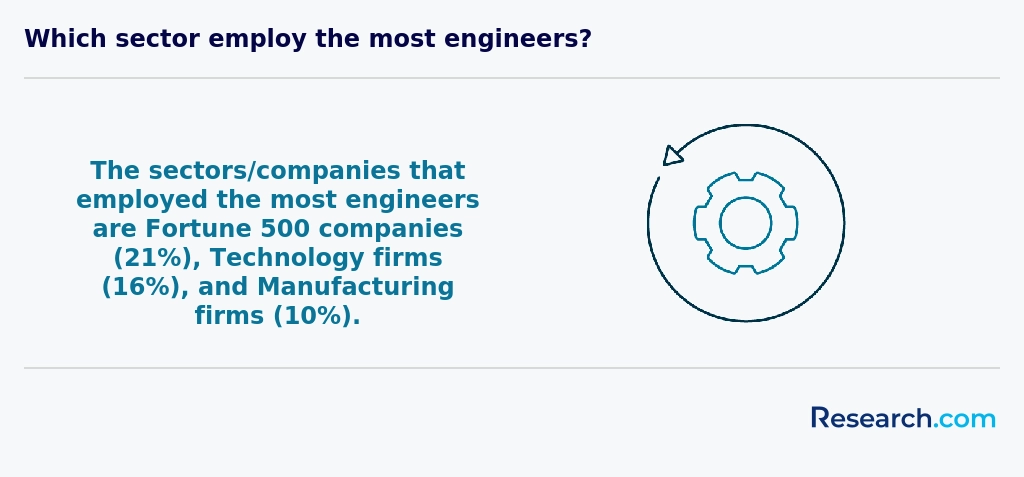
Graduates with an online engineering degree in Massachusetts step into a world full of promising career opportunities. Many find themselves thriving as mechanical engineers, designing innovative devices for the state's strong manufacturing base. Others pursue electrical engineering roles, contributing to cutting-edge projects in renewable energy and robotics, right in the heart of Massachusetts' vibrant tech ecosystem. Software engineering is another exciting path, especially for those engaged with Boston's dynamic startup culture and leading companies. Civil and biomedical engineering positions are equally fulfilling, allowing graduates to impact infrastructure development and the booming life sciences industry.
Many graduates from renowned institutions in Massachusetts share inspiring stories of success, highlighting how the flexible online format enabled them to stay connected with local industry leaders while balancing life's demands. These real-world experiences encourage prospective students to explore universities with accelerated degree programs, making their journey both efficient and rewarding. Choosing an online engineering degree means opening doors to exciting online engineering degree jobs Massachusetts, where career growth is truly within reach.
The job market for graduates with an online engineering degree in Massachusetts is vibrant and full of opportunity. Many graduates from well-known institutions such as Worcester Polytechnic Institute and Northeastern University have found success joining the thriving tech and biotech sectors. These industries eagerly seek skilled engineers, especially those prepared with the latest advances in software and renewable energy technologies. In the Boston area alone, demand is high for engineers who are adaptable and ready to contribute to cutting-edge projects.
Graduates often share how their flexible online programs helped them balance work and study, allowing them to enter or advance in industries with confidence. The strong engineering careers demand in Massachusetts is boosted by major employers valuing ABET-accredited online degrees, making it easier for graduates to step into rewarding roles. Many who finish their programs enjoy competitive salaries alongside meaningful projects, leading to satisfying career growth.
With thoughtful planning, you can manage the cost of associate degree online and pursue an engineering career without relocating. This accessibility combined with a flourishing job market motivates many to invest in their future through online engineering degrees in Massachusetts.
2027 Easiest Online Master's in Engineering Degree Programs Ranking in Massachusetts
Investing in your education is a significant decision that can shape your future, and the Research.com team recognizes the importance of making well-informed choices. To support prospective students seeking online master's in engineering programs in Massachusetts, we have carefully developed the "2027 Easiest Online Master's in Engineering Degree Programs Ranking in Massachusetts." Our dedication to quality, credibility, and accuracy is demonstrated through rigorous research and comprehensive analysis.
We utilized the following reputable data sources to ensure a thorough evaluation:
By exploring this ranking, readers will gain valuable insights into accessible and highly regarded online master's engineering programs in Massachusetts, helping them make confident, informed decisions about their educational journeys. For more details on our approach, please visit our Research.com methodology page.


Frequently Asked Questions About engineering
Online engineering degree students in Massachusetts can maximize their learning by actively engaging with virtual labs and simulation tools, which many accredited programs now offer. Massachusetts is home to a robust engineering sector, especially in biotechnology and robotics, so students should connect with local industry groups and professional societies such as the Massachusetts Society of Professional Engineers to enhance networking opportunities.
Leveraging state resources like the Massachusetts Life Sciences Center internship programs can provide valuable hands-on experience. Additionally, students benefit from time management and regular communication with faculty, which supports understanding complex engineering concepts remotely.
According to the U.S. Bureau of Labor Statistics, Massachusetts employs over 110,000 engineers, making it crucial for online students to build local connections to increase employment prospects after graduation.
The engineering landscape in Massachusetts is evolving rapidly, with several emerging niches gaining prominence. One key area is renewable energy engineering, driven by the state's commitment to reducing carbon emissions and advancing clean technologies. This includes solar, wind, and battery innovation, supported by initiatives like the Massachusetts Clean Energy Center.
Another growing field is biomedical engineering, reflecting the region's strong healthcare and biotech sectors. Innovations in medical devices and prosthetics are in high demand.
Cybersecurity engineering is also critical, as industries seek to protect data and infrastructure. Massachusetts ranks highly in cybersecurity jobs, according to the U.S. Bureau of Labor Statistics.
After completing an online engineering degree in Massachusetts, preparing for the job market involves several practical steps. Start by leveraging the state's strong engineering industry; Massachusetts hosts over 280,000 engineering jobs, according to the U.S. Bureau of Labor Statistics (2023). Networking through professional organizations like the Massachusetts Technology Leadership Council can also connect graduates to local employers.
Additionally, pursue relevant internships or co-op experiences during your studies to build practical skills. Many employers in Boston and Cambridge value hands-on experience alongside academic credentials. Obtaining a Professional Engineer (PE) license can further enhance job prospects, especially in civil and mechanical engineering fields.
Consider using state resources such as MassHire career centers, which offer job placement assistance and resume workshops tailored to engineers. Staying current with industry tools and software commonly used in Massachusetts firms will also improve employability.
Employers in Massachusetts prioritize a combination of technical and soft skills when hiring engineering graduates. Proficiency in computer-aided design (CAD) and data analysis tools is highly valued, reflecting the state's strong emphasis on innovation and technology sectors, according to the Massachusetts Executive Office of Labor and Workforce Development.
Problem-solving abilities and critical thinking are essential, as engineers often face complex challenges requiring innovative solutions. Communication skills also rank high, since teamwork and clear project documentation are crucial in collaborative environments common in Massachusetts firms.
Familiarity with industry standards, such as Six Sigma and Lean manufacturing, is frequently requested. Additionally, knowledge in emerging fields like renewable energy and biotechnology aligns with the state's growing markets.
Finding internships in Massachusetts relevant to an engineering degree involves leveraging multiple local resources. Start with university career centers, as many online programs maintain partnerships with regional companies. Massachusetts hosts over 1,000 engineering firms, particularly in Boston and Cambridge, offering diverse internship opportunities.
The Massachusetts Technology Collaborative and the MassCEC are excellent platforms to explore energy and tech internships. Websites like Handshake and LinkedIn also list hundreds of Massachusetts-based engineering internships.
Networking through professional organizations such as the Massachusetts Society of Professional Engineers can provide valuable contacts. According to the National Science Foundation, Massachusetts employs approximately 120,000 engineers, indicating strong local demand for interns.
Applying early and tailoring your applications to align with regional industry needs improves your chances significantly.
An online engineering degree in Massachusetts can significantly enhance career mobility by offering flexibility for working professionals to advance their education without relocating. This accessibility allows students to remain in the state's robust engineering job market, valued for industries like aerospace, robotics, and biotechnology.
Employers in Massachusetts increasingly recognize accredited online degrees, especially those from local institutions, as valid credentials for promotion and salary increases. According to the Massachusetts Executive Office of Labor and Workforce Development, engineering occupations in the state are projected to grow by 8% through 2028, creating opportunities for degree holders.
Moreover, advanced engineering degrees help professionals qualify for leadership roles and specialized positions, such as systems engineering or project management. Online programs often include networking and collaboration tools, giving students access to local industry experts and alumni networks critical for career advancement.
Studying for an engineering degree online in Massachusetts offers strong preparation for interdisciplinary roles by integrating technical skills with broad collaboration. Many Massachusetts universities emphasize project-based learning, encouraging students to work across engineering disciplines and with fields like business or healthcare.
Massachusetts is home to a dense network of industries such as biotechnology, robotics, and clean energy, which require engineers comfortable with diverse methods and knowledge. According to the Massachusetts Executive Office of Labor and Workforce Development, engineering roles often demand teamwork across specialties to innovate and solve complex problems.
Online programs often include courses in communication, systems thinking, and data analysis, which are critical for interdisciplinary work. Such programs mirror trends in the state's engineering job market, where professionals frequently engage with multiple sectors to meet evolving technological challenges.
Choosing between a thesis and a non-thesis online engineering degree in Massachusetts depends largely on your career goals and time commitment. Thesis programs focus on research, requiring students to complete a substantial project or paper, which suits those aiming for PhD studies or research roles.
Non-thesis options typically involve more coursework and may include practical projects or internships, making them ideal for professionals seeking advancement in industry without a heavy research focus.
Massachusetts hosts top engineering schools accredited by ABET, ensuring program quality across both options. According to the Massachusetts Department of Higher Education, about 35% of STEM master's degrees awarded involve thesis work, highlighting its popularity among research-oriented students.
Consider workload, flexibility, and your post-graduation plans when deciding between formats for an online program.
Students based in Massachusetts seeking to study engineering abroad while pursuing an online degree have several avenues available. Many U.S. institutions, including those in Massachusetts, partner with international universities to offer joint or dual online engineering programs. These programs allow students to earn accredited degrees recognized both in the U.S. and abroad.
According to the Massachusetts Department of Higher Education, in 2023, over 15% of graduate engineering students enrolled in programs with global collaborations. Popular destinations for partnerships include universities in Canada, the United Kingdom, and Australia, which follow comparable accreditation standards.
Massachusetts students can also enroll in fully online international engineering master's programs offered by foreign institutions, but should verify program accreditation recognized by ABET or the relevant U.S. accreditor to ensure transferability and professional licensing.
Additionally, Massachusetts universities often facilitate study-abroad options integrated into online learning, combining remote coursework with short-term residencies overseas for hands-on experience.
Part-time job opportunities in Massachusetts that complement an online engineering degree are diverse and well-suited for students seeking practical experience. Many companies in the Greater Boston area hire engineering interns or co-op students, offering roles in fields like software development, mechanical design, and civil engineering support. According to the Massachusetts Executive Office of Labor and Workforce Development, STEM jobs, including engineering, are projected to grow 12% through 2030.
Positions such as CAD technician, laboratory assistant, or quality control analyst provide hands-on learning aligned with coursework. These roles help students apply theoretical knowledge while building professional networks. Additionally, Massachusetts hosts numerous tech startups and research institutions, presenting opportunities for part-time work in emerging engineering disciplines.
Online engineering students in Massachusetts benefit from a range of networking opportunities despite studying remotely. Many universities offering online degrees, such as Worcester Polytechnic Institute and the University of Massachusetts, provide virtual career fairs and alumni networking events specifically tailored for engineers. These events connect students with local industry leaders and employers, helping to build professional relationships.
Massachusetts is home to a robust engineering sector, including technology hubs in Boston and Cambridge, which host frequent professional meetups and conferences accessible to online learners. Organizations like the Massachusetts Technology Leadership Council (MassTLC) provide additional networking channels for engineering students.
Participation in virtual student chapters of professional societies, such as IEEE and ASME, further supports networking by offering workshops, mentoring, and collaboration projects. According to the Massachusetts Executive Office of Labor and Workforce Development, engineering occupations in the state are expected to grow by 8% through 2030, indicating strong industry demand that online students can leverage through these networks.
Alumni networks play a crucial role for students pursuing online engineering degrees in Massachusetts by offering valuable connections and career support. Graduates from Massachusetts universities often enter strong professional communities, particularly because the state hosts top engineering employers like Raytheon and MIT Lincoln Laboratory. According to the Massachusetts Technology Collaborative, networking through alumni increases job placement chances by up to 20% in engineering fields.
These networks provide mentorship opportunities, helping students navigate industry challenges and develop skills specifically needed in Massachusetts' tech-driven economy. Virtual access to alumni events and job boards also enhances career readiness for online learners who may lack on-campus resources.
Customizing an online engineering degree program in Massachusetts allows students to align their education with specific career goals. Many Massachusetts institutions offer flexible curricula where students choose concentrations such as mechanical, electrical, or civil engineering. This specialization tailors skills to industry demands.
Students can also select electives that focus on emerging technologies like renewable energy or robotics, relevant to Massachusetts' strong innovation sectors. Additionally, options for research projects or internships enable practical experience in local companies, enhancing job readiness.
The Massachusetts Department of Higher Education supports programs that combine technical knowledge with project management and communication, critical for leadership roles.
According to the U.S. Bureau of Labor Statistics, engineering jobs in Massachusetts are projected to grow 5% through 2031, making specialized skills vital for career advancement.
Online engineering students in Massachusetts often face unique challenges related to the hands-on nature of their field. Engineering programs typically require lab work and practical projects, which can be difficult to replicate remotely. Students must find alternative ways to gain practical experience, sometimes relying on virtual simulations.
Additionally, balancing coursework with work or family commitments is a frequent issue. According to the Massachusetts Department of Higher Education, many distance learners juggle responsibilities while accessing limited on-campus resources.
Engagement and networking opportunities may also be limited compared to in-person programs, impacting professional growth. Reliable internet and technology access are critical, but disparities still exist.
With an online engineering degree, graduates in Massachusetts can pursue several respected professional certifications to advance their careers. One of the most notable is the Professional Engineer (PE) license, which requires passing the Fundamentals of Engineering (FE) exam followed by relevant work experience and the PE exam. The PE credential is highly regarded in fields like civil, mechanical, and electrical engineering.
Other options include the Certified Manufacturing Engineer (CMfgE) and the Project Management Professional (PMP) certification, both valuable in technical leadership roles. According to the Massachusetts Board of Registration of Professional Engineers, over 10,000 licensed engineers hold PE status in the state, highlighting strong local demand.
These certifications help demonstrate expertise and can lead to higher salaries and roles in management or consulting.
Writing a winning application for an online engineering program in Massachusetts requires clear focus and preparation. Start with a strong personal statement that highlights your passion for engineering and your career goals. Massachusetts is home to numerous top engineering firms, so showcasing relevant work experience or internships can strengthen your application.
Make sure to meet all prerequisites, including GPA and standardized test scores, as many programs look for applicants with at least a 3.0 GPA. According to the Massachusetts Department of Higher Education, engineering fields are growing steadily, so it's essential to show how your background aligns with industry demands.
Request recommendation letters from supervisors or professors familiar with your technical abilities. Finally, proofread all documents carefully to avoid simple errors, demonstrating professionalism and attention to detail essential in engineering disciplines.
The global outlook on an engineering career remains highly positive, with engineers playing a vital role in innovation and infrastructure worldwide. In the United States, and particularly in Massachusetts, demand for skilled engineers continues to grow. According to the U.S. Bureau of Labor Statistics, engineering employment is projected to increase by 6% from 2021 to 2031, reflecting steady global need.
Massachusetts is a hub for advanced engineering industries, including biotechnology, robotics, and clean energy. This creates unique opportunities for graduates from online engineering programs to work on cutting-edge projects with international impact.
Engineering careers often require collaboration across borders, making cultural and technical adaptability essential skills. Many U.S. engineering degrees comply with global accreditation standards, facilitating international mobility and recognition.
For students in Massachusetts pursuing online degrees, these global trends highlight the value of an engineering education that prepares them to engage with technological challenges worldwide, contributing to solutions that transcend national boundaries.
Gaining practical experience during an online engineering degree in Massachusetts is vital for career success. Many programs encourage internships or cooperative education (co-op) with local companies. Massachusetts hosts a robust engineering job market, particularly in biotechnology and advanced manufacturing, offering over 15,000 engineering-related positions annually according to the Massachusetts Executive Office of Labor and Workforce Development.
Students can leverage partnerships between universities and industry leaders to secure remote or in-person internships. Additionally, engineering students often participate in project-based coursework that simulates real-world challenges.
Professional engineering societies in Massachusetts, such as the Massachusetts Society of Professional Engineers, often provide networking events and mentorship opportunities tailored for students.
Choosing the right concentration within an online engineering degree program in Massachusetts requires careful consideration of your career goals and local industry demands. Massachusetts is a hub for biotechnology, aerospace, and renewable energy industries, offering strong opportunities in biomedical, mechanical, and environmental engineering fields.
Examine each concentration's curriculum to ensure it aligns with skills employers seek. For instance, the Massachusetts Executive Office of Labor and Workforce Development highlights growth in STEM jobs by 9.7% from 2021 to 2031, especially in software and systems engineering roles.
Consider how each concentration impacts professional licensure and certification pathways, which are regulated at the state level. Online programs with accredited curricula provide flexibility while meeting these requirements.
- 2027 Easiest Online Master's in Engineering Degree Programs Ranking in New York
- 2027 Easiest Online Master's in Engineering Degree Programs Ranking in New Jersey
- 2027 Easiest Online Master's in Engineering Degree Programs Ranking in Pennsylvania
- 2027 Easiest Online Master's in Engineering Degree Programs Ranking in Ohio
- 2027 Easiest Online Master's in Engineering Degree Programs Ranking in Kentucky
- 2027 Easiest Online Master's in Engineering Degree Programs Ranking in Michigan
- 2027 Easiest Online Master's in Engineering Degree Programs Ranking in Georgia
- 2027 Easiest Online Master's in Engineering Degree Programs Ranking in Illinois
- 2027 Easiest Online Master's in Engineering Degree Programs Ranking in Florida
- 2027 Easiest Online Master's in Engineering Degree Programs Ranking in Alabama
See What Experts Have To Say About Studying Engineering
Read our interview with Engineering experts


Jasna Jankovic
Engineering Expert
Associate Professor
University of Connecticut

Bohdan W. Oppenheim
Engineering Expert
Professor Emeritus of Healthcare Systems Engineering
Loyola Marymount University

- Engineering Internships | Global Programs For Students & Grads https://www.internhq.com/fields/engineering/
- Thesis vs. Non-Thesis Master's Programs: Which is Right for You? https://potomac.edu/thesis-vs-non-thesis-masters/
- Thesis vs Course Based Masters... https://talk.collegeconfidential.com/t/thesis-vs-course-based-masters/1709151
- Engineering Internships: Find 1037 Engineering Intern Jobs https://internshala.com/internships/engineering-internship/
- Networking for engineers: your questions answered https://targetjobs.co.uk/careers-advice/engineering/networking-engineers-your-questions-answered
- FAQ - Online Engineering Programs https://www.onlineengineeringprograms.com/faq
- A Life-Changing Summer Experience | Accelerate https://accelerateumass.org/campaign/impact-stories/life-changing-summer-experience
- Engineering Educational and Career Goals: 6 Reasons Why Continuing Your Engineering Education Advances Your Career https://www.pdh-pro.com/pe-resources/engineering-educational-and-career-goals-6-reasons-why-continuing-your-engineering-education-advances-your-career/
- Engineering Jobs Massachusetts https://www.triad-eng.com/engineering-jobs-massachusetts/
- Executive Search and Outplacement Services for the Engineering, Architecture, Construction, and Manufacturing Industries https://www.davron.net/stand-out-niche-engineering-job-market/