
2027 Most Affordable Engineering Degree Programs Ranking in Massachusetts

Co-Founder and Chief Data Scientist
Choosing the right engineering degree program is an exciting step toward a rewarding career. For students in Massachusetts, finding an affordable option that meets your goals is key.
This article introduces the 2027 Most Affordable Engineering Degree Programs Ranking in Massachusetts, created by the Research.com team of data scientists. It's designed to help you make an informed decision by comparing costs and quality across the state.
Reading this guide will empower you to pursue an engineering degree that fits your budget and ambitions, opening doors to a bright future.
Key benefits of getting engineering degree in Massachusetts
- Salary for engineering graduates in Massachusetts is attractive, with Mechanical Engineers earning around $105,220 annually and Electrical Engineers making about $117,680, providing solid financial stability.
- Graduates from popular Massachusetts universities often find diverse career paths in fields like civil, industrial, or electrical engineering, offering exciting opportunities to work in innovative industries.
- Completing an online engineering degree from a Massachusetts university can offer flexibility and convenience, allowing students to balance work and study while gaining the same respected credentials as traditional programs.
- 2027 Most Affordable Engineering Degree Programs Ranking in Massachusetts
- What can I expect from engineering degree in Massachusetts?
- Where can I work with engineering degree in Massachusetts?
What can I expect from engineering degree in Massachusetts?
The average cost of an engineering degree in Massachusetts varies widely, depending largely on whether a student attends public or private institutions. Graduates from public universities like UMass Amherst often share how in-state tuition offers a more manageable financial path, making high-quality engineering education feel attainable. In contrast, students at prestigious private schools like MIT frequently describe their experience as a significant investment, one balanced by generous financial aid packages and scholarships targeting STEM fields.
Many students recall the challenge of budgeting for tuition, fees, and living expenses, but they emphasize the value gained through hands-on learning and industry connections in the state's vibrant tech hubs. For example, those attending Worcester Polytechnic Institute often highlight the practical benefits of project-based learning, which they consider a worthwhile extension of their educational costs. Overall, Massachusetts engineering students perceive the financial commitment as an investment in future career opportunities, buoyed by competitive starting salaries and strong employment prospects in the region.
Where can I work with engineering degree in Massachusetts?
Graduates with engineering degrees from institutions like MIT, Tufts, and Worcester Polytechnic Institute often find themselves at the forefront of Massachusetts' cutting-edge industries. Imagine working in Boston's thriving tech hubs, where software, robotics, and AI companies relentlessly push innovation. Many recent graduates land roles designing advanced systems at firms like Raytheon or General Electric, blending creativity with real-world impact.
Others with biomedical engineering backgrounds dive into the vibrant life sciences sector near Kendall Square, contributing to groundbreaking medical device development or pharmaceutical research. They bring hope and excitement to patients' lives through innovation. Meanwhile, civil and environmental engineering alumni eagerly participate in transforming Massachusetts' infrastructure, from revitalizing urban landscapes to developing sustainable public transit solutions.
Envision electrical engineers powering clean energy projects, installing solar farms or wind turbines supported by state initiatives like MassCEC. These experiences generate pride and purpose, knowing their work actively shapes a greener future. The opportunities here are vast, energizing, and deeply rewarding for emerging engineers ready to make a difference.
Graduates with an engineering degree in Massachusetts can anticipate starting salaries that reflect a dynamic and prosperous job market. For instance, mechanical engineers typically earn around $105,220 annually, while electrical engineers enjoy even higher averages near $117,680. Civil engineers, another common path, have mean annual wages around $101,160. These salaries, drawn from recent Bureau of Labor Statistics data, clearly illustrate the strong earning potential in the state's tech-driven economy.
Consider graduates from well-known schools like MIT or Worcester Polytechnic Institute. Many report landing positions with competitive starting salaries in the range of $65,000 to $80,000, quickly progressing to six-figure incomes as they gain experience. The presence of industries such as aerospace, biotechnology, and software development amplifies demand for specialized skills, making Massachusetts a rewarding place for engineers to grow professionally and financially.
As job markets evolve, engineers here are often positioned to benefit from bonuses and stock options, adding to attractive compensation packages. The future looks bright for those entering Massachusetts' engineering workforce, with opportunities to innovate and thrive in a state rich with technical resources and career advancement possibilities.
- Undergraduate engineering tuition in Massachusetts ranges from $15,000 to $55,000 per year, with public universities like UMass offering lower costs than private schools such as MIT and WPI.
- Starting salaries for engineers average between $70,000 and $80,000 annually, increasing to over $110,000 after five to ten years of experience.
- The Boston area is a major hub for engineering jobs, especially in mechanical, electrical, civil, and software fields, with the state's employment growth rate above the national average.
- Many Massachusetts engineering schools have partnerships with local industries, providing internships and cooperative education programs to gain practical experience.
- Licensure as a Professional Engineer requires passing the FE and PE exams and obtaining relevant work experience, which can improve career opportunities and salary potential.
Completing an engineering degree in Massachusetts generally takes about four years for full-time students, especially at well-regarded schools like MIT, Worcester Polytechnic Institute, or Northeastern University. Graduates often reflect on how this timeline balances rigorous coursework with hands-on projects, fostering both challenge and achievement. Imagine diving into foundational science and math in your first years, then advancing to specialized engineering labs and design projects that bring concepts vividly to life.
Some students experience extended timelines due to co-op programs, popular at institutions like Northeastern, where alternating study with paid work semesters can lengthen the journey to five or six years. However, these experiences often lead to valuable industry connections and greater confidence post-graduation. Conversely, transfer credits or high Advanced Placement scores can shorten study time, making the path appear more personalized and flexible.
Looking ahead, as universities expand part-time and hybrid learning options, engineering study durations in Massachusetts may become increasingly adaptable, enabling students to balance life commitments while steadily progressing toward their degrees.
Choosing between online and on-campus engineering degrees in Massachusetts offers distinctly different experiences, each with unique advantages. Graduates from MIT or WPI often recall the excitement of working side-by-side with peers in cutting-edge labs, tackling real-world problems hands-on. This in-person collaboration provides a tangible boost to confidence and skill-building, especially in sectors like biotech and robotics thriving in the state.
Conversely, online programs cater to busy professionals balancing work and study. Many describe an empowering sense of flexibility, accessing lectures from anywhere while still benefiting from accredited curricula recognized across Massachusetts. Although virtual labs and remote teamwork replace some physical interaction, students appreciate mastering modern digital collaboration tools essential in today's engineering landscape.
Looking ahead, students may find hybrid models blending immersive, on-campus workshops with online coursework. These innovations promise to combine personal mentorship and practical exposure with convenience, making Massachusetts engineering education accessible, dynamic, and better suited to evolving career demands.
Evaluating the ROI of affordable engineering degree programs in Massachusetts is crucial for students balancing tuition costs against future earnings. On average, graduates recoup their educational investment within 5–7 years, driven by high entry-level salaries and strong industry demand. For example, starting salaries for mechanical and civil engineers often range from $65,000 to $75,000, while those entering fields like software engineering can see even higher entry points-current projections for software developer salary in Massachusetts exceed $90,000. Beyond initial compensation, the long-term outlook remains positive. According to the U.S. Bureau of Labor Statistics, engineering occupations are projected to grow by 4% through 2029, with software development roles expanding by over 25%. This growth translates into accelerated salary increases and opportunities for specialization, leadership, or entrepreneurial ventures. When paired with affordable tuition-ranging from $10,000 to $15,000 annually at public institutions-Massachusetts engineering graduates enjoy one of the best cost-to-benefit ratios in the country. Moreover, networking and professional development resources at institutions such as UMass Amherst and WPI bolster graduates’ career trajectories. Alumni report that participation in co-ops and internships often leads to full-time offers, reducing post-graduation job search time from an average of six months to under three. Factoring in robust financial aid packages and scholarship support, students can minimize debt burdens, maximizing both short- and long-term returns on their academic investment.
The average cost of an engineering degree in Massachusetts typically hovers around a median total cost of $76,487, which reflects both tuition and additional fees. Graduates from well-known institutions like Worcester Polytechnic Institute and Northeastern University often remark on balancing this investment with rewarding internship experiences and scholarships that help ease financial pressure. Many in-state students find the tuition noticeably lower-with median costs closer to $60,965-making public universities an appealing and affordable option for those living in Massachusetts.
A common story among engineering students involves carefully planning around tuition while tapping into financial aid resources and paid internships. This hands-on approach often means graduates feel empowered by their investment despite the steep costs. Yet, students must also consider living expenses and supplies, which add a significant layer beyond just tuition. For those seeking more options, looking into the most affordable online engineering programs in massachusetts can provide flexible pathways to lessen the financial burden without sacrificing quality education.
Exploring Massachusetts affordable engineering degree tuition fees reveals a landscape where costs can vary widely but still offer great value when combined with aid and work opportunities. The evolving educational environment encourages prospective students to consider multiple approaches to managing expenses while pursuing their engineering ambitions.
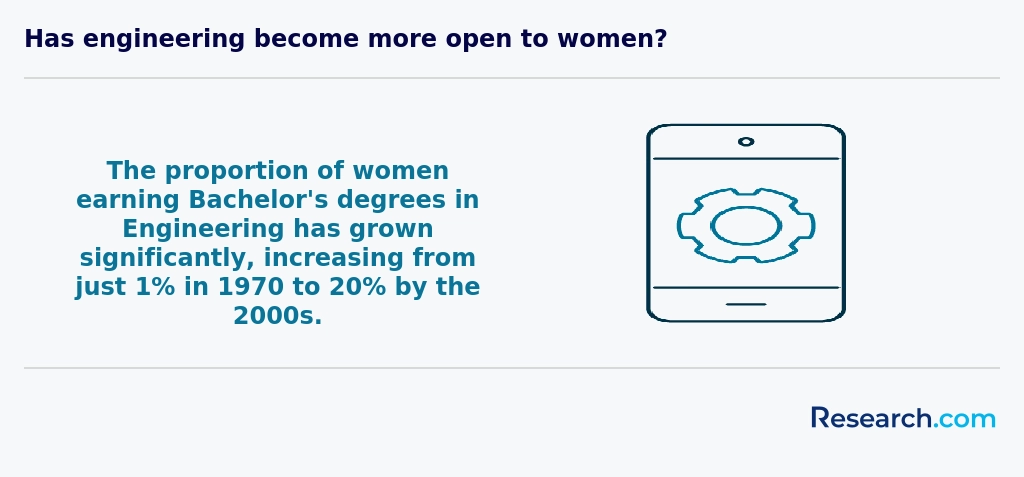
Engineering students in Massachusetts often rely on a combination of federal aid and local scholarships to navigate the high costs of their education. Graduates from the University of Massachusetts Amherst frequently share how Pell Grants, offering up to $7,395 annually, provide essential relief during their toughest semesters, allowing them to focus more on projects and labs than financial stress.
State-specific aid like the Massachusetts Grant Program also plays a crucial role-covering around $4,500 per year-especially for in-state students attending institutions such as Worcester Polytechnic Institute. Many students highlight how these funds make hands-on engineering experiences more accessible without accumulating heavy debt.
Merit-based scholarships offered by universities and engineering societies fuel motivation and pride. For example, some students recall how awards recognizing leadership or STEM dedication not only eased tuition burdens but also boosted their confidence and sense of belonging in a competitive field.
Looking forward, emerging tax credits and expanding work-study programs could further empower Massachusetts engineering students, blending practical work with learning while easing financial pressures. Early FAFSA submission remains a key step toward unlocking these opportunities and realizing a rewarding engineering career.
To enroll in an engineering degree in Massachusetts, students typically need a strong foundation in math and science, reflecting the demanding nature of programs at institutions like the University of Massachusetts Amherst or the Massachusetts Institute of Technology. Graduates often recall the confidence gained from mastering subjects such as algebra, calculus, physics, and chemistry during high school, which equipped them to tackle challenging coursework.
Standardized tests like the SAT or ACT remain important indicators, though some schools now offer test-optional policies, allowing students to highlight other strengths. Many successful applicants emphasize how involvement in robotics clubs or STEM internships not only solidified their passion but also made their applications stand out amid competitive peer groups.
Application components go beyond academics; personal statements and letters of recommendation showcase motivation and resilience-qualities Massachusetts engineering programs highly value. Looking ahead, students who build practical experience and demonstrate innovative thinking may find themselves better prepared for evolving admission expectations in this dynamic field.

Excelling in an engineering program requires a blend of strategic planning, effective time management, and proactive engagement both inside and outside the classroom. Students can benefit from setting clear academic and career goals, seeking out mentorship, and leveraging available resources to build a strong foundation for their future. Here are some actionable strategies: • Develop a structured schedule that balances coursework, hands-on projects, and study sessions, ensuring that you allocate time to mastering core concepts such as advanced mathematics, physics, and engineering software. • Actively participate in study groups, research projects, and internships to gain practical experience and develop a professional network that can offer career guidance and opportunities. • Utilize online and campus resources-many institutions offer tutoring sessions, career counseling, and technical workshops designed to support your growth as an engineer. For those preferring the flexibility of remote learning, consider exploring most affordable online engineering programs in massachusetts to get started on a path that blends convenience with in-depth technical training. • Stay updated on industry trends by reading scholarly articles, attending webinars, and joining engineering associations, which can provide insights into emerging technologies and best practices. • Regularly meet with academic advisors and mentors who can help you refine your study strategies, choose the right specialization, and navigate any challenges throughout your academic journey. By implementing these tips, you’ll not only enhance your academic performance but also develop the practical skills necessary to succeed in the competitive field of engineering.
Engineering degrees in Massachusetts typically include foundational courses like Calculus I, II, and III, Physics, and Chemistry, which provide the essential tools for understanding complex engineering problems. Graduates from popular institutions such as MIT and Worcester Polytechnic Institute often recall how these courses laid the groundwork for hands-on innovation and problem-solving in their careers, making abstract math and science feel practical and exciting.
Specialized courses are tailored to chosen fields-for example, mechanical engineering students dive into Statics and Dynamics and Thermodynamics, while those in electrical engineering focus on Circuits and Electronics. Many students at Northeastern University appreciate how these classes connect theory with real-world applications, like designing sustainable energy systems.
Emerging trends suggest increasing integration of programming languages like Python and MATLAB and exposure to computer-aided design (CAD), which current students find empowering as they develop projects that mimic actual industry challenges. Collaborative work on ethics, communication, and teamwork also prepares Massachusetts graduates to thrive in diverse and dynamic engineering roles.
Engineering degree specializations in Massachusetts cover a dynamic spectrum, from foundational fields like Civil and Mechanical Engineering to emerging areas such as renewable energy and data engineering. Graduates from institutions like MIT and Worcester Polytechnic Institute often share stories of hands-on projects in biomedical devices or sustainable urban infrastructure, reflecting the state's blend of innovation and tradition.
Students passionate about technology find Massachusetts particularly exciting, as Computer Engineering programs integrate software and hardware skills, aligning with the state's booming tech hubs. Those considering environmental solutions can engage in interdisciplinary research addressing clean energy, a growing focus tailored to regional and global challenges.
Such diverse types of engineering programs in Massachusetts prepare students for careers with strong earning potential, as evident in the typical software developer salary reported in local tech industries. The vibrant academic environment encourages future engineers to envision career paths that combine creativity with practical impact, fostering enthusiasm among peers eager to innovate.
Choosing the best engineering degree in Massachusetts means anticipating the evolving demands of technology and local industries. Graduates from Worcester Polytechnic Institute often recall how hands-on projects in robotics and biotech gave them confidence to innovate in Massachusetts' thriving tech hubs. Similarly, students at the University of Massachusetts Amherst emphasize the benefit of internships connected to nearby companies, which shaped their early career ambitions. Opting for programs with ABET accreditation is vital, ensuring your degree is respected both locally and nationally. When considering affordable engineering degree programs Massachusetts offers, keep tuition in context with availability of scholarships and flexible options like co-op schedules that accommodate working students.
The promise of emerging fields like biomedical and computer engineering within Massachusetts invites students to think beyond traditional paths, blending scientific discovery with real-world impact. Those curious about cost-effective paths might explore options such as the Affordable Online Master's in Engineering Degree Programs Ranking in Michigan, which exemplifies growing trends in accessible education that could influence local offerings soon.
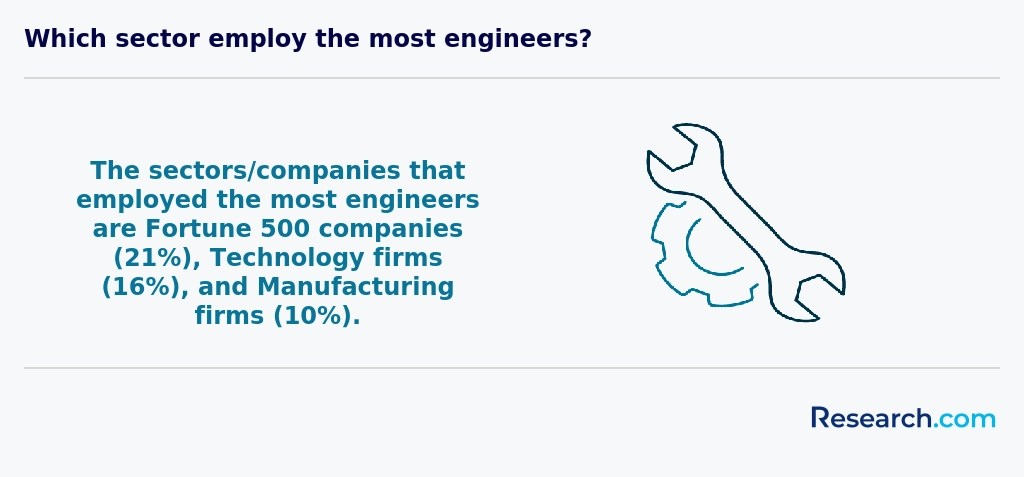
Graduates with an engineering degree in Massachusetts can expect to explore dynamic career paths shaped by the state's leading industries, innovation hubs, and academic resources. From civil engineering roles in Boston's ongoing infrastructure projects to cutting-edge research in robotics and aerospace, the opportunities are expanding rapidly. Many engineering graduates from renowned institutions in Massachusetts share stories of contributing to sustainable urban developments or pioneering renewable energy solutions, reflecting the strong focus on green technologies in the region.
Massachusetts engineering degree job prospects also include thriving fields like biomedical engineering, where graduates collaborate with biotech firms and medical research institutions to create next-generation healthcare technologies. These experiences foster a sense of purpose and excitement about impacting patient care and medical innovation. The fast-growing tech sector similarly offers rewarding roles in software and systems engineering, especially within startups and established corporations.
Those considering how to balance education with a swift career launch often find that pursuing a master's program online 1 year from a Massachusetts university can accelerate their entry into these vibrant engineering career opportunities in Massachusetts.
The engineering job opportunities in Massachusetts present a thriving future for graduates, especially those from renowned institutions like MIT and Harvard. Many graduates share experiences of landing roles in cutting-edge biotech firms around Cambridge or high-tech startups in Boston, where innovation is constant and growth is rapid. The demand for engineers skilled in fields such as renewable energy, software, and civil infrastructure is growing, reflecting the state's commitment to sustainable development and technological advancement.
Massachusetts engineering degree employment outlook remains optimistic with steady job growth expected by 2030, driven by biotechnology, aerospace, and manufacturing sectors. Graduates often benefit from internships and cooperative education programs that connect them directly with employers, making practical experience a key advantage. While tuition costs at public universities range widely, many find that the strong job market helps justify this investment.
For prospective students exploring options, programs at universities like UMass and private colleges offer great value. Exploring the best open enrollment online colleges can also be a strategic choice to manage costs while positioning for success in Massachusetts's competitive engineering landscape.
2027 Most Affordable Engineering Degree Programs Ranking in Massachusetts
Investing in your education is a significant decision that can shape your future, and the Research.com team understands the importance of making informed choices. To assist prospective students, we have meticulously compiled the "2027 Most Affordable Engineering Degree Programs Ranking in Massachusetts." Our commitment to quality, credibility, and accuracy is reflected in the extensive research and analysis conducted to develop this ranking.
We utilized the following reputable data sources to ensure a comprehensive evaluation of engineering degree programs:
By exploring this ranking, readers will gain valuable insights into affordable engineering programs in Massachusetts, empowering them to make confident and informed decisions about their education. For more details on how this ranking was created, please visit our Research.com methodology page.


# 6 position
Massachusetts Institute of Technology
Doctor of Science in Civil and Environmental Engineering


# 13 position
Benjamin Franklin Cummings Institute of Technology
Bachelor of Science in Electrical Engineering

# 14 position
University of Massachusetts-Boston
Bachelor of Science in Electrical Engineering curriculum


Frequently Asked Questions About engineering
Engineering students in Massachusetts can maximize their learning by taking advantage of the state's strong network of top-ranked universities and industry connections. Participating in co-op programs and internships offered by institutions such as the Massachusetts Institute of Technology (MIT) and Worcester Polytechnic Institute helps students gain real-world experience while earning credits. According to the Massachusetts Department of Higher Education, over 60% of engineering students engage in experiential learning opportunities.
Additionally, joining student chapters of professional organizations like ASME or IEEE provides access to technical workshops, networking events, and mentorship. Students benefit from Massachusetts' high concentration of engineering firms in biotech, robotics, and aerospace sectors, creating diverse opportunities for applied learning.
Collaborative projects, research participation, and use of advanced lab facilities also enhance hands-on skills critical for engineering careers in the state. Staying informed about local engineering job trends and certifications further prepares students for the competitive Massachusetts job market.
Emerging niches within the engineering field in Massachusetts reflect the state's strong emphasis on innovation and technology. One prominent area is renewable energy engineering, driven by Massachusetts' commitment to reducing carbon emissions and expanding clean energy use. Another fast-growing niche is biomedical engineering, supported by the state's world-class healthcare and biotechnology industries, which employ over 100,000 workers according to MassBio.
Additionally, software and systems engineering focusing on artificial intelligence and cybersecurity are expanding rapidly, responding to growing market demands in Boston's tech sector. Data from the Massachusetts Department of Labor highlights a 15% employment growth in these fields over the past five years. Students interested in sustainable infrastructure and advanced materials also find new opportunities as Massachusetts invests in smart city projects and advanced manufacturing.
Preparing for the job market after earning an engineering degree in Massachusetts involves several strategic steps. First, gaining practical experience through internships or cooperative education programs is crucial. Many local employers, including companies in Boston's tech and biotech sectors, actively recruit engineering students.
Networking plays a significant role; joining professional organizations such as the Massachusetts Society of Professional Engineers (MSPE) can connect graduates with industry leaders. Additionally, obtaining professional licensure, like the Fundamentals of Engineering (FE) exam, enhances credibility.
According to the Massachusetts Executive Office of Labor and Workforce Development, engineering disciplines in the state show a steady demand, with growth expected above the national average through 2030.
Focusing on software skills, data analysis, and interdisciplinary knowledge can further improve employment prospects in this competitive market.
Employers in Massachusetts highly value engineering graduates who possess strong technical skills combined with practical experience. Key abilities include proficiency in software relevant to the specific engineering field, such as CAD for mechanical engineers or MATLAB for electrical engineers. According to the Massachusetts Technology Collaborative, about 85% of local engineering firms prioritize graduates with hands-on internships or co-op experience.
Problem-solving and critical thinking are also essential, as these skills enable engineers to design innovative solutions to complex challenges. Communication skills rank high too, since engineers frequently collaborate in teams and must clearly convey technical information to non-experts.
Additionally, knowledge of emerging technologies like renewable energy and data analytics is becoming increasingly important in Massachusetts, reflecting the state's focus on technology-driven industries. Familiarity with regulatory standards and project management can give candidates a competitive edge in the job market.
Finding engineering internships in Massachusetts involves leveraging multiple resources tailored to the state's strong STEM industry. Many universities, such as MIT and Northeastern, have dedicated career centers offering internship listings and employer connections. According to the Massachusetts Technology Collaborative, over 16,000 STEM internships are available annually statewide, reflecting a robust market. Online platforms like Handshake and the National Society of Professional Engineers also list opportunities targeted to engineering students. Networking events and local professional organizations, including the Massachusetts Society of Professional Engineers, can provide valuable contacts. Early application and tailored resumes are essential to stand out in this competitive environment.
An engineering degree significantly enhances career mobility and advancement in Massachusetts. The state hosts a robust engineering sector, with industries such as biotechnology, aerospace, and information technology driving demand for skilled engineers. According to the Massachusetts Executive Office of Labor and Workforce Development, engineering occupations grew by 6.5% from 2018 to 2023, outpacing many other fields.
Employers in Massachusetts value accredited engineering degrees, especially from institutions recognized by ABET, which can open doors to higher entry-level positions and leadership roles. Graduates often benefit from competitive salaries, with the average annual wage for engineers in Massachusetts reaching over $100,000 in 2023, per the U.S. Bureau of Labor Statistics.
Additionally, an engineering degree provides flexibility, allowing professionals to transition between sectors such as manufacturing and renewable energy, thus supporting long-term career growth in the region.
Studying for an engineering degree in Massachusetts offers strong interdisciplinary preparation due to the state's emphasis on collaboration across diverse fields. Many universities, such as MIT and Worcester Polytechnic Institute, integrate courses combining engineering with computer science, business, and the life sciences. This approach reflects the real-world demands of industries in Massachusetts, which include biotechnology, robotics, and clean energy.
Furthermore, Massachusetts ranks among the top states for STEM employment, with over 270,000 STEM jobs as reported by the U.S. Bureau of Labor Statistics in 2023. Engineering programs often include team projects and internships that encourage students to work with professionals from different disciplines, fostering versatile problem-solving skills.
Exposure to industry partnerships and research centers enhances students' ability to apply engineering knowledge in various sectors efficiently. This multidisciplinary foundation equips graduates to adapt in innovation-driven roles across technology and healthcare sectors.
Choosing between a thesis and a non-thesis engineering degree program in Massachusetts depends largely on your career goals and learning preferences. Thesis programs emphasize original research and are ideal if you plan to pursue a PhD or a research-focused role. Non-thesis programs focus more on coursework, practical experience, and exams, suiting students seeking industry positions.
Massachusetts' engineering schools, such as MIT and UMass Amherst, often require thesis options for research funding eligibility. According to the National Center for Education Statistics, about 35% of graduate engineering students in the state pursue thesis pathways, reflecting strong ties to innovation and development sectors.
Cost and time commitment also differ; thesis programs may take longer due to research demands. Consider these factors carefully when selecting the best pathway for your professional future.
Students in Massachusetts pursuing engineering degrees have several opportunities to study abroad through their home institutions. Many universities, such as the University of Massachusetts and Northeastern University, offer structured exchange programs with partner schools in Europe, Asia, and Australia. These programs allow students to earn credits that count toward their degrees while gaining international experience.
Massachusetts students can also participate in global internships and research collaborations facilitated by engineering departments and cooperative education offices. According to NAFSA: Association of International Educators, about 10% of U.S. engineering undergraduates study abroad at some point, with Massachusetts ranking high in participation.
Financial aid and scholarships specifically for study abroad in STEM fields are increasingly available, helping to offset costs. Additionally, accredited programs align with U.S. ABET standards, ensuring quality education overseas. Overall, Massachusetts-based students have diverse, well-supported pathways to gain engineering experience internationally.
In Massachusetts, part-time job opportunities that complement an engineering degree are abundant, given the state's strong emphasis on technology and innovation. Students often find internships or co-op positions in sectors such as biotechnology, aerospace, and software development, which are key industries in the region. According to the Massachusetts Technology Collaborative, over 300 tech companies offer roles suitable for engineering students seeking practical experience.
Campus labs and research centers also frequently hire students for assistant roles, allowing them to apply classroom knowledge in real-world projects. Additionally, many engineering firms in Boston and Cambridge offer part-time roles in CAD design, quality control, and data analysis. These positions build critical skills and improve employability after graduation.
Engineering students in Massachusetts benefit from numerous networking opportunities due to the state's strong tech and innovation ecosystem. Universities like MIT and WPI host career fairs and industry panels connecting students with top engineering firms, such as Raytheon and General Electric. According to the Massachusetts Technology Collaborative, the state employs over 300,000 technology workers, offering rich potential contacts.
Professional organizations such as the Massachusetts Society of Professional Engineers (MSPE) provide student memberships that include access to workshops and conferences. Local chapters of national bodies like IEEE also support events that enhance peer and industry networking.
Internships through university partnerships remain a key pathway, with many companies actively recruiting engineering students onsite or virtually.
Alumni networks in Massachusetts offer significant advantages for engineering degree students. These networks connect current students with graduates who work in diverse engineering fields, providing mentorship and career advice.
Massachusetts, home to over 20 accredited engineering programs and numerous technology companies, benefits from strong alumni engagement. For example, the Massachusetts Institute of Technology's network includes thousands of professionals who support internships and job placements.
Studies show that students involved in alumni networks have a 15% higher employment rate within six months after graduation. These connections also facilitate access to industry events, workshops, and research collaborations vital for engineering students' professional growth.
Many engineering programs in Massachusetts offer flexible curricula that allow students to tailor their studies to specific career goals. You can often choose electives in specialized areas like robotics, renewable energy, or biomedical engineering, enhancing your expertise.
Massachusetts schools commonly provide minors or certificates that complement an engineering degree, such as business or data analytics, helping students prepare for leadership or interdisciplinary roles.
Participating in cooperative education (co-op) or internship programs, which are prevalent in Massachusetts institutions like Northeastern University, allows hands-on experience that aligns with your career interests.
Academic advisors in these programs work with students to develop personalized degree plans based on industry trends and job market demands in Massachusetts' robust tech and healthcare sectors.
Engineering students in Massachusetts often face considerable academic pressure due to rigorous coursework and high expectations from both faculty and industry standards. Many programs emphasize complex subjects such as advanced mathematics, physics, and computer-aided design, which require strong problem-solving skills and dedication.
Additionally, the cost of education is a significant challenge. According to the Massachusetts Department of Higher Education, the average annual tuition for public engineering programs exceeds $15,000, putting financial strain on students without adequate scholarships or support.
Furthermore, balancing internships and part-time jobs alongside demanding studies creates time management difficulties. Access to competitive internships in tech hubs like Boston can be limited, increasing stress levels.
Lastly, diversity and inclusion remain concerns, as women and underrepresented minorities continue to seek more equitable representation in engineering fields across Massachusetts institutions.
With an engineering degree in Massachusetts, graduates can pursue several valuable professional certifications to enhance their careers. The most recognized is the Professional Engineer (PE) license, which allows engineers to offer services directly to the public. To obtain this, candidates must pass the Fundamentals of Engineering (FE) exam, gain relevant work experience, and pass the PE exam.
Other certifications include the Certified Manufacturing Engineer (CMfgE) and Project Management Professional (PMP), which are widely respected in Massachusetts' robust tech and manufacturing sectors. According to the National Society of Professional Engineers, about 75% of licensed engineers in the state hold a PE license, demonstrating its importance in advancing engineering careers locally.
Applying to an engineering program in Massachusetts requires a strong focus on academics and practical experiences. Most top programs, including those at MIT and Worcester Polytechnic Institute, expect a high GPA, particularly in math and science courses.
Standardized test scores, such as the SAT or ACT, remain important, though some schools have test-optional policies since 2021 due to changing admissions trends. Including relevant extracurricular activities like robotics clubs or internships in engineering firms strengthens applications.
Applicants should also prepare compelling personal statements that highlight problem-solving skills and passion for engineering. Letters of recommendation from science teachers or professionals familiar with the applicant's technical abilities are highly valued.
According to the Massachusetts Department of Higher Education, engineering degrees have strong job placement rates in the state, so demonstrating career goals aligned with local industry trends can improve acceptance chances.
Engineering careers in Massachusetts are highly regarded both nationally and globally due to the state's strong emphasis on innovation and technology. According to the Massachusetts Technology Collaborative, the state hosts over 1,500 engineering firms, reflecting a robust engineering job market. Globally, engineering professionals from Massachusetts benefit from the region's leadership in sectors like biotechnology, robotics, and renewable energy.
Engineering degrees from Massachusetts institutions, such as MIT and Worcester Polytechnic Institute, are recognized worldwide for their rigorous curricula and research opportunities. This reputation enhances graduates' employability across diverse international markets, including Europe and Asia.
The U.S. Bureau of Labor Statistics reports that engineers in Massachusetts earn an average salary higher than the national median, illustrating strong economic incentives tied to this career path. Emerging global trends emphasize sustainability and smart infrastructure, areas in which Massachusetts engineers actively contribute.
Students pursuing engineering degrees in Massachusetts can gain practical experience through cooperative education (co-op) programs widely offered by institutions such as Northeastern University. Co-ops combine classroom study with paid work placements, often lasting six months, allowing students to apply skills in real-world engineering settings.
Internships are another key pathway. Many universities maintain partnerships with local technology firms in the Greater Boston area, which is home to numerous engineering and biotech companies. According to the Massachusetts Department of Higher Education, approximately 70% of engineering students report completing at least one internship before graduation.
Additionally, project-based learning opportunities, such as engineering clubs and design competitions, help students develop hands-on experience. Faculty-led research projects also allow students to work directly with cutting-edge technology, enhancing their practical skills.
Choosing the right concentration within an engineering degree program in Massachusetts begins with understanding your interests and career goals. Popular fields include mechanical, electrical, civil, and computer engineering, each offering unique opportunities. According to the Massachusetts Department of Higher Education, mechanical engineering remains the most enrolled concentration, reflecting robust local demand in manufacturing and robotics.
Researching job market trends in Massachusetts is essential. The Massachusetts Executive Office of Labor and Workforce Development reports strong growth in software and biomedical engineering jobs, which may influence your decision. Additionally, consider the specialized programs offered by schools such as MIT and Worcester Polytechnic Institute, known for advanced research and industry connections.
Visit campuses, talk to faculty and alumni, and review curriculum details. Accreditation by ABET ensures program quality and is important for licensure and employment nationwide. Remember, choosing a concentration aligned with regional industry needs can improve your internship and job prospects in Massachusetts.
- 2027 Most Affordable Engineering Degree Programs Ranking in Connecticut
- 2027 Most Affordable Engineering Degree Programs Ranking in New Hampshire
- 2027 Most Affordable Engineering Degree Programs Ranking in New York
- 2027 Most Affordable Engineering Degree Programs Ranking in New Jersey
- 2027 Most Affordable Engineering Degree Programs Ranking in Florida
- 2027 Most Affordable Engineering Degree Programs Ranking in Alabama
- 2027 Most Affordable Engineering Degree Programs Ranking in Mississippi
- 2027 Most Affordable Engineering Degree Programs Ranking in Arkansas
- 2027 Most Affordable Engineering Degree Programs Ranking in Minnesota
- 2027 Most Affordable Engineering Degree Programs Ranking in Colorado
See What Experts Have To Say About Studying Engineering
Read our interview with Engineering experts

Bohdan W. Oppenheim
Engineering Expert
Professor Emeritus of Healthcare Systems Engineering
Loyola Marymount University

Jasna Jankovic
Engineering Expert
Associate Professor
University of Connecticut

Joseph Reichenberger
Engineering Expert
Professor of Civil Engineering & Environmental Science
Loyola Marymount University

- any good engineering schools in Mass.? https://talk.collegeconfidential.com/t/any-good-engineering-schools-in-mass/550888
- Bachelor of Science in Engineering https://www.gordon.edu/science/programs/engineering
- Breaking Into Engineering: First Job Tips | Intuitive https://careers.intuitive.com/en/employee-stories/career-growth-advice/breaking-into-engineering-tips-for-landing-your-first-job/
- Executive Search and Outplacement Services for the Engineering, Architecture, Construction, and Manufacturing Industries https://www.davron.net/stand-out-niche-engineering-job-market/
- A Life-Changing Summer Experience | Accelerate https://accelerateumass.org/campaign/impact-stories/life-changing-summer-experience
- How to Study Abroad as an Engineering Major https://www.semesteratsea.org/study-abroad-engineering-major/
- 6+ Engineering Cover Letter Examples (with In-Depth Guidance) https://www.tealhq.com/cover-letter-examples/engineering
- Networking for engineers: your questions answered https://targetjobs.co.uk/careers-advice/engineering/networking-engineers-your-questions-answered
- New Ranking: The Best Alumni Networks https://poetsandquantsforundergrads.com/rankings/the-best-alumni-networks/
- Engineering Schools in Boston https://colleges.cometoboston.com/engineering-schools-in-boston


