
2027 Most Popular Engineering Degree Programs Ranking in Vermont

Co-Founder and Chief Data Scientist
Choosing the right engineering degree program is a big step toward a successful future, especially in Vermont. This article presents the 2027 Most Popular Engineering Degree Programs Ranking in Vermont, carefully created by the Research.com team of data scientists. It's designed to help you make an informed choice about which programs truly stand out.
Exploring this ranking will give you clear insights into the best options available, making your decision easier. An engineering degree opens doors to exciting careers and personal growth, and this guide supports you on that journey.
Key benefits of getting engineering degree in Vermont
- Salary benefits: Engineering graduates in Vermont can expect competitive salaries; for example, electrical engineers earn a mean annual wage of $117,680 while mechanical engineers make around $105,220 yearly, offering strong financial stability.
- Career paths: Graduates from the University of Vermont enjoy versatile opportunities in fields like civil, industrial, and mechanical engineering, enabling them to work in construction, manufacturing, or tech industries with exciting growth.
- Online degree advantages: Earning an engineering degree online from an accredited Vermont university allows flexibility to balance work and study, often reducing costs and opening doors to remote job options after graduation.
- 2027 Most Popular Engineering Degree Programs Ranking in Vermont
- What can I expect from engineering degree in Vermont?
- Where can I work with engineering degree in Vermont?
What can I expect from engineering degree in Vermont?
Engineering students in Vermont, particularly those attending the University of Vermont (UVM), find the average in-state tuition for an engineering degree both reasonable and manageable compared to national averages. Graduates describe managing tuition costs of around $15,000 annually when qualifying for in-state rates, a figure that fits within many local budgets and is often supplemented by financial aid or STEM-specific scholarships.
Out-of-state students should expect tuition to be higher, typically near $44,000 per year, though many take practical steps like applying for scholarships or participating in internships that offset these expenses. Vermont's engineering graduates often mention how smaller class sizes at UVM help them maximize their investment by gaining direct faculty mentorship and hands-on project experience-benefits that larger programs may lack.
Internships supported by Vermont's strong ties to renewable energy and manufacturing firms not only reduce the financial strain but improve employment prospects post-graduation. These practical opportunities help students see engineering tuition as an investment leading to immediate job readiness and a rewarding career path.
Where can I work with engineering degree in Vermont?
Graduates with an engineering degree from institutions like the University of Vermont often find strong job prospects in Vermont's manufacturing sector. Many alumni secure positions at local companies specializing in precision manufacturing and electronics, gaining hands-on experience in automation and process improvement. This path is practical for those who enjoy problem-solving with tangible outcomes.
Those passionate about environmental sustainability frequently join projects related to clean energy or water management. Civil and environmental engineering graduates often work with government agencies or nonprofits, helping design solar or wind power systems-real-world initiatives that make a visible impact on the state's green goals. For instance, graduates report satisfaction when contributing to Vermont's ongoing renewable energy expansions.
In urban centers like Burlington, software and hardware engineering roles are emerging. Graduates involved with startups appreciate the dynamic atmosphere and opportunities to innovate, especially after completing tech-focused programs at Vermont Technical College. Finally, engineering students aiming for public service find stable careers with state agencies working on infrastructure and transportation projects, where their designs directly improve community life.
Graduates from Vermont's engineering programs often find their starting salaries ranging broadly depending on their specialization. For example, mechanical engineers can expect mean annual wages around $105,220, while electrical engineers typically earn higher, averaging about $117,680. Civil engineers, commonly employed by local infrastructure projects and firms, report mean wages near $101,160. These figures reflect the latest data from the U.S. Bureau of Labor Statistics, illustrating solid earning potential within the state.
Many engineering students from the University of Vermont and other technical colleges in the region have noted how internships and co-op programs helped them secure roles that pay closer to these upper ranges after graduation. Hands-on experience combined with Vermont's growing tech and manufacturing sectors greatly enhances income prospects.
To maximize earnings, new graduates should pursue licensure or advanced degrees, as Vermont employers value these credentials, particularly in specialized fields like electrical or mechanical engineering. Over time, professional growth can easily push salaries beyond the six-figure mark, especially for those embracing managerial or niche technical roles.
- Engineering degrees in Vermont include mechanical, civil, electrical, and environmental engineering programs at accredited institutions.
- Annual tuition ranges from $15,000 to $25,000 at public universities and can exceed $40,000 at private colleges.
- Total cost for a four-year engineering degree, including fees and living expenses, ranges between $80,000 and $150,000.
- Entry-level engineers in Vermont earn $60,000 to $70,000 per year, while mid-career salaries range from $90,000 to $110,000 annually.
- The engineering job market is expected to grow by about 5% over the next decade, with key employers in manufacturing, renewable energy, and government sectors.
Completing an engineering degree in Vermont typically takes about four years of full-time study at colleges like the University of Vermont. Graduates often share that the journey feels manageable when you start with general education courses in your first year, slowly building up to specialized engineering classes and hands-on labs in later years. This structure helps you gain confidence step-by-step without getting overwhelmed.
Many students find that programs in mechanical, electrical, or civil engineering follow this four-year timeline closely, matching national standards set by ABET. If you choose to enroll in a cooperative education program, expect to extend your study by one or two semesters-but this means invaluable work experience alongside your academic progress, which most students praise as a game-changer.
For those energized by research or leadership roles, pursuing a Master's in engineering after the bachelor's adds about two more years. This path lets you deepen expertise and explore innovative projects while benefiting from Vermont's supportive academic community.
Securing hands-on experience through internships and industry partnerships is crucial for engineering students in Vermont, bridging the gap between classroom theory and real-world application. Many institutions, including the University of Vermont and Vermont Technical College, have formal co-op programs with local employers such as Burton Snowboards, Keurig Dr Pepper, and global engineering firms engaged in renewable energy projects. These partnerships provide paid placements, mentorship from seasoned professionals, and opportunities to contribute to active design and manufacturing processes. Students typically apply for internships during their junior year, working full-time for one semester or part-time over multiple semesters. Career services offices host annual engineering career fairs, connecting students with recruiters and alumni who share insights on navigating competitive application processes. Past interns report that presenting senior design projects to partner companies often leads to full-time offers upon graduation. Research centers on campus, such as UVM’s Advanced Manufacturing Lab and VT Tech’s Sustainable Systems Collaborative, also collaborate with industry sponsors. These labs allow students to participate in cutting-edge projects, from developing energy-efficient prototypes to testing novel materials under professional guidance. To maximize internship success, students should:
- Leverage faculty referrals and attend resume workshops.
- Engage early with career advisors to align placement goals with academic specializations.
- Document deliverables and seek feedback to showcase achievements in portfolios. For students comparing costs and looking for value-driven options, explore our Inexpensive Engineering Degree Programs Ranking in Rhode Island to find similarly robust industry connections at affordable institutions.
Choosing between on-campus and online engineering degrees in Vermont largely depends on your learning style and daily routine. Graduates from the University of Vermont often recall the value of hands-on labs and face-to-face mentoring, which helped them confidently master complex concepts. The structured environment, with immediate access to workshops and faculty, fosters a supportive community that many find motivating.
On the other hand, online programs offer flexibility that suits working professionals or those living far from Vermont campuses. Graduates appreciate being able to balance studies with jobs or family, accessing lectures and assignments on their own schedule. However, they emphasize the importance of strong self-discipline, as remote learning reduces opportunities for direct, practical experience and real-time feedback.
Tuition for Vermont's engineering degrees tends to be comparable in both formats. Still, online students may save on campus-related expenses like housing or meal plans. Those studying on campus often find local internships and career fairs invaluable for building connections with Vermont employers, an advantage that online learners may need to pursue proactively.
Pursuing professional certifications and continuing education is vital for engineering graduates seeking to distinguish themselves in Vermont’s competitive job market. First, most graduates begin by passing the Fundamentals of Engineering (FE) exam during or shortly after their bachelor’s program, laying the groundwork for licensure. After accruing the required four years of qualifying work experience under a licensed Professional Engineer (PE), candidates can sit for the PE exam, unlocking opportunities in consulting, public-sector projects, and senior technical roles. Beyond licensure, specialized certifications-such as Project Management Professional (PMP), Six Sigma Green Belt or Black Belt, and Certified Energy Manager (CEM)-can significantly boost earning potential and leadership prospects. For example, a Six Sigma certification signals expertise in process optimization, appealing to Vermont’s manufacturing and renewable energy firms. Similarly, PMP certification reflects strong project coordination skills, increasingly valued by engineering management teams. Universities and technical colleges in Vermont often partner with industry associations to offer certificate programs in emerging fields. Engineers interested in sustainability might pursue LEED accreditation through the U.S. Green Building Council, while those looking to expand into data-driven roles can explore short courses in Python programming, data analytics, or machine learning. For engineers interested in the intersection of AI and traditional disciplines, understanding how many years to become a machine learning engineer can guide long-term professional planning and help integrate advanced analytics into infrastructure projects. Continuing education options include part-time master’s programs, online professional development modules, and workshops hosted by organizations like the Vermont Society of Professional Engineers (VSPE). Engaging in lifelong learning not only deepens technical expertise but also fosters a robust professional network, ensuring Vermont engineers remain adaptable and competitive in a rapidly evolving industry.
The average cost of an engineering degree in Vermont typically centers around $19,058 for in-state students, covering tuition and essential fees. Graduates from the University of Vermont often recall budgeting carefully, as this public institution remains the primary affordable option for many locals pursuing engineering. Out-of-state students generally face a much higher bill, sometimes exceeding $62,000 total when factoring in tuition, living expenses, and additional university fees over the course of four years. This aligns with Vermont's broader cost patterns for higher education in specialized fields.
Vermont engineering degree tuition and expenses also include necessary costs beyond tuition, such as books averaging around $1,200 annually and room and board which can range from $12,000 to $14,000 per year. Students from Norwich University reflect on how private institution fees can surpass $50,000 yearly, making financial planning essential. Scholarships and financial aid play a big role in easing this burden, highlighting the importance of early application for assistance.
For those seeking a full picture of costs before committing, reviewing the cheapest engineering programs in vermont offers clear, organized options. Choosing the right program with an eye on overall expenses helps graduates approach their education with confidence and a positive outlook towards their career investment.
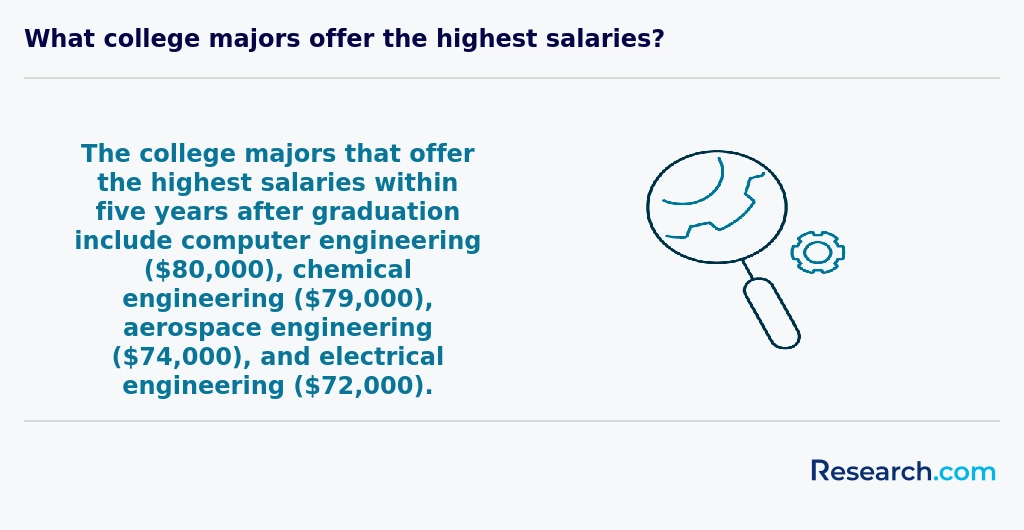
Start by completing the FAFSA to qualify for federal aid like Pell Grants, which can award up to $7,395 annually without requiring repayment. This foundation of federal support helps reduce the $20,000 to $40,000 yearly cost of engineering programs in Vermont's public and private schools.
Next, apply to Vermont-specific resources such as the Vermont Student Assistance Corporation (VSAC). Many engineering students at the University of Vermont and Norwich University find VSAC grants, scholarships, and low-interest loans essential in offsetting expenses beyond federal aid.
Don't overlook campus-based scholarships. Merit scholarships at schools like UVM reward academic excellence and leadership in engineering, and some departments offer industry-sponsored awards backed by local tech and manufacturing firms. Graduates often praise how these funds eased their financial burden during studies.
If you're working while studying, check if your employer offers tuition assistance. Vermont's growing tech sector employers sometimes support professionals advancing engineering skills, making this option a practical step toward funding your degree without added debt.
Vermont's engineering programs are increasingly distinguished by their robust industry collaborations and cutting-edge research initiatives, which bridge classroom theory with real-world applications. Many institutions in the state partner with local businesses and research centers to offer students hands-on experience through co-op programs, internships, and joint research projects. These partnerships not only enhance technical skills but also provide invaluable networking opportunities that can lead to promising career placements. For example, students exploring the cheapest engineering programs in vermont can benefit from initiatives that pair them with industry experts, offering insights into current technological trends and sustainable practices. Emphasizing collaborative projects and research funding, Vermont's engineering schools are committed to fostering an educational environment that prepares graduates to tackle emerging challenges in their fields, ensuring they remain competitive in a rapidly evolving job market.
To enroll in an engineering degree program in Vermont, you need a solid foundation in math and science from high school. Focus on advanced courses like calculus, physics, and chemistry to meet the typical requirements. Most schools, including Vermont Technical College, expect you to have completed algebra, geometry, and trigonometry before starting the program, as these are crucial for success in early engineering classes.
Applicants generally must hold a high school diploma or a GED. Many Vermont institutions still require SAT or ACT scores, but some, like the University of Vermont, offer test-optional admissions, allowing students to highlight other strengths such as strong essays or STEM-related extracurricular activities.
Letters of recommendation and personal statements are important. Graduates often share how their involvement in robotics clubs or internships made their applications stand out. If you plan to transfer, ensure your college transcripts align with Vermont engineering prerequisites to make the transition smoother.
In Vermont, engineering degree programs at institutions like the University of Vermont emphasize a balanced mix of core courses essential to building a strong foundation. Expect to dive into calculus and advanced mathematics early on-these are key for solving real design challenges you'll face during internships or projects. Physics courses help you grasp material behavior and forces, which mechanical and civil engineering students find incredibly useful when testing structures or machinery.
Many graduates highlight the value of computer programming classes, often focusing on Python or MATLAB, for automating calculations and simulations in labs. Courses such as thermodynamics and statics give you a practical understanding of energy transfer and forces, crucial for both chemical and mechanical fields.
The programs also include specialized classes depending on your concentration. For example, environmental engineering students study water resources, matching Vermont's focus on sustainability, while others might explore fluid mechanics or materials science. Hands-on labs and project-based learning make concepts come alive, helping graduates feel confident tackling real-world engineering problems in Vermont's industries.
Engineering degree specializations in Vermont cover core fields that meet both regional needs and student career goals. Common areas include civil, mechanical, electrical, and environmental engineering. Graduates from local colleges often recount hands-on projects, like designing sustainable water systems or renewable energy machinery, which reflect Vermont's commitment to practical and ecological priorities.
Many students find value in environmental engineering programs that align with Vermont's focus on conservation and clean technology. Additionally, some institutions offer concentrations in computer, biomedical, and software engineering, catering to emerging tech sectors. For instance, students experimenting with integrated hardware-software projects or healthcare devices highlight the adaptability of Vermont engineering degree program options.
Hands-on learning paired with internships creates a well-rounded experience, helping students understand real-world applications early in their studies. For anyone curious about timelines in related advanced fields, local graduates often explore resources like how many years to become a machine learning engineer as part of planning their educational path and career development.
Start by pinpointing which engineering discipline fits your career vision-civil, mechanical, electrical, or environmental-since Vermont's economy demands specialties like environmental and civil engineering. Graduates from the University of Vermont often highlight how their programs, accredited by ABET, gave them a solid technical foundation and a leg up with employers. Accreditation ensures your degree meets national quality standards and greatly aids job placement. Consider practical aspects like internship availability and co-op programs which provide valuable hands-on experience; many Vermont students credit these opportunities with boosting their confidence and resumes.
Cost is also crucial. For those weighing affordable engineering colleges in Vermont, keep in mind the average tuition near $18,000 per year at state universities plus extra fees for labs or materials. Financial aid tailored for STEM students can make a big difference. To see options beyond Vermont, check out the Inexpensive Engineering Degree Programs Ranking in Rhode Island for comparative insights.
Lastly, review each program's curriculum focusing on skills and certifications needed for PE licensure. Smaller class sizes at local colleges can mean more personalized mentoring, which many graduates say helped them navigate licensure and career paths successfully. Using these concrete factors will help you find the best engineering degree programs Vermont has to offer.

Graduates with an engineering degree in Vermont find career paths spanning civil, environmental, mechanical, electrical, and software engineering. For example, civil engineers often secure positions with state agencies like the Vermont Agency of Transportation, working on infrastructure projects such as bridge construction and road maintenance. Environmental engineers focus on sustainability initiatives through roles at the Vermont Department of Environmental Conservation, managing pollution control and waste treatment.
Mechanical and electrical engineers typically thrive in Vermont's manufacturing sector, supporting precision instrument production and clean energy development like solar and wind power. Software engineering roles are emerging in local startups, particularly those tied to healthcare technology and data systems, showing promise for tech-focused graduates from universities such as the University of Vermont.
Those exploring engineering job opportunities in Vermont report that the region's affordability and accessible tuition costs-around $18,000 per year for in-state students-make pursuing a degree practical. Many graduates recommend building skills in sustainable design and project management while tapping into professional networks. For students balancing work and study, Vermont also offers fastest degree college options for working adults that can help maintain momentum towards career goals.
Engineering job opportunities in Vermont reflect a unique balance between modest growth and specialized demand. Graduates from institutions like the University of Vermont often find roles in smaller companies or state agencies focused on environmental and infrastructure projects. For example, civil and environmental engineers are increasingly recruited for green technology initiatives and public works improvements, creating promising entry points for new graduates.
Many Vermont engineering degree employment outlooks show salaries averaging around $75,000 annually, slightly below national averages but competitive within the regional cost of living. Experience gained through local internships or co-op programs at colleges provides practical advantages, as employers value candidates familiar with Vermont's economic landscape.
Tech-related opportunities grow steadily, especially near Burlington, where startups seek software and computer engineers. Some graduates explore positions beyond state lines or consider advanced qualifications, such as pursuing a doctorate without dissertation, to enhance their career prospects in specialized engineering fields.
2027 Most Popular Engineering Degree Programs Ranking in Vermont
Investing in your education is a significant decision that can shape your future, and the Research.com team understands the importance of making informed choices. To assist prospective students in Vermont, we have meticulously crafted the "2027 Most Popular Engineering Degree Programs Ranking in Vermont." Our commitment to quality, credibility, and accuracy is reflected in the extensive research and analysis conducted to compile this ranking.
We utilized the following reputable data sources to ensure a comprehensive evaluation of engineering programs:
By exploring this ranking, readers will gain valuable insights into the most popular engineering degree programs available in Vermont, helping them make informed decisions about their educational paths. For more details on our methodology, please visit our Research.com methodology page.


Frequently Asked Questions About engineering
Engineering degree students in Vermont can maximize their learning experience by engaging with hands-on projects and internships. The University of Vermont, for example, emphasizes experiential learning through research opportunities and cooperative education programs. Collaborating with local industries such as renewable energy firms or advanced manufacturing companies provides practical skills that complement academic knowledge. Vermont's focus on sustainable technologies also offers unique exposure to green engineering practices.
Students should also take advantage of the small class sizes typical in Vermont institutions, allowing closer interaction with faculty and personalized mentoring. Joining engineering clubs and attending workshops enhances networking and practical knowledge. According to the Vermont Department of Labor, engineers in Vermont enjoy a growing job market, making real-world experience valuable for career readiness.
Emerging niches in the engineering field reflect rapid technological advances and societal needs. In Vermont, areas like renewable energy engineering are gaining strong momentum, driven by the state's commitment to sustainable development. According to the Vermont Agency of Commerce and Community Development, careers in clean energy engineering are projected to grow significantly by 2030.
Another growing niche is bioengineering, particularly in medical device development and biotechnology. Vermont's proximity to research institutions supports innovation in this sector. Additionally, data engineering and software engineering tied to artificial intelligence are expanding rapidly nationwide, including Vermont, responding to increasing digitization across industries.
Lastly, environmental engineering remains critical in Vermont due to its focus on preserving natural resources. Specialized engineering skills in water resource management and environmental impact assessment are in demand as climate concerns intensify.
After earning an engineering degree in Vermont, preparing for the job market involves targeted steps to enhance employability. Graduates should engage in internships and cooperative education programs, which Vermont universities often facilitate through partnerships with local industries such as advanced manufacturing and renewable energy sectors.
Networking is crucial: attending events hosted by organizations like the Vermont Society of Professional Engineers can connect job seekers with employers. Additionally, obtaining the Fundamentals of Engineering (FE) exam certification early can improve job prospects across the state.
Strengthening technical skills through software proficiency relevant to Vermont's engineering fields-such as CAD and MATLAB-adds value. Leveraging Vermont's local job boards and career services also supports finding roles suited to engineering graduates' specialties and interests.
Employers in Vermont highly value engineering graduates who possess strong technical skills combined with practical problem-solving abilities. Proficiency in computer-aided design (CAD) and data analysis software remains essential, as reported by the Vermont Department of Labor in their latest 2023 workforce overview.
Communication skills also rank top among employers, reflecting the need for engineers who can collaborate effectively across multidisciplinary teams. According to a 2022 survey by the American Society of Engineering Education, over 70% of Vermont engineering employers prioritize teamwork and interpersonal skills.
Additionally, adaptability to emerging technologies such as renewable energy systems is increasingly important in Vermont's growing green technology sector. Analytical thinking and project management experience further boost a graduate's competitiveness in the local job market.
Finding internships in Vermont related to an engineering degree involves several strategic steps. Start by exploring opportunities at Vermont's key industries such as renewable energy, manufacturing, and technology, which regularly offer engineering internships. The Vermont Department of Labor reports a growing demand for engineers, particularly in civil and mechanical fields.
University career centers are valuable resources. Schools like the University of Vermont and Champlain College maintain partnerships with local companies, providing job fairs and internship listings tailored for engineering students. Additionally, platforms like Handshake often list Vermont-based engineering internships targeted at college students.
Networking plays a crucial role. Joining professional organizations such as the Vermont Chapter of the American Society of Civil Engineers can connect students with mentors and internship leads. Students should also consider contacting Vermont's engineering firms directly, as many small and mid-sized companies offer hands-on internships but do not widely advertise them.
Holding an engineering degree in Vermont significantly enhances career mobility and advancement opportunities. The state's growing technology and manufacturing sectors favor candidates with formal engineering education, often requiring degrees for promotions and specialized positions. According to the U.S. Bureau of Labor Statistics (2022), Vermont's engineering employment is projected to grow by 5% over the next decade, signaling steady demand.
Graduates benefit from strong connections between universities and local industries, facilitating internships and entry-level roles. Furthermore, an engineering degree provides foundational skills valued across multiple sectors, allowing professionals to pivot into roles like project management or systems analysis. Licensed engineers in Vermont also tend to earn higher salaries, enhancing long-term career prospects.
Studying for an engineering degree in Vermont offers unique preparation for interdisciplinary roles by emphasizing collaboration across multiple fields. Vermont's engineering programs often integrate courses in environmental science, computer technology, and business management to address complex real-world problems.
The state's educational institutions, such as the University of Vermont, provide hands-on projects encouraging students to work with peers from different disciplines. According to U.S. News & World Report, this approach strengthens critical thinking and adaptability, skills vital for careers where engineering intersects with sustainability, healthcare, and information systems.
Such interdisciplinary training reflects industry demands in Vermont's growing tech and green energy sectors.
When choosing between a thesis and a non-thesis engineering degree program in Vermont, students should consider their career goals and interests. A thesis option usually involves conducting original research and writing a detailed paper, which can be valuable for those planning to pursue a PhD or work in research and development settings.
The non-thesis path typically focuses more on coursework and practical skills, appealing to students aiming to enter the workforce directly in engineering roles.
In Vermont, institutions like the University of Vermont offer both options, and according to NCES data, about 40% of engineering graduate students nationwide choose non-thesis programs for faster completion.
Choosing depends largely on whether a student values research experience or prefers professional practice-oriented training.
Students in Vermont seeking engineering degrees abroad have several pathways through U.S. institutions with established study abroad programs. Many Vermont colleges, such as the University of Vermont, partner with universities worldwide to offer exchange opportunities in engineering fields. These programs allow students to spend a semester or year studying technical subjects while earning credits toward their degree. Participation can enhance cultural understanding and provide experience in global engineering practices.
According to NAFSA's 2023 Open Doors Report, approximately 11% of U.S. engineering undergraduates engage in study abroad, emphasizing increasing interest. Vermont students can explore options in Europe and Asia, where engineering innovation is prominent, via faculty-led or third-party programs tailored to U.S. curriculum requirements.
Part-time job opportunities in Vermont that complement engineering degree education are diverse and valuable for gaining practical experience. Internships or co-op positions with companies like GlobalFoundries or Dynapower, located in Vermont, provide hands-on exposure to electrical and mechanical engineering fields. According to the Vermont Department of Labor, engineering-related jobs are growing by about 4% annually, and part-time positions in local tech firms and manufacturing plants can offer relevant skill development.
Additionally, roles such as CAD drafting assistants, laboratory technicians, or research aides at universities like the University of Vermont allow students to apply engineering principles while earning income. These jobs often enhance technical proficiency and build industry connections.
Engineering students in Vermont have access to robust networking opportunities through a variety of channels. Many institutions, including the University of Vermont, host career fairs and industry panels that connect students with local employers in sectors like manufacturing, renewable energy, and technology. According to the Vermont Department of Labor, the state's engineering workforce is growing steadily, increasing demand for skilled graduates and enhancing networking prospects.
Professional organizations such as the Vermont Society of Professional Engineers offer student memberships, internships, and mentorship programs. These groups regularly organize events and workshops that facilitate direct engagement with practicing engineers. Additionally, Vermont's proximity to tech hubs in New England encourages participation in regional conferences, broadening connections beyond state borders.
Alumni networks offer valuable benefits to engineering degree students in Vermont by providing access to experienced professionals and industry connections. These networks help students secure internships and job opportunities in Vermont's engineering sectors, which include renewable energy and advanced manufacturing. According to the Vermont Department of Labor, over 70% of engineering graduates find employment within six months, often aided by alumni referrals. Additionally, alumni events and mentorship programs foster professional development and skill-building. For students, engaging with alumni strengthens their understanding of local industry trends and can lead to lifelong career support.
Customizing an engineering degree program in Vermont typically involves selecting specialized courses and electives aligned with your career interests. Many Vermont institutions, such as the University of Vermont, offer concentrations in fields like civil, mechanical, and environmental engineering. These focus areas allow students to tailor their studies to local industry demands, including renewable energy and advanced manufacturing.
Internships and cooperative education programs provide practical experience and professional networking opportunities. Additionally, students often engage in research projects addressing Vermont's unique engineering challenges.
Consulting academic advisors early helps ensure your program matches your long-term goals within Vermont's growing engineering sectors.
Engineering students in Vermont often face a range of challenges typical to rigorous STEM programs. First, balancing intense coursework with practical lab work can be demanding, as engineering curricula require strong math, physics, and computer skills. Vermont's smaller student population sometimes means fewer engineering-specific resources and networking opportunities compared to larger states.
Additionally, limited local internships in specialized fields may restrict hands-on experience, which is crucial for employment after graduation. According to the Vermont Department of Labor, the engineering sector is growing but remains smaller in scale, impacting local job availability.
Financial pressures also affect students, with engineering degrees often taking longer to complete and involving costly materials and tools.
With an engineering degree in Vermont, graduates can pursue several professional certifications to enhance their careers. The most recognized credential is the Professional Engineer (PE) license, which demonstrates a high level of expertise and allows engineers to approve projects and offer services to the public. To obtain a PE license, candidates must pass the Fundamentals of Engineering (FE) exam, gain relevant work experience, and then pass the PE exam.
Other certifications include specialized credentials like the Certified Manufacturing Engineer (CMfgE) or Project Management Professional (PMP), which are valued in specific sectors. According to the National Society of Professional Engineers, Vermont has seen steady demand for licensed engineers, particularly in civil and environmental fields.
Applying for an engineering program in Vermont requires careful preparation to stand out. Start by maintaining a strong academic record, especially in math and science courses, as these are critical for engineering success. Many Vermont institutions, like the University of Vermont, emphasize GPA and standardized test scores in admissions decisions.
Highlight any relevant extracurricular activities or internships related to engineering or technology. This practical experience demonstrates your commitment and skills beyond the classroom.
Writing a clear, focused personal statement is vital. Explain why you want to study engineering in Vermont, linking your goals to the state's unique industries such as renewable energy and advanced manufacturing. Use precise, professional language.
Lastly, secure strong recommendation letters from teachers or professionals familiar with your abilities. These provide valuable insight into your potential for success in demanding engineering programs.
The field of engineering is highly valued worldwide, and in the US, including Vermont, it offers strong career prospects. Globally, engineering careers are essential for addressing challenges such as sustainable energy, infrastructure, and technology innovation. In Vermont, institutions offering engineering degrees emphasize preparing students to compete internationally.
According to the Bureau of Labor Statistics, employment of engineers in the US is projected to grow 3% from 2022 to 2032, reflecting steady demand. Vermont's engineering graduates often find roles in industries like environmental engineering due to the state's focus on green technology.
Engineers from Vermont benefit from exposure to global standards and technologies, making their skills transferable across borders. Furthermore, membership in professional organizations provides connections to international engineering communities.
Gaining practical experience while studying engineering in Vermont is essential for career readiness. Many Vermont colleges with engineering programs encourage students to participate in internships, which provide real-world exposure and networking opportunities. For instance, local industries like GlobalFoundries and Burton Snowboards often offer internship positions to engineering students.
Additionally, cooperative education (co-op) programs allow students to alternate semesters of academic study with full-time work experience, enhancing applied skills. Vermont's smaller engineering programs commonly support undergraduate research projects, connecting students with faculty on applied engineering problems.
Professional societies such as the Vermont Society of Engineers also host events and workshops, facilitating practical learning and industry contacts.
Choosing the right concentration within an engineering degree program in Vermont involves evaluating your interests, career goals, and local industry demands. Vermont colleges often offer specialties such as mechanical, civil, electrical, and environmental engineering, reflecting the state's economic focus on renewable energy, infrastructure, and manufacturing.
Research labor market data from the Vermont Department of Labor, which highlights growing opportunities in sustainable energy and infrastructure development. Aligning your concentration with these trends can improve job prospects.
Consider the curriculum and faculty expertise at institutions like the University of Vermont and Norwich University to ensure strong academic support in your chosen field.
Internships and local partnerships are valuable for practical experience; seek programs that facilitate these opportunities within Vermont's engineering sectors.
- 2027 Most Popular Engineering Degree Programs Ranking in New Hampshire
- 2027 Most Popular Engineering Degree Programs Ranking in Massachusetts
- 2027 Most Popular Engineering Degree Programs Ranking in Connecticut
- 2027 Most Popular Engineering Degree Programs Ranking in Maine
- 2027 Most Popular Engineering Degree Programs Ranking in New Jersey
- 2027 Most Popular Engineering Degree Programs Ranking in Maryland
- 2027 Most Popular Engineering Degree Programs Ranking in Kentucky
- 2027 Most Popular Engineering Degree Programs Ranking in Indiana
- 2027 Most Popular Engineering Degree Programs Ranking in Georgia
- 2027 Most Popular Engineering Degree Programs Ranking in Illinois
See What Experts Have To Say About Studying Engineering
Read our interview with Engineering experts


Jasna Jankovic
Engineering Expert
Associate Professor
University of Connecticut

Bohdan W. Oppenheim
Engineering Expert
Professor Emeritus of Healthcare Systems Engineering
Loyola Marymount University

- Engineering work experience | This is Engineering https://thisisengineering.org.uk/become-an-engineer/work-experience/
- WHAT EMPLOYERS ARE LOOKING FOR – Career Connections Center | Milwaukee School of Engineering https://www.msoecareerconnections.com/channels/what-employers-are-looking-for/
- Guide to Engineering Internships https://www.internwise.co.uk/candidate-journey/industry-internships/guide-to-engineering-internships
- The Degree is Engineering Technology. The Career is Engineering.© - Vermont Technical College https://www.vtc.edu/the-degree-is-engineering-technology-the-career-is-engineering/
- Engineering Programs at Vermont State https://vermontstate.edu/engineering-programs/
- Online Engineering Programs in Vermont (VT) https://www.onlineengineeringprograms.com/usa/vermont
- The engineering career mobility report: Who gets promoted? https://www.signalfire.com/blog/engineering-career-trends-pt1
- Get experience in engineering with an internship https://gradireland.com/careers-advice/engineering/get-experience-engineering-internship
- Vermont Engineering Programs - Educating Engineers https://educatingengineers.com/states/vermont/
- Engineering Design Challenges There are 80 items. https://clearinghouse.starnetlibraries.org/138-engineering-design-challenges


