2027 Best Engineering Degree Programs Ranking in the USA

Co-Founder and Chief Data Scientist
Choosing the right engineering degree program can shape your future in exciting ways. This article presents the 2027 Best Engineering Degree Programs Ranking in the USA, carefully created by the Research.com team of data scientists. It aims to guide you in making an informed decision about which programs truly stand out.
Engineering opens doors to innovation, problem-solving, and rewarding careers. By exploring this ranking, you'll discover quality programs that fit your goals and aspirations. Dive in to find the path that's right for you and unlock your potential in the engineering field.
Key benefits of getting engineering degree in America
- Engineering degree graduates in America enjoy strong earning potential, with mean annual wages such as $117,680 for Electrical Engineers and $105,220 for Mechanical Engineers, making it a financially rewarding choice.
- A graduate from a popular university like the University of Michigan can pursue diverse paths including civil, industrial, electrical, or mechanical engineering, ensuring flexible job options aligned with personal interests.
- Completing an engineering degree online from institutions like Arizona State University offers convenience and affordability while maintaining high education standards, allowing students to balance work and study effectively.
- 2027 Best Engineering Degree Programs Ranking in the USA
- What can I expect from engineering degree in America?
- Where can I work with engineering degree in America?
What can I expect from engineering degree in America?
The average cost of an engineering degree in America varies significantly depending on the institution type and location, but students can typically expect to invest between $40,000 and $160,000 for a four-year program. For example, graduates from public universities such as the University of Michigan or Georgia Tech often benefit from lower in-state tuition costs, while those attending prestigious private institutions like MIT or Stanford report higher expenses but also access extensive networking and internship opportunities that enhance career prospects.
Many students find the financial commitment worthwhile due to the strong return on investment. Engineering graduates frequently describe the excitement of applying classroom theory in hands-on projects, such as building sustainable energy models or designing robotics systems, which often leads to lucrative job offers soon after graduation.
Scholarships, co-op programs, and internships embedded in curricula help offset costs and provide valuable work experience. These programs foster confidence and practical skills, allowing students from institutions across America to feel well-prepared for rapidly evolving engineering careers.
Where can I work with engineering degree in America?
With an engineering degree in America, graduates find themselves stepping into dynamic career landscapes across industries like manufacturing, technology, and aerospace. Imagine a graduate from a top-tier school such as MIT or Stanford thriving in Silicon Valley, contributing to groundbreaking software or hardware innovations shaping the future.
Many graduates from universities like Georgia Tech or Purdue embrace roles in manufacturing, proudly enhancing production lines or pioneering eco-friendly materials, reflecting the sector's vital importance. Civil engineering grads often take on complex projects-designing highways or bridges-that connect communities and support growing cities, experiences common among those from schools like UC Berkeley or Illinois.
Emerging sectors like biomedical engineering excite many recent graduates, as seen at Johns Hopkins or Duke, where students blend engineering with medical breakthroughs, creating advanced prosthetics or imaging tools. Government agencies such as NASA also attract engineers keen on space exploration and national security, offering fulfilling paths full of purpose. The enthusiasm from graduates entering these varied fields shows a future full of opportunity and impact.
Graduates from engineering programs at well-known schools like MIT or Stanford often find that their degrees open doors to lucrative careers with impressive salaries. For example, mechanical engineers typically earn an average of $105,220 annually, with hourly wages around $50.59. Electrical engineers fare even better, earning about $117,680 a year, reflecting high demand in technology and power sectors.
Those entering civil engineering, a popular major at universities like Georgia Tech, can anticipate mean annual wages near $101,160, making it a stable and rewarding path. Industrial engineers graduate into roles paying around $103,150 yearly, combining efficient systems design with strong earnings potential.
Real-life stories from recent grads show excitement about starting salaries that, while sometimes beginning near $65,000, often rise quickly as they gain experience and specialized skills. Many find themselves drawn into innovative projects in tech hubs like Silicon Valley or energy centers such as Houston, where geographic location significantly boosts earning potential.
As engineering evolves with new technologies, graduates who continuously enhance their expertise are poised for even greater financial and professional rewards in the future.
- Earning a bachelor's degree in engineering usually takes four years of full-time study at an accredited university.
- Tuition for in-state students at public universities ranges from $10,000 to $15,000 per year, while private and out-of-state costs can be $30,000 to over $50,000 annually.
- The median starting salary for engineering graduates is about $70,000 per year, with mid-career salaries often exceeding $100,000 depending on specialization and location.
- Engineering jobs are projected to grow about 7% from 2021 to 2031, similar to the average growth rate across all occupations.
- ABET accreditation is essential for engineering programs to ensure quality education and eligibility for professional licensing like the Professional Engineer (PE) license.
In America, completing an engineering degree typically takes about four years when enrolled full-time in programs like those at MIT or the University of California, Berkeley. These programs, structured around 120 to 140 credit hours, blend rigorous coursework with hands-on learning, helping graduates feel confident and prepared as they progress.
Many students at universities like Georgia Tech find balancing internships or co-op experiences excellent for career readiness, even if it extends their studies to five years. These real-world opportunities often bring a rewarding sense of growth and practical skill that energizes the journey.
Others at institutions such as Texas A&M appreciate leveraging advanced placement credits earned in high school, which can lighten their course load and shorten their time to graduation, allowing them to dive into engineering challenges sooner. The evolving landscape of hybrid and accelerated programs may offer even faster paths in the near future.
Ultimately, strategies like part-time study, work commitments, and financial considerations shape these timelines, highlighting a personalized experience within America's diverse engineering education system.
A strong engineering program should offer more than difficult coursework. Student life, mentorship, and networking can shape how well students manage the workload, find internships, choose a specialization, and prepare for employment after graduation.
Engineering students benefit most from programs that create structured ways to connect with faculty, peers, alumni, and employers. Look for active engineering clubs, design teams, career fairs, undergraduate research groups, tutoring centers, and mentorship programs for first-year students. These resources can be especially valuable in demanding courses such as calculus, physics, circuits, thermodynamics, and design labs.
What to look for beyond the classroom
- Engineering student organizations: Groups focused on robotics, civil infrastructure, aerospace, renewable energy, coding, or professional societies can help students build portfolios and leadership experience.
- Mentorship access: Faculty advising, peer mentoring, alumni networks, and industry mentors can help students choose courses, prepare for internships, and avoid common academic missteps.
- Career development: Strong programs host employer panels, resume reviews, mock interviews, and networking events tailored to engineering students.
- Project-based learning: Design competitions, capstone projects, and industry-sponsored challenges allow students to apply technical skills before graduation.
- Financial planning support: Engineering students should also compare cost, aid, and paid work opportunities. Students looking for lower-cost options can review guidance on finding an affordable engineering degree.
The best fit is usually a program where students can find both academic rigor and a support system. A highly ranked school may not be the right choice if its advising, lab access, commute, or cost structure makes it difficult for a student to succeed.
Students at schools like Georgia Tech or the University of Michigan often praise on-campus engineering programs for the hands-on experience they gain in state-of-the-art labs, directly collaborating with peers and professors. These immersive settings bring projects to life, from building prototype robots to testing materials, fostering a deep sense of accomplishment and immediacy that online formats sometimes lack.
Conversely, graduates from online programs at institutions such as Arizona State University describe the flexibility as a game-changer, allowing them to juggle full-time jobs, families, and studies. The convenience of accessing lectures and simulations whenever and wherever inspires a feeling of empowerment, especially for working adults. However, they note that certain tactile skills, like mastering laboratory equipment, may need creative substitutes like virtual labs or occasional campus visits.
Looking ahead, emerging technologies like augmented reality and AI-driven simulations promise to bridge this gap, making hands-on learning more accessible remotely without sacrificing quality. This evolution could reshape how engineering education is delivered across America, blending flexibility with practical skills recognized by ABET-accredited institutions.
The average cost of an engineering degree in America often surprises prospective students, with median total expenses around $47,237 for out-of-state students and about $14,460 for in-state attendees. Graduates from well-known universities have shared how these costs include more than just tuition-specialized lab fees, technology access, and materials add layers to the total expenses for engineering degree programs in the United States. For example, an engineering student at a prominent public university might face yearly expenses surpassing $30,000 due to these combined costs, making financial planning essential.
Many engineering students at top schools describe juggling living costs alongside their academic demands. Housing and supplies can add roughly $12,000 annually, meaning a student's budget must accommodate a variety of fluctuating costs beyond classroom fees. Despite the financial challenges, the investment can feel rewarding as students engage with cutting-edge technology and hands-on projects that prepare them for dynamic careers.
Looking ahead, emerging trends suggest more institutions may offer flexible financial support options. Many students benefit from assistantships, scholarships, or employer sponsorships, significantly easing the financial burden. Exploring these opportunities can transform the perceived high costs into an achievable goal. For those researching affordable paths, visiting resources like the affordable engineering degree rankings can provide valuable guidance tailored to individual circumstances.

Accreditation is one of the most important checks when evaluating an engineering degree. It signals that a program has been reviewed against recognized academic and professional standards, which can affect licensure, employment, transfer credit, and graduate school eligibility.
- ABET accreditation: ABET accreditation validates curriculum rigor across engineering disciplines.
- Licensure preparation: Graduates from accredited programs qualify for FE/EIT exams, a first step toward PE licensure.
- Employer confidence: Employers often require or prefer candidates with degrees from accredited schools.
- Academic mobility: Accreditation can affect credit transfer, graduate study eligibility, and professional mobility.
Before enrolling, students should verify accreditation directly through official listings and confirm that the specific program-not only the institution-is accredited when licensure matters. Students comparing flexible study formats can also review reputable online engineering programs that maintain these standards.
Engineering students at universities like Stanford and Georgia Tech often share how federal aid via FAFSA dramatically eases their financial journey. Pell Grants, which provide up to $7,395 annually, have been a lifeline for many, removing the immediate burden of tuition costs. Graduates recall how Direct Subsidized Loans allowed them to focus on learning without the stress of high-interest debt piling up.
Merit-based scholarships from organizations such as the ASME and SWE create exciting opportunities, especially for those excelling academically or representing underrepresented groups. Imagine an engineering student at MIT receiving a scholarship that not only offsets tuition but fuels confidence and ambition.
State-specific grants, like those offered through the California State University system, make a tangible difference for in-state students pursuing engineering, showing how residency can unlock substantial aid. Many students find a perfect blend of work-study positions, gaining real-world skills on campus while covering expenses-bringing a sense of purpose to both study and work.
Employer tuition assistance programs are growing, especially among tech companies in Silicon Valley, empowering working engineers to advance their education with robust financial backing. This synergy between education and career encourages engineers to envision a future where financial aid and job experience evolve hand in hand.
Industry partnerships and research opportunities are major indicators of how well an engineering program connects classroom theory to real technical work. They can influence internship access, capstone quality, lab experience, graduate school preparation, and early-career job prospects.
Top-ranked schools like MIT and Stanford secure multimillion-dollar grants from government agencies and leading corporations to fund cutting-edge projects in robotics, renewable energy, and advanced materials. These partnerships may lead to sponsored design projects, guest lectures, access to professional tools, and research experiences that help students build technical depth before graduation.
Internships and co-op experiences are especially important in engineering because employers often want evidence that graduates can work on teams, use industry software, document technical decisions, and solve open-ended problems. Many universities maintain formal relationships with Fortune 500 companies, startups, and national laboratories. Georgia Tech’s co-op initiative places over 60% of its engineering students in paid industry roles before graduation, while UC Berkeley’s partnerships with Silicon Valley firms yield research assistantships that frequently convert into full-time job offers.
How research can strengthen an engineering education
- Undergraduate research: Students may assist with experiments, simulations, prototypes, data analysis, or publication work.
- Faculty-led labs: Labs in autonomous systems, biomedical devices, sustainable infrastructure, and advanced materials can help students test career interests early.
- Graduate school preparation: Research experience can strengthen applications for master’s or doctoral study.
- Employer relevance: Research and capstone work can become interview examples that show technical judgment and problem-solving ability.
Students comparing internships and post-graduation options should also look beyond job titles and consider compensation trends across related technical fields. For broader benchmarks, engineering graduates can review technology and it job salary reports when evaluating career paths.
To enroll in an engineering degree program in America, students typically need a strong background in advanced high school math and science courses. Graduates from renowned institutions like MIT or Stanford often recall how mastering calculus, physics, and chemistry early on gave them the confidence to tackle college-level engineering challenges.
Many of these students also emphasize the importance of solid communication skills, as conveying complex ideas clearly is essential in team projects and presentations. Standardized tests like the SAT or ACT, while increasingly optional, remain a key factor for many schools to gauge academic preparedness.
Applications often demand personal statements and recommendation letters that highlight passion and creativity-qualities that helped previous engineering students stand out at schools such as Georgia Tech or UC Berkeley. Involvement in robotics clubs or internships gives applicants a practical edge, demonstrating true enthusiasm beyond the classroom.
International students and those needing to prove English proficiency typically complete exams like TOEFL or IELTS, opening doors to diverse campus communities and collaborative learning environments. The rising emphasis on multidisciplinary skills and extracurricular engagement hints at a future where admissions may value well-rounded innovators, ready to shape tomorrow's technology.
Engineering can offer strong long-term value, but the return on investment depends heavily on tuition, living costs, financial aid, paid work experience, graduation timeline, and starting salary. A lower-cost program with strong employer connections may produce better financial outcomes than a more expensive program with limited support.
Prospective engineers often compare educational costs with expected career earnings to estimate a payback period-typically between three to seven years for top programs. In-state public universities often provide shorter ROI timelines because tuition is lower and regional employers may actively recruit from local engineering departments. Students comparing lower-cost options can review the Cheapest Engineering Degree Programs Ranking in Nevada.
Key ROI factors to compare
- Average total cost of attendance, including tuition, fees, housing, transportation, books, and required materials.
- Median starting salary by specialization, such as electrical, mechanical, civil, computer, or industrial engineering.
- Employment rates within six months of graduation.
- Availability of paid co-op and internship opportunities that help offset costs while building experience.
- Scholarships, grants, work-study, and employer tuition assistance.
- Graduation timeline, since an added semester or year can increase both tuition and living expenses.
Questions to ask before enrolling
- What will my total debt at graduation be compared with my expected entry-level salary?
- Does the program publish career outcomes by major or engineering discipline?
- Are co-ops or internships common, optional, or built into the curriculum?
- How strong are the school’s employer relationships in the region where I want to work?
- Can I reduce costs through transfer credits, summer courses, scholarships, or in-state tuition?
The strongest ROI usually comes from programs with transparent pricing, ABET accreditation, high graduation support, relevant lab access, and a reliable pipeline into internships or full-time engineering roles.
Engineering degrees in America typically immerse students in a rich blend of foundational and specialized courses that prepare them for dynamic careers. Graduates from institutions like MIT or Stanford often recall starting with rigorous classes in calculus, physics, and chemistry-subjects that feel challenging but become thrilling as they unlock the mechanics of the world around them.
Core courses such as statics and dynamics bring textbook concepts to life, as students imagine designing bridges or vehicles that withstand real stresses. Hands-on labs and design projects, emphasized by ABET standards, offer moments of accomplishment when theory transforms into functioning prototypes or innovative solutions.
As students progress, they dive into discipline-specific topics-electrical engineering learners tackle digital systems while mechanical engineers explore thermodynamics and materials science. Communication and ethics classes also play a vital role, fostering confidence in collaboration and leadership, skills graduates often find invaluable in fast-paced tech firms or research labs.
The vibrant learning environment in America's top engineering schools makes these courses feel not just educational but deeply exciting and relevant for building future technologies.
Engineering degrees in America typically offer a variety of specializations that reflect both traditional and emerging fields, giving students a way to tailor their education to their passions and career ambitions. Graduates from well-known institutions like MIT or Stanford often praise the blend of foundational and specialized knowledge they gained in fields such as civil, mechanical, electrical, computer, chemical, aerospace, and biomedical engineering. These specializations prepare students for vividly different real-world roles-from designing sustainable urban infrastructure to developing cutting-edge medical devices.
With growing focus on sustainability and technology, newer engineering program specializations available in America now emphasize environmental engineering and data-driven innovations. Many students share inspiring stories of how their projects at universities renowned for engineering sparked their excitement for creating solutions that impact society positively. Those aiming to balance cost and quality often consider public universities for in-state tuition benefits while still gaining access to top engineering degree specializations in the USA.
As the future unfolds, many graduates note the importance of staying informed about technology and it job salary trends to maximize their opportunities in evolving fields.
Choosing the best engineering degree programs USA means looking beyond just the degree name. Graduates from top schools like MIT or Stanford often emphasize how aligning their specialization with emerging industries enhanced their enthusiasm and job prospects. For example, students focusing on computer or electrical engineering usually find themselves riding future technology waves, increasingly supported by the U.S. Bureau of Labor Statistics' forecast of 7% job growth.
Cost and accreditation matter deeply. Many students share relief after confirming their program's ABET accreditation, knowing it safeguards licensure routes like the Fundamentals of Engineering exam. Considering tuition variations also shapes realistic plans; some turn to rankings such as the Cheapest Engineering Degree Programs Ranking in Nevada to find top affordable engineering schools America that balance quality and expenses.
Finally, personal stories highlight how connections to industries and research opportunities at universities like Berkeley or Stanford fuel motivation and offer internships that launch careers. These tangible experiences make the decision feel impactful and exciting in a fast-evolving engineering landscape.
Graduates with an engineering degree in America can explore diverse career paths that extend beyond traditional roles. Many find rewarding opportunities in civil, mechanical, electrical, computer, and chemical engineering, sectors widely taught at renowned institutions like MIT and Stanford. These schools not only provide strong technical foundations but also expose students to real-world projects, facilitating careers in infrastructure development, innovative machinery design, and cutting-edge telecommunications.
In the rapidly evolving landscape of engineering career opportunities in the USA, emerging fields such as renewable energy, artificial intelligence, and biomedical engineering offer thrilling prospects. Graduates often express excitement when working on projects related to sustainable energy systems or AI-driven medical devices, reflecting how engineering education in America adapts to future demands.
Many students from universities noted for engineering programs emphasize how internships and collaborations with government agencies or private firms enhance their readiness for top engineering jobs in America. For those considering their educational investment, options like quick bachelor degrees provide flexible pathways into these promising careers.
The job market for engineering degrees in America continues to demonstrate resilience and opportunity, with graduates from institutions like MIT and Georgia Tech sharing stories of landing roles at top tech firms shortly after graduation. These real-life scenarios reflect a robust landscape driven by technological advancements and infrastructure projects. Many engineering grads find themselves engaged in interdisciplinary teams, embracing challenges in renewable energy or aerospace sectors that are expanding rapidly.
Metro areas such as Silicon Valley and Boston remain hotspots, offering attractive salaries and numerous openings-a fact confirmed by graduates who have benefited from university-industry partnerships and well-structured internship programs. Reflecting the American engineering graduate employment outlook, many report strong confidence entering their fields, supported by STEM initiatives that nurture diverse talent pools.
For students considering costs and benefits, balancing tuition investment with market demand is crucial. Those looking for more accessible options may explore the easiest associates degree to get online, which provides flexible entry points while maintaining solid job prospects. Overall, the engineering degree job opportunities in the USA are promising and dynamic, rewarding dedication with tangible career growth.
2027 Best Engineering Degree Programs Ranking in the USA
Investing in your education is a significant decision that can shape your future, and the Research.com team understands the importance of making informed choices. To assist prospective students, we have meticulously crafted the "2027 Best Engineering Degree Programs Ranking in the USA." Our commitment to quality, credibility, and accuracy is reflected in the extensive research and analysis conducted to compile this ranking.
We utilized the following reputable data sources to ensure a comprehensive evaluation of engineering programs:
By exploring this ranking, readers will gain valuable insights into the best engineering degree programs available in the USA, helping them make informed decisions about their educational paths. For more details on our methodology, please visit our Research.com methodology page.

# 3 position
Massachusetts Institute of Technology
Doctor of Science in Civil and Environmental Engineering


Frequently Asked Questions About engineering
Engineering students in America can maximize their learning by engaging actively in both theoretical and practical experiences. Participating in internships is essential, as nearly 60% of U.S. engineering students complete at least one internship before graduation, according to the National Association of Colleges and Employers. This hands-on experience helps students apply classroom knowledge to real-world problems.
Joining student organizations such as the Society of Women Engineers or the American Society of Civil Engineers offers networking and leadership opportunities, enhancing skills beyond academics. Additionally, seeking out research projects with faculty can deepen understanding and improve problem-solving skills.
Many U.S. universities emphasize cooperative education programs, which alternate classroom study with paid work terms. These programs improve employment prospects by 20%, according to the National Science Foundation. Consistent study habits and leveraging campus resources like tutoring centers further support academic success.
Emerging niches in engineering reflect the growing demands of technology and sustainability in the United States. Fields like renewable energy engineering are expanding rapidly, driven by federal goals to increase clean energy use, with a projected job growth of 11% by 2032 according to the U.S. Bureau of Labor Statistics (BLS). Another fast-developing area is biomedical engineering, which combines medicine and technology to improve healthcare solutions and has a projected growth of 10% through 2032.
Additionally, aerospace engineering benefits from increased government and private investment in space exploration. Cybersecurity engineering is also crucial as digital threats rise, with the Department of Labor highlighting strong demand for professionals securing critical infrastructure. These niches offer promising opportunities for students seeking specialized skills in America's evolving engineering landscape.
Preparing for the job market after earning an engineering degree in America involves strategic steps to enhance employability. According to the National Association of Colleges and Employers (NACE), engineering graduates have an average starting salary of approximately $70,000, reflecting high demand but also competition.
Students should gain practical experience through internships or co-op programs, which 70% of engineering employers consider essential during hiring. Building technical skills alongside soft skills like communication and teamwork is critical, as employers increasingly value well-rounded candidates.
Professional networking via organizations such as the American Society of Mechanical Engineers (ASME) can open job opportunities and mentorship connections. Additionally, obtaining relevant certifications or pursuing graduate studies may further improve career prospects within specialized fields.
Employers in America highly value a combination of technical and soft skills in engineering graduates. According to the National Association of Colleges and Employers (NACE) 2023 survey, the most sought-after skills include problem-solving, proficiency in computer-aided design (CAD) software, and strong analytical abilities.
Communication skills are also critical, as engineers often collaborate across teams and must explain complex concepts clearly. Project management experience is gaining importance, with many employers seeking graduates familiar with tools like MATLAB and Python.
Additionally, adaptability and teamwork rank among the top qualities, reflecting industry demands for flexible and collaborative professionals.
Finding internships relevant to an engineering degree in America starts with leveraging university career centers, which often have partnerships with major engineering firms. According to the National Association of Colleges and Employers (NACE), about 60% of engineering students secure internships through campus recruiting events.
Students should also use specialized job platforms like Handshake and LinkedIn, which list thousands of engineering internships nationwide. Applying early-usually six months before the semester begins-increases chances due to competitive demand.
Additionally, joining professional organizations such as the American Society of Mechanical Engineers (ASME) or the Institute of Electrical and Electronics Engineers (IEEE) can provide networking opportunities and exclusive internship listings. These organizations often offer mentorship programs as well.
An engineering degree in America significantly enhances career mobility and advancement opportunities. According to the U.S. Bureau of Labor Statistics, employment in architecture and engineering occupations is projected to grow 3% from 2021 to 2031, reflecting steady demand. Graduates with engineering degrees often qualify for a wide range of roles, from entry-level technical positions to leadership and management roles, enabling upward mobility.
Additionally, many U.S. engineering employers value credentials like the Professional Engineer (PE) license, which can further accelerate career progression. Salary data from the National Association of Colleges and Employers (NACE) reports that engineering graduates have a higher average starting salary compared to many other fields, supporting financial advancement.
Studying for an engineering degree in America provides strong preparation for interdisciplinary roles through a curriculum that integrates multiple fields. Many programs require coursework in areas such as computer science, business, and communications alongside core engineering subjects. This approach reflects the growing demand for engineers who can collaborate across diverse sectors.
According to the American Society for Engineering Education, approximately 72% of U.S. engineering programs incorporate project-based learning, which encourages teamwork with students from different disciplines. Additionally, internships and cooperative education experiences expose students to real-world challenges involving cross-functional teams. These opportunities help develop skills needed to work in healthcare, technology, manufacturing, and environmental industries.
By combining technical knowledge with soft skills and broad academic exposure, American engineering degrees equip graduates to navigate complex problems in interdisciplinary settings effectively.
When choosing between a thesis and a non-thesis engineering degree program in America, consider your career goals and learning preferences. Thesis programs emphasize original research, typically requiring 6 to 12 months to complete a substantial project. These are ideal if you plan to pursue a PhD or work in research-intensive industries. According to the National Science Foundation, about 30% of U.S. engineering master's students opt for thesis tracks.
Non-thesis programs focus more on coursework and practical skills, appealing to those aiming for industry roles or management positions. These programs often require additional classes or a final project instead of a thesis. They usually allow faster completion, which suits professionals looking to enhance skills without extensive research commitments. Understanding these differences can help tailor your education to your professional future.
American students interested in engineering have various opportunities to study abroad while pursuing their degrees. Many U.S. universities partner with international institutions to offer exchange programs or dual-degree options, allowing students to gain global experience without delaying graduation. For example, programs affiliated with the Engineering Accreditation Commission of ABET assure that overseas coursework meets U.S. standards.
According to the American Society for Engineering Education, approximately 10% of engineering students participate in study abroad programs, often selecting countries like Germany, Japan, or Canada due to their strong engineering industries. These experiences enhance cultural understanding and technical skills, important in today's global job market.
Students may also apply for summer or semester-long internships abroad through organizations such as IAESTE, which focus on engineering fields. Financial aid and scholarships are sometimes available specifically for those studying engineering overseas, which can help offset costs.
Part-time jobs that complement engineering degree education in America often involve roles that develop technical and practical skills. Many students find internships or co-op positions with engineering firms, which provide hands-on experience in fields like mechanical, electrical, or civil engineering.
Other popular opportunities include lab assistant positions at universities, where students support research projects and gain familiarity with industry-standard equipment. According to the National Association of Colleges and Employers (NACE), engineering internships can boost job offers by up to 20% upon graduation.
Additionally, tutoring in math or science subjects helps reinforce core concepts while developing communication skills valuable to engineers.
Engineering students in America benefit from extensive networking opportunities offered through universities, professional organizations, and conferences. Many universities host engineering career fairs that attract hundreds of companies yearly, providing students direct access to potential employers. According to the National Association of Colleges and Employers (NACE), over 80% of engineering students obtain internships through these events.
Professional societies like the American Society of Mechanical Engineers (ASME) and the Institute of Electrical and Electronics Engineers (IEEE) host local chapters at many campuses. These groups organize networking events, workshops, and mentorship programs that connect students with industry experts. Additionally, large engineering conferences, such as those held by the Society of Women Engineers (SWE), offer exceptional opportunities to build professional relationships nationwide.
Alumni networks play a crucial role in supporting engineering degree students in America. These networks connect current students with graduates who have practical experience in engineering fields, facilitating mentorship and career guidance. According to the National Association of Colleges and Employers (NACE), strong alumni connections can increase internship and job placement opportunities by up to 30%.
Many universities offer specialized alumni groups focused on engineering disciplines. These groups often host networking events and workshops, allowing students to develop professional relationships early. Such connections are valuable in the competitive U.S. engineering job market, where 91% of employers prefer candidates with proven recommendations, according to the Bureau of Labor Statistics.
Alumni also contribute by providing access to exclusive job listings, industry insights, and financial support through scholarships or fundraising. This involvement helps students navigate the transition from academia to engineering careers more confidently and resourcefully.
Customizing an engineering degree program in America allows students to align their education with specific career goals. Most universities offer flexible curricula, enabling students to choose concentrations such as mechanical, electrical, or civil engineering. According to the American Society for Engineering Education (ASEE), about 70% of US engineering programs provide elective courses tailored to emerging fields like robotics or renewable energy.
Students can also engage in internships, research projects, or cooperative education programs to gain practical experience relevant to their interests. Many schools encourage cross-disciplinary studies, combining engineering with business or computer science. Certification options, such as the Fundamentals of Engineering (FE) exam, can further support career readiness aligned with industry standards.
Engineering students in America often face significant academic pressure due to the rigorous coursework required. According to the American Society for Engineering Education, the average engineering program demands extensive study time, often exceeding 15 hours per week outside of class. This workload can lead to stress and burnout, especially when combined with complex subjects like calculus, physics, and computer programming.
Another challenge is the high cost of education. The National Center for Education Statistics reports that engineering students may graduate with average debts of over $30,000, which impacts many students' financial stability.
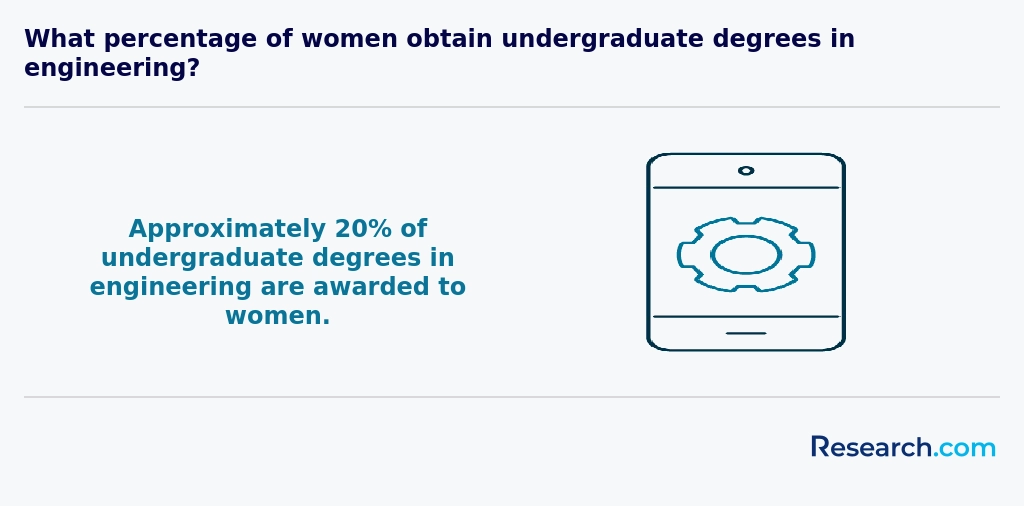
Additionally, underrepresentation of minorities and women persists in engineering, creating social and cultural obstacles for a diverse student body.
With an engineering degree in the United States, graduates can pursue several professional certifications to enhance their careers. One of the most recognized is the Professional Engineer (PE) license, which allows engineers to offer services directly to the public. To become a PE, candidates must pass the Fundamentals of Engineering (FE) exam, gain relevant work experience, and then pass the PE exam. According to the National Society of Professional Engineers, over 500,000 licensed engineers hold the PE credential nationwide.
Other valuable certifications include the Certified Manufacturing Engineer (CMfgE) and Project Management Professional (PMP). These certifications can improve job prospects and demonstrate expertise in specialized fields. Many employers in sectors like civil, mechanical, and electrical engineering prefer candidates with these credentials, helping professionals to stand out in a competitive job market.
To write a winning application for an engineering program in America, start by emphasizing strong academic performance, especially in math and science courses. According to the National Center for Education Statistics, over 70% of successful engineering applicants have a GPA of 3.5 or higher.
Next, include a well-crafted personal statement that highlights your passion for engineering and any relevant projects or internships. Admissions committees look for candidates who demonstrate both technical skills and problem-solving abilities.
Letters of recommendation from teachers or mentors familiar with your engineering aptitude can strengthen your application. Also, prepare thoroughly for standardized tests like the SAT or ACT, as strong scores improve admission chances.
The appeal of an engineering career in America extends well beyond national borders. Globally, engineering is recognized as a key driver of innovation and economic growth. According to the U.S. Bureau of Labor Statistics, the demand for engineers in the U.S. is projected to grow 7% from 2021 to 2031, reflecting steady opportunities.
American engineering degrees are highly regarded worldwide, often opening doors for graduates to work internationally. The U.S. emphasizes practical experience through co-op programs and internships, which enhances global employability.
Internationally, engineering fields such as software, civil, and biomedical engineering are rapidly evolving. The American education system aligns closely with global standards, facilitating collaborations and mobility across countries.
Gaining practical experience during an engineering degree in America is essential for career readiness. Many US universities incorporate cooperative education (co-op) programs, enabling students to alternate between academic study and paid work in engineering fields. According to the National Association of Colleges and Employers (NACE), nearly 60% of engineering students participate in internships or co-ops before graduation.
Internships, often offered during summer breaks, provide hands-on experience and networking opportunities with employers. Additionally, undergraduate research projects allow students to work closely with faculty on real-world engineering problems. Career centers at institutions frequently help students find these opportunities, enhancing practical skills alongside theoretical knowledge.
Choosing the right concentration within an engineering degree program in America requires careful consideration of your interests, skills, and career goals. The U.S. offers diverse options such as mechanical, civil, electrical, and computer engineering-each with unique applications and job prospects. According to the National Center for Education Statistics, over 150,000 engineering degrees are awarded annually, with computer and electrical engineering among the most popular fields.
Research employment trends through sources like the U.S. Bureau of Labor Statistics, which projects 8% growth for engineering jobs from 2022 to 2032. Reflect on which subjects excite you and explore internship opportunities to gain practical insight.
See What Experts Have To Say About Studying Engineering
Read our interview with Engineering experts


Bohdan W. Oppenheim
Engineering Expert
Professor Emeritus of Healthcare Systems Engineering
Loyola Marymount University

Jasna Jankovic
Engineering Expert
Associate Professor
University of Connecticut

- 18529 mechanical engineering English-speaking jobs in Poland https://englishjobs.pl/jobs/mechanical_engineering
- Know more about thesis vs non- thesis: what is the difference? https://studyfans.com/en/blogs/816
- Engineering Design Challenges There are 80 items. https://clearinghouse.starnetlibraries.org/138-engineering-design-challenges
- Step-by-Step Guide to Becoming an Engineer | All Engineering Schools https://www.allengineeringschools.com/engineering-careers/article/become-engineer/
- Student blog: Networking tips for engineering students https://asu-london.ac.uk/news/student-blog-networking-tips-for-engineering-students/
- Best Engineering Colleges by Academics and Value https://www.road2college.com/top-engineering-schools/
- Engineering Education | Role of Interdisciplinary Studies in Modern Engineering https://www.thestudentpocketguide.com/2024/07/student-life/education-career/engineering-education-interdisciplinary-studies-modern-engineering/
- Study Engineering Abroad: Top Colleges, Costs, & Careers https://www.aeccglobal.com/study-abroad/courses/engineering
- Study Engineering Abroad https://yocket.com/blog/study-engineering-abroad
- New Ranking: The Best Alumni Networks https://poetsandquantsforundergrads.com/rankings/the-best-alumni-networks/