2027 Most Popular Engineering Degree Programs Ranking in Kingston

Co-Founder and Chief Data Scientist
Choosing the right engineering degree program is a big decision, especially if you're planning your future in Kingston. This article introduces the 2027 Most Popular Engineering Degree Programs Ranking in Kingston, developed by the Research.com team of data scientists to help you make a confident, well-informed choice.
By exploring this ranking, you'll discover which programs stand out and why, giving you a clearer path toward an exciting and rewarding engineering career. Pursuing an engineering degree opens many doors, combining creativity with problem-solving skills that can shape your future.
Key benefits of getting engineering degree in Kingston
- Mechanical engineers in Kingston can expect a mean annual wage of $105,220, while electrical engineers earn around $117,680, showing strong financial rewards for graduates.
- A graduate from Queen's University in Kingston can explore diverse career paths such as civil, industrial, or electrical engineering, opening doors to dynamic industries like construction, manufacturing, and technology.
- Completing an online engineering degree offers flexibility for working professionals in Kingston, allowing them to balance studies with life commitments while gaining industry-relevant skills from institutions like Queen's University.
- 2027 Most Popular Engineering Degree Programs Ranking in Kingston
- What can I expect from engineering degree in Kingston?
- Where can I work with engineering degree in Kingston?
What can I expect from engineering degree in Kingston?
The average cost of earning an engineering degree near Kingston can vary, but students often find that attending institutions like Marist College or SUNY New Paltz balances quality education with reasonable expenses. Graduates from these schools recall managing tuition fees that typically range between $20,000 and $35,000 per year, depending on residency and program specifics. While this might seem like a significant investment, many emphasize the value gained through hands-on experiences and strong industry connections that pave the way for rewarding careers.
Many aspiring engineers appreciate how programs near Kingston integrate practical learning such as lab work and cooperative education, which also help in offsetting costs by providing paid internships. Students often share that this blend of classroom theory and real-world application creates a supportive environment, making the cost feel justified as they develop skills employers eagerly seek.
Choosing to study close to home allows Kingston residents to save on housing and commuting, further easing financial pressure. This accessibility means pursuing your engineering goals here doesn't just shape your future but does so with thoughtful budgeting in mind.
Where can I work with engineering degree in Kingston?
Graduates from engineering programs at Kingston's well-regarded universities often find themselves stepping into a dynamic job market filled with diverse opportunities. Many quickly secure roles in the local manufacturing sector, working with companies that design aerospace components or automotive parts. These positions allow them to apply mechanical and industrial engineering skills learned during hands-on projects and internships, turning theoretical knowledge into real-world solutions.
Others dive into Kingston's thriving tech industry, where electrical and computer engineering talents are essential. Graduates contribute to software development firms or telecommunications companies, helping innovate technologies that touch everyday life. This environment fuels passion and creativity, especially when collaborating with peers from campus tech labs familiar to students.
Civil engineering grads often take part in impactful infrastructure projects throughout Kingston, improving urban planning or transportation systems. Being part of visible improvements in their community creates a rewarding sense of accomplishment, a common sentiment among alumni from local colleges.
Plus, research roles in private companies and university labs offer pathways to push the boundaries of innovation. Many graduates cherish these experiences, knowing they're shaping tomorrow's products and processes while staying connected to their academic roots.
Graduates with an engineering degree in Kingston can expect strong earning potential, especially when launching their careers from well-known local institutions like SUNY Ulster or Marist College. Entry-level civil engineers often start near $75,000, steadily advancing toward the average of $101,160 annually as they gain experience. Mechanical engineers see an encouraging trajectory as well, with a mean annual wage of $105,220 reflecting hands-on skills applied in Kingston's manufacturing and technology sectors.
Electrical engineers from these programs typically earn even more, with mean salaries around $117,680, rewarding those who master complex systems and innovative design. Industrial engineering graduates also enjoy substantial rewards, making an average of $103,150, often finding roles that optimize operations in Kingston's thriving industries. Many of these alumni share how internships connected through their colleges helped boost their confidence and quickly translated into competitive offers right after graduation.
Living and working in Kingston offers the benefit of a lower cost of living compared to larger metro areas, meaning these salaries provide a comfortable lifestyle. This balance of education quality, local opportunity, and financial reward makes an engineering degree from Kingston's colleges a smart investment in your future.
- Engineering degrees in Kingston typically take four years and cover disciplines like mechanical, civil, electrical, and software engineering.
- Tuition costs range from $20,000 to $35,000 per year for in-state students, while out-of-state students may pay over $40,000 annually.
- Entry-level engineers earn between $65,000 and $75,000 per year, with mid-career salaries ranging from $85,000 to $110,000 depending on the field.
- The local job market is strong, especially for civil and software engineers, supported by manufacturing, technology, and infrastructure projects.
- Many programs include internships and cooperative education to provide industry experience and improve job placement.
- ABET accreditation ensures that engineering degrees from Kingston meet recognized quality standards nationwide.
Most students pursuing an engineering degree in Kingston can expect to spend about four years completing their bachelor's, a timeline that aligns with top local institutions known for rigorous programs and hands-on learning. Many graduates reflect on this period as a dynamic journey filled with challenging projects and real-world problem solving at universities like Queen's or St. Lawrence College.
Some students choose accelerated paths or cooperative education programs, which blend paid work experiences with coursework. These co-op programs often extend the timeline to five years but offer invaluable industry exposure that makes stepping into your engineering career smoother and more confident.
It's important to consider factors like transferring prior credits, balancing part-time study due to work or personal commitments, or pursuing honors tracks, which can also affect how long it takes to graduate.
Remember, investing time wisely on your engineering studies in Kingston not only prepares you academically but also builds a foundation for a rewarding future in a thriving field.
Choosing between an online and an on-campus engineering degree in Kingston means deciding how you want to experience your education. Graduates from local universities often share how powerful it was to work directly in labs, running machines and building projects with classmates right beside them. This hands-on learning deepens understanding and builds confidence, especially in fields like mechanical or electrical engineering.
On the other hand, many online students appreciate the flexibility to study while managing jobs or family. At institutions offering online engineering degrees in Kingston, you'll find well-designed virtual simulations and group projects that foster collaboration without the need to commute. However, success here relies on your motivation and discipline.
Cost-wise, on-campus programs in Kingston may average about $22,000 yearly, while online options can reduce expenses to roughly $15,000, saving on housing and travel. Both formats carry ABET accreditation, ensuring your degree holds value wherever your career takes you. Think carefully about your learning style and daily life to choose the path that will inspire and support your goals.
For those exploring an engineering degree in Kingston, understanding the average cost is crucial for making informed decisions. The median total cost for completing an engineering degree here hovers around $51,284, which reflects tuition, fees, and other necessary expenses. Graduates from local institutions often share how budgeting carefully for these costs allowed them to focus fully on their studies and enjoy hands-on experiences with advanced lab equipment and projects.
When considering Kingston engineering degree total expenses, keep in mind that attending as an in-state student can reduce costs significantly, with the median in-state total cost approximately $16,942. This reduction makes public universities an accessible option without compromising the quality of education. Many students have found that leveraging local resources and financial aid opportunities here helped them balance technology expenses like software licenses alongside their tuition.
Beyond tuition, it's important to plan for additional costs such as textbooks, supplies, and lab fees, which can add up but contribute directly to the immersive learning essential in engineering programs. Exploring scholarships and grants is a smart move-as many students do-to lower the net cost and invest in their future without undue financial stress.
Personal stories from graduates emphasize how aligning costs with scholarships and in-state tuition options created a clear pathway to success in this demanding field. For anyone passionate about engineering, it's worth considering how these financial insights fit your goals, alongside exploring high-earning potential college majors that pair well with a strong engineering background.

Exploring engineering programs in Kingston, RI goes beyond academics-it's about the vibrant, student-focused campus life that shapes your educational journey. Prospective students can look forward to modern research centers, collaborative maker spaces, and a variety of student organizations that foster both personal and professional growth. Campus tours often highlight contemporary lab facilities, creative study areas, and well-maintained athletic complexes where students enjoy a balanced lifestyle. Additionally, many institutions actively host networking events, industry panels, and innovation workshops that connect you with leaders in the field. These enriching experiences not only build a strong academic foundation but also cultivate lifelong friendships and professional connections. For a broader perspective on competitive programs, check out in demand engineering schools that consistently prioritize both classroom excellence and dynamic campus environments, ensuring you are well-prepared for post-graduation success.
Students pursuing engineering degrees in Kingston have several financial aid options that make this challenging journey more accessible. Many graduates from well-known Kingston institutions often share how federal aid, like the Pell Grant, covered a significant portion of their tuition-sometimes up to $7,395 annually-after submitting their FAFSA. This need-based help can be a game-changer for students balancing expenses.
Merit-based scholarships, awarded by engineering departments at universities such as those in Kingston, also provide crucial support. These awards, ranging from $1,000 to over $10,000, reward strong academic performance and passion for fields like mechanical or civil engineering. Many students reflect on how earning these scholarships bolstered their confidence and funded specialized courses or equipment.
State programs like New York's TAP grant offer up to $5,665 annually for in-state students, unlocking more affordable access to top engineering programs in Kingston. On-campus work-study jobs provide hands-on experience while easing financial stress, often helping students cover daily expenses without accumulating debt.
Some engineering students benefit from employer tuition reimbursement, especially those who work part-time in local tech firms, turning job experience into education support. These combined aids paint a hopeful picture for anyone ready to engineer their future in Kingston.
To enroll in an engineering degree in Kingston, you'll need a solid foundation in mathematics and science. Graduates from local universities often share how mastering subjects like Calculus, Physics, and Chemistry made their transition into engineering courses much smoother. Picture yourself tackling real-world problems, where algebra and geometry become essential tools rather than abstract concepts.
Kingston's institutions typically expect applicants to have completed high school with strong grades in these areas. Some recommend basic programming skills too, as these are increasingly useful in modern engineering tasks. Think of this as building your toolkit before diving into projects or internships.
Standardized tests like the SAT or ACT remain important for many programs. While some colleges are moving to test-optional, strong math scores between 650 and 720 open doors and demonstrate your readiness to face challenging coursework.
Beyond academics, storytelling matters. Your application can shine through essays or recommendation letters highlighting problem-solving experiences-such as robotics clubs or STEM competitions you've joined in Kingston. These stories reveal your passion and analytical mindset, qualities that local engineering programs highly value.
After earning an engineering degree in Kingston, RI, many graduates pursue professional licensure and industry certifications to validate their expertise and advance their careers. The first milestone is typically the Fundamentals of Engineering (FE) exam, administered by the National Council of Examiners for Engineering and Surveying (NCEES). Passing the FE exam grants the Engineer-in-Training (EIT) credential, which is recognized nationwide and is a prerequisite for sitting the Professional Engineer (PE) exam. Once you have accumulated the required work experience-usually four years under a licensed PE’s supervision-you become eligible to take the PE exam in your discipline, such as Civil, Mechanical, or Electrical Engineering. Holding a PE license in Rhode Island not only demonstrates your technical competence but also allows you to sign off on public and private projects, increasing your marketability and salary potential. In addition to licensure, specialized certifications bolster your profile. For example, civil and environmental engineers often pursue the LEED Accredited Professional credential to demonstrate proficiency in sustainable design practices. Industrial and project-focused engineers may opt for the Project Management Professional (PMP) certification to showcase leadership in complex, cross-functional projects. For engineers aiming to elevate their credentials even further, advanced degrees can play a pivotal role. Consider exploring Low Cost Online Doctorate in Engineering Degree Programs to deepen your research capabilities and unlock leadership positions in academia, R&D, or executive management.
In Kingston, engineering students dive into foundational courses like calculus, differential equations, and classical mechanics early in their studies. These subjects build the essential analytical skills needed to tackle complex problems later on. Graduates from local institutions often recall how mastering these basics gave them confidence to excel in more hands-on courses.
As you move deeper into your program, expect to explore specialized areas depending on your engineering focus. Whether you choose civil, mechanical, electrical, or computer engineering, you'll engage in courses such as statics and dynamics, thermodynamics, and materials science. For example, students at Kingston's well-regarded colleges find working on projects involving real machines or energy systems particularly rewarding, because theory transforms into visible, tangible results.
Programming and software development are key for those leaning toward electrical and computer engineering, allowing you to design innovative solutions. Meanwhile, courses on design of structures and machines prepare civil and mechanical engineers to shape the very infrastructure around us. These programs blend rigorous academics with practical labs, ensuring you graduate ready to contribute confidently in any workplace.

Exploring engineering degree specializations in Kingston reveals a diverse range that perfectly aligns with local industry demands and global trends. Graduates from popular colleges in Kingston often share how Civil Engineering empowered them to contribute to vital infrastructure projects, such as bridge construction and urban development, directly impacting the city's growth. Mechanical Engineering students find themselves energized by hands-on experiences in automotive and manufacturing sectors prevalent here. Meanwhile, Electrical Engineering opens doors to careers in power generation and telecom systems, vital components of Kingston's economic landscape.
Kingston engineering programs and career paths also include Computer Engineering, blending hardware and software skills essential for the booming tech markets both locally and nationally. Many graduates mention the real-world readiness gained through projects and internships that connect classroom theory with industry standards. Additional specialized fields like Chemical, Environmental, Industrial, and Biomedical Engineering equip students to address critical challenges in sustainability and healthcare innovation.
For those seeking flexible study options, Kingston offers pathways to reputable online computer science schools, expanding opportunities to advance technical skills alongside traditional programs.
When choosing the best engineering degree programs in Kingston, focus first on accredited programs that ensure quality education and a smoother path to licensure. Graduates from local schools like SUNY New Paltz often share how ABET accreditation boosted their confidence and employability. Consider the specialization that excites you-whether it's civil, mechanical, or computer engineering-and match it to Kingston's job market trends for a fulfilling career. Many students find inspiration through hands-on experiences in labs and internships offered by nearby colleges, which bring textbook knowledge to life.
Cost is another key factor. Affordable engineering degrees Kingston students value often include community colleges with strong transfer agreements, helping manage expenses without sacrificing education quality. Don't overlook practical support like career services; graduates frequently credit these resources for landing jobs within months. For those exploring flexible options, consider programs like distance learning cybersecurity to complement your studies or pivot your skill set.
If you're pursuing an engineering degree in Kingston, you'll discover a rich variety of career paths perfectly aligned with the city's thriving industries. Graduates from popular colleges in Kingston often find themselves stepping into roles in civil engineering, contributing to essential infrastructure projects like roads and bridges that shape the community. Others thrive in mechanical engineering, designing innovative machinery for the region's manufacturing sector.
Electrical engineering remains a strong choice, with many working on power generation and electrical systems supporting local businesses. Software engineering is particularly exciting in Kingston, as the growing technology sector demands skilled talent to create solutions for industries such as finance and education. Graduates passionate about sustainability often enter environmental engineering, tackling real-world challenges like waste management and water quality.
This diversity of options means job prospects with engineering degree Kingston are vibrant, especially as local employers look for expertise in renewable energy, automation, and data analytics. Many graduates benefit from proximity to New York City and even explore advanced opportunities like a part-time PhD in computer science to deepen their skills and expand career horizons.

The engineering job opportunities in Kingston are vibrant and growing, reflecting a balanced mix of manufacturing and technology sectors. Graduates from popular local colleges find themselves working on real-world projects like transportation infrastructure upgrades and sustainable water management, which brings a sense of meaningful impact early in their careers. Many alumni share how internships through university partnerships helped them build strong networks, giving them a head start in the competitive job market.
Engineering graduates in Kingston benefit from a market that demands specializations such as civil, mechanical, electrical, and environmental engineering. This diversity allows students to tailor their skills to high-demand fields. The Kingston engineering degree job market remains steady with competitive salaries near the national average, encouraging many graduates to remain local and contribute to their communities.
Those considering their educational path can explore in demand engineering schools in the region, ensuring they choose programs aligned with industry needs. This practical approach prepares students well for the fulfilling opportunities awaiting them in Kingston's engineering landscape.
2027 Most Popular Engineering Degree Programs Ranking in Kingston
Investing in your education is a significant decision that can shape your future, and the Research.com team understands the importance of making informed choices. To assist prospective students in Kingston, we have meticulously crafted the "2027 Most Popular Engineering Degree Programs Ranking in Kingston." Our commitment to quality, credibility, and accuracy is reflected in the extensive research and analysis conducted to compile this ranking.
We utilized the following reputable data sources to ensure a comprehensive evaluation of engineering programs:
By exploring this ranking, readers will gain valuable insights into the most popular engineering degree programs available in Kingston, helping them make informed decisions about their educational paths. For more details on our methodology, please visit our Research.com methodology page.

Frequently Asked Questions About engineering
Engineering degree students in Kingston can maximize their learning experience by engaging actively in both classroom and practical environments. Taking advantage of cooperative education programs (co-ops) offered by many local universities allows students to gain hands-on experience, which significantly improves job readiness. According to the National Society of Professional Engineers, graduates with work-integrated learning often see a 15% higher starting salary.
Students should also participate in engineering clubs, competitions, and research projects. Kingston hosts various STEM events providing networking opportunities with industry professionals. Utilizing campus resources such as tutoring centers and lab facilities further enhances understanding of complex concepts.
Finally, seeking internships in nearby tech firms strengthens real-world skills. Maintaining a balance between theory and practice is key to excelling in engineering education.
Emerging niches within the engineering field reflect both technological advances and growing societal needs. In Kingston, students are increasingly drawn to sustainable engineering, focusing on renewable energy systems like solar and wind power. According to the U.S. Bureau of Labor Statistics, careers in environmental engineering are expected to grow 8% from 2022 to 2032, faster than the average for all occupations.
Additionally, biomedical engineering is gaining prominence as innovations in medical devices and biotechnology expand. Computing and software engineering, particularly in cybersecurity and artificial intelligence, also represent fast-growing areas. Local universities in Kingston report rising enrollment in these specializations, responding to industry demand.
Fields such as robotics and smart infrastructure design are emerging too, integrating engineering with IoT (Internet of Things) technologies. Data from the National Science Foundation highlights increased research funding targeting these interdisciplinary fields nationally, which benefits programs in Kingston as well.
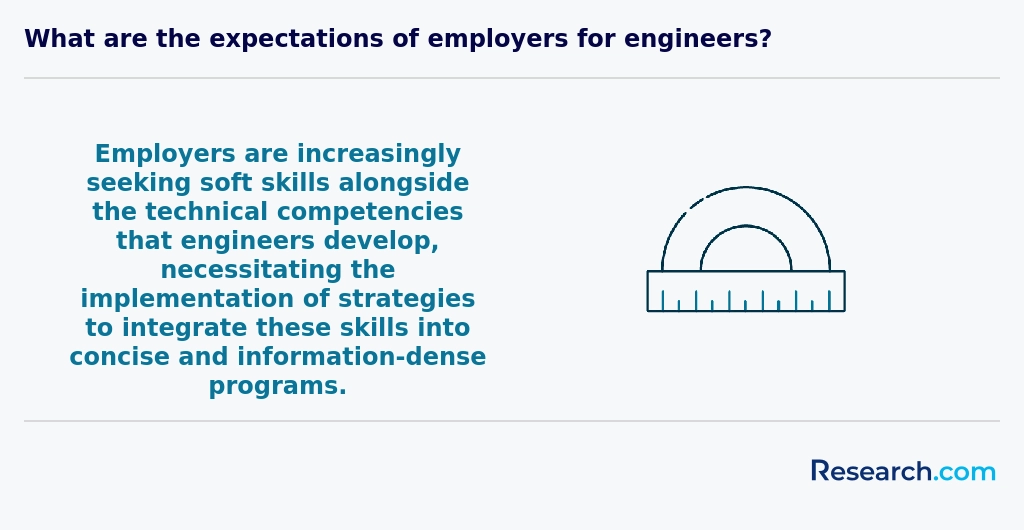
Graduates with engineering degrees in Kingston can enhance their job prospects by gaining relevant practical experience through internships or cooperative education programs. According to the National Association of Colleges and Employers, 65% of engineering graduates with internship experience receive job offers before graduation. Networking is also crucial; joining professional organizations like the American Society of Civil Engineers or local engineering groups in Kingston helps connect with industry professionals. Additionally, developing soft skills such as communication and teamwork is vital, as employers value well-rounded candidates. Staying updated with industry technology and certifications boosts employability in Kingston's competitive engineering job market.
Employers in Kingston highly value engineering graduates who combine strong technical knowledge with practical skills. Key competencies include proficiency in computer-aided design (CAD) and familiarity with programming languages relevant to engineering tasks.
Problem-solving ability remains crucial, as well as effective communication skills to collaborate with diverse teams. According to the National Association of Colleges and Employers (NACE), 78% of engineering employers stress the importance of teamwork and interpersonal skills.
Additionally, project management and understanding of local industry standards in Kingston, especially in manufacturing and environmental sectors, are frequently sought after. Adaptability and lifelong learning are also emphasized due to the rapidly evolving technology landscape.
Finding internships in Kingston relevant to an engineering degree involves leveraging local resources and university connections. Many universities in Kingston, such as Queen's University, have dedicated career services that list internships specifically for engineering students. According to the National Association of Colleges and Employers (NACE), over 60% of engineering students secure internships through campus recruiting events.
Kingston's industrial sector, including manufacturing and technology firms, offers internship opportunities. Checking local job boards and company websites can reveal openings. Networking events, often hosted by professional organizations like the IEEE Kingston chapter, also help students connect with employers.
Early application and a tailored resume highlighting technical skills increase chances of landing competitive positions.
In Kingston, an engineering degree significantly enhances career mobility and advancement, reflecting national trends within the US higher education system. Engineering graduates in the area benefit from a robust local job market fueled by sectors such as manufacturing, technology, and environmental services. According to the US Bureau of Labor Statistics, engineers hold a median annual wage notably higher than the national average, supporting stronger upward mobility.
Local employers in Kingston often prioritize candidates with accredited engineering degrees due to rigorous training and problem-solving skills these programs impart. This preference increases opportunities for rapid promotions and diverse career paths, including project management or specialized technical roles.
Furthermore, Kingston's proximity to several research institutions and industry hubs facilitates valuable internships and networking, essential for career growth. Data from the National Association of Colleges and Employers (NACE) shows an 8% annual increase in engineering job placements in the region, highlighting continual demand and advancement potential.
Studying for an engineering degree in Kingston equips students with skills that extend beyond traditional technical knowledge. Many local programs emphasize interdisciplinary collaboration, integrating coursework in areas such as computer science, environmental studies, and business management.
This approach reflects Kingston's growing industry demand for engineers who can adapt to diverse project needs. According to recent data from the Kingston Workforce Development Board, nearly 40% of engineering job listings require cross-disciplinary competencies.
Furthermore, partnerships between universities and regional companies offer real-world team-based projects, fostering problem-solving across multiple fields. This hands-on experience prepares graduates for roles that involve coordination between different professional areas.
Choosing between a thesis and a non-thesis engineering degree program in Kingston depends largely on your career goals and learning preferences. Thesis programs involve conducting original research, culminating in a formal paper. This path suits students aiming for research roles or doctoral studies. Non-thesis programs typically emphasize coursework and practical experience, which is ideal for professionals seeking industry-focused skills.
Kingston's engineering schools, such as Queen's University, offer both options with varying requirements. According to the latest educational data, about 40% of Kingston engineering graduate students select thesis options, reflecting a balanced interest between research and applied learning.
Consider your long-term goals carefully before deciding.
Students based in Kingston who aspire to study engineering abroad have several options within the United States. Many U.S. universities offer strong engineering programs with varying specializations such as civil, mechanical, electrical, and computer engineering. For example, institutions like the Massachusetts Institute of Technology (MIT) and Stanford University consistently rank among the top for engineering education.
Applicants from Kingston can benefit from exchange programs, dual-degree options, and scholarships aimed at supporting international students. Additionally, the Accreditation Board for Engineering and Technology (ABET) ensures that U.S. engineering degrees meet rigorous quality standards recognized worldwide.
According to the National Center for Education Statistics, over 150,000 bachelor's degrees in engineering were awarded in US institutions in 2022, indicating robust opportunities and demand in the field. Prospective students should research universities offering tailored programs fitting their career goals and consider factors such as tuition, campus culture, and professional networks.
Students pursuing engineering degrees in Kingston can benefit from various part-time job opportunities that enhance their practical skills. Local companies often hire interns or part-time workers for roles such as CAD drafting, lab assistants, or junior technician positions. These jobs offer hands-on experience with industry-standard software and equipment, which is crucial for engineering education.
According to data from the Kingston Economic Development office, about 35 percent of engineering students in the area find part-time internships related to mechanical, electrical, or civil engineering fields. Additionally, campus-based research assistant positions are available, providing exposure to cutting-edge projects and teamwork.
These practical roles not only support academic learning but also improve a student's resume, making them more competitive for full-time employment after graduation.
Engineering students in Kingston have a variety of networking opportunities that help connect them with local industries and professionals. Many universities in the area host career fairs and engineering-specific networking events, providing chances to meet employers from sectors like manufacturing, aerospace, and technology. According to the Kingston Chamber of Commerce, these events have grown by 15% in participation over the past three years.
Local chapters of organizations such as the Society of Women Engineers and the Institute of Electrical and Electronics Engineers offer workshops, seminars, and mentorship programs. These groups often collaborate with Kingston's tech incubators, giving students practical access to startups and innovation hubs.
Additionally, internship programs coordinated by schools in Kingston typically place students with companies active in regional infrastructure and renewable energy projects, further expanding professional networks. According to a 2023 survey by the Kingston Engineering Alliance, over 70% of students reported securing internships through university-affiliated events.
Alumni networks play a vital role for engineering degree students in Kingston by offering access to professional connections and mentorship opportunities. These networks enable students to connect with graduates who have experience in various engineering fields, facilitating guidance on career paths and technical skills development. According to a 2023 study by the National Association of Colleges and Employers (NACE), 65% of engineering students who engaged with alumni networks reported improved job placement rates. In Kingston, local university alumni chapters often organize workshops and networking events, helping students build relationships that can lead to internships and employment.
Additionally, alumni networks provide insight into industry trends specific to the Kingston area, which is important given the region's growing demand for civil and mechanical engineers. Many companies in Kingston prioritize candidates recommended through alumni referrals, emphasizing the value of these networks. For engineering students, connecting early through alumni groups can enhance both academic experiences and post-graduation success.
Customizing an engineering degree program in Kingston allows students to tailor their studies to match specific career ambitions. Most local institutions offer diverse concentrations such as civil, mechanical, electrical, and software engineering. Students can select electives and specialized courses relevant to their field of interest, enhancing practical skills and knowledge.
Engaging in internships or cooperative education programs based in Kingston's growing tech and manufacturing sectors provides hands-on experience, which is critical for career readiness. According to the National Center for Education Statistics, over 60% of engineering students participate in such experiential learning opportunities nationwide.
Additionally, many programs support involvement in research projects and industry partnerships, assisting students in building professional networks and expertise aligned with their goals.
Engineering students in Kingston commonly face rigorous coursework that demands strong analytical and problem-solving skills. According to the American Society for Engineering Education, approximately 40% of engineering undergraduates nationwide encounter difficulties with advanced math and physics, challenges that persist in Kingston's programs as well.
Another major challenge is managing time effectively. The workload often includes a combination of lectures, labs, and project deadlines, which can be overwhelming for many students balancing part-time jobs or internships.
Access to up-to-date laboratory equipment and facilities also affects the learning experience. While several institutions in Kingston strive to maintain modern resources, budget constraints sometimes limit availability.
Finally, students often report stress related to competitive environments and pressure to maintain high grades, impacting their overall well-being during their studies.
Graduates with an engineering degree in Kingston have several professional certification options to enhance their careers. The most recognized is the Professional Engineer (PE) license, which allows engineers to offer services directly to the public. To earn this license, candidates must pass the Fundamentals of Engineering (FE) exam, gain four years of relevant work experience, and pass the PE exam.
Other certifications include the Project Management Professional (PMP) for engineers interested in leading projects, and the Certified Manufacturing Engineer (CMfgE) for those focusing on manufacturing processes.
Local employers highly value these certifications; for example, a 2023 Kingston employment report noted PE-certified engineers often earn 15% higher salaries than their non-certified peers (Kingston Economic Development, 2023).
Applying for an engineering program in Kingston requires a clear, concise, and well-structured application. Start by highlighting your strong academic background, especially in math and science, as engineering schools prioritize these skills. According to the Kingston Higher Education Council, over 60% of applicants with GPAs above 3.5 are more likely to get accepted. Be sure to tailor your personal statement to address why you want to study engineering in Kingston specifically, referencing local industry opportunities or partnerships.
Include relevant extracurricular activities or internships that demonstrate your practical experience. Also, prepare strong letters of recommendation from teachers or professionals familiar with your abilities. Meeting application deadlines and submitting all required documents on time are crucial steps to create a competitive application.
Engineering careers are increasingly valued worldwide for their role in innovation and economic growth. In the US, including Kingston, engineers are essential in fields like technology, infrastructure, and healthcare. According to the Bureau of Labor Statistics, the engineering sector is projected to grow 7% from 2021 to 2031, adding about 189,400 jobs nationally.
Globally, engineering skills remain in high demand, with professional mobility facilitated by recognized credentials such as those accredited by ABET in the US. Kingston's proximity to major industrial hubs offers graduates diverse opportunities in manufacturing, environmental engineering, and more.
Future engineers often engage in cross-border collaborations, addressing challenges like sustainability and digital transformation, highlighting the field's global importance.
Gaining practical experience while pursuing an engineering degree in Kingston is crucial for career readiness. Many local universities and colleges encourage students to participate in cooperative education (co-op) programs. These programs alternate academic study with paid work placements in engineering firms, providing real-world experience. According to the Canadian Engineering Accreditation Board, about 70% of accredited programs in Ontario offer co-op options.
Internships are also widely available, often coordinated through campus career centers. Students benefit from partnerships between schools and Kingston's thriving manufacturing and technology sectors.
Additionally, involvement in student engineering clubs and competing in design competitions can sharpen hands-on skills while networking with professionals.
Choosing the right concentration within an engineering degree program in Kingston involves evaluating your interests, strengths, and career goals. Kingston offers various engineering disciplines, such as mechanical, civil, electrical, and software engineering, each aligning with local industry demands.
Students should review employment trends in the Kingston metropolitan area, where manufacturing and technology sectors show growth. According to the U.S. Bureau of Labor Statistics, electrical and computer engineers in this region have seen a 6% growth rate from 2021 to 2023.
It is also important to explore program curriculum and faculty expertise at local institutions to ensure alignment with current technologies and industry practices. Additionally, internships and cooperative education opportunities available in Kingston can provide practical experience that clarifies your preferred concentration.
- 2027 Most Popular Engineering Degree Programs Ranking in Storrs
- 2027 Most Popular Engineering Degree Programs Ranking in Cambridge
- 2027 Most Popular Engineering Degree Programs Ranking in Boston
- 2027 Most Popular Engineering Degree Programs Ranking in New Haven
- 2027 Most Popular Engineering Degree Programs Ranking in New York
- 2027 Most Popular Engineering Degree Programs Ranking in Philadelphia
- 2027 Most Popular Engineering Degree Programs Ranking in Newark
- 2027 Most Popular Engineering Degree Programs Ranking in Syracuse
- 2027 Most Popular Engineering Degree Programs Ranking in Baltimore
- 2027 Most Popular Engineering Degree Programs Ranking in Rochester
See What Experts Have To Say About Studying Engineering
Read our interview with Engineering experts

Jasna Jankovic
Engineering Expert
Associate Professor
University of Connecticut

Joseph Reichenberger
Engineering Expert
Professor of Civil Engineering & Environmental Science
Loyola Marymount University

Bohdan W. Oppenheim
Engineering Expert
Professor Emeritus of Healthcare Systems Engineering
Loyola Marymount University

- Top 5 Demanding Engineering Fields in 2025: Future-Proof Your Career - MEC https://mailamengg.ac.in/top-5-demanding-engineering-fields-2025/
- Engineering, Science and Computing Foundation Year | Kingston University ISC https://www.kingstonisc.com/programmes/international-foundation-year/science-engineering-and-computing
- Engineering Students' Challenges And Ways To Overcome Them - Bgi Bhopal https://bgibhopal.com/overcoming-challenges-as-an-engineering-student/
- Study Engineering Degree Careers and Salary in Europe in Europe - 2026 - StudyinEurope.eu https://www.studyineurope.eu/engineering/engineering-degree-careers-salary-europe/
- Networking for engineers: your questions answered https://targetjobs.co.uk/careers-advice/engineering/networking-engineers-your-questions-answered
- engineering degree - Tłumaczenie po polsku - Słownik angielsko-polski Diki https://www.diki.pl/slownik-angielskiego
- Study Engineering Abroad https://yocket.com/blog/study-engineering-abroad
- New Ranking: The Best Alumni Networks https://poetsandquantsforundergrads.com/rankings/the-best-alumni-networks/
- Guide to Engineering Internships https://www.internwise.co.uk/candidate-journey/industry-internships/guide-to-engineering-internships
- Executive Search and Outplacement Services for the Engineering, Architecture, Construction, and Manufacturing Industries https://www.davron.net/stand-out-niche-engineering-job-market/