
2027 Most Popular Engineering Degree Programs Ranking in Baltimore

Co-Founder and Chief Data Scientist
Choosing the right engineering degree program can shape your future career and open doors to exciting opportunities. This article introduces the 2027 Most Popular Engineering Degree Programs Ranking in Baltimore, developed by the Research.com team of data scientists to provide reliable insights for students like you.
By exploring this ranking, you'll gain a clearer understanding of the top programs available locally, helping you make an informed decision. Pursuing an engineering degree in Baltimore can lead to rewarding experiences and a strong professional foundation.
Reading this guide will inspire confidence as you take the next step toward your goals.
Key benefits of getting engineering degree in Baltimore
- Engineering graduates in Baltimore can expect competitive salaries, such as Mechanical Engineers earning around $105,220 annually and Electrical Engineers making about $117,680, providing strong financial stability.
- A graduate from Johns Hopkins University in Baltimore might explore diverse career paths including civil, industrial, or electrical engineering roles, reflecting the city's demand for skilled professionals in these fields.
- Online engineering degrees from local institutions offer flexibility and often lower costs, allowing students to balance studies with work or family life while gaining the same valued credentials as traditional programs.
- 2027 Most Popular Engineering Degree Programs Ranking in Baltimore
- What can I expect from engineering degree in Baltimore?
- Where can I work with engineering degree in Baltimore?
What can I expect from engineering degree in Baltimore?
The average cost of an engineering degree in Baltimore varies notably between institutions. Graduates from public schools like the University of Maryland, Baltimore County (UMBC) often find the tuition more affordable, especially for in-state students, usually ranging in the lower tens of thousands of dollars annually. This affordability allows many to manage expenses without excessive debt while still accessing quality education.
Conversely, private institutions such as Johns Hopkins University tend to have higher tuition rates, sometimes double that of public universities. However, many engineering students report receiving financial aid or scholarships specifically targeted at engineering disciplines, which can significantly reduce out-of-pocket costs.
A practical tip from Baltimore engineering graduates is to explore local scholarships and internship opportunities early. For instance, internships with the Johns Hopkins Applied Physics Laboratory not only enhance resumes but sometimes offer stipends, easing financial pressure.
In summary, careful budgeting combined with leveraging financial aid and hands-on experience helps Baltimore engineering students successfully navigate the cost of their degrees while gaining valuable skills.
Where can I work with engineering degree in Baltimore?
Graduates from engineering programs at institutions like the University of Maryland, Baltimore County (UMBC) often find themselves stepping directly into roles within Baltimore's leading sectors. Many secure positions in biomedical engineering at Johns Hopkins Hospital, contributing to innovative healthcare solutions that impact real patient outcomes daily.
Others take advantage of the city's defense and aerospace presence, joining companies such as Lockheed Martin, where mechanical and electrical engineers design cutting-edge technologies. These graduates appreciate working on projects tied to national security, which adds purpose to their careers.
Industrial and manufacturing engineers benefit too, with Baltimore's port and logistics firms seeking talent to optimize production lines and streamline operations. Students from local colleges often share how internships here translated into full-time jobs, offering both a stable income and growth prospects.
Environmental engineers enjoy Baltimore's commitment to sustainability projects, applying skills learned at schools like Loyola University Maryland to real-world waterfront revitalization efforts. Meanwhile, software and computer engineers find vibrant opportunities in the city's emerging tech sector, blending hardware and software innovation to build smart infrastructure.
Graduates with an engineering degree from Baltimore-area schools often start their careers with salaries ranging from about $65,000 to $70,000, especially those earning bachelor's degrees. For example, alumni from well-known local programs report entering the workforce near these figures, alongside valuable internships that improve offers.
Experienced mechanical engineers in Baltimore can expect a mean annual wage close to $105,220, while electrical engineers enjoy even higher earnings around $117,680. Civil engineering graduates start near $101,160 annually, reflecting strong regional infrastructure needs. Industrial engineers also find solid opportunities, with average salaries near $103,150 annually.
These salary expectations align well with Baltimore's industrial base, including manufacturing and defense sectors, supporting steady career growth. Pursuing advanced degrees or certifications can boost starting salaries and provide faster growth. Boosting skills in software or biomedical fields at universities here further enhances earning power and job security.
- Baltimore offers engineering programs in disciplines like mechanical, electrical, civil, and biomedical engineering.
- In-state public university tuition ranges from $10,000 to $15,000 per year, while private universities charge between $30,000 and $50,000 annually.
- Engineering graduates typically start with a salary of about $65,000 per year, increasing to around $95,000 mid-career.
- Many Baltimore institutions have ABET accreditation, ensuring recognized quality standards.
- The city's strong job market includes sectors such as aerospace, biotechnology, IT, cybersecurity, and environmental engineering.
Completing an engineering degree in Baltimore usually takes about four years if you're enrolled full-time. Most students at schools like Johns Hopkins University or Morgan State University stick to this timeline, finishing roughly 120 to 130 credit hours covering core courses and electives. Graduates often share that this structure feels manageable and keeps momentum steady.
If you're aiming to move faster, some students opt for accelerated or combined bachelor's and master's programs, which can take around five years total but save time compared to pursuing degrees separately. On the other hand, balancing work or family might lead you to part-time study, extending your timeline but giving you flexibility.
Many Baltimore students also benefit from co-op programs offering paid work experience, though these can add extra semesters. Graduates highlight how this real-world training made them feel confident and better prepared, even if it meant a longer stay on campus. Overall, whether you prefer steady progress or a flexible pace, Baltimore's key universities provide paths tailored to your goals.
With the engineering landscape evolving at lightning speed, Baltimore’s top programs are now embedding cutting-edge courses in artificial intelligence, machine learning and robotics to ensure graduates stay ahead of the curve. From foundational AI modules to hands-on deep learning labs at Johns Hopkins’ Applied Physics Laboratory, students are developing the critical skills employers demand in today’s data-driven world. Engaging in real-world projects-like automating diagnostics with computer vision or deploying IoT sensors for smart city initiatives-cements both technical expertise and collaborative problem-solving abilities. For aspiring machine learning engineers, understanding the fastest way to become a machine learning engineer can be a game-changer. Baltimore institutions frequently partner with local tech firms and research centers to offer AI-focused internships, hackathons and capstone challenges, giving students direct access to the latest tools in TensorFlow, PyTorch and cloud-based data platforms. These immersive experiences not only sharpen coding and algorithmic thinking but also foster the soft skills-like agile teamwork and ethical AI considerations-that set candidates apart in a competitive job market. Beyond AI and ML, future-proof specializations such as cybersecurity engineering, Internet of Things (IoT) systems and sustainable energy solutions are rapidly gaining traction. Programs at UMBC and Morgan State University now feature dedicated research tracks and industry collaborations in secure network design, microgrid deployment and advanced materials for energy storage. By integrating these emerging fields into their curricula, Baltimore’s engineering graduates emerge well-equipped to tackle the complex technological challenges and high-growth career paths of tomorrow.
Choosing between online and on-campus engineering degrees in Baltimore means weighing hands-on experience against scheduling flexibility. Graduates from Johns Hopkins University often emphasize the value of being on campus, where they accessed advanced labs and collaborated face-to-face with professors and peers. This real-world interaction proved crucial, especially in mechanical and civil engineering fields where practical skills matter.
On the other hand, students pursuing online degrees, such as those from the University of Maryland, Baltimore County (UMBC), appreciate the ability to study around work or family commitments. Virtual labs and video lectures replicate much of the classroom feel, making it possible to earn an ABET-accredited degree remotely. These students point out the stress relief from not having to commute to Baltimore's busy campus.
Cost also plays a role. For example, on-campus tuition averages $10,500 yearly for in-state students, which some find worthwhile for networking and local industry events. Online learners save on campus fees but should verify program details carefully.
The average cost of an engineering degree in Baltimore varies depending on whether you attend a public or private institution. For instance, the median total cost for engineering degrees in the region hovers around $50,921, while in-state students often benefit from much lower rates, averaging about $13,256. This cost difference reflects common trends where public universities such as the University of Maryland, Baltimore County (UMBC) provide more affordable tuition for residents.
Graduates from Baltimore's engineering programs often share how this cost structure affects their planning and outcomes. Public university students, paying more manageable amounts, say they found their education budget-friendly, especially with in-state tuition fees. Private institutions like Johns Hopkins University come with a notably higher price tag, sometimes exceeding $60,000 annually, which can feel daunting but also reflects the cutting-edge research environment and networking opportunities those campuses offer.
Accounting for extras like books, materials, living expenses, and technology fees is essential. Many engineering students mention budgeting carefully for these, as they can add thousands annually. For a realistic view of costs and options, researching most popular engineering colleges in Baltimore can help you match finances with your academic goals.
In practical terms, understanding Baltimore engineering degree tuition fees and average cost of engineering degree Baltimore allows prospective students to plan strategically, seek financial aid, and choose programs aligned with both their aspirations and financial realities.

Accreditation is a critical measure of quality for engineering programs in Baltimore, MD, ensuring that your degree meets industry standards and prepares you for a successful career. The majority of top institutions-such as Johns Hopkins University, UMBC, and Morgan State University-hold ABET accreditation, which is recognized by employers and licensing boards nationwide. When researching programs, always verify ABET accreditation to guarantee that coursework, faculty expertise, and lab facilities adhere to rigorous academic and professional benchmarks. Earning a Professional Engineer (PE) license is a common goal for many graduates, and the path begins with the Fundamentals of Engineering (FE) exam, typically taken during the final year of your bachelor’s program. After passing the FE and gaining four years of relevant work experience under a licensed PE, you become eligible to sit for the PE exam. Holding a PE license not only demonstrates your technical competence but also enables you to sign off on projects, assume leadership roles, and command higher salaries. For students seeking flexible or low-cost pathways, accredited online options can supplement on-campus study or serve as an alternative for working professionals. To explore highly regarded affordable online alternatives, see our Low Cost Online Engineering Degree Programs Ranking in Illinois, which highlights accredited programs designed to deliver the same ABET-approved curriculum with added scheduling adaptability.
Engineering students in Baltimore can tap into several financial aid sources to make college affordable. Many graduates from Johns Hopkins University and UMBC report that federal programs like the Pell Grant significantly eased their tuition burden, offering up to $7,395 for those with demonstrated financial need. Complementing this, the Federal Direct Loan program provides low-interest loans with annual limits that align well with different years of study, helping cover gaps in funding.
State aid is another vital resource. For example, the Maryland Higher Education Commission's Guaranteed Access Grant has helped local students at public colleges pay tuition, making engineering studies more accessible without piling up debt. Graduates often mention how these programs transformed their ability to focus on studies instead of finances.
Merit and need-based scholarships from universities like Johns Hopkins and UMBC are key opportunities too. Active involvement in community or leadership roles boosts chances of receiving these awards, as seen by many engineering students. Additionally, scholarships from groups like the Society of Women Engineers encourage diversity and support underrepresented students.
Lastly, working while studying or leveraging employer tuition reimbursement in Baltimore's strong aerospace and cybersecurity industries can be a game changer for practical funding support.
Earning an engineering degree in Baltimore, MD, is about more than just academic rigor-it’s about immersing yourself in a dynamic campus life that builds lasting friendships and professional networks. Students benefit from a lively atmosphere filled with engaging clubs, state-of-the-art innovation labs, and career development events that complement their studies. Many universities in Baltimore organize tech hackathons, industry panel discussions, and student organization meetings that promote collaboration and creative problem-solving, ensuring that you’re well-prepared for the challenges of the engineering world. Beyond the classroom, thriving campus communities provide opportunities to explore local culture, volunteer in community projects, and develop leadership skills that are invaluable in today’s job market. Additionally, prospective students can explore comprehensive guides on the most popular engineering colleges to learn how campus life and student support services contribute to a well-rounded educational experience. This blend of academic excellence and vibrant student life is a major factor in shaping the professional and personal success of Baltimore’s engineering graduates.
To enroll in an engineering degree program in Baltimore, you need a solid high school diploma emphasizing math and science. Graduates from top schools like Johns Hopkins or Morgan State often highlight how crucial strong coursework in Algebra, Geometry, Trigonometry, and Pre-Calculus was for their success. They also recommend focusing on Physics and Chemistry, with Biology required for certain fields like biomedical engineering.
Standardized tests like the SAT or ACT remain important for many Baltimore institutions, though some have started to go test-optional. A good score in math and science sections can really strengthen your application, especially in competitive programs. Students often share that involvement in robotics clubs or internships gave them an edge by demonstrating real problem-solving skills.
Letters of recommendation are common and valued, as they reflect your work ethic and abilities. Graduates frequently advise arranging these early from science or math teachers who know you well. Lastly, check specific program prerequisites at Baltimore universities-computer engineering applicants, for example, often benefit from prior programming experience.
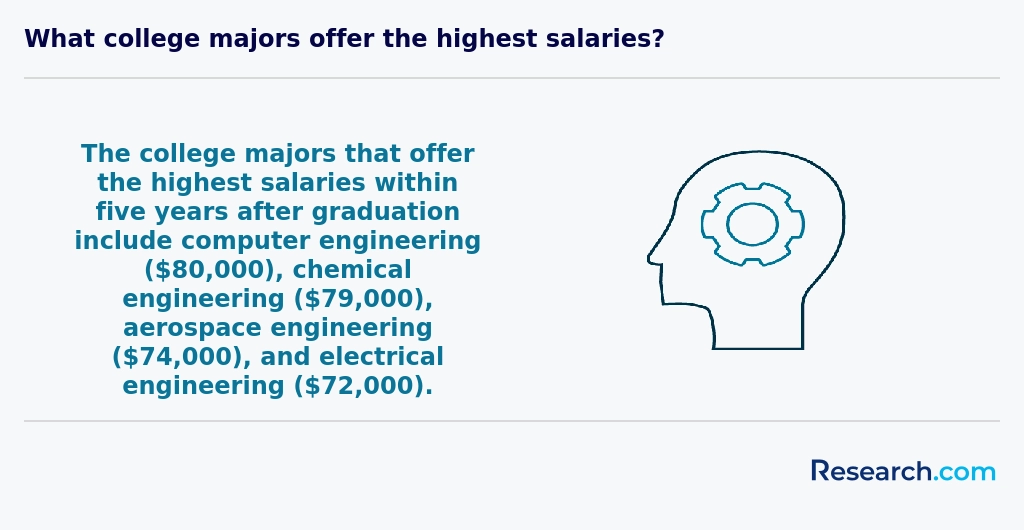
Engineering degrees in Baltimore begin with core courses in mathematics, physics, and chemistry, providing a strong foundation that students often find reassuring as they tackle complex problems in later semesters. Graduates from well-known local schools, like Johns Hopkins University and Morgan State University, highlight how these fundamentals helped them confidently approach specialized topics.
After mastering basics, students dive into courses such as statics and dynamics, which explain forces acting on structures-imagine designing a bridge or a skyscraper and understanding the stresses involved. Thermodynamics classes focus on energy systems, essential for anyone interested in mechanical or aerospace engineering careers in Baltimore's thriving industrial sectors.
Electrical engineering students appreciate hands-on learning in circuits and electronics, essential when building real-world devices, while programming and computer-aided design (CAD) classes create practical skills used daily in companies around the city. Even materials science connects theories to practical applications, like selecting the perfect metals or composites for construction or manufacturing projects.
Baltimore's engineering degree specializations align well with local industry and research priorities, offering practical pathways for students. Graduates from Johns Hopkins University and UMBC often highlight civil engineering, which focuses on infrastructure and urban projects essential to Baltimore's ongoing development. Mechanical engineering is also popular, preparing students for roles in manufacturing and defense sectors prevalent in the region.
Electrical and biomedical engineering stand out as strong choices, especially given Baltimore's healthcare and biotech industries. Students benefit from internships at nearby hospitals and research centers, turning theory into meaningful hands-on experience. Environmental engineering is another relevant field, addressing Chesapeake Bay's sustainability challenges-a frequent project topic among Baltimore-based students.
Those aiming to blend software and hardware skills gravitate toward computer engineering programs. Prospective students should consider the best engineering programs Baltimore offers, which often include co-op opportunities that enhance employability.
For students interested in rapid career advancement, exploring the fastest way to become a machine learning engineer can be an excellent supplemental step alongside traditional engineering studies.
Start by verifying the ABET accreditation of engineering programs in Baltimore to ensure you receive a quality education that meets national standards. Graduates from well-regarded schools like Johns Hopkins often highlight how accreditation helped them smoothly obtain professional licensure and gain employer trust. Next, identify your preferred specialization-whether it's biomedical engineering, popular at Johns Hopkins due to its medical research environment, or computer engineering offered at UMBC. This focus will shape your course choices and career path.
Consider affordability by comparing tuition between public and private institutions in Baltimore. Public colleges tend to be more budget-friendly, which is crucial if you want to manage costs practically. For a deeper look at affordable pathways, check out the Low Cost Online Engineering Degree Programs Ranking in Illinois, which, while specific to Illinois, offers useful insights on managing expenses.
Finally, weigh research opportunities and local industry connections; Baltimore's biotech and tech sectors provide real-world internships vital for career launch. Many successful graduates praise the city's strong network of support services and proven employment rates, key factors when choosing the best engineering degree programs Baltimore offers.
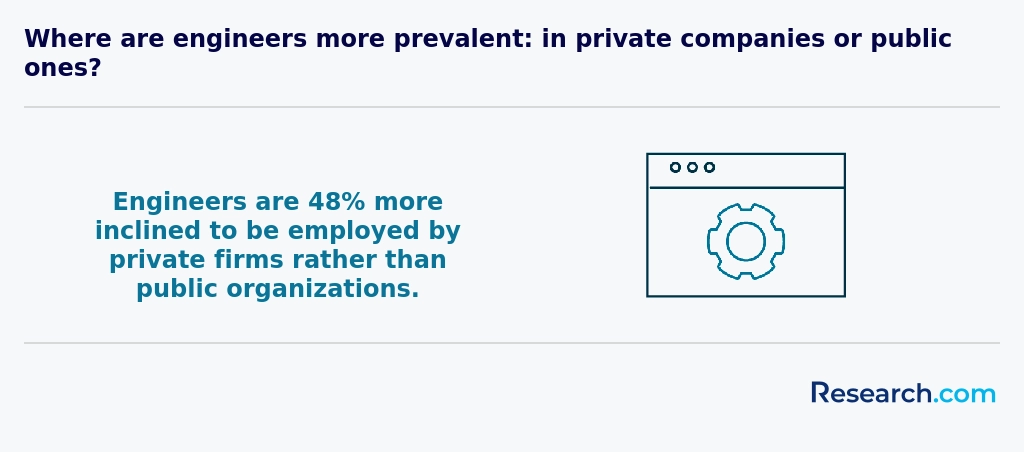
Graduates with an engineering degree in Baltimore find varied career paths given the region's strong industrial sectors. For example, civil engineers contribute to urban infrastructure projects aligned with Baltimore's focus on transportation and public works improvements. Mechanical engineers often join local manufacturing firms or support maritime industries around the Chesapeake Bay, gaining hands-on experience that directly impacts regional commerce. Electrical and computer engineers are in demand at tech startups and established companies developing electronics and software, a vibrant scene influenced by the city's expanding IT sector. Biomedical engineering graduates benefit from collaborations with renowned medical institutions like Johns Hopkins University, providing real-world exposure to innovative healthcare engineering challenges. These practical opportunities reflect engineering career opportunities in Baltimore, offering clear routes for skill application after graduation from local schools. For students considering further specialization, exploring one year master's programs online is a smart step to boost credentials while staying close to Baltimore's job market.
The engineering degree job opportunities in Baltimore are strong and varied, especially for graduates from local institutions like the University of Maryland, Baltimore County. Many entry-level engineers find positions in civil, mechanical, and biomedical fields with employers such as Lockheed Martin or MedStar Health, where practical skills gained through internships directly contribute to their success. Graduates often describe their first jobs as challenging yet rewarding, with median salaries between $65,000 and $75,000, mirroring the national average.
The Baltimore engineering job market outlook continues to improve as the city invests in infrastructure and healthcare technology. Experienced engineers in these sectors report steady career growth and increased wages, reflecting demand for expertise in urban development and medical research collaborations with institutions like Johns Hopkins University. Students benefit from cooperative education programs, which help bridge academic learning with real-world applications.
Balancing career ambitions with educational expenses is crucial. Many find Baltimore's public universities affordable, especially when senior students explore financial aid options. For additional guidance, exploring the best online college courses for seniors can be a practical next step.
2027 Most Popular Engineering Degree Programs Ranking in Baltimore
Investing in your education is a significant decision that can shape your future, and the Research.com team understands the importance of making informed choices. To assist prospective students in Baltimore, we have meticulously crafted the "2027 Most Popular Engineering Degree Programs Ranking in Baltimore." Our commitment to quality, credibility, and accuracy is reflected in the extensive research and analysis conducted to compile this ranking.
We utilized the following reputable data sources to ensure a comprehensive evaluation of engineering programs:
By exploring this ranking, readers will gain valuable insights into the most popular and recognized engineering degree programs available in Baltimore, enabling them to make well-informed decisions about their academic and professional future. For more details on our methodology, please visit our Research.com methodology page.


Frequently Asked Questions About engineering
Engineering degree students in Baltimore can maximize their learning by actively engaging in hands-on experiences offered through local universities and industry partnerships. Baltimore hosts well-regarded engineering programs at institutions like Johns Hopkins University and the University of Maryland, Baltimore County, both known for strong research opportunities and internship placement rates.
Taking advantage of cooperative education (co-op) programs and internships within the city's robust biotech, aerospace, and cybersecurity sectors provides practical skills and networking benefits. According to the Maryland Department of Labor, engineering graduates with internship experience have a 20% higher employment rate within six months after graduation.
Students should also participate in engineering clubs, competitions, and conferences, which foster collaboration and innovation. Utilizing campus resources like tutoring centers and faculty office hours improves theoretical understanding essential for professional success in Baltimore's competitive job market.
The engineering field is evolving rapidly, with several emerging niches gaining prominence, especially relevant for students in Baltimore. One such area is renewable energy engineering, driven by Maryland's commitment to clean energy and sustainability. The state's growing investment in solar and wind projects creates demand for engineers skilled in these technologies.
Biomedical engineering is another expanding niche, fueled by Baltimore's strong healthcare and research sectors, including institutions like Johns Hopkins University and Medical Center. This specialty combines engineering with health sciences, focusing on developing medical devices and technologies.
Cybersecurity engineering also shows growth, reflecting national trends where protecting infrastructure and data is critical. With Baltimore's increasing tech presence, graduates with skills in secure systems design find favorable opportunities.
According to the Maryland Department of Labor, engineering roles in these niches are expected to grow by over 8% through 2030, outpacing many traditional sectors locally.
After completing an engineering degree in Baltimore, preparing for the job market involves targeted steps to enhance employability. Students should engage in internships at local firms such as Lockheed Martin or Johns Hopkins Applied Physics Laboratory, which are major employers in the region. Practical experience is highly valued by employers, with a U.S. Bureau of Labor Statistics report highlighting that nearly 60% of engineering positions require relevant work experience.
Networking is crucial; students can join Baltimore engineering societies and attend career fairs hosted by institutions like the University of Maryland, Baltimore County. Additionally, obtaining professional certifications, such as the Fundamentals of Engineering (FE) exam, can improve job prospects nationally and locally.
Developing strong technical skills alongside soft skills like communication, teamwork, and problem-solving is essential, as reported by the National Society of Professional Engineers. Keeping updated on Baltimore's key industries, including biotechnology and aerospace, helps tailor job searches effectively.
Employers hiring engineering graduates in Baltimore prioritize a strong foundation in technical skills, especially proficiency in software such as AutoCAD, MATLAB, and Python. These tools are essential for tasks ranging from design to data analysis. According to the Maryland Department of Labor, candidates who can apply practical problem-solving techniques tend to stand out in Baltimore's competitive job market.
Communication skills also rank high, as engineers often work in teams and must clearly convey complex ideas. Additionally, familiarity with industry standards like ISO certifications and knowledge of regulatory compliance can significantly enhance a graduate's appeal.
Recent workforce surveys highlight adaptability as a key trait, with employers seeking individuals who can quickly learn emerging technologies and integrate them into projects.
Finding internships in Baltimore relevant to an engineering degree involves leveraging both university resources and local industry connections. Many Baltimore institutions, such as Johns Hopkins University and the University of Maryland, Baltimore County (UMBC), offer dedicated career centers that connect engineering students with internships. These centers often maintain relationships with prominent employers in fields like biotechnology, aerospace, and civil engineering.
Baltimore's thriving engineering sector includes companies like Lockheed Martin and BGE, which regularly seek interns. Students should explore online portals such as Handshake and Indeed, filtering for Baltimore-based engineering roles.
Additionally, engaging with professional organizations like the Maryland Society of Professional Engineers can provide networking opportunities and internship leads specific to the region.
Obtaining an engineering degree significantly enhances career mobility and advancement opportunities in Baltimore. The city's strong industrial and technological sectors create numerous job openings that often require at least a bachelor's degree in engineering. According to the U.S. Bureau of Labor Statistics, engineering jobs in the Baltimore metropolitan area are projected to grow by 5% from 2022 to 2032, slightly above the national average.
Employers in Baltimore value engineers for their problem-solving skills and technical expertise, which facilitates promotions and salary increases. Furthermore, many local companies, including those in aerospace, cybersecurity, and manufacturing, offer career advancement programs specifically geared toward degree holders.
Networking opportunities connected to engineering programs at Baltimore institutions also help graduates access a broader range of positions and leadership roles. Industry certifications combined with an engineering degree further improve prospects for managerial and specialized positions, driving long-term career growth within the region.
Studying for an engineering degree in Baltimore offers students strong preparation for interdisciplinary roles by emphasizing collaboration across multiple fields. Baltimore's proximity to leading medical, technological, and industrial centers encourages programs to integrate engineering with healthcare, biotechnology, and information technology.
Many local universities, including Johns Hopkins and the University of Maryland, Baltimore County (UMBC), emphasize project-based learning that combines engineering principles with biology, computer science, and business. According to the National Science Foundation, interdisciplinary research funding in Maryland has increased notably, providing students with access to cutting-edge resources and diverse teams.
This approach equips graduates with skills to work effectively in complex environments where technical expertise must align with other disciplines to solve real-world problems.
Choosing between a thesis and a non-thesis engineering degree program in Baltimore depends on your career goals and learning preferences. Thesis programs usually suit students aiming for research or doctoral studies since they involve original research and a written dissertation. Non-thesis options focus more on coursework and practical skills, ideal for those targeting industry roles immediately after graduation.
In Baltimore, leading institutions such as Johns Hopkins University and the University of Maryland, Baltimore County offer both types. According to the National Center for Education Statistics, engineering master's graduates with theses tend to pursue PhDs or research jobs more often. Meanwhile, non-thesis graduates often advance into applied engineering positions or management.
Consider your timeline as well: thesis programs may take longer due to research requirements. Cost and funding availability can differ too, with some thesis students receiving assistantships or stipends. Understanding these factors will help tailor your selection to your professional roadmap.
Students in Baltimore seeking to study engineering abroad have several avenues to explore through U.S. higher education partnerships. Many Baltimore institutions, including Johns Hopkins University and University of Maryland, Baltimore County, offer exchange programs with universities in Europe and Asia. These programs allow students to earn credits while experiencing specialized engineering curricula worldwide.
Additionally, Baltimore students can benefit from cooperative education models that integrate international internships in engineering firms, providing practical experience alongside academic learning. According to the Institute of International Education, over 15% of U.S. engineering students engage in study abroad programs, reflecting growing interest in global engineering perspectives.
Financial aid and scholarships may support these overseas opportunities, often coordinated through Baltimore's study abroad offices. Students are encouraged to consult their home institutions for specific program details and eligibility.
Part-time job opportunities in Baltimore that complement engineering degree education tend to focus on gaining hands-on experience in relevant fields. Students often find roles as engineering interns with local firms, including companies in aerospace, biomedical, and civil engineering sectors, which are prominent in the Baltimore region according to the Maryland Department of Commerce.
Technical positions such as CAD (Computer-Aided Design) drafting, lab technician roles, or IT support provide valuable practical skills. Baltimore's growing technology startup scene also offers part-time opportunities in software and systems engineering.
Many students work with organizations like Johns Hopkins University or nearby government agencies, benefiting from Baltimore's strong research environment. These jobs enhance both resumes and applied knowledge while students pursue their engineering studies.
Baltimore offers several valuable networking opportunities for engineering students, connecting them with local industries and professional organizations. The city is home to prominent institutions like Johns Hopkins University, which hosts engineering career fairs and alumni networking events each year.
Students can also join Baltimore chapters of national engineering societies, such as the American Society of Mechanical Engineers (ASME) and the Institute of Electrical and Electronics Engineers (IEEE). These organizations frequently hold meetups, workshops, and conferences that facilitate professional connections.
Additionally, Baltimore's growing tech and manufacturing sectors provide access to internships and co-op programs, often partnering with universities to help students gain practical experience. According to the Maryland Department of Labor, 15% of internships in Baltimore are offered in engineering-related fields, boosting student-industry engagement.
Alumni networks offer valuable benefits for engineering degree students in Baltimore. They provide access to experienced professionals who understand the local job market, often helping students secure internships and employment opportunities. According to the National Association of Colleges and Employers, 79% of engineering graduates find jobs through networking connections, highlighting the importance of such networks.
In Baltimore, strong ties between universities and industries like aerospace and cybersecurity mean alumni can offer mentorship and guidance specific to regional employers. Networking events and workshops often facilitated by alumni help students build essential professional skills and expand their contacts.
These connections can also lead to collaborative projects and research opportunities, contributing to students' practical learning and career readiness.
Customizing an engineering degree program in Baltimore involves selecting courses and experiences that align with your specific career goals. Many Baltimore-area universities offer flexible curriculums allowing students to concentrate in fields like mechanical, electrical, or civil engineering. You can often choose electives related to emerging technologies such as renewable energy or cybersecurity.
Internships and cooperative education programs are key in Baltimore's engineering education, given the city's proximity to industries like defense, healthcare, and manufacturing. According to the Maryland Higher Education Commission, nearly 60% of engineering students in Baltimore secure internships during their studies, which helps tailor practical skills to employer needs.
Additionally, engaging in research projects or joining engineering clubs provides hands-on experience and networking opportunities, helping you refine areas of interest. Some programs also offer dual degrees or certificates in business or data science, broadening your career options.
Engineering students in Baltimore often face several challenges unique to the region and the demands of their programs. One common difficulty is managing rigorous coursework combined with limited access to local internships in specialized fields, despite Baltimore's growing but competitive job market in sectors like aerospace and biomedical engineering. According to the Maryland Department of Labor, engineering employment in Baltimore is expected to grow by only 3% by 2028, which increases pressure on students to stand out during their studies.
Many students also encounter financial stress as in-state tuition and living costs in Baltimore remain relatively high compared to other cities in Maryland. Time management is critical, as students balance demanding projects, labs, and part-time work. Additionally, underrepresentation of minorities in STEM fields is a hurdle for diverse students seeking community and mentorship. Academic support services at Baltimore institutions are increasingly focused on addressing these specific challenges to improve student success.
With an engineering degree in Baltimore, graduates can pursue several professional certifications that enhance career prospects. One of the most recognized is the Professional Engineer (PE) license. This certification requires passing the Fundamentals of Engineering (FE) exam, gaining relevant work experience, and then passing the PE exam. It is crucial for engineers who want to offer services directly to the public.
Other certifications include the Project Management Professional (PMP), useful for engineers managing projects, and the Certified Manufacturing Engineer (CMfgE), especially relevant in Baltimore's growing manufacturing sector.
According to the National Society of Professional Engineers, PE-certified engineers often earn 10-20% more than non-certified peers nationally, a trend observable in Baltimore's competitive engineering job market.
Writing a winning application for an engineering program in Baltimore requires careful preparation and attention to detail. First, highlight your strong foundation in mathematics and science, as these are essential for engineering studies. Many Baltimore institutions, including Johns Hopkins University and the University of Maryland, emphasize GPA, recommending at least a 3.0 for competitive applicants.
Next, focus on securing compelling letters of recommendation from teachers or professionals familiar with your skills and dedication. Baltimore's engineering programs also value relevant experience, such as internships or projects, which demonstrate practical knowledge.
Lastly, craft a clear personal statement explaining your interest in engineering and how studying in Baltimore aligns with your career goals. According to the National Center for Education Statistics, engineering fields in Baltimore are growing steadily, especially in biomedical and environmental sectors.
Globally, engineering careers are recognized for their critical role in innovation and economic development. In the United States, engineering remains a high-demand field, with the Bureau of Labor Statistics projecting a 4% growth in engineering jobs from 2022 to 2032. Baltimore, as a growing tech and industrial hub, offers diverse opportunities for engineers, especially in aerospace, biomedical, and civil sectors.
Many US engineering programs emphasize global competencies, preparing students to work on international projects and collaborate across cultures. According to the National Academy of Engineering, engineers often engage in sustainable development and technological solutions worldwide.
For Baltimore students, gaining a degree in engineering not only opens local job markets but also offers a gateway to a global career, supported by strong university-industry partnerships in the region.
Gaining practical experience while studying engineering in Baltimore is essential for career readiness. Many local universities, such as Johns Hopkins and the University of Maryland, Baltimore County (UMBC), offer cooperative education (co-op) programs and internships. These provide hands-on work within engineering firms or tech companies based in Baltimore's growing innovation hubs.
Students can participate in research projects funded by organizations like the National Institute of Standards and Technology (NIST), headquartered nearby, giving exposure to cutting-edge engineering challenges. Additionally, Baltimore's proximity to aerospace, cybersecurity, and biotech industries allows part-time or summer internships that enhance real-world skills.
Joining student engineering societies and attending local industry networking events further broadens practical knowledge and connections. According to the Maryland Department of Labor, engineering internships in the state increased by 15% between 2020 and 2023, underlying growing opportunities for Baltimore students.
Choosing the right concentration within an engineering degree program in Baltimore involves understanding both your interests and the local industry demands. Baltimore hosts top engineering schools like Johns Hopkins University, offering programs in biomedical, mechanical, and civil engineering, fields aligned with the region's strong healthcare, manufacturing, and infrastructure sectors.
Research labor market data specific to Baltimore reveals that biomedical engineers see a projected growth of 9% through 2030, reflecting the city's medical technology focus, according to the U.S. Bureau of Labor Statistics. Meanwhile, civil engineering remains essential due to ongoing urban development projects.
Consider your career goals, strengths in math and science, and available internships with Baltimore-area companies. Connecting with academic advisors and attending local industry events can also guide your decision.
- 2027 Most Popular Engineering Degree Programs Ranking in Washington
- 2027 Most Popular Engineering Degree Programs Ranking in Newark
- 2027 Most Popular Engineering Degree Programs Ranking in Philadelphia
- 2027 Most Popular Engineering Degree Programs Ranking in New York
- 2027 Most Popular Engineering Degree Programs Ranking in Norfolk
- 2027 Most Popular Engineering Degree Programs Ranking in Pittsburgh
- 2027 Most Popular Engineering Degree Programs Ranking in New Haven
- 2027 Most Popular Engineering Degree Programs Ranking in Syracuse
- 2027 Most Popular Engineering Degree Programs Ranking in Rochester
- 2027 Most Popular Engineering Degree Programs Ranking in Storrs
See What Experts Have To Say About Studying Engineering
Read our interview with Engineering experts


Bohdan W. Oppenheim
Engineering Expert
Professor Emeritus of Healthcare Systems Engineering
Loyola Marymount University

Joseph Reichenberger
Engineering Expert
Professor of Civil Engineering & Environmental Science
Loyola Marymount University

- Bachelor of Engineering – kierunki i perspektywy kariery https://educat.study/pl/bachelor-of-engineering/
- Executive Search and Outplacement Services for the Engineering, Architecture, Construction, and Manufacturing Industries https://www.davron.net/stand-out-niche-engineering-job-market/
- Engineering work experience | This is Engineering https://thisisengineering.org.uk/become-an-engineer/work-experience/
- Engineering Study Abroad Programs | Go Overseas https://www.gooverseas.com/study-abroad/engineering
- Study Engineering Degree Careers and Salary in Europe in Europe - 2026 - StudyinEurope.eu https://www.studyineurope.eu/engineering/engineering-degree-careers-salary-europe/
- Student blog: Networking tips for engineering students https://asu-london.ac.uk/news/student-blog-networking-tips-for-engineering-students/
- Dual Degree Engineering Program https://www.towson.edu/fcsm/departments/physics/undergrad/engineering.html
- Engineering Society of Baltimore Home Page https://www.esb.org/
- No Cost Training Programs in Baltimore - Per Scholas https://perscholas.org/locations/baltimore/
- Engineering Education | Role of Interdisciplinary Studies in Modern Engineering https://www.thestudentpocketguide.com/2024/07/student-life/education-career/engineering-education-interdisciplinary-studies-modern-engineering/


