2027 Most Valuable Engineering Degree Programs Ranking in West Virginia

Co-Founder and Chief Data Scientist
Choosing the right engineering degree program in West Virginia can feel overwhelming. This article introduces the 2027 Most Valuable Engineering Degree Programs Ranking in West Virginia, created by the Research.com team of data scientists to guide you through that decision.
By exploring this ranking, you'll discover which programs offer the best value, combining quality education with promising career prospects. Pursuing an engineering degree opens doors to exciting opportunities and personal growth.
Let this resource help you make an informed choice and take confident steps toward a rewarding future in engineering.
Key benefits of getting engineering degree in West Virginia
- Engineering graduates in West Virginia can earn competitive salaries, with mechanical engineers making around $105,220 annually and electrical engineers about $117,680, offering strong financial rewards.
- A graduate from West Virginia University might explore diverse career paths such as civil, industrial, or electrical engineering, opening doors to industries from construction to technology.
- Completing an engineering degree online through a university like West Virginia University offers flexibility and convenience, enabling students to balance work and study while gaining valuable skills.
- 2027 Most Valuable Engineering Degree Programs Ranking in West Virginia
- What can I expect from engineering degree in West Virginia?
- Where can I work with engineering degree in West Virginia?
What can I expect from engineering degree in West Virginia?
Studying engineering in West Virginia is not only inspiring but also affordable. On average, the cost of earning an engineering degree at institutions like West Virginia University's Statler College of Engineering and Mineral Resources is lower than many other public universities nationwide. This makes pursuing your passion for engineering a smart investment without overwhelming financial worry.
Graduates often share how the balance of quality education and reasonable tuition helped them focus fully on hands-on learning and exciting research projects. Imagine working on real-world designs and collaborating with local industries while keeping costs manageable-this is the experience many students enjoy in West Virginia.
With access to scholarships and state programs supporting STEM fields, many find additional financial relief, allowing them to concentrate on gaining valuable internships in aerospace, energy, or manufacturing sectors. The affordability combined with practical opportunities makes West Virginia a motivating and welcoming place to launch your engineering career.
Where can I work with engineering degree in West Virginia?
Graduates with an engineering degree in West Virginia find themselves welcomed by a multitude of thriving industries eager for their skills. Many graduates from West Virginia University or Marshall University step confidently into roles within the state's strong energy sector, working on coal mining projects or developing renewable energy solutions that shape the future. These hands-on experiences transform classroom theory into impactful careers.
Others channel their talents into manufacturing hubs, improving processes and creating innovations that power the economy. Imagine collaborating with teams on cutting-edge production lines or redesigning systems to boost efficiency, a reality for mechanical and industrial engineers trained locally.
Civil and environmental engineers frequently engage in meaningful work maintaining the state's vital infrastructure, helping communities through road, bridge, and water system projects. Many graduates share stories of pride working alongside government agencies or private firms, seeing their efforts improve everyday lives.
With West Virginia's growing tech and aerospace scenes, electrical and software engineers inspired by the region's strong academic programs find exciting roles pushing technological boundaries, supported by local research centers and collaborations with nearby NASA facilities.
Graduates with engineering degrees from institutions like West Virginia University often step into the workforce with promising salary prospects. For example, civil engineers typically earn around $101,160 annually, aligning well with the steady demand for infrastructure development throughout the state.
Mechanical engineering graduates see strong opportunities as well, with average annual wages near $105,220. This is especially encouraging for those who have trained near Morgantown, where manufacturing and energy sectors thrive.
Electrical engineers in West Virginia enjoy some of the highest pay, averaging $117,680 a year. Working in Charleston, these graduates frequently engage with cutting-edge companies in power generation and telecommunications, boosting their earning potential.
Industrial engineers average $103,150 annually, benefiting from West Virginia's growing focus on efficient production and logistics. Many recent graduates recount how practical internships and university collaboration with local firms accelerate their pathways to these competitive salaries.
The blend of technical skills developed at West Virginia colleges and the state's evolving industries creates a rewarding environment where engineering graduates not only find fulfilling careers but also financial stability and growth.
- West Virginia University and Marshall University are the main recognized institutions offering engineering degrees in the state.
- In-state tuition for public engineering programs ranges from $8,000 to $12,000 annually, while private schools often charge over $20,000 per year.
- Starting salaries for engineers in West Virginia are typically between $60,000 and $65,000, with experienced engineers earning $80,000 to $95,000 annually.
- Engineering jobs are growing moderately, especially in energy, manufacturing, coal, natural gas, and renewable energy sectors.
- Many programs focus on hands-on training and internships, enhancing practical skills and job placement opportunities.
- The state offers professional licensure pathways through the Engineers' Board for those pursuing licensed Professional Engineer status.
Completing an engineering degree in West Virginia usually takes about four years of full-time study, offering a clear and achievable path to success. Many students at West Virginia University, the state's flagship school, find motivation in its ABET-accredited programs, designed to provide a strong foundation and help them graduate on time. They balance challenging coursework with hands-on projects that make each semester rewarding and engaging.
Graduates often share how staying focused on their required classes and utilizing resources like academic advising made all the difference. Some students choose to participate in exciting internships or co-op programs, which might add a semester but deliver invaluable real-world experience and confidence.
For those pursuing a Master of Engineering, adding one to two years brings advanced skills and opens even more doors. Across West Virginia, engineering education blends tradition with opportunity, encouraging students to grow, innovate, and stay on track toward their goals.
Choosing between online and on-campus engineering degrees in West Virginia means embracing the learning style that best fits your life and ambitions. Imagine attending West Virginia University, where graduates describe the energy of vibrant labs and face-to-face collaboration with professors, fueling their passion through hands-on projects in mechanical or civil engineering. This traditional path offers unmatched access to campus resources and peer networks that enhance technical skills and professional growth.
On the other hand, online programs provide inspiring flexibility. Graduates from the University of Charleston online engineering degree often share how balancing work, family, and studies empowered them to advance without sacrificing their daily commitments. They experience dynamic video lectures and remote labs designed to fit their busy schedules, unlocking new career possibilities from anywhere in the state.
Both routes shine with accreditation and industry recognition, allowing West Virginia students to confidently pursue engineering careers. Your journey is personal-whether it's the bustling campus vibe or the adaptable online environment, each opens doors for growth and success.
When planning to earn an engineering degree in West Virginia, students find the average cost to be quite manageable compared to many other states. The median in-state total cost is approximately $9,162, making it an accessible option for many aspiring engineers. This affordability allows students to focus on their studies at institutions like West Virginia University and Marshall University without overwhelming financial stress. Graduates often recall their time balancing labs, projects, and collaborative assignments, confident that their investment was worthwhile.
Out-of-state students face a higher median total cost of around $33,848, reflecting the additional tuition fees common across many public universities. Despite this, many out-of-state students find the quality education and supportive campus communities in West Virginia rewarding, inspiring them to dive deeply into innovative research and hands-on learning opportunities in their engineering fields.
For anyone curious about the average cost of engineering degree in West Virginia, it's encouraging to know that financial aid, scholarships, and grants targeted toward STEM students further ease these costs. Many graduates highlight how these resources helped them pursue their passion without compromise. Those exploring where to start their journey might want to consider the cheapest engineering school in west virginia for stepping into an exciting career path.
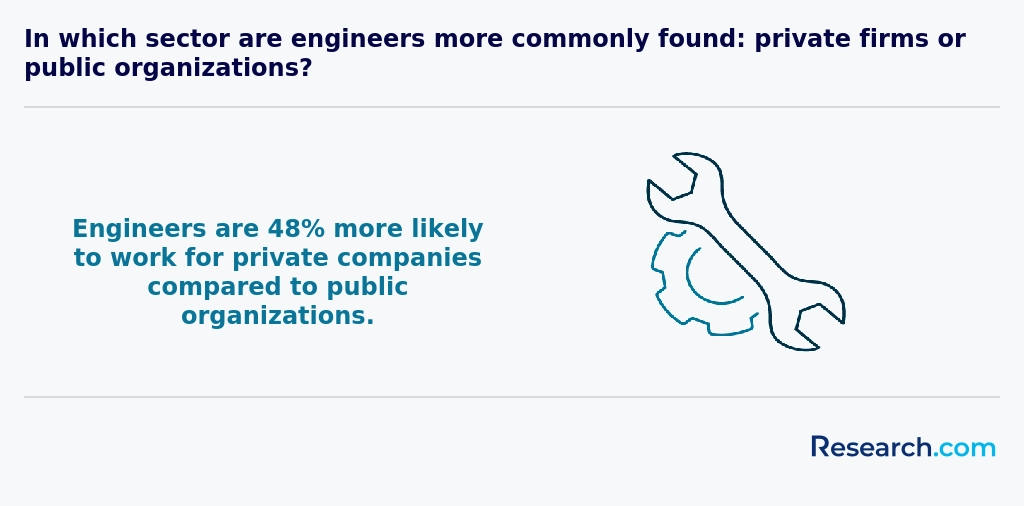
When evaluating the true value of an engineering degree in West Virginia, it’s essential to weigh upfront costs against long-term earnings. On average, in-state tuition at West Virginia’s public universities falls between $10,000 and $15,000 per year, while out-of-state students may pay upwards of $30,000 annually. Adding living expenses, books, and fees, total annual costs can range from $30,000 to $50,000. However, with entry-level salaries averaging $97,380 for civil engineers, $100,820 for mechanical engineers, and $114,050 for electrical engineers, many graduates recoup their investment within 3–5 years of full-time employment. Key factors influencing ROI include: • Scholarship and Aid Impact: Leveraging scholarships like the WV STEM Scholarship or federal Pell Grants can reduce annual tuition by up to 50%. • Internship and Co-op Earnings: Paid internships often offset semester costs. Graduates who secured summer positions report earning $4,000–$6,000 per term, directly decreasing their debt load. • Salary Growth Trajectory: With the engineering job market projected to grow by 4% through 2029, mid-career salaries can surpass $120,000, further shortening the payback period. For a broader look at cost-effective engineering programs, consider exploring our Most Affordable Engineering Degree Programs Ranking in the Midwest, which highlights institutions combining quality instruction with budget-friendly tuition. By analyzing tuition trends, scholarship availability, and starting salaries, prospective students can make data-driven decisions about pursuing an engineering degree in West Virginia.
Engineering students in West Virginia are fortunate to find a range of financial aid options that can truly uplift their academic journey. Imagine attending West Virginia University (WVU) or Marshall University, where institutional scholarships designed for STEM fields help ease the financial load, rewarding both merit and need.
Federal aid programs like Pell Grants, offering up to $7,395 without repayment obligations, empower many students to focus on their passion for engineering without overwhelming debt. State programs such as the PROMISE Scholarship inspire excitement by potentially covering full in-state tuition for high-achieving students, making dreams more attainable.
Graduates often recall how support from the West Virginia Society of Professional Engineers (WVSPE) provided crucial scholarships that motivated them to thrive locally. Work-study opportunities also stand out, giving students valuable work experience in engineering roles while earning money. For those employed or interning, employer tuition assistance turns education into a shared investment, nurturing confidence and progress every step of the way.
As the engineering landscape in West Virginia continues to evolve, it's essential to stay informed about emerging trends and industry innovations that are shaping the future. Recent advancements in renewable energy, smart infrastructure, and digital transformation are not only redefining traditional engineering practices but also creating a dynamic learning environment within academic institutions. For example, several universities are integrating cutting-edge courses on sustainable design and IoT applications into their engineering curricula, preparing students for a market where versatility and adaptability are key. Students today are benefiting from closer collaborations between academia and local industries. These partnerships facilitate hands-on projects, internships, and mentorship programs that are critical for real-world problem solving and career success. As a result, prospective students can expect a robust support system that bridges classroom theory with practical experiences. Moreover, institutions that offer innovative approaches, such as virtual labs, simulation tools, and interdisciplinary workshops, are receiving high praise for strengthening student competencies and fostering a culture of continuous improvement. For those researching affordable pathways to launch a successful engineering career, exploring options like the cheapest engineering school in west virginia can provide valuable insights into balancing quality education with financial considerations. Embracing these emerging trends equips future engineers with the tools they need to excel in an industry that is rapidly transforming, ensuring they remain competitive and capable of tackling tomorrow’s challenges.
To begin an engineering journey in West Virginia, you need a solid academic foundation, starting with a high school diploma or its equivalent. Graduates from West Virginia University and other local institutions often recall how their mastery of math and science paved the way for success. Essential courses include Algebra I and II, Geometry, Trigonometry or Pre-Calculus, Physics, and Chemistry. Many found that excelling in these subjects not only boosted their confidence but also made tackling complex engineering concepts more manageable.
Submitting strong SAT or ACT scores, especially in the math sections, can further strengthen your application, though some schools now offer test-optional policies. West Virginia University's engineering program typically expects a GPA around 2.5 to 3.0, a reachable milestone for motivated students.
Letters of recommendation and personal statements are valued, offering a chance to share your passion and unique story with admissions committees. Embracing these prerequisites opens doors to rewarding careers in a supportive academic environment here in West Virginia.
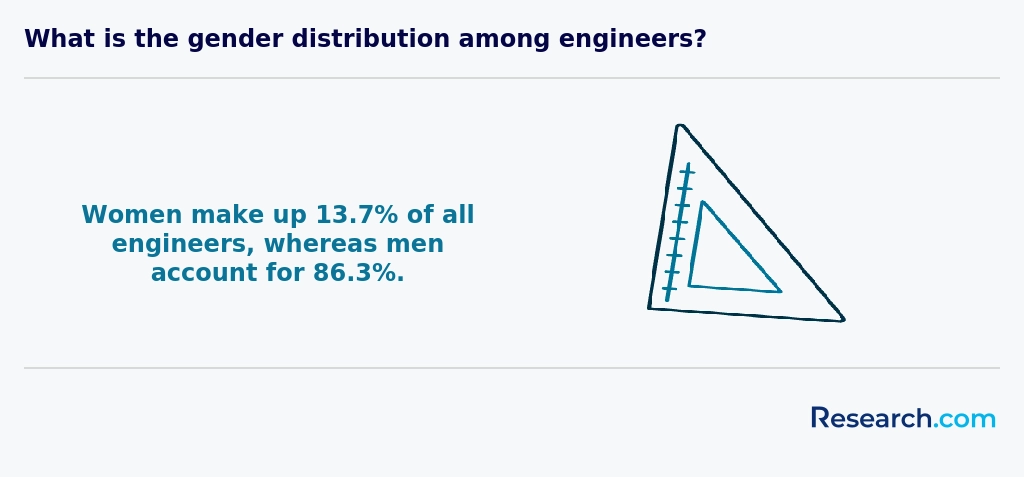
Earning your Professional Engineer (PE) license can significantly boost your credibility, salary potential, and leadership opportunities. In West Virginia, the path to licensure involves: • Fundamentals of Engineering (FE) Exam: - Offered by NCEES; typically taken during or immediately after your bachelor’s degree. - Passing this exam grants you the Engineer-in-Training (EIT) designation, a prerequisite for the PE. • Engineered Work Experience: - Accumulate at least four years of supervised, professional engineering experience under a licensed PE. - Document projects, responsibilities, and mentor evaluations; this portfolio is reviewed by the West Virginia Board of Professional Engineers. • Principles and Practice of Engineering (PE) Exam: - After meeting experience requirements, register for the PE exam in your specialization (civil, mechanical, electrical, etc.). - A passing score awards the PE license, allowing you to approve plans, seal documents, and supervise technical work. • Continuing Education and Renewal: - West Virginia requires PEs to complete 15 professional development hours annually, covering ethics, technical updates, and safety. - Stay current with evolving standards and software tools to maintain your license and competitive edge. Whether you plan to design infrastructure, oversee complex manufacturing processes, or explore roles where is there a difference between software engineer vs software developer, understanding and achieving PE licensure ensures you meet industry expectations and unlock new career pathways.
Engineering degree programs in West Virginia offer a dynamic blend of courses that inspire and prepare students for real-world challenges. At institutions like West Virginia University, graduates recall how early classes in mathematics, physics, and chemistry built their confidence, sharpening problem-solving skills essential for every engineer. These fundamentals create a strong base to understand complex engineering concepts.
As students advance, they dive into specialized courses that bring their chosen discipline to life. Graduates often highlight classes like Engineering Mechanics, where they explore how forces act on structures, or Circuit Analysis, where they unlock the secrets of electrical systems. Mechanical engineering students find Thermodynamics and Fluid Mechanics fascinating as they learn to design engines or climate control systems. Hands-on experiences with Computer-Aided Design (CAD) and programming ignite creativity and innovation, turning ideas into tangible projects.
Many students cherish laboratory sessions that transform theory into action, enhancing teamwork and communication skills vital in professional settings. At West Virginia's public universities, this supportive environment encourages students to thrive, confident they are gaining not only knowledge but practical expertise that employers value deeply.
Engineering degree specializations in West Virginia open doors to exciting career paths tailored to the state's unique industries. Many students at West Virginia University and other top colleges dive into Civil Engineering, gaining hands-on experience designing bridges and roads that serve the rugged, mountainous landscape. Mechanical Engineering attracts those passionate about innovation in manufacturing and automotive fields, where graduates find rewarding roles contributing to the state's industrial growth.
Other popular options include Electrical Engineering, critical for advancing power and communications, and Chemical Engineering, which connects deeply with West Virginia's energy sector. Industrial Engineering students often enjoy optimizing processes that fuel the local economy. Moreover, emerging programs like Environmental Engineering and Software Engineering offer solutions to modern challenges, with tech students eagerly exploring roles in the expanding sector. Curious minds often ask if is there a difference between software engineer vs software developer, finding clarity through hands-on projects.
Exploring West Virginia engineering program concentration options inspires students to impact communities and industries while developing skills valued nationwide.
Choosing the best engineering degree in West Virginia means focusing on programs that blend quality education with practical opportunities. Graduates from West Virginia University often highlight how ABET-accredited programs provided them with a strong foundation and confidence to enter the workforce. Many in-state students appreciate the affordable engineering colleges in West Virginia, where tuition costs typically range from $8,000 to $11,000, allowing them to pursue ambitious goals without overwhelming debt. These programs emphasize specializations like mechanical, civil, and electrical engineering that directly connect with key state industries such as energy and manufacturing, helping graduates feel motivated and career-ready.
Students who choose Marshall University frequently share inspiring stories of engaging in advanced research and internships, which deepen their learning and expand their professional networks. The hands-on experience gained through local cooperative education initiatives perfectly complements classroom study, creating pathways toward meaningful, rewarding careers. If you want to explore cost-effective options supporting this journey, visit the Most Affordable Engineering Degree Programs Ranking in the Midwest to find even more ways to align your passion with West Virginia's growing engineering fields.
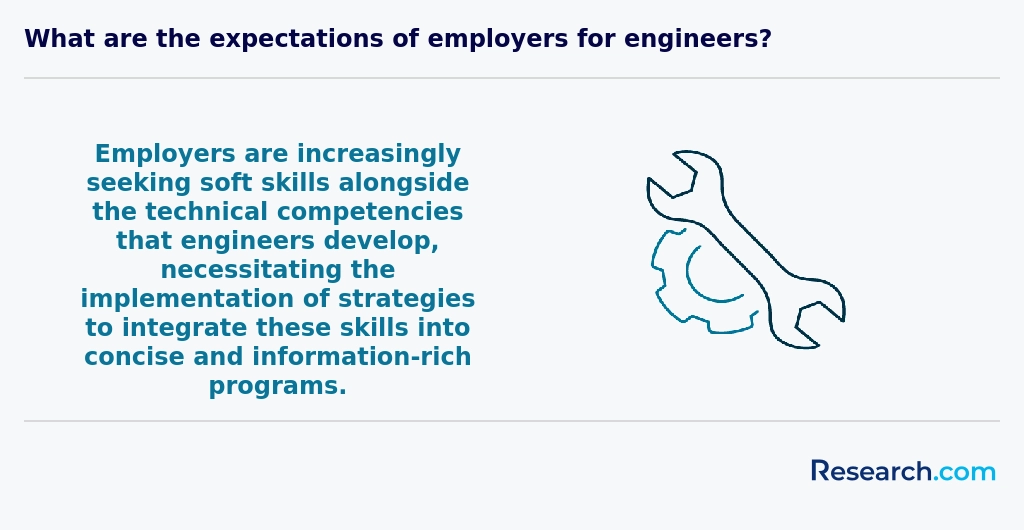
Engineering degree graduates in West Virginia enjoy a wide range of exciting career paths fueled by the state's dynamic industries. From thriving energy sector engineering roles focused on coal, natural gas, and renewables to impactful civil engineering work upgrading vital infrastructure like roads and bridges, opportunities abound for those passionate about making a difference. Many graduates from West Virginia University find themselves contributing to sustainable projects or powering innovation in manufacturing environments, enhancing product quality and efficiency for local companies.
Students pursuing their engineering career opportunities in West Virginia often share stories of internships that connect classroom learning with real-world challenges, amplifying their confidence and skills. The growing emphasis on technology and software engineering opens doors to high-demand fields such as automation and data analytics, perfectly complementing traditional engineering disciplines. For those looking to accelerate their expertise, 1 year graduate programs available locally provide a fast track to advanced roles. West Virginia's blend of strong academic programs and industry ties ensures graduates are well-equipped to thrive in a rewarding, impactful engineering career.
The engineering job outlook West Virginia offers is full of promise for motivated graduates. Schools like West Virginia University and Marshall University provide hands-on experiences, enabling students to build skills in project management and CAD that local employers highly value. Graduates often find rewarding roles in the state's evolving energy and infrastructure sectors, where they contribute to important projects such as modernizing transportation and advancing renewable energy.
Many engineering students benefit from internships with government agencies and private companies, enhancing their readiness for stable careers tailored to community needs. The region's lower cost of living means that even with salaries slightly below national averages, engineers enjoy solid standards of living and career growth. For those weighing study costs, the availability of affordable tuition in public universities balances financial investment and future earnings, making West Virginia an attractive choice for aspiring engineers.
Access to practical education and strong ties to regional industries demonstrate why West Virginia engineering career opportunities continue to expand. If you're exploring options beyond traditional routes, consider easy associate degrees that pay well as a stepping stone into this promising field.
2027 Most Valuable Engineering Degree Programs Ranking in West Virginia
Investing in your education is a significant decision that can shape your future, and the Research.com team understands the importance of making informed choices. To assist prospective students in West Virginia, we have meticulously crafted the "2027 Most Valuable Engineering Degree Programs Ranking in West Virginia." Our commitment to quality, credibility, and accuracy is reflected in the extensive research and analysis conducted to compile this ranking.
We utilized the following reputable data sources to ensure a comprehensive evaluation of engineering degree programs:
By exploring this ranking, readers will gain valuable insights into the most valuable engineering degree programs offered in West Virginia, enabling them to make well-informed decisions about their educational investments. For additional information on how this ranking was created, please visit our Research.com methodology page.


# 5 position
West Virginia University Institute of Technology
Bachelor of Science in Mechanical Engineering

Frequently Asked Questions About engineering
Engineering degree students in West Virginia can enhance their learning by actively engaging in hands-on experiences such as internships and cooperative education programs. West Virginia University, for example, offers numerous industry partnerships that allow students to gain practical skills while earning academic credit. According to the National Science Foundation, experiential learning improves job readiness significantly for engineering graduates.
Students should also take advantage of research opportunities available at state institutions. Participating in faculty-led projects fosters deep technical understanding and innovation skills.
Joining professional organizations like the West Virginia Society of Professional Engineers provides networking and mentorship chances crucial for career development.
Emerging niches within the engineering field in West Virginia reflect broader national trends emphasizing sustainability, technology, and infrastructure. One key area is renewable energy engineering, driven by West Virginia's initiatives to diversify beyond coal and expand wind and solar power. According to the U.S. Bureau of Labor Statistics, careers in environmental and green engineering are growing faster than average, making this a promising field.
Another developing niche is biomedical engineering, with local universities partnering with healthcare systems to innovate medical devices. Additionally, software and systems engineering focusing on cybersecurity and data analytics are gaining traction amid increasing digital transformation.
Infrastructure engineering remains vital, with state investments improving transportation networks and water systems, providing steady demand for civil engineers specializing in smart infrastructure.
To prepare for the job market after completing an engineering degree in West Virginia, students should prioritize gaining practical experience. Internships with local industries, especially in sectors like energy, manufacturing, and transportation, help build valuable skills. According to the West Virginia Department of Commerce, engineering employers look for candidates familiar with industry-specific software and regulatory standards.
Networking is also essential. Attending career fairs at institutions like West Virginia University and joining professional organizations, such as the West Virginia Society of Professional Engineers, can open doors. Additionally, obtaining certifications such as the Fundamentals of Engineering (FE) exam boosts employability. The U.S. Bureau of Labor Statistics reports that engineering jobs in West Virginia are expected to grow by 5% through 2030, highlighting steady opportunities for graduates.
Employers in West Virginia highly value engineering graduates who demonstrate strong problem-solving skills and proficiency in technical tools. According to the West Virginia Department of Commerce, employers frequently seek candidates with hands-on experience in computer-aided design (CAD) and data analysis software. Communication skills are also critical, as engineers must collaborate across teams to implement complex projects.
In addition, adaptability and a continuous learning mindset are essential due to rapid technological advancements in sectors like energy and manufacturing, which dominate West Virginia's economy. Practical knowledge of industry standards and safety regulations is often a deciding factor during hiring. These skills significantly enhance job prospects for engineering graduates in the state.
Finding internships in West Virginia for engineering students typically begins with utilizing resources offered by local universities. Institutions like West Virginia University and Marshall University maintain dedicated career centers that connect students with internship opportunities in engineering fields. These centers often partner with regional employers in sectors such as energy, manufacturing, and technology.
In addition, websites like Handshake and the West Virginia Department of Commerce provide listings for engineering internships statewide. Networking through professional organizations, such as the West Virginia Society of Professional Engineers, can also uncover valuable opportunities.
According to the U.S. Bureau of Labor Statistics, West Virginia's focus on industries like chemical manufacturing and mining offers specialized internship prospects for engineering students interested in these areas.
In West Virginia, earning an engineering degree significantly enhances career mobility and advancement opportunities. According to the U.S. Bureau of Labor Statistics, engineering occupations in the state are projected to grow by approximately 5% through 2031, indicating steady demand for qualified professionals.
An engineering degree provides access to diverse industries in West Virginia, including manufacturing, energy, and aerospace. Graduates often experience higher starting salaries compared to non-degree holders, with the National Association of Colleges and Employers reporting an average starting salary of around $68,000 for engineering graduates in the region.
Additionally, professional licensure, such as the Professional Engineer (PE) certification, often requires an accredited degree and can elevate career prospects. Employers in West Virginia value these credentials for leadership roles and specialized positions, underscoring the degree's role in long-term career growth.
Studying for an engineering degree in West Virginia offers strong preparation for interdisciplinary roles commonly required in today's workforce. Colleges in the state, such as West Virginia University, emphasize a curriculum that integrates core engineering principles with teamwork, communication, and problem-solving skills across various fields. This approach reflects industry needs, especially in energy, manufacturing, and infrastructure sectors that dominate West Virginia's economy.
Programs often include collaborative projects combining mechanical, electrical, and environmental engineering concepts. According to the National Science Foundation, West Virginia engineering graduates frequently engage in multidisciplinary internships, enhancing adaptability in diverse technical environments. This practical experience complements classroom learning, helping students transition smoothly into roles requiring knowledge beyond a single engineering discipline.
Choosing between a thesis and a non-thesis engineering degree in West Virginia depends largely on your career goals and learning preferences. A thesis program emphasizes research, requiring you to conduct original work and write a formal document. This option suits students aiming for a PhD or research positions.
Non-thesis programs focus more on coursework and practical skills, which appeal to those seeking immediate employment in engineering industries. West Virginia's engineering sectors, such as chemical and civil engineering, value applied experience highly.
According to WV Higher Education Policy Commission data, about 40% of graduate engineering students choose thesis tracks for deeper specialization, while 60% prefer non-thesis for faster program completion.
Students based in West Virginia seeking to study engineering abroad can explore several pathways through partnerships established by their home institutions. For example, West Virginia University (WVU), the state's largest public university, offers exchange programs and dual degree options with European and Asian universities, allowing engineering students to gain international experience while earning credits towards their degree.
The National Science Foundation reports that participating in study abroad programs can enhance engineering students' practical skills and global perspectives, which are increasingly valued in the US job market. Many programs focus on disciplines such as civil, mechanical, and electrical engineering.
Financial aid and scholarships are often available to West Virginia students, making international study more accessible. Typically, students must maintain good academic standing to qualify.
Students pursuing engineering degrees in West Virginia have several part-time job opportunities that can complement their education. Internships or co-op positions with local firms in industries such as chemical, mechanical, and civil engineering provide practical experience. The state's energy sector, including companies focused on coal, natural gas, and renewable energy, often hires students for roles involving equipment maintenance, data analysis, and technical support.
Additionally, West Virginia University and other institutions frequently offer research assistant positions in engineering departments. These roles deepen understanding of specialized topics and provide valuable lab experience. According to the West Virginia Department of Commerce, STEM-related jobs are growing by 5% annually, making part-time work in these fields both relevant and accessible.
Engineering students in West Virginia have access to a variety of valuable networking opportunities. Universities like West Virginia University (WVU) and Marshall University host engineering fairs, guest lectures, and professional development events that connect students with industry leaders. According to the WVU Statler College of Engineering & Mineral Resources, over 70% of students secure internships or co-ops before graduation, enhancing their professional network.
Additionally, statewide chapters of organizations such as the American Society of Civil Engineers (ASCE) and the Society of Women Engineers (SWE) offer students regular meetings and conferences. These platforms help students meet peers and professionals while gaining insights into current engineering trends.
Many local companies in sectors like chemical, mining, and aerospace actively recruit at these schools, providing direct links to West Virginia's engineering job market. The National Science Foundation also notes West Virginia's regional emphasis on STEM partnerships, further supporting student networking in engineering fields.
Alumni networks play a crucial role in supporting engineering degree students in West Virginia. These networks connect current students with graduates who have experience in local industries like manufacturing, energy, and technology. Through mentorship programs, students gain insights into real-world engineering challenges and career paths.
Many West Virginia universities report that active alumni involvement significantly increases internship and job placement rates. For example, West Virginia University's alumni network helps facilitate connections with Fortune 500 companies based in the region. Statistics from the WV Higher Education Policy Commission highlight that students engaged with alumni see a 20% higher employment rate within six months after graduation.
Furthermore, alumni often donate resources and fund scholarships specifically for engineering students, enhancing educational access and quality. These financial contributions and professional connections help bridge the gap between academic study and employment, fostering a stronger engineering workforce in the state.
Customizing an engineering degree program in West Virginia allows students to align their education with specific career goals. Many universities in the state offer flexible curricula where students can choose electives or specialize in fields such as civil, mechanical, or chemical engineering. For example, West Virginia University provides options for students to pursue minors or certificates alongside their major, enhancing expertise for targeted industries.
Internships and cooperative education programs are widely available, connecting students with companies like Appalachian Power and chemical manufacturers, giving practical experience that complements academic work. According to the West Virginia Department of Education, emphasizing hands-on learning improves job placement rates.
Also, students can engage in research projects or capstone design courses tailored to emerging technologies. This flexible approach helps graduates meet evolving industry demands within West Virginia's energy, manufacturing, and infrastructure sectors.
Engineering students in West Virginia often face challenges related to limited access to specialized resources compared to larger states. Schools may have fewer cutting-edge laboratories and research opportunities, which can affect hands-on learning. According to the West Virginia Higher Education Policy Commission, students sometimes struggle with securing internships locally due to fewer engineering firms in the region.
Additionally, many students report difficulty balancing demanding coursework with part-time jobs, given the state's higher-than-average student financial need. Retention rates in engineering programs hover around the national average, but academic support services could be expanded.
Rural geography can also limit networking opportunities, which are vital for career development in engineering fields.
With an engineering degree in West Virginia, you can pursue several key professional certifications that enhance career prospects across industries. The most recognized is the Professional Engineer (PE) license, which requires passing the Fundamentals of Engineering (FE) exam, gaining relevant work experience, and succeeding in the PE exam. This license allows engineers to approve designs and take legal responsibility for engineering projects.
Other certifications include the Certified Manufacturing Engineer (CMfgE) and Project Management Professional (PMP), both valuable in West Virginia's manufacturing and infrastructure sectors. Earning these can improve job opportunities and earning potential.
According to the National Society of Professional Engineers, West Virginia employers highly value such certifications for leadership roles in engineering fields.
Applying to an engineering program in West Virginia requires careful preparation and attention to detail. Start by researching schools like West Virginia University, which hosts ABET-accredited engineering programs, a key quality indicator recognized nationwide.
Strong academic records, especially in math and science courses, are crucial. Aim for a competitive GPA-WVU engineering applicants typically present a GPA above 3.0 on a 4.0 scale. Standardized test scores, if submitted, should align with or exceed average accepted scores.
Highlight relevant extracurricular activities such as robotics clubs, internships, or volunteer work in engineering-related fields. Demonstrating practical experience or leadership can strengthen your application.
Personal statements should clearly express your passion for engineering and your career goals, tailored to West Virginia's industries like energy and manufacturing. Utilize official university application guidelines for submission deadlines and documentation.
Engineering is recognized globally as a vital profession that drives innovation, economic growth, and infrastructure development. In the United States, including West Virginia, engineering careers are highly regarded for their strong earning potential and job stability. According to the U.S. Bureau of Labor Statistics (BLS), the engineering field is expected to grow by about 4% from 2021 to 2031, reflecting steady demand for skilled professionals.
West Virginia offers unique opportunities in fields like civil, chemical, and mechanical engineering, with a focus on energy, manufacturing, and environmental systems. Graduates often find roles supporting both local industries and international projects.
Globally, engineers must adapt to advancing technologies and sustainability challenges, making continuous learning essential. Accreditation from organizations like ABET ensures programs meet global standards, making West Virginia graduates competitive worldwide.
Students pursuing engineering degrees in West Virginia can gain practical experience through multiple opportunities embedded in the state's higher education system. Many universities, such as West Virginia University, offer cooperative education programs (co-ops) where students alternate between classroom study and paid work in engineering roles. According to the American Society for Engineering Education, co-ops can increase employment prospects by 15%. Internships with local industries-especially in energy, manufacturing, and aerospace sectors-are common and often facilitated by university career centers. Additionally, engineering students can participate in capstone projects sponsored by businesses, providing hands-on problem-solving experience aligned with real-world challenges.
Choosing the right concentration within an engineering degree program in West Virginia requires careful consideration of both personal interests and local industry demands. West Virginia's economy strongly supports sectors such as energy, manufacturing, and infrastructure, making civil, mechanical, and electrical engineering concentrations particularly relevant.
Students should evaluate available specializations at regional institutions like West Virginia University and Marshall University, which offer tailored programs aligned with state workforce needs. According to the U.S. Bureau of Labor Statistics, employment for engineers in West Virginia is projected to grow by about 4% through 2031, with the highest demand in civil and environmental engineering.
Assessing curriculum options, internship opportunities, and faculty expertise can also aid decision-making. Aligning your focus with state industry trends enhances job prospects and practical experience after graduation.
- 2027 Most Valuable Engineering Degree Programs Ranking in Kentucky
- 2027 Most Valuable Engineering Degree Programs Ranking in Indiana
- 2027 Most Valuable Engineering Degree Programs Ranking in Georgia
- 2027 Most Valuable Engineering Degree Programs Ranking in Illinois
- 2027 Most Valuable Engineering Degree Programs Ranking in Alabama
- 2027 Most Valuable Engineering Degree Programs Ranking in Missouri
- 2027 Most Valuable Engineering Degree Programs Ranking in Connecticut
- 2027 Most Valuable Engineering Degree Programs Ranking in Florida
- 2027 Most Valuable Engineering Degree Programs Ranking in Arkansas
- 2027 Most Valuable Engineering Degree Programs Ranking in Louisiana
See What Experts Have To Say About Studying Engineering
Read our interview with Engineering experts

Joseph Reichenberger
Engineering Expert
Professor of Civil Engineering & Environmental Science
Loyola Marymount University

Jasna Jankovic
Engineering Expert
Associate Professor
University of Connecticut

Bohdan W. Oppenheim
Engineering Expert
Professor Emeritus of Healthcare Systems Engineering
Loyola Marymount University

- Breaking Into Engineering: First Job Tips | Intuitive https://careers.intuitive.com/en/employee-stories/career-growth-advice/breaking-into-engineering-tips-for-landing-your-first-job/
- All STEM Placements/Internships | Gradcracker - Careers for STEM Students https://www.gradcracker.com/search/all-disciplines/engineering-work-placements-internships
- How Do You Decide Which Engineering Career is Right for You? https://www.straighterline.com/blog/which-engineering-career-right-for-you
- Thesis vs. Non-Thesis Master's Programs: Which is Right for You? https://potomac.edu/thesis-vs-non-thesis-masters/
- How to Study Abroad as an Engineering Major https://www.semesteratsea.org/study-abroad-engineering-major/
- Engineering Education | Role of Interdisciplinary Studies in Modern Engineering https://www.thestudentpocketguide.com/2024/07/student-life/education-career/engineering-education-interdisciplinary-studies-modern-engineering/
- Engineering work experience | This is Engineering https://thisisengineering.org.uk/become-an-engineer/work-experience/
- Networking for engineers: your questions answered https://targetjobs.co.uk/careers-advice/engineering/networking-engineers-your-questions-answered
- Guide to Engineering Internships https://www.internwise.co.uk/candidate-journey/industry-internships/guide-to-engineering-internships
- New Ranking: The Best Alumni Networks https://poetsandquantsforundergrads.com/rankings/the-best-alumni-networks/