2027 Most Affordable Engineering Degree Programs Ranking in Georgia

Co-Founder and Chief Data Scientist
Choosing the right engineering degree program in Georgia can be challenging. To support your decision, this article presents the 2027 Most Affordable Engineering Degree Programs Ranking in Georgia, created by the Research.com team of data scientists. It highlights affordable options worth your consideration.
By exploring this ranking, you'll gain valuable insights into programs that balance cost and quality. Pursuing an engineering degree opens doors to exciting career opportunities, growth, and innovation. This guide helps you take confident steps toward your future.
Key benefits of getting engineering degree in Georgia
- Engineering graduates in Georgia enjoy competitive salaries, with Mechanical Engineers earning a mean annual wage of $105,220 and Electrical Engineers making up to $117,680, reflecting strong earning potential in the region.
- Graduates from universities like Georgia Tech have diverse career paths available, including roles in civil, industrial, electrical, and mechanical engineering, offering exciting opportunities to impact infrastructure, technology, and manufacturing sectors.
- Obtaining an engineering degree online from institutions such as the University of Georgia offers flexibility and accessibility, allowing students to balance work and study while gaining the same respected credentials as traditional programs.
- 2027 Most Affordable Engineering Degree Programs Ranking in Georgia
- What can I expect from engineering degree in Georgia?
- Where can I work with engineering degree in Georgia?
What can I expect from engineering degree in Georgia?
The average cost of pursuing an engineering degree in Georgia generally ranges between $5,000 and $11,000 per academic year for in-state students at public universities such as Georgia Tech or the University of Georgia. Graduates often recall how this affordability made it easier to focus on their studies without overwhelming financial strain. For students attending technical colleges, costs can be even lower, making pathways to engineering careers accessible and practical.
One graduate shared how starting at a community college with a more affordable associate degree eased their entry into engineering before transferring to a university. This step-by-step approach helped manage expenses while gaining relevant skills. Considering tuition alone, students should also budget for books, supplies, and living costs, but the overall price remains competitive compared to out-of-state programs.
Affordability combined with Georgia's strong job market and recognized programs means students can invest smartly in their engineering education without sacrificing quality or practical experience. This balance encourages positive momentum from enrollment through graduation.
Where can I work with engineering degree in Georgia?
Graduates with engineering degrees from schools like the Georgia Institute of Technology or Kennesaw State University find a variety of career paths across Georgia's key industries. One common route is entering the aerospace sector, where companies such as Lockheed Martin and Gulfstream offer roles in design, testing, and manufacturing. Many graduates describe the excitement of contributing to cutting-edge aircraft development in these local facilities.
For those interested in civil engineering, job opportunities in infrastructure projects around Atlanta and Savannah provide hands-on experience in bridge building, highway maintenance, and urban development. Georgia Tech graduates often share how internships with the Georgia Department of Transportation helped them secure full-time positions after graduation.
Students focused on electrical or computer engineering benefit from Atlanta's booming tech corridor, with startups and established firms in software and telecommunications. Involvement in cooperative education programs with companies in "Tech Square" frequently leads to rewarding roles in semiconductor and software engineering.
Manufacturing also attracts engineering graduates, especially in automotive plants run by Kia and Mercedes-Benz. Graduates often find satisfaction working on production line improvements and quality control, directly impacting product efficiency and safety within the state's economy.
Graduates with engineering degrees from universities like Georgia Tech or the University of Georgia often see strong earning potential right out of the gate. For example, mechanical engineers in Georgia typically earn a mean annual wage of about $105,220, while electrical engineers earn even more, averaging $117,680 annually.
Civil engineering graduates report solid wages as well, with mean earnings around $101,160 per year. Industrial engineers earn close to $103,150 annually. These figures reflect the demand for technical skills in Georgia's growing metropolitan areas, especially Atlanta, where many graduates find rewarding roles with competitive pay.
One graduate who studied mechanical engineering at a Georgia university shared that starting salaries around $70,000 rapidly increased with experience and professional certifications, boosting financial confidence. Another civil engineering graduate found that working in Atlanta not only increased earnings but also provided opportunities for career growth in bustling infrastructure projects.
Considering the lower cost of living in Georgia compared to the national average, these salaries translate into a comfortable lifestyle with room for savings and investment after graduation.
- Engineering degrees in Georgia are offered by both public and private universities, with Georgia Tech being a top-ranked institution.
- Tuition for in-state public universities ranges from $6,000 to $10,000 per year, while private and out-of-state tuition can cost between $20,000 and $35,000 annually.
- Georgia has a strong job market for engineers, especially in aerospace, manufacturing, civil infrastructure, and technology sectors.
- Starting salaries for new engineering graduates typically fall between $65,000 and $70,000 per year, with mid-career salaries ranging from $90,000 to $110,000.
- Many universities in Georgia have partnerships with local industries that provide internships and co-op opportunities to help students gain work experience.
Completing an engineering degree in Georgia usually takes about four years of full-time study, especially at well-known schools like Georgia Institute of Technology or University of Georgia. Graduates often describe their journey as intensive but rewarding, balancing foundational courses with hands-on labs across eight semesters. If you follow the typical path, expect to spend around four years earning your Bachelor of Science in Engineering.
Some students choose part-time study or take co-op programs, which can stretch those four years to five or more. For instance, engaging in internships might add valuable real-world experience but could delay graduation by a semester or two. On the flip side, motivated students sometimes shorten their time by enrolling in summer courses or accelerated tracks, finishing sooner than expected.
This timeline aligns with national averages, but in Georgia, many engineering programs are ABET-accredited, meaning the curriculum is carefully structured to keep you on track for timely completion and future licensure. Practical financial and scheduling choices influence your pace, so planning ahead really pays off.
Choosing between online and on-campus engineering degrees in Georgia hinges largely on how you prefer to learn and balance your life. Graduates from Georgia Tech or University of Georgia often highlight the value of hands-on labs and direct professor interaction, which help solidify tough engineering concepts through real-world projects and teamwork.
On-campus students benefit from easy access to workshops and face-to-face networking at career fairs, which frequently lead to internships and job offers. Imagine attending a live seminar with industry experts right on Georgia Southern's campus-this personal connection can be pivotal.
Meanwhile, online students at Kennesaw State or University of North Georgia praise the flexibility to study from home, fitting coursework around jobs or family. Virtual labs and interactive simulations provide a practical alternative, though some specialized training may require occasional campus visits.
Cost-wise, online programs often save money by cutting facility fees, but be prepared for extra lab fees in both formats. Focus on how you learn best and your daily schedule to decide which route matches your goals.
The average cost of obtaining an engineering degree in Georgia varies widely based on residency and institution type. In-state students attending public universities typically face total expenses around $12,058, a manageable figure that aligns well with many local families' budgets. Graduates from institutions like the University of Georgia and Georgia Institute of Technology often reflect positively on how these costs allowed them to focus more on learning than financial stress, making their educational journey both rewarding and feasible.
Out-of-state students, however, should be prepared for significantly higher expenses, often nearing $48,892 in total. This reflects tuition fees combined with living costs, books, and specialized technology fees required for engineering courses. For example, non-resident students at Georgia Tech can expect the upper tier of these costs, but many report the long-term benefits outweigh initial financial hurdles, thanks to the university's strong industry connections and career services. Understanding the engineering degree total expenses Georgia students face can help prospective students plan accordingly and explore financial aid options.
Additional expenses beyond tuition include books and supplies, averaging about $1,200 annually, along with room and board costs close to $10,000 to $12,000 per year due to the housing market in popular college areas. Technology and lab fees may also add to costs because of the specialized equipment engineering programs require. Many students find that tapping into scholarships, especially the HOPE Scholarship available to qualifying Georgia residents, makes a tangible difference in managing these expenses.
For those seeking an affordable route without compromising quality, exploring options like an affordable online engineering school in Georgia provides flexibility and cost savings, especially for working students or those balancing family commitments. The pragmatic approach to these financial components ensures students make informed decisions while pursuing a valuable engineering degree in Georgia.
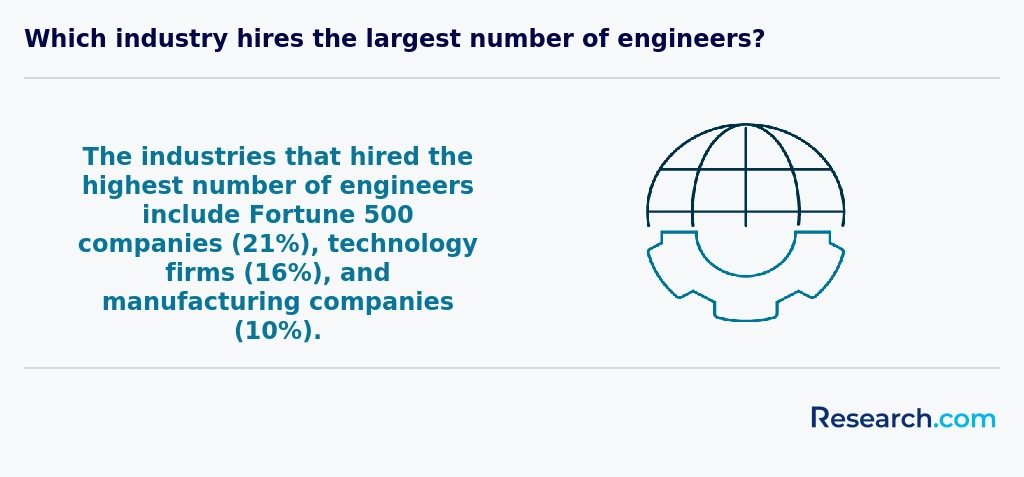
Graduate outcomes help show whether an affordable engineering program produces real career value. Before choosing a school, compare graduation rates, debt levels, employment timing, salary outcomes, accreditation, and the strength of career services.
- Graduation rate: Leading public institutions like Georgia Tech and the University of Georgia report on-time graduation rates above 80%, which can reduce total tuition and living costs by helping students finish on schedule.
- Average student debt: In-state engineering graduates incur median debt of $22,000, compared to the national average of $28,000, supported in part by state scholarships and institutional financial aid.
- Time to employment: Over 90% of graduates secure full-time engineering positions within six months of commencement, with many receiving job offers before graduation.
- Early-career salary: Engineering alumni from Georgia programs report median starting salaries of $68,000–$75,000, yielding a debt-to-income ratio well below 0.4 within the first five years.
ROI is strongest when students graduate on time, keep borrowing reasonable, and gain experience through internships, co-ops, research, or employer-sponsored projects. Students planning graduate study should also evaluate whether a master’s degree is necessary for their target role. For a broader comparison of online graduate affordability outside Georgia, see the Cheapest Online Master's in Engineering Degree Programs Ranking in California.
A good engineering program should combine affordability with clear outcomes: completion support, practical experience, employer access, and evidence that graduates move into relevant engineering jobs.
Engineering students in Georgia can rely on several practical financial aid options that make education more manageable. Most start by completing the FAFSA to access federal aid like the Pell Grant, which offers up to $7,395 annually, easing tuition at schools such as Georgia Tech or the University of Georgia. Graduates often mention how subsidized federal loans helped them balance living expenses without overwhelming debt.
State support plays a big role too. The HOPE Scholarship offers merit-based aid up to $4,000 annually if you keep a 3.0 GPA, a common goal for engineering students attending institutions like Kennesaw State University. The HOPE Grant focuses on technical programs, benefiting those pursuing engineering technician paths.
Additionally, targeted scholarships from groups like the Georgia Society of Professional Engineers provide $1,000 to $5,000 for tuition and materials, often making a real difference. Several universities also offer co-op programs blending paid work with study, helping students gain hands-on experience and income, which graduates frequently praise for reducing debt stress.
Exploring these layered financial aid sources early unlocks the best opportunities tailored to your engineering path in Georgia.
A strong engineering program should give students more than classroom instruction. In Georgia, student community and networking opportunities can play a major role in internships, co-op placements, research access, and first jobs after graduation.
Prospective students should look for programs that offer engineering clubs, design teams, career fairs, employer visits, mentorship programs, undergraduate research, and connections with local companies. These experiences help students test career interests early, build a professional network, and learn how engineering concepts are applied in real workplaces.
What to look for in an engineering student community
- Professional organizations: Student chapters tied to engineering societies can help students meet peers, alumni, and employers in their specialization.
- Career events: Employer panels, technical talks, innovation challenges, and recruiting fairs can improve access to internships and entry-level roles.
- Mentorship: Faculty, alumni, and industry mentors can help students choose concentrations, prepare for interviews, and evaluate job offers.
- Hands-on teams: Robotics, aerospace, civil design, energy, and manufacturing projects can strengthen a resume before graduation.
- Online networking support: Students considering an affordable online engineering school in georgia should confirm whether online learners receive access to career services, virtual events, employer connections, and advising.
The best-fit program is usually one where students can build relationships as well as technical skill. For engineering majors, access to projects, internships, and employer networks can be just as important as tuition when evaluating long-term value.
To enroll in an engineering degree program in Georgia, start by ensuring you have a solid high school foundation, especially in math and science. Graduates from schools like Georgia Tech or the University of Georgia often recall mastering algebra, geometry, and preferably precalculus or calculus before applying. They also took fundamental science courses such as physics and chemistry, which proved crucial when they faced challenging college coursework.
Next, prepare for standardized tests like the SAT or ACT, focusing on scoring well in the math sections. Many admitted engineering students at Georgia institutions surpassed the national average, which boosted their confidence during admissions. Some students found that excelling in AP exams in math or science not only strengthened their applications but also earned college credits, helping reduce classes and tuition fees later on.
Make sure your application package is complete: this includes your transcripts, test scores, letters of recommendation, and personal essays that clearly show your passion for engineering. Several graduates value how these elements helped them stand out when applying to top Georgia schools. Additionally, consider dual-enrollment or community college transfer routes to make the transition smoother and more affordable, as these paths require solid introductory courses with good grades.

The return on investment of an engineering degree in Georgia depends on more than finding the lowest tuition. Students should compare total cost, debt, graduation timeline, starting salary, and salary growth in their chosen engineering field.
For in-state students, public bachelor’s programs in Georgia typically cost between $10,000 and $15,000 per year, or $40,000–$60,000 in tuition over four years. Graduates often report median starting salaries of $65,000–$75,000, which can create a payback period of under one year when tuition is kept manageable. Mid-career earnings can also be strong, with Mechanical Engineers averaging $100,820 and Electrical Engineers averaging $114,050, pushing the five-year ROI to well over 150%.
| ROI factor | What it means for Georgia engineering students |
| Total tuition versus earnings | With total in-state tuition of $50,000 and a median starting salary of $70,000, graduates may recoup their investment in roughly 9 months. |
| Debt-to-income ratio | Assuming $30,000 in manageable student loans, the debt-to-income ratio remains below 0.5, a sign of stronger financial flexibility after graduation. |
| Mid-career growth | Average salaries increase by 40–60% over ten years, which can substantially improve lifetime earnings. |
Students pursuing careers in mechanical engineering may also benefit from strong demand in manufacturing, aerospace, automotive, and product design roles. When comparing programs, review tuition after aid, average loan balances, graduation rates, co-op access, and employer connections-not sticker price alone.
In Georgia, engineering degrees start with essential math and physics courses that build a strong foundation. Expect to tackle calculus, differential equations, and linear algebra early on, just like many graduates from the Georgia Institute of Technology experienced. They recall these classes as challenging but crucial for solving real-world problems.
Core engineering subjects include statics and dynamics, where students analyze forces and motion-key skills for careers in civil and mechanical engineering. Materials science courses provide a hands-on understanding of how different materials behave under stress, vital for manufacturing roles. Graduates from the University of Georgia mention how labs on thermodynamics and fluid mechanics helped them connect theory to practical applications, especially in mechanical fields.
Electrical and computer engineering students encounter circuit design and software programming, essential areas that recent alumni say prepared them for the tech-driven job market in Georgia's growing industries. Many programs emphasize labs and projects, reinforcing skills through active problem-solving and teamwork, ensuring graduates feel confident entering their careers.
Engineering degree specializations in Georgia cover a wide spectrum designed to match the state's dynamic industries. Graduates from schools like Georgia Tech often share how Civil Engineering programs prepare them to tackle real-world infrastructure challenges, vital in Georgia's expanding urban areas. Mechanical Engineering remains one of the most popular choices, especially with hands-on opportunities in manufacturing and aerospace sectors. Many students benefit from fitting their schedules around these practical experiences, building skills relevant to regional employers.
Electrical and Computer Engineering stand out for those interested in Georgia's growing tech scene, with coursework that blends theory and application. Environmental and Industrial Engineering specializations appeal to students drawn to sustainability and efficiency, addressing local demand in green initiatives and supply chain management. Many find interdisciplinary tracks useful, reflecting the diversity of top engineering fields to study in Georgia.
For students weighing options, exploring careers in mechanical engineering through programs at technical colleges provides insight into job prospects and job-ready skills, enhancing confidence in their choices.
Start by identifying which engineering discipline fits your passion and career aspirations, whether it's civil, mechanical, electrical, or computer engineering. Graduates from Georgia Tech often highlight how choosing a program aligned with their interests made their studies engaging and rewarding. Next, focus on attending ABET-accredited programs, as this accreditation is essential for licensure and boosts job prospects in Georgia's competitive market.
Compare tuition costs at main institutions, noting that in-state tuition tends to be more affordable. Many students balance quality and budget by selecting from the most affordable engineering degrees in Georgia, ensuring they avoid excessive debt while still gaining valuable skills. Look beyond tuition to additional fees and campus resources, since universities like Georgia Tech offer cutting-edge labs and career services that lead to strong industry connections and internships.
Consider reading student reviews and employment statistics to understand real outcomes. For a wider perspective on affordable options, check the Cheapest Online Master's in Engineering Degree Programs Ranking in California. This can help compare costs even outside Georgia.
Finally, visit campuses with thriving engineering communities to experience class sizes and faculty expertise firsthand. Many graduates find that institutions balancing cost and quality produce confident, well-prepared engineers ready for Georgia's dynamic sectors.

Graduates with an engineering degree in Georgia find diverse career paths that align well with the state's industrial strengths. Practical experience from universities like Georgia Tech or the University of Georgia helps many secure roles in civil engineering, working on infrastructure projects essential to Georgia's growth. For those interested in mechanical engineering, manufacturing hubs around Atlanta provide hands-on opportunities to design and maintain complex machinery. Electrical engineering graduates often join the tech sector, contributing to telecommunications or circuit development as the industry rapidly expands.
Aerospace engineering is a notable option, especially near Savannah and Atlanta, where companies like Lockheed Martin offer roles in aircraft production and testing. Computer and software engineering graduates feel encouraged by the booming Atlanta tech scene, finding positions designing hardware or coding critical applications. For students who want faster degree completion to enter these jobs sooner, several institutions offer the quickest online degree completion programs for working adults, making the path more flexible and accessible.
Engineering career opportunities in Georgia also extend into environmental engineering and research, reflecting the state's shift toward sustainable industries. Graduates from local colleges often share how these options help them feel empowered to make a difference while building viable, rewarding careers.
Jobs with engineering degree in Georgia are abundant, but careful planning and practical experience gained at well-regarded state universities make all the difference in securing these roles.
The engineering job opportunities in Georgia remain strong due to the state's diverse industries and strategic location. Graduates from universities like Georgia Tech and the University of Georgia often secure roles in aerospace, manufacturing, and civil infrastructure, where companies such as Lockheed Martin and Delta Air Lines are key employers. Recent graduates frequently share that internship experiences partnered with these firms significantly boosted their chances for full-time employment.
In the Atlanta metropolitan area, engineering graduates find the most vibrant market, with positions spanning mechanical, electrical, and industrial engineering. The average engineer's salary in Georgia, about $87,000 annually, motivates many students to pursue degrees locally since tuition fees at public institutions remain affordable. A clear path from education to employment encourages a practical approach to choosing where and what to study.
One effective way to enhance employability is leveraging state initiatives supporting STEM education and workforce development. Networking through professional groups and seeking programs for seniors online are excellent ways to build connections. This pragmatic planning helps navigate the abundant but competitive Georgia engineering degree employment outlook.
2027 Most Affordable Engineering Degree Programs Ranking in Georgia
Investing in your education is a significant decision that can shape your future, and the Research.com team understands the importance of making informed choices. To assist prospective students in Georgia, we have meticulously crafted the "2027 Most Affordable Engineering Degree Programs Ranking in Georgia." Our commitment to quality, credibility, and accuracy is reflected in the extensive research and analysis conducted to compile this ranking. We utilized the following reputable data sources to ensure a comprehensive evaluation of affordable engineering programs:
By exploring this ranking, readers will gain valuable insights into the most cost-effective engineering degree programs in Georgia, enabling well-informed decisions about their educational investment. For more details on our evaluation process, please visit our Research.com methodology page.


Frequently Asked Questions About engineering
Engineering degree students in Georgia can maximize their learning by engaging actively in hands-on experiences. Many Georgia institutions, such as Georgia Tech, emphasize cooperative education programs (co-ops) that integrate classroom study with paid work experience. According to the Georgia Institute of Technology, participation in co-ops and internships increases job placement rates by nearly 30%.
Additionally, students should take advantage of on-campus research opportunities. Georgia universities often partner with industries, providing access to cutting-edge projects and technologies. Joining engineering clubs and organizations can also enhance practical skills and professional networking.
Finally, seeking mentorship from faculty advisors and industry professionals helps students tailor their studies to emerging fields, such as renewable energy and advanced manufacturing, aligning education with Georgia's growing job market.
Emerging niches in engineering within Georgia reflect nationwide trends driven by technology and sustainability. Fields like renewable energy engineering are expanding rapidly, fueled by Georgia's commitment to increasing solar and wind energy capacity. Additionally, biomedical engineering is growing, supported by the state's advanced healthcare systems and research institutions.
Data from the Georgia Department of Economic Development highlights aerospace engineering as another prominent niche, due to companies such as Lockheed Martin and Gulfstream having operations in the state. Environmental engineering also gains importance as urban areas focus on water management and pollution control.
These specializations offer promising career paths for prospective students considering engineering degrees in Georgia.
Preparing for the job market after earning an engineering degree in Georgia involves strategic steps to enhance employability. Graduates should focus on gaining practical experience through internships or cooperative education programs offered by many Georgia universities, which connect students with industries like aerospace, manufacturing, and IT.
The Georgia Department of Labor reports that engineering fields, especially civil and mechanical engineering, are expected to grow by around 7% through 2030, indicating a steady demand for skilled professionals.
Additionally, networking through professional organizations such as the Georgia Society of Professional Engineers can provide valuable contacts and job leads.
Developing strong communication and technical skills, alongside proficiency in software relevant to engineering disciplines, also boosts job readiness.
Employers in Georgia highly value engineering graduates who demonstrate strong technical skills, including proficiency in computer-aided design (CAD) software and data analysis tools. According to the Georgia Department of Labor, hands-on experience with manufacturing processes and quality control is particularly important in the state's prominent automotive and aerospace industries.
Besides technical abilities, problem-solving and critical thinking rank among the top skills sought by employers. Engineering roles require innovative solutions to complex challenges, and Georgia-based companies prioritize graduates who can adapt quickly and think analytically.
Additionally, communication and teamwork skills are essential. Many engineering projects involve collaboration across multiple departments, so graduates must effectively share ideas and work in diverse teams. The Georgia Chamber of Commerce highlights that interpersonal skills contribute significantly to career advancement in engineering fields within Georgia.
Finding internships in Georgia relevant to an engineering degree involves leveraging multiple local resources and industry connections. Many Georgia universities, such as Georgia Tech and the University of Georgia, offer career services that connect students directly with internship opportunities in engineering fields.
Utilizing statewide job portals like the Georgia Department of Economic Development's job board can help identify local engineering internships. The Atlanta metropolitan area, home to over 400 engineering firms, provides numerous opportunities in sectors like aerospace, automotive, and civil engineering.
Professional organizations like the Georgia Engineering Alliance and IEEE Georgia Section often host networking events and share internship listings. Finally, attending career fairs and applying early through platforms like Handshake increases the chances of securing competitive internships in Georgia's engineering industry.
In Georgia, earning an engineering degree significantly enhances career mobility and advancement opportunities. According to the Georgia Department of Labor, engineers in the state earn a median annual wage exceeding $85,000, which is higher than many other professions. This salary advantage often translates into faster upward mobility within organizations. Employers in Georgia value the specialized skills and problem-solving abilities that engineering graduates bring, leading to more leadership roles and project management positions.
Furthermore, Georgia's growing industries in aerospace, manufacturing, and technology create a strong demand for engineering professionals. The state's focus on STEM education supports continuous career development and advancement. Graduates benefit from access to professional networks and internships connected with major Georgia companies like Lockheed Martin and Delta Air Lines. These factors combine to make an engineering degree a powerful tool for career growth across the state.
Studying for an engineering degree in Georgia offers strong preparation for interdisciplinary roles by combining technical expertise with opportunities in related fields like business, computer science, and environmental studies. Many Georgia universities, such as Georgia Tech, emphasize collaboration across departments, encouraging students to develop skills beyond traditional engineering.
According to the Georgia Board of Regents, interdisciplinary programs and dual-degree options are increasingly available, helping students adapt to complex, real-world problems. Students often engage in team projects with peers from diverse academic backgrounds, fostering communication and problem-solving skills essential for multifaceted roles.
The state's growing tech and manufacturing sectors also provide internship and co-op experiences that expose engineering students to cross-disciplinary work environments, enhancing their readiness for diverse careers.
When choosing between a thesis and a non-thesis engineering degree program in Georgia, consider your career goals first. A thesis program focuses on original research and is ideal if you plan to pursue a PhD or a research-oriented job. Many universities in Georgia, like Georgia Tech and the University of Georgia, offer thesis options emphasizing innovation and problem-solving skills.
Alternatively, non-thesis programs often require extra coursework or a project and suit those aiming for immediate industry employment. They provide practical skills preferred by Georgia's growing engineering job market, especially in aerospace and manufacturing sectors.
Cost and duration can also differ; thesis tracks might take longer due to research commitments. Data from the Georgia Board of Regents highlights that non-thesis programs usually allow faster completion.
Finally, check specific program requirements and faculty expertise at your chosen Georgia institution to align with your interests and resources.
Students based in Georgia seeking to study engineering abroad have multiple pathways through US university exchange programs and partner institutions. Prominent Georgia universities such as the Georgia Institute of Technology (Georgia Tech) offer established study abroad options in engineering fields at renowned global universities. These programs often last one semester to one academic year and provide students with international exposure while earning credits toward their degree.
Additionally, students can explore programs through the National Society of Professional Engineers (NSPE) and professional organizations that facilitate internships and research opportunities overseas. According to the Institute of International Education, Georgia ranks among the higher states for outbound study abroad participation.
This combination of university partnerships and professional networks helps Georgia engineering students access global education without losing momentum in their degree progress.
Students pursuing engineering degrees in Georgia have several part-time job options that complement their education. Positions in local manufacturing firms, such as those in the automotive and aerospace sectors, provide hands-on experience with engineering processes. According to the Georgia Department of Economic Development, companies like Lockheed Martin and Gulfstream often seek interns and part-time workers with technical skills. Campus-based roles such as lab assistants or research aides also support practical learning while allowing flexible schedules. Additionally, part-time jobs in software development and CAD (computer-aided design) drafting align well with engineering coursework. These opportunities enhance both technical skills and employability after graduation.
Engineering students in Georgia benefit from numerous networking opportunities that support their academic and professional growth. Universities like Georgia Tech and the University of Georgia host career fairs that attract over 200 engineering employers annually, offering students direct access to industry leaders. Professional organizations, including the Georgia Society of Professional Engineers and local chapters of national groups such as IEEE and ASME, provide regular events and workshops tailored to students. These venues encourage connections with practicing engineers and potential mentors. Additionally, many programs partner with companies in Atlanta's thriving tech sector, facilitating internships and cooperative education experiences essential for building professional networks.
Alumni networks offer valuable resources for engineering degree students in Georgia, enhancing both academic and career opportunities. According to the Georgia Institute of Technology, which boasts one of the largest engineering alumni communities, students can access mentorship programs that connect them with experienced professionals in their specific fields.
These networks often provide internship information, job placements, and industry insights relevant to Georgia's growing sectors in aerospace, manufacturing, and information technology. The Georgia Chamber of Commerce reports that active alumni networks in universities across the state boost employment rates by up to 20% for engineering graduates.
Moreover, alumni events create chances for students to build professional relationships and develop soft skills essential for their engineering careers. Engaging with graduates who have navigated the local job market can inform and inspire current students in making informed career decisions.
Students pursuing engineering degrees in Georgia can customize their programs through specialized tracks and elective courses offered by many universities. Institutions like Georgia Tech provide options in areas such as aerospace, civil, electrical, and mechanical engineering, allowing students to tailor their studies to specific career goals. Georgia's colleges also offer interdisciplinary minors and certificate programs, enhancing skills in emerging fields like data analytics and renewable energy. Furthermore, cooperative education and internship opportunities with Atlanta's thriving tech and manufacturing industries enable hands-on experience. According to the Georgia Board of Regents, nearly 40% of engineering students participate in such practical programs to better align academics with industry demands.
Engineering students in Georgia often encounter several significant challenges during their studies. A primary difficulty is managing the heavy coursework load, which includes advanced mathematics, physics, and specialized engineering topics. According to the Georgia Institute of Technology, around 40% of engineering students report high stress levels related to academic demands.
Another challenge is balancing practical experience with theory. Many programs require internships or cooperative education, which can be competitive and time-consuming. Additionally, some students face financial pressures; the average cost of attendance for in-state engineering students at public universities in Georgia exceeds $10,000 annually, not including housing or materials (Georgia Board of Regents, 2023).
Furthermore, retaining underrepresented minorities in engineering remains a concern, impacting diversity within programs statewide.
With an engineering degree in Georgia, graduates can pursue several respected professional certifications to enhance their careers. The most common is the Professional Engineer (PE) license, which allows engineers to legally offer services to the public. Obtaining the PE requires passing the Fundamentals of Engineering (FE) exam, gaining relevant work experience, and then passing the PE exam.
Other valuable certifications include the Certified Manufacturing Engineer (CMfgE) and Project Management Professional (PMP), which are recognized across industries. Georgia's strong manufacturing and aerospace sectors make these credentials particularly useful. According to the Georgia Department of Economic Development, certified professionals see increased employment opportunities and salary potential.
To write a winning application for an engineering program in Georgia, start by demonstrating strong academic performance, especially in math and science courses. Most engineering programs require a solid GPA-typically above 3.0-and competitive SAT or ACT scores. According to the Georgia Institute of Technology, successful applicants often have SAT math scores in the 700+ range.
Highlight any relevant extracurricular activities, such as robotics clubs, internships, or engineering competitions. This shows practical interest and commitment to the field. Additionally, craft a clear personal statement explaining why you want to study engineering in Georgia and how your goals align with the program.
Obtain strong letters of recommendation from math or science teachers who can attest to your skills and motivation. Finally, pay close attention to application deadlines and specific requirements for each school, as these can vary across in-state institutions, such as Georgia Tech, Georgia Southern, and Kennesaw State University.
The global outlook on engineering careers remains highly favorable, reflecting growing demand for skilled professionals across various sectors. In the United States, including Georgia, engineering fields consistently rank among the fastest-growing and highest-paying careers according to the U.S. Bureau of Labor Statistics (BLS).
For example, in Georgia, the engineering workforce is expanding due to the state's strong presence in industries like aerospace, manufacturing, and technology. The Georgia Department of Labor projects that employment for engineers in the state will grow by approximately 8% through 2030, outpacing many other professions.
Internationally, engineering degrees offer mobility and opportunities in global markets, with skills often transferable across countries. For Georgia students, obtaining an ABET-accredited engineering degree ensures recognition and competitiveness worldwide.
Furthermore, the demand for engineering specialties such as electrical, civil, and software engineering continues to rise, driven by technological innovation and infrastructure development. This global trend supports stable career growth and diverse options for graduates.
Gaining practical experience while studying for an engineering degree in Georgia is essential for career readiness. Many universities, including Georgia Tech and the University of Georgia, offer co-op and internship programs that connect students with local industries. These opportunities allow students to apply classroom knowledge in real-world settings.
Additionally, Georgia's strong manufacturing and aerospace sectors provide abundant internships. According to the Georgia Department of Economic Development, over 60% of engineering interns in the state find employment within six months of graduation.
Students can also engage in research projects or join engineering clubs that collaborate with companies, further enhancing hands-on skills.
Choosing the right concentration within an engineering degree program in Georgia starts with understanding your interests and career goals. Georgia offers diverse options, including civil, mechanical, electrical, and aerospace engineering, among others. According to the Georgia Department of Education, aerospace and mechanical engineering are rapidly growing fields due to the state's strong aerospace industry presence, led by companies like Lockheed Martin and Gulfstream.
It is important to research each concentration's curriculum and job placement rates. The University System of Georgia reports that graduates in civil engineering have consistently high employment rates, reflecting ongoing infrastructure needs in the region. Additionally, consider internship opportunities with local industries, which are vital for practical experience and networking.
Accreditation by ABET is another factor to verify, ensuring program quality and recognition by employers nationwide. Lastly, consult with academic advisors and industry professionals to align your concentration choice with market demands and your strengths.
- 2027 Most Affordable Engineering Degree Programs Ranking in Florida
- 2027 Most Affordable Engineering Degree Programs Ranking in Alabama
- 2027 Most Affordable Engineering Degree Programs Ranking in Mississippi
- 2027 Most Affordable Engineering Degree Programs Ranking in Arkansas
- 2027 Most Affordable Engineering Degree Programs Ranking in New Jersey
- 2027 Most Affordable Engineering Degree Programs Ranking in Michigan
- 2027 Most Affordable Engineering Degree Programs Ranking in Minnesota
- 2027 Most Affordable Engineering Degree Programs Ranking in Connecticut
- 2027 Most Affordable Engineering Degree Programs Ranking in New York
- 2027 Most Affordable Engineering Degree Programs Ranking in New Hampshire
See What Experts Have To Say About Studying Engineering
Read our interview with Engineering experts


Joseph Reichenberger
Engineering Expert
Professor of Civil Engineering & Environmental Science
Loyola Marymount University

Jasna Jankovic
Engineering Expert
Associate Professor
University of Connecticut

- Arya College | Best B.Tech College in Jaipur, Rajasthan, India https://www.aryacollege.org/resources/common-challenges-faced-by-engineering-students/
- Engineering Education | Role of Interdisciplinary Studies in Modern Engineering https://www.thestudentpocketguide.com/2024/07/student-life/education-career/engineering-education-interdisciplinary-studies-modern-engineering/
- All STEM Placements/Internships | Gradcracker - Careers for STEM Students https://www.gradcracker.com/search/all-disciplines/engineering-work-placements-internships
- Breaking Into Engineering: First Job Tips | Intuitive https://careers.intuitive.com/en/employee-stories/career-growth-advice/breaking-into-engineering-tips-for-landing-your-first-job/
- Challenges, difficulties and barriers for engineering higher education https://www.jotse.org/index.php/jotse/article/view/1696/645
- Engineering work experience | This is Engineering https://thisisengineering.org.uk/become-an-engineer/work-experience/
- Study Engineering in Georgia https://www.grandfiteducation.com/post/study-engineering-in-georgia
- Study Engineering Degree Careers and Salary in Europe in Europe - 2026 - StudyinEurope.eu https://www.studyineurope.eu/engineering/engineering-degree-careers-salary-europe/
- Engineering Educational and Career Goals: 6 Reasons Why Continuing Your Engineering Education Advances Your Career https://www.pdh-pro.com/pe-resources/engineering-educational-and-career-goals-6-reasons-why-continuing-your-engineering-education-advances-your-career/
- Study Engineering Abroad https://yocket.com/blog/study-engineering-abroad