2027 Most Popular Engineering Degree Programs Ranking in Atlanta

Co-Founder and Chief Data Scientist
Choosing the right engineering degree program in Atlanta can shape your future career and open exciting opportunities. To guide you, this article presents the 2027 Most Popular Engineering Degree Programs Ranking in Atlanta, created by the Research.com team of data scientists.
This ranking is designed to help you make an informed decision by highlighting the best programs to consider. Exploring these options can boost your confidence in finding a program that fits your goals and interests.
Engineering offers rewarding challenges and the chance to create real-world solutions. Reading this article could be your first step toward an inspiring and successful journey.
Key benefits of getting engineering degree in Atlanta
- Salary for engineering graduates: Mechanical engineers in Atlanta earn about $105,220 annually, while electrical engineers earn around $117,680, showcasing strong earning potential right after graduation.
- Career paths: Graduates from Georgia Tech, a top Atlanta university, often find opportunities in industries like aerospace, technology, and construction, allowing flexibility in job roles and growth.
- Benefits of online degrees: Earning an engineering degree online from Georgia Tech offers convenience and the ability to balance work and study, making career advancement achievable without relocating.
- 2027 Most Popular Engineering Degree Programs Ranking in Atlanta
- What can I expect from engineering degree in Atlanta?
- Where can I work with engineering degree in Atlanta?
What can I expect from engineering degree in Atlanta?
The average cost of pursuing an engineering degree in Atlanta typically ranges from $10,000 to $30,000 per academic year for in-state students. Graduates from Georgia Tech often reflect on how the university's public research status helped keep tuition affordable, allowing them to focus more on innovation than financial stress. Many students recall balancing internships with studies, made possible by the manageable tuition and financial aid opportunities that relieved some pressure off their wallets.
These costs, however, do more than finance tuition-they grant access to top-tier labs, industry collaborations, and career-launching programs. Engineering students here experience hands-on projects alongside professors deeply connected to Atlanta's industrial giants. The investment feels tangible when graduates step into thriving roles at companies like Lockheed Martin or Delta Air Lines, where their education directly translates into impactful work and professional growth.
Choosing to study engineering in Atlanta means embracing an education enriched by community support, scholarships, and assistantships that many find pivotal in their academic journey, fostering both confidence and opportunity.
Where can I work with engineering degree in Atlanta?
Graduates from engineering programs at institutions like Georgia Tech and Kennesaw State often find themselves immersed in Atlanta's dynamic job market, stretching far beyond traditional roles. Imagine starting your career designing aerospace components for Lockheed Martin or contributing to Delta Air Lines' next generation of aircraft-both actual pathways for local grads. The city's blend of tech giants such as AT&T and Cisco sparks intriguing opportunities in software and systems engineering, inviting those who thrive on innovation to push boundaries.
Many graduates recall hands-on internships that led them to automotive firms or booming construction projects, where civil and mechanical engineers shape Atlanta's expanding skyline. Environmental engineering students frequently narrate their involvement in green infrastructure efforts, turning theory into impactful community solutions.
This diversity challenges the stereotype that engineers are confined to one narrow industry. Instead, Atlanta's expanding sectors encourage you to carve a personalized career path-whether in telecommunications, sustainable energy, or industrial design-all buzzing with potential and growth.
Graduates from reputable institutions like Georgia Tech or Clark Atlanta University often find that their engineering degrees unlock impressive earning potentials in Atlanta's vibrant job market. For instance, electrical engineers typically earn a mean annual wage of about $117,680, reflecting the strong demand for their skills in industries such as technology and aerospace. Mechanical engineers also enjoy solid compensation, with average salaries near $105,220, often landing roles in manufacturing or automotive sectors that value innovation and precision.
Consider a recent graduate stepping into the civil engineering field, where the mean wage is around $101,160. Their work on infrastructure projects across Atlanta not only builds the city but also a rewarding career path. Industrial engineers, earning roughly $103,150 per year, similarly find opportunity in optimizing operations for Atlanta's expanding industrial base.
These figures illustrate more than just numbers; they tell stories of graduates who, after rigorous study and internships in Atlanta's challenging academic environments, step confidently into roles that reward expertise and creativity. The city's competitive salaries combined with a moderate cost of living create a fertile ground for engineers eager to turn their education into thriving careers.
- Atlanta hosts top engineering schools like Georgia Institute of Technology known for rigorous programs.
- In-state tuition at public universities ranges from $10,000 to $12,000 per year; private schools can cost over $30,000 annually.
- Total tuition and fees for a bachelor's degree vary between $40,000 and $120,000 depending on school and residency.
- Starting salaries for engineering graduates in Atlanta range from $65,000 to $75,000 per year.
- Mid-career engineers typically earn between $90,000 and $120,000 yearly depending on specialization.
- Many programs offer internships in sectors like aerospace and technology, enhancing job prospects after graduation.
Completing an engineering degree in Atlanta typically takes about four years for full-time students, mirroring the national trend. Graduates from Georgia Tech often recall balancing a demanding 120-credit hour curriculum that feels intense but achievable within this timeframe. Imagine mornings filled with lectures and evenings dedicated to labs-this structured pace allows most to graduate on time, energized by the city's vibrant tech community.
However, the path isn't uniform. Many students juggling part-time study alongside work find their graduation dates extending to six years or more. These graduates often describe the challenge as a test of resilience rather than a delay, gaining practical experience that enriches their understanding beyond textbooks. The cooperative education programs popular at schools like Georgia State University add valuable real-world skills but can subtly extend the degree timeline.
For those seeking a Master's degree in Atlanta, expect an additional two years. Yet, with accelerating options and credit transfers, it's possible to shorten this period, reflecting growing flexibility in engineering education in the city's academic landscape.
Understanding the true value of an engineering degree requires weighing tuition costs against long-term earnings and career outcomes. In Atlanta, GA, engineering programs range from high-tier research institutions to more budget-friendly options, but how quickly can you recoup your educational investment? Many students calculate ROI by comparing total program costs-including tuition, fees, and living expenses-to median starting salaries. For example:
- Georgia Tech’s in-state undergraduate program averages $12,852 per year in tuition, with graduates earning a median starting salary of $75,000, resulting in a payback period of roughly 4–5 years.
- Kennesaw State University’s online engineering degree, at approximately $6,000 per year, shortens that payback period to 2–3 years for graduates entering the workforce at an average of $65,000 annually. Beyond local comparisons, prospective students should consider alternative low-cost programs that still deliver strong career outcomes. For students prioritizing cost-effectiveness, exploring our Inexpensive Engineering Degree Programs Ranking in Tennessee can provide additional insights into programs where tuition is up to 40% below the national median without sacrificing accreditation or job placement support. Key factors for maximizing ROI:
- Scholarships and financial aid uptake: Securing merit-based awards can reduce payback time by up to one year.
- Co-op and internship integration: Paid industry placements not only offset expenses but also boost first-job salaries by an average of 10%.
- Specialization demand: Fields like software and industrial engineering exhibit 20–25% faster salary growth, accelerating return on investment. By conducting a comprehensive cost-benefit analysis and comparing both local and out-of-state programs, students can make data-driven decisions that align with their financial goals and career aspirations.
Graduates from Georgia Tech often emphasize the tangible energy of on-campus engineering programs in Atlanta, where being physically present means diving into cutting-edge labs and collaborating face-to-face with peers and professors. Imagine working side by side on a robotics project, benefiting from instant feedback and serendipitous hallway conversations with local industry mentors from Delta Air Lines or Georgia-Pacific. This environment fuels a sense of community and immediate networking that online formats struggle to replicate.
Conversely, graduates from online engineering programs at universities like Kennesaw State highlight the flexibility to juggle careers or family commitments without sacrificing accredited credentials. The trade-off, they say, lies in navigating virtual classrooms and remote labs, which demand a higher degree of self-motivation and creativity to overcome the lack of physical interaction. Yet, this autonomy often sparks innovation-students learn to problem-solve independently while embracing new digital collaboration tools.
Both pathways meet ABET standards, but the decision hinges on whether you thrive in a structured environment buzzing with spontaneous interactions or in a self-driven space tailored to your lifestyle.
Living and learning in Atlanta as an engineering student extends far beyond rigorous coursework and practical training-it’s about embracing a vibrant, supportive campus culture that fosters creativity, collaboration, and personal growth. Students benefit from dynamic campus environments where academic life is seamlessly integrated with extracurricular activities, networking events, and cultural experiences. Many institutions host innovation hubs, student organizations, and tech meetups that allow future engineers to practice leadership and teamwork skills outside the classroom. Moreover, campus events such as hackathons, industry panels, and social mixers provide unparalleled opportunities to connect with peers and established professionals, ensuring that the transition from academic study to real-world application is both smooth and enriching. For a closer look at the programs that seamlessly blend excellent academics with a thriving campus culture, explore popular engineering programs that have been highly recommended by current students and alumni alike. This integrated approach to education not only enhances technical competencies but also builds the essential soft skills and lifelong connections needed for success in the competitive engineering landscape.
The average cost of an engineering degree in Atlanta reveals a complex picture that challenges simple assumptions about affordability. Graduates from public institutions like Georgia Institute of Technology often report an overall total cost-factoring tuition, fees, and living expenses-hovering around $50,000 for the entire program, with in-state students seeing a significantly lower median total cost near $22,475. These numbers show that while sticker prices might seem daunting, careful budgeting and residency status dramatically shape the real financial experience.
Engineering students at Georgia State University attest that their total expenses, including housing, books, and daily living, push the yearly cost beyond base tuition, reinforcing that tuition alone doesn't tell the whole story. This nuanced total expenses for engineering degrees Atlanta makes choosing the right institution a critical decision, as it impacts both debt and lifestyle.
Private colleges in Atlanta, with tuition surpassing $30,000 annually, illustrate a contrast-graduates often remark on the impressive resources and smaller class sizes, which can justify the cost for many. Yet, many advise seeking scholarships, financial aid, or merit awards to ease the burden.
For those weighing options, exploring popular engineering programs in Atlanta can offer insights into costs balanced with educational outcomes, helping students envision a path that melds ambition and financial reality.
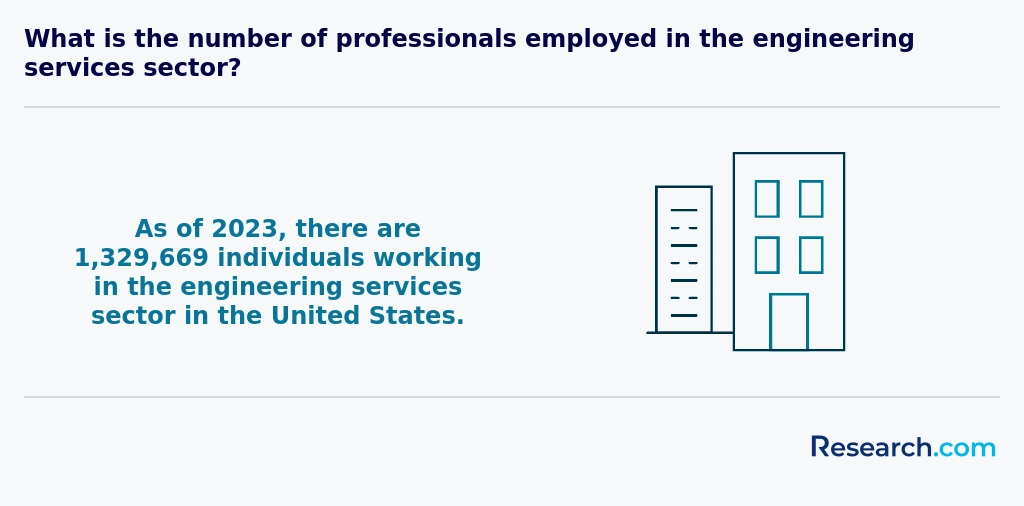
Earning an engineering degree in Atlanta is just the first step-professional certifications and ongoing education can significantly boost your credibility and marketability. For those pursuing licensure, the Fundamentals of Engineering (FE) exam, typically taken in the final year of a bachelor’s program, lays the groundwork for the Professional Engineer (PE) license. Atlanta graduates often enroll in review courses offered by local chapters of the National Society of Professional Engineers (NSPE) to maximize their exam pass rates. Beyond licensure, specialized certifications demonstrate expertise in high-demand areas. Cloud computing skills are increasingly essential across all engineering disciplines, and obtaining credentials such as AWS Certified Solutions Architect or Microsoft Certified: Azure Engineer Associate can set you apart. To explore paths for cloud-focused professionals, check out how to start as a cloud engineer and discover the learning resources tailored to engineers. Other valuable certifications include Certified Manufacturing Engineer (CMfgE) offered by the Society of Manufacturing Engineers and Project Management Professional (PMP) from the Project Management Institute. These credentials validate your abilities in specialized domains and project leadership-skills that Atlanta employers actively seek. Engaging in workshops, seminars, and online courses keeps your knowledge current with emerging technologies like additive manufacturing, renewable energy systems, and AI-driven design tools. Many Atlanta institutions, including Georgia Tech Professional Education, provide short courses and micro-credentials that align with industry trends. By prioritizing certifications and lifelong learning, engineers in Atlanta not only enhance their earning potential but also ensure they remain competitive in a rapidly evolving job market.
When engineering students in Atlanta confront the financial demands of their degrees, they soon discover how pivotal federal aid can be. Graduates from Georgia Institute of Technology often recall how completing the FAFSA unlocked access to Pell Grants, easing their tuition worries by thousands annually. This isn't just theory; it's real relief felt in dorm rooms and study lounges.
Merit-based scholarships at Atlanta's engineering schools transform academic excellence into tangible support. Many students at Georgia Tech and other institutions report how these scholarships turned what felt like an insurmountable cost into a manageable investment, encouraging them to pursue ambitious projects without financial fear.
State aid, such as the HOPE Scholarship, funded by the Georgia Lottery, proves to be a lifeline for in-state students maintaining strong grades. Experienced engineering students share that this award often shifts their mindset from cost concerns to opportunity, fueling persistence through tough coursework.
Beyond these, work-study programs and employer tuition reimbursement offer pragmatic ways to juggle work and study. Graduates tell of balancing internships in Atlanta's vibrant tech scene while offsetting expenses, underscoring how local industries actively support future engineers.
Cloud engineering has rapidly become one of the most sought-after specializations for engineering graduates in Atlanta, driven by the city’s booming tech sector and the ever-growing demand for scalable, secure infrastructure. As organizations migrate their operations to platforms like AWS, Azure, and Google Cloud, cloud engineers are tasked with designing, deploying, and managing these environments. According to recent industry reports, cloud computing roles in Atlanta have seen a year-over-year growth of 30%, with entry-level salaries starting around $85,000 and senior positions exceeding $140,000 annually. Many local institutions now offer dedicated coursework and labs focused on cloud architecture, serverless computing, and containerization. For example, Georgia Tech’s elective in Cloud Infrastructure blends theoretical foundations with hands-on projects, while Kennesaw State University partners with industry leaders to provide real-world internships. To stand out, prospective cloud engineers should pursue vendor-neutral certifications such as Certified Cloud Security Professional (CCSP) and platform-specific credentials like AWS Certified Solutions Architect or Microsoft Certified: Azure Solutions Architect Expert. These certifications validate your skills in designing resilient cloud systems and are often prerequisites for top roles. Moreover, soft skills-such as collaboration on cross-functional teams and strong problem-solving-are critical, given the iterative feedback culture in cloud deployment projects. If you’re exploring pathways into this dynamic field, how to start as a cloud engineer offers a step-by-step guide to charting your entry, from selecting the right certifications to building a portfolio of real-world cloud deployments.
To enroll in an engineering degree program in Atlanta, prospective students quickly learn that simply loving math and science isn't enough. Graduates from Georgia Tech and Georgia State University often reflect on how their high school courses laid the essential groundwork-subjects like calculus, chemistry, and physics weren't just boxes to check but powerful tools that shaped their confident entry into demanding engineering classes.
Many share stories of how maintaining a B or higher in these courses wasn't just about grades, but about proving to themselves they could handle complex problem-solving under pressure. It's no surprise that institutions like Georgia Tech highlight average SAT scores around 1460, underscoring a competitive academic environment that challenges applicants to push their limits.
Beyond academics, real talk from recent graduates reveals the value of recommendation letters and personal essays. These aren't mere formalities; they capture the drive and curiosity behind the applicant's desire to engineer change, echoing the passion shared at orientation sessions that many Atlanta programs require.
For those transferring or seeking a smoother transition, introductory courses in engineering or computer science emphasize the need to hit the ground running-because, in Atlanta's rigorous programs, early preparation often means avoiding costly delays.
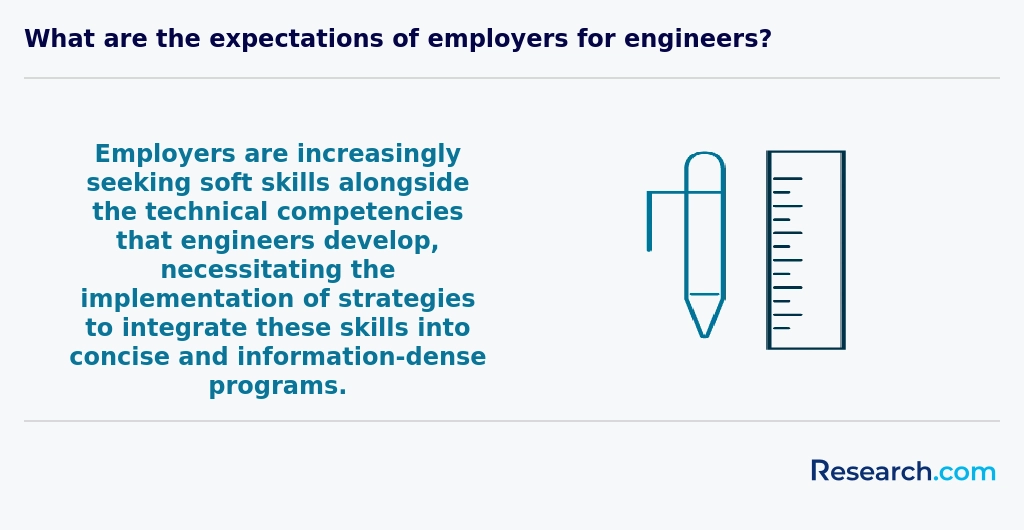
Courses in engineering programs in Atlanta defy the notion that engineering is purely abstract or textbook-driven. Graduates from institutions like Georgia Institute of Technology recall tackling real-world scenarios right from courses such as Statics and Dynamics, where analyzing forces acting on bridges or vehicles made theoretical concepts vividly tangible. These classes aren't just academic exercises - they mold practical problem-solving skills essential for thriving in Atlanta's bustling industries.
Core courses such as Calculus, Physics, and Chemistry provide a rigorous mathematical and scientific foundation, but it's the specialized subjects where the experience truly resonates. Civil engineering students, for instance, often find Materials Science profoundly engaging when they study the durability of metals used in Atlanta's infrastructure projects. Meanwhile, Electrical Engineering grads highlight Circuit Analysis and Electronics as pivotal, linking classroom work to innovative technologies powering the city's tech hubs.
Programming and Software Development courses transcend their technical rigor by enabling collaboration on real engineering projects, echoing the teamwork and creativity demanded by employers in Atlanta's competitive landscape. The blend of theory and hands-on learning experienced by these students often transforms intimidation into excitement, sparking an enduring passion for engineering challenges.
Engineering degree specializations in Atlanta span a landscape as diverse as the city itself, challenging the notion that engineering is one-size-fits-all. Consider the graduates from Atlanta's top universities who thrive in Civil Engineering, shaping the skyline and vital infrastructure, reflecting the city's relentless growth. Mechanical Engineering students often share stories of designing versatile systems that transition seamlessly from Atlanta's bustling manufacturing plants to emerging tech startups.
Among the Atlanta engineering program focus areas, Electrical and Computer Engineering stand out, especially given the city's rise as a technology hub. Graduates describe the thrill of working on cutting-edge electrical systems and integrated circuits, experiences that prepare them to innovate in real-world environments. Industrial and Environmental Engineering students frequently engage with local industries to develop sustainable and efficient processes, grounding their education in Atlanta's unique economic and environmental challenges.
Multidisciplinary programs in Atlanta also encourage students to explore intersections between engineering and business or IT. For those curious about how to begin this journey, exploring how to start as a cloud engineer is often a helpful first step, blending traditional engineering knowledge with future-oriented skills.
Choosing the best engineering degree in Atlanta means looking beyond rankings and reputations to ask what truly fits your aspirations and lifestyle. Graduates from Georgia Tech often highlight how its ABET-accredited curriculum challenged them through hands-on research and tight industry ties, making abstract theories feel like real-world tools. Yet, others found solace in private colleges offering emerging specializations like biomedical engineering, where smaller class sizes fostered personal mentorship. If you're drawn to tangible opportunities, consider how Atlanta's tech hubs and manufacturing sectors enrich practical learning via internships-these experiences aren't just resume fillers, but moments that solidify your confidence and career clarity.
Affordability also reshapes choices. Many students balance dreams with budgets, navigating options between Georgia Tech's public tuition and pricier private programs. For those needing guidance, reviewing the Inexpensive Engineering Degree Programs Ranking in Tennessee can spark ideas on where to find quality without excess cost. Ultimately, asking what kind of engineer you want to become-and where Atlanta's unique job market meets your interests-sets you on the path to a fulfilling education and career.
Exploring the broad range of specialization options at Atlanta's institutions helps align your passion with opportunity. Whether civil, electrical, or cutting-edge environmental engineering, choosing a field tied to local industry demands fuels motivation and job prospects. The notion of "best engineering degree programs in Atlanta" becomes personal when you imagine yourself immersed in labs, collaborating with faculty leading innovations, or joining student organizations that feel like a second family.

Engineering degree graduates in Atlanta discover a spectrum of dynamic career paths shaped by the city's diverse economy. Those emerging from institutions like Georgia Tech often enter aerospace engineering, engaging with giants such as Delta Air Lines, where hands-on aircraft design challenges evoke a deep sense of accomplishment and innovation. Civil engineering graduates witness their work transform rapidly growing neighborhoods through projects like the Atlanta BeltLine, experiencing firsthand the lasting impact of their designs on community infrastructure. For students passionate about mechanical systems, Atlanta's thriving automotive and manufacturing sectors offer environments buzzing with creative problem-solving, turning theoretical skills into real-world automation success stories. The surge in tech startups in Atlanta also means electrical and computer engineering graduates find themselves at the heart of developing smart technologies, fueling excitement about their role in shaping the future. Biomedical engineering roles in healthcare innovation spark hope and pride, reflecting the city's commitment to sustainability. Students navigating engineering career opportunities in Atlanta often justify the rigorous studies by imagining these diverse, rewarding futures. Discovering the highest paying certificates can further elevate their paths.
The engineering job market in Atlanta is dynamic, driven by industries such as aerospace, civil infrastructure, and manufacturing. Graduates from Georgia Institute of Technology and other local universities frequently share how Atlanta's expanding technology hub offers a tangible rise in opportunities for roles in software and systems engineering. With a projected employment growth rate of about 7%, higher than the national average, the city presents a promising landscape for engineering degree holders aiming to embed themselves in thriving sectors.
Engineering students often report the excitement of internships and co-op programs with major employers like Lockheed Martin and Siemens, which not only build invaluable experience but also frequently translate into competitive salary offers. Speaking of compensation, the Atlanta engineering degree salary outlook is appealing, with median wages around $95,000 annually-encouraging for those balancing educational costs and career ambitions.
For many considering the financial investment, public universities in Georgia keep tuition affordable, allowing students to focus on gaining hands-on skills rather than worrying excessively about debt. Those seeking pathways that fit their pace and commitments often explore options like the easiest master degree programs to enhance marketability. The convergence of steady job growth and manageable education expenses makes Atlanta hard to overlook for emerging engineers.
2027 Most Popular Engineering Degree Programs Ranking in Atlanta
Investing in your education is a significant decision that can shape your professional future, and the Research.com team recognizes the importance of providing trustworthy information for prospective engineering students in Atlanta. To support this decision, we have carefully developed the "2027 Most Popular Engineering Degree Programs Ranking in Atlanta" with a strong emphasis on quality, credibility, and accuracy. Our analysis draws from multiple authoritative sources to offer a comprehensive and reliable overview.
We utilized the following reputable data sources to create this ranking:
By consulting this ranking, readers will gain valuable insights into the most popular engineering degree programs in Atlanta, empowering them to make well-informed educational choices. For a detailed explanation of our process, please visit our Research.com methodology page.


Frequently Asked Questions About engineering
Engineering students in Atlanta can maximize their learning experience by actively engaging with the city's vibrant industry network. Atlanta is home to major engineering employers such as Delta Air Lines and Coca-Cola, offering valuable internship and co-op opportunities that enhance practical skills. According to the Georgia Department of Economic Development, over 25,000 jobs relate to engineering fields in the metro area, providing a rich job market for experience while studying.
Students should also take advantage of Atlanta's multiple accredited programs, including those at Georgia Tech, which frequently ranks among the top engineering schools nationally. Participating in research projects there can deepen understanding and innovation skills.
Joining local engineering societies or student chapters like the American Society of Civil Engineers (ASCE) in Atlanta fosters networking and professional development. These groups often host workshops, lectures, and career fairs tailored to engineering students.
Finally, leveraging Atlanta's tech incubators and startup culture can expose students to real-world challenges and the latest technologies, driving practical problem-solving abilities beyond classroom learning.
The engineering field in Atlanta is evolving rapidly, with several emerging niches gaining traction. Among these, sustainable engineering is prominent, driven by Atlanta's commitment to green infrastructure and renewable energy projects. Many local universities report increasing enrollment in environmental and civil engineering programs focused on sustainability.
Another growing area is biomedical engineering, supported by Atlanta's expanding healthcare and biotechnology sectors. This niche combines engineering principles with medical sciences to develop innovative health technologies.
Additionally, data engineering and artificial intelligence integration are becoming critical skills, reflecting the city's strong tech industry growth. According to the Georgia Department of Labor, jobs in software-related engineering fields are expected to grow by over 15% through 2028 in Atlanta.
After completing an engineering degree in Atlanta, preparing for the job market involves building both technical skills and professional networks. Atlanta hosts a growing engineering sector, with industries like aerospace, automotive, and information technology driving demand. According to the Georgia Department of Labor, engineering jobs in the Atlanta metro area increased by 6% from 2020 to 2023.
Graduates should seek internships or co-op programs during their studies, as these experiences significantly improve employment prospects. Joining local professional organizations such as the Atlanta chapter of the American Society of Mechanical Engineers (ASME) can also provide valuable networking opportunities and industry insights.
Additionally, obtaining certifications relevant to your engineering discipline-like the Fundamentals of Engineering (FE) exam-can be essential. Soft skills such as communication, teamwork, and project management are increasingly important for engineering roles in Atlanta's competitive job market.
Employers in Atlanta seek engineering graduates with a strong mix of technical and soft skills. According to the Georgia Department of Economic Development, proficiency in software tools like AutoCAD, MATLAB, and Python ranks highly. Knowledge of data analysis and project management is also critical for many engineering roles due to Atlanta's growing tech and manufacturing sectors.
Strong communication skills, particularly the ability to present complex ideas clearly, are vital. Collaboration within multidisciplinary teams is common in Atlanta's aerospace and civil engineering industries, making teamwork essential. Additionally, employers value problem-solving skills and adaptability to new technologies or regulations. These competencies help graduates effectively contribute to Atlanta's competitive engineering job market.
Finding internships in Atlanta relevant to an engineering degree involves leveraging local resources and industry connections. Atlanta is a growing tech and manufacturing hub, housing companies like Delta Air Lines, Lockheed Martin, and Siemens, which often offer engineering internships. According to the Georgia Department of Economic Development, STEM jobs in Atlanta grew by 18% between 2015 and 2022, increasing internship opportunities. Students should explore college career centers, which connect them with regional employers and host job fairs. Websites like Handshake and Georgia Tech's Career Center are vital platforms for internship listings. Networking through the Metro Atlanta Chamber and professional engineering societies also helps secure positions.
In Atlanta, earning an engineering degree significantly boosts career mobility and advancement opportunities. The city's growing technology and manufacturing sectors demand skilled engineers, making degrees in fields such as civil, mechanical, and electrical engineering highly valued by employers. According to the U.S. Bureau of Labor Statistics, engineering jobs in Atlanta are projected to grow by 9% between 2022 and 2032, faster than the national average.
Graduates with engineering degrees often start with competitive salaries that increase as they gain experience and certifications. The Georgia Department of Labor reports an average annual wage of $86,000 for engineers in Atlanta, indicating strong financial incentives for degree holders.
Moreover, many Atlanta-based companies prefer candidates with accredited engineering degrees for leadership and project management roles, enhancing upward career movement potential.
Studying for an engineering degree in Atlanta offers a strong foundation for interdisciplinary roles by integrating technical skills with practical, real-world applications. Many Atlanta universities emphasize collaboration across fields like computer science, business, and environmental studies, reflecting the city's diverse industrial base. According to the Georgia Institute of Technology, about 30% of engineering students participate in cross-disciplinary research projects, fostering teamwork and innovation.
Atlanta's growing sectors-such as aerospace, logistics, and healthcare technology-require engineers who understand multiple domains. This encourages programs to include courses on project management, communication, and technology integration. The city's proximity to major companies allows students to engage in internships and cooperative education, gaining experience that blends engineering with other business or scientific areas.
Choosing between a thesis and a non-thesis engineering degree program in Atlanta depends on your academic and career goals. Thesis programs emphasize research, requiring students to complete a substantial original project, which can be beneficial for those considering a PhD or R&D roles. In Atlanta, schools like Georgia Tech offer strong research opportunities reflecting the city's robust engineering sector.
Non-thesis options focus more on coursework and practical skills, suitable for professionals aiming to advance in industry or management without engaging in research. According to the National Center for Education Statistics, about 40% of engineering master's students nationwide choose non-thesis tracks, highlighting their popularity.
Consider your long-term plans, available time, and interests when making your choice.
Students based in Atlanta who want to study engineering abroad have several options through established university partnerships and exchange programs. Many institutions, such as Georgia Tech, offer dual-degree or study-abroad opportunities with schools in Europe and Asia. These programs allow students to complete part of their engineering curriculum abroad while receiving credit toward their degree.
According to the Institute of International Education, over 8% of U.S. engineering students participate in study-abroad programs, primarily in countries like Germany, the UK, and China. For Atlanta students, access to these global engineering hubs can expand practical skills and cultural experience.
Additionally, some Atlanta universities coordinate internships and research collaborations overseas, giving students further hands-on international exposure in fields like aerospace, civil, and electrical engineering.
Part-time job opportunities in Atlanta that complement an engineering degree are diverse and align well with the city's robust technology and manufacturing sectors. Many students find internships or entry-level roles in engineering firms, such as Jacobs or Fluor Corporation, which have offices in Atlanta. These positions provide hands-on experience in civil, mechanical, and electrical engineering.
Technical support positions at companies like Honeywell or Delta Air Lines also offer valuable practical exposure. According to the Georgia Department of Labor, STEM-related part-time jobs in Atlanta grew by 12% in 2023, reflecting strong demand for engineering skills.
Additionally, roles such as CAD drafting assistants or lab technicians at local universities can help students sharpen essential technical skills while studying.
Engineering students in Atlanta benefit from numerous networking opportunities through local universities and professional organizations. Institutions like Georgia Institute of Technology host regular career fairs and industry panels, attracting over 300 employers annually, which provide students direct access to internships and job placements.
The city is home to active chapters of national engineering societies such as the American Society of Mechanical Engineers (ASME) and the Institute of Electrical and Electronics Engineers (IEEE). These groups offer workshops, mentorship programs, and networking events tailored for students.
Additionally, Atlanta's growing tech hub and manufacturing sectors create informal networking spaces, with meetups and innovation competitions frequently hosted. According to the Metro Atlanta Chamber, over 50% of STEM companies engage with local universities, fostering strong student-employer connections.
Alumni networks play a critical role in supporting engineering degree students in Atlanta by providing access to professional connections and mentorship. Many Atlanta universities, such as Georgia Tech, have extensive engineering alumni communities that offer students guidance on career paths and industry trends. According to the Georgia Institute of Technology Alumni Association, over 80% of engineering graduates find internships and job opportunities through these networks.
Networking events and online platforms connect current students with seasoned professionals, enhancing job prospects in Atlanta's growing tech and manufacturing sectors. This support often leads to higher employment rates and valuable real-world insights for students preparing to enter the workforce.
Students pursuing engineering degrees in Atlanta have several options to tailor their programs to align with career goals. Many institutions offer concentrations or tracks within engineering fields such as civil, mechanical, electrical, and aerospace, allowing specialization. Elective courses provide flexibility to explore emerging areas like renewable energy or data analytics. Internship and co-op opportunities with Atlanta-based companies, including major aerospace firms and tech startups, enhance practical experience. Additionally, students can engage in research projects or certificate programs that complement their degree. According to the Georgia Institute of Technology's career services, over 70% of engineering students complete internships, improving job readiness.
Engineering students in Atlanta often face significant challenges related to academic rigor and time management. Programs at institutions like Georgia Tech, a top-ranked engineering school, are known for their demanding coursework, which requires strong problem-solving skills and long study hours. According to the National Center for Education Statistics, engineering majors nationwide have one of the highest dropout rates, reflecting these difficulties.
Financial strain is another common issue. Many students rely on scholarships and loans, yet rising tuition costs in Atlanta's urban setting can add stress. Additionally, securing internships in competitive industries such as aerospace and technology requires proactive networking and experience.
Lastly, balancing hands-on lab work with theoretical learning is a complex task, particularly in STEM-focused programs popular in Atlanta's tech-driven economy.
With an engineering degree in Atlanta, you can pursue several respected professional certifications to boost your career. One of the most recognized is the Professional Engineer (PE) license, which allows engineers to legally sign off on projects and increase their earning potential. To earn a PE license, you must pass the Fundamentals of Engineering (FE) exam and gain relevant work experience. In Atlanta, the Georgia Board of Professional Engineers oversees this process.
Other certifications like the Certified Manufacturing Engineer (CMfgE) and Project Management Professional (PMP) are valuable for engineers seeking specialization. According to the National Society of Professional Engineers, nearly 30% of Georgia engineers hold a PE license as of 2023.
These certifications reflect both professional credibility and technical expertise, important in a competitive market like Atlanta's engineering industry.
To write a winning application for an engineering program in Atlanta, start by showcasing strong academic records, particularly in math and science. Most universities, including Georgia Tech and Georgia State, place significant emphasis on GPA and standardized test scores such as the SAT or ACT. Highlighting relevant extracurriculars like robotics clubs or internships strengthens your profile.
Tailor your personal statement to reflect your passion for engineering and why you chose Atlanta's programs, mentioning the city's growing tech industry and research opportunities. According to the National Center for Education Statistics, over 2,000 engineering degrees were awarded in Atlanta-area institutions in 2022, indicating competitive demand.
Letters of recommendation from teachers familiar with your STEM skills are essential. Finally, ensure your application is error-free and submitted before deadlines, as timeliness is critical to admissions success.
Engineering careers in Atlanta are influenced by global trends that emphasize innovation, sustainability, and technological advancement. The city's engineering workforce is steadily growing, with the U.S. Bureau of Labor Statistics projecting a 7% increase in engineering jobs nationwide from 2021 to 2031. Georgia Tech, a leading research university in Atlanta, plays a crucial role in preparing students to meet global engineering challenges through cutting-edge research and international collaborations.
Global perspectives highlight the importance of cross-disciplinary skills and adaptability. Engineers in Atlanta often engage in sectors like aerospace, manufacturing, and energy, which require knowledge of global standards and practices. According to data from the National Science Foundation, approximately 30% of engineering students in Georgia participate in study-abroad programs or international internships, enhancing their readiness for global careers.
Finally, advanced degrees and certifications obtained in Atlanta are widely recognized internationally, facilitating career mobility. This alignment with global engineering education frameworks supports students aiming for employment opportunities worldwide.
Students pursuing engineering degrees in Atlanta can gain practical experience through several well-established pathways. Many universities, such as Georgia Institute of Technology, encourage internships and cooperative education (co-op) programs with local companies. These opportunities allow students to work on real projects while earning academic credit.
Atlanta's strong engineering job market, especially in aerospace, manufacturing, and technology sectors, supports an active internship culture. According to Georgia Tech Career Center data, over 60% of engineering students secure internships before graduation.
Additionally, participating in student-led engineering clubs and competitions, such as those hosted by the American Society of Mechanical Engineers (ASME), offers hands-on exposure to design and problem-solving.
Job fairs and networking events hosted by local engineering organizations also provide valuable connections to experienced professionals and potential employers.
Choosing the right concentration within an engineering degree program in Atlanta involves considering several key factors. First, research the local job market-Atlanta's tech and manufacturing sectors heavily demand skills in software, electrical, and industrial engineering, according to the Georgia Department of Labor. Next, evaluate your personal interests and strengths; hands-on fields like civil or mechanical engineering suit those enjoying physical problem-solving, while those strong in math might prefer electrical or aerospace engineering.
Look at the program offerings at Atlanta's accredited schools such as Georgia Tech or Georgia State University to see which specializations align with industry trends. Internships and co-op programs in Atlanta companies can also provide valuable insights and experience.
- 2027 Most Popular Engineering Degree Programs Ranking in Birmingham
- 2027 Most Popular Engineering Degree Programs Ranking in Huntsville
- 2027 Most Popular Engineering Degree Programs Ranking in Nashville
- 2027 Most Popular Engineering Degree Programs Ranking in Tallahassee
- 2027 Most Popular Engineering Degree Programs Ranking in Jacksonville
- 2027 Most Popular Engineering Degree Programs Ranking in Daytona Beach
- 2027 Most Popular Engineering Degree Programs Ranking in Orlando
- 2027 Most Popular Engineering Degree Programs Ranking in Dayton
- 2027 Most Popular Engineering Degree Programs Ranking in New Orleans
- 2027 Most Popular Engineering Degree Programs Ranking in Baton Rouge
See What Experts Have To Say About Studying Engineering
Read our interview with Engineering experts

Bohdan W. Oppenheim
Engineering Expert
Professor Emeritus of Healthcare Systems Engineering
Loyola Marymount University


Joseph Reichenberger
Engineering Expert
Professor of Civil Engineering & Environmental Science
Loyola Marymount University

- The Rise of the Niche Engineer https://www.sterling-engineering.com/niche-engineer/
- 6+ Engineering Cover Letter Examples (with In-Depth Guidance) https://www.tealhq.com/cover-letter-examples/engineering
- targetjobs https://targetjobs.co.uk/careers-advice/engineering/what-skills-do-engineering-employers-look
- 14 Engineering Schools in Georgia (GA) | 40+ Degrees https://typesofengineeringdegrees.org/schools/georgia/
- Julie Mowatt https://www.nspe.org/career-growth/pe-magazine/may-2019/survey-provides-global-perspective-engineering
- Engineering Internships: Find 1037 Engineering Intern Jobs https://internshala.com/internships/engineering-internship/
- WHAT EMPLOYERS ARE LOOKING FOR – Career Connections Center | Milwaukee School of Engineering https://www.msoecareerconnections.com/channels/what-employers-are-looking-for/
- Top Certification Courses for Advancing Engineering Careers - IJOER Engineering Journal Blog https://ijoer.com/blog/top-certification-courses-for-advancing-engineering-careers
- Engineering Educational and Career Goals: 6 Reasons Why Continuing Your Engineering Education Advances Your Career https://www.pdh-pro.com/pe-resources/engineering-educational-and-career-goals-6-reasons-why-continuing-your-engineering-education-advances-your-career/
- Free Tuition – TCSG | Technical College System of Georgia https://www.tcsg.edu/free-tuition/