
2027 Most Popular Engineering Degree Programs Ranking in Pennsylvania

Co-Founder and Chief Data Scientist
Choosing the right engineering degree program can shape your future career and open doors to exciting opportunities. This article introduces the 2027 Most Popular Engineering Degree Programs Ranking in Pennsylvania, created by the Research.com team of data scientists.
Designed to help you make an informed decision, the ranking highlights top programs across the state that align with current industry demands and student success.
Whether you're passionate about innovation or practical problem-solving, earning an engineering degree can provide a rewarding path filled with growth and achievement.
Key benefits of getting engineering degree in Pennsylvania
- Engineering graduates in Pennsylvania can earn strong salaries, such as Mechanical Engineers averaging $105,220 annually and Electrical Engineers earning about $117,680 per year, offering financial stability and rewarding career options.
- A graduate from Pennsylvania State University with an engineering degree often finds diverse career paths in industries like manufacturing, civil infrastructure, and technology, allowing flexibility and growth in their profession.
- Completing an engineering degree online through a school like Drexel University can provide convenience, allowing students to balance work and study while accessing excellent resources and networking opportunities.
- 2027 Most Popular Engineering Degree Programs Ranking in Pennsylvania
- What can I expect from engineering degree in Pennsylvania?
- Where can I work with engineering degree in Pennsylvania?
What can I expect from engineering degree in Pennsylvania?
Understanding the average cost of an engineering degree in Pennsylvania can shape your expectations and planning. Graduates from well-known schools like Pennsylvania State University or Carnegie Mellon often share how tuition, fees, and living expenses combined to around $25,000 to $40,000 per year, depending on whether they were in-state or out-of-state students. Many recall balancing this investment with scholarships, work-study jobs, or co-op programs that provided meaningful income and valuable experience.
Aside from tuition, students factor in costs for books, supplies, and commuting, especially those attending urban campuses such as the University of Pennsylvania. Practical aspects like these often surprise newcomers but become manageable through careful budgeting and university resources. Importantly, most engineering students appreciate Pennsylvania's strong network of internships and industry partnerships, which can ease financial pressure while enhancing career prospects.
Despite the cost, many graduates describe their degree as a rewarding investment, fueled by growth opportunities in fields like biomedical or software engineering, where Pennsylvania thrives. Their advice often encourages embracing available financial aid and leveraging local employment connections to make the journey sustainable and fulfilling.
Where can I work with engineering degree in Pennsylvania?
Graduates with an engineering degree from universities like Penn State or the University of Pennsylvania often find themselves in a diverse job market across Pennsylvania. Many enter the thriving manufacturing sector, designing and improving products in aerospace, automotive, or electronics industries-fields where real-world challenges push their skills. Some have shared how working on collaborative projects in these industries builds confidence and professional growth quickly.
Others discover rewarding roles in energy companies around the Marcellus Shale region, focusing on natural gas infrastructure or renewable energy solutions. The satisfaction of contributing to cleaner energy or optimizing production resonates deeply with graduates pursuing environmental impact through engineering.
Urban hubs such as Philadelphia and Pittsburgh offer vibrant opportunities in technology-driven sectors. Graduates engaged with robotics or software development often describe the excitement of innovating in fields like cybersecurity or biomedical devices, carving out niche roles shaped by Pennsylvania's evolving tech scene.
Many civil engineering graduates find steady, meaningful employment in public infrastructure projects, working alongside PennDOT to design and maintain critical transportation networks. These day-to-day experiences give a tangible sense of contributing to the community's growth and safety.
Finally, those inclined towards research thrive in academic settings where they apply their engineering knowledge to groundbreaking projects. The blend of teaching and innovation at renowned institutions provides a unique career path that balances intellectual curiosity with practical impact.
Graduates from engineering programs at Pennsylvania's well-regarded institutions, such as Penn State and the University of Pittsburgh, often reflect on their financial futures with a blend of pride and optimism. For those entering the field, a mechanical engineer can anticipate a mean annual wage around $105,220, a figure that clearly highlights the value of their degree in the state's thriving industries.
Electrical engineers, benefiting from Pennsylvania's expanding tech hubs, see even more encouraging numbers, with a mean annual salary near $117,680. Graduates working in civil engineering also do well, earning approximately $101,160 yearly, demonstrating steady demand for infrastructure expertise across urban and rural areas.
This earning potential aligns closely with what graduates recall during their studies-balancing hard work and persistence at universities renowned for strong engineering departments. The data offers reassurance: with dedication, Pennsylvania engineers build rewarding careers, supported by a diverse industrial landscape that values their skills and education.
- In-state tuition for public universities in Pennsylvania ranges from $10,000 to $18,000 per year, while private schools charge between $30,000 and $45,000 annually.
- Additional costs such as books, supplies, and living expenses can add several thousand dollars yearly to the total cost of an engineering degree.
- Pennsylvania employs over 125,000 engineers across various fields, supported by industries like manufacturing, energy, and IT.
- Starting salaries for engineering graduates typically fall between $60,000 and $70,000 per year, with mid-career salaries exceeding $95,000 depending on experience and specialization.
- ABET accreditation is important, as many employers in Pennsylvania prefer candidates with degrees from accredited programs.
Completing an engineering degree in Pennsylvania generally takes about four years when pursuing a traditional Bachelor of Science in Engineering at universities like Penn State or the University of Pittsburgh. Many graduates recall the intense but rewarding rhythm of these semesters, where sticking closely to a recommended course plan was key to finishing on time. However, it's common to find peers who took up to five or six years, especially when balancing part-time jobs or exploring internships.
Students at schools like Drexel often share that cooperative education programs add valuable real-world experience but may extend the degree timeline slightly. This blend of academics and hands-on learning enriches understanding, making the extra time feel worthwhile rather than burdensome.
Those enrolled in dual-degree options or specialized tracks sometimes need more time, but the sense of accomplishment in mastering complex material-with support from academic advisors-is a frequent highlight of their journey.
Gaining a degree in engineering is not just about mastering technical skills-it’s also about building effective study habits, expanding your professional network, and staying adaptable to emerging technologies. To thrive in your program and transition smoothly into the workforce, consider these actionable tips: • Prioritize Time Management: Create a structured study schedule that balances coursework, lab sessions, and group projects. Consistent planning will help you manage deadlines and reduce stress during exam periods. • Engage in Networking: Participate actively in workshops, student clubs, and industry conferences. These opportunities provide valuable connections and mentorship that can lead to internships and job placements. • Seek Budget-Friendly Opportunities: While exploring your education options, don’t overlook programs that offer competitive tuition rates along with robust academic experiences. For instance, you may want to check out the cheapest engineering programs in pennsylvania to optimize your investment without compromising on quality. • Develop Soft Skills: Technical proficiency is essential, but cultivating strong communication, teamwork, and problem-solving abilities will set you apart in a competitive job market. Practice these skills during group assignments and networking events. • Leverage University Resources: Take full advantage of career centers, research labs, and tutoring services your institution provides. These resources not only support your academic journey but also prepare you for industry challenges. By integrating these strategies into your educational plan, you can enhance your learning experience, boost your employability, and position yourself for long-term success in the ever-evolving field of engineering.
Choosing between online and on-campus engineering degrees in Pennsylvania often comes down to how you value hands-on experience and flexibility. Graduates from Penn State's on-campus programs often recall the energized atmosphere of campus labs, where working alongside peers and professors fostered deep technical skills and lasting professional bonds. This direct engagement with physical equipment in workshops especially benefits those pursuing mechanical or civil engineering.
Meanwhile, many students from Pennsylvania State University's World Campus appreciate the freedom online programs offer, enabling them to balance jobs and family while earning a degree. They describe virtual simulations as a helpful, though different, way to build practical skills, even if it lacks the tactile depth of in-person labs.
Both paths are accredited and respected within the state, but the richer face-to-face interactions on campus often translate into stronger networks. On the other hand, online students enjoy notable savings and flexible pacing, a comfort highlighted by those juggling multiple responsibilities.
The average cost of earning an engineering degree in Pennsylvania typically centers around $40,000 for in-state students, reflecting tuition and fees accumulated over four years. Many graduates from well-known universities experience this as a manageable investment, especially when factoring in financial aid and scholarships aimed at supporting STEM students. Out-of-state students often face a notably higher expense, with costs commonly approaching $58,000 or more. This difference can impact decision-making, particularly when considering private versus public institutions.
Students at popular engineering schools in Pennsylvania often share that, beyond tuition, program-specific fees and living expenses shape their budget. For example, laboratory fees and technology costs can add several thousand dollars annually, making it essential to plan realistically. Living in cities such as Philadelphia or Pittsburgh tends to increase personal expenses compared to those at smaller campuses, adding another layer to the total cost of education.
Those exploring the average cost of engineering degree in Pennsylvania should also consider that the true financial picture includes books, transportation, and housing, which fluctuate based on campus location. Graduates often reflect on how managing these costs alongside studies promotes strong budgeting skills. For students seeking more affordable options, researching the cheapest engineering programs in pennsylvania has proven invaluable and can reveal surprising opportunities to reduce expenses without compromising on quality.
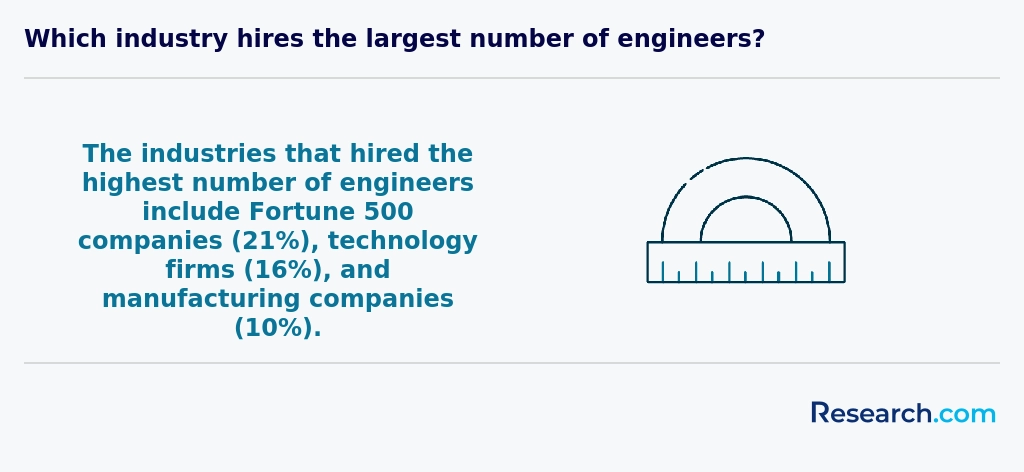
As technology advances at an unprecedented pace, Pennsylvania’s engineering students have the opportunity to specialize in cutting-edge disciplines that promise robust career growth and innovation. Fields such as artificial intelligence, machine learning, renewable energy systems, and biomedical engineering are reshaping industry standards and academic curricula alike. By staying informed about these emerging areas, you can align your education with the skills employers seek and future-proof your career. One of the fastest-growing specialties is machine learning engineering, where professionals build models that enable computers to learn from data and make predictions. Salaries for entry-level machine learning engineers often surpass those of traditional roles, reflecting high demand across sectors like finance, healthcare, and autonomous vehicles. If you’re evaluating the investment required, check out our detailed breakdown of how much does it cost to become a machine learning engineer-from tuition and certification fees to recommended boot camps and online courses. Renewable energy engineering is another field gaining traction as Pennsylvania transitions toward cleaner power sources. Programs focusing on solar, wind, and energy storage systems offer hands-on lab experiences and collaborations with local utilities, giving graduates a competitive edge in sustainability initiatives. Similarly, biomedical engineering continues to expand, driven by innovations in medical devices, tissue engineering, and diagnostic instrumentation-areas where Pennsylvania’s research universities excel. To capitalize on these trends, look for degree programs that integrate multidisciplinary projects, offer specialized electives, and maintain strong ties with industry partners. Seek out internships, co-op placements, and research opportunities in emerging fields to build a portfolio that demonstrates both deep technical expertise and practical problem-solving skills. By choosing programs aligned with future-oriented engineering domains, you’ll position yourself at the forefront of innovation and secure a rewarding career path.
Engineering students in Pennsylvania often find their academic journey made possible through diverse financial aid options that ease the burden of high tuition and living costs. Graduates from institutions like Penn State and the University of Pittsburgh recall how crucial scholarships and grants were in their ability to focus on challenging coursework without overwhelming financial stress. For many, the Pennsylvania State Grant provided vital support, delivering up to $5,000 annually based on demonstrated need, which made attending a reputable public university a realistic goal.
Federal aid through FAFSA opens doors to Pell Grants and subsidized loans, which, while requiring careful repayment planning, offer necessary funding when scholarships fall short. The experience of engineering students often highlights the relief of receiving merit-based scholarships targeting STEM fields, such as those issued by the Pennsylvania Targeted Industry Program or the Pennsylvania Society of Professional Engineers, which reward persistence and academic excellence.
These layers of aid create a mosaic of opportunity. Knowing this, many students feel empowered to pursue demanding engineering degrees in Pennsylvania with confidence, supported by a network of federal, state, and institutional resources tailored to their success.
To embark on an engineering degree in Pennsylvania, students must first secure a solid academic foundation, typically demonstrated by completing high school with strong courses in algebra, geometry, trigonometry, calculus, physics, and chemistry. Graduates from institutions like Penn State often reflect on how mastering these subjects early made their transition into rigorous college coursework smoother and more rewarding.
Standardized tests such as the SAT or ACT remain part of the process, although many schools like the University of Pittsburgh have adopted test-optional policies recently. Still, those who submitted high SAT math scores frequently felt a surge of confidence, knowing their applications stood out. Beyond numbers, letters of recommendation and personal statements reveal an applicant's passion and problem-solving mindset, qualities fellow students often credit for their success.
Financial preparedness is also essential, with tuition for in-state engineering programs ranging from $15,000 to $25,000 annually. Community colleges provide a valuable alternative path, where many prospective engineers build their skills before transferring to four-year universities.

Engineering degree programs in Pennsylvania typically immerse students in a blend of foundational and specialized courses that build both knowledge and confidence. Graduates from institutions like Penn State or the University of Pittsburgh often reflect on how mastering calculus, differential equations, and linear algebra grounded their problem-solving skills in real-world engineering challenges.
Physics and chemistry aren't just abstract theories here-students experience firsthand the principles of mechanics and thermodynamics in lab sessions that bring subjects to life, especially in fields like mechanical or chemical engineering. Those focusing on civil engineering at universities such as Lehigh remember applying structural analysis concepts to design projects simulating local infrastructure needs.
Specialized courses tailored to each major deepen expertise: electrical engineering students study circuits and digital systems, while aerospace enthusiasts explore niche technical classes that ignite their passion. Programming and CAD classes weave through many programs, reflecting how technology shapes modern engineering. This curriculum not only teaches theory but also builds the confidence to innovate in Pennsylvania's competitive job market.
Engineering degree specializations in Pennsylvania offer a rich blend of traditional and cutting-edge fields that prepare students for diverse career paths. Graduates from Pennsylvania State University or Carnegie Mellon often recall how their civil engineering courses, focusing on infrastructure projects like bridges and roads, directly connected to real challenges in cities such as Philadelphia. Mechanical and electrical engineering are highly regarded for their relevance in Pennsylvania's manufacturing and growing tech sectors, providing students with hands-on experiences that deepen their enthusiasm and readiness for innovation.
Many engineering students in the state find themselves drawn to specialized paths like chemical or environmental engineering, reflecting Pennsylvania's industrial heritage and its evolving commitment to sustainability. The best engineering programs Pennsylvania specializations nurture critical thinking and problem-solving skills, often blending classroom theory with practical projects. For those curious about fields merging technology with design, computer engineering stands out, especially given the rising demand in local tech hubs. Understanding how much does it cost to become a machine learning engineer also becomes a natural step in exploring these evolving disciplines.
Choosing the best engineering degree program in Pennsylvania starts with understanding your interests and the specific disciplines offered. Graduates from well-known schools like Pennsylvania State University often reflect on how the variety of programs-from civil to computer engineering-helped them align their studies with career goals. Many highlight the value of attending an ABET-accredited program, which not only ensures a rigorous education but also simplifies the path toward professional licensure and increased job opportunities.
Cost is another important consideration. Graduates from affordable engineering colleges Pennsylvania often appreciate the balance between quality education and manageable tuition costs. They frequently speak of leveraging scholarships and work-study options to ease financial strain over the typical four to five years of study.
Students at leading institutions benefit from strong industry connections, internships, and hands-on labs, which bring coursework to life and boost confidence. Reflecting on experiences at these schools shows how access to co-op programs can transform learning into real-world success. For those curious about advancing quickly, exploring what is the fastest masters degree to get may offer further insights.

Engineering career opportunities in Pennsylvania are diverse, reflecting the state's rich industrial history and evolving tech landscape. Graduates from institutions like Penn State and Carnegie Mellon often find themselves working on real-world projects, from designing infrastructure with PennDOT to innovating in Pittsburgh's robotics and software sectors. Many recall the excitement of collaborating on urban development or participating in internships that connect classroom theory with tangible impact.
Civil engineers contribute significantly to Pennsylvania's infrastructure, handling projects such as roads and bridges, while mechanical engineers thrive in manufacturing hubs, designing critical machinery. Electrical engineers, inspired by the state's energy innovation initiatives, find rewarding roles in telecommunications and power sectors. Meanwhile, chemical engineering graduates frequently join pharmaceutical companies around Philadelphia, embracing roles that blend science with production.
Job prospects for engineering graduates Pennsylvania are strengthened further by pathways like licensure as Professional Engineers (PE), which many pursue to elevate their professional standing. For those considering advanced study, especially balancing time constraints, exploring 2-year phd programs online can be a valuable option to deepen expertise while staying connected to local job markets.
The engineering job outlook Pennsylvania offers remains robust, especially for graduates from well-regarded programs like those at Penn State and Temple University. Many graduates find themselves eagerly stepping into roles within the state's thriving manufacturing hubs such as Pittsburgh and Philadelphia, where mechanical and industrial engineers are in steady demand. One common experience among recent graduates is the satisfaction of seeing their coursework and internships directly translate to career opportunities in these vibrant cities.
Employment opportunities for engineers in Pennsylvania extend beyond traditional sectors. Graduates report exciting challenges in the energy industry, notably around natural gas developments in the Marcellus Shale, and in emerging fields linked to renewable energy and infrastructure modernization. Those who combine engineering knowledge with programming and data analysis skills tend to be highly sought after, reflecting an evolving job market that values interdisciplinary expertise.
Graduates also weigh their career options with an awareness of education costs. With public universities offering competitive tuition, many choose local degrees to keep expenses manageable while entering a market where starting salaries typically range between $70,000 to $75,000. For working students exploring alternatives, programs at low cost online universities for working students present an appealing path that balances affordability with quality education.
2027 Most Popular Engineering Degree Programs Ranking in Pennsylvania
Investing in your education is a significant decision that can shape your future, and the Research.com team understands the importance of making informed choices. To assist prospective students in Pennsylvania, we have meticulously crafted the "2027 Most Popular Engineering Degree Programs Ranking in Pennsylvania." Our commitment to quality, credibility, and accuracy is reflected in the extensive research and analysis conducted to compile this ranking.
We utilized the following reputable data sources to ensure a comprehensive evaluation of engineering degree programs:
By exploring this ranking, readers will gain valuable insights into the most popular engineering degree programs in Pennsylvania, empowering them to make well-informed decisions about their educational paths. For more details on our methodology, please visit our Research.com methodology page.
# 1 position
Pennsylvania State University-Main Campus
Bachelor of Science in Engineering

# 2 position
Pennsylvania State University-Main Campus
Master of Engineering
# 3 position
Pennsylvania State University-Main Campus
Doctor of Philosophy in Engineering Science and Mechanics


# 9 position
University of Pittsburgh-Pittsburgh Campus
Doctor of Philosophy in Mechanical Engineering


Frequently Asked Questions About engineering
Engineering degree students in Pennsylvania can maximize their learning experience by engaging actively with both academic and practical opportunities. Enrolling in accredited programs, such as those approved by ABET, ensures coursework meets national standards. According to the Pennsylvania Department of Education, industry partnerships enhance hands-on learning, so students should seek internships with local companies in sectors like manufacturing, energy, or aerospace.
Joining engineering clubs and professional organizations, such as the Pennsylvania Society of Professional Engineers, provides networking and mentorship opportunities. Additionally, utilizing on-campus resources like research labs and career services can improve skills and job prospects. Statistics from the National Center for Education Statistics show that Pennsylvania awards over 5,000 engineering bachelor's degrees annually, reflecting strong regional emphasis on this field.
Emerging niches within the engineering field in Pennsylvania reflect national trends in technology and industry demands. One rapidly growing area is renewable energy engineering, focusing on solar, wind, and bioenergy systems. Pennsylvania's investment in clean energy projects has increased demand for engineers skilled in these technologies, with the U.S. Bureau of Labor Statistics projecting renewable energy jobs to grow over 15% by 2030.
Another niche is biomedical engineering, boosted by the presence of medical research hubs in Philadelphia and Pittsburgh. This field combines engineering with healthcare innovations such as medical devices and prosthetics. According to the Pennsylvania Department of Labor, biomedical engineering employment is expected to grow faster than average statewide.
Additionally, data science and artificial intelligence have become crucial across all engineering sectors, with Pennsylvania universities integrating these subjects into traditional engineering programs to meet employers' evolving needs.
Preparing for the job market after completing an engineering degree in Pennsylvania involves combining technical skills with practical experience. Many students benefit from internships or cooperative education (co-op) programs, which provide valuable workplace exposure and networking opportunities. According to the Pennsylvania Department of Labor & Industry, internships significantly improve employment prospects in the state's competitive engineering sector.
Licensure is another key step. Passing the Fundamentals of Engineering (FE) exam allows graduates to begin the path toward Professional Engineer (PE) certification, enhancing credentials and job marketability.
Additionally, joining professional associations like the Pennsylvania Society of Professional Engineers offers access to job listings, mentorship, and continuing education resources.
Employers in Pennsylvania value engineering graduates who demonstrate strong technical skills coupled with practical problem-solving abilities. Proficiency in software like AutoCAD, MATLAB, and Python is frequently requested, reflecting the integration of digital tools in engineering tasks.
In addition to technical knowledge, effective communication and teamwork are crucial. According to a 2023 report by the Pennsylvania Department of Labor & Industry, 68% of engineering employers emphasize collaboration skills as a key hiring factor.
Analytical thinking and adaptability also stand out. Graduates able to apply engineering principles to real-world challenges and adapt to evolving technologies are in higher demand across sectors such as manufacturing and energy.
Finding internships in Pennsylvania relevant to an engineering degree involves utilizing multiple resources. Many universities like Penn State and the University of Pennsylvania have dedicated career centers that connect students with engineering internships in local industries ranging from manufacturing to technology.
Online job platforms such as Handshake and LinkedIn often feature internship listings specifically for engineering students in Pennsylvania. According to the Pennsylvania Department of Labor & Industry, the state's engineering sectors employ over 100,000 professionals, highlighting strong internship opportunities across aerospace, civil, and electrical engineering fields.
Additionally, attending industry events and joining professional organizations like the Pennsylvania Society of Professional Engineers can enhance networking and increase internship chances. Early application and tailoring resumes to Pennsylvania's key engineering employers improve success rates.
Holding an engineering degree in Pennsylvania significantly enhances career mobility and advancement opportunities. Employers in this state value the technical skills and problem-solving abilities that engineering graduates bring. According to the U.S. Bureau of Labor Statistics, Pennsylvania's engineering sector is projected to grow by approximately 5% from 2022 to 2032, highlighting increasing demand for qualified professionals.
Graduates with an engineering degree often qualify for diverse roles across industries such as manufacturing, energy, and technology. This versatility allows smoother transitions between fields and quicker promotions. Furthermore, Pennsylvania's strong network of universities and professional organizations offers continuing education and certification programs, which further support career growth.
Salary data from the National Association of Colleges and Employers shows that Pennsylvania engineering graduates earn starting salaries well above the national average, providing a competitive edge in negotiating positions and upward mobility within companies.
Engineering degree programs in Pennsylvania emphasize interdisciplinary skills essential for today's complex challenges. Many institutions, such as Pennsylvania State University and the University of Pennsylvania, incorporate project-based learning that combines engineering principles with fields like business, computer science, and healthcare.
According to the Pennsylvania Department of Education, over 65% of engineering graduates enter roles requiring collaboration across disciplines. Programs often include courses in systems thinking, ethics, and communication, preparing students to work in diverse teams.
This integrated approach aligns with industry demands in sectors like manufacturing, biotechnology, and energy, which dominate Pennsylvania's economy, enhancing graduates' adaptability and problem-solving capabilities.
Choosing between a thesis and a non-thesis engineering degree in Pennsylvania depends on your career goals and academic interests. A thesis program typically involves conducting original research and writing a detailed paper under faculty supervision. This option suits students aiming for doctoral studies or research roles in industries like aerospace or biotechnology, which are prominent in Pennsylvania.
The non-thesis route emphasizes coursework and practical skills, often preferred by professionals seeking advancement in engineering positions without deep research involvement.
Data from the National Center for Education Statistics shows that Pennsylvania universities offer roughly 40% of engineering master's degrees with thesis options, supporting diverse academic paths.
Students in Pennsylvania interested in studying engineering abroad have several paths through established university partnerships. Many Pennsylvania institutions, including Penn State and the University of Pennsylvania, offer exchange programs with top engineering schools worldwide. These programs typically last one semester to a full academic year, allowing students to earn credits that count toward their degree at home.
Additionally, there are dual-degree options enabling students to study part of their engineering coursework overseas, often in Europe or Asia, gaining exposure to international engineering practices. According to the Institute of International Education, Pennsylvania ranks among the top states for students participating in study abroad programs in STEM fields, including engineering.
Financial aid and scholarships are also available specifically for engineering students pursuing education abroad, helping offset costs. These opportunities provide valuable global experience while maintaining progress toward a degree accredited in the U.S.
In Pennsylvania, many part-time job opportunities can enhance an engineering degree education by providing practical experience and networking. Positions such as engineering interns or research assistants at universities offer direct application of classroom knowledge. Several companies in Pennsylvania's manufacturing and technology sectors hire part-time CAD drafters or lab technicians, giving students hands-on skills in design and testing.
According to the Pennsylvania Department of Labor & Industry, internships and co-op roles in engineering industries have grown by 8% from 2020 to 2023, reflecting strong demand for student workers. These opportunities also often lead to full-time roles after graduation.
Additionally, tutoring peers in math and physics is a common job, reinforcing core engineering concepts while earning income.
Engineering students in Pennsylvania benefit from a variety of networking opportunities that help bridge academics and industry. Many universities host career fairs and engineering expos, where students connect with employers from sectors like aerospace, manufacturing, and energy. For example, Penn State's annual Engineering Career Fair attracts over 350 companies and thousands of students each year, offering valuable internships and job leads.
Professional organizations such as the Pennsylvania Society of Professional Engineers provide events, workshops, and conferences tailored to engineers at all stages. Additionally, student chapters of national groups like the Society of Women Engineers (SWE) and the Institute of Electrical and Electronics Engineers (IEEE) offer mentorship programs and networking events specific to Pennsylvania's engineering community.
Local industry hubs, including Philadelphia, Pittsburgh, and Harrisburg, support networking through meetups and collaborative projects. These connections make it easier for students to secure internships and entry-level roles within Pennsylvania's robust engineering job market. According to the U.S. Bureau of Labor Statistics, Pennsylvania employs over 90,000 engineers, highlighting opportunities for professional growth statewide.
Alumni networks play a significant role in supporting engineering students in Pennsylvania. These networks connect current students with graduates who work in various industries, offering mentorship and career advice. According to the Pennsylvania Department of Labor & Industry, nearly 10% of the state's engineering workforce is linked to alumni networks from top universities such as Penn State and Carnegie Mellon. Through networking events and job boards, students gain access to internships and employment opportunities that might not be publicly advertised. These connections can increase the chances of job placement after graduation and help in building professional relationships within Pennsylvania's engineering sector.
Students seeking to customize their engineering degree in Pennsylvania have many options to align their studies with career goals. Most universities offer various concentrations within engineering fields such as civil, mechanical, electrical, and computer engineering.
Many programs allow students to choose electives tailored to emerging industries like renewable energy or robotics. Additionally, cooperative education (co-op) programs and internships provide practical experience directly related to career ambitions. For example, Pennsylvania State University reports that over 60% of engineering students participate in co-ops or internships, enhancing job readiness.
Students can also pursue minors or certificates in complementary disciplines, like business or data analytics, to diversify skills. Pennsylvania's commitment to STEM education is reflected in the availability of such interdisciplinary options across many institutions.
Engineering students in Pennsylvania face several typical challenges during their academic journey. One significant difficulty is managing the rigorous coursework, especially in fields like mechanical and electrical engineering, which require strong foundations in mathematics and physics. According to the Pennsylvania State System of Higher Education, about 30% of engineering students report high stress due to demanding class schedules and lab work.
Access to internships and hands-on experience is another hurdle. With competitive markets in cities like Philadelphia and Pittsburgh, students must proactively seek opportunities to gain practical skills. Additionally, balancing part-time work, study, and extracurricular activities remains a common struggle.
Finally, keeping up with rapidly evolving technologies and software tools demands continuous learning. State universities often emphasize updated curricula, yet students may still feel pressure to stay ahead independently.
With an engineering degree in Pennsylvania, graduates can pursue a variety of professional certifications to enhance their careers. The most common and recognized certification is the Professional Engineer (PE) license, which requires passing the Fundamentals of Engineering (FE) exam, gaining relevant work experience, and then passing the PE exam. This license allows engineers to offer services directly to the public.
Other notable certifications include Certified Manufacturing Engineer (CMfgE) and Project Management Professional (PMP), which are valuable in certain engineering fields. Certifications from organizations like the National Society of Professional Engineers provide pathways to specialization.
The Pennsylvania State Board of Professional Engineers, Land Surveyors and Geologists oversees licensing requirements. According to the U.S. Bureau of Labor Statistics, Pennsylvania employed over 50,000 engineers in 2023, with many holding professional certifications to advance their roles.
Writing a winning application for an engineering program in Pennsylvania requires careful preparation and attention to detail. Start by researching the specific requirements of each school, as many top programs, like those at Penn State or the University of Pittsburgh, value strong math and science grades. Maintaining a high GPA in courses such as calculus and physics is essential since Pennsylvania engineering schools often look for at least a 3.0 GPA.
Personal statements should highlight your problem-solving skills and passion for engineering. Include any relevant internships or projects to demonstrate practical experience. According to data from the Pennsylvania Department of Education, over 60% of applicants to engineering programs submit their applications early, increasing their chances of acceptance. Lastly, secure strong recommendations from teachers familiar with your technical abilities, as they weigh heavily in admissions decisions.
Engineering careers hold strong global appeal due to their critical role in innovation and infrastructure development. In Pennsylvania, engineers benefit from alignment with international standards, such as those set by the Accreditation Board for Engineering and Technology (ABET). This global recognition enhances job mobility, allowing graduates to work internationally or with multinational companies. According to the U.S. Bureau of Labor Statistics, Pennsylvania employs over 80,000 engineers, reflecting a robust local market connected to global technology and manufacturing sectors.
Additionally, Pennsylvania's engineering programs emphasize sustainability and emerging technologies, adapting to worldwide engineering challenges. This prepares students to contribute effectively in a global context, meeting evolving demands across borders.
Gaining practical experience during an engineering degree in Pennsylvania is crucial for career readiness. Many universities offer cooperative education programs (co-ops) that alternate semesters of coursework with paid work in engineering firms. For example, Drexel University and Lehigh University have robust co-op programs connecting students with local industries. Internships are also common and accessible through the Pennsylvania Department of Labor & Industry partnerships, which highlight engineering opportunities across sectors. Additionally, undergraduate research projects often allow hands-on work alongside faculty, enhancing technical skills. According to the National Association of Colleges and Employers, 65% of engineering employers prefer candidates with internship experience, underscoring its importance.
Choosing the right concentration within an engineering degree program in Pennsylvania begins with understanding your interests and career goals. Pennsylvania offers diverse options such as civil, mechanical, electrical, and biomedical engineering, reflecting the state's strong presence in manufacturing, healthcare, and infrastructure.
Researching local industry trends can help inform your choice. For example, the Pennsylvania Department of Labor reports that mechanical and electrical engineering jobs have steady growth, driven by automation and energy sectors.
Additionally, consider programs accredited by ABET, ensuring quality education recognized nationwide. Visiting campuses and speaking with faculty or current students can provide insight into specific concentrations and research opportunities.
Financial aid availability and internship placements, particularly within Pennsylvania's industrial hubs like Philadelphia and Pittsburgh, should also influence your decision.
- 2027 Most Popular Engineering Degree Programs Ranking in New Jersey
- 2027 Most Popular Engineering Degree Programs Ranking in Maryland
- 2027 Most Popular Engineering Degree Programs Ranking in Connecticut
- 2027 Most Popular Engineering Degree Programs Ranking in Massachusetts
- 2027 Most Popular Engineering Degree Programs Ranking in Kentucky
- 2027 Most Popular Engineering Degree Programs Ranking in Indiana
- 2027 Most Popular Engineering Degree Programs Ranking in New Hampshire
- 2027 Most Popular Engineering Degree Programs Ranking in Maine
- 2027 Most Popular Engineering Degree Programs Ranking in Georgia
- 2027 Most Popular Engineering Degree Programs Ranking in Illinois
See What Experts Have To Say About Studying Engineering
Read our interview with Engineering experts

Jasna Jankovic
Engineering Expert
Associate Professor
University of Connecticut


Joseph Reichenberger
Engineering Expert
Professor of Civil Engineering & Environmental Science
Loyola Marymount University

- Pennsylvania Engineering Programs - Educating Engineers https://educatingengineers.com/states/pennsylvania/
- Engineering Students' Challenges And Ways To Overcome Them - Bgi Bhopal https://bgibhopal.com/overcoming-challenges-as-an-engineering-student/
- How to Study Abroad as an Engineering Major https://www.semesteratsea.org/study-abroad-engineering-major/
- The engineering career mobility report: Who gets promoted? https://www.signalfire.com/blog/engineering-career-trends-pt1
- Challenges, difficulties and barriers for engineering higher education https://www.jotse.org/index.php/jotse/article/view/1696/645
- Pennsylvania Online Engineering Schools (PA) https://www.onlineengineeringprograms.com/usa/pennsylvania
- WHAT EMPLOYERS ARE LOOKING FOR – Career Connections Center | Milwaukee School of Engineering https://www.msoecareerconnections.com/channels/what-employers-are-looking-for/
- Executive Search and Outplacement Services for the Engineering, Architecture, Construction, and Manufacturing Industries https://www.davron.net/stand-out-niche-engineering-job-market/
- Engineering Internships Abroad | Go Overseas https://www.gooverseas.com/internships-abroad/engineering
- Pennsylvania Engineering Continuing Education Requirements: Everything You Need To Know https://www.pdh-pro.com/pe-resources/pennsylvania-engineering-continuing-education-requirements-everything-you-need-to-know/


