
2027 Easiest Online Master's in Engineering Degree Programs Ranking in Pennsylvania

Co-Founder and Chief Data Scientist
Choosing the right online master's program in engineering can feel overwhelming, especially in Pennsylvania's competitive landscape. This article introduces the 2027 Easiest Online Master's in Engineering Degree Programs Ranking in Pennsylvania, created by the Research.com team of data scientists to help you navigate your options with confidence.
By exploring this ranking, you'll discover programs that balance accessibility and quality, making your educational journey smoother. Earning an engineering degree opens doors to exciting careers and personal growth. Let this guide support your decision toward a rewarding future in engineering.
Key benefits of getting online engineering degree in Pennsylvania
- Engineering graduates in Pennsylvania can expect rewarding salaries, such as a Project Engineer earning around $137,750 annually and a Research Engineer earning about $120,630 per year, reflecting strong financial prospects.
- An engineering graduate from Penn State University can pursue diverse careers, including roles like Biomedical Engineer, Control Systems Engineer, or Product Development Engineer, showcasing broad opportunities in various industries.
- Completing an engineering degree online from institutions like Drexel University offers flexibility and the ability to balance work and study, providing a convenient path to a respected degree without sacrificing personal commitments.
- 2027 Easiest Online Master's in Engineering Degree Programs Ranking in Pennsylvania
- What can I expect from online engineering degree in Pennsylvania?
- Where can I work with online engineering degree in Pennsylvania?
What can I expect from online engineering degree in Pennsylvania?
If you're wondering about the average cost of an online engineering degree in Pennsylvania, it usually falls in a pretty reasonable range compared to on-campus options. Many students find tuition hovering between $20,000 and $40,000 for a full bachelor's or master's program, depending on the school and the specific engineering discipline. For example, those enrolled in popular online programs at universities known for engineering-like Penn State World Campus or Drexel University-often mention how the pricing felt fair for the quality and flexibility they got.
Graduates frequently share how this balance allowed them to work part-time or even full-time while studying, keeping expenses manageable. Some programs also offer payment plans or financial aid, making it easier to handle costs without stress. Plus, getting access to virtual labs and resources means you're not missing out, even if you're not on campus. Many say it's a relief knowing they can advance their careers without burning a hole in their pockets.
Where can I work with online engineering degree in Pennsylvania?
With an online engineering degree from Pennsylvania schools like Penn State or Drexel University, graduates find themselves stepping into a range of exciting career paths. Many start working in manufacturing hubs around Pittsburgh or Philadelphia, where their skills in process design and quality control are in high demand. One graduate shared how landing a role in a local plastics manufacturing company made their engineering degree feel super practical and rewarding.
Aerospace engineering grads have great chances too, especially near York, where companies like BAE Systems offer hands-on roles in project management and research. Others find themselves working on natural gas and renewable energy projects in the Marcellus Shale region, helping power the state while tackling real-world environmental challenges.
Then there are those who jump into civil infrastructure jobs with PennDOT or local firms, contributing to big projects like bridges and highways. Tech hubs in Philly and Pittsburgh also pull in systems and software engineers eager to innovate-making it easy to find a gig that fits your passion and lifestyle.
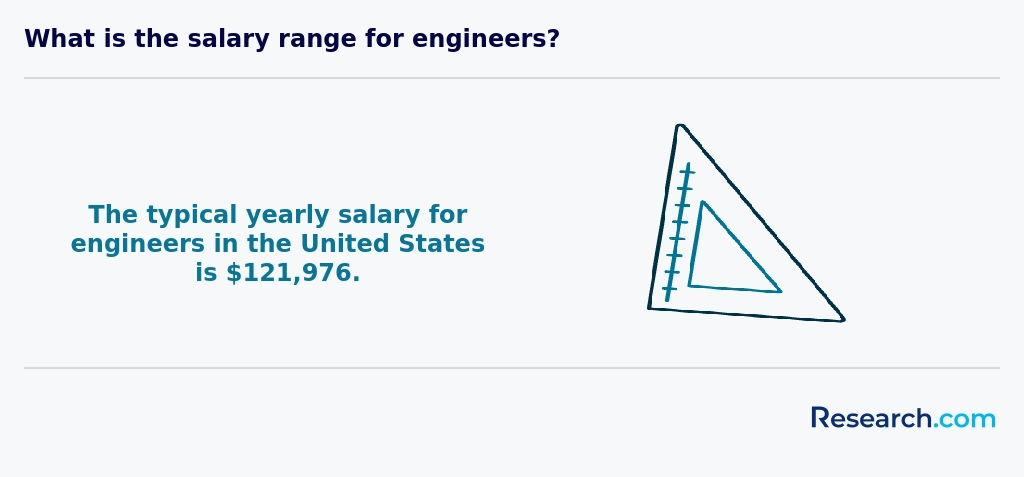
If you're earning an online engineering degree in Pennsylvania, you're looking at some solid paycheck potential. Graduates from schools like Penn State World Campus or Drexel University's online programs often find themselves stepping into roles that pay well above the national average. Take a Research Engineer, for example-they pull in a mean annual wage of around $120,630 in Pennsylvania.
Or think about Project Engineers, who can expect roughly $137,750 a year. That kind of money sets you up nicely, especially when starting out in booming cities like Philadelphia or Pittsburgh.
Product Development Engineers make about $110,430 annually, while Control Systems Engineers earn near $118,350. Biomedical Engineers are also doing pretty well, with an average salary of about $106,700. Many grads from Pennsylvania's top programs report feeling excited not just about the pay but about the variety of industries they can jump into-from manufacturing to healthcare tech.
Plus, Pennsylvania's strong engineering community and certifications like the PE license can push those numbers up even more. It's a rewarding path for anyone looking to turn their online degree into a thriving career.
- Online engineering degrees in Pennsylvania are mainly offered at the bachelor's and master's levels by accredited universities, with ABET accreditation being important for quality assurance.
- Tuition for master's programs usually ranges from $15,000 to $30,000, with public schools generally being more affordable than private ones.
- Pennsylvania employs over 120,000 engineers in fields like civil, mechanical, electrical, and software engineering, with steady job growth expected.
- Entry-level engineers earn about $65,000 annually, mid-career salaries range from $85,000 to $110,000, and senior roles can pay above $120,000.
- Major cities like Philadelphia and Pittsburgh offer strong job markets, and professional engineering licensure is supported, requiring specific educational qualifications.
Completing an online engineering degree in Pennsylvania usually takes about two to four years, but it really depends on how you approach it. For example, many students at Pennsylvania State University World Campus stick with the traditional four-year plan for a bachelor's degree, which matches the pace of on-campus programs. On the flip side, if you're juggling work or family, like some graduates from Drexel University Online, you might take it part-time, stretching your degree to five or six years-but hey, the flexibility is worth it!
For those going after a master's, it's often around 18 months to three years. Some grads from the University of Pennsylvania found part-time study handy since it let them balance jobs without feeling overwhelmed. A cool tip is that transfer credits or prior experience can cut down your time, so make sure to look into that.
Overall, online engineering programs in PA are pretty adaptable, letting you shape your own path without missing out on quality.
Navigating an online engineering program requires effective strategies for time management, self-motivation, and robust digital engagement. In this section, we delve into practical tips and resources that empower students to succeed in their online courses. Establishing a dedicated study space, creating a structured schedule, and leveraging virtual collaboration tools are key components to staying focused. Additionally, engaging with online forums and technical support communities can provide valuable insights and prompt assistance when challenges arise. For instance, students seeking budget-friendly options can benefit from exploring the cheapest engineering programs in pennsylvania, which often include comprehensive support services tailored to remote learning success. By integrating these strategies into your daily routine, you not only enhance your academic performance but also build essential skills for lifelong learning and professional growth in the dynamic field of engineering.
If you're thinking about an engineering degree in Pennsylvania, the biggest difference between online and on-campus programs comes down to how you experience the learning. Online students at schools like Penn State World Campus or Drexel University enjoy the freedom to study anytime and anywhere-perfect if you're juggling a job or family. It's all about virtual classrooms, recorded lectures, and digital resources, which offer flexibility but mean you need solid self-motivation to keep up.
On the flip side, on-campus students at places like the University of Pennsylvania get face-to-face labs and group projects, which feel more hands-on and social. Many grads mention how those in-person labs helped them grasp tricky concepts faster, thanks to immediate feedback and collaboration.
Cost-wise, online programs often save you money on housing and commuting, which is a big plus in a state like Pennsylvania where traffic and rent vary a lot. Still, both routes keep the ABET accreditation that employers love, so your degree holds strong no matter what.
When figuring out the average online engineering degree cost Pennsylvania students face, a good ballpark is around $41,000 to $46,000 total for the entire program. This matches up with what a lot of folks studying at popular schools like Penn State or Drexel see in their tuition bills. Graduates often mention that while it's an important investment, the flexibility of online classes and the reputation of these schools make it worth it. If you're an in-state student, you might see prices closer to the lower end, but out-of-state students typically pay a bit more.
One cool thing about online engineering degrees in Pennsylvania is that the cost usually covers most of what you need to get started, but it's smart to budget some extra for tech fees or textbooks. Many students share how managing those expenses actually felt manageable compared to what they expected when starting out. Plus, the quality of education and career opportunities often help balance out the cost pretty well.
To get a clearer picture and explore options, checking out the cheapest engineering programs in pennsylvania is a good move. It helps you compare programs, so you can find one that fits your budget without sacrificing quality or your future prospects.
People looking into the cost of online master's in engineering Pennsylvania programs will find that with some planning, this goal is definitely within reach without breaking the bank.
Accreditation is the cornerstone of any reputable online master’s in engineering program in Pennsylvania. Most top programs hold ABET-accreditation, ensuring that the curriculum meets rigorous standards and qualifies graduates to sit for the Fundamentals of Engineering (FE) exam. Upon passing the FE exam and accruing the required work‐experience hours, candidates can then pursue Professional Engineer (PE) licensure through the Pennsylvania State Registration Board. Beyond ABET, many institutions partner with industry bodies to integrate continuing education units (CEUs) directly into coursework, streamlining the path to PE renewal. Accredited programs often incorporate rigorous STEM coursework-see our list of stem courses-that satisfies FE exam prerequisites and keeps you competitive in evolving fields like aerospace, biomedical, and environmental engineering. By choosing an ABET-accredited online master’s program, you not only secure a degree recognized by employers nationwide but also lay the foundation for long-term career growth through professional licensure, higher salary brackets, and leadership roles in multidisciplinary engineering teams.
If you're diving into an online engineering degree in Pennsylvania, there are some pretty great financial aids waiting for you. Many students I've spoken to from schools like Penn State or Drexel have found that filling out the FAFSA is a total game-changer-unlocking access to federal grants, work-study gigs, and low-interest loans. The Pell Grant, for instance, can knock off up to $7,395 a year, which is huge when juggling tuition.
State help is also solid here. The Pennsylvania State Grant Program offers up to $5,023 for students attending approved colleges, including online learners. A bunch of online engineering grads from Temple University have told me this was a big assist in cutting costs.
Scholarships from groups like the Pennsylvania Society of Professional Engineers and national ones like those from the Society of Women Engineers really sweeten the deal, especially if you're passionate about your field. Plus, if you're working while studying, check if your employer offers tuition reimbursement-some local companies do, which lets you keep earning while learning.
And don't forget, a lot of Pennsylvania schools tailor financial aid packages and even offer reduced tuition rates for online students. Reaching out directly to your university's financial aid office can uncover some neat personalized options you might not find otherwise.
Accreditation ensures your online engineering master’s degree meets industry standards and qualifies you for professional licensure. In Pennsylvania, look for programs accredited by ABET and regionally accredited institutions recognized by the Middle States Commission on Higher Education. Graduating from an ABET-accredited master’s program typically satisfies education requirements to sit for the Fundamentals of Engineering (FE) exam, the first step toward becoming a licensed Professional Engineer (PE). After passing the FE exam and gaining four years of qualifying work experience under a PE’s supervision, you become eligible for the PE exam, which opens doors to advanced consulting roles, leadership positions, and higher salaries. While many Pennsylvania programs excel in accreditation, students comparing costs and outcomes may also explore more affordable ABET-accredited options. For example, you can review the Inexpensive Engineering Degree Programs Ranking in Tallahassee, FL to benchmark tuition rates and track record of licensure success. When evaluating online curricula, verify that labs and capstone projects align with licensure requirements by offering supervised, documented experiences in design and ethics-core competencies tested on the PE exam. Additionally, confirm your institution provides FE/PE exam prep resources, including practice exams, review seminars, and mentorship from licensed faculty. These support services boost your exam pass rates and reinforce your résumé for engineering roles that mandate a PE license.
If you're thinking about jumping into an online engineering degree in Pennsylvania, you'll want to have your basics covered. Most folks aiming for a bachelor's start with a high school diploma or GED, and being solid in math and science really helps-think algebra, calculus, and physics. Students from places like Penn State or Drexel have found that having done some AP or honors STEM classes gives them a nice head start when applying.
For those going after a master's, it's all about having that undergrad degree tucked away, usually in engineering or something close. These programs, like at the University of Pennsylvania, typically look for at least a 3.0 GPA. Graduates often mention how submitting strong transcripts and personal statements made their applications shine.
Plus, you'll need to show you're comfortable with technology since all the work happens online-being able to navigate engineering software is a must. And some programs toss in orientation sessions to make sure you're ready to tackle teamwork and tricky problem-solving virtually. It's a bit of a challenge, but many grads say once you get the hang of it, it's really rewarding.

If you're jumping into an online engineering degree in Pennsylvania, expect to start strong with the basics-things like Calculus, Differential Equations, and good old Physics with labs that bring formulas to life. Graduates from schools like Penn State World Campus often mention how these foundational classes helped them confidently solve real-world problems, whether designing a bridge or tweaking a circuit.
From there, courses get more specialized depending on your focus. Electrical engineering students dive into circuits and digital design, while mechanical folks get hands-on with thermodynamics and fluid mechanics. Many grads from Drexel's online programs recall using software like MATLAB and CAD early on, which made their transition to actual engineering jobs smoother and way less intimidating.
And it's not just about crunching numbers-lots of programs weave in project management, communication skills, and ethics. You'll find this mix super helpful when collaborating on teams or pitching solutions, just like students at Temple University have experienced. Living in Pennsylvania while studying online means you can learn these practical skills without pausing your life.
If you're diving into online engineering specializations Pennsylvania has plenty of solid options that really connect with the state's industries. For example, civil engineering is a big favorite, especially with all the urban growth and infrastructure projects going on. Graduates from Penn State's online programs often mention how their classes in construction management and urban planning helped them land jobs right in Pennsylvania's booming transportation sector.
Then there's electrical engineering, which is perfect if you're into power systems or telecommunications-key fields in Pennsylvania's energy and manufacturing hubs. Mechanical engineering grads appreciate how hands-on the coursework is, focusing on design and automation that's super relevant to local factories and tech companies. You'll also find folks who loved computer engineering, blending software and hardware skills, which matches well with Pennsylvania's growing tech scene.
Plus, environmental engineering is getting a lot of love from students who want to help with sustainability challenges unique to both the state's cities and rural areas. Many have found combining these practical skills with online flexibility very rewarding. If you're exploring your options, checking out a list of stem courses can open your eyes to what's available.
Picking the best online engineering degree in Pennsylvania comes down to a few key things. First, make sure the program is ABET-accredited - this matters a lot for quality and for your future job or licensure. Many graduates from popular schools like Pennsylvania State University's World Campus rave about the strong curriculum that fits well with what employers actually want, especially in mechanical or software engineering fields.
Also, think about tuition costs and how they fit your budget. For example, Pennsylvania State University charges about $1,000 per credit, which totals around $30,000 for a 30-credit master's. Many students find ways to offset this with scholarships or employer aid. If you want to explore other options, you might check out the Inexpensive Engineering Degree Programs Ranking in Tallahassee, FL for ideas on affordability too.
Finally, look for programs with solid faculty support and connections to local industry. Graduates often talk about how important these relationships are when it comes to landing jobs in Pennsylvania's energy and tech sectors. Finding a program that matches your interests and is affordable really sets you up for success with the best online engineering degree programs in Pennsylvania.
Electrical and software engineering gigs are super popular too, especially in tech hubs around Philadelphia and Pittsburgh. One grad I know got to develop communications systems right from home thanks to an online program, showing how flexible these careers can be. If you're curious about optimizing factory processes or tackling environmental challenges, industrial and environmental engineering roles are growing fast here, reflecting Pennsylvania's industrial roots and green initiatives.
These options are prime examples of the exciting online engineering careers in Pennsylvania. Many students who want to speed up their journey find great value in a fast track college degree program, helping them enter the workforce sooner and start making an impact.
The job market for graduates with an online engineering degree in Pennsylvania is looking pretty solid right now, especially if you're coming from popular schools like Penn State or Drexel University. Many grads find themselves in cities like Philadelphia or Pittsburgh landing roles in manufacturing, energy, and tech firms where practical skills really matter. Employers are keen on candidates who've worked with automation, robotics, or renewable energy - fields that Pennsylvania companies are investing heavily in.
For those curious about online engineering jobs in Pennsylvania, the opportunities cover a wide range of engineering specialties, from civil to software. Graduates often share how their online programs balanced real-world projects with flexibility, giving them confidence during interviews and on-the-job. Plus, ongoing professional licensure like PE can boost their appeal to employers too.
Costs are reasonable compared to in-person options, making these degrees accessible for working adults. If you want to explore more flexible options, check out online easiest phd degree programs that fit your schedule and career goals.
2027 Easiest Online Master's in Engineering Degree Programs Ranking in Pennsylvania
Investing in your education is a significant decision that can shape your future, and the Research.com team recognizes the importance of helping prospective students make well-informed choices. To support those seeking graduate engineering degrees in Pennsylvania, we have carefully developed the "2027 Easiest Online Master's in Engineering Degree Programs Ranking in Pennsylvania." Our dedication to quality, credibility, and accuracy is demonstrated through extensive research and rigorous analysis.
We utilized the following reputable data sources to ensure a thorough evaluation of engineering programs:
Exploring this ranking will provide valuable insights into accessible online master's programs in engineering within Pennsylvania, empowering readers to make confident decisions about their education. For further information on how this ranking was created, please visit our Research.com methodology page.

# 2 position
Penn State University Park
Master of Systems Engineering


Frequently Asked Questions About engineering
Online engineering degree students in Pennsylvania can maximize their learning experience by actively engaging with virtual labs and simulations, which are essential for practical understanding. Pennsylvania is home to several top-ranked engineering schools offering accredited online programs, ensuring a high-quality education recognized by employers.
Students should also take advantage of local industry connections. Pennsylvania's manufacturing and technology sectors provide internships and networking opportunities that enhance real-world skills. According to the Pennsylvania Department of Labor, the engineering job market is projected to grow by 6% through 2030, highlighting the importance of relevant experience.
Regular communication with professors and peers is crucial. Utilizing online discussion boards and video conferencing helps replicate in-person collaboration. Additionally, time management and self-discipline are key; students benefit from setting structured study schedules aligned with program demands.
The engineering field is rapidly evolving, with several emerging niches gaining prominence. In Pennsylvania, areas like renewable energy engineering and data engineering are attracting significant attention due to growing demands for sustainability and big data management.
Biomedical engineering also stands out, supported by the state's strong healthcare and research institutions. According to the Pennsylvania Department of Labor & Industry, jobs in these sectors are expected to grow faster than average in the next decade.
Additionally, environmental engineering focused on water resources and smart infrastructure is expanding, driven by new regulations and urban development. These niches present promising opportunities for students pursuing online engineering degrees in Pennsylvania.
After completing an online engineering degree in Pennsylvania, preparing for the job market involves several key steps. First, obtaining professional licensure, such as the Fundamentals of Engineering (FE) exam, is important for many engineering roles in the state. Pennsylvania's labor market for engineers is strong, with the Pennsylvania Department of Labor reporting a median annual wage of around $85,000 for engineers in 2023.
Networking plays a crucial role. Joining local chapters of professional bodies like the Pennsylvania Society of Professional Engineers can provide valuable contacts and job leads. Additionally, seeking internships or cooperative education experiences during study helps build practical skills.
Developing a strong resume that highlights both technical skills and online learning adaptability is recommended. Many Pennsylvania employers also value familiarity with industry-standard software and certifications, so online learners should consider supplementary training in these tools.
Employers in Pennsylvania highly value a mix of technical and soft skills among engineering graduates. Key technical skills include proficiency in computer-aided design (CAD), data analysis, and knowledge of industry-standard software like MATLAB and SolidWorks. According to the Pennsylvania Department of Labor & Industry, demand for engineers skilled in renewable energy and manufacturing technologies is rising.
Soft skills such as problem-solving, teamwork, and communication play a crucial role in an engineer's ability to navigate complex projects. The Pennsylvania workforce survey highlights that 73% of engineering employers prioritize critical thinking and adaptability. Familiarity with project management principles also enhances job prospects in the state's growing engineering sector.
Finding internships in Pennsylvania related to an engineering degree involves a few key steps. Start by exploring university career centers, as many Pennsylvania schools have partnerships with local industries eager to hire engineering students. Websites like PennLive and the Pennsylvania Department of Labor & Industry provide listings specific to regional internships.
LinkedIn and Handshake also host numerous opportunities for engineering interns in cities like Philadelphia and Pittsburgh, which are engineering hubs. Pennsylvania's manufacturing sector, responsible for 10% of the state's GDP, offers many openings in mechanical and industrial engineering fields.
Networking with professional organizations such as the Pennsylvania Society of Professional Engineers can further aid your search. Additionally, applying early and tailoring your applications to highlight relevant engineering coursework and skills increases success chances.
Obtaining an online engineering degree in Pennsylvania can significantly enhance career mobility and advancement. The state hosts a robust engineering sector, notably in manufacturing, energy, and technology, where skilled engineers are in high demand according to the Pennsylvania Department of Labor & Industry.
Online degrees from accredited institutions are recognized by employers, allowing graduates to compete effectively for promotions or new roles without needing to relocate. Flexible online programs enable working professionals to upskill while maintaining their jobs, a key factor in career progression.
According to the U.S. Bureau of Labor Statistics, Pennsylvania engineers earn a median annual wage above the national average, which tends to rise with higher education levels. Thus, an advanced degree can improve earning potential and open doors to leadership or specialized technical positions.
Studying for an engineering degree in Pennsylvania offers strong preparation for interdisciplinary roles by emphasizing a blend of technical skills and collaborative problem-solving. Many Pennsylvania institutions integrate coursework in business, computer science, and communication alongside core engineering subjects. This approach reflects the state's diverse industry needs-from manufacturing to healthcare technology.
According to the Pennsylvania Department of Labor & Industry, the demand for engineers with versatile, interdisciplinary expertise is growing by 8% through 2030. Online programs in Pennsylvania often include project-based learning and team collaborations that expose students to real-world scenarios involving multiple fields.
This combination equips graduates with abilities to work effectively across disciplines, a crucial asset in today's complex engineering environments.
Choosing between a thesis and a non-thesis online engineering degree in Pennsylvania depends largely on your career goals and learning preferences. A thesis program typically requires rigorous research and a written thesis, which is ideal if you aim for roles in research, academia, or plan to pursue a PhD.
Non-thesis options focus more on coursework and practical skills, beneficial for professionals seeking to advance in industry or management without engaging in research projects. According to the Pennsylvania Department of Education, many state universities offer both types, with thesis paths taking about two years and non-thesis often shorter.
Consider accreditation, faculty expertise, and available resources when deciding your path.
Students in Pennsylvania interested in studying engineering abroad have several pathways, including online programs that partner with international universities. While fully online engineering degrees offered by foreign institutions may be limited due to accreditation, many U.S. universities facilitate study-abroad options within their online curricula.
Pennsylvania ranks highly in engineering education, with schools like Penn State providing global learning experiences through exchange programs and internships. According to the Pennsylvania State System of Higher Education, over 20% of engineering students participate in international projects or coursework, enhancing global competency.
Additionally, professional organizations such as the American Society for Engineering Education offer resources on accredited abroad programs, helping students maintain credentials recognized by ABET in the U.S.
Part-time job opportunities in Pennsylvania that complement online engineering degree education are abundant, particularly in urban centers like Philadelphia, Pittsburgh, and Harrisburg. Common roles include engineering technician positions that involve supporting design and testing processes in fields such as civil, mechanical, and electrical engineering. These jobs offer practical experience aligned with academic coursework.
Internships in manufacturing companies and tech firms also provide hands-on skills, often flexible enough for students to balance with classes. According to the Pennsylvania Department of Labor & Industry, engineering technician jobs in the state are expected to grow by 5% through 2030, reflecting steady demand.
Additionally, companies in aerospace, energy, and construction sectors often hire part-time assistants for data analysis and CAD drafting. These roles enhance technical knowledge while building a professional network critical for future career opportunities.
Online engineering students in Pennsylvania have access to several valuable networking opportunities despite studying remotely. Many universities offer virtual meetups, workshops, and career fairs tailored to remote learners. These events can connect students with faculty, alumni, and industry professionals across the state.
Pennsylvania is home to a strong engineering sector, with over 250,000 workers in related fields, according to the U.S. Bureau of Labor Statistics. This creates a wide base for professional connections through online platforms like LinkedIn or engineering-specific groups.
Additionally, organizations such as the Pennsylvania Society of Professional Engineers provide student memberships, offering webinars, mentorship programs, and local chapter events accessible to online students. These resources help build meaningful connections despite the distance.
Alumni networks provide valuable support for students pursuing online engineering degrees in Pennsylvania. Graduates often gain access to a broad community of professionals working within the state's thriving engineering sector. For example, Pennsylvania employs over 100,000 engineers across industries like manufacturing and energy, creating strong job connections.
These networks offer mentorship opportunities, internships, and job referrals, which can be crucial for online students who may lack on-campus resources. According to the Pennsylvania Department of Labor & Industry, 72% of engineering jobs are filled via networking or referrals.
Engaging with alumni from online programs in Pennsylvania helps students build credibility and stay informed about local industry trends and innovations.
Customizing an online engineering degree program in Pennsylvania allows students to align their education with specific career goals. Many Pennsylvania institutions offer flexible curricula where students can select electives in areas such as civil, mechanical, electrical, or software engineering. This approach helps build expertise in high-demand fields nationally.
Students may also pursue specialized certificates alongside their degree to enhance skills in project management or data analytics, increasing job market competitiveness. According to the Pennsylvania Department of Labor & Industry, engineering fields in the state expect a steady 5% employment growth through 2030, emphasizing demand for such tailored skills.
Additionally, online programs often provide opportunities for internships, capstone projects, or research collaborations with local industry, further customizing learning toward specific career paths. Advising services help students choose courses that meet both academic and professional objectives.
Online engineering students in Pennsylvania often face several challenges that can impact their academic success. A common issue is balancing demanding coursework with professional and personal responsibilities. Engineering programs require strong analytical skills and time-intensive projects, which can be difficult to manage remotely.
Technical difficulties also pose challenges, including limited access to specialized software or lab equipment integral to engineering studies. Students without reliable high-speed internet may experience disruptions in live lectures or collaborative sessions.
Additionally, online learners often report feelings of isolation and reduced networking opportunities, which are vital in engineering fields. According to a 2023 report by the Pennsylvania Department of Education, about 40% of online STEM students struggle with engagement compared to their on-campus peers.
Furthermore, accreditation and transferability of credits can be confusing, requiring careful research to ensure the program is recognized by employers and professional bodies in Pennsylvania.
With an online engineering degree in Pennsylvania, graduates can pursue several professional certifications that enhance career opportunities. The most common certification is the Professional Engineer (PE) license, which requires passing the Fundamentals of Engineering (FE) exam, gaining work experience, and passing the PE exam. This certification is regulated by the Pennsylvania State Registration Board for Professional Engineers, Land Surveyors, and Geologists.
Other certifications include Certified Manufacturing Engineer (CMfgE) and Project Management Professional (PMP), valuable in engineering management roles. These certifications demonstrate specialized skills recognized nationwide.
According to the National Society of Professional Engineers (NSPE), licensed engineers typically earn 20% more than their non-licensed peers. Pennsylvania's strong manufacturing and infrastructure sectors create significant demand for certified engineers.
To write a winning application for an online engineering program in Pennsylvania, start by thoroughly researching each school's requirements. Many Pennsylvania institutions value a strong academic record, particularly in math and science courses. Highlight your relevant work experience, certifications, or projects in engineering to demonstrate practical skills.
Craft a clear and focused personal statement that explains your motivation for pursuing the degree online and how it fits your career goals. According to the Pennsylvania Department of Education, programs may give preference to applicants with professional engineering licenses or prior coursework.
Ensure all transcripts and test scores are submitted on time, and secure strong recommendation letters from professors or industry professionals who can attest to your abilities. Attention to detail and meeting deadlines reflect well on your professionalism.
Engineering is considered a vital career worldwide, with global demand driven by innovation and infrastructure needs. In the United States, including Pennsylvania, engineering professionals benefit from strong job growth, with the Bureau of Labor Statistics projecting a 3% increase in engineering jobs nationally from 2021 to 2031.
Globally, engineering skills are highly valued because they support sectors like technology, energy, and manufacturing. For Pennsylvania students pursuing online engineering degrees, this means access to roles that can impact industries worldwide.
Pennsylvania itself hosts numerous engineering firms, and institutions such as Penn State emphasize international collaboration, reflecting the global nature of the profession.
Understanding global engineering trends helps students tailor their education for competitive careers in a connected world.
Students pursuing an online engineering degree in Pennsylvania can gain practical experience through several avenues. Many schools encourage internships or cooperative education programs with local companies, including Pittsburgh's strong manufacturing and robotics sectors. According to the Pennsylvania Department of Labor & Industry, internships in engineering fields have increased by 15% over recent years, offering valuable on-the-job training.
Online programs also often include virtual labs and project-based coursework that simulate real-world engineering challenges. Additionally, engineering societies like the Pennsylvania Society of Professional Engineers provide networking and mentorship opportunities, which can lead to hands-on projects.
Choosing the right concentration within an online engineering degree program in Pennsylvania requires careful consideration of your career goals and the state's job market. Pennsylvania hosts a diverse engineering sector, especially in fields like electrical, mechanical, and civil engineering, supported by industries including manufacturing and energy (Bureau of Labor Statistics, 2023).
Identify which subfield aligns with your interests and strengths. For example, electrical engineering has a strong presence due to Pennsylvania's growing tech and energy industries. Research faculty expertise and course offerings in the programs you consider to ensure they cover relevant skills.
Additionally, look for concentrations that offer hands-on projects or virtual labs, which enhance practical learning despite being online.
- 2027 Easiest Online Master's in Engineering Degree Programs Ranking in New Jersey
- 2027 Easiest Online Master's in Engineering Degree Programs Ranking in New York
- 2027 Easiest Online Master's in Engineering Degree Programs Ranking in Ohio
- 2027 Easiest Online Master's in Engineering Degree Programs Ranking in Massachusetts
- 2027 Easiest Online Master's in Engineering Degree Programs Ranking in Kentucky
- 2027 Easiest Online Master's in Engineering Degree Programs Ranking in Michigan
- 2027 Easiest Online Master's in Engineering Degree Programs Ranking in Georgia
- 2027 Easiest Online Master's in Engineering Degree Programs Ranking in Illinois
- 2027 Easiest Online Master's in Engineering Degree Programs Ranking in Alabama
- 2027 Easiest Online Master's in Engineering Degree Programs Ranking in Florida
See What Experts Have To Say About Studying Engineering
Read our interview with Engineering experts

Bohdan W. Oppenheim
Engineering Expert
Professor Emeritus of Healthcare Systems Engineering
Loyola Marymount University

Joseph Reichenberger
Engineering Expert
Professor of Civil Engineering & Environmental Science
Loyola Marymount University


- Top 5 Demanding Engineering Fields in 2025: Future-Proof Your Career - MEC https://mailamengg.ac.in/top-5-demanding-engineering-fields-2025/
- Interdisciplinary Engineering Education: Difficult, but not Impossible https://engineeringedu.press/2020/02/16/interdisciplinary-engineering-education-difficult-but-not-impossible/
- Top Schools with Online Engineering Degree Programs https://www.onlineengineeringprograms.com/
- All STEM Placements/Internships | Gradcracker - Careers for STEM Students https://www.gradcracker.com/search/all-disciplines/engineering-work-placements-internships
- Know more about thesis vs non- thesis: what is the difference? https://studyfans.com/en/blogs/816
- Where to Earn Your MEM Degree in Pennsylvania https://engineeringmanagement.org/mem-programs-in-pennsylvania/
- Student blog: Networking tips for engineering students https://asu-london.ac.uk/news/student-blog-networking-tips-for-engineering-students/
- Engineering | Northampton Community College https://www.northampton.edu/education-and-training/programs/engineering.html
- Engineering Education | Role of Interdisciplinary Studies in Modern Engineering https://www.thestudentpocketguide.com/2024/07/student-life/education-career/engineering-education-interdisciplinary-studies-modern-engineering/
- Get Your Degree In Pennsylvania For A Career In Electrical Engineering https://www.alvernia.edu/resources/undergraduate/get-your-degree-pennsylvania-for-career-electrical-engineering


