
2027 Most Popular Engineering Degree Programs Ranking in Iowa

Co-Founder and Chief Data Scientist
Choosing the right engineering degree program can shape your future career and open doors to exciting opportunities. This article introduces the 2027 Most Popular Engineering Degree Programs Ranking in Iowa, created by the Research.com team of data scientists, to help you make an informed decision.
By exploring this ranking, you'll discover which programs stand out in Iowa, saving you time and effort in your search. Pursuing an engineering degree offers strong career potential and personal growth-this guide aims to support your journey with reliable, clear information.
Key benefits of getting engineering degree in Iowa
- Salary benefits: Engineering graduates in Iowa can expect competitive salaries, such as mechanical engineers earning a mean annual wage of $105,220 and electrical engineers $117,680, providing strong financial stability.
- Career paths: Graduates from popular Iowa universities like Iowa State University often find diverse opportunities in industries like manufacturing, energy, and construction, leading to fulfilling and rewarding careers.
- Online degree advantages: Obtaining an engineering degree online from institutions such as the University of Iowa offers flexibility, allowing students to balance work and study while gaining the same valuable skills as traditional programs.
- 2027 Most Popular Engineering Degree Programs Ranking in Iowa
- What can I expect from engineering degree in Iowa?
- Where can I work with engineering degree in Iowa?
What can I expect from engineering degree in Iowa?
The average cost of an engineering degree in Iowa depends largely on whether you attend a public or private institution, but many students find it manageable thanks to in-state tuition rates and financial aid. For example, graduates from Iowa State University report paying significantly less in tuition compared to out-of-state peers because of the lower in-state fees. Public universities in Iowa typically charge annual tuition fees that are considerably lower, often around $9,000 to $11,000 for residents. This makes the total cost over four years more affordable than the national average.
Many students share how scholarships targeted at STEM fields helped reduce their out-of-pocket expenses substantially. For instance, cooperative education programs at Iowa State University not only provide invaluable work experience but also offer paid internships that help cover living costs and tuition. Private university attendees may face higher tuition, but they often benefit from comprehensive aid packages and grants specifically designed for engineering students.
Overall, planning carefully and taking advantage of these resources makes earning an engineering degree in Iowa feel like a rewarding investment rather than a financial burden.
Where can I work with engineering degree in Iowa?
Graduates from engineering programs at institutions like Iowa State University often find jobs in Iowa's robust manufacturing sector, designing machinery or improving food processing systems. These roles are ideal for those who enjoy hands-on problem solving and teamwork on factory floors or production lines.
Others pursue careers in agriculture technology, working with companies that develop farm equipment or sustainable bioenergy solutions. For example, graduates applying knowledge from their agricultural engineering courses contribute directly to innovations in soil conservation or precision farming, boosting Iowa's leading corn production.
Renewable energy firms, particularly wind power companies, actively recruit electrical and mechanical engineers. Recent grads have reported fulfilling experiences working on turbine design or environmental impact assessments, tapping into Iowa's growing green economy.
Tech opportunities arise in software and systems engineering, with startups and research centers near the University of Iowa offering dynamic roles for innovative minds.
State agencies hire civil and environmental engineers to improve infrastructure-from roads to water management-providing stable public-sector careers for graduates eager to serve their communities.
Graduates from Iowa State University or the University of Iowa with engineering degrees can realistically expect starting salaries that match well with the state's industry demands. For example, mechanical engineering graduates often begin with roles paying near $105,220 annually, aligning with the mean salary data for this field. Similarly, electrical engineering grads typically start closer to $117,680 per year, reflecting strong opportunities in Iowa's electrical and renewable energy sectors.
Civil engineers from these programs usually earn around $101,160 annually, which fits roles in infrastructure projects common in cities like Des Moines and Cedar Rapids. Industrial engineering graduates see salaries near $103,150, useful in Iowa's manufacturing and logistics industries.
Many graduates relate how gaining internships at local companies enhances their earning potential rapidly. Leveraging connections from campus career fairs or cooperative education programs can lead to positions that exceed state averages quickly. For engineers pursuing certifications like PE licenses, salaries tend to increase significantly, emphasizing continuous professional development as a key to financial growth in Iowa's competitive engineering job market.
- Iowa offers engineering programs at public universities like Iowa State University and the University of Iowa with strong faculties and research options.
- Annual tuition for in-state students is around $9,000 to $11,000, while out-of-state students pay between $25,000 and $30,000, excluding housing and other costs.
- Starting salaries for entry-level engineers in Iowa range from $65,000 to $70,000 per year, increasing to $85,000 to $105,000 with experience.
- Engineering job demand in Iowa is expected to grow moderately, especially in electrical, mechanical, and civil engineering fields.
- Most engineering programs in Iowa are ABET accredited, ensuring recognized education quality and employer value.
Completing an engineering degree in Iowa typically takes four years of full-time study, especially at well-known schools like Iowa State University or the University of Iowa. Graduates from these programs often describe the experience as intense but manageable, with coursework designed to fit neatly into eight semesters. Most students balance general education, math, science, and core engineering classes, which keeps the timeline steady.
That said, real-life factors can alter this plan. For example, students working part-time or joining cooperative education programs that alternate between study and paid work might stretch their graduation to five years. These co-op experiences, while lengthening the degree, often bring valuable industry connections and confidence after graduation.
Others benefit from earning Advanced Placement credits in high school, shaving off some required courses and finishing earlier. Transfers between schools or changing majors, however, might mean taking extra classes and more semesters.
Overall, Iowa's trusted public universities offer a clear roadmap to earn your degree efficiently while adapting to your unique journey and goals.
On-campus engineering degrees in Iowa, offered by schools like Iowa State University or the University of Iowa, mean attending in-person lectures, labs, and group projects. Graduates often recall the benefit of hands-on lab experience, which is essential in engineering fields, along with easy access to professors and campus resources. This face-to-face interaction helps build strong peer networks and makes career services more immediately available.
In contrast, online engineering programs offer flexibility, ideal for those balancing work or family commitments. Many students appreciate being able to study remotely without relocating. However, since fully online traditional four-year engineering degrees are rare in Iowa, most online options focus on completing a bachelor's degree or graduate studies. It's crucial for prospective students to confirm whether the program includes virtual labs or local lab partnerships, ensuring practical skills aren't missed.
Costs between both modes can be comparable, but online learners save on commuting and housing. Graduates often advise assessing personal learning styles and professional needs carefully to decide which format suits your engineering goals best.
Navigating the application process for engineering programs in Iowa involves several key steps and strategic considerations to maximize your chances of admission. First, research each institution’s deadlines-most universities use rolling admissions between October and March for fall entry, with priority deadlines as early as December. Prepare your official high school or college transcripts, standardized test scores (SAT/ACT, where required), and a résumé highlighting STEM-related activities such as robotics clubs or math competitions. Strong letters of recommendation from STEM teachers or internship supervisors can set you apart, so request them at least six weeks before your earliest deadline. Next, craft a compelling personal statement that demonstrates your passion for engineering and outlines how specific Iowa programs align with your career goals. Be sure to address any hands-on experiences-such as summer research projects or technical workshops-and articulate how these shaped your problem-solving skills. If cost is a primary concern in your decision-making process, consider exploring our Low Cost Engineering Degree Programs Ranking in Tallahassee, FL to benchmark affordability and financial aid strategies against Iowa offerings. Finally, schedule campus visits or virtual tours to connect with faculty, current students, and career services staff. Attend engineering open houses to learn about lab facilities, internship pipelines, and student organizations. Before submitting, double-check every form and essay prompt, and apply for scholarships and assistantships simultaneously to secure funding. By following this structured timeline-research, prepare, apply, and follow up-you’ll present a polished, well-rounded application that highlights both your academic readiness and genuine enthusiasm for engineering in Iowa.
The average cost of an engineering degree in Iowa typically centers around $47,241 for both in-state and out-of-state students, although individual experiences can vary. For instance, graduates from popular universities like the University of Iowa or Iowa State University often find that tuition and fees make up a large portion of their expenses, but financial aid and scholarships help ease the burden. Iowa residents can benefit from lower tuition rates compared to out-of-state students, which is a crucial consideration when planning your budget for an engineering degree.
Students pursuing engineering need to plan for more than just tuition. Additional expenses such as specialized lab fees, textbooks, software, and room and board can add up significantly. Reflecting on the average cost of engineering degree in Iowa, many students report spending extra on supplies unique to the field. Practical budgeting that includes these elements helps prevent surprises during their studies.
To manage these costs effectively, students should explore scholarships, grants, and work-study options available on campus or through state-funded programs. Researching the most affordable engineering schools in iowa can also provide insight into reducing expenses without compromising educational quality.
Engineering graduates often describe their investment as worthwhile, noting how thoughtful financial planning made it achievable. Understanding engineering degree tuition and fees Iowa-wide allows you to make informed choices that align with your financial reality and career aspirations.

When pursuing an engineering degree in Iowa, explore federal aid first. Many students lean on Pell Grants, which don't require repayment and can cover up to $7,395 annually, easing upfront costs significantly. If you apply early, this can help bridge gaps in tuition, especially at public universities where yearly expenses range around $10,000 to $25,000 for in-state students.
Next, investigate Iowa-specific scholarships and grants. For instance, the All Iowa Opportunity Scholarship rewards first-time college students who complete the FAFSA and show financial need. Engineering students often tap into the Engineering Professional Scholarship if they commit to working in Iowa after graduation, a common path taken by graduates from Iowa State University.
Additionally, many students at colleges like Iowa State find merit-based scholarships rewarding strong academics and leadership skills, sometimes providing $1,000 to over $10,000 annually. Complement this with work-study jobs to gain practical engineering experience and cover living costs.
Don't overlook scholarships from professional groups like the Society of Women Engineers and the Iowa Engineering Society, which offer targeted support and networking advantages unique to engineering fields in Iowa.
Experiencing vibrant campus life and robust student support can significantly enhance your engineering journey in Iowa. Beyond rigorous academics, many institutions offer a wide range of extracurricular activities, study groups, and peer mentorship programs that help cultivate both professional and personal growth. Students often benefit from dedicated career counseling services, academic advising, and state-of-the-art research facilities that enable them to refine their skills and build a network of industry contacts. Moreover, engaging in campus clubs and engineering organizations not only expands your learning beyond the classroom but also improves your team collaboration and leadership competencies. For example, many students leverage connections formed through these activities to explore opportunities at the most affordable engineering schools in iowa, where integrated support services and community-driven initiatives help foster a well-rounded academic experience. This supportive environment is pivotal in preparing you for the competitive job market and setting a strong foundation for a successful engineering career.
To enroll in an engineering degree program in Iowa, you need a high school diploma or equivalent, with strong grades in math and science. Courses like algebra, geometry, trigonometry, and calculus are essential, along with physics and chemistry. Some programs, especially at universities like Iowa State, look for computer science or technology classes too.
Graduates often recall how taking AP or dual-enrollment classes in high school gave them a head start, making college-level coursework more manageable.
Many schools require SAT or ACT scores, but several Iowa institutions have test-optional policies now. That said, a solid math score can still boost your application noticeably.
Besides academics, you'll need letters of recommendation and a personal statement that shows your passion for engineering-past participation in robotics teams or internships can really make your application stand out in Iowa's competitive programs.
Keep in mind the financial aspect: in-state tuition at public Iowa universities runs about $9,000-$10,000 yearly, lower than the national average, but you should plan early for scholarships and fees.

As Iowa’s industries increasingly rely on data-driven decision-making, data engineering has become a high-demand specialization within engineering degree programs. By focusing on the design and maintenance of robust data pipelines, students build expertise in big data frameworks, cloud computing platforms, and ETL processes. Graduates with a background in data engineering often secure roles in sectors such as finance, healthcare, and manufacturing, where they optimize data workflows to drive operational efficiency and innovation. Coursework may include database management, distributed systems, and machine learning engineering, preparing students for certifications in Apache Hadoop® or AWS Big Data. Employers prize candidates who can translate vast datasets into actionable insights, making technical skills in Python, SQL, and Spark essential. For those considering this path, you can explore detailed requirements to become a data engineer, including recommended prerequisites and projected salary ranges. With Iowa’s growing tech ecosystem-anchored by universities offering cutting-edge labs and industry partnerships-pursuing a data engineering specialization offers a clear route to lucrative career opportunities and long-term professional growth.
Engineering degree programs in Iowa start with essential courses like Calculus I, II, and III, which provide the math skills needed for analyzing complex problems. Students at Iowa State University often share how mastering these courses built their confidence in tackling challenging engineering tasks.
Core science classes such as Physics and General Chemistry lay the groundwork by explaining fundamental physical laws and chemical principles relevant to engineering. This hands-on approach helps students visualize real-world forces and reactions, as seen in dynamic labs that Iowa students find highly engaging.
Specialized subjects like Statics and Dynamics teach how structures withstand forces, while Thermodynamics explains energy flow, vital for mechanical and chemical engineers. Graduates often recall their "aha" moments when applying these concepts during design projects or internships.
Programming courses in Python or MATLAB prepare students to create software solutions, a skill any aspiring engineer in Iowa's industries values greatly. Electives tailored to various majors, such as circuit analysis for electrical or structural analysis for civil engineering, allow students to focus on their career goals effectively.
Engineering degree specializations in Iowa typically include civil, mechanical, agricultural, electrical, and software or computer engineering. At popular universities like Iowa State University and the University of Iowa, graduates often share how their civil engineering studies involved hands-on projects designing infrastructure suited for Iowa's vast agricultural and manufacturing needs. Mechanical engineering students regularly engage with local industries, developing practical skills aligned with Iowa's machinery sector, which makes the learning experience feel immediately relevant and motivating.
Many students appreciate the agricultural engineering track, a specialization unique to Iowa's landscape, where they apply engineering solutions to farm machinery and soil conservation challenges. Electrical engineering focuses heavily on renewable energy, which is thriving in the state, while software engineering prepares students for tech roles that are rapidly expanding in multiple Iowa industries. For those exploring routes into engineering fields, understanding these top engineering fields in Iowa universities offers a clear guide to aligning their passions with the state's economic opportunities.
Those interested in career-focused pathways often find value in exploring the requirements to become a data engineer, as many engineering disciplines incorporate data and software aspects to boost career prospects.
Start by focusing on the engineering discipline that matches your passion and career aspirations. Graduates from Iowa State University often highlight the advantage of its agricultural engineering program, which leverages Iowa's strong farming economy to provide hands-on experience. Meanwhile, those studying at the University of Iowa appreciate the diverse opportunities in civil and mechanical engineering. Choosing the best engineering degree programs in Iowa means also checking for ABET accreditation to ensure your education meets national standards and supports licensure if you aim to become a professional engineer.
Cost is a practical consideration. In-state tuition averages around $9,000 annually at public universities in Iowa, but out-of-state fees can exceed $25,000. Students often suggest exploring financial aid and scholarships tailored to Iowa engineering students. For those concerned about affordability, researching the Low Cost Engineering Degree Programs Ranking in Tallahassee, FL can provide additional perspective.
Look for programs offering internships or research with Iowa's engineering firms, as graduates report these experiences significantly boost job readiness and confidence. Consider location too: urban campuses like Ames offer broad industrial connections, while smaller towns provide a close-knit environment. Understanding these factors will help you find affordable engineering colleges Iowa that fit your goals and lifestyle.
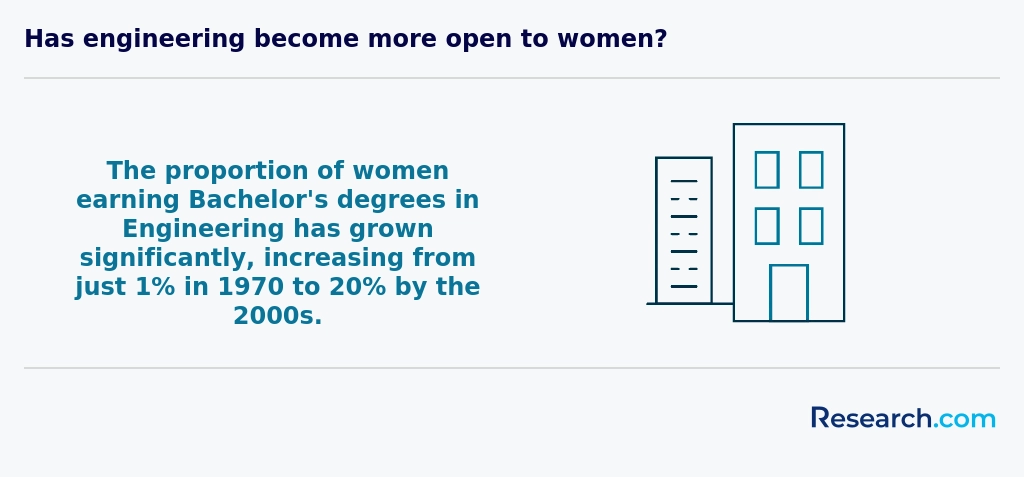
Graduates with an engineering degree in Iowa find a variety of practical career paths that align well with the state's economic strengths. Jobs for engineering graduates in Iowa often center on civil engineering roles, where professionals engage in designing and maintaining critical infrastructure like bridges and water systems, directly impacting both urban centers and rural communities. Recent graduates from Iowa State University have shared how internships with local firms helped them gain hands-on experience in these vital projects.
Mechanical engineering is another strong avenue, particularly within Iowa's manufacturing hubs. Engineers here contribute to machine design and upkeep for established companies such as Deere & Company, blending classroom theory with real-world applications. Agricultural engineering appeals to those interested in leveraging engineering to innovate farm equipment and enhance productivity, a crucial sector in Iowa's economy.
Electrical and computer engineering graduates often explore opportunities in Iowa's expanding renewable energy industry, especially wind power. Students from the University of Iowa report high satisfaction from cooperative education programs tied to these sectors. Environmental engineering provides career options focused on sustainable solutions addressing farming and industrial environmental challenges. Practical experience is key, and many students take advantage of internship openings offered by Iowa's diverse employer network, making degrees from local institutions not only affordable but strategically advantageous for career growth and stability. For working adults seeking flexibility, consider the quickest online bachelor's degree for working adults to start or enhance your engineering career in Iowa.
Graduates holding an engineering degree in Iowa find a steady job market aligned with projected growth near 5% over the next decade, especially in manufacturing, agriculture, and renewable energy sectors. For example, those from prominent institutions like Iowa State University often land roles in local manufacturing companies, where hands-on experience gained during internships directly influences hiring decisions. These opportunities highlight the practical benefits of pursuing engineering careers within the state's economy.
Many students who studied engineering at community colleges or public universities appreciate the competitive tuition costs, often around $9,000 per year for in-state students, making it financially feasible to enter this field. Iowa's engineering career outlook 2027 promises a balance of job availability and affordable education, which attracts many aspiring engineers. Some graduates also leverage affordable programs before transferring to a four-year university, maximizing savings and career potential simultaneously.
Considering pathways into engineering, some students start with the easiest bachelor's degrees to get related to engineering fields to build foundational skills before specializing. This strategy helps manage costs and gain relevant experience, a practical approach given Iowa's diverse industrial landscape.
2027 Most Popular Engineering Degree Programs Ranking in Iowa
Investing in your education is a significant decision that can shape your future, and the Research.com team understands the importance of making informed choices. To assist prospective students in Iowa, we have meticulously crafted the "2027 Most Popular Engineering Degree Programs Ranking in Iowa." Our commitment to quality, credibility, and accuracy is reflected in the extensive research and analysis conducted to compile this ranking.
We utilized the following reputable data sources to ensure a comprehensive evaluation of engineering degree programs:
By exploring this ranking, readers will gain valuable insights into the most popular engineering degree programs in Iowa, helping them make confident and well-informed decisions about their educational paths. For more details on our methodology, please visit our Research.com methodology page.


Frequently Asked Questions About engineering
Engineering students in Iowa can maximize their learning by combining rigorous coursework with hands-on experience. Many Iowa institutions, such as Iowa State University, offer cooperative education (co-op) programs and internships that help students apply classroom knowledge in real-world settings. According to the Iowa Workforce Development, engineering fields in Iowa are expected to grow by about 7% through 2030, highlighting the importance of practical skills.
Joining student organizations like the Society of Women Engineers or participating in research projects enhances networking and professional growth. Additionally, taking advantage of state resources and attending engineering career fairs can open doors to local industry connections, fostering a well-rounded education.
Emerging niches within the engineering field in Iowa reflect both technological advances and regional industry needs. Fields like renewable energy engineering are growing rapidly, driven by Iowa's leadership in wind power production, which accounts for over 40% of the state's electricity, according to the U.S. Energy Information Administration. This creates demand for engineers specializing in wind turbine design and energy storage solutions.
Another expanding area is agricultural engineering, vital in Iowa's large farming economy. Engineers here focus on improving machinery, irrigation, and sustainable farming techniques. Robotics and automation are also important, as companies invest in smart systems to boost productivity.
Additionally, biomedical engineering is gaining traction, supported by Iowa's expanding healthcare sector. Graduates with skills in medical device design and bioinformatics find increasing opportunities locally, especially near research universities.
To prepare for the job market after earning an engineering degree in Iowa, students should focus on gaining practical experience through internships and cooperative education programs. Many Iowa universities partner with local industries, such as Deere & Company and Rockwell Collins, providing students with valuable hands-on training. According to the Iowa Workforce Development, the state's engineering sector is seeing steady growth, with demand especially high in civil, mechanical, and electrical fields.
Building strong professional networks is crucial. Attending career fairs hosted by Iowa State University or the University of Iowa can connect graduates with employers. Additionally, acquiring certifications like the Fundamentals of Engineering (FE) exam enhances employability. Keeping skills updated with emerging technologies helps meet Iowa employers' needs in fields like renewable energy and manufacturing.
Employers in Iowa highly value engineering graduates who demonstrate strong technical skills combined with practical problem-solving abilities. According to the Iowa Department of Workforce Development, proficiency in software tools such as CAD, MATLAB, and programming languages like Python is increasingly in demand. Additionally, communication skills are critical, as engineers often work in teams and must explain complex concepts clearly.
Project management experience also sets candidates apart, as Iowa's manufacturing and technology sectors prioritize efficiency and innovation. Furthermore, adaptability and continuous learning are essential due to rapid technological changes. Employers prefer graduates with internships or cooperative education experience, as these provide hands-on knowledge relevant to Iowa's local industries.
Finding internships in Iowa relevant to an engineering degree involves leveraging multiple resources. Many universities, such as Iowa State University, have dedicated career centers that connect students with internship opportunities in sectors like manufacturing, aerospace, and renewable energy. According to the Iowa Workforce Development, engineering-related internships have grown as major companies like John Deere and Rockwell Collins actively recruit interns within the state.
Students should also explore online job portals specific to Iowa, including career fairs and networking events hosted by professional organizations like the Iowa Engineering Society. Building relationships with faculty who have industry contacts often leads to valuable internship placements.
Finally, applying early, tailoring resumes to Iowa-based companies, and using platforms such as Handshake can increase chances of securing internships that provide meaningful experience in Iowa's engineering fields.
Holding an engineering degree in Iowa significantly enhances career mobility and advancement opportunities. According to the Iowa Economic Development Authority, the state's engineering sector is growing steadily, with a 5% increase in employment projected through 2030. This growth translates into strong demand for qualified engineers across industries like manufacturing, agriculture technology, and renewable energy. Engineering graduates in Iowa often see higher starting salaries, typically ranging from $60,000 to $75,000 annually, compared to many other fields.
Moreover, professional licensure, such as becoming a licensed Professional Engineer (PE), further improves advancement prospects. Employers in Iowa prioritize candidates with an engineering background for leadership roles and project management positions. The Iowa Workforce Development highlights that engineers with degrees experience lower unemployment rates and greater job stability statewide.
Studying for an engineering degree in Iowa equips students with skills essential for interdisciplinary roles by emphasizing collaborative projects and practical experiences. Many Iowa institutions, like Iowa State University, incorporate coursework that blends mechanical, electrical, and software engineering, reflecting industry trends toward integrated solutions. According to the National Science Foundation, Iowa graduates frequently participate in research that crosses traditional engineering boundaries, preparing them to address complex problems.
The state's strong ties to agriculture, manufacturing, and technology sectors encourage students to apply engineering principles across fields, including biotechnology and environmental engineering. This broad exposure promotes adaptability and innovation.
Through internships and partnerships with Iowa's diverse industries, students gain hands-on experience working within multidisciplinary teams, an increasingly valued competency in today's job market.
When choosing between a thesis and a non-thesis engineering degree program in Iowa, students should consider their career goals and learning preferences. Thesis programs typically require original research and a written dissertation, ideal for those aiming to pursue a PhD or research roles. Non-thesis options focus more on coursework and practical skills, suiting students targeting industry jobs.
The University of Iowa and Iowa State University both offer these paths for engineering degrees, with thesis programs often involving 6-9 credit hours of research. According to the Iowa Board of Regents, about 40% of engineering graduate students choose thesis tracks, reflecting strong research opportunities within the state.
Cost and time commitment also differ: thesis routes can take longer due to research demands. Prospective students should assess faculty expertise, lab resources, and industry connections in Iowa to match their interests. Consulting academic advisors and career counselors is recommended before finalizing the program type.
Students based in Iowa who wish to study engineering abroad have several pathways through U.S. universities offering international exchange programs. Many Iowa institutions, including Iowa State University, provide partnerships with universities in countries such as Germany, Japan, and Spain, enabling engineering students to spend a semester or year overseas. These programs allow students to earn credits that count toward their degree while gaining global experience.
Additionally, the U.S. Department of State's Fulbright Program offers scholarships for graduate students interested in engineering research abroad. Iowa students can also explore summer study abroad opportunities focused on engineering disciplines, providing practical exposure in a global context. According to the Institute of International Education, approximately 2% of U.S. engineering students participate in study abroad programs annually, a trend encouraged by Iowa colleges aiming to expand global competencies.
Part-time job opportunities in Iowa that complement engineering degree education often include internships and co-op positions in manufacturing, agriculture technology, and renewable energy sectors. Companies such as John Deere and Case IH, headquartered in Iowa, frequently offer student positions that provide hands-on experience with mechanical and electrical engineering skills.
Additionally, Iowa's growing tech startups and research labs at universities like Iowa State University offer roles in software development and systems analysis. According to the Iowa Workforce Development, engineering-related roles in the state have seen a 5% growth over the last five years, reflecting steady demand for practical experience.
Many students also find roles as lab assistants or tutors in engineering departments, which help reinforce academic learning. These opportunities develop critical teamwork and problem-solving skills essential for engineering careers.
Engineering students in Iowa benefit from numerous networking opportunities that connect them with professionals and peers. Universities like Iowa State, the University of Iowa, and the University of Northern Iowa host career fairs attracting top regional employers in fields such as aerospace, manufacturing, and civil engineering. According to the Iowa Economic Development Authority, Iowa's engineering sectors have grown steadily, increasing demand for skilled workers.
Professional organizations, including the Iowa Society of Professional Engineers, offer student memberships, workshops, and local chapter events. Additionally, engineering co-op and internship programs provide hands-on experience and valuable industry contacts, often leading to full-time employment.
Alumni networks play a crucial role in supporting engineering degree students in Iowa. These networks connect current students with experienced graduates who work in various engineering fields across the state. Through mentorship and guidance, alumni help students navigate career pathways and develop professional skills.
Many Iowa engineering programs report that well-established alumni groups facilitate internships and job opportunities, increasing employment rates for graduates. According to recent data from the Iowa Economic Development Authority, engineering fields in Iowa grew 5% annually, highlighting a competitive job market where alumni connections can be invaluable.
Networking events and online communities maintained by alumni also provide platforms for students to engage with industry trends and innovations. This helps students stay informed and build relationships that may lead to future collaborations or research projects.
In Iowa, customizing your engineering degree to match career goals involves selecting appropriate specializations and elective courses. Many universities offer concentrations such as civil, mechanical, electrical, and software engineering, allowing you to focus on industries prominent in the state like manufacturing and renewable energy.
Internships and cooperative education programs are widely available, providing practical experience that aligns with local employers' needs. According to the Iowa Board of Regents, these partnerships help students develop job-ready skills and professional networks.
Additionally, some schools offer interdisciplinary options and minors in business or data analytics, broadening career prospects within Iowa's growing tech and infrastructure sectors.
Engineering students in Iowa typically face challenges related to rigorous course loads and demanding workloads. Many programs require extensive time commitments for laboratory work, projects, and internships, which can impact work-life balance. According to the Iowa Board of Regents, retention rates in STEM fields show that nearly 30% of engineering students struggle with the intense curriculum during their first two years.
Access to local industry experience is vital, yet rural geography can limit internship and networking opportunities compared to urban centers. Financial concerns also arise, as the average in-state tuition for public universities offering engineering degrees in Iowa is approximately $9,500 per year, and additional costs for materials and software can be significant.
With an engineering degree in Iowa, graduates can pursue several professional certifications that enhance career opportunities. The most recognized is the Professional Engineer (PE) license, which requires passing the Fundamentals of Engineering (FE) exam, gaining work experience, and passing the PE exam. Iowa's licensing board follows the National Society of Professional Engineers guidelines.
Other valuable certifications include Certified Manufacturing Engineer (CMfgE) and Project Management Professional (PMP), which are applicable across various engineering fields. Obtaining these credentials can increase earning potential and job security. According to the Iowa Workforce Development, engineers with certifications often see a salary boost of 10-15% compared to non-certified peers.
To write a winning application for an engineering program in Iowa, start by emphasizing your strong foundation in math and science. Many Iowa universities, such as Iowa State University, require competitive GPA and standardized test scores. For example, the average ACT score for admitted engineering students at Iowa State is around 26-30. Highlight relevant extracurricular activities like robotics clubs or internships to demonstrate practical experience.
Additionally, craft a clear personal statement explaining your passion for engineering and career goals. Research shows that applicants who tailor essays to showcase specific interests in Iowa's engineering fields, such as renewable energy or agriculture technology, stand out more.
Letters of recommendation from STEM teachers can provide valuable insight into your abilities and work ethic. Finally, meet all deadlines and carefully follow application instructions to ensure your materials are considered complete by Iowa colleges.
The global demand for engineering professionals continues to grow, driven by increasing technological advancements and infrastructure needs. In the United States, including Iowa, engineers are critical in sectors such as manufacturing, renewable energy, and transportation. According to the U.S. Bureau of Labor Statistics, engineering jobs are expected to grow by 6% nationally from 2021 to 2031, slightly above the average for all occupations.
Iowa's engineering programs offer strong ties to industries that participate in global markets, such as agriculture technology and advanced manufacturing. This positions graduates to compete internationally. Universities in Iowa often emphasize practical skills alongside theoretical knowledge to meet global standards.
Furthermore, engineering careers in Iowa provide opportunities for involvement in international projects, supported by partnerships between universities and companies worldwide. This global connectivity enhances professional mobility and offers competitive salaries compared to other U.S. regions, attracting talent both domestically and from abroad.
Gaining practical experience while studying for an engineering degree in Iowa is essential for career readiness. Many universities in Iowa encourage students to engage in internships with local industries, such as those in Des Moines and Cedar Rapids, which are hubs for manufacturing and technology companies.
Cooperative education programs (co-ops) offered by schools like Iowa State University allow students to alternate periods of academic study with full-time work in engineering roles. According to the Iowa Governor's STEM Advisory Council, over 60% of engineering students participate in internships or co-ops before graduation.
Additionally, undergraduate research opportunities and involvement in campus engineering clubs provide hands-on projects that build practical skills valued by employers in Iowa's growing engineering sectors.
Choosing the right concentration within an engineering degree program in Iowa requires careful consideration of your interests, skills, and local job market trends. For example, fields like civil, mechanical, and electrical engineering are widely available through Iowa's major universities such as Iowa State University and the University of Iowa, both recognized for strong engineering faculties.
It's important to evaluate employment data from sources like the Iowa Workforce Development, which reports that occupations in engineering-related fields are expected to grow by about 6% through 2030. Aligning your concentration with industries prominent in Iowa, like manufacturing, agriculture technology, and renewable energy, can improve job prospects.
Additionally, researching faculty expertise, internship opportunities, and partnerships with local industries helps tailor your education to practical experiences. Engaging with academic advisors and attending informational sessions offered by schools can provide personalized guidance based on current industry needs in Iowa. Understanding these factors supports an informed decision on the concentration that best fits your career goals.
- 2027 Most Popular Engineering Degree Programs Ranking in Minnesota
- 2027 Most Popular Engineering Degree Programs Ranking in Illinois
- 2027 Most Popular Engineering Degree Programs Ranking in Kansas
- 2027 Most Popular Engineering Degree Programs Ranking in Indiana
- 2027 Most Popular Engineering Degree Programs Ranking in Michigan
- 2027 Most Popular Engineering Degree Programs Ranking in Kentucky
- 2027 Most Popular Engineering Degree Programs Ranking in Arkansas
- 2027 Most Popular Engineering Degree Programs Ranking in Colorado
- 2027 Most Popular Engineering Degree Programs Ranking in Louisiana
- 2027 Most Popular Engineering Degree Programs Ranking in Mississippi
See What Experts Have To Say About Studying Engineering
Read our interview with Engineering experts

Jasna Jankovic
Engineering Expert
Associate Professor
University of Connecticut


Joseph Reichenberger
Engineering Expert
Professor of Civil Engineering & Environmental Science
Loyola Marymount University

- Networking for engineers: your questions answered https://targetjobs.co.uk/careers-advice/engineering/networking-engineers-your-questions-answered
- Top 5 Demanding Engineering Fields in 2025: Future-Proof Your Career - MEC https://mailamengg.ac.in/top-5-demanding-engineering-fields-2025/
- New Ranking: The Best Alumni Networks https://poetsandquantsforundergrads.com/rankings/the-best-alumni-networks/
- How to Study Abroad as an Engineering Major https://www.semesteratsea.org/study-abroad-engineering-major/
- How Do You Decide Which Engineering Career is Right for You? https://www.straighterline.com/blog/which-engineering-career-right-for-you
- Breaking Into Engineering: First Job Tips | Intuitive https://careers.intuitive.com/en/employee-stories/career-growth-advice/breaking-into-engineering-tips-for-landing-your-first-job/
- Thesis vs. Non-Thesis Master's Programs: Which is Right for You? https://potomac.edu/thesis-vs-non-thesis-masters/
- Engineering Education | Role of Interdisciplinary Studies in Modern Engineering https://www.thestudentpocketguide.com/2024/07/student-life/education-career/engineering-education-interdisciplinary-studies-modern-engineering/
- Know more about thesis vs non- thesis: what is the difference? https://studyfans.com/en/blogs/816
- Guide to Engineering Internships https://www.internwise.co.uk/candidate-journey/industry-internships/guide-to-engineering-internships


