2027 Most Popular Engineering Degree Programs Ranking in Michigan

Co-Founder and Chief Data Scientist
Choosing the right engineering degree program in Michigan can shape your future career and open doors to exciting opportunities. This article introduces the 2027 Most Popular Engineering Degree Programs Ranking in Michigan, crafted by the Research.com team of data scientists to help you make an informed decision.
By exploring this ranking, you'll discover which programs stand out for quality, reputation, and student outcomes. Pursuing an engineering degree offers great potential for personal growth and rewarding work. Dive in to find the path that fits your goals and dreams.
Key benefits of getting engineering degree in Michigan
- Engineering graduates in Michigan can expect competitive salaries, such as Electrical Engineers earning a mean annual wage of $117,680 and Mechanical Engineers approximately $105,220, offering strong financial stability.
- A graduate from the University of Michigan with an engineering degree might explore diverse career paths, including civil, industrial, or electrical engineering roles that are in high demand across various industries.
- Online engineering degrees from institutions like Michigan State University provide flexibility and convenience, allowing students to balance work and study while still gaining valuable skills for a rewarding career.
- 2027 Most Popular Engineering Degree Programs Ranking in Michigan
- What can I expect from engineering degree in Michigan?
- Where can I work with engineering degree in Michigan?
What can I expect from engineering degree in Michigan?
Engineering students in Michigan often find tuition costs surprisingly manageable, especially as in-state residents. Graduates from schools like the University of Michigan or Michigan State University recall that the average cost for completing an engineering degree usually falls within a competitive range compared to national averages. This affordability, combined with numerous STEM scholarships available across institutions, makes pursuing engineering a thrilling and financially feasible adventure.
Imagine walking through the University of Michigan's campus, surrounded by cutting-edge labs and friendly peers who also tapped into scholarships and grants to ease tuition costs. Many students share stories of balancing hands-on projects with part-time work or internships offered through strong industry ties, making their education feel both practical and inspiring without overwhelming financial stress.
While engineering programs typically require 120 to 130 credit hours, the financial support available through the state helps keep expenses in check, allowing students to focus fully on mastering exciting fields like robotics, automotive engineering, or renewable energy technology.
Where can I work with engineering degree in Michigan?
Graduates from engineering programs at the University of Michigan or Michigan State University discover a vibrant world of opportunities. Many find themselves immersed in Michigan's thriving automotive industry, working at companies like Ford or General Motors where they help design cutting-edge electric vehicles or develop autonomous driving technology. The excitement of contributing to the future of transportation generates a strong sense of pride and accomplishment.
Others dive into aerospace projects with firms like Lockheed Martin, where they bring advanced aircraft concepts to life. Imagine collaborating on defense innovations or testing components that soar through the skies-these are real possibilities for mechanical and systems engineers.
The Detroit area's tech scene is a playground for software and electrical engineers from Michigan's top colleges. Graduates often land roles at startups or innovative companies focusing on robotics and AI, fueling the "Silicon Motor City" spirit and sparking thrilling career journeys.
Civil engineering grads frequently work with local highway or public works departments, actively shaping communities through infrastructure projects. Meanwhile, those with chemical or biomedical expertise find rewarding roles in pharmaceutical labs or healthcare technology centers, partnering with universities to pioneer life-changing advances.
Graduates holding engineering degrees from institutions like the University of Michigan or Michigan State often find themselves stepping into a world rich with opportunity and promising earnings. Imagine a mechanical engineering graduate landing a role in Detroit's bustling automotive sector with a mean annual wage of about $105,220, or an electrical engineer eager to innovate in Ann Arbor earning approximately $117,680 per year. These salaries don't just reflect numbers; they signify the exciting potential to shape Michigan's industries and build a rewarding career.
Industrial engineers, with a mean annual wage around $103,150, also enjoy diverse job prospects across manufacturing hubs in the state. Civil engineering alumni often find satisfaction working on infrastructure projects, earning about $101,160 annually. Starting salaries might be modest, but as experience accumulates, alumni relish the adventure of upward growth, sometimes surpassing six figures, all while contributing to Michigan's evolving economic landscape.
- Many engineering programs in Michigan are ABET-accredited, ensuring they meet quality education standards.
- In-state tuition at public universities ranges from $14,000 to $17,000 per year, while private schools often charge over $35,000 annually.
- Entry-level engineers in Michigan earn about $65,000 per year, with mid-career salaries averaging between $90,000 and $100,000.
- Michigan has strong job opportunities in automotive, manufacturing, aerospace, software, and environmental engineering sectors.
- Co-op programs and internships are widely available, providing valuable hands-on experience for engineering students.
Completing an engineering degree in Michigan often takes about four years, a journey many students at universities like the University of Michigan or Michigan State University eagerly embrace. Imagine balancing challenging classes in calculus and physics alongside hands-on labs that bring the theory to life-this structured path matches national standards set by ABET, ensuring a solid foundation.
Yet, the adventure can extend beyond four years for those diving into co-op programs, blending on-the-job experience with studies. Graduates often share how spending extra semesters working at engineering firms in Detroit enriched their skills and confidence, turning typical coursework into real-world problem-solving quests.
For the ambitious, some Michigan colleges allow credit transfers and advanced placement, cutting the usual timeline to as little as three years-perfect for those eager to launch their careers sooner. These options give you a thrilling sense of control over your academic journey, accelerating past the usual pace while keeping excitement alive.
Whether you stick with the classic four-year route or explore flexible paths, Michigan's engineering programs invite you to transform curiosity into expertise amidst supportive, vibrant campus environments.
While academic excellence forms the core of Michigan’s engineering programs, the enriching campus life and robust support services play a crucial role in shaping well-rounded professionals. Beyond rigorous coursework and hands-on lab experiences, prospective students can expect vibrant student communities that foster innovation, collaboration, and personal growth. Most institutions offer expansive extracurricular programs-including engineering clubs, hackathons, and industry networking events-that not only bolster technical expertise but also build leadership and teamwork skills essential for long-term career success. Furthermore, universities in Michigan are committed to providing comprehensive resources such as academic advising, career development centers, mental health support, and state-of-the-art research facilities. These initiatives create an environment where every student feels empowered to explore their interests and overcome challenges. For those keeping a close eye on affordability along with quality education, check out the cheapest engineering schools in michigan to find programs that balance cost and excellence. Overall, by integrating ample campus life opportunities with academic rigor, Michigan’s engineering institutions ensure that students not only excel in their studies but also thrive personally and professionally in a dynamic, supportive community.
Imagine diving into machining projects at the University of Michigan's bustling campus, where graduates recall the thrill of hands-on labs and spontaneous brainstorming sessions with peers in state-of-the-art engineering workshops. That immersive environment fosters teamwork and real-time problem solving, elements that many on-campus students find deeply rewarding. Meanwhile, graduates from online programs at Michigan State University celebrate the freedom to study anywhere-whether between shifts or from their favorite coffee spot-embracing asynchronous lectures that fit their busy lives.
Living the on-campus experience means early mornings navigating lively campus events and engaging directly with professors and industry speakers from Michigan's automotive hubs. In contrast, online learners trade that immediacy for flexibility, balancing coursework with work or family, all while still tapping into discussion forums and virtual labs to solidify complex concepts. Both paths require dedication, yet each offers a uniquely crafted adventure shaped by Michigan's diverse educational landscape and the learner's personal rhythm.
The average cost of an engineering degree in Michigan hovers around $46,354 in total expenses, a figure that gives aspiring engineers an exciting, though serious, sense of the investment ahead. Many students at Michigan's top engineering schools like the University of Michigan or Michigan Technological University recall that while the tuition is a significant part of the budget, it's the entire journey-housing, books, and living costs-that shapes the full financial picture. In-state students typically find their total costs closer to about $16,240, a number that vividly contrasts with out-of-state peers, whose costs soar to the median total reflecting a broader range of expenses.
Graduates often speak of the invigorating challenge of balancing these costs with scholarships or financial aid options. Some share how beginning their studies at a community college before transferring helped ease the financial burden-smart moves for anyone exploring the average cost of engineering degree in Michigan without sacrificing quality or campus experience. Whether it's the vibrant innovation hubs at Michigan State or the hands-on environment at Lawrence Technological University, each option presents unique costs but also priceless opportunities.
Curious students eager to dive deeper might explore the cheapest engineering schools in michigan-a handy resource to uncover where the most affordable pathways lie as they map out their academic adventure.

As Michigan’s engineering landscape evolves, graduates must stay informed about emerging trends that will shape their careers over the next decade. Understanding these shifts can help prospective students choose programs that align with future demand and technological advancement. The following key industry trends are poised to impact engineering graduates in Michigan: • Growth in Autonomous and Electric Vehicles: With Detroit’s automotive legacy transforming into a hub for electric and autonomous vehicle development, demand for electrical, computer, and mechanical engineers is projected to increase by over 10% by 2030. • Renewable Energy and Sustainability: State and federal incentives are driving investment in wind, solar, and energy storage systems. Environmental and chemical engineers with expertise in green technologies can expect a 12% job growth rate through 2031. • Artificial Intelligence and Robotics: Michigan’s advanced manufacturing sector is integrating AI-powered automation. Computer and industrial engineers skilled in machine learning and robotics will be highly sought after, with roles expanding by approximately 15%. • Biomedical and Health Technology: Collaboration between engineering schools and medical centers in Ann Arbor and Detroit is accelerating innovation in medical devices and diagnostics. Biomedical engineers will see a 9% employment increase, fueled by an aging population and healthcare advances. • Additive Manufacturing and Materials Science: The rise of 3D printing in aerospace and automotive applications is creating new roles for materials scientists and mechanical engineers. Expertise in advanced polymers and metal alloys can set graduates apart. To maximize preparedness, students should engage in interdisciplinary projects, seek internships with industry leaders, and explore affordable program options, such as those highlighted in our Inexpensive Engineering Degree Programs Ranking in New Mexico, to compare tuition models and return on investment. By aligning educational choices with these evolving trends, Michigan engineering graduates will be well-positioned to lead innovation and drive economic growth in the years ahead.
Exploring financial aid options for engineering degrees in Michigan opens a world of possibilities that many students find genuinely encouraging. Imagine a University of Michigan student buzzing with excitement after securing the Michigan Competitive Scholarship, which lightened their tuition load and made their dream of studying engineering feel within reach.
Michigan State and Michigan Technological University grads often recall how applying for federal aid, like Pell Grants through FAFSA, transformed their college experience-these grants offer need-based support that doesn't need to be repaid, with awards up to $7,395 in recent years.
Many engineering students feel empowered by scholarships from organizations such as the Society of Women Engineers or the Michigan Society of Professional Engineers, which honor leadership and academic excellence in the field.
Graduate students cherish assistantship roles that provide tuition waivers and stipends while they teach or conduct research, turning their campus jobs into valuable stepping stones.
Industry-backed scholarships and co-op programs with Michigan's automotive and manufacturing giants also offer exciting hands-on opportunities that fuel both education and career dreams.
As Michigan’s industrial landscape evolves, engineering graduates must stay ahead of emerging trends to secure competitive roles and drive innovation. One of the fastest-growing areas is artificial intelligence and machine learning, with demand surging across automotive, manufacturing, and healthcare sectors. For students aiming to pivot into this high-growth field, understanding how to become a machine learning engineer fast can provide a roadmap for acquiring essential skills in Python, TensorFlow, and data modeling. Sustainability and green engineering continue to reshape curricula and research priorities. Programs now integrate renewable energy systems, circular economy principles, and climate-resilient infrastructure design. Graduates proficient in lifecycle assessment, solar and wind energy technologies, and eco-friendly materials science will find abundant opportunities in both governmental agencies and private consultancies across Michigan’s urban and rural regions. Industry 4.0 and the Internet of Things (IoT) are driving a convergence of electrical, mechanical, and software engineering. Collaborative capstone projects now often involve designing smart factory prototypes, sensor networks for predictive maintenance, and autonomous vehicle subsystems. Embracing these interdisciplinary initiatives prepares students to thrive in roles where real-time data analytics and edge computing are paramount. Finally, biotech and biomedical engineering innovations are accelerating, with Michigan medical device firms seeking talent in bioinformatics, microfluidics, and wearable diagnostics. As healthcare shifts towards personalized medicine and remote patient monitoring, engineers who blend hardware design with software integration will lead the next wave of life-saving technologies. By aligning study plans with these forward-looking trends, aspiring engineers can ensure their Michigan education translates into impactful, future-proof careers.
Diving into engineering programs in Michigan means gearing up with a strong academic foundation, especially in mathematics and science. Imagine walking the halls of the University of Michigan or Michigan State, where successful graduates recall conquering Algebra I and II, Geometry, and Trigonometry or Pre-Calculus before even setting foot on campus. Physics and Chemistry classes are like checkpoints, proving your readiness to tackle complex engineering concepts.
Performance matters-a solid GPA, typically 3.0 or above, especially in those challenging math and science courses, opens the door wide. Think of it as your academic passport. Many students who gained admission share the excitement of submitting their ACT scores around 27 or SAT results between 1250 and 1400, knowing these numbers strengthened their applications even at schools embracing test-optional policies.
Preparing your application takes creativity too, with letters of recommendation and a personal essay that let your passion shine. Some programs at Michigan's top universities even invite you to demonstrate your talent through interviews or portfolio reviews-an adventure showcasing you beyond grades alone.
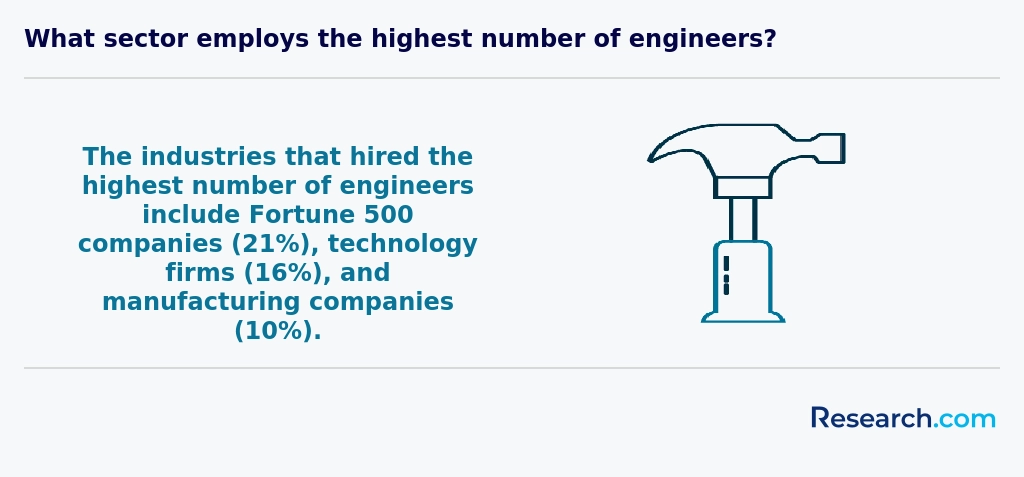
Diving into an engineering degree in Michigan means embracing a thrilling mix of foundational math and science, paired with hands-on discovery. Imagine a day at the University of Michigan or Michigan State University, where graduates recall tackling tough calculus and differential equations before diving into labs that bring those formulas to life. They describe the excitement of physics and chemistry courses unlocking the secrets behind materials and forces, turning abstract concepts into real-world impact.
Specialization opens new doors: mechanical engineering students explore thermodynamics and fluid mechanics, often imagining themselves designing innovative machines. Electrical engineering peers get energized mastering circuits and digital systems, pushing boundaries in electromagnetics. Civil engineering students imagine reshaping landscapes by studying structural analysis and transportation networks.
Across campuses, programming classes become powerful tools, teaching future engineers to create software solutions that complement physical designs. Capstone projects culminate this adventurous path, where students collaborate with local industries to solve authentic challenges, making every lesson feel vibrant and purposeful.
Engineering degree specializations in Michigan open doors to exciting fields shaped by the state's rich industrial heritage. Graduates often find themselves immersed in Mechanical Engineering, crafting cutting-edge designs for automotive giants or robotics startups near the University of Michigan. Others dive into Electrical Engineering, mastering power systems and communications, relishing hands-on projects that spark innovation. At Michigan State University, Civil Engineering students contribute to real-world infrastructure solutions, blending urban planning with environmental care.
The thrill of exploration continues with Computer Engineering and Software Engineering, rapidly expanding in Michigan's tech corridors, where students tackle software development challenges and can even learn how to become a machine learning engineer fast. Industrial and Manufacturing Engineering attracts those eager to optimize production lines, reflecting Michigan's manufacturing soul. Aspiring aerospace engineers find their niche designing aircraft and spacecraft, fueled by the adventurous spirit Michigan schools foster. These specializations embody the dynamic opportunities in Michigan engineering programs and concentrations, perfectly tailored for curious minds ready to innovate.
Choosing the best engineering degree in Michigan means diving into a world of exciting options tied to your passions and goals. Imagine a student captivated by Detroit's automotive pulse, thriving in a mechanical engineering program with hands-on internships at Ford or General Motors. These real-world experiences turn theory into thrilling challenges, fueling confidence and skill-building.
Graduates from popular Michigan universities often emphasize how ABET accreditation shaped their path, assuring employers of their solid training. Consider the mix of affordable engineering colleges Michigan offers, balancing quality and budget-a crucial factor when tuition can range from $15,000 for in-state public schools to much more elsewhere. For those savvy enough to explore cost-effective routes, there's also the Inexpensive Engineering Degree Programs Ranking in New Mexico to inspire greater possibilities beyond state lines.
Hands-on learning, modern labs, and expert faculty are prized treasures here, creating a nurturing environment where engineering dreams take flight through vibrant research and co-op opportunities.

Graduates with an engineering degree in Michigan often embark on exciting career paths intertwined with the state's rich industrial landscape. Imagine working alongside Detroit's iconic automakers-General Motors, Ford, or Stellantis-crafting innovative automotive solutions that boost vehicle safety and sustainability. Many graduates from universities like the University of Michigan or Michigan State University find these opportunities thrilling, especially as they contribute directly to automotive engineering advancements.
Beyond automotive, job prospects for Michigan engineering graduates frequently lead to dynamic roles in electrical engineering, supporting renewable energy projects that shape the state's smart grids. Mechanical engineering graduates, especially from Michigan Technological University, thrive in aerospace sectors with firms like Boeing, pushing the limits of flight technology through hands-on manufacturing and product design.
Exploring civil or chemical engineering opens doors to impactful infrastructure projects or pharmaceutical innovations, often bringing graduates face-to-face with real-world challenges across Michigan's cities and industries. For those fascinated by technology, pathways into software, systems engineering, and robotics create vibrant career adventures, supported by internships and research collaborations fostered by local universities. Students considering flexible options might explore the 1 year masters programs usa to accelerate their journey.
The engineering job market Michigan 2027 looks vibrant and full of opportunity for graduates excited to jump into dynamic industries. Those finishing their degrees at institutions like the University of Michigan or Michigan State University often find themselves swept into bustling roles within automotive giants such as General Motors or Ford, where their mechanical and electrical skills quickly become vital. Many graduates share how internships and R&D projects offered through these universities give them hands-on experience that makes the job search feel like an adventure rather than a chore.
Michigan engineering degree employment trends reveal not only traditional manufacturing opportunities but also a growing excitement around renewable energy and robotics in tech hubs like Ann Arbor and Detroit. Graduates often talk about joining cutting-edge environmental projects or innovative startups that capture the thrill of building the future. For those looking to stretch their career further, exploring the cheapest masters online programs from Michigan's top schools adds a welcomed layer of flexibility and growth potential.
2027 Most Popular Engineering Degree Programs Ranking in Michigan
Investing in your education is a significant decision that can shape your future, and the Research.com team understands the importance of making informed choices. To assist prospective students in Michigan, we have meticulously crafted the "2027 Most Popular Engineering Degree Programs Ranking in Michigan." Our commitment to quality, credibility, and accuracy is reflected in the extensive research and analysis conducted to compile this ranking.
We utilized the following reputable data sources to ensure a comprehensive evaluation of engineering programs:
By exploring this ranking, readers will gain valuable insights into the most popular engineering degree programs in Michigan, helping them make informed decisions about their educational paths. For more details on our methodology, please visit our Research.com methodology page.


# 13 position
Western Michigan University
Doctor of Philosophy in Electrical and Computer Engineering


Frequently Asked Questions About engineering
Engineering degree students in Michigan can maximize their learning experience by combining academic coursework with practical opportunities. Enrolling in programs accredited by ABET ensures quality education aligned with industry standards. According to the Michigan Economic Development Corporation, Michigan is a hub for automotive and manufacturing engineering, offering students access to internships at leading companies like Ford and General Motors.
Students should actively engage in hands-on projects and participate in engineering clubs or competitions, which enhance problem-solving skills. Michigan's universities often provide connections with research centers and innovation hubs, fostering collaboration.
Additionally, leveraging co-op programs and networking events increases career readiness and builds professional relationships that are essential in the engineering field.
Emerging niches within the engineering field in Michigan reflect the state's evolving industrial and technological landscape. One fast-growing area is automotive engineering, driven by Michigan's historic role as a car manufacturing hub and its transition toward electric and autonomous vehicles. According to the Michigan Economic Development Corporation, companies are investing billions in electric vehicle technologies, creating demand for specialists in battery design and software integration.
Another expanding niche is environmental engineering, spurred by increasing focus on sustainable practices, clean water, and air quality. The Great Lakes region's environmental challenges create opportunities for engineers focused on water resource management and pollution control.
Robotics and automation engineering are also growing fields, supported by Michigan's leadership in advanced manufacturing. The University Research Corridor shows that engineering jobs in robotics are expected to increase by over 10% by 2030.
These niches represent promising paths for engineering students seeking to align their education with Michigan's economic strengths and innovation trends.
Preparing for the job market after earning an engineering degree in Michigan involves strategic planning and practical experience. Recent data from the Michigan Department of Labor shows that industries like automotive, aerospace, and manufacturing are some of the top employers of engineers in the state. Students should prioritize internships or cooperative education programs offered by Michigan universities, as these provide valuable hands-on experience and professional networking opportunities.
Additionally, obtaining industry-recognized certifications, such as the Fundamentals of Engineering (FE) exam, can enhance job prospects. Engaging with local engineering societies like the Michigan section of the American Society of Civil Engineers also helps build connections.
Employers in Michigan highly value engineering graduates who possess strong technical skills, including proficiency in computer-aided design (CAD) software and data analysis. According to the Michigan STEM Partnership, over 70% of engineering jobs require experience with industry-standard software tools. Problem-solving abilities and critical thinking remain essential, as these skills enable graduates to innovate and address complex challenges in manufacturing and automotive sectors.
Communication skills are also prioritized, with 65% of employers seeking candidates who can effectively collaborate in multidisciplinary teams. Additionally, knowledge of sustainability practices is increasingly important, reflecting Michigan's growing focus on green engineering initiatives supported by the Michigan Economic Development Corporation.
Finding internships in Michigan relevant to an engineering degree involves leveraging multiple resources. University career centers at institutions such as the University of Michigan and Michigan State University actively connect students with local engineering firms and manufacturing companies. According to the Michigan Economic Development Corporation, the state hosts over 1,000 companies in automotive, aerospace, and technology sectors, which often offer internships.
Students should also explore job boards like Michigan Talent Connect, which list numerous internship opportunities exclusive to the state. Networking events, engineering societies such as the Michigan Society of Professional Engineers, and professional conferences provide valuable contacts.
Applying early and tailoring resumes to match technical skills required by Michigan employers improves the chances of securing a position.
Obtaining an engineering degree in Michigan significantly enhances career mobility and advancement opportunities. Michigan, home to key industries like automotive and manufacturing, values engineering skills highly, as reported by the Michigan Economic Development Corporation. Graduates with engineering degrees often see higher starting salaries, with recent data from the U.S. Bureau of Labor Statistics indicating average wages above the state median.
Engineering professionals in Michigan also benefit from strong regional networks and professional organizations that support ongoing certification and career growth. Additionally, the state's concentration of engineering firms allows for easier geographic mobility within various sectors. Employers frequently seek candidates with degrees from accredited programs, which opens doors to leadership and specialized roles.
Engineering degrees in Michigan equip students with skills essential for interdisciplinary roles by integrating technical knowledge with collaborative problem-solving. Michigan's engineering programs, particularly at institutions like the University of Michigan and Michigan State University, emphasize hands-on projects that combine engineering with fields such as business, healthcare, and environmental science.
According to the National Science Foundation, Michigan awarded over 5,000 engineering bachelor's degrees in 2022, many involving cross-disciplinary coursework. This approach helps graduates adapt to complex work environments where engineers collaborate with professionals from varied disciplines. Courses often include teamwork, communication, and systems thinking to prepare students for these challenges.
Choosing between a thesis and a non-thesis engineering degree program in Michigan depends largely on your career goals and interests. Thesis programs typically involve conducting original research, culminating in a written thesis. This is ideal for students aiming to pursue doctoral studies or research-oriented roles. Non-thesis programs focus more on coursework and practical experience, often appealing to professionals seeking to enter industry faster.
According to Michigan's higher education reports, nearly 40% of engineering graduate students opt for thesis programs, especially at research universities like the University of Michigan and Michigan State University.
Thesis paths may require two to three years, while non-thesis programs can be completed slightly faster. Tuition and funding opportunities also vary, often favoring thesis students through research assistantships.
Students based in Michigan interested in studying engineering abroad have several pathways available through U.S. higher education institutions. Many Michigan universities, such as the University of Michigan and Michigan State University, offer established exchange programs and study abroad options with partner schools worldwide. These allow students to spend a semester or year abroad while earning credits toward their engineering degree.
In addition, some programs focus specifically on engineering fields and may include internships or research opportunities overseas. According to the Institute of International Education, approximately 10% of engineering students nationwide participate in study abroad experiences, with Michigan schools actively promoting these options.
Students should also explore third-party providers specializing in engineering study abroad programs to find specialized courses aligned with their academic goals.
Part-time job opportunities in Michigan that complement engineering degree education are abundant, especially in the manufacturing and automotive industries. Michigan hosts major companies like General Motors and Ford, which often offer internships and co-op positions in engineering fields. These roles provide practical experience in design, manufacturing processes, and quality control.
Additionally, students can find part-time roles in local research labs or university engineering departments, assisting with projects or testing. According to the Michigan Manufacturers Association, nearly 20% of manufacturing jobs in the state require engineering-related skills, making part-time work valuable for hands-on learning.
Technical support and IT roles in tech startups around Detroit also offer relevant experience in applied engineering and software development.
Engineering students in Michigan benefit from numerous networking opportunities through university-sponsored events, professional organizations, and industry partnerships. Institutions like the University of Michigan and Michigan State University host career fairs and engineering expos that attract top local and national employers. Students often connect with professionals via chapters of the American Society of Civil Engineers (ASCE) and the Society of Women Engineers (SWE), both active statewide.
Michigan's status as a manufacturing and automotive hub provides access to companies such as Ford and General Motors, offering internships and cooperative education programs. According to the Michigan Economic Development Corporation, these connections play a key role in launching career pathways for engineering students in the state.
Alumni networks provide significant advantages to engineering students pursuing degrees in Michigan. These networks connect current students with graduates who often work in key industries across the state, including automotive, manufacturing, and technology sectors. According to the Michigan Economic Development Corporation, over 30% of engineering graduates from Michigan universities remain employed within the state, strengthening local professional communities.
Through alumni connections, students gain access to internships, mentorships, and job opportunities that may not be publicly advertised. Experienced alumni share insights on industry trends and professional development, helping students navigate career paths.
Additionally, many universities in Michigan organize alumni-led workshops and networking events, fostering collaboration between students and established engineers. This support system improves employment outcomes and encourages innovation within Michigan's engineering workforce.
Customizing an engineering degree program in Michigan is possible through elective courses, specializations, and cooperative education options. Many universities, including the University of Michigan and Michigan State University, offer flexible curricula where students select technical electives aligned with their career interests.
Students can focus on fields such as automotive engineering, robotics, or environmental engineering, reflecting Michigan's industry strengths. Additionally, internships and co-op programs provide practical experience and networking opportunities. According to the National Center for Education Statistics, nearly 70% of engineering students in Michigan participate in experiential learning, improving job readiness.
Pursuing certificates or minors in business or computer science further enhances customization and career adaptability.
Engineering students in Michigan often face several common challenges during their studies. One major hurdle is the rigorous academic workload, particularly in core subjects like mathematics, physics, and computer science. According to the Michigan Engineering Education Research Center, over 60% of students report difficulty managing the intensive coursework alongside labs and projects.
Additionally, many students encounter financial strains. The average tuition for in-state undergraduates at Michigan public universities was approximately $15,000 per year in 2023, which can be a burden on many families. Balancing part-time jobs and studies often affects academic performance.
Another challenge is gaining relevant hands-on experience. While Michigan benefits from a strong manufacturing and automotive industry presence, not all students secure internships, which are crucial for future employment. The Michigan Department of Labor notes that about 40% of engineering students struggle to find internships in their field.
With an engineering degree in Michigan, you can pursue several professional certifications to enhance your career. The most recognized is the Professional Engineer (PE) license, which is essential for engineers who want to approve projects or work as consultants. To obtain a PE license, candidates must pass the Fundamentals of Engineering (FE) exam, gain relevant work experience-typically four years-and then pass the PE exam. The National Society of Professional Engineers reports that Michigan has over 22,000 licensed professional engineers, reflecting strong local demand.
Other valuable certifications include the Project Management Professional (PMP) and certifications from the American Society of Mechanical Engineers (ASME). These help engineers specializing in project leadership or mechanical systems. Certifications often lead to higher salaries and job security in Michigan's competitive engineering market.
To write a winning application for an engineering program in Michigan, start by showcasing strong academic performance, especially in mathematics and science courses. Most Michigan engineering schools, like the University of Michigan and Michigan State University, look for applicants with at least a 3.5 GPA in relevant subjects.
Highlight any hands-on experience, such as internships or robotics competitions, to demonstrate practical skills. Michigan employers value applied knowledge, reflecting the state's robust engineering job market, which grew by 5% between 2018 and 2023 (Bureau of Labor Statistics).
Craft a clear personal statement explaining your passion for engineering and why you chose that specific school. Letters of recommendation from science or math teachers who can attest to your abilities also strengthen your application.
Engineering careers are highly valued worldwide, offering diverse opportunities across industries such as automotive, aerospace, and technology. In the United States, and particularly in Michigan, which hosts major engineering employers like General Motors and Ford, the demand for skilled engineers remains strong. According to the U.S. Bureau of Labor Statistics, engineering jobs in Michigan are projected to grow by 5% from 2022 to 2032, reflecting steady regional demand.
Globally, engineering skills are transferable, allowing graduates to work internationally. However, licensing and certification requirements vary widely by country. This makes U.S. accreditation, such as ABET, important for Michigan students planning global careers, as it is recognized worldwide.
Furthermore, emerging fields like sustainable engineering and automation are growing globally, encouraging Michigan students to build expertise in cutting-edge technologies to stay competitive.
Gaining practical experience while studying for an engineering degree in Michigan is vital for career readiness. Many universities encourage students to participate in cooperative education programs (co-ops) and internships. According to the Michigan Economic Development Corporation, nearly 70% of engineering students engage in internships before graduation, gaining hands-on skills in sectors like automotive and manufacturing.
Engineering schools in Michigan often partner with major companies such as General Motors and Ford to provide real-world training. Students can also join research projects or engineering clubs on campus, which simulate industry challenges. Additionally, some institutions offer project-based courses where students design and test prototypes, further enhancing practical knowledge.
Choosing the right concentration within an engineering degree program in Michigan involves understanding your interests and career goals. Michigan's universities offer diverse fields, including mechanical, electrical, civil, and automotive engineering, reflecting the state's strong manufacturing and automotive industries. According to the Michigan Engineering Education Report 2023, mechanical and electrical engineering remain the most popular, accounting for over 60% of enrolled engineering students.
Research local industry demands, as Michigan is home to major companies like Ford and General Motors, which influence available internships and job opportunities. Visit campus advisors and review course descriptions to ensure alignment with your strengths. Job growth in Michigan's engineering sector is projected to increase by 8% through 2030, highlighting growing opportunities across concentrations.
- 2027 Most Popular Engineering Degree Programs Ranking in Indiana
- 2027 Most Popular Engineering Degree Programs Ranking in Illinois
- 2027 Most Popular Engineering Degree Programs Ranking in Minnesota
- 2027 Most Popular Engineering Degree Programs Ranking in Kentucky
- 2027 Most Popular Engineering Degree Programs Ranking in Iowa
- 2027 Most Popular Engineering Degree Programs Ranking in Maryland
- 2027 Most Popular Engineering Degree Programs Ranking in New Jersey
- 2027 Most Popular Engineering Degree Programs Ranking in Connecticut
- 2027 Most Popular Engineering Degree Programs Ranking in Massachusetts
- 2027 Most Popular Engineering Degree Programs Ranking in Arkansas
See What Experts Have To Say About Studying Engineering
Read our interview with Engineering experts


Jasna Jankovic
Engineering Expert
Associate Professor
University of Connecticut

Joseph Reichenberger
Engineering Expert
Professor of Civil Engineering & Environmental Science
Loyola Marymount University

- Engineering https://midmich.edu/degrees-programs/programs/egr/
- Challenges, difficulties and barriers for engineering higher education https://www.jotse.org/index.php/jotse/article/view/1696/645
- Guide to Types of Engineering Programs and Careers https://www.ycp.edu/news/types-of-engineering-degree-programs
- Interdisciplinary Engineering Education: Difficult, but not Impossible https://engineeringedu.press/2020/02/16/interdisciplinary-engineering-education-difficult-but-not-impossible/
- Thesis vs. Non-Thesis Master's Programs: Which is Right for You? https://potomac.edu/thesis-vs-non-thesis-masters/
- WHAT EMPLOYERS ARE LOOKING FOR – Career Connections Center | Milwaukee School of Engineering https://www.msoecareerconnections.com/channels/what-employers-are-looking-for/
- Study Engineering Degree Careers and Salary in Europe in Europe - 2026 - StudyinEurope.eu https://www.studyineurope.eu/engineering/engineering-degree-careers-salary-europe/
- Engineering Study Abroad Programs | Go Overseas https://www.gooverseas.com/study-abroad/engineering
- Guide to Engineering Internships https://www.internwise.co.uk/candidate-journey/industry-internships/guide-to-engineering-internships
- The Rise of the Niche Engineer https://www.sterling-engineering.com/niche-engineer/