2027 Easiest Online Master's in Engineering Degree Programs Ranking in Missouri

Co-Founder and Chief Data Scientist
Choosing the right online Master's in Engineering program can feel overwhelming, especially with so many options available in Missouri. This article presents the 2027 Easiest Online Master's in Engineering Degree Programs Ranking in Missouri, carefully compiled by the Research.com team of data scientists.
Our goal is to help you make a well-informed decision by highlighting programs that offer both quality education and accessible pathways. Pursuing an engineering degree online opens doors to exciting career opportunities while fitting your busy lifestyle. Explore this ranking to find a program that matches your goals and sets you up for success.
Key benefits of getting online engineering degree in Missouri
- Engineering graduates in Missouri can expect competitive salaries, such as Project Engineers earning around $137,750 annually and Control Systems Engineers about $118,350, showcasing strong financial potential.
- Graduates from Missouri universities often find rewarding career paths in research, product development, or biomedical engineering, reflecting diverse opportunities in high-demand fields.
- Online engineering degrees offer flexibility for working professionals, allowing students from Missouri to balance life and studies while earning recognized credentials from respected institutions like Missouri University of Science and Technology.
- 2027 Easiest Online Master's in Engineering Degree Programs Ranking in Missouri
- What can I expect from online engineering degree in Missouri?
- Where can I work with online engineering degree in Missouri?
What can I expect from online engineering degree in Missouri?
The average cost of an online engineering degree in Missouri typically ranges from $600 to $850 per credit hour, depending on the institution and any in-state tuition benefits. Many students pursuing online engineering degrees at schools like Missouri University of Science and Technology find these rates reasonable, especially given the program quality and strong industry connections offered. Graduates often appreciate the balance between affordability and access to comprehensive resources, including virtual labs and dedicated faculty support.
For example, engineering students enrolled at Missouri S&T describe the financial investment as worthwhile, citing the program's robust curriculum and flexible asynchronous learning formats. This flexibility allows working professionals to manage coursework around their busy schedules without compromising academic rigor. Additionally, smaller hidden costs are minimized thanks to online accessibility, reducing expenses related to commuting or housing.
Given Missouri's steady growth in engineering jobs and the programs' ties to local industries, many find the tuition costs to be a meaningful step toward a rewarding engineering career in fields like aerospace or energy.
Where can I work with online engineering degree in Missouri?
Graduates with an online engineering degree in Missouri have access to a dynamic job market spanning multiple industries. Many find rewarding careers in manufacturing centers near St. Louis and Kansas City, where leading firms like Boeing and General Motors seek engineers specializing in mechanical and electrical fields. These roles often involve hands-on work in product design and process improvement, providing graduates with practical, impactful experiences.
Missouri's tech sector, particularly vibrant around the University of Missouri and Missouri University of Science and Technology, offers exciting opportunities in software, telecommunications, and renewable energy. Graduates frequently participate in innovative startup environments, contributing to robotics or advanced systems projects. This boom fosters a sense of accomplishment and forward-thinking career growth.
Civil engineering alumni often secure positions with state and local agencies such as the Missouri Department of Transportation, managing infrastructure projects like highways and bridges. Others leverage bioengineering programs linked to research institutions in Columbia to enter the growing biomedical devices field, combining engineering expertise with healthcare innovation.
Graduates with an online engineering degree in Missouri often find themselves entering a robust job market with promising salary prospects. For instance, research engineers in Missouri typically earn an average annual wage of $120,630, reflecting strong demand for analytical and problem-solving skills. Project engineers fare even better, with mean salaries around $137,750, which mirrors opportunities in construction, manufacturing, and technology sectors near St. Louis and Kansas City.
Product development engineers in the region earn about $110,430 annually, benefiting from Missouri's thriving industrial base and the innovative atmosphere at institutions like the Missouri University of Science and Technology. Control systems engineers earn close to $118,350, often contributing to automation and aerospace projects that spark pride among graduates.
Biomedical engineers, with a mean annual wage of $106,700, frequently find fulfilling roles in healthcare technology companies based around Columbia or Kansas City. Many graduates from Missouri colleges report that the flexibility of an online program empowered them to balance work and study, leading to rewarding careers with these competitive earnings.
- Tuition for online engineering degrees in Missouri ranges from about $12,000 to $25,000 for a full bachelor's or master's program.
- Several Missouri universities offer ABET-accredited online engineering programs in fields like mechanical, electrical, civil, and computer engineering.
- Entry-level engineers in Missouri earn between $60,000 and $70,000 annually, with experienced engineers making $90,000 to $110,000 or more.
- The engineering job market in Missouri includes industries such as aerospace, automotive, biosciences, and infrastructure, with over 35,000 engineers employed statewide.
- Missouri requires passing the FE and PE exams for professional engineering licensure, which online ABET-accredited program graduates are eligible to pursue.
The typical time to complete an online engineering degree in Missouri generally aligns with traditional timelines but allows for greater flexibility. For a bachelor's degree, students at institutions like the University of Missouri or Missouri University of Science and Technology usually complete around 120 to 130 credit hours. Those studying full-time often graduate in about four years, while part-time learners or those balancing work and family commitments may take longer. Graduates often appreciate how online formats accommodate their busy lives without sacrificing the quality of education.
Master's degree candidates at Missouri State University or Washington University typically invest between 1.5 and 3 years completing 30 to 36 graduate credit hours. Many graduates report that the ability to tailor course loads each semester significantly eases the journey. Transfer credits or accelerated programs can shorten duration, while the engineering discipline's demands-such as lab-intensive courses-may extend it. This adaptability inspires students to persist confidently toward their goals, knowing they can pace their studies around professional and personal obligations.
Students pursuing engineering degrees in Missouri often encounter distinct experiences when choosing between online and on-campus programs. Graduates from the Missouri University of Science and Technology (Missouri S&T) praise the on-campus setting for its direct professor engagement, hands-on laboratory sessions, and collaborative project work that enrich problem-solving skills. This face-to-face interaction shapes a vibrant learning atmosphere, making complex concepts more approachable through real-time feedback.
Conversely, online engineering students from institutions like Missouri S&T value the flexibility to study around demanding work or family schedules. These programs deliver lectures, discussions, and simulations digitally, creating a convenient learning environment without geographic constraints. While the lack of immediate peer interaction can present challenges, many appreciate the ability to balance education with life commitments effectively.
Cost considerations also influence the decision. On-campus students may incur additional expenses such as housing and commuting, leading some online learners to feel relief in managing reduced financial burdens despite occasional technology fees. Both pathways maintain ABET accreditation, ensuring graduates meet industry standards and employers equally recognize the credibility of either choice within Missouri's engineering community.
The average cost of an online engineering degree in Missouri is approximately $31,710, reflecting a median total cost across various institutions. Graduates of programs at establishments such as the University of Missouri or Missouri University of Science and Technology often report a positive balance between the quality of education and affordability, especially when benefiting from in-state tuition rates. These universities offer robust online engineering curricula that accommodate working professionals, making higher education both accessible and feasible.
Students pursuing affordable online master's engineering programs Missouri typically encounter per-credit fees that vary between $300 and $600, with total credit requirements ranging from 30 to 36 hours. This per-credit structure allows flexibility and can reduce overall expenses compared to traditional on-campus degrees that come with additional fees and commuting costs. Alumni frequently share that managing coursework online gave them the freedom to advance their careers without the financial strain usually amplified by campus-based programs.
While tuition forms the core expense, additional costs such as textbooks, specialized software, and lab fees should be anticipated. Many online engineering students express relief upon learning about available financial aid options, scholarships, and employer tuition reimbursement which effectively lower the economic burden. For a clearer roadmap of costs and funding opportunities, prospective students are encouraged to explore resources at the Missouri Department of Higher Education and consider the top 6 month associate online programs for supplementary credentials.

Online engineering students in Missouri benefit from diverse financial aid options that significantly ease the cost of their education. Graduates from popular institutions like the University of Missouri or Missouri University of Science and Technology often highlight the value of federal aid accessed through FAFSA, which unlocks grants such as the Pell Grant-offering non-repayable need-based support crucial for many families.
State programs also play a pivotal role. The Access Missouri Financial Assistance Program and the Access to Success Grant provide targeted aid for residents, including those pursuing online degrees, boosting affordability for students enrolled at schools like Missouri State University.
Merit-based scholarships, frequently awarded by these universities, reward academic achievement and specialized expertise, with some focusing on enhancing diversity by supporting women and underrepresented minorities in engineering. Many students find additional relief through employer tuition assistance, especially in Missouri's aerospace and manufacturing sectors, where companies foster professional growth by funding education.
Professional organizations, including the Missouri Society of Professional Engineers, further supplement funding, helping students transform their ambitions into successful careers without overwhelming debt.
To enroll in an online engineering degree program in Missouri, applicants must typically hold a bachelor's degree in engineering or a related STEM field from an accredited institution. Many graduates from Missouri State University and the University of Missouri system share that meeting ABET accreditation standards is essential, ensuring the undergraduate education aligns with industry expectations.
Applicants are expected to submit official transcripts highlighting proficiency in mathematics, physics, and core engineering subjects, often maintaining a minimum GPA around 3.0. Some students who demonstrate valuable work experience in engineering roles have successfully gained admission despite slightly lower GPAs, reflecting the flexibility of admissions committees.
While some programs require GRE scores, many institutions in Missouri are waiving this prerequisite, making the application process more accessible. Beyond academics, letters of recommendation, statements of purpose, and resumes showcasing relevant work or research experience play a significant role in admissions decisions.
Successful graduates frequently mention the importance of reliable technology and comfort with online platforms to thrive in their studies, especially at schools known for their strong online engineering offerings, such as Missouri State University.
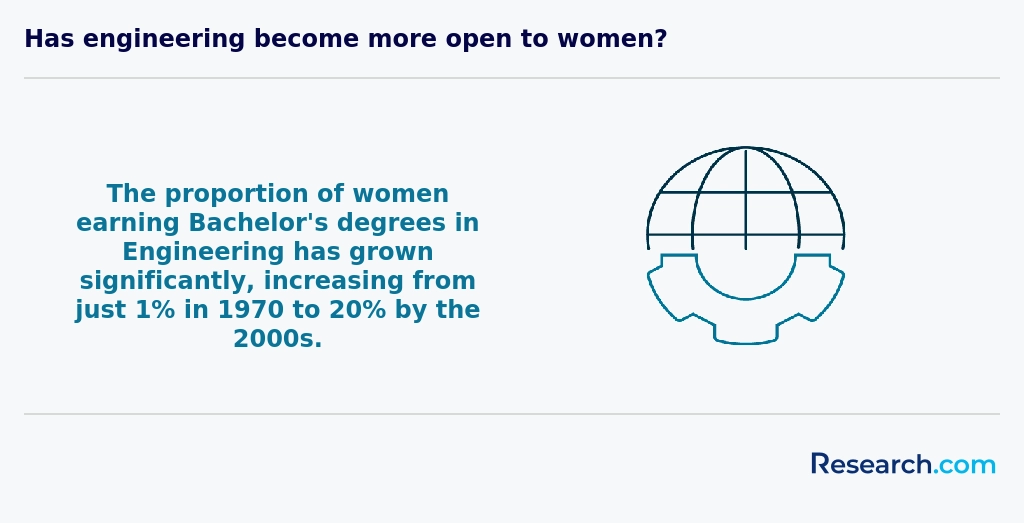
Online engineering degrees in Missouri commonly include courses fundamental to mastering engineering principles, such as calculus and differential equations, which graduates recall as critical when solving real-world design problems. Physics courses emphasize mechanics and electromagnetism, allowing students from institutions like the University of Missouri to confidently analyze forces impacting mechanical systems.
Materials science is another core subject, helping students understand how different materials behave under stress-knowledge vital for civil or mechanical projects. Courses in statics and dynamics equip students to predict movement and stability, skills praised by alumni of Missouri University of Science and Technology who apply these concepts in structural engineering tasks.
Specialized tracks further refine expertise: computer engineering students engage deeply with programming and networking, while civil engineering focuses on structural analysis and environmental concerns, reflecting Missouri's infrastructure needs. Many programs integrate engineering design and project management, with virtual labs enhancing practical skills remotely, a feature consistently highlighted by graduates balancing work and study.
Online engineering degree specializations in Missouri typically include civil, electrical, mechanical, industrial, and environmental engineering, each tailored to meet regional industry demands. Graduates from institutions like the University of Missouri and Missouri University of Science and Technology often highlight civil engineering's focus on infrastructure development, especially given the growth in urban centers such as St. Louis and Kansas City. Many find satisfaction in contributing to large-scale projects that improve community facilities.
Electrical and mechanical engineering specializations attract students interested in Missouri's manufacturing and automotive sectors. These programs emphasize practical knowledge in power systems, automation, and product design-skills highly valued by local employers. Industrial engineering focuses on optimizing efficiency in logistics and production companies prevalent throughout the state, resonating with professionals eager to enhance operational workflows.
Environmental engineering online courses are growing in popularity due to Missouri's increasing environmental regulations and commitment to sustainability. Many students pursuing engineering master's specializations Missouri online appreciate how these programs integrate theoretical principles with real-world conservation efforts. For those balancing work and study or exploring options later in life, Missouri offers flexible pathways, including resources like degrees for 60 year olds, facilitating continued career growth.
Choosing the best online engineering degree in Missouri involves assessing the program's accreditation, flexibility, and alignment with local industry demands. Graduates from popular universities in Missouri highlight the importance of enrolling in ABET-accredited programs to ensure quality education and stronger professional licensure prospects. For instance, working engineers pursuing online degrees at renowned Missouri institutions benefit from curricula tailored to in-demand fields such as aerospace and transportation engineering.
Flexibility also plays a crucial role. Many students appreciate programs offering fully asynchronous courses, which allow balancing studies with busy work schedules or family commitments. However, some degrees require occasional campus visits for labs, which can be a deciding factor based on personal availability. Missouri residents often find affordable online engineering degrees Missouri programs advantageous due to lower in-state tuition and scholarship opportunities, easing financial strain without compromising quality.
Notably, successful graduates recommend exploring options that provide robust student support, including career counseling and internship placement that boost job readiness. Additionally, engineering students can maximize their return on investment by considering bachelor degrees that pay well to complement their education and career prospects.
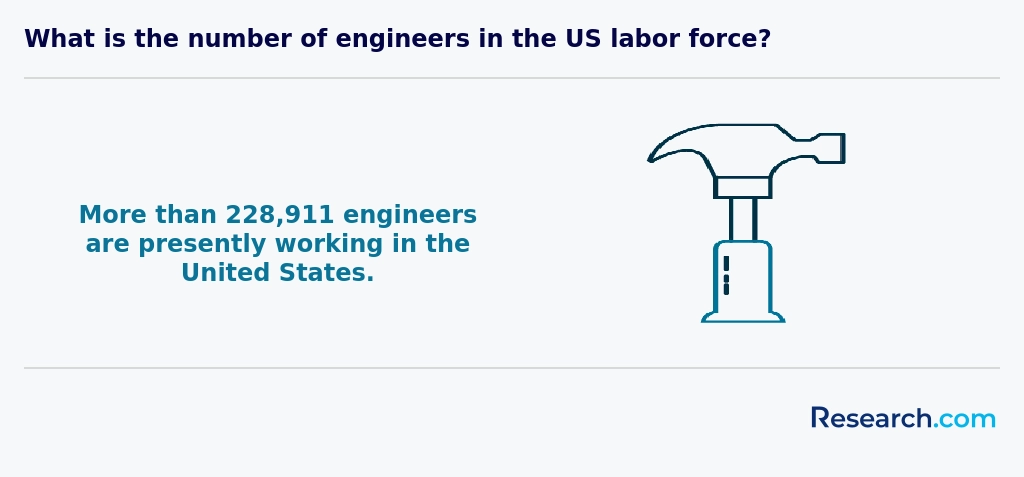
Graduates holding online engineering degrees in Missouri find diverse career paths tailored to the state's robust industrial landscape. Fields such as civil engineering thrive due to growing infrastructure projects, allowing graduates to design and maintain critical public works. Mechanical engineers benefit from Missouri's manufacturing hubs, with companies demanding expertise in product development and systems optimization. Electrical engineering roles are plentiful, given the state's investment in energy and automation technologies. Online engineering degrees Missouri career options also include industrial and environmental engineering, where professionals contribute to process efficiency and sustainability initiatives in real-world contexts.
Graduates from well-known Missouri colleges report gaining confidence entering local firms and agencies that seek skilled engineers ready to impact their communities. The accessibility of professional licensure through online programs enhances this transition. For those exploring engineering jobs in Missouri with online degree credentials, affordable tuition rates combined with strategic local opportunities offer a promising pathway. Many students find enrolling in an online college that accept financial aid helps balance quality education with economic feasibility, making career advancement an achievable goal.
The online engineering job opportunities Missouri offers are shaped by a robust manufacturing and technology sector that actively recruits graduates from local institutions. Universities and colleges in Missouri, especially those with ABET-accredited online programs, equip students with skills directly applicable to industries such as aerospace, automotive, and biosciences. Graduates often report that hands-on projects and internships through these programs greatly enhance their employability in the St. Louis and Kansas City regions, where demand for engineers remains steady.
Missouri's engineering graduates benefit from an average annual salary near $80,000, with top-paying fields like aerospace consistently rewarding specialized expertise. Students from well-known Missouri universities frequently highlight how their local networks and practical experience helped them secure positions within the state's prominent industry hubs. To maximize prospects in this competitive market, it is advisable to pursue degrees recognized for quality and consider gaining experience in emerging sectors such as renewable energy or automation.
Those exploring affordable pathways will find value in the best affordable online schools for job holders, which balance cost with the flexibility needed by working professionals. The Missouri job market for engineering graduates strongly favors candidates who demonstrate adaptability alongside accredited credentials, making an online engineering degree a promising investment for future career growth.
2027 Easiest Online Master's in Engineering Degree Programs Ranking in Missouri
Investing in your education is a significant decision that can shape your future, and the Research.com team understands the importance of making informed choices. To assist prospective students in Missouri, we have meticulously developed the "2027 Easiest Online Master's in Engineering Degree Programs Ranking in Missouri." Our commitment to quality, credibility, and accuracy is demonstrated through extensive research and thorough analysis behind this ranking. We utilized the following reputable data sources to ensure a comprehensive evaluation of engineering programs:
By exploring this ranking, readers will gain valuable insights into the most accessible online engineering master's degrees in Missouri, enabling informed decisions on their educational journey. For more information on how this ranking was created, please visit our Research.com methodology page.


Frequently Asked Questions About engineering
Online engineering degree students in Missouri can maximize their learning by actively engaging with their coursework and utilizing available resources. Participating in virtual study groups and discussion forums helps deepen understanding and fosters collaboration. Missouri's universities often provide access to digital libraries and technical journals essential for engineering research. Students should take advantage of internships or cooperative education programs offered locally, as Missouri hosts strong engineering sectors, particularly in aerospace and manufacturing.
Time management is crucial; setting a consistent study schedule helps balance work and school responsibilities. According to the Missouri Department of Higher Education, nearly 20% of STEM graduates in the state work in engineering fields, highlighting job market opportunities. Seeking mentorship from faculty or industry professionals can further enhance practical knowledge and career readiness.
Emerging niches within the engineering field reflect the rapid technological advances shaping the industry. In Missouri, areas such as renewable energy engineering are growing, driven by state initiatives to increase clean energy use. According to the Missouri Economic Research and Information Center, jobs in environmental and sustainable engineering are projected to grow by over 10% through 2030.
Biomedical engineering is another expanding field, supported by the state's growing healthcare and biotech sectors. Missouri universities offer specialized online master's programs to meet this demand.
Cybersecurity engineering also stands out as industries seek to protect data and infrastructure. With Missouri's emphasis on tech innovation, engineers skilled in this niche are increasingly sought after.
Finally, advanced manufacturing and automation engineering are rising due to Missouri's strong manufacturing base incorporating Industry 4.0 technologies.
After completing an online engineering degree in Missouri, it is vital to build a strong professional profile tailored to the state's industry demands. Missouri hosts a growing engineering job market, especially in aerospace, automotive, and manufacturing sectors, with approximately 80,000 engineering professionals reported by the U.S. Bureau of Labor Statistics in 2023.
Graduates should pursue internships or cooperative education opportunities, which often lead to full-time roles. Networking through Missouri engineering societies, such as the Missouri Society of Professional Engineers, also improves job prospects.
Certification matters; obtaining a Professional Engineer (PE) license in Missouri increases earning potential and credibility. Finally, staying current with software and technology trends in engineering fields is essential for competitiveness.
Employers in Missouri highly value engineering graduates with strong technical skills, including proficiency in computer-aided design (CAD) and a solid understanding of mathematics and physics. According to the Missouri Department of Economic Development, problem-solving ability is a top priority, as engineers must handle complex challenges in industries like aerospace and manufacturing.
Communication skills are equally important, with emphasis on the ability to explain technical concepts clearly to non-engineers. Teamwork and collaboration matter greatly, especially in Missouri's growing tech hubs such as St. Louis and Kansas City.
Project management and familiarity with software like MATLAB or Python also enhance employability. Additionally, adaptability and a commitment to lifelong learning are vital as engineering technologies rapidly evolve.
Finding internships in Missouri relevant to an online engineering degree involves leveraging both local resources and national platforms. Start by exploring the Missouri Department of Higher Education & Workforce Development, which often lists internship opportunities aligned with engineering fields. Many universities in Missouri, such as the University of Missouri and Missouri University of Science and Technology, offer career services to online students that include internship placement assistance.
Additionally, websites like Handshake and the National Society of Professional Engineers (NSPE) provide engineering-specific internship listings. Missouri boasts a strong manufacturing and aerospace industry, especially around St. Louis and Kansas City, offering numerous practical internship experiences. According to the Missouri Economic Research and Information Center, the state supports over 90,000 engineering-related jobs, indicating a healthy market for internships.
Online engineering degrees in Missouri offer flexible pathways for career mobility and advancement in a competitive job market. According to the Missouri Economic Research and Information Center (MERIC), engineering occupations in the state are projected to grow by 5% through 2030, driven by industries like aerospace, manufacturing, and technology.
Acquiring an online engineering degree allows professionals to update skills without interrupting their careers. This education can help qualify individuals for higher-paying roles such as project managers, senior engineers, or specialized technical experts.
Missouri employers increasingly recognize accredited online degrees, provided the programs align with ABET standards, enhancing graduates' credibility. Additionally, continuing education helps engineers meet licensure requirements through the Missouri Board for Architects, Professional Engineers, Professional Land Surveyors, and Landscape Architects.
Overall, online engineering degrees provide access to advanced knowledge, increase professional networks, and support upward mobility within Missouri's engineering sectors.
Studying for an engineering degree in Missouri online offers strong preparation for interdisciplinary roles by integrating technical knowledge with practical skills from various fields. Many Missouri universities emphasize collaboration between engineering, business, and technology programs, reflecting the state's growing industries like aerospace and biotechnology. According to the Missouri Department of Higher Education, curricula often include project-based learning that encourages teamwork across multiple disciplines.
Students gain experience in communication, management, and design thinking, essential for solving complex problems in real-world settings. This holistic approach helps graduates adapt to diverse roles within engineering and related sectors.
Choosing between a thesis and a non-thesis online engineering degree in Missouri depends largely on your career goals and time commitment. Thesis programs often focus on research and prepare students for doctoral studies or research-oriented jobs. They require completing a significant project and writing a formal thesis under faculty supervision.
Non-thesis options emphasize coursework and practical skills, ideal for professionals seeking advancement without academic research. Missouri's universities, such as Missouri University of Science and Technology, offer both tracks tailored to different needs.
The Missouri Department of Higher Education notes growing demand for applied engineering skills, influencing program structures.
Students based in Missouri who want to study engineering abroad have several pathways, primarily through partnerships and exchange programs with international universities. While fully online engineering degrees from foreign institutions are less common, Missouri universities often collaborate with global schools to offer study abroad opportunities or dual-degree options.
Several Missouri institutions, such as the University of Missouri and Missouri University of Science and Technology, provide resources for students seeking global engineering experiences. According to the Institute of International Education, participation in study abroad programs among engineering students is growing steadily across U.S. universities.
Students should consider programs accredited by ABET to ensure international degree recognition. Additionally, working professionals can explore foreign online programs with accreditation recognized in the U.S., but must verify transferability and employer acceptance.
Part-time job opportunities in Missouri that complement an engineering degree education often include roles in technical support, CAD drafting, and lab assistant positions. These jobs provide practical experience with industry-standard tools and methodologies, helping students apply theoretical knowledge.
Missouri's growing manufacturing sector offers positions in quality control and process improvement, valuable for engineering students. According to the Missouri Economic Research and Information Center, engineering-related roles in the state have seen steady growth in the past five years, creating relevant part-time openings.
Internships or assistantships with local engineering firms or university research labs provide hands-on exposure and networking advantages, crucial for career advancement after graduation.
Online engineering students in Missouri have access to several valuable networking opportunities. Many universities, like the Missouri University of Science and Technology, offer virtual events, career fairs, and student organization meetings that help connect online learners with peers and industry professionals.
The state is home to a strong engineering sector, including aerospace, transportation, and manufacturing companies headquartered in areas like St. Louis and Kansas City. Organizations such as the Missouri Society of Professional Engineers provide online webinars and local chapter events accessible to remote students.
Additionally, professional networking platforms and Missouri-based engineering groups can enhance connections. According to the Missouri Economic Research and Information Center, engineering jobs in the state are projected to grow by 7% through 2030, encouraging active regional collaboration and mentoring programs.
Alumni networks play a significant role in supporting online engineering degree students in Missouri. These networks provide access to mentors who can offer career advice and industry insights relevant to Missouri's engineering job market.
Through alumni connections, students can discover internships and job opportunities, especially in the state's key sectors like aerospace, automotive, and biotechnology. According to the Missouri Department of Higher Education, graduates with strong professional networks tend to secure employment faster, often within three months post-graduation.
Networking events and online forums organized by alumni groups also help students build relationships that extend beyond graduation. These connections often lead to collaborations on projects, research, and continued professional development, enhancing students' career prospects in Missouri's competitive engineering landscape.
Customizing an online engineering degree in Missouri begins with understanding the flexibility offered by many regional universities. Programs often allow students to select concentrations such as civil, mechanical, electrical, or software engineering, tailoring coursework to specific career paths. Additionally, electives and technical projects can be chosen to enhance specialized skills.
Missouri's higher education institutions typically support part-time study, enabling professionals to balance work and education. Internships or cooperative experiences may be integrated remotely, providing practical industry exposure. According to the Missouri Department of Higher Education, nearly 40% of engineering graduates in the state pursue roles in aerospace and manufacturing, sectors which benefit from such focused training.
Students should also explore certificate options or dual-degree tracks offered within online programs, which increase marketability. Advising services play a key role in aligning academic plans with career goals, ensuring the coursework meets both industry standards and licensure requirements where applicable.
Online engineering students in Missouri often face challenges related to balancing rigorous coursework with personal and professional responsibilities. Engineering programs are typically demanding, requiring strong time management skills. According to the Missouri Department of Higher Education, many students report difficulty accessing hands-on laboratory experience, which is essential for engineering mastery but limited in online formats.
Connectivity and technology issues also pose problems, particularly in rural areas where Missouri ranks below the national average for broadband access. This can hinder students' participation in live lectures and timely submission of assignments. Additionally, students sometimes struggle with staying motivated without in-person peer and faculty support.
With an online engineering degree in Missouri, graduates can pursue several professional certifications that enhance career prospects. The most recognized credential is the Professional Engineer (PE) license, which requires passing the Fundamentals of Engineering (FE) exam, gaining relevant work experience, and passing the PE exam. Missouri's Board for Architects, Professional Engineers, and Land Surveyors oversees this process.
Other valuable certifications include the Certified Manufacturing Engineer (CMfgE) and Project Management Professional (PMP), widely respected in engineering fields. According to Missouri economic reports, certified engineers enjoy higher median salaries and better job stability.
These certifications demonstrate expertise and commitment, helping graduates advance in engineering sectors statewide.
Writing a winning application for an online engineering program in Missouri requires careful preparation and attention to detail. Start by researching accredited programs recognized by the Accreditation Board for Engineering and Technology (ABET), ensuring the degree meets industry standards. Highlight your academic background, work experience, and any relevant projects clearly in your statement of purpose.
Missouri's engineering workforce is diverse, with demand growing in fields like civil, mechanical, and electrical engineering, as reported by the Missouri Economic Research and Information Center (MERIC). Tailor your application to demonstrate your alignment with these fields and how the program will help you contribute.
Strong letters of recommendation from academic or professional mentors significantly enhance applications. Additionally, ensure your resume is concise and quantifies achievements wherever possible. Lastly, meet all deadlines and provide all requested documents to avoid delays in processing.
The engineering profession is recognized globally for its critical role in innovation, infrastructure, and technological advancement. In the United States, including Missouri, engineering careers offer strong job stability and competitive salaries, with the U.S. Bureau of Labor Statistics projecting a 7% growth in engineering jobs from 2021 to 2031. Globally, engineers are essential in addressing challenges like climate change, renewable energy, and smart cities.
For Missouri residents pursuing online engineering degrees, understanding these global demands can position them well for international collaboration and opportunities. According to the Missouri Economic Research and Information Center, the state's engineering sector remains robust, especially in aerospace and manufacturing.
Many U.S. engineering programs emphasize global standards and practices, preparing students to work in diverse environments. This global perspective enhances competitiveness and innovation potential for graduates entering the workforce.
Gaining practical experience while pursuing an online engineering degree in Missouri is essential for career readiness. Many programs encourage internships or cooperative education (co-op) placements with local industries. Missouri hosts major engineering employers such as Emerson Electric and Boeing, offering opportunities for meaningful work experience.
Students can also participate in virtual labs, simulations, and project-based coursework that mirror real-world challenges. Additionally, professional organizations like the Missouri Society of Professional Engineers provide networking and mentoring programs, which can lead to hands-on experience.
According to the Missouri Department of Higher Education, nearly 60% of engineering students engage in internships during their studies, improving job placement post-graduation.
Choosing the right concentration within an online engineering degree program in Missouri requires careful consideration of your interests and career goals. Popular concentrations include civil, mechanical, electrical, and software engineering, each aligning with different industry needs.
Research Missouri's job market trends through sources like the Missouri Economic Research and Information Center, which reports growth in sectors such as aerospace and manufacturing. Selecting a concentration with strong local demand can improve employment prospects after graduation.
Consider program accreditation, such as ABET, to ensure quality education recognized by employers. Additionally, evaluate course offerings to ensure they match your intended specialization and technical skills development.
Networking opportunities and industry partnerships available through the online program can also influence your choice, providing valuable connections in Missouri's engineering community.
- 2027 Easiest Online Master's in Engineering Degree Programs Ranking in Kansas
- 2027 Easiest Online Master's in Engineering Degree Programs Ranking in Illinois
- 2027 Easiest Online Master's in Engineering Degree Programs Ranking in Kentucky
- 2027 Easiest Online Master's in Engineering Degree Programs Ranking in Wisconsin
- 2027 Easiest Online Master's in Engineering Degree Programs Ranking in Colorado
- 2027 Easiest Online Master's in Engineering Degree Programs Ranking in Ohio
- 2027 Easiest Online Master's in Engineering Degree Programs Ranking in Michigan
- 2027 Easiest Online Master's in Engineering Degree Programs Ranking in Alabama
- 2027 Easiest Online Master's in Engineering Degree Programs Ranking in Georgia
- 2027 Easiest Online Master's in Engineering Degree Programs Ranking in Texas
See What Experts Have To Say About Studying Engineering
Read our interview with Engineering experts

Jasna Jankovic
Engineering Expert
Associate Professor
University of Connecticut

Joseph Reichenberger
Engineering Expert
Professor of Civil Engineering & Environmental Science
Loyola Marymount University

Bohdan W. Oppenheim
Engineering Expert
Professor Emeritus of Healthcare Systems Engineering
Loyola Marymount University

- Best Online Engineering Degrees https://www.onlineu.com/degrees/engineering
- Engineering Degree, St. Louis https://www.maryville.edu/as/science-and-mathematics/engineering/
- 13 Different Engineering Schools in Missouri (MO) https://typesofengineeringdegrees.org/schools/missouri/
- New Ranking: The Best Alumni Networks https://poetsandquantsforundergrads.com/rankings/the-best-alumni-networks/
- Student blog: Networking tips for engineering students https://asu-london.ac.uk/news/student-blog-networking-tips-for-engineering-students/
- Missouri Fast Track https://www.evangel.edu/future-students/office-of-admissions/financial-aid-and-scholarships/mofasttrack/
- Missouri Engineering Programs https://educatingengineers.com/states/missouri/
- Engineering Technology Degree | Electronic ... https://www.ucmo.edu/academics/programs/majors/chst/industrial-sci-and-tech/engineering-tech/engineering-technology-management/
- Missouri Online Engineering Degree Programs (MO) https://www.onlineengineeringprograms.com/usa/missouri
- Networking for engineers: your questions answered https://targetjobs.co.uk/careers-advice/engineering/networking-engineers-your-questions-answered