
2027 Best Engineering Degree Programs Ranking in Tampa

Co-Founder and Chief Data Scientist
If you're considering pursuing an engineering degree in Tampa, this article is here to guide you. The 2027 Best Engineering Degree Programs Ranking in Tampa presents carefully researched options to help you find the program that suits your goals and interests.
Compiled by the Research.com team of data scientists, the ranking offers clear insights into quality programs, making your decision easier and more confident. Engineering degrees open doors to exciting careers and personal growth, and understanding your options is the first step.
Explore this guide and take a confident stride toward your future in engineering.
Key benefits of getting engineering degree in Tampa
- Engineering graduates in Tampa can expect strong earnings, with Mechanical Engineers making around $105,220 annually and Electrical Engineers earning up to $117,680 per year, offering financial stability and rewarding careers.
- Graduates from the University of South Florida often pursue diverse paths like civil, industrial, or mechanical engineering, allowing exciting opportunities in construction, manufacturing, and technology industries.
- Completing an engineering degree online through institutions like USF Online offers flexibility and convenience, helping busy students balance work and study while earning a respected credential.
- 2027 Best Engineering Degree Programs Ranking in Tampa
- What can I expect from engineering degree in Tampa?
- Where can I work with engineering degree in Tampa?
What can I expect from engineering degree in Tampa?
The average cost of pursuing an engineering degree in Tampa typically ranges from moderate to affordable compared to other metropolitan areas in Florida. Graduates from the University of South Florida's College of Engineering often recount balancing tuition costs that, while competitive, demanded careful financial planning and leveraging scholarships or internships.
Students describe how the investment feels worthwhile, given the solid return through hands-on experiences and internships within Tampa's vibrant tech and healthcare sectors. One graduate recalled how participating in cooperative education programs not only offset expenses but also deepened industry connections, making financial concerns more manageable.
Unlike many costly programs elsewhere, Tampa's engineering degrees provide value through accredited courses and strong industry links without imposing overwhelming debt. This practical balance enables students to focus on learning foundational subjects and engaging in cutting-edge research rather than being burdened solely by price.
Ultimately, the cost reflects Tampa's commitment to accessible, quality engineering education that prepares students for a flourishing regional job market while preserving optimism about their financial future.
Where can I work with engineering degree in Tampa?
Graduates with an engineering degree from institutions like the University of South Florida in Tampa often find themselves immersed in dynamic career paths that surpass traditional roles. Many start their journeys in aerospace companies such as Lockheed Martin, where they collaborate on cutting-edge projects that push technology boundaries while enjoying competitive salaries and a strong sense of purpose.
Others discover that Tampa's rapidly expanding tech sector offers opportunities beyond coding or hardware design. Graduates recall joining innovative startups, where their engineering skills translate into solving real-world problems in telecommunications and software development, fueling both personal growth and regional tech booms.
For those drawn to tangible, large-scale impact, construction and civil engineering roles provide daily challenges on infrastructure upgrades and urban projects supported by local agencies. Manufacturing facilities, particularly in electronics and consumer goods, invite engineers to refine production processes and quality, creating products they're proud to see in everyday use.
Increasingly, biomedical engineering graduates feel inspired working alongside researchers in Tampa's medical centers, transforming healthcare technologies with devices that genuinely improve lives-a fulfilling mix of compassion and innovation.
Graduates with engineering degrees from Tampa institutions often find their earnings reflecting both local demand and broader industry standards. For instance, a mechanical engineering graduate starting their career near Tampa might initially be surprised to see local salaries around $88,000, which aligns closely but somewhat trails behind the national mean wage of $105,220 reported by the BLS. This gap invites deeper reflection on how regional economic factors shape opportunity.
Electrical engineering graduates from Tampa's universities experience a similar dynamic. They typically earn about $95,000 locally, yet the national average is $117,680, suggesting room for growth, especially for those who leverage Tampa's emerging tech sectors or pursue further certifications. Graduates often cite how their schools emphasize real-world projects, boosting confidence and positioning them to negotiate better pay linked to these skills.
Civil engineers in Tampa report average salaries near $82,000, compared to $101,160 nationally. Yet those working on high-impact urban development projects frequently share stories of professional fulfillment that transcend salary alone, balancing passion with practical earnings.
These earnings underscore a valuable lesson for Tampa engineering graduates: while the salary baseline is solid, proactive career management, continuing education, and strategic positioning within key local industries such as aerospace or manufacturing can significantly elevate both income and job satisfaction.
- Tampa offers accredited engineering programs, including at the University of South Florida, the largest public research university in the area.
- In-state tuition for engineering at public universities like USF ranges from $6,000 to $8,000 per year, while private universities charge between $20,000 and $30,000 annually.
- Starting salaries for engineering graduates in Tampa average around $65,000 per year, with petroleum and computer engineering fields typically offering higher pay.
- Experienced engineers in Tampa earn between $90,000 and $120,000 annually, reflecting strong career growth.
- The Tampa Bay area has key industries such as aerospace, civil engineering, and technology, creating high demand for engineers.
- Internships and cooperative education programs are available locally, and obtaining Professional Engineer (PE) licensure is recommended for career advancement.
Completing an engineering degree in Tampa most often means committing to about four years of full-time study, particularly at institutions like the University of South Florida or Hillsborough Community College. Graduates frequently recall the challenge and satisfaction of balancing a rigorous course load that typically totals 120 to 130 credit hours, blending core engineering classes with general education.
Some students find themselves driven to accelerate this journey, managing summer classes and heavier schedules to finish in three years-an impressive but demanding feat that showcases determination and resilience.
Others, especially those attending community colleges, value the two-year associate degree route as a practical stepping stone, often sharing stories of how it opened doors to later transfer into four-year programs. This path sometimes offers a more manageable pace while building confidence and skills.
Factors like part-time enrollment or mandatory internships can extend the timeline but often deepen students' real-world readiness, leaving many feeling proud of how they turned potential obstacles into valuable experience.
Choosing between an online and on-campus engineering degree in Tampa means weighing distinct experiences. Graduates from the University of South Florida often recall the thrill of hands-on labs, where they manipulated real machinery and formed instant bonds through collaborative projects. This tactile approach, paired with direct interaction with professors, anchors their confidence in mastering practical engineering challenges.
Conversely, graduates from online programs, popular among working professionals juggling families, highlight the flexibility of asynchronous classes. They appreciate pausing lectures to work through tough problems on their own schedules, yet sometimes question if virtual labs fully replace the tactile learning that on-campus study provides.
Picture a Tampa student balancing a job and study: the online route offers freedom but demands self-discipline to engage deeply without the immediacy of peer support. Meanwhile, on-campus students benefit from access to local industry internships-vital in Tampa's competitive job market-which can transform classroom theory into real-world skills.
Tampa’s engineering programs offer more than just rigorous academics; they provide a vibrant campus life and extensive student support that play a key role in nurturing future professionals. Students benefit from modern facilities such as well-equipped labs, collaborative study areas, and innovation hubs that foster creativity and practical learning. In addition, many institutions host career fairs, hackathons, and networking events which create opportunities to engage with industry professionals and alumni champions. These extracurricular activities not only enhance technical skills but also build essential leadership and communication abilities for a successful career in engineering. For students seeking excellent value, exploring the options available at affordable engineering schools in florida can open new doors to affordable education coupled with a rich campus experience that supports personal growth and academic success.
The average cost of an engineering degree in Tampa challenging many assumptions about affordability. At the University of South Florida, in-state students typically face tuition costs around $6,410 per year, a figure that often surprises those expecting higher fees in a major city. Graduates recall balancing coursework with part-time jobs and managing expenses carefully to stay within this range. Such practical budgeting sheds light on the total financial commitment beyond tuition alone.
When considering Tampa engineering degree total expenses, it's crucial to factor in housing, supplies, and tech fees. Many students find that living off-campus requires an additional $10,000 to $15,000 yearly, stretching their budgets but also teaching valuable life skills. Engineering-specific costs, like lab supplies and textbooks averaging around $1,000 per year, add layers to this financial picture, often underestimated before enrollment.
Private institutions in Tampa, offering specialized programs, usually double these estimates, but scholarships and financial aid provide relief to many. Some graduates emphasize that thoughtful spending and exploring opportunities like the cheap online master's in computer science programs can open doors to continuing education without overwhelming debt. This perspective invites a rethinking of how costs align with long-term career goals in the engineering field and the vibrant Tampa community supporting students.

Accreditation ensures that engineering programs in Tampa, FL meet rigorous academic and professional standards, providing students with a competitive edge in the job market. Most leading institutions, including the University of South Florida and the University of Tampa, hold ABET accreditation, which validates the quality of their curriculum, faculty qualifications, and lab resources. Beyond accreditation, industry partnerships play a crucial role in bridging theory and practice. Local engineering firms-such as Tampa Electric Company and Raymond James Financial-collaborate with universities to offer paid internships, capstone projects, and mentorship programs. These collaborations not only give students hands-on experience but also enhance job placement rates upon graduation. Additionally, Tampa schools engage in research initiatives with aerospace and biomedical companies, allowing undergraduates to contribute to real-world innovations. For those weighing online alternatives, it’s insightful to review how affordability aligns with accreditation standards; for example, the Cheapest Online Engineering Degree Programs Ranking in Los Angeles, CA highlights programs that balance cost, quality, and industry relevance. By choosing a program with both ABET accreditation and strong corporate ties, students maximize their readiness for engineering careers.
Engineering students in Tampa often find financial aid woven into the fabric of their academic journey, transforming what seems like an overwhelming expense into achievable progress. Consider a graduate from the University of South Florida's College of Engineering, who leaned on Pell Grants that don't require repayment, easing immediate financial pressure with awards up to $7,395 annually.
State scholarships like Florida's Bright Futures program create tangible hope by covering partial or full tuition at public institutions such as USF, making high-quality education feel within reach rather than a distant dream.
Many Tampa-based engineering students also tap into departmental scholarships, which reward leadership and project involvement with amounts ranging from $1,000 to $5,000. This support often sparks pride and fuels further commitment to their fields.
For working professionals, employer tuition assistance programs in Tampa's vibrant engineering market serve as a beacon, enabling career advancement without financial setbacks. Beyond institutional aid, private scholarships from groups like the Society of Women Engineers or IEEE show how community recognition turns effort and identity into real financial support and belonging.
To enroll in an engineering degree in Tampa, you must first demonstrate a solid foundation in mathematics and science. Graduates from the University of South Florida often recall how excelling in algebra, trigonometry, and physics before applying made their transition smoother. It's not just about passing courses; engaging deeply in these subjects builds the critical thinking essential for engineering challenges.
Standardized test scores, especially in math, remain influential despite some schools adopting test-optional policies. Competitive SAT or ACT math scores showcase your analytical readiness, a non-negotiable for technical problem-solving. Many students who thrived had firsthand experience in robotics clubs or internships that sparked genuine enthusiasm-qualities Tampa institutions highly value alongside academics.
Letters of recommendation and personal statements offer a chance to express perseverance and creativity, traits that define successful engineers. Some Tampa colleges expect applicants to have completed calculus or introductory physics, ensuring you're technically equipped. Embracing these prerequisites aligns you with a community of motivated learners ready to innovate and excel in Tampa's engineering programs.

Engineering degree programs in Tampa demand a rigorous blend of courses that challenge students to think beyond theory alone. Graduates from institutions like the University of South Florida often recall classes in statics and dynamics or thermodynamics not just as academic hurdles but as keys to understanding real-world structures and energy systems around them.
Core subjects here include materials science, electrical circuits, fluid mechanics, and engineering design, which together build a toolkit for solving complex problems faced daily in Tampa's thriving aerospace and marine technology sectors.
Many students find computer programming indispensable, as it brings precision and innovation into engineering projects, while lab work and collaborative assignments simulate workplace environments that sharpen teamwork and critical thinking.
Courses in professional ethics and communication might seem peripheral, yet Tampa graduates emphasize their vital role in navigating challenges on site or with clients, helping turn technical expertise into practical, trusted solutions within the engineering workforce.

Engineering degree specializations in Tampa defy the expectation that engineering is one-size-fits-all by offering focused paths like civil, electrical, mechanical, computer, and environmental engineering. Graduates from the University of South Florida often share how civil engineering projects, such as designing sustainable urban infrastructure, connect them deeply to Tampa's expanding cityscape. Electrical and mechanical engineering students describe hands-on experiences with local tech firms and manufacturing hubs that ground their learning in actual industry challenges. Meanwhile, computer engineering students report excitement working on cybersecurity innovations that respond directly to Tampa's growing tech demand. Environmental engineering, influenced by Florida's commitment to preserving natural resources, attracts those passionate about tackling real-world pollution and sustainability issues.
These varied programs showcase the best engineering programs Tampa area universities deliver, preparing students not just for jobs but for meaningful impact. With many peers motivated by connections to top-earning potential bachelor's degree programs, the path to specialization here is as rewarding as it is diverse.
Choosing the best engineering degree in Tampa goes beyond just picking a well-known university. Graduates often recall how their decision hinged on aligning their interests with programs offering strong industry connections, like those at the University of South Florida. These programs don't just teach theory-they place students in internships within Tampa's booming tech and manufacturing sectors, turning classroom concepts into real-world success.
Accreditation by ABET is non-negotiable; it not only assures quality but unlocks professional licensure opportunities that graduates value when seeking local jobs. While tuition is an important factor, savvy students recognize that affordable engineering schools Tampa FL offering robust scholarship options can dramatically offset costs, making excellence accessible.
Consider how some peers found their passion deepened through hands-on labs and co-op experiences. Tampa's universities are well-positioned to nurture this through well-equipped campuses and expert faculty. Exploring practical pathways can even lead you to combine your engineering degree with a computer science degree pathways for a competitive edge in an evolving job market.
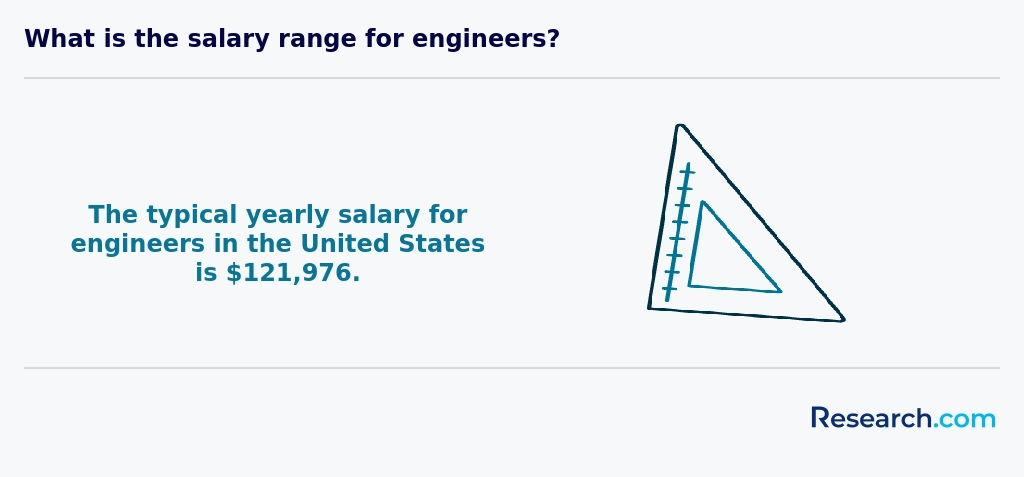
Graduates holding an engineering degree in Tampa find themselves at the crossroads of diverse and thriving career paths fueled by the city's dynamic industrial landscape. Civil engineering students from local universities often share excitement about working on impactful infrastructure projects like bridges and flood control systems-roles that not only pay well but also contribute tangibly to Tampa's growth. This real-world experience anchors their education in meaningful outcomes, making their degrees more than just certificates.
For those drawn to electrical engineering, Tampa's tech-driven environment, bolstered by companies such as L3Harris Technologies, offers opportunities to dive into cutting-edge defense and telecommunications work. This sector's robust growth challenges the typical notion that engineering jobs are only factory-based or rote tasks. Software and computer engineering graduates in Tampa revel in the city's rapidly expanding tech startup scene, offering pathways far beyond traditional roles, perfectly aligning with the region's 30% tech job growth-an example of how choosing engineering degree career options Tampa can lead to vibrant, innovative futures.
Furthermore, mechanical and specialized programs-like environmental or biomedical engineering-link closely with Tampa's healthcare and logistics sectors, enriching the job market with varied options. Many graduates have found value in combining their degree with quick vocational programs offered locally to enhance their hands-on skills. Exploring these career paths in Tampa reveals a landscape where ambition meets opportunity, and determined students can shape careers suited to their passions and the city's evolving needs.
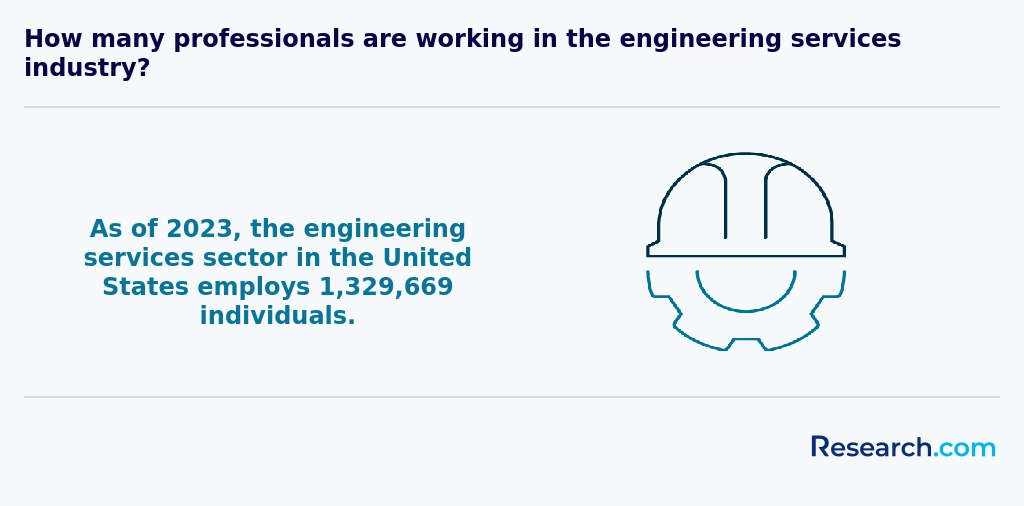
The engineering job opportunities in Tampa reflect a dynamic mix of tradition and innovation, shaped by large employers like Lockheed Martin and Honeywell. Graduates from the University of South Florida often share stories of internships that lead directly to full-time roles, creating tangible pathways from campus to career. This city, with its strong ties to aerospace, manufacturing, and technology sectors, offers real-world projects that challenge new engineers to think critically and creatively.
For those weighing the financial side, the Tampa engineering degree employment outlook is promising. Annual tuition at local public universities remains relatively accessible, ranging from $6,000 to $10,000 for in-state students, while starting salaries for engineers hover around $70,000 to $75,000. These numbers suggest a balanced return on investment, especially when combined with hands-on experience in growing fields like renewable energy and smart technology. Students interested in exploring further may find value in researching affordable engineering schools in florida.
2027 Best Engineering Degree Programs Ranking in Tampa
Investing in your education is a significant decision that can shape your future, and the Research.com team understands the importance of making informed choices. To assist prospective students in Tampa, we have meticulously crafted the "2027 Best Engineering Degree Programs Ranking in Tampa." Our commitment to quality, credibility, and accuracy is reflected in the extensive research and analysis conducted to compile this ranking.
We utilized the following reputable data sources to ensure a comprehensive evaluation of engineering programs:
By exploring this ranking, readers will gain valuable insights into the top engineering degree programs available in Tampa, enabling informed decisions about their educational and professional paths. For more details on our methodology, please visit our Research.com methodology page.

Frequently Asked Questions About engineering
Engineering degree students in Tampa can maximize their learning experience by actively engaging with the region's strong network of internships and cooperative education programs. Local industries such as aerospace, manufacturing, and healthcare technology offer numerous hands-on opportunities, providing practical skills beyond classroom theory. According to the University of South Florida's Career Services, over 70% of engineering undergraduates in Tampa participate in internships before graduation.
Students should also leverage Tampa's proximity to research institutions and professional organizations like the Florida Engineering Society. Attending workshops, seminars, and networking events helps build connections and stay updated on emerging technologies.
Additionally, collaborating on multidisciplinary projects and utilizing campus resources, including labs and faculty expertise, enhances problem-solving abilities essential in engineering careers.
The engineering field in Tampa is rapidly evolving, with several emerging niches gaining attention. One significant area is renewable energy engineering, driven by Florida's push toward sustainable power solutions. Tampa's proximity to the Gulf Coast also fosters growth in coastal and environmental engineering, focusing on climate resilience and infrastructure adaptation.
Another promising niche is biomedical engineering, supported by Tampa's expanding healthcare sector and research institutions. This specialty integrates engineering principles with medical sciences to innovate healthcare technologies.
Additionally, Tampa is seeing increased interest in software and cybersecurity engineering due to the rise of digital industries and IT firms. According to the U.S. Bureau of Labor Statistics, employment for software developers in the Tampa metro area is expected to grow by 22% through 2030.
Preparing for the job market after completing an engineering degree in Tampa involves several strategic steps. Students should engage in internships and cooperative education programs offered by local companies to gain practical experience. According to the Tampa Bay Workforce Development Board, engineering internships in the area have increased by 15% over the past five years, reflecting strong employer interest.
Networking is crucial; attending local industry events such as those hosted by the Tampa Bay Technology Forum can connect graduates with potential employers. Additionally, proficiency in software like AutoCAD or MATLAB, common in Tampa firms, enhances job prospects. Graduates should also pursue certifications relevant to their specialization, such as PE licensure, to improve competitiveness in the job market.
Employers in Tampa seek engineering graduates with strong technical skills, including proficiency in computer-aided design (CAD), programming languages, and data analysis. According to the Florida Department of Economic Opportunity, skills in software like AutoCAD and MATLAB are highly valued due to Tampa's growing manufacturing and aerospace sectors.
Beyond technical expertise, problem-solving abilities and critical thinking are emphasized. Employers expect graduates to approach complex engineering challenges methodically and innovatively. Communication skills, both written and verbal, are also crucial as engineers often collaborate across multidisciplinary teams.
Additionally, experience with industry standards and safety regulations is important, reflecting Tampa's focus on engineering fields such as civil and mechanical engineering.
Finding internships relevant to an engineering degree in Tampa involves several practical steps. Start by exploring local universities like the University of South Florida, which offers career services connecting students with engineering internships. Tampa's growing engineering sector, including firms in aerospace, civil, and software fields, provides diverse opportunities.
Utilize job portals such as Handshake and LinkedIn, filtering by Tampa location and engineering roles. Attend career fairs hosted by Tampa Bay companies and engineering societies for direct employer interaction. The Tampa Bay Economic Development Council highlights that Tampa's tech and manufacturing industries have increased internship openings by 12% since 2022, improving prospects for students.
Holding an engineering degree significantly enhances career mobility and advancement opportunities in Tampa, a city known for its growing technology and manufacturing sectors. According to the U.S. Bureau of Labor Statistics, engineering roles in the Tampa metropolitan area have shown a steady employment increase of about 5% over the last five years. This growth reflects expanding opportunities particularly in civil, electrical, and mechanical engineering fields.
Employers in Tampa commonly prioritize candidates with a bachelor's degree or higher in engineering, as it demonstrates strong technical skills and problem-solving abilities. Graduates often experience faster promotions and higher starting salaries compared to those without degrees.
Furthermore, Tampa's proximity to research institutions and engineering firms supports continuous professional development, which is vital for long-term career growth. These factors make an engineering degree a valuable asset for individuals seeking upward mobility in the Tampa job market.
Studying for an engineering degree in Tampa offers significant preparation for interdisciplinary roles due to the city's strong emphasis on collaborative, real-world applications. Universities such as the University of South Florida provide engineering programs that integrate coursework spanning mechanical, electrical, and computer engineering. This approach encourages students to develop adaptable skills useful across various industries.
Local industry demands, including aerospace, healthcare technology, and environmental engineering, encourage programs to emphasize teamwork with other fields like business and information technology. According to the Tampa Bay Partnership, over 30% of engineering jobs in the region require cross-disciplinary knowledge as of 2023.
Additionally, Tampa's proximity to innovation hubs and diverse sectors offers students experiential learning through internships and research projects, fostering interdisciplinary problem-solving skills essential for modern engineering careers.
Choosing between a thesis and a non-thesis engineering degree program in Tampa depends largely on your career goals and learning preferences. Thesis programs typically emphasize research, requiring students to develop and defend an original study. This path suits those considering doctoral studies or roles in research-intensive industries.
Non-thesis programs focus more on practical coursework and sometimes a project or comprehensive exam. They appeal to students aiming for professional engineering roles in Tampa's growing sectors like aerospace and manufacturing, where applied skills are vital.
According to Tampa Bay's workforce reports, about 35% of local engineering jobs value advanced research experience, while 65% prioritize hands-on expertise, guiding your decision toward the program that best fits your future plans.
Students based in Tampa seeking to study engineering abroad have several pathways through partnerships and exchange programs offered by local universities. The University of South Florida (USF), a major institution in Tampa, provides opportunities for engineering students to participate in study abroad programs in countries such as Germany, the United Kingdom, and Japan. These programs typically last a semester or a summer term, allowing students to earn credits toward their engineering degrees.
An average of 120 USF engineering students participate annually in these international experiences, according to the USF Office of Global Affairs. Many of these programs focus on expanding students' knowledge in fields like mechanical, civil, and electrical engineering through exposure to global technologies and research.
Moreover, Tampa students can leverage nationwide initiatives such as the National Science Foundation's International Research Experiences for Students (IRES) to pursue summer research abroad. This broadens practical skills and cultural understanding, both highly valued in the engineering sector.
Part-time job opportunities in Tampa that complement engineering degree education often include internships and assistant roles in local industries. Tampa's engineering sector benefits from its growing aerospace, manufacturing, and technology companies, such as those in the Tampa Bay Innovation Center. These positions provide hands-on experience in design, testing, or quality control, aligning with academic learning.
Many engineering students find work as lab assistants at universities like the University of South Florida, gaining practical skills in research and experimentation. According to the Bureau of Labor Statistics, engineering internships can increase post-graduate employment by up to 15% nationally, a trend reflected in Tampa's competitive job market.
Additionally, roles in CAD drafting, technical support, and construction site assistance offer flexible options for students balancing coursework. Tampa's emphasis on STEM education encourages companies to hire part-time student workers, making such roles more accessible and valuable for engineering students.
Engineering students in Tampa have access to numerous networking opportunities that enhance their academic and professional growth. The University of South Florida, one of the largest public research universities in Florida, hosts regular engineering career fairs connecting students with top local companies, such as Jabil and Tech Data, which are central to Tampa's technology and manufacturing sectors.
Professional organizations like the Tampa Bay chapter of the American Society of Mechanical Engineers (ASME) and the Institute of Electrical and Electronics Engineers (IEEE) offer meetings, workshops, and networking events tailored for students. These groups often collaborate with Tampa's growing tech hubs, providing internship and mentorship programs.
Additionally, Tampa's Innovation District supports startups and engineering-focused meetups, facilitating direct engagement with industry professionals and entrepreneurs.
Alumni networks play a crucial role for engineering degree students in Tampa by providing valuable professional connections. These networks often include graduates employed in local industries such as shipbuilding, aerospace, and technology, which dominate the Tampa Bay area economy. According to the Tampa Bay Economic Development Council, over 20,000 engineers work in the region, creating strong opportunities for mentorship and job placement.
Students benefit from exclusive networking events and internships promoted through alumni channels. These connections can improve access to competitive positions and foster collaboration on real-world engineering projects. Alumni involvement also supports ongoing skill development and career advancement.
Students pursuing engineering degrees in Tampa can tailor their programs by selecting specialized electives and concentrations that align with their career aspirations. Many local universities, such as the University of South Florida, offer options in fields like civil, mechanical, electrical, and biomedical engineering. According to the National Center for Education Statistics, customizable curricula are common in US engineering programs, allowing students to focus on areas like renewable energy or software development.
Additionally, Tampa's strong presence in industries like aerospace and healthcare enables students to pursue internships and cooperative education opportunities nearby. This practical experience complements academic customization and enhances job readiness.
Engineering students in Tampa often face challenges related to balancing rigorous coursework with practical experience requirements. Many report difficulty managing demanding math and science classes, which are essential for engineering success. Additionally, access to internships and co-op positions can be competitive due to the limited number of local engineering firms, according to the Tampa Bay Economic Development Council.
Another common challenge is adapting to rapidly evolving technology and software tools used in engineering fields. Keeping up with industry standards requires continual learning beyond classroom instruction. Financial strain is also notable, as the average undergraduate engineering tuition in Florida has increased steadily over recent years, impacting students from lower-income backgrounds.
Networking opportunities can be limited, particularly for students who do not participate in regional professional organizations. Overall, the combination of academic rigor, costly education, and competitive job placement shapes the typical experience of engineering students in Tampa.
With an engineering degree in Tampa, you can pursue several key professional certifications to enhance your career prospects. One of the most recognized is the Professional Engineer (PE) license, which enables engineers to take legal responsibility for projects and sign off on plans. To become a PE, candidates must first pass the Fundamentals of Engineering (FE) exam and have relevant work experience. According to the National Society of Professional Engineers, securing a PE license often leads to higher earnings and greater job security.
Other certifications include the Certified Manufacturing Engineer (CMfgE) and Project Management Professional (PMP). These credentials are valuable in Tampa's growing manufacturing and technology sectors, supported by data from the Tampa Bay Economic Development Council.
To write a winning application for an engineering program in Tampa, start by emphasizing your academic achievements, especially in math and science courses. Tampa's universities, such as the University of South Florida, often require strong SAT or ACT scores, with admitted engineering students averaging above 1300 on the SAT. Highlight any hands-on experience, like internships or projects related to engineering, as local employers in Tampa's growing tech and manufacturing sectors value practical skills.
Additionally, craft a clear personal statement that explains your passion for engineering and how studying in Tampa aligns with your career goals. Letters of recommendation from teachers or professionals who know your abilities are crucial. Finally, ensure your application is neat and submitted before deadlines to increase your chances of acceptance.
Engineering careers hold significant global importance, driven by innovation and technological advancement. In the United States, including Tampa, engineers are essential to industries like manufacturing, construction, and technology. According to the U.S. Bureau of Labor Statistics, engineering jobs are projected to grow about 6% from 2022 to 2032, reflecting steady demand.
Internationally, engineering standards and practices often align through global accreditation agreements, enabling U.S.-trained engineers to work abroad. Tampa's growing tech and maritime industries provide local engineers with a broad perspective and opportunities to engage in global supply chains and projects.
Higher education institutions in Tampa emphasize practical skills and global awareness, preparing graduates to meet worldwide challenges.
Gaining practical experience while studying for an engineering degree in Tampa is essential for career readiness. Many Tampa-area universities collaborate with local industries, offering students internship opportunities in sectors like aerospace, manufacturing, and technology. For example, internships at companies such as TECO Energy and MacDill Air Force Base provide real-world engineering challenges.
Cooperative education (co-op) programs are common, allowing students to alternate between classroom study and paid work terms. This approach enhances skills and professional networks. Additionally, student organizations and engineering competitions hosted by universities help develop hands-on abilities.
According to the National Association of Colleges and Employers, over 60% of engineering students in Florida secure at least one internship before graduation, improving job prospects.
Choosing the right concentration within an engineering degree program in Tampa involves understanding both your interests and the local industry demand. Tampa offers concentrations such as civil, electrical, mechanical, and software engineering, each aligning with different career paths. For instance, the city's growing tech sector increases opportunities in software and electrical engineering, while infrastructure projects support civil engineering roles.
Research local employment trends using resources like the Tampa Bay Workforce Development Board, which reports a steady 5% annual growth in engineering jobs. Additionally, consider program accreditation by ABET to ensure quality education and better job prospects.
Visit campuses, talk to faculty, and review course offerings to find a concentration that fits your skills and goals in Tampa's market.
- 2027 Best Engineering Degree Programs Ranking in Daytona Beach
- 2027 Best Engineering Degree Programs Ranking in Tallahassee
- 2027 Best Engineering Degree Programs Ranking in Auburn
- 2027 Best Engineering Degree Programs Ranking in Atlanta
- 2027 Best Engineering Degree Programs Ranking in Birmingham
- 2027 Best Engineering Degree Programs Ranking in Tuscaloosa
- 2027 Best Engineering Degree Programs Ranking in New Orleans
- 2027 Best Engineering Degree Programs Ranking in Huntsville
- 2027 Best Engineering Degree Programs Ranking in Baton Rouge
- 2027 Best Engineering Degree Programs Ranking in Nashville
See What Experts Have To Say About Studying Engineering
Read our interview with Engineering experts

Joseph Reichenberger
Engineering Expert
Professor of Civil Engineering & Environmental Science
Loyola Marymount University

Bohdan W. Oppenheim
Engineering Expert
Professor Emeritus of Healthcare Systems Engineering
Loyola Marymount University


- What To Look for When Getting an Engineering Job After College | H+M EPC https://www.hm-ec.com/blog-posts/what-to-look-for-when-getting-an-engineering-job-after-college-hm
- The Rise of the Niche Engineer https://www.sterling-engineering.com/niche-engineer/
- Arya College | Best B.Tech College in Jaipur, Rajasthan, India https://www.aryacollege.org/resources/common-challenges-faced-by-engineering-students/
- Engineering Colleges in Florida: How to Choose https://floridapoly.edu/news/engineering-colleges-in-florida-how-to-choose/
- Julie Mowatt https://www.nspe.org/career-growth/pe-magazine/may-2019/survey-provides-global-perspective-engineering
- Top 5 Demanding Engineering Fields in 2025: Future-Proof Your Career - MEC https://mailamengg.ac.in/top-5-demanding-engineering-fields-2025/
- 4 Strategies for engineering students to gain quality, hands-on experience https://starfishmedical.com/resource/gain-quality-hands-on-experience/
- How Do You Decide Which Engineering Career is Right for You? https://www.straighterline.com/blog/which-engineering-career-right-for-you
- Engineering Certifications Explained https://www.manpower.com/en/insights/blogs/engineering-certifications
- Engineering https://www.hcfl.edu/academics/subjects/engineering


