2027 Best Online Master's in Engineering Degree Programs Ranking in Kentucky

Co-Founder and Chief Data Scientist
Choosing the right online master's in engineering program can be challenging, especially for students in Kentucky seeking quality and flexibility. This article introduces the 2027 Best Online Master's in Engineering Degree Programs Ranking in Kentucky, developed by the Research.com team of data scientists to help you make an informed decision.
By exploring this ranking, you'll discover top programs that balance academic excellence with convenience. Earning an engineering degree opens doors to rewarding careers and personal growth, making this a valuable step forward in your future.
Key benefits of getting online engineering degree in Kentucky
- Salary Benefits: Graduates with an engineering degree in Kentucky can earn competitive salaries, with Project Engineers making around $137,750 annually and Research Engineers earning approximately $120,630 per year. These roles offer strong financial rewards reflecting the value of engineering skills in the job market.
- Career Paths: An engineering graduate from the University of Kentucky can pursue diverse opportunities such as Biomedical Engineer, Control Systems Engineer, or Product Development Engineer, each with rewarding work and steady growth potential. This variety ensures graduates can find paths that match their interests and goals.
- Online Degree Advantages: Earning an engineering degree online from Eastern Kentucky University offers flexibility to balance work and study while saving commute time, making education more accessible. Online graduates often appreciate the convenience paired with solid academic quality that helps them launch their careers confidently.
- 2027 Best Online Master's in Engineering Degree Programs Ranking in Kentucky
- What can I expect from online engineering degree in Kentucky?
- Where can I work with online engineering degree in Kentucky?
What can I expect from online engineering degree in Kentucky?
The average cost of an online engineering degree in Kentucky varies, but many students find it comparatively affordable, especially at state-supported universities like the University of Kentucky or the University of Louisville. Graduates often share that tuition rates tend to be competitive with national averages, making these programs financially accessible without sacrificing quality. For example, some find the ability to transfer credits or enroll in accelerated tracks significantly reduces overall expenses and time to completion.
Students balancing work and family appreciate the financial flexibility these options provide, allowing them to manage costs without overwhelming debt. Additionally, the presence of licensure-aligned programs means some expenses are justified by clear career progression. However, costs can shift depending on course load, specific engineering disciplines, or whether one opts for private institutions, which may charge higher tuition.
In all, prospective students in Kentucky benefit from a mix of affordability and value, supported by reputable universities that emphasize practical skills while respecting financial constraints faced by many adult learners.
Where can I work with online engineering degree in Kentucky?
Graduates with an online engineering degree from institutions like the University of Louisville or Western Kentucky University find themselves entering a job market rich with opportunity but demanding versatility. Many secure roles in manufacturing giants such as Toyota and Ford, where hands-on knowledge of production and design processes learned remotely translates well into real-world problem-solving.
Others highlight rewarding experiences working with aerospace firms near Blue Grass Army Depot, applying systems engineering skills to complex projects that blend civilian and military needs. This diversity showcases how online programs prepare students for varied career paths beyond traditional roles.
Some graduates choose public sector positions, contributing to infrastructure or renewable energy projects backed by Kentucky's government and utility providers. While remote learning can sometimes feel detached, many emphasize the value of internships arranged through their universities, which offer tangible site exposure and networking in these fields.
Ultimately, those who succeed demonstrate adaptability and proactive engagement, leveraging their online education as a foundation rather than a limitation within Kentucky's evolving engineering landscape.
Graduates with online engineering degrees in Kentucky can expect a diverse range of salaries depending on their specialization and experience. For example, research engineers typically earn around $120,630 annually, while project engineers can see salaries as high as $137,750. Product development engineers and control systems engineers earn approximately $110,430 and $118,350 respectively, demonstrating competitive wages for graduates of institutions like the University of Kentucky and the University of Louisville.
Many Kentucky graduates from online programs report feeling encouraged by their starting salaries, often ranging from $60,000 to $70,000, aligning with regional industry needs. Over time, with experience and professional licensure, this can grow substantially, especially in sectors such as manufacturing and automotive where companies like Toyota and GE Appliances are active employers.
In addition to salary, graduates appreciate Kentucky's lower cost of living, making their earnings stretch further compared to jobs in higher-cost states. Alumni from online programs often highlight how these financial realities enhance their lifestyle and career satisfaction in practical, everyday terms.
- In-state tuition for online engineering programs at public universities in Kentucky generally ranges from $9,000 to $12,000 per year, with possible additional technology or course fees.
- The average starting salary for engineering graduates in Kentucky is about $62,000 annually, rising to $85,000-$95,000 after five to ten years of experience.
- Kentucky's job market for engineers is growing at an estimated rate of 5% over the next decade, supported by sectors like manufacturing, automotive, aerospace, and energy.
- Most online engineering degrees in Kentucky require ABET accreditation, ensuring that programs meet national industry and educational standards.
- Online programs often offer asynchronous courses, providing flexibility for students who are working or managing other commitments.
- To become a licensed Professional Engineer (PE) in Kentucky, completing an accredited degree, passing the FE exam, and gaining work experience are necessary steps, all accessible through online education.
Completing an online engineering degree in Kentucky generally takes around four years for a bachelor's if you study full-time. However, graduates from institutions like the University of Kentucky or the University of Louisville often share how balancing work and family obligations led them to choose part-time enrollment, stretching their studies to three to six years. This flexibility is a major advantage for many, letting them advance at their own pace without sacrificing income or personal time.
Master's degrees typically require 1.5 to 2 years, but some students report finishing in as little as 12 to 18 months by enrolling in accelerated online programs that include summer courses. These paths demand intense dedication, often involving year-round study, but can be very rewarding for those eager to advance quickly.
Factors like credit transfer from prior work or education and the specific engineering discipline also play a role in how long it takes. While Kentucky's online programs provide convenience, it's wise to carefully consider these variables to make informed choices that align with your life goals.
Choosing between online and on-campus engineering degrees in Kentucky largely depends on how you balance learning style, flexibility, and practical experience. Graduates from the University of Kentucky's College of Engineering often recall the vibrant campus life and hands-on labs that made concepts come alive, fostering collaboration and immediate feedback from professors. This face-to-face environment can be crucial when tackling complex engineering problems requiring teamwork.
By contrast, those pursuing online degrees appreciate the flexibility to juggle work, family, and studies-something many Kentucky residents find valuable. With programs offering asynchronous lectures, students can study late at night or during weekends without the stress of commuting to Lexington or Louisville. One graduate highlighted how saving on travel and parking costs eased their financial burden while still earning a respected credential.
However, online students sometimes face challenges accessing physical labs, relying instead on virtual simulations or occasional campus visits at schools like the University of Louisville. While these options may suffice, the hands-on experience typical on campus remains a significant factor for some career paths.
The average cost of an online engineering degree in Kentucky typically centers around a median total of approximately $22,407. This figure reflects the comprehensive expenses-including tuition, fees, and materials-that students attending public universities in the state can expect. For example, graduates from the University of Kentucky often share stories of the manageable financial commitment this program requires, especially when compared to private institutions outside the region. Affordability is a key consideration, and many find that institutions like Western Kentucky University provide appealing options for those seeking a blend of quality and cost-effectiveness in their online engineering education.
Kentucky residents pursuing an online engineering degree frequently benefit from lower in-state tuition rates, which can significantly ease financial pressure. Yet, as with many programs, there are additional costs such as textbooks, software, and technological fees that students must plan for. Those exploring the affordable online master's engineering programs Kentucky offers may also consider how these ancillary expenses contribute to the overall investment. Understanding these factors from current students' experiences helps contextualize the value gained against the cost incurred.
It is worth noting that out-of-state students often face higher tuition prices, sometimes near double the in-state rates, highlighting the importance of residency status. However, online learners have increasingly flexible options, including financial aid and scholarships, which can offset costs. Students who pursue unique pathways-such as doctorate programs without dissertation-also demonstrate that alternative educational models may offer further cost savings and efficiency.
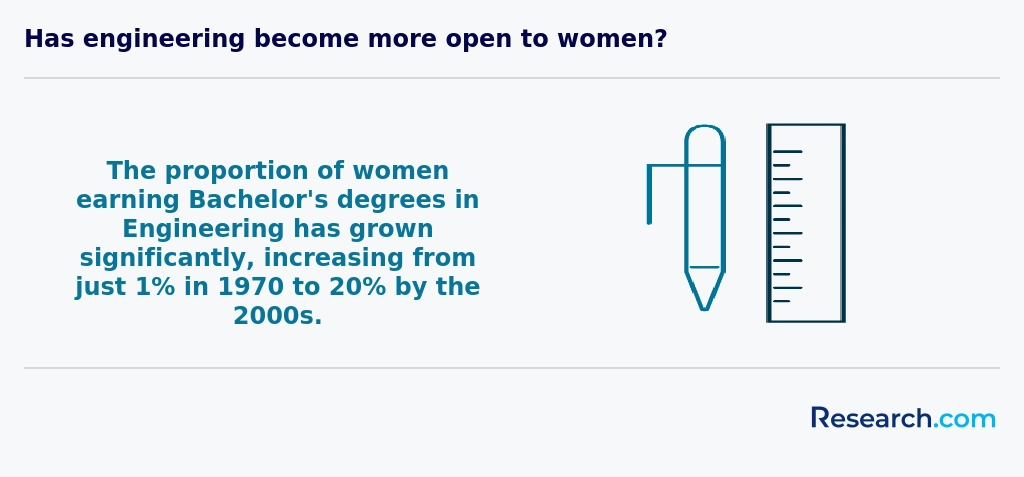
Students pursuing online engineering degrees in Kentucky often find federal aid essential, with FAFSA serving as the gateway to grants, loans, and work-study options. Graduates from the University of Kentucky recall how Direct Unsubsidized Loans helped cover costs when scholarships fell short, making the financial load more manageable. State programs via the Kentucky Higher Education Assistance Authority provide merit scholarships, though some graduates noted these awards skew toward undergraduates, requiring graduate students to seek additional funding.
Institution-specific aid, like scholarships and assistantships at the University of Louisville, offers targeted relief that students describe as a "game-changer" when balancing work and studies. Employer tuition reimbursement programs also stand out for working professionals-many in Kentucky's manufacturing sector highlight how tuition assistance eased their commitment to advancing education without sacrificing income.
National organizations such as the Society of Women Engineers present fierce competition but rewarding scholarships that supplement other aid sources. Navigating these options requires persistence but opens multiple paths to lowering the cost of an engineering education in Kentucky.
In Kentucky, enrolling in an online engineering degree often requires a bachelor's degree from an accredited institution, preferably in engineering or related fields like physics or computer science. Graduates from the University of Kentucky or the University of Louisville frequently recall how their ABET-accredited undergraduate programs prepared them well for the rigor of graduate studies. However, not all applicants hold a directly related degree. Some have successfully bridged gaps by completing prerequisite courses in calculus, chemistry, and core engineering principles before fully starting their program.
While some Kentucky schools have made the GRE optional, many still consider official transcripts with a strong GPA-usually 3.0 or higher-alongside letters of recommendation and a well-crafted statement of purpose essential. Former students often express relief when their professional experience strengthened their application, particularly for specialized master's pathways at local colleges.
Students appreciate programs that balance online flexibility with occasional lab work or on-campus residencies, which though challenging, make the learning tangible and engaging. This practical approach aligns well with Kentucky's hands-on engineering culture.
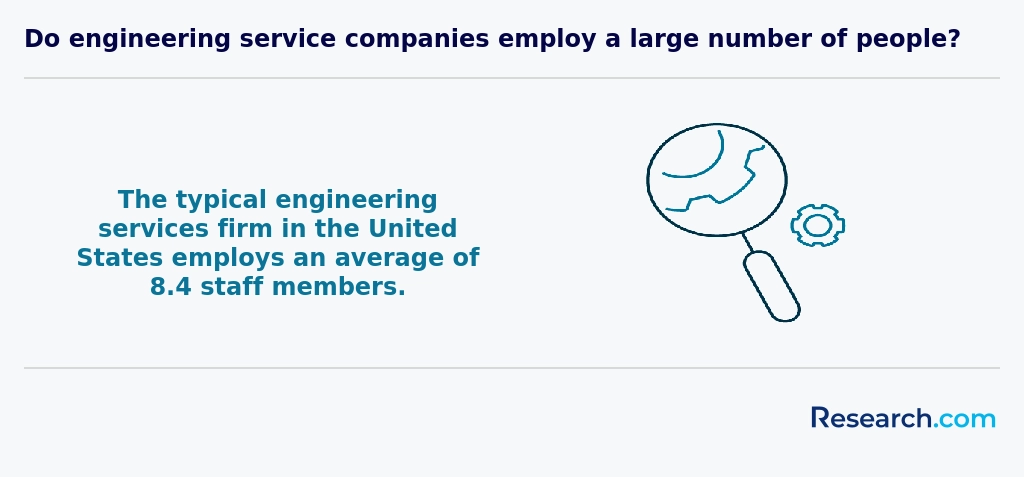
Online engineering degree programs in Kentucky typically include foundational courses such as Engineering Mathematics, where students learn calculus and linear algebra-skills essential for problem-solving in real-world scenarios like designing efficient transportation systems. Graduates from universities like the University of Kentucky often highlight how Statics and Dynamics courses help them understand forces affecting bridges or machinery, making abstract concepts tangible.
Other core subjects include Thermodynamics and Materials Science, which provide insight into energy systems and selecting the right materials for construction projects or automotive parts. Many students appreciate classes in Electrical Circuits, crucial for those working on digital devices or power grids, as seen in programs at the University of Louisville.
These programs blend technical theory with practical training through Engineering Design and Project Management courses, preparing students to lead projects from planning to execution. Online students especially value this flexibility, as it allows them to immediately apply skills at jobs in Kentucky's manufacturing and energy sectors, enhancing their confidence and career readiness.
Online engineering degree specializations Kentucky students often choose reflect the state's diverse industrial landscape. For instance, mechanical engineering remains highly popular, linking students directly to local automotive and manufacturing firms. Graduates frequently recount how courses on thermodynamics and robotics felt immediately relevant during internships at nearby factories. Civil engineering is another key focus due to Kentucky's infrastructure projects; learners at prominent universities experience hands-on case studies in transportation and environmental engineering that prepare them for regional challenges.
Students pursuing Kentucky online master's engineering fields also encounter electrical, industrial, and computer engineering options, each tied to thriving sectors like energy, logistics, and tech hubs respectively. While many programs emphasize traditional disciplines, some graduates find emerging specializations such as biomedical or environmental engineering align better with their passion for innovation. It's worth noting that cost considerations play a role, as many choose these programs for competitive pricing and the opportunity to earn online degrees that pay well. This blend of practical relevance and affordability shapes a unique, motivating educational experience.
Choosing the best online engineering degree in Kentucky means starting with ABET accreditation, a key factor that many graduates emphasize as crucial for career confidence and credit transferability. For instance, students from the University of Kentucky frequently note that this accreditation made their degrees respected by employers statewide. Yet, some graduates from lesser-known institutions caution that program flexibility can sometimes outweigh strict accreditation if it allows them to balance work and study effectively.
Cost is also pivotal. Public universities in Kentucky often provide more affordable online options, with tuition around $8,000 to $11,000 annually for residents, making them attractive for those seeking an affordable online master's in engineering Kentucky without sacrificing quality. However, private universities, despite higher costs, sometimes offer specialized resources or networking opportunities that can justify the price.
Beyond price and accreditation, graduates stress the importance of hands-on learning through virtual labs or capstone projects, which many Kentucky schools now incorporate to simulate real-world engineering challenges. Such features help bridge theory and practice, enhancing job readiness in Kentucky's growing manufacturing and aerospace sectors.
Some students also value strong industry ties, internships, or mentorship programs that Kentucky institutions provide, which often translate into smoother job placement. For those considering an accelerated path, exploring 1 year phd programs online might complement their engineering background without extensive time commitment.

Graduates with an online engineering degree in Kentucky find diverse career paths reflecting the state's industrial strengths. Many pursue roles as mechanical or industrial engineers within Kentucky's notable manufacturing sector, working with companies involved in automotive production, where they contribute to product design and efficiency improvements. Others focus on civil engineering, supporting infrastructure projects like roads and bridges in partnership with local government agencies-a practical choice for those drawn to public service and community impact. Electrical engineering graduates often engage with the state's growing renewable energy projects, applying their skills to sustainable technology initiatives.
These examples stem from graduates of institutions such as the University of Kentucky and the University of Louisville, who report fulfilling careers aligned with their online engineering degree jobs Kentucky. While opportunities abound, it's worth noting that some students consider the competitive nature of these roles and geographic concentration of certain industries. Balancing career aspirations with state-specific demands is crucial. For those concerned about cost versus opportunity, finding a cheapest online college in Kentucky can make a significant difference, offering quality education with flexible access to these career opportunities.
The job market for online engineering degree holders in Kentucky remains promising yet competitive, shaped by the state's strong presence in automotive, aerospace, and renewable energy sectors. Graduates from universities like the University of Kentucky and Western Kentucky University often find positions in established companies such as Toyota and Ford, where their ability to balance work and study via online programs provides a distinct advantage. These graduates share positive experiences about applying technical knowledge from online courses to real-world challenges in manufacturing plants and energy projects.
With Kentucky engineering degree employment outlook stable, engineers earn a median annual salary around $79,000. While slightly below the national average, this figure aligns well with the local cost of living. Graduates emphasize the value of supplementing degrees with skills like CAD or project management to boost employability within regional industries heavily reliant on practical expertise. The flexibility of online study combined with affordable options from best accredited non profit colleges makes this path appealing to many.
2027 Best Online Master's in Engineering Degree Programs Ranking in Kentucky
Investing in your education is a significant decision that can shape your career, and the Research.com team is committed to helping you make well-informed choices. To support prospective students in Kentucky, we have carefully developed the "2027 Best Online Master's in Engineering Degree Programs Ranking in Kentucky." Our dedication to quality, credibility, and accuracy is demonstrated through rigorous research and thorough analysis. We utilized the following reputable data sources to provide a comprehensive evaluation of engineering programs:
By consulting this ranking, readers will gain valuable insights into top online engineering master's programs in Kentucky, empowering them to choose programs that best fit their goals. For further information on our evaluation process, please visit our Research.com methodology page.


Frequently Asked Questions About engineering
Online engineering degree students in Kentucky can maximize their learning by actively engaging with interactive course materials and participating in virtual labs when available. Utilizing Kentucky's strong network of engineering professionals through online forums and local professional organizations, like the Kentucky Society of Professional Engineers, enhances practical understanding. Students should balance coursework with hands-on experience by seeking internships or cooperative education programs offered in-person statewide. Additionally, leveraging resources from regional institutions like the University of Kentucky, which ranks among the top engineering schools nationally, supports academic success. Time management and consistent communication with faculty are also essential for mastering complex engineering concepts remotely.
Emerging niches within the engineering field reflect evolving technologies and regional industry demands. In Kentucky, renewable energy engineering is gaining prominence, driven by investments in solar and wind projects, aligning with national goals to increase clean energy use. According to the Kentucky Science and Technology Corporation, demand for engineers skilled in sustainable design and energy efficiency is growing rapidly.
Another key area is biomedical engineering, supported by Kentucky's expanding healthcare sector. This includes development in medical devices and biotechnology. Data from the Kentucky Cabinet for Economic Development shows that biomedical jobs are projected to increase by over 15% by 2030.
Additionally, advanced manufacturing engineering remains vital in Kentucky's economy, focusing on automation and smart factory technologies.
Preparing for the job market after completing an online engineering degree in Kentucky involves several key steps. Graduates should pursue professional licensure, such as the Fundamentals of Engineering (FE) exam, which is essential for advancing as a licensed Professional Engineer (PE) in the state. According to the Kentucky Board of Engineers, licensure boosts job prospects and salary potential.
Networking is vital; joining local chapters of organizations like the Kentucky Society of Professional Engineers (KSPE) can connect graduates with industry professionals. Additionally, gaining practical experience through internships or co-op programs during study is highly recommended.
Employers in Kentucky value skills in areas such as manufacturing, automotive, and aerospace engineering, sectors contributing significantly to the local economy per Kentucky Cabinet for Economic Development data.
Finally, continuously updating technical skills, especially in emerging technologies like automation and renewable energy, enhances employability in Kentucky's evolving engineering landscape.
Employers in Kentucky seek engineering graduates with strong technical skills, including proficiency in computer-aided design (CAD) software and applied mathematics. According to the Kentucky Cabinet for Economic Development, practical knowledge in manufacturing technologies and automation enhances job prospects significantly.
Problem-solving abilities are especially valued, as engineers frequently tackle complex challenges in industries such as automotive and aerospace, which dominate Kentucky's economy. Communication skills, both written and verbal, are essential for collaborating across multidisciplinary teams.
Data from the National Association of Colleges and Employers (NACE) highlights adaptability and a willingness to learn new technologies as key traits. Additionally, project management experience can set candidates apart in the competitive Kentucky engineering job market.
Finding internships in Kentucky related to an engineering degree involves leveraging both local resources and statewide industry connections. The Kentucky Chamber of Commerce reports that the manufacturing and aerospace sectors are among the top employers of engineers in the state, offering numerous internship opportunities.
Students should explore internships through university career centers, which often partner with local companies such as Lexmark and GE Appliances. Additionally, platforms like the Kentucky Council on Postsecondary Education provide statewide listings of internships and co-op experiences.
Networking events and engineering societies, including the Kentucky Society of Professional Engineers, can further connect students with employers seeking interns.
Obtaining an online engineering degree in Kentucky significantly enhances career mobility and advancement opportunities. According to the U.S. Bureau of Labor Statistics, Kentucky's engineering sector is projected to grow modestly, with specialized skills in demand across industries such as manufacturing and energy. An online degree allows professionals to upskill without interrupting their careers, making them eligible for higher-level positions.
Employers in Kentucky increasingly value accredited online engineering programs, recognizing their rigorous curricula and flexibility. Graduates often see improved earning potential; for instance, the Kentucky Department of Workforce Investment reports engineers with advanced degrees earn up to 20% more than those with only a bachelor's degree.
Moreover, completing an online degree can diversify a professional's expertise, opening doors to leadership roles and cross-disciplinary projects within Kentucky's evolving engineering job market.
Studying for an engineering degree online in Kentucky equips students with skills that cross multiple disciplines. Programs often emphasize problem-solving, critical thinking, and project management, essential for interdisciplinary work. Many Kentucky schools integrate coursework in areas like computer science, business, and environmental studies to reflect real-world engineering challenges.
According to the Kentucky Council on Postsecondary Education, institutions offering online engineering degrees align curricula with industry needs, supporting roles that require collaboration among diverse fields. This integration helps students understand how engineering principles apply alongside other sectors such as healthcare, manufacturing, and technology.
Additionally, Kentucky's engineering programs frequently incorporate team-based projects and communication training, preparing graduates to contribute effectively in varied professional environments. These combined skills make candidates more adaptable and competitive in today's evolving job market.
Choosing between a thesis and a non-thesis engineering degree program in Kentucky depends largely on your career goals and learning preferences. Thesis programs focus on research, requiring students to complete a significant project under faculty supervision. This option is ideal for those considering doctoral studies or research-oriented roles. Non-thesis programs emphasize coursework and practical skills, often including internships or capstone projects, appealing to professionals aiming for industry positions.
According to the Kentucky Council on Postsecondary Education, about 60% of engineering graduate students prefer non-thesis tracks for faster completion. Additionally, many Kentucky employers value practical experience gained through non-thesis routes.
Students based in Kentucky who want to study engineering abroad have several pathways, especially through online programs offered by international universities. While direct enrollment in foreign on-campus engineering degrees may involve visa requirements, online degrees provide a flexible alternative. Some universities abroad partner with U.S. institutions to offer accredited online engineering programs accessible to Kentucky residents. The Kentucky Council on Postsecondary Education highlights that engineering remains one of the state's high-demand fields, encouraging students to explore global expertise through virtual courses.
Several institutions in the U.S. also maintain international collaborations, giving Kentucky students opportunities for remote study with global faculty and peers. Online programs often include specializations in mechanical, electrical, or civil engineering, aligning with the state's industrial sectors.
Students pursuing online engineering degrees in Kentucky can benefit from part-time jobs that offer practical experience. Positions such as engineering interns, CAD technicians, or lab assistants provide hands-on skills directly related to their studies. According to the Kentucky Cabinet for Economic Development, engineering jobs are projected to grow over 5% through 2030, highlighting strong local demand.
Opportunities in industries like manufacturing, automotive, and aerospace are especially valuable. Companies such as Lexmark and GE Appliances often seek part-time roles or internships for students. These jobs help build technical abilities while accommodating academic schedules.
Working in research labs at Kentucky universities can also offer exposure to current engineering projects and collaboration with professionals.
Online engineering students in Kentucky have several valuable networking opportunities despite studying remotely. Many universities offering online engineering degrees in the state, such as the University of Kentucky and Western Kentucky University, provide access to virtual career fairs and alumni networks tailored to engineering professionals.
Professional organizations like the Kentucky Society of Professional Engineers (KSPE) support virtual events and local chapters, allowing online students to connect with industry experts across the state. According to the Kentucky Cabinet for Economic Development, engineering jobs grew by 3.2% annually, highlighting strong industry engagement and opportunities.
Some programs also encourage participation in online forums, group projects, and statewide engineering competitions, helping students build relationships that can lead to internships and jobs.
Alumni networks offer significant advantages to online engineering degree students in Kentucky. These networks connect current students to graduates who work across various engineering sectors in the state, such as manufacturing, aerospace, and energy. According to the Kentucky Cabinet for Economic Development, engineering employment in Kentucky is projected to grow, making professional connections vital.
Alumni often provide mentorship, helping students navigate career paths and industry challenges. They share job openings, internships, and networking opportunities that are not always publicly advertised. This support can be essential for online students who might lack on-campus resources.
Furthermore, alumni engagement promotes collaboration on projects and research, enhancing learning beyond the virtual classroom. Participation in such networks increases students' chances of employment in local engineering firms and improves career progression.
Customizing an online engineering degree program in Kentucky allows students to align their education with specific career goals. Many universities offer flexible curricula, letting students choose electives, concentrations, or specializations in fields like civil, mechanical, or electrical engineering. These options help tailor skills to industry demands.
Kentucky has a growing engineering job market, particularly in automotive and manufacturing sectors, which increases the value of targeted education. According to the Kentucky Cabinet for Economic Development, advanced manufacturing employs over 70,000 people statewide, emphasizing practical skill sets.
Students can also select research projects or internships connected with Kentucky-based companies, enhancing real-world experience. This personalized approach ensures students graduate with qualifications relevant to their desired professions.
Online engineering students in Kentucky commonly face challenges related to balancing rigorous coursework with personal and professional responsibilities. Engineering programs often demand extensive time for projects, labs, and simulations, which can be harder to manage remotely. Access to specialized software and reliable high-speed internet is essential but may be limited in rural areas of Kentucky, affecting up to 20% of residents according to the Kentucky Broadband Advocacy Group.
Another challenge is the limited availability of hands-on lab experiences, which are crucial for engineering disciplines. While virtual labs and simulations help, many students find them less effective than in-person sessions.
Additionally, students may experience difficulties in networking and collaborating with peers and faculty, which are vital for career development in engineering fields.
With an online engineering degree in Kentucky, graduates can pursue several professional certifications to enhance their careers. The most recognized credential is the Professional Engineer (PE) license, which requires passing the Fundamentals of Engineering (FE) exam followed by the PE exam, administered by the Kentucky State Board of Licensure for Professional Engineers and Land Surveyors.
Other valuable certifications include the Certified Manufacturing Engineer (CMfgE) and the Project Management Professional (PMP), beneficial for engineers working in industry and project coordination roles. The National Society of Professional Engineers provides resources specifically for Kentucky engineers seeking licensure.
Holding these certifications can open doors to advanced positions, higher salaries, and greater professional recognition within Kentucky's growing engineering sectors, such as automotive and aerospace manufacturing.
To write a winning application for an online engineering program in Kentucky, start by carefully reviewing each school's requirements. Most programs expect a bachelor's degree in engineering or a related field, along with transcripts demonstrating strong grades in math and science courses. Highlight relevant work experience or projects that show your practical skills.
Include a clear, focused personal statement describing your career goals and why you chose engineering. Programs value candidates familiar with Kentucky's growing manufacturing and aerospace industries, important sectors in the state's economy according to the Kentucky Cabinet for Economic Development.
Additionally, secure strong letters of recommendation from professors or managers who can attest to your technical abilities and work ethic. Finally, submit all materials before deadlines to demonstrate professionalism and seriousness.
The global outlook on engineering careers highlights a strong demand for skilled professionals who can address worldwide challenges. Engineering remains a vital field for innovation, infrastructure development, and technology advancement. In the U.S., including Kentucky, engineers benefit from competitive salaries and steady job growth; the U.S. Bureau of Labor Statistics projects a 7% growth in engineering jobs through 2031.
Kentucky is home to a growing engineering sector, especially in manufacturing and automotive industries, providing practical opportunities for graduates. Online engineering degrees offer flexibility to tap into these expanding markets while gaining global technical skills.
Furthermore, engineering credentials from U.S. institutions are widely recognized internationally, supporting career mobility. According to the National Society of Professional Engineers, licensed engineers often work on projects affecting global infrastructures and innovations.
Gaining practical experience while pursuing an online engineering degree in Kentucky is essential for career readiness. Many programs encourage internships or cooperative education opportunities with local companies, allowing students to apply theoretical knowledge in real-world settings. According to the Kentucky Cabinet for Economic Development, sectors like manufacturing and aerospace are strong in the state, offering ample engineering internship options.
Additionally, online students can participate in virtual labs and simulation projects provided by universities. Some Kentucky schools partner with nearby industries to facilitate hands-on experiences despite distance learning formats. Professional engineering organizations in Kentucky also offer networking events and workshops that enhance practical skills.
Choosing the right concentration within an online engineering degree program in Kentucky involves considering both your career goals and the region's industry demands. Kentucky's economy emphasizes manufacturing, automotive, and aerospace sectors, making concentrations like mechanical, electrical, and industrial engineering particularly relevant. According to the Kentucky Center for Statistics, occupations in these fields are projected to grow by 5-7% through 2030.
Additionally, review the curriculum and faculty expertise offered by programs to ensure alignment with your interests and the skills sought by employers in Kentucky. Networking opportunities, internships, and partnerships with local companies can also influence your decision.
Researching job placement rates and speaking with alumni can provide practical insights into which concentrations yield the best local employment outcomes. Lastly, look for accreditation by ABET, ensuring your degree meets recognized standards.
- 2027 Best Online Master's in Engineering Degree Programs Ranking in Ohio
- 2027 Best Online Master's in Engineering Degree Programs Ranking in Illinois
- 2027 Best Online Master's in Engineering Degree Programs Ranking in Missouri
- 2027 Best Online Master's in Engineering Degree Programs Ranking in Georgia
- 2027 Best Online Master's in Engineering Degree Programs Ranking in Alabama
- 2027 Best Online Master's in Engineering Degree Programs Ranking in Pennsylvania
- 2027 Best Online Master's in Engineering Degree Programs Ranking in Michigan
- 2027 Best Online Master's in Engineering Degree Programs Ranking in Wisconsin
- 2027 Best Online Master's in Engineering Degree Programs Ranking in Florida
- 2027 Best Online Master's in Engineering Degree Programs Ranking in New Jersey
See What Experts Have To Say About Studying Engineering
Read our interview with Engineering experts

Bohdan W. Oppenheim
Engineering Expert
Professor Emeritus of Healthcare Systems Engineering
Loyola Marymount University

Jasna Jankovic
Engineering Expert
Associate Professor
University of Connecticut


- Engineering Certifications Explained https://www.manpower.com/en/insights/blogs/engineering-certifications
- Challenges, difficulties and barriers for engineering higher education https://www.jotse.org/index.php/jotse/article/view/1696/645
- The engineering career mobility report: Who gets promoted? https://www.signalfire.com/blog/engineering-career-trends-pt1
- Student blog: Networking tips for engineering students https://asu-london.ac.uk/news/student-blog-networking-tips-for-engineering-students/
- Guide to Engineering Internships https://www.internwise.co.uk/candidate-journey/industry-internships/guide-to-engineering-internships
- Thinking of studying abroad as an engineering major https://talk.collegeconfidential.com/t/thinking-of-studying-abroad-as-an-engineering-major/1788476
- 4 Strategies for engineering students to gain quality, hands-on experience https://starfishmedical.com/resource/gain-quality-hands-on-experience/
- Know more about thesis vs non- thesis: what is the difference? https://studyfans.com/en/blogs/816
- Accredited Online Engineering Degrees in Kentucky (KY) https://www.onlineengineeringprograms.com/usa/kentucky
- Breaking Into Engineering: First Job Tips | Intuitive https://careers.intuitive.com/en/employee-stories/career-growth-advice/breaking-into-engineering-tips-for-landing-your-first-job/