2027 Best Engineering Degree Programs Ranking in Virginia

Co-Founder and Chief Data Scientist
If you're exploring engineering degree options in Virginia, this article is designed just for you. It features the 2027 Best Engineering Degree Programs Ranking in Virginia, carefully created by the Research.com team of data scientists.
This ranking helps you make an informed choice about which programs truly stand out. Pursuing an engineering degree can open doors to exciting careers and personal growth. Reading this guide will give you confidence and clarity as you plan your academic journey toward a rewarding future.
Key benefits of getting engineering degree in Virginia
• Engineering degree graduates in Virginia can enjoy competitive salaries such as $105,220 for Mechanical Engineers, $117,680 for Electrical Engineers, and $101,160 for Civil Engineers, offering strong financial stability and growth potential.
• Graduates from universities like Virginia Tech have diverse career paths available, including roles in design, project management, and consulting, opening doors to exciting and varied job opportunities.
• Online engineering degrees from schools like Old Dominion University provide flexibility for working students or those balancing family life, allowing them to earn their degree without sacrificing personal commitments.
- 2027 Best Engineering Degree Programs Ranking in Virginia
- What can I expect from engineering degree in Virginia?
- Where can I work with engineering degree in Virginia?
What can I expect from engineering degree in Virginia?
The average cost of pursuing an engineering degree in Virginia varies significantly based on whether you attend a public or private institution, but students often find the investment well worth it. For example, graduates from Virginia Tech-a leading engineering school-typically encounter tuition fees that reflect in-state public rates around $15,000 to $20,000 per year. Private universities in Virginia may charge higher tuition, but many students report strong scholarship opportunities and financial aid options that help ease this burden.
Students frequently describe balancing the cost with hands-on learning experiences such as internships and co-op programs that effectively enhance their career prospects. Graduates often recall how engaging with industry leaders through university partnerships led to rewarding job offers that quickly justified their educational expenses.
Many engineering students anticipate a return on investment fueled by Virginia's growing tech and infrastructure sectors. They envision careers where starting salaries near $70,000 support financial independence, making the degree's cost feel like a stepping stone toward long-term success and stability in competitive, innovative fields.
Where can I work with engineering degree in Virginia?
Graduates with engineering degrees from Virginia's top schools, like Virginia Tech and University of Virginia, often find themselves thriving in dynamic sectors such as aerospace and defense. Imagine working on cutting-edge defense systems at Northrop Grumman in Northern Virginia, where your mechanical or software skills directly impact national security. Many find this pathway deeply rewarding and stimulating, driven by a sense of purpose and innovation.
Others leverage their computer engineering training in the booming tech scene around Arlington and the "Silicon Valley of the East." Here, software developers and cybersecurity experts collaborate on futuristic projects with IT giants, turning classroom theories into real-world solutions.
Civil engineering graduates frequently engage in transforming Virginia's infrastructure, working on bridge design or sustainable urban planning through local government projects. The satisfaction of seeing your work improve daily life in buzzing metro areas like Richmond is a powerful motivator.
More niche paths, such as biomedical engineering at Virginia Commonwealth University, open doors to pioneering medical device startups. These roles illustrate the blending of technology and healthcare, creating hopeful futures.
Graduates from engineering programs in Virginia, such as those at Virginia Tech or George Mason University, often find themselves stepping into roles with competitive salaries reflecting the state's vibrant economy. For instance, mechanical engineers in Virginia can anticipate mean annual wages around $105,220, while electrical engineers may earn approximately $117,680, aligning well with thriving local industries.
Many graduates recall their first jobs offering steady incomes near $65,000 to $75,000, especially in high-demand areas like Northern Virginia. As they gain experience, particularly in civil or industrial engineering fields where average wages are about $101,160 and $103,150 respectively, their earnings typically accelerate, sometimes augmented by specialized certifications.
Envision working on projects that support federal initiatives or advancing sustainable infrastructure solutions- Virginia's engineering graduates often feel proud and motivated by such impactful roles. Master's degree holders, common among the alumni of popular Virginia engineering schools, report even greater earning potential, with salaries rising 10-20% above bachelor's level peers, reflecting the strong return on educational investment.
- Virginia offers accredited engineering degrees in various fields like civil, mechanical, electrical, and computer engineering, typically following a four-year ABET-approved curriculum.
- In-state tuition at public universities ranges from $12,000 to $15,000 annually, while private schools often charge over $30,000 per year, excluding additional fees and living expenses.
- Entry-level engineers in Virginia earn an average salary of about $68,000 per year, with experienced professionals in certain fields making over $100,000 annually.
- The job market for engineers in Virginia is strong due to key industries like technology, defense, energy, and manufacturing, supported by government and military demand.
- Engineering employment in Virginia is expected to grow around 9% over the next decade, matching or exceeding national growth estimates.
- Cooperative education and internship programs are available, helping students gain real-world experience and improve job prospects after graduation.
Completing an engineering degree in Virginia commonly takes about four years for full-time students, such as those at Virginia Tech or the University of Virginia. Many graduates recall the balance of challenging coursework and exciting campus projects that kept their experience intense yet rewarding. Most students follow the traditional path of around 120 to 130 credit hours combining core engineering subjects, general education, and electives.
However, the timeline isn't fixed. Some students extend beyond four years when juggling part-time studies or meaningful co-op programs that provide real-world experience but add extra semesters. Others embrace accelerated options by taking heavier course loads or summer classes, finishing in three to three and a half years with a sense of accomplishment and momentum. George Mason University students often share stories of adapting their schedules around internships, feeling energized by applying theory to practice earlier than expected.
In the coming years, flexible learning models and hybrid formats may reshape these timelines further, offering personalized paces to fit diverse lifestyles while maintaining Virginia's high standards for engineering education.
Earning a professional engineering license and pursuing industry-recognized certifications can significantly enhance career prospects and demonstrate expertise in Virginia’s competitive engineering landscape. To become a licensed Professional Engineer (PE), graduates must:
- Pass the Fundamentals of Engineering (FE) exam administered by NCEES, typically taken during the final year of a bachelor’s program.
- Complete four years of qualifying work experience under a PE mentor.
- Succeed on the Principles and Practice of Engineering (PE) exam specific to their discipline, as required by the Virginia Board for Architects, Professional Engineers, Land Surveyors, Certified Interior Designers and Landscape Architects. Beyond state licensure, many engineers pursue additional credentials to stay current with emerging technologies. Popular certifications include Project Management Professional (PMP), Six Sigma Green/Black Belt, and OSHA Safety Certification. For those specializing in cutting-edge fields, specialized pathways accelerate skill acquisition-for example, some graduates explore AI and computer vision by following our guide on how to become a computer vision engineer fast. Continuing professional development (CPD) is mandatory to maintain licensure in Virginia. Engineers must complete 16 PDH (Professional Development Hours) every two years, which can be earned through:
- Technical workshops and seminars offered by professional societies such as ASME, IEEE, and NSPE.
- Online courses and webinars on topics like renewable energy systems, structural analysis, and emerging materials.
- Participation in industry conferences, peer‐reviewed research, and in‐house training programs. By combining PE licensure with targeted certifications and CPD, Virginia engineering graduates position themselves as trusted professionals capable of leading innovation, ensuring public safety, and advancing their careers in specialized sectors.
Graduates from Old Dominion University describe the online engineering experience as a game-changer for balancing work and family while pursuing a degree. The flexibility to attend lectures anytime offers immense relief, especially for those juggling jobs in Virginia's fast-paced tech hubs. However, some recall missing the hands-on thrill of labs and face-to-face brainstorming sessions found in traditional settings.
On-campus students at Virginia Tech and George Mason University often highlight the electric atmosphere of collaboration in their state-of-the-art labs and project spaces. Being physically present sparks spontaneous ideas, while networking events in Northern Virginia provide crucial career-launching connections. These experiences cultivate confidence, making tough concepts more tangible.
Looking ahead, hybrid models may blend the best of both worlds in Virginia, using virtual reality simulations alongside campus visits. This could revolutionize how engineering students engage practically without sacrificing flexibility, addressing current online limitations while preserving on-campus advantages.
Virginia’s engineering programs strongly emphasize experiential learning through internships and cooperative education (co-op) opportunities, allowing students to apply classroom theories to real-world projects while building professional networks. Many institutions, such as Virginia Tech and the University of Virginia, partner with leading companies in aerospace, renewable energy, and technology to offer semester-long co-op placements that often translate into full-time job offers upon graduation. • Structured Co-op Programs: At Virginia Tech, the Engineering Co-op Program alternates semesters of full-time work with academic study, enabling students to graduate with up to 18 months of paid industry experience. Similarly, Old Dominion University’s cooperative education office connects students with regional employers in shipbuilding, advanced manufacturing, and defense sectors. • Internship Portals and Career Fairs: Universities maintain dedicated internship portals where students can search and apply for hundreds of positions. Annual engineering career fairs in Richmond and Northern Virginia attract top recruiters, offering on-the-spot interviews for roles ranging from civil site inspections to robotics prototyping. • Tips for Securing Positions: Craft a targeted resume highlighting technical coursework and lab projects; leverage faculty recommendations; and attend info sessions to establish early contact with recruiters. Engaging in student organizations-such as the Society of Women Engineers or the American Society of Mechanical Engineers-can also lead to mentorships and exclusive internship listings. • Specialty Tracks: For students keen on cutting-edge fields, programs in computer vision and artificial intelligence provide tailored internships in partnerships with tech startups and research labs. Additionally, those exploring how to become a computer vision engineer fast will find immersive summer workshops that accelerate skill development and often include direct mentoring from industry practitioners. By integrating co-ops and internships into their academic journeys, Virginia engineering students emerge with robust resumes, professional references, and a clear roadmap for launching successful careers.
The average cost of an engineering degree in Virginia for in-state students typically centers around $16,886 in tuition and fees, a figure that reflects the state's strong public university presence. Graduates from institutions like Virginia Tech often recall managing this cost alongside living expenses, finding a balance between quality education and affordability. The Virginia engineering degree tuition and fees present a manageable investment for many, with clear benefits felt after graduation through promising career opportunities.
Out-of-state students experience higher costs, yet many who chose to study at respected schools in Virginia report that the return on investment justifies these expenses. Costs around $53,020 are common for tuition, fees, and supplementary expenses combined, but scholarships and financial aid from universities often soften this impact. Living in areas near universities like the University of Virginia also influences total expenses, factoring in room, board, and personal necessities as part of the overall experience.
Beyond tuition, the broader average cost of engineering degree in Virginia includes books, supplies, and essential software licenses, often pushing total spending above tuition alone. For those seeking a practical glimpse into the financial commitment, graduates often describe budgeting strategies that highlight the value of state grants and aid. Exploring options at an affordable engineering school in virginia can be an essential step for prospective students weighing different educational paths.

Virginia’s engineering programs aren’t just about rigorous academics-they also offer a vibrant campus life that nurtures creativity, innovation, and a strong sense of community. Students benefit from a diverse array of extracurricular activities ranging from hands-on engineering clubs and design competitions to student-led research groups. These experiences play a crucial role in developing soft skills that complement technical expertise, such as collaboration, leadership, and effective communication. Many institutions host networking events, career fairs, and industry talks that bridge the gap between classroom learning and real-world applications, thereby fostering valuable connections with local and national companies. Prospective students also appreciate the supportive campus environments that include dedicated academic advising and mentorship opportunities, which help in navigating both academic challenges and career decisions. For those who are budget-conscious, several universities offer excellent programs at economical rates. For example, exploring options at an affordable engineering school in virginia can provide both quality education and a rewarding student experience. By participating in well-rounded campus life, engineering students not only gain technical knowledge but also develop the interpersonal skills and professional networks necessary for a successful future in the industry.
Financial aid for engineering students in Virginia is evolving to meet the rising costs and diverse needs of learners. Graduates from Virginia Tech often recall how combining state grants like the Pell Grant and Virginia's Tuition Assistance Grant significantly eased their tuition burden, allowing them to focus more on their studies than finances. As these grants adapt, future students might see even more tailored funding options based on emerging technology fields within engineering.
Scholarships at universities such as the University of Virginia are becoming more specialized, rewarding leadership in sustainability and innovation, which encourages students to excel both academically and personally. Many students share how these merit-based awards felt like recognition of their hard work, fueling motivation throughout their degree.
Looking ahead, federal student loans and work-study programs continue to offer flexible support. Engineering students often find work-study roles that not only provide income but also invaluable on-the-job experience directly linked to their coursework and future careers.
Employer tuition assistance programs are also gaining traction, especially as Virginia's tech industries grow. Graduates working in this sector frequently mention how employer-funded education support opens doors to advanced degrees without overwhelming debt.
To enroll in an engineering degree program in Virginia, most students find that a solid background in mathematics and science is essential. Graduates from schools like Virginia Tech often recall how mastery of Algebra I and II, Geometry, and especially Calculus gave them the confidence to tackle complex problems early on. This strong foundation aligns with expectations at the University of Virginia, where rigorous coursework in Physics and Chemistry often sets apart successful applicants.
Beyond course requirements, standardized tests such as the SAT or ACT play a crucial role. Many students aiming for competitive programs focus on boosting their math scores above 700, a benchmark favored by Virginia Tech's College of Engineering. This targeted preparation reflects a keen understanding that quantitative skills are vital for future engineering challenges.
Looking ahead, emerging trends suggest that personal achievements like internships in local tech companies or active participation in robotics clubs could become as significant as traditional prerequisites. These experiences not only enrich applications but also inspire a genuine passion for engineering, which many Virginia students find deeply rewarding.
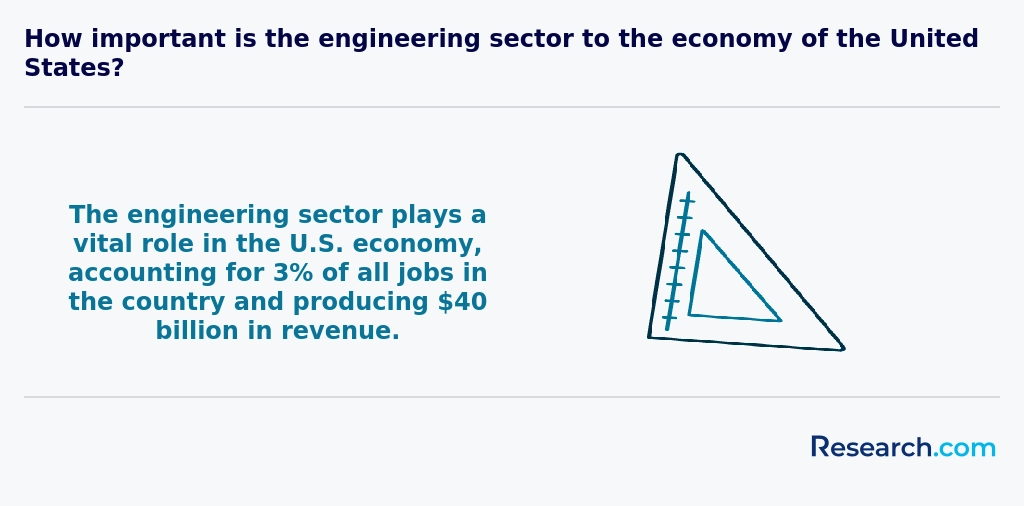
Virginia’s engineering programs stand out for their robust internship and cooperative education (co-op) offerings, providing students with hands-on experience that bridges classroom theory with real-world practice. Many institutions, such as Virginia Tech and the University of Virginia, maintain partnerships with leading industries-ranging from aerospace giants like Boeing and Lockheed Martin to renewable energy firms like Dominion Energy-enabling students to engage in impactful projects during paid internships. These experiences not only enhance technical skills but also foster professional networks that often lead to full-time employment upon graduation. Co-op programs, typically spanning multiple academic terms, immerse students in collaborative roles within engineering teams. For example, participants at Virginia Tech have reported contributing to automated manufacturing lines, while University of Virginia interns have assisted in R&D labs developing advanced materials. Such extended placements cultivate problem-solving abilities, project management expertise, and a deeper understanding of workplace dynamics-qualities that recruiters actively seek. Graduate students can also benefit from specialized co-op tracks and summer research internships. Those considering further education may explore Inexpensive Online Master’s in Engineering Degree Programs to combine cost-effective advanced study with industry placements. By integrating academic coursework with paid, mentor-guided experiences, students optimize both their professional readiness and return on investment. To maximize the benefits of internships and co-op opportunities, prospective applicants should review each school’s employer network, application timelines, and co-op credit requirements. Engaging early with campus career centers and attending engineering career fairs can secure competitive placements, ensuring a smoother transition from student to practicing engineer.
Engineering degrees in Virginia commonly blend core science courses like calculus, physics, and chemistry with specialized engineering topics. Graduates from Virginia Tech or the University of Virginia often recall how mastering statics and thermodynamics early on prepared them for real-world challenges, such as designing resilient bridges or efficient HVAC systems. These foundational classes build sharp analytical skills essential for future success.
Students typically dive into focused studies depending on their chosen branch. Civil engineering majors at Virginia universities might engage deeply with structural analysis and transportation systems, often applying theories through hands-on projects like modeling traffic flow in nearby urban areas. Meanwhile, electrical engineering students explore signal processing and control systems, frequently collaborating on innovative robotics or renewable energy prototypes.
Many graduates appreciate the inclusion of emerging fields like environmental or bioengineering, reflecting Virginia's commitment to forward-thinking education. They also mention how courses in technical communication and project management empower them to confidently lead multidisciplinary teams, wich is crucial given the state's expanding industries. These real-world skills foster enthusiasm and a sense of readiness for vibrant engineering careers just beyond graduation.
Engineering degree specializations in Virginia offer a dynamic blend of traditional and emerging fields that reflect the state's economic and environmental landscape. Graduates from universities like Virginia Tech and the University of Virginia often find themselves thriving in civil engineering, thanks to the ongoing infrastructure expansions across the state. Mechanical and electrical engineering remain popular for students eager to join Virginia's aerospace and defense sectors, bringing excitement as they contribute to cutting-edge technology projects.
Virginia engineering programs with specialization options increasingly include interdisciplinary areas such as environmental and biomedical engineering. These attract students passionate about sustainability and healthcare innovation, with many reporting a strong sense of purpose while working on real-world challenges related to coastal resilience and medical devices. Those interested in digital frontiers find opportunities in computer engineering and cybersecurity, aligning their skills with fast-growing tech hubs around Richmond and Northern Virginia.
For those looking to innovate faster, graduates have leveraged their skills through focused paths like how to become a computer vision engineer fast, blending traditional disciplines with emerging tech trends to stay ahead in the competitive market.
Choosing the best engineering degree in Virginia often starts with reflecting on personal passion and career goals, especially within the diverse fields at top schools like Virginia Tech and the University of Virginia. Graduates frequently share how focusing on programs with strong ABET accreditation gave them confidence in their education's quality and relevance. For those searching among the best affordable engineering degree programs in Virginia, cost considerations blend naturally with value, as in-state tuition offers great opportunities without sacrificing program excellence.
Many students find that immersive experiences, like internships with government contractors near George Mason University, fuel both excitement and practical skills development. These real-world connections often lead to rewarding job placements, which graduates highlight as career-boosting. Considering flexible options, such as part-time or online pathways, is increasingly important, with some choosing an Inexpensive Online Master's in Engineering Degree Programs to balance work and study.

Graduates with an engineering degree in Virginia find themselves at the crossroads of numerous exciting career paths, fueled by the state's dynamic industries. From aerospace roles linked to employers like Northrop Grumman to emerging opportunities in cybersecurity within Northern Virginia's thriving tech hubs, students from universities such as Virginia Tech and George Mason University report feeling energized by the range of possibilities. Engineering career opportunities in Virginia extend into civil and environmental sectors, where graduates actively contribute to major infrastructure projects that improve communities statewide.
Many graduates recall hands-on experiences designed to prepare them for real-world challenges-whether developing medical devices at research hospitals in Richmond or collaborating with innovative startups shaping the future of energy solutions. Jobs with engineering degree in Virginia often offer rewarding salaries and professional growth, especially for those pursuing licensure as a Professional Engineer. For those seeking faster pathways to technical skills and well-paid opportunities, exploring 6 month certificate courses that lead to high paying careers is an appealing option mentioned by recent engineering graduates.
The engineering job outlook in Virginia is promising, with graduates from institutions such as Virginia Tech and the University of Virginia finding diverse employment opportunities. Many report positive experiences securing roles in aerospace, cybersecurity, and energy sectors, thanks to the state's growing tech industry and proximity to government agencies. These fields are expected to expand, creating new positions that blend traditional engineering skills with emerging technologies.
Graduates often describe working for companies like Lockheed Martin and Dominion Energy as rewarding, with projects that challenge them to innovate and grow professionally. Hands-on opportunities during their studies prepare them to enter a competitive job market where median salaries hover near $89,000, reflecting the state's robust demand.
For those weighing costs, Virginia's public universities offer tuition averaging around $12,000 annually for in-state students, making an engineering degree an accessible investment with strong returns. Exploring the best majors for money can help inform your choice and align your education with future earnings potential.
Virginia engineering employment opportunities continue to expand as federal investments and private sector growth fuel demand. Graduates feel optimistic about their career paths in a dynamic market that rewards innovation and expertise.
2027 Best Engineering Degree Programs Ranking in Virginia
Investing in your education is a significant decision that can shape your future, and the Research.com team understands the importance of making informed choices. To assist prospective students in Virginia, we have meticulously crafted the "2027 Best Engineering Degree Programs Ranking in Virginia." Our commitment to quality, credibility, and accuracy is reflected in the extensive research and analysis conducted to compile this ranking.
We utilized the following reputable data sources to ensure a comprehensive evaluation of engineering programs:
By exploring this ranking, readers will gain valuable insights into the best engineering degree programs available in Virginia, helping them make well-informed decisions about their educational paths. For more details on our methodology, please visit our Research.com methodology page.

# 3 position
Virginia Polytechnic Institute and State University
Doctor of Philosophy in Engineering


Frequently Asked Questions About engineering
Engineering students in Virginia can maximize their learning experience by actively engaging in both classroom and practical opportunities. Virginia hosts several accredited engineering programs, such as those at the University of Virginia and Virginia Tech, recognized by ABET, ensuring quality education. Students should take advantage of cooperative education (co-op) and internship programs, which Virginia employers in aerospace, cybersecurity, and civil engineering industries frequently offer. According to the Virginia Spaceport Authority, the aerospace sector contributes over $30 billion annually to Virginia's economy, providing robust career pathways for engineering graduates.
Joining student organizations like the Virginia Society of Professional Engineers also enhances networking and professional growth. Additionally, pursuing undergraduate research can deepen technical skills and improve employability. Utilizing state-of-the-art laboratories and centers dedicated to renewable energy or robotics, often funded by initiatives from the National Science Foundation, helps students apply theory to real-world projects. Finally, maintaining strong relationships with faculty mentors can guide academic and career planning effectively.
The engineering field in Virginia is evolving with emerging niches that reflect both technological advances and regional industry needs. Areas like renewable energy engineering are growing rapidly, driven by the state's push for sustainable power solutions. According to the Virginia Department of Energy, investments in offshore wind and solar projects have expanded job opportunities for engineers specializing in these fields.
Another notable niche is cybersecurity engineering, especially in Northern Virginia, a hub for defense and information technology. The demand for secure systems design has increased substantially, supported by federal contracts and private sector growth.
Additionally, biomedical engineering is gaining traction, with Virginia's expanding healthcare and biotech sectors fostering innovation in medical devices and healthcare technologies.
These emerging specialties represent promising paths for students pursuing engineering degrees in Virginia.
Graduates with engineering degrees in Virginia should focus on building practical skills to prepare for the job market. Engaging in internships or cooperative education programs during studies significantly boosts employability. According to the Virginia Employment Commission, engineering fields like civil, mechanical, and software engineering have strong growth projections, with a combined 10% expected increase through 2030.
Networking is essential. Joining professional organizations such as the Virginia Society of Professional Engineers can connect students with mentors and job opportunities. Additionally, acquiring certifications relevant to specific engineering disciplines, like the Fundamentals of Engineering (FE) exam, can enhance prospects.
Staying current with emerging technologies and software used in Virginia's industries also remains critical. Employers increasingly seek engineers familiar with tools like CAD, MATLAB, or specialized programming languages. Finally, developing soft skills such as communication and teamwork improves workplace success in Virginia's competitive engineering sector.
Employers in Virginia highly value engineering graduates with strong technical and problem-solving skills. According to the Virginia Employment Commission, proficiency in software tools such as CAD and MATLAB is frequently requested. Additionally, practical knowledge in areas like data analysis and systems design significantly boosts employability. Communication skills are crucial, as engineers must collaborate across interdisciplinary teams and explain complex ideas clearly.
Adaptability and continuous learning are also key, given the rapid technological advancements in Virginia's aerospace, cybersecurity, and manufacturing sectors. Critical thinking paired with hands-on experience through internships or co-ops enhances a candidate's appeal. These competencies collectively shape successful engineering careers in Virginia.
Finding internships in Virginia for engineering students involves leveraging both university resources and local industry connections. Many Virginia universities with engineering programs, such as Virginia Tech and the University of Virginia, offer dedicated career services that connect students to internships with companies in aerospace, manufacturing, and technology sectors.
Virginia's Department of Education reports that engineering internships often pay between $15 and $25 per hour, providing valuable hands-on experience. Students should explore statewide job portals like Virginia Career Works as well as attend engineering job fairs hosted by organizations including the Virginia Society of Professional Engineers.
Networking through professional groups and online platforms like LinkedIn can also open doors, especially since Virginia is home to numerous federal contractors and research institutions seeking engineering interns.
Obtaining an engineering degree in Virginia significantly enhances career mobility and advancement. The state's strong presence in sectors like aerospace, defense, and technology creates numerous opportunities for engineers. According to the U.S. Bureau of Labor Statistics (2023), Virginia's employment of engineers is projected to grow 8% through 2031, faster than the national average.
Graduates with engineering degrees have access to diverse roles in established companies such as Northrop Grumman and Lockheed Martin, located in Northern Virginia. A bachelor's or higher degree often leads to higher starting salaries-around $70,000 annually, based on data from Virginia Economic Development Partnership.
Additionally, professional licensure, like the PE (Professional Engineer) certification, further improves advancement prospects. Engineers with such credentials are favored for leadership and specialized positions, which contributes to upward career trajectories within the state's competitive job market.
Engineering degrees in Virginia are designed to equip students with skills that cross traditional disciplinary boundaries. Programs often emphasize teamwork, problem-solving, and communication, which are essential for working in interdisciplinary roles. According to the Virginia Economic Development Partnership, the state's engineering graduates frequently collaborate with industries such as information technology, healthcare, and manufacturing, reflecting the interconnected nature of modern engineering challenges.
Many Virginia universities incorporate project-based learning and internships that expose students to diverse fields. For example, Virginia Tech's engineering curriculum includes opportunities to work alongside business and science departments, fostering a broad understanding of real-world applications. The Accreditation Board for Engineering and Technology (ABET) accreditation further ensures graduates meet industry standards for multidisciplinary competencies.
When choosing between a thesis and a non-thesis engineering degree program in Virginia, students should consider their career goals and learning preferences. Thesis programs typically require original research, appealing to those interested in pursuing doctoral studies or research-focused jobs. Non-thesis programs emphasize coursework and practical skills, making them suitable for immediate industry employment.
Virginia hosts several accredited engineering schools, such as Virginia Tech and the University of Virginia, with varying thesis requirements. According to the Virginia Department of Education, nearly 40% of engineering graduate students opt for thesis tracks to enhance research competencies.
Cost and time commitment also differ: thesis programs may extend study duration but offer deeper specialization. Evaluating faculty expertise, laboratory access, and internship opportunities in your chosen Virginia institution can help in making an informed decision.
Students based in Virginia who wish to study engineering abroad have several pathways through U.S. universities offering international exchange or dual-degree programs. Prominent Virginia institutions like Virginia Tech participate in established study abroad programs with partner schools worldwide, enabling engineering students to gain global experience without sacrificing credit transfer.
According to NAFSA: Association of International Educators, engineering ranks among the top fields for U.S. students studying abroad, highlighting strong interest by Virginia students in global engineering contexts. Additionally, programs through the Institute of International Education (IIE) show that Purdue and Michigan State are popular partner institutions offering specialized engineering courses accessible to Virginia candidates.
Furthermore, Virginia's proximity to Washington D.C. provides access to federal-sponsored scholarships such as the Gilman or Boren awards, which support engineering students seeking study abroad experiences in STEM fields. These options equip students with necessary intercultural skills and technical expertise valued in today's engineering landscape.
Students pursuing engineering degrees in Virginia can find valuable part-time job opportunities that enhance their education while gaining practical experience. One common option is internships or co-op positions with firms in sectors like aerospace, biotechnology, and information technology, which have a strong presence in the state.
Positions such as CAD technician, lab assistant, or junior engineering technician allow students to develop skills relevant to their studies. According to the Virginia Department of Labor, over 10,000 engineering-related jobs are available statewide, many offering part-time roles suitable for students.
Additionally, local government agencies and research institutions often hire student workers to assist on technical projects. These experiences provide networking opportunities and reinforce classroom learning.
Engineering students in Virginia benefit from extensive networking opportunities through university-sponsored events and professional organizations. Many state universities, like Virginia Tech and the University of Virginia, host annual engineering career fairs where students connect with over 150 local and national employers, including major firms in aerospace, defense, and technology sectors.
Professional groups such as the Virginia Section of the American Society of Civil Engineers and the Society of Women Engineers actively engage students. These organizations frequently organize workshops, mentoring programs, and networking mixers tailored to engineering disciplines.
Additionally, the Commonwealth of Virginia supports strong industry-academic partnerships, facilitating internships and cooperative education placements that enhance practical experience and professional connections.
Alumni networks offer significant benefits to engineering degree students in Virginia by providing valuable professional connections. Graduates from Virginia's engineering programs often remain active in alumni communities, which can facilitate mentorship and internship opportunities for current students. According to the Virginia Engineering Society, alumni engagement helps students access a broad range of industry contacts across technology, aerospace, and manufacturing sectors prevalent in the state.
Such networks also support job placement after graduation. Many Virginia-based companies prefer hiring from local universities with strong alumni connections, creating a pipeline for engineering students seeking employment. Additionally, alumni often contribute to curriculum development by sharing current industry trends, ensuring that Virginia's engineering education stays relevant and competitive.
Students pursuing engineering degrees in Virginia can customize their programs through elective courses, minors, and specialized tracks that align with their career goals. Many Virginia institutions offer concentrations in fields like civil, mechanical, electrical, or software engineering, allowing students to focus on industry-relevant skills.
Virginia's universities often provide opportunities for cooperative education, internships, and undergraduate research, enabling practical experience alongside academics. For instance, Virginia Tech reports over 90% employment rates for engineering graduates within six months, highlighting strong industry connections.
Additionally, some programs allow students to tailor projects, participate in multidisciplinary teams, or pursue certifications such as Six Sigma or project management, enhancing career readiness.
Engineering students in Virginia face several common challenges during their studies. One significant difficulty is managing the heavy workload. Engineering programs often require students to complete numerous technical courses alongside labs and projects, which demands strong time management skills. According to data from the American Society for Engineering Education, many students report stress related to balancing academics and personal life.
Another challenge is the cost of education. Though Virginia offers in-state tuition benefits at public universities, students may still encounter financial strain due to rising tuition and living expenses. Additionally, some students struggle with gaining practical experience through internships or co-op programs, which are competitive but essential for employment after graduation.
Lastly, adapting to rapid technological changes in fields like cybersecurity and renewable energy means students must continuously update their skills to remain relevant. Access to up-to-date facilities varies by institution, influencing student preparedness for industry demands.
With an engineering degree in Virginia, graduates can pursue several professional certifications to advance their careers. The most recognized is the Professional Engineer (PE) license, which requires passing the Fundamentals of Engineering (FE) exam, gaining relevant work experience, and then passing the PE exam. This credential is highly valued in Virginia's engineering job market, particularly in civil, mechanical, and electrical disciplines.
Other certifications include the Certified Manufacturing Engineer (CMfgE) and Project Management Professional (PMP), applicable to engineers seeking specialization or leadership roles. Virginia's economy, driven by sectors such as aerospace and infrastructure, benefits from these credentials.
According to the National Society of Professional Engineers, demand for licensed engineers in Virginia is growing steadily, reflecting industry needs for verified skills and ethics.
To write a winning application for an engineering program in Virginia, begin by researching each university's specific admission requirements, as schools like Virginia Tech and the University of Virginia emphasize academic rigor and relevant coursework. Highlight strong performance in math and science classes, as engineering programs typically expect a high GPA in these subjects.
Include standardized test scores if required, noting that some programs may waive them.
Submit a well-crafted personal statement that clearly explains your passion for engineering and career goals. Demonstrating hands-on experience, such as internships or participation in STEM clubs, strengthens your application.
Letters of recommendation from teachers familiar with your technical skills add valuable support.
Engineering careers hold strong global significance, shaping industries and infrastructures worldwide. In the United States, including Virginia, engineering graduates are in high demand due to rapid technological advancements and growing sectors like aerospace, cybersecurity, and renewable energy.
The U.S. Bureau of Labor Statistics projects a 6% growth in engineering jobs between 2022 and 2032, reflecting steady opportunities for qualified professionals. Virginia, home to several top-ranked engineering schools, benefits from proximity to government agencies and tech firms, which enhances international collaboration and career mobility.
Globally, engineering degrees recognized by ABET accreditation-common among Virginia institutions-ensure graduates meet international standards, facilitating work across borders. This global perspective encourages students to embrace diverse challenges and innovations in a connected economy.
Gaining practical experience while studying engineering in Virginia is essential for career readiness. Many Virginia universities offer cooperative education (co-op) programs, allowing students to alternate between classroom study and paid work in relevant industries. According to the Virginia Department of Education, over 35% of engineering students participate in internships or co-ops during their degree.
Internships with local companies like Newport News Shipbuilding or aerospace firms provide hands-on experience in advanced engineering fields. Additionally, student organizations and engineering competitions, such as those sponsored by the Virginia Tech College of Engineering, offer opportunities to apply theoretical knowledge.
Faculty-led research projects at universities also enable undergraduates to work directly on innovative technologies alongside experienced researchers.
Choosing the right concentration within an engineering degree program in Virginia begins with understanding your interests and career goals. Virginia offers specialized tracks such as civil, mechanical, electrical, and software engineering at many of its accredited universities. According to the Virginia Department of Education, programs are designed to align with local industry demands, including aerospace, cybersecurity, and renewable energy sectors.
Research job market trends in Virginia, where engineering fields are growing faster than the national average, particularly in Northern Virginia's tech corridor. Additionally, consider internship opportunities, as hands-on experience significantly increases employability.
Review course offerings and faculty expertise at your chosen school to ensure they match your desired specialization. Consulting with academic advisors can clarify which concentration fits your skills and aspirations best.
- 2027 Best Engineering Degree Programs Ranking in Georgia
- 2027 Best Engineering Degree Programs Ranking in Alabama
- 2027 Best Engineering Degree Programs Ranking in Massachusetts
- 2027 Best Engineering Degree Programs Ranking in Missouri
- 2027 Best Engineering Degree Programs Ranking in Illinois
- 2027 Best Engineering Degree Programs Ranking in Mississippi
- 2027 Best Engineering Degree Programs Ranking in Maine
- 2027 Best Engineering Degree Programs Ranking in Iowa
- 2027 Best Engineering Degree Programs Ranking in Louisiana
- 2027 Best Engineering Degree Programs Ranking in Colorado
See What Experts Have To Say About Studying Engineering
Read our interview with Engineering experts

Bohdan W. Oppenheim
Engineering Expert
Professor Emeritus of Healthcare Systems Engineering
Loyola Marymount University


Joseph Reichenberger
Engineering Expert
Professor of Civil Engineering & Environmental Science
Loyola Marymount University

- Engineering Schools in Virginia https://typesofengineeringdegrees.org/schools/virginia/
- Top Certification Courses for Advancing Engineering Careers - IJOER Engineering Journal Blog https://ijoer.com/blog/top-certification-courses-for-advancing-engineering-careers
- Careers Evolve but Majors Matter: Career Pathways and College Majors in Virginia | Richmond Fed https://www.richmondfed.org/region_communities/regional_data_analysis/regional_matters/2024/rm_11_14_24_college_majors_virginia
- WHAT EMPLOYERS ARE LOOKING FOR – Career Connections Center | Milwaukee School of Engineering https://www.msoecareerconnections.com/channels/what-employers-are-looking-for/
- 4 Strategies for engineering students to gain quality, hands-on experience https://starfishmedical.com/resource/gain-quality-hands-on-experience/
- WVU Potomac State College | Academics | Engineering Majors https://academics.potomacstatecollege.edu/majors/two-year-programs/engineering
- Networking for engineers: your questions answered https://targetjobs.co.uk/careers-advice/engineering/networking-engineers-your-questions-answered
- Virginia Tech Engineering: A Comprehensive Guide https://w3.framtida.no/framtida-news/virginia-tech-engineering-a-comprehensive-guide-1764803101
- 6+ Engineering Cover Letter Examples (with In-Depth Guidance) https://www.tealhq.com/cover-letter-examples/engineering
- Arya College | Best B.Tech College in Jaipur, Rajasthan, India https://www.aryacollege.org/resources/common-challenges-faced-by-engineering-students/