2027 Best Engineering Degree Programs Ranking in Massachusetts

Co-Founder and Chief Data Scientist
Choosing the right engineering degree program in Massachusetts can feel overwhelming. To help, the Research.com team of data scientists has created the 2027 Best Engineering Degree Programs Ranking in Massachusetts. This carefully crafted ranking offers clear insights into which programs stand out based on quality and outcomes.
Reading this article will guide you toward making an informed decision, focusing on programs that align with your goals. An engineering degree opens doors to exciting career opportunities and personal growth. Explore your options confidently and take the first step toward a rewarding future.
Key benefits of getting engineering degree in Massachusetts
- Engineering graduates in Massachusetts can expect strong salaries with Mechanical Engineers earning about $105,220 annually, Electrical Engineers around $117,680, and Civil Engineers approximately $101,160, offering great financial stability.
- Graduates from schools like Worcester Polytechnic Institute have diverse career paths in fields such as manufacturing, construction, and technology, providing plenty of opportunities to grow and specialize.
- Completing an engineering degree online from institutions like UMass Lowell allows flexibility and balance, making it easier to work while studying and gain practical experience alongside coursework.
- 2027 Best Engineering Degree Programs Ranking in Massachusetts
- What can I expect from engineering degree in Massachusetts?
- Where can I work with engineering degree in Massachusetts?
What can I expect from engineering degree in Massachusetts?
Paying for an engineering degree in Massachusetts feels like investing in a future crafted at iconic labs and buzzing tech hubs. Graduates from places like MIT or Worcester Polytechnic Institute often recall the mix of excitement and sticker shock when seeing tuition bills-usually ranging from moderate in-state public rates at the University of Massachusetts system to the heftier sums at private powerhouses. For a resident, in-state tuition at UMass can feel like a breath of fresh air, making the dream more reachable without drowning in debt.
Picture a student balancing lab experiments with a part-time job or co-op at a local biotech firm, grateful for scholarships cushioning the cost. Their tuition might hover somewhere between affordable access and a premium experience, reflecting the cutting-edge education they receive. This blend of rigorous academics and practical support transforms a big financial step into a manageable, inspiring journey through Massachusetts' engineering ecosystem.
Where can I work with engineering degree in Massachusetts?
Picture graduating from MIT or Northeastern, armed with an engineering degree, stepping into a world where your skills mold tomorrow's biotech marvels in Boston's buzzing labs. Imagine collaborating on groundbreaking medical devices with teams at companies like Biogen or Moderna, turning theory into life-changing innovations.
Some graduates dive into aerospace, joining Raytheon Technologies or Draper Laboratory, where they blend electric dreams and mechanical precision to bolster defense and aviation tech. Others find themselves coding the future at startups or giants like IBM, shaping software that powers everything from AI to space exploration.
Environmental engineers from UMass Amherst thrive in projects restoring water resources or designing renewable energy systems, directly contributing to cleaner, sustainable Massachusetts communities. Each path pulses with promise, where university knowledge meets real-world excitement - a playground where engineering students don't just work but craft vibrant careers infused with purpose and innovation.
Graduates from engineering programs at institutions like MIT or Worcester Polytechnic Institute often glance at their first paychecks with a mix of pride and disbelief. In Massachusetts, electrical engineers average a robust $117,680 annually, painting a vivid picture of tech-driven opportunities in bustling Boston or Cambridge labs. Mechanical engineers trail closely with a strong $105,220 mean salary, giving those fresh from their caps and gowns a satisfying start to their careers.
A civil engineering grad stepping out of the University of Massachusetts might expect around $101,160 per year, reflecting steady demand alongside infrastructural growth in growing urban and suburban spaces. Industrial engineers come in at $103,150, weaving efficiency into the state's manufacturing and biotech sectors. Imagine entering an elevator at a startup in Kendall Square, knowing your skills translate into these impressive numbers-it's more than a paycheck; it's a launchpad into a vibrant Massachusetts engineering ecosystem.
- Massachusetts offers diverse engineering programs including mechanical, electrical, civil, computer, and biomedical engineering through top schools like MIT and WPI.
- Public university tuition ranges from $15,000 to $25,000 per year for in-state students, while private schools often exceed $50,000 annually.
- Entry-level engineering salaries range from $65,000 to $75,000, with experienced engineers earning between $90,000 and $120,000 or more.
- The job market is strong with low unemployment rates and growth in fields like software, aerospace, biotechnology, robotics, and renewable energy.
- Most engineering programs are ABET-accredited, and students should plan to pass the FE and PE exams for professional licensure in Massachusetts.
Picture yourself navigating the energetic halls of MIT or the hands-on labs at Worcester Polytechnic Institute, where your engineering journey is set to unfold over about four intense, exhilarating years. That's the typical path for most undergraduates in Massachusetts, aiming for a Bachelor of Science degree. It's a compact timeline, crafted to push you through theory and practice without losing momentum.
But life isn't always a straight line. Many Massachusetts students dive into co-op programs-real-world gigs that boost resumes but add an extra semester or two. Imagine balancing textbooks with a summer spent designing innovative solutions in a bustling engineering firm. These opportunities stretch the timeline but enrich the experience, turning study into a springboard for career success.
Graduate dreams? Expect to invest one to six more years, depending on whether you pursue a master's or a Ph.D. Meanwhile, accelerated tracks at schools like UMass allow the fiercely motivated to defy the norms, finishing sooner by packing semesters or tackling summer courses.
As the engineering landscape rapidly evolves, prospective students should consider how emerging trends will shape both their academic experience and future career prospects. In Massachusetts, educational institutions are increasingly integrating advanced technologies-such as artificial intelligence, sustainable design, and smart infrastructure-into their curricula to keep pace with industry demands. This forward-thinking approach not only enriches classroom learning but also prepares graduates for roles in innovative sectors. Cutting-edge research projects, interdisciplinary collaboration, and strong ties to local industries are fostering environments where theory meets practice, ensuring that students gain real-world skills. Additionally, many schools are restructuring their programs to offer more flexible learning options and affordable pathways, as seen with offerings like the most affordable engineering programs in massachusetts, which combine quality education with cost-effective tuition. Staying informed about these trends can empower you to select a program that aligns with global advancements, ultimately positioning you for a successful and future-proof engineering career.
Imagine being a student at MIT, diving into hands-on labs where the buzz of machines and the tactile feel of circuits spark those "aha" moments. That's the on-campus experience-vibrant, immediate, and filled with face-to-face sparks of creativity. Graduates recall late nights in study groups, energized by the hum of campus life and direct mentorship from professors who guide projects in real time.
Contrast this with a learner juggling work and family, enrolled in an online engineering program from the University of Massachusetts. Here, the classroom is a flexible space accessed between shifts or during quiet nights. Video lectures, virtual simulations, and collaborative online forums build an invisible yet sturdy bridge to the engineering world. The freedom to pause or revisit complex lessons brings calm confidence, turning busy days into productive learning sprints.
Both paths value accreditation, making them equally credible on resumes across Boston's booming biotech and tech hubs, but their rhythms differ-a dance of presence versus flexibility, hands-on versus streamlined accessibility.
Massachusetts engineering programs boast robust internship and cooperative education (co-op) partnerships that bridge classroom learning with real-world application. Leading institutions such as Northeastern University and MIT collaborate closely with top firms in aerospace, biotech, and renewable energy, offering students paid co-op placements that often span six to twelve months. These experiences not only sharpen technical skills through hands-on projects but also cultivate essential soft skills-teamwork, communication, and project management-by embedding students directly into multidisciplinary engineering teams. Students interested in specialty tracks can further distinguish themselves by pursuing industry-recognized credentials alongside their co-op assignments. For example, many hardware engineering internships encourage candidates to complete computer hardware engineer certifications, which validate proficiency in PCB design, FPGA programming, and hardware troubleshooting. Earning these certifications before graduation can fast-track full-time offers and signal to employers that candidates are both academically prepared and professionally credentialed. To maximize internship success, students should:
- Leverage campus career centers: Dedicated advisors help polish resumes, prepare for technical interviews, and connect applicants with exclusive job fairs showcasing Fortune 500 companies and cutting-edge startups.
- Network at industry events: Conferences like the Massachusetts Tech Symposium and local IEEE chapter meetings provide opportunities to meet hiring managers and showcase senior design projects.
- Align internships with specializations: By targeting roles in civil infrastructure, renewable energy, or biomedical device firms, students ensure their co-op results translate directly into career advancement in their chosen field. Finally, post-graduation outcomes underscore the value of co-ops: over 75% of students who complete at least one co-op term receive full-time job offers from their host companies, with hiring bonuses averaging $5,000. This seamless transition from internship to employment highlights the pivotal role that structured industry partnerships play in molding the next generation of Massachusetts engineers.
The average cost of an engineering degree in Massachusetts is a complex equation that students silently solve every day. For many, especially those attending flagship institutions like the University of Massachusetts Amherst, the journey is marked by a median in-state total cost around $60,965. This covers tuition, fees, and all the incidental expenses-from textbooks to coffee-fueled late-night projects. Graduates recall balancing budgets but also cherishing the thrill of cracking tough engineering problems without worrying solely about dollars.
Out-of-state students, eyeing the same degree, often navigate a heftier price tag nearing $76,487. These figures reflect not just education but an investment in a future where technology and manufacturing in Massachusetts blossom with promise. Think of students at Northeastern or MIT who juggle tuition, fees, and living costs, often leaning on scholarships or co-op programs that weave real-world earnings into their academic fabric. This blend of learning and earning makes the seemingly steep Massachusetts engineering degree tuition and fees feel more like a rewarding challenge than a burden.
For those scouting options, exploring the most affordable engineering programs in massachusetts is like uncovering a treasure map to make the dream attainable without sacrificing quality. Here, the value transcends cost: it's about joining a vibrant community ready to shape the next wave of innovation in the state.
Imagine an engineering student at MIT unlocking a treasure chest filled with federal aid-Pell Grants that feel like a gift, not a loan, lightening the heavy tuition load. Over at Worcester Polytechnic Institute, a bright mind leans on the MassGrant and Adams Scholarship, state-powered lifelines that transform financial stress into academic focus. These grants, woven through the halls of the University of Massachusetts campuses, give wings to those driven by merit or need.
Merit-based scholarships at Northeastern act like secret allies, rewarding the sweat and brilliance poured into projects and labs. Beyond campuses, professional societies-like ASME and SWE-open doors with scholarships designed just for engineering trailblazers eager to innovate.
In the thick of coursework, many students juggle co-op programs, earning paychecks while gaining real-world skills, cutting down the debt mountain. Private loans whisper cautionary tales, reminding students to tap every grant and scholarship first, turning the financial maze into a navigable journey of opportunity.
Obtaining the right certifications and professional licensure is essential for maximizing career opportunities and credibility in Massachusetts’ engineering sector. First, aspiring engineers should pass the Fundamentals of Engineering (FE) exam to earn the Engineer-in-Training (EIT) designation. After gaining the required four years of work experience under a licensed professional engineer, candidates become eligible for the Principles and Practice of Engineering (PE) exam. Achieving PE licensure not only demonstrates technical competency but also allows engineers to approve projects, sign and seal drawings, and offer services directly to the public. Beyond licensure, specialized certifications can further distinguish graduates in competitive fields. For example, those focused on hardware design can explore computer hardware engineer certifications that validate expertise in circuits, embedded systems, and FPGA programming. Similarly, certifications from organizations like IEEE or ASME-such as the Certified Engineering Manager (CEM) or Professional Maintenance Manager (PMM)-signal leadership and technical management skills valued by employers. Key steps to certification and licensure success:
- Review eligibility requirements on the Massachusetts Board of Registration of Professional Engineers website, ensuring you meet education, experience, and references criteria.
- Register early for FE and PE exams; preparation courses and study guides from NCEES can boost pass rates.
- Maintain Continuing Education Units (CEUs) through approved workshops, conferences, and online courses-state regulations require renewal of PE licensure every two years.
- Leverage university career centers and professional societies like the Massachusetts Society of Professional Engineers (MSPE) to access mentorship, study groups, and exam prep resources. By strategically combining academic credentials with FE/PE licensure and targeted professional certifications, engineering graduates in Massachusetts can elevate their marketability, command higher salaries, and assume greater responsibility in projects across industries.
Diving into an engineering degree in Massachusetts means gearing up with a solid toolkit of math and science skills. Imagine a graduate from a top school like MIT recalling how those four intense years of calculus and physics not only shaped their problem-solving mindset but became a passport to innovate confidently. Prospective students from places like Worcester Polytechnic Institute share stories of conquering AP calculus and chemistry before campus life even began.
Standardized tests, while sometimes optional, are another milestone. Many admitted students boast SAT scores north of 1300, a number that echoes their readiness to tackle complex equations and design challenges. Beyond numbers, crafting compelling personal statements and gathering genuine letters of recommendation are like assembling a portfolio that reveals your passion and grit.
Those who've thrived in Massachusetts engineering programs often combined academic rigor with real-world experience-think robotics club victories or internships solving real problems downtown Boston. This blend of preparation is what opens doors and powers lasting excitement for engineering's endless possibilities.

Massachusetts is renowned for its cutting-edge engineering research, offering students access to world-class laboratories, interdisciplinary centers, and industry partnerships. Undergraduates at institutions like MIT’s Computer Science and Artificial Intelligence Laboratory (CSAIL) and Northeastern University’s Roux Institute can collaborate on projects in robotics, renewable energy, and advanced materials, ensuring hands-on experience that distinguishes graduates in today’s competitive job market. Key research avenues include:
- Interdisciplinary Centers: UMass Amherst’s Institute for Applied Life Sciences and WPI’s Robotics Engineering Center foster collaboration across chemical, biomedical, and mechanical engineering disciplines.
- Industry Partnerships: Partnerships with companies such as Raytheon Technologies and General Electric provide funded internships, co-op programs, and capstone sponsorships, bridging academic theory with real-world applications.
- Innovation Hubs: Boston’s Kendall Square ecosystem, adjacent to MIT and Harvard, offers networking events, startup incubators, and venture competitions where students can pitch prototypes and secure seed funding. Students interested in cost-effective program delivery can explore remote research collaborations or hybrid options, and for a comprehensive list of affordable online alternatives, consider our Cheapest Online Bachelor’s in Engineering Degree Programs Ranking in Florida. By engaging in these innovation platforms, future engineers not only deepen their technical expertise but also build the professional networks essential for leadership roles in academia and industry.
Diving into an engineering degree in Massachusetts feels like stepping into a realm where calculus battles physics in daily academic duels. Imagine the thrill of unlocking electromagnetism mysteries at Northeastern, where hands-on labs turn abstract concepts into tangible experiments buzzing with energy. Early courses brandish chemistry and programming as indispensable tools, shaping minds to think like hybrid creators-part scientist, part coder.
Picture a graduate from MIT reflecting on fluid dynamics classes that felt like choreographed dances of invisible forces, or circuit analysis lessons that transformed mere wires into symphonies of electric signals. Thermodynamics and materials science become your allies, empowering you to solve real-world puzzles faced by local industries.
Specialization journeys are equally vibrant-electrical engineering students here might wrestle with signal processing algorithms while peers in mechanical tracks draft machine designs inspired by Boston's innovative startup culture. All the while, ethical challenges and communication skills polish you into a professional ready to lead, making Massachusetts not just a place to learn engineering but to live it.
Massachusetts is a playground of possibilities for students diving into engineering degree specializations in Massachusetts, where traditional fields like civil, mechanical, and electrical engineering pulse with innovation. Imagine walking the halls of MIT or Worcester Polytechnic Institute, where graduates describe their thrill working on sustainable infrastructure projects or pioneering robotics that redefine manufacturing.
Beyond the classics, the state's engineering programs burst with cutting-edge options: biomedical engineering taps into the biotech buzz surrounding Boston, while aerospace engineering links directly to the region's robotics and defense ventures. Many students find their passion fuels in programs that blend computer engineering and software engineering, mastering hardware and code symbiotically. For those curious about specialized career paths, this dynamic environment even supports computer hardware engineer certifications to enhance skillsets.
The broad palette of top engineering fields in Massachusetts universities invites students to envision careers where they contribute to environmental breakthroughs or construct next-generation materials, all while immersed in one of the nation's most vibrant tech ecosystems.
Imagine stepping onto a Massachusetts campus where innovation feels as tangible as the autumn breeze-this is where your quest for the best engineering degree in Massachusetts truly begins. Graduates from MIT and Tufts often recount how aligning their passion, whether mechanical gears or circuit boards, with a program's ABET accreditation turned their classroom theories into hands-on triumphs. Choosing a degree isn't just about prestige; it's about discovering which institution's vibe syncs with your curiosity and ambitions.
Cost plays a starring role too. Many students find themselves navigating the delicate dance between public universities' affordability and private schools' expansive resources. For those eyeing top affordable engineering colleges in Massachusetts, sifting through scholarships and financial aid becomes part of the journey. One graduate shared how tapping into such support lifted the financial fog and let them focus on the thrill of internship placements around Boston's buzzing tech scene.
Don't overlook the vitality of career pathways. Internships nestled in Cambridge's biotech hubs or Boston's tech corridors aren't just résumé fillers-they're real launchpads. Engineering grads report feeling empowered stepping into roles paying $65,000 to $75,000 fresh out of school, a testament to Massachusetts's robust industry ties. If budget matters, exploring the Cheapest Online Bachelor's in Engineering Degree Programs Ranking in Florida might spark ideas on managing costs while dreaming big.
Be sure to probe campus life-size of classes, the spark in a professor's eyes during research, or the buzz in student meetups can shift your path from academic to adventure. Choosing an engineering degree is weaving your story into Massachusetts's rich tapestry of innovation and practical brilliance.

Graduates with engineering degrees from Massachusetts often find themselves at exhilarating crossroads, stepping into worlds like software and systems engineering amidst the buzzing tech hubs of Boston and Cambridge. Imagine collaborating with peers from MIT or Harvard, where dreams in biotechnology and biomedical engineering become tangible innovations that save lives. For those drawn to the earth itself, civil and environmental engineering roles connect you to transformative infrastructure projects across the state's evolving urban landscapes.
These engineering career opportunities in Massachusetts are as diverse as the graduate stories you hear-from hands-on mechanical and aerospace experts crafting next-gen robotics to electrical engineers pioneering breakthroughs in artificial intelligence. Many embrace roles that blend technical skills with leadership, entering project management or consulting, where solutions are shaped by interdisciplinary minds.
Massachusetts' dynamic market even welcomes those exploring alternative pathways like data analysis or research-driven careers, often fueled by the numerous startups and research labs nearby. For students exploring how to jumpstart their journey, pursuing an accelerated online bachelor degree can provide flexible options without delaying entry into these vibrant roles.
Imagine graduating from MIT or Worcester Polytechnic Institute and stepping into a Massachusetts engineering job market that hums with opportunity. The state's thriving biotechnology hubs, aerospace firms, and robotics startups create a vibrant playground for engineering degree holders, making the employment outlook especially bright here. A graduate fresh out of a cooperative education program might find themselves contributing to cutting-edge healthcare tech or sustainable infrastructure projects, thriving amid real-world challenges.
The reality of engineering job prospects in Massachusetts is shaped by this dynamic blend of innovation and demand. Software engineers in Boston's tech corridor frequently celebrate salaries well over $110,000, while civil engineers see steady growth thanks to infrastructure investments. These figures spark excitement and confidence among graduates, reflecting a rewarding payoff after navigating the intense coursework and hefty tuition fees that state schools and private colleges charge. Curious about what is the easiest 2 year degree to get? This often intrigues students balancing time and finances before diving deep into their engineering ambitions.
Graduates also feel the pulse of a market that prizes adaptability, especially in emerging sectors like renewable energy and data engineering. The Massachusetts engineering degree employment outlook continually encourages ongoing learning, pushing engineers toward fulfilling, forward-looking careers.
2027 Best Engineering Degree Programs Ranking in Massachusetts
Investing in your education is a significant decision that can shape your future, and the Research.com team understands the importance of making informed choices. To assist prospective students, we have meticulously crafted the "2027 Best Engineering Degree Programs Ranking in Massachusetts." Our commitment to quality, credibility, and accuracy is reflected in the extensive research and analysis conducted to compile this ranking.
We utilized the following reputable data sources to ensure a comprehensive evaluation of engineering programs:
By exploring this ranking, readers will gain valuable insights into the best engineering degree programs available in Massachusetts, enabling them to make informed decisions about their educational paths. For more details on our methodology, please visit our Research.com methodology page.

# 3 position
Massachusetts Institute of Technology
Doctor of Science in Civil and Environmental Engineering


Frequently Asked Questions About engineering
Engineering degree students in Massachusetts can maximize their learning by engaging actively in cooperative education (co-op) and internship programs. Many institutions, including MIT and Worcester Polytechnic Institute, offer robust partnerships with local industries, enabling students to gain hands-on experience while earning academic credit. According to the Massachusetts Technology Collaborative, nearly 30% of engineering students participate in internships, which significantly enhance job readiness.
Additionally, leveraging Massachusetts' extensive research facilities and innovation hubs can deepen technical knowledge. Joining student chapters of professional organizations such as ASME or IEEE provides networking and mentorship opportunities. Taking advantage of multidisciplinary projects and research labs, prevalent across the state's universities, fosters problem-solving skills essential for engineers. Students should also consider certificate programs or workshops in emerging fields like renewable energy or data analytics, improving their competitiveness in the evolving job market.
The engineering field in Massachusetts is rapidly evolving, with several emerging niches gaining prominence. One key area is renewable energy engineering, driven by the state's commitment to achieving net-zero carbon emissions by 2050. This sector focuses on solar, wind, and energy storage technologies. Another fast-growing niche is biomedical engineering, supported by Massachusetts' world-class medical research institutions and biotech companies.
Additionally, software and robotics engineering are expanding due to Massachusetts' tech industry growth, including advancements in artificial intelligence and automation. According to the Massachusetts Executive Office of Labor and Workforce Development, engineering jobs in these niches are expected to grow by over 10% through 2030, signaling strong demand for skilled graduates.
Preparing for the job market after completing an engineering degree in Massachusetts involves strategic planning and skill development. Graduates should start by gaining practical experience through internships or cooperative education programs, which are widely offered by universities like MIT and Northeastern. These opportunities often lead to valuable industry connections.
Networking is critical given Massachusetts' strong engineering sectors, including biotechnology, aerospace, and robotics. Joining professional associations such as the Massachusetts Society of Professional Engineers can provide access to job listings and career events. According to the Massachusetts Executive Office of Labor and Workforce Development, the state saw a 6% growth in engineering jobs between 2019 and 2023.
Additionally, proficiency in emerging technologies and software commonly used in Massachusetts industries increases employability. Certifications in areas like data analysis or project management can also improve a graduate's profile.
Employers in Massachusetts highly value a combination of technical expertise and soft skills in engineering graduates. Proficiency in computer-aided design (CAD), programming languages like Python and MATLAB, and data analysis are essential. According to the Massachusetts Technology Collaborative, 78% of local engineering firms seek strong analytical and problem-solving skills.
Communication skills are equally important, as engineers must collaborate across multidisciplinary teams. Leadership and project management abilities also rank high, with over 60% of employers prioritizing graduates who can manage complex projects.
Knowledge of emerging fields such as renewable energy and biomedical engineering can give candidates a competitive edge, reflecting the state's industry trends reported by the Massachusetts Clean Energy Center.
Finding internships in Massachusetts for engineering students is essential for gaining practical experience. Many universities have dedicated career centers that connect students with local companies. For example, the Massachusetts Technology Collaborative reports that the state hosts over 5,000 technology firms, providing diverse internship opportunities.
Students should also explore online platforms like Handshake and LinkedIn, filtering for internships in Boston, Cambridge, or Worcester-major hubs for engineering and technology.
Networking through professional organizations such as the Massachusetts Society of Professional Engineers (MSPE) can also open doors to internships and mentorships.
Additionally, applying early, preparing a strong resume, and leveraging faculty contacts significantly improve chances.
Obtaining an engineering degree in Massachusetts significantly enhances career mobility and advancement opportunities. The state's robust tech and manufacturing sectors offer diverse roles in aerospace, biotechnology, and software engineering. According to the U.S. Bureau of Labor Statistics (2023), Massachusetts employs over 70,000 engineers, with an average annual wage 20% higher than the national average. Graduates from accredited programs benefit from strong employer networks and co-op experiences common in Massachusetts institutions, helping them gain practical skills and industry connections.
Engineering credentials often lead to higher starting salaries and faster promotions. Furthermore, Massachusetts' proximity to leading research centers and startups fosters innovation, providing engineers with opportunities to lead projects and advance into managerial roles.
Engineering degrees in Massachusetts emphasize interdisciplinary learning, reflecting the state's dynamic tech and innovation sectors. Many programs integrate courses from computer science, business, and biotechnology, equipping students with versatile skills. For example, Massachusetts Institute of Technology (MIT) and Worcester Polytechnic Institute (WPI) encourage collaboration across disciplines through project-based learning and research opportunities.
This approach prepares graduates to work effectively in teams involving diverse expertise, essential in fields like robotics, healthcare engineering, and renewable energy. According to the Massachusetts Department of Higher Education, nearly 40% of engineering graduates engage in interdisciplinary projects during their studies. These experiences boost critical thinking and problem-solving abilities crucial for modern engineering roles.
Choosing between a thesis and a non-thesis engineering degree program in Massachusetts depends largely on your career goals and academic interests. A thesis program typically requires original research and a formal thesis document, beneficial if you plan to pursue a PhD or a research-intensive career. Non-thesis options focus on coursework and practical skills, suited for students aiming for industry roles or professional advancement.
Massachusetts hosts top engineering schools like MIT and Northeastern, which offer both pathways. According to the National Center for Education Statistics, over 40% of Massachusetts engineering graduates enter research or academia, highlighting thesis programs' value.
Consider factors like faculty mentorship, research funding, and time investment when deciding.
Students in Massachusetts interested in engineering have several opportunities to study abroad through partnerships established by local universities. Institutions like MIT and Northeastern University offer exchange programs with leading engineering schools in Europe and Asia. These programs allow students to spend one or two semesters overseas while earning credits toward their degree. According to the Institute of International Education, about 4% of U.S. engineering students participate in study abroad programs, highlighting growing interest in global experience.
Programs often focus on fields such as mechanical, electrical, and civil engineering, providing exposure to different technologies and methodologies. Massachusetts schools emphasize integrating these opportunities with rigorous academic standards, ensuring students maintain progress in their degree plans. Financial aid and scholarships are typically available to support study abroad endeavors, making international education more accessible for engineering students.
Part-time job opportunities in Massachusetts offer valuable experience for students pursuing engineering degrees. Many engineering students find internships or co-op positions with local companies in fields such as biotechnology, robotics, and renewable energy. According to the Massachusetts Technology Collaborative, the state hosts over 4,000 tech companies, creating ample job openings.
Positions like lab assistants, CAD drafters, and junior technicians provide hands-on skills complementing academic learning. Additionally, roles in quality control or product testing allow students to apply engineering principles in real settings. The Massachusetts Department of Higher Education highlights partnerships between universities and industries, facilitating access to part-time engineering roles tailored to learners' schedules.
Massachusetts offers robust networking opportunities for engineering students through its many universities and professional organizations. Institutes like MIT and Northeastern host career fairs and industry panels annually, attracting hundreds of tech firms. According to the Massachusetts Technology Collaborative, over 350,000 people work in the state's technology and engineering sectors, creating a large professional community.
Students can join organizations such as the Massachusetts Society of Professional Engineers (MSPE), which provides mentorship, workshops, and networking events. Local chapters of national groups like the Society of Women Engineers (SWE) also actively support diversity and connections.
Internships and cooperative education programs facilitated by universities often connect students directly with employers in fields like biotechnology, aerospace, and software engineering, enhancing networking prospects.
Alumni networks play a significant role in supporting engineering degree students in Massachusetts by providing valuable professional connections. Many top institutions, such as MIT and Worcester Polytechnic Institute, have extensive alumni bases that actively engage in mentoring current students. According to a 2023 report by the Massachusetts Technology Collaborative, over 70% of engineering graduates find their first job through alumni contacts.
These networks also create opportunities for internships, research collaborations, and industry partnerships, which are crucial in a tech-driven state like Massachusetts. Furthermore, alumni often host workshops and networking events, helping students gain insight into evolving engineering fields.
In Massachusetts, students can tailor their engineering degree programs by selecting specialized tracks such as mechanical, electrical, or biomedical engineering. Many institutions offer flexible curricula allowing students to choose electives or minors aligned with industry demands. Internships and cooperative education are widely available, helping integrate practical experience into academic studies. According to the Massachusetts Department of Higher Education, over 30% of engineering students participate in experiential learning opportunities before graduation.
Graduate students can further customize through research projects or interdisciplinary programs focusing on emerging fields like renewable energy or artificial intelligence. Collaboration with local tech companies and research centers enhances career readiness.
Engineering students in Massachusetts often face intense academic demands due to rigorous coursework and high expectations from top-ranked universities such as MIT and Tufts. Balancing practical lab work with theoretical studies can be challenging, especially in rapidly evolving fields like robotics and biotechnology.
Financial pressure is another common challenge; the average annual cost for engineering programs in Massachusetts can exceed $50,000, including tuition and living expenses, according to the College Board. Many students juggle part-time jobs or loans to manage these costs.
Additionally, some students report stress related to competitive environments and securing internships in the dense but demanding Massachusetts tech job market. According to the Massachusetts Workforce Skills Cabinet, internship opportunities are plentiful yet highly selective, heightening stress levels.
With an engineering degree in Massachusetts, graduates can pursue several well-regarded professional certifications to enhance their careers. The most common certification is the Professional Engineer (PE) license, granted by the Massachusetts Board of Registration of Professional Engineers. This license requires passing the Fundamentals of Engineering (FE) exam, gaining work experience, and then passing the PE exam. According to the National Society of Professional Engineers, licensed engineers typically earn 10-20% more than their non-licensed peers.
Other valuable certifications include Project Management Professional (PMP) and Certified Manufacturing Engineer (CMfgE), which support advancement in specialized fields. The Massachusetts economy includes a strong presence of aerospace and biotech companies, so certifications related to those industries may also be useful.
To craft a winning application for an engineering program in Massachusetts, start by showcasing strong academic performance, particularly in math and science courses. Many top schools, such as MIT and Worcester Polytechnic Institute, expect a solid GPA and competitive SAT or ACT scores. According to the National Center for Education Statistics, engineering programs in Massachusetts have an average acceptance rate of around 30%, indicating competitive admissions.
Highlight relevant extracurriculars like robotics clubs, internships, or volunteering in STEM fields. Personal statements should clearly express your passion for engineering and your career goals. Letters of recommendation from science or math teachers add important credibility.
Lastly, research each program's specific requirements and tailor your application accordingly. Massachusetts institutions often value evidence of hands-on problem-solving, so mention any projects or competitions you participated in.
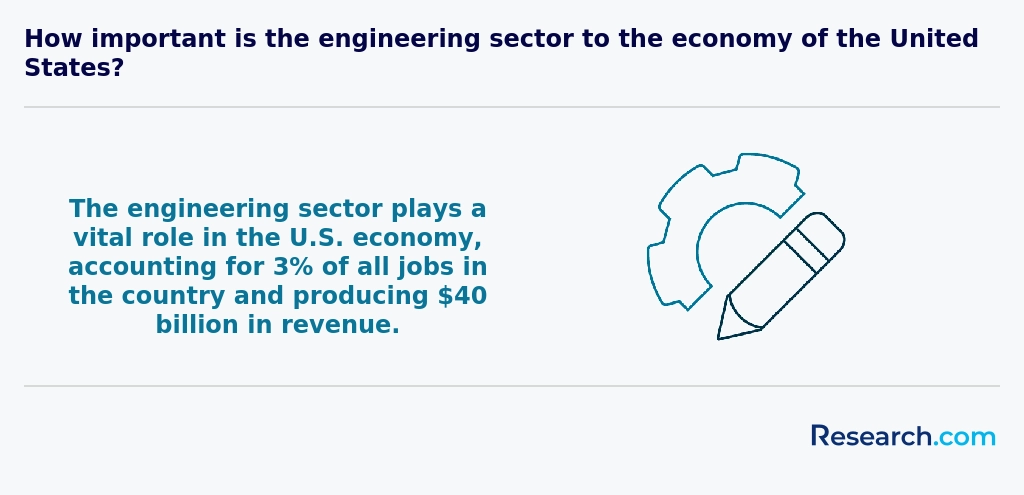
The global perspective on an engineering career highlights strong demand and diverse opportunities worldwide. In the United States, including Massachusetts, the engineering sector is expanding rapidly, with the U.S. Bureau of Labor Statistics projecting a 7% growth in engineering jobs from 2021 to 2031. Massachusetts is a key hub, especially for biotechnology, software, and aerospace engineering, driven by institutions like MIT and companies in the Greater Boston area.
Internationally, engineers often benefit from skills recognition agreements, easing work across borders. The ability to innovate and solve complex problems is universally valued, making engineering a versatile and globally respected profession. Understanding global trends prepares Massachusetts students for competitive roles at home and abroad.
Gaining practical experience while studying engineering in Massachusetts is essential for career readiness. Many universities, including MIT and Worcester Polytechnic Institute, offer cooperative education (co-op) programs that integrate paid work terms with academic study. These opportunities allow students to apply classroom knowledge in real-world settings.
Internships with local industries, such as biotechnology firms in Cambridge or aerospace companies in Boston, are popular and often facilitated by campus career centers. Additionally, research assistant positions funded by the National Science Foundation provide hands-on lab experience.
Participating in student engineering clubs and competitions further develops practical skills and networking within the Massachusetts engineering community.
Choosing the right concentration within an engineering degree program in Massachusetts involves evaluating your interests alongside regional industry demands. Massachusetts hosts strong sectors in biotechnology, robotics, and renewable energy, which influence popular engineering fields like biomedical, mechanical, and electrical engineering. According to the Massachusetts Executive Office of Labor and Workforce Development, engineering jobs in these specializations have grown steadily over the last five years.
Consider exploring concentrations that align with local employers such as Raytheon Technologies and Boston Scientific, which offer ample internship opportunities. Additionally, check each university's industry partnerships and research facilities to find programs with hands-on experiences. Reviewing labor market data and future growth trends in Massachusetts can also help inform your decision, ensuring your skills match workforce needs in this competitive region.
- 2027 Best Engineering Degree Programs Ranking in New Hampshire
- 2027 Best Engineering Degree Programs Ranking in Maine
- 2027 Best Engineering Degree Programs Ranking in Georgia
- 2027 Best Engineering Degree Programs Ranking in Illinois
- 2027 Best Engineering Degree Programs Ranking in Alabama
- 2027 Best Engineering Degree Programs Ranking in Missouri
- 2027 Best Engineering Degree Programs Ranking in Mississippi
- 2027 Best Engineering Degree Programs Ranking in Iowa
- 2027 Best Engineering Degree Programs Ranking in Louisiana
- 2027 Best Engineering Degree Programs Ranking in Colorado
See What Experts Have To Say About Studying Engineering
Read our interview with Engineering experts


Jasna Jankovic
Engineering Expert
Associate Professor
University of Connecticut

Joseph Reichenberger
Engineering Expert
Professor of Civil Engineering & Environmental Science
Loyola Marymount University

- College of Engineering https://wne.edu/engineering/index.cfm
- 40 Different Types of Engineering Degrees https://typesofengineeringdegrees.org/
- Massachusetts Engineering Programs - Educating Engineers https://educatingengineers.com/states/massachusetts/
- Energy Systems Engineering Admissions Requirements https://www.maritime.edu/undergraduate-programs/energy-systems-engineering/admissions-requirements
- Engineering Study Abroad Programs | Go Overseas https://www.gooverseas.com/study-abroad/engineering
- Engineering Educational and Career Goals: 6 Reasons Why Continuing Your Engineering Education Advances Your Career https://www.pdh-pro.com/pe-resources/engineering-educational-and-career-goals-6-reasons-why-continuing-your-engineering-education-advances-your-career/
- Guide to Types of Engineering Programs and Careers https://www.ycp.edu/news/types-of-engineering-degree-programs
- Know more about thesis vs non- thesis: what is the difference? https://studyfans.com/en/blogs/816
- Alabama https://www.findengineeringschools.org/Search/Cost/cost_by_state.htm
- Should Engineering Degrees Require More Hands-On Experience? - Trueline https://wearetrueline.com/should-engineering-degrees-require-more-hands-on-experience/