2027 Most Popular Engineering Degree Programs Ranking in Portland

Co-Founder and Chief Data Scientist
Choosing the right engineering degree program can shape your future, especially in a vibrant city like Portland. This article introduces the 2027 Most Popular Engineering Degree Programs Ranking in Portland, created by the Research.com team of data scientists to help you make informed decisions.
Discover which programs stand out for quality and popularity, giving you confidence as you explore your options. Pursuing an engineering degree opens doors to rewarding careers and personal growth.
Read on to find insights tailored for aspiring engineers ready to build a successful future.
Key benefits of getting engineering degree in Portland
- High Salary Potential: Engineering graduates in Portland can expect competitive salaries, with electrical engineers earning an average of $117,680 annually and mechanical engineers around $105,220, reflecting strong earning opportunities.
- Diverse Career Paths: Graduates from local universities like Portland State University enjoy access to careers in civil, industrial, and electrical engineering fields, offering varied industries to explore in the region.
- Benefits of Online Degrees: Pursuing an engineering degree online from institutions like Oregon State University allows flexibility for working students, helping balance life while gaining valuable skills and maintaining career momentum.
- 2027 Most Popular Engineering Degree Programs Ranking in Portland
- What can I expect from engineering degree in Portland?
- Where can I work with engineering degree in Portland?
What can I expect from engineering degree in Portland?
Engineering students in Portland typically budget around $25,000 to $35,000 per year for tuition at popular schools like Portland State University. Many graduates recall the thrill of balancing rigorous coursework with hands-on projects and internships that often feel like real-world adventures. Imagine diving into a complex electrical engineering design one week, then collaborating with a local green energy startup the next-this dynamic learning is part of the package.
Besides tuition, living expenses in Portland's vibrant urban environment add to the overall cost, but many find that the investment is worthwhile for access to PSU's strong industry connections. Graduates often share stories of how these partnerships unlocked rewarding internship opportunities, providing both invaluable experience and easing financial pressures.
Some students also pursue scholarships or assistantships offered by the Maseeh College of Engineering and Computer Science, helping to tame the financial leap. With the city's focus on sustainability and technology, these experiences energize students, transforming costs into stepping stones toward a fulfilling engineering career.
Where can I work with engineering degree in Portland?
Graduates from Portland State University and Oregon Tech often find themselves diving into vibrant career paths right in their hometown. Imagine starting your day collaborating with teams at Intel, where cutting-edge semiconductor technology is shaping the future, or contributing to renewable energy projects with companies like Vestas that power the city with wind and solar innovations.
Many grads share stories of excitement working on infrastructure upgrades, blending civil engineering skills with Portland's commitment to sustainability. Picture walking through city projects, improving transit or water systems, knowing your work benefits thousands daily. Startup culture here also lights up the software and systems engineering scene, offering dynamic roles in fast-moving tech firms-perfect for adventure seekers who thrive on innovation.
And then there's aerospace: graduates often land roles at firms such as Boeing or Janicki Industries, where mechanical and aerospace engineering feels like piloting a thrilling new mission every day. The diversity of Portland's industries means your engineering degree opens doors to real-world impact, blending learning with discovery across technology, green energy, manufacturing, and more.
Graduates holding engineering degrees from Portland's well-regarded universities often embark on rewarding careers with salaries reflecting their expertise and the city's growing industries. Imagine stepping into your first job as a mechanical engineer earning a mean annual wage of around $105,220. That's the exciting reality for many graduates who see their classrooms transform into real-world problem-solving environments.
Electrical engineering grads find even higher earning potential, with average salaries near $117,680, often drawn to Portland's thriving tech and green energy sectors. Civil engineers, another popular path among Portland's students, typically make about $101,160 annually, blending their passion for infrastructure with the city's expanding urban development.
Industrial engineering graduates aren't far behind, earning averages around $103,150. The blend of practical learning at local colleges and real project experience helps them navigate complex systems that power Portland's innovative manufacturing companies.
These figures highlight how an engineering degree in Portland opens doors to not just jobs, but exciting challenges and steady growth in sectors eager for fresh talent. The city's balanced cost of living means engineers can build a comfortable life while exploring new professional heights, fueled by hands-on experiences and emerging opportunities.
- Portland offers engineering degrees at institutions like Portland State University and Oregon State University-Cascade Campus, with programs in civil, mechanical, electrical, and software engineering.
- Annual tuition for in-state students ranges from $10,000 to $15,000, while out-of-state students may pay over $30,000, plus costs for textbooks, supplies, and living expenses.
- Starting salaries for engineers in Portland typically range from $65,000 to $75,000, with experienced professionals earning between $90,000 and $120,000 annually.
- The local job market includes industries such as advanced manufacturing, renewable energy, software development, and civil infrastructure, creating demand for various engineering specializations.
- Engineering programs in Portland often include internships and cooperative education that align with local industry needs, enhancing job prospects.
- The city features a moderate cost of living and active professional networks that support career growth for engineering graduates.
Completing an engineering degree in Portland usually takes around four years, a timeframe shared by many full-time students at Portland State University and Oregon State University's Portland campus. Imagine diving into 120 to 130 credit hours filled with hands-on projects and theory, steadily advancing toward that exhilarating graduation moment. Some adventurous students push the limits, enrolling in summer courses to finish in as little as three years, while others savor the journey, balancing internships or part-time work that may stretch their timeline but enrich their experiences.
Graduates often recall how the flexibility at Portland institutions lets them tailor their pace, whether by accelerating studies or taking a little extra time to soak in co-op opportunities. Graduate programs step up the challenge, with master's degrees taking 1.5 to 2 years and doctoral studies spanning 4 to 6 years, reflecting the depth of research involved. The mix of rigorous academics and practical learning in the vibrant Portland tech scene makes the timeframe feel like an exciting adventure rather than a race.
As technology advances, Portland’s engineering programs are rapidly incorporating cutting-edge fields that align with industry demand. One of the fastest-growing areas is cybersecurity and network security, where graduates learn to protect critical infrastructure from cyber threats. If you’re curious about career paths in this domain, explore what does a network security engineer do to understand the daily responsibilities, required certifications, and earning potential. In addition to network security engineering, other emerging specializations include:
- Data Engineering and Analytics: With Portland’s tech startups hiring data-savvy engineers, expertise in big data frameworks like Hadoop and Spark can set you apart.
- Renewable Energy Systems: As the Pacific Northwest pushes for sustainability, graduates skilled in designing solar, wind, and hydroelectric installations will be in high demand.
- Autonomous Systems and Robotics: From self-driving vehicles to industrial automation, programs are offering modules on AI integration and robotic controls.
- Biomedical Informatics: Combining healthcare and IT, this specialization equips you to develop medical software and wearable devices that improve patient outcomes. By choosing an emerging specialization, you position yourself at the forefront of innovation and open doors to competitive salaries and impactful projects across Portland’s dynamic industries.
Choosing between online and on-campus engineering degrees in Portland opens a world of possibilities. Imagine diving into hands-on labs at Portland State University, collaborating closely with peers and professors to solve real-world problems-there's an electric buzz in the air when working on a mechanical project or testing civil engineering designs together.
On the flip side, envision the freedom of studying through Oregon State University Ecampus, where you tailor your schedule around work or family, absorbing lectures from anywhere in Portland without the daily commute. Graduates often share how this flexibility helped balance life's demands while pursuing their passion for engineering.
Yet, the on-campus vibe brings spontaneous mentoring and immediate feedback that sparks confidence, while online learners develop strong self-discipline and time-management skills, mastering both technology and resilience. Both paths offer accredited programs with solid career support, making the journey as unique as each student.
The average cost of an engineering degree in Portland invites a fascinating journey through numbers and student experiences. For those pursuing this path, the median total cost hovers around $45,534, a figure that captures both in-state and out-of-state expenses. In contrast, in-state students find more welcoming figures around $11,679, making local residency a valuable consideration when budgeting for your educational adventure.
Graduates from Oregon State University and Portland State University often reflect on their years filled with both challenge and excitement, noting that while tuition forms the bulk of expenses, additional fees for specialized labs and materials also color the financial picture. It's these distinctive costs that bring an engineering degree alive-think hands-on projects and cutting-edge technology that advance your skills and creativity.
Many students navigating the average engineering degree cost in Portland discover that textbook fees and living expenses add flexibility and unpredictability. Housing, food, and transportation might push budgets further, but they also shape vibrant life experiences within the city's unique culture. Those exploring options may find the public universities more budget-friendly compared to private institutions where tuition surpasses $45,000 annually.
Curious explorers can dive deeper into the details by checking out the most popular engineering schools in the region, uncovering the blend of opportunity, cost, and community that defines Portland's engineering education landscape.

Landing an engineering degree in Portland sparks a thrilling journey, and financial aid often lights the path. Many graduates from Portland State University have shared how federal Pell Grants turned the hefty $10,000-plus tuition into something manageable, covering thousands without the stress of repayment.
Diving deeper, scholarships from local groups like the Portland Chapter of the Society of Women Engineers have opened doors for students who balanced academics and need. Imagine juggling your circuits homework while securing a scholarship that feels like a direct nod to your hard work!
Work-study gigs linked to Oregon State University's engineering labs gave students not just money but priceless hands-on experience. One graduate remembers clocking hours assisting professors while nearly covering tuition costs.
Graduate students often talk about the excitement of research assistantships at top colleges-tuition remission paired with stipends, all while contributing to cutting-edge projects in Portland's tech scene.
Lastly, employer tuition assistance in Portland's engineering firms offers a lifeline to those balancing work and study, fueling dreams with financial support straight from the industry.
Portland’s engineering landscape is evolving rapidly as emerging technologies and sustainable practices lead the way. Today’s programs are not only equipping graduates with robust technical skills but also emphasizing adaptability, digital fluency, and innovative problem-solving. For example, advancements in renewable energy, smart infrastructure, and robotics are paving the way for expansive opportunities in both traditional engineering roles and newly emerging tech sectors. Moreover, industry analysts note that graduates who blend technical expertise with soft skills-such as strategic thinking and cross-disciplinary collaboration-are increasingly in demand. Students who keep an eye on these market shifts often pursue interdisciplinary projects, internships, and research that directly address real-world challenges. For those evaluating their academic options, exploring a curated list of most popular engineering schools can provide further insights into which institutions lead these innovative trends. This proactive approach not only highlights schools that are future-focused but also connects prospective students with programs that continually update their curricula to meet evolving industry needs. By staying informed of these trends, you’ll be better positioned to choose an engineering degree that not only meets today’s demands but also prepares you for a dynamic and rewarding career tomorrow.
Diving into an engineering degree in Portland means gearing up with a sturdy foundation in math and science. Imagine yourself tackling calculus and physics problems, just like students at Portland State University do, preparing for real-world challenges with energy and curiosity. Graduates often share how mastering algebra, geometry, and chemistry early on made technical concepts click during their courses.
Admission typically requires a high school diploma with strong grades, usually around a 3.0 GPA or above, especially at schools like Oregon State University-Cascade Campus. This threshold pushes students to build confidence in their analytical abilities, fueling their excitement for complex projects and teamwork.
Many peers recall the thrill of showcasing their skills through recommendation letters or personal statements, opening doors by highlighting internships or STEM competition wins. For international explorers, proving English proficiency with exams like TOEFL is part of the journey, ensuring smooth communication in this vibrant academic adventure.

Imagine diving into Calculus and Differential Equations at a Portland university, where graduates recall the thrill of solving real-world engineering puzzles through math. You'll explore Physics and Chemistry courses that reveal the secrets behind materials and forces, making abstract science feel tangible-like understanding why a bridge holds steady or a machine runs smoothly.
In Portland's engineering programs, students eagerly embrace Computer Science basics, mastering programming tools that bring designs to life. Statics and Dynamics classes immerse you in the world of motion and forces, preparing you to analyze everything from skateboards to skyscrapers with confidence.
Materials Science opens a door to the microscopic universe, with hands-on labs that let you test metals and composites, while Thermodynamics and Fluid Mechanics courses spark curiosity about energy and flow, essential in cities buzzing with innovation.
Electrical Circuits light up electrical engineering paths, and Design and Manufacturing Processes connect textbook knowledge with the excitement of creating prototypes. Portland's engineering students often highlight how these courses shape their bold, problem-solving mindsets ready for tech-driven careers.
Exploring engineering degree specializations in Portland reveals a dynamic mix crafted by the city's unique industries and academic strengths. Many graduates find themselves immersed in civil engineering, working on sustainable transportation or green building projects perfectly attuned to Portland's eco-conscious vibe. At local universities, this hands-on experience sparks excitement and pride as students contribute to real urban development.
Graduates often share stories about mechanical engineering's thrilling overlap with robotics and clean energy, fueled by internships nearby aerospace and energy firms. Electrical engineering students thrive too, tapping into Portland's booming tech scene with startups experimenting in communication systems and electronic devices.
Environmental engineering graduates echo the city's passion for green solutions, tackling pollution and waste management with innovative projects that marry theory and local policy. Meanwhile, computer engineering programs are growing fast, reflecting demand for skills in embedded systems and cybersecurity-a field that draws from insights like what does a network security engineer do.
Specialized tracks such as industrial and manufacturing engineering also attract those eager to join Portland's supply chain and production tech hubs, making these programs a vibrant choice within Portland engineering programs and career paths.
Choosing the best engineering degree programs in Portland starts with exploring what truly excites you within the vast field of engineering. Imagine diving into civil or environmental engineering at Portland State University, where graduates describe hands-on projects that connect classroom theory to Portland's green infrastructure. The city's focus on sustainability turns coursework into real-world adventures, making the learning experience vibrant and impactful.
Many students emphasize the value of ABET accreditation-it's more than just letters-it means the program meets high standards that open doors to rewarding careers. If affordability plays a role in your journey, looking into affordable engineering colleges Portland Oregon is essential; some programs in the area balance excellent education and reasonable costs, though keep an eye on extra fees for labs.
Internships and connections with Portland's tech and manufacturing industries frequently come up in alumni stories as game-changers, blending study with meaningful work. For those curious about cost comparisons beyond Portland, check the Affordable Engineering Degree Programs Ranking in Washington for additional perspective.
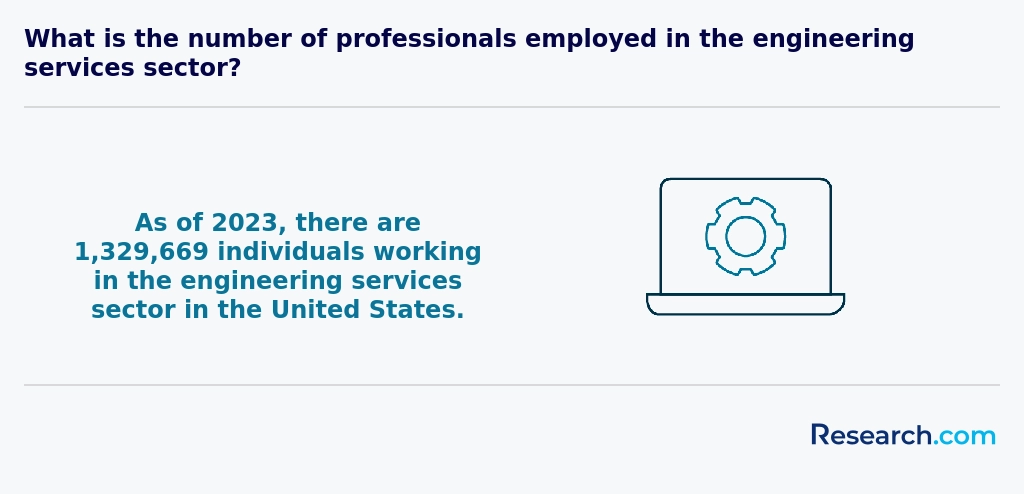
Engineering graduates in Portland dive into a world of diverse career paths fueled by the city's vibrant industrial scene and cutting-edge technology focus. Picture a graduate from Portland State University working on sustainable urban projects, contributing to the city's green infrastructure and transforming neighborhoods through civil engineering. Others embark on exciting roles within the manufacturing and aerospace sectors, applying mechanical and electrical engineering skills in companies that craft advanced electronics and renewable energy solutions.
For those drawn to innovation, Portland's thriving tech startups and major companies provide fertile ground for software engineering opportunities, where graduates turn ideas into impactful products. Exploring engineering career opportunities in Portland reveals a wonderful blend of traditional industries and pioneering tech fields, making the journey thrilling and promising.
Many students find that combining their degree with internships opens doors to specialized roles in emerging fields like automation and data analytics, boosting their potential. If balancing work and study is your style, consider the fastest online bachelor's degree for working adults to shorten the path to your engineering dreams.
The engineering job opportunities in Portland are buzzing with potential as the city embraces a blend of tech innovation and sustainable development. Graduates from popular Portland colleges often find themselves drawn into sectors like software development, advanced manufacturing, and green infrastructure projects, which thrive thanks to the city's commitment to urban modernization and environmental responsibility. One graduate shared how hands-on projects at their university led directly to work on cutting-edge transit systems, perfectly aligning education with real-world experience.
Portland's job market for engineering graduates reflects a vibrant, growing ecosystem. The 6% rise in engineering employment over recent years hints at expanding possibilities, especially for those specializing in civil, mechanical, electrical, or software fields. Many grads feel energized by the variety of roles available locally, with salaries offering a comfortable living that balances well against Portland's moderate cost of living.
Those curious about specializing further might explore options sensitive to career impact and commitment levels, such as what is the easiest doctorate to obtain, helping navigate the journey ahead with confidence.
2027 Most Popular Engineering Degree Programs Ranking in Portland
Investing in your education is a significant decision that can shape your future, and the Research.com team understands the importance of making informed choices. To assist prospective students in Portland, we have meticulously developed the "2027 Most Popular Engineering Degree Programs Ranking in Portland." Our commitment to quality, credibility, and accuracy is demonstrated through thorough research and analysis underpinning this ranking.
We utilized the following reputable data sources to ensure a comprehensive evaluation of engineering degree programs:
By exploring this ranking, readers will gain valuable insights into the most sought-after engineering programs available in Portland, enabling them to make well-informed decisions about their academic futures. For more details on our methodology, please visit our Research.com methodology page.


# 5 position
Oregon Health & Science University
Ph.D. in Biomedical Engineering

Frequently Asked Questions About engineering
Engineering students in Portland can maximize their learning by engaging with the city's strong network of technology and manufacturing companies. Portland boasts several local internships and cooperative education opportunities through firms like Intel and Tektronix, offering valuable hands-on experience. According to the U.S. Bureau of Labor Statistics, Oregon's engineering employment is projected to grow 8% by 2030, emphasizing the importance of practical skills. Students should also participate in university research projects and local engineering societies such as the Oregon Chapter of the National Society of Professional Engineers. Leveraging Portland's collaborative ecosystem fosters both skill development and professional connections for future careers.
Emerging niches within the engineering field in Portland reflect broader trends in technology and sustainability. One significant area is renewable energy engineering, driven by Oregon's commitment to clean energy. Programs in local universities emphasize solar, wind, and hydroelectric technologies, responding to increasing job demand in these sectors according to the Oregon Employment Department.
Another fast-growing niche is biomedical engineering, supported by Portland's expanding healthcare technology sector. This field focuses on developing medical devices and healthcare software, aligning with national healthcare innovation trends.
Additionally, environmental engineering remains vital due to stricter regulations and urban sustainability projects in the Portland metro area.
Graduates with engineering degrees in Portland should begin preparing for the job market by gaining practical experience during their studies. Internships and cooperative education programs offered by local companies such as Intel and Nike provide valuable industry exposure. According to the Oregon Employment Department, engineering occupations in the Portland metro area are projected to grow 11% through 2030, indicating increasing job opportunities.
Networking is also crucial; joining professional organizations like the Oregon Society of Professional Engineers helps in building contacts. Additionally, students should focus on developing technical skills, including proficiency in CAD software and data analysis tools, as these are highly sought after by Portland employers.
Employers in Portland increasingly seek engineering graduates who combine strong technical knowledge with practical problem-solving skills. According to the Oregon Employment Department, 70% of local engineering roles prioritize proficiency in software tools such as CAD and MATLAB. Additionally, solid communication skills are vital, as engineers often collaborate across interdisciplinary teams.
Critical thinking and adaptability are also highly valued, given Portland's growing focus on sustainable infrastructure and technology innovation. Data from the National Association of Colleges and Employers (NACE) highlights that 65% of Portland engineering employers prefer candidates experienced in project management and teamwork. These skills help graduates meet the evolving demands in sectors like civil, mechanical, and electrical engineering.
Finding internships in Portland relevant to an engineering degree involves exploring local industry connections and university resources. Portland is home to several engineering firms and tech companies, offering diverse internship opportunities in fields like civil, mechanical, and software engineering.
Students should start by checking with their university's career center, which often hosts job fairs and provides internship listings specially tailored for engineering students. Networking through professional organizations such as the Oregon Chapter of the American Society of Civil Engineers can also be beneficial.
Online platforms like Handshake and LinkedIn frequently list Portland internships targeting engineering majors. Additionally, Portland's emerging clean energy and manufacturing sectors provide growing internship markets, supported by information from the Portland Development Commission.
In Portland, holding an engineering degree significantly enhances career mobility and advancement opportunities. The city's expanding tech and manufacturing sectors increasingly seek candidates with formal engineering education. According to the U.S. Bureau of Labor Statistics, Portland has seen a 7% growth in engineering jobs from 2021 to 2023, outpacing the national average.
Graduates with engineering degrees often qualify for higher starting salaries and specialized roles not accessible to those without such credentials. Employers in Portland value accredited degrees, particularly in civil, electrical, and software engineering, as these align with regional industry demands.
Additionally, many engineering roles in Portland require Professional Engineer (PE) licensure, which usually mandates an engineering degree and impacts eligibility for promotion and leadership positions.
Studying for an engineering degree in Portland prepares students for interdisciplinary roles by emphasizing collaboration across various fields such as technology, environmental science, and business. Many Portland institutions incorporate project-based learning, allowing students to apply engineering principles to real-world problems involving multiple disciplines.
Portland's strong presence of tech startups and green energy companies fosters partnerships with universities, providing internships and cooperative education opportunities. These experiences expose students to cross-functional teams and diverse professional settings.
The integration of sustainability and innovation in the curriculum aligns with trends reported by the National Academy of Engineering, supporting broad skill development essential for interdisciplinary work.
Choosing between a thesis and a non-thesis engineering degree program in Portland depends on your career goals and learning preferences. Thesis programs emphasize research and require completing an original project, ideal for those considering a PhD or R&D roles. According to the Oregon Office of Degree Authorization, about 30% of engineering graduate students in Portland opt for thesis tracks, reflecting a strong research community around institutions like Oregon State University and Portland State University.
Non-thesis programs focus more on coursework and practical skills, often preferred by professionals seeking industry jobs or leadership positions. These programs typically allow faster completion and may include internships or projects aligned with local engineering firms. Understanding your professional objectives and preferred learning style helps determine the best path.
Students based in Portland who wish to study engineering abroad have several pathways through U.S. institutions' international programs. Many Oregon universities, including Portland State University, offer study abroad programs or exchange partnerships with engineering schools worldwide.
These programs allow students to spend a semester or year gaining global engineering experience while earning credits toward their degrees. Options commonly include placements in Europe, Asia, and Australia, with flexible durations and course selections tailored to engineering disciplines.
Additionally, organizations like the National Society of Professional Engineers provide resources on accredited international programs recognized by the Accreditation Board for Engineering and Technology (ABET).
According to the Institute of International Education, approximately 10% of U.S. engineering students engage in study abroad, highlighting growing opportunities for Portland students to broaden their education globally.
Portland offers several part-time job opportunities that complement engineering degree education effectively. Many students find internships or assistant roles at local technology firms such as Intel and Tektronix, both significant employers in the region. These positions provide practical experience in areas like semiconductor manufacturing and electronic design.
Additionally, engineering students often work as lab assistants or tutors at Portland's universities, enhancing their understanding of core concepts while earning income. According to the Oregon Employment Department, STEM jobs in Portland are projected to grow by 15% through 2030, increasing demand for relevant work experience.
Positions in construction project support and CAD drafting at engineering consulting companies are also valuable for hands-on skills related to civil and mechanical engineering.
Engineering students in Portland benefit from a variety of networking opportunities that connect them with local industry leaders and alumni. Universities such as Portland State University offer engineering career fairs, workshops, and mentoring programs that facilitate professional relationships. The Portland chapter of the National Society of Professional Engineers (NSPE) hosts events and technical talks that students can attend to meet practicing engineers in the region.
Additionally, Portland's growing tech and manufacturing sectors provide internships and co-op positions, which serve as practical networking channels. Organizations like the Oregon Society of Engineers also promote collaboration through conferences and social gatherings, enhancing students' professional networks.
Alumni networks play a crucial role for engineering degree students in Portland by providing valuable connections within the local industry. Graduates from Portland-area engineering programs often gain access to mentorship opportunities through these networks, which can significantly enhance their career prospects. According to data from the Portland Business Alliance, nearly 70% of engineering graduates find their first job through alumni referrals or networking events.
These networks also offer students chances to attend workshops, internships, and job fairs organized exclusively for members. Engineering alumni frequently collaborate with universities like Portland State University and Oregon State University to create pipelines for employment in sectors such as technology, manufacturing, and infrastructure.
Overall, alumni networks serve as a bridge connecting students to Portland's robust engineering job market and industry leaders.
Customizing an engineering degree program in Portland allows students to align their education with specific career goals. Many local universities offer flexible curricula, enabling learners to select specializations like civil, mechanical, or software engineering. Elective courses and interdisciplinary projects help deepen expertise in chosen fields.
Internships and cooperative education opportunities with Portland's robust tech and manufacturing industries provide practical experience. According to the Oregon Employment Department, over 12,000 engineers work in the Portland metro area, highlighting diverse job prospects.
Additionally, students can engage with research centers or pursue certifications in areas such as sustainable design or data analytics to enhance job readiness and marketability.
Engineering students in Portland often face a range of challenges related to rigorous coursework and competitive environments. According to data from Oregon State University and Portland State University, many students report stress due to demanding math, physics, and design projects. Balancing internships and academic requirements is another significant hurdle, as Portland's tech and manufacturing sectors expect hands-on experience early on.
Costs are also a concern. Although public universities offer in-state tuition benefits, living expenses in Portland have risen by about 7% annually, impacting students' budgets. Additionally, adapting to rapid technological changes requires continuous learning, which can strain time management.
With an engineering degree in Portland, you can pursue several professional certifications to boost your career. The most recognized is the Professional Engineer (PE) license, which requires passing the Fundamentals of Engineering (FE) exam, followed by relevant work experience and the PE exam. Oregon's Board of Examiners for Engineering and Land Surveying governs this process.
Other certifications include specialties like Certified Manufacturing Engineer (CMfgE) or Project Management Professional (PMP), valuable in Portland's growing tech and manufacturing sectors. These credentials demonstrate expertise and enhance job prospects across engineering disciplines.
According to the Oregon Employment Department, certified engineers in Portland earn on average 15-20% more than non-certified peers, highlighting the value of these qualifications.
Writing a winning application for an engineering program in Portland requires careful preparation and attention to detail. Start by researching the specific requirements of local institutions, such as Portland State University, which offers accredited engineering programs. Highlight your academic achievements, particularly in math, physics, and related STEM courses, demonstrating strong foundational knowledge essential for engineering studies.
Include a well-crafted personal statement that explains your motivation and goals, connecting them to Portland's growing technology and manufacturing sectors. According to the Oregon Employment Department, engineering jobs in the Portland metro area have grown steadily, showing strong local demand.
Additionally, secure strong letters of recommendation from teachers or employers who can attest to your skills and commitment. Finally, ensure your application is error-free and submitted before deadlines to strengthen your candidacy.
Engineering careers have a strong global reputation for offering stability and innovation opportunities. In the United States, including Portland, engineering graduates benefit from high demand, with the U.S. Bureau of Labor Statistics projecting a 7% job growth in engineering fields from 2021 to 2031. This growth reflects ongoing technological advancements worldwide.
Internationally, U.S.-educated engineers are valued for their rigorous training and practical skills. Employers in Portland often seek candidates familiar with global standards and collaborative projects. According to Portland State University, local engineering programs emphasize sustainability and advanced manufacturing, aligning with global trends.
Overall, engineering is a versatile career that connects local expertise with global challenges and solutions.
Gaining practical experience while studying for an engineering degree in Portland is essential for career readiness. Many local universities, such as Portland State University, encourage internships and cooperative education programs. These opportunities allow students to work with firms in technology, manufacturing, and green energy sectors, which are prominent in the Portland area.
Portland's growing tech industry offers internships that help students apply classroom knowledge in real-world settings. According to the Oregon Employment Department, about 7,000 engineering jobs exist in the Portland metro area, with consistent growth expected through 2028.
Additionally, students can participate in project-based learning, research collaborations, and engineering clubs that enhance hands-on skills. Community partnerships and career fairs in Portland also support direct connections between students and employers.
Choosing the right concentration within an engineering degree program in Portland involves careful consideration of your interests and the local job market. Portland supports strong sectors like civil, environmental, and software engineering due to its growing tech and green infrastructure industries. According to the Oregon Employment Department, software and environmental engineering roles are expected to grow 15%-20% by 2030 in the Portland metro area. Exploring your strengths in math, design, or programming can help you align with these fields. Visiting program websites and speaking with advisors or local professionals also provides insight into which concentration fits your career goals best.
- 2027 Most Popular Engineering Degree Programs Ranking in Seattle
- 2027 Most Popular Engineering Degree Programs Ranking in Berkeley
- 2027 Most Popular Engineering Degree Programs Ranking in Santa Clara
- 2027 Most Popular Engineering Degree Programs Ranking in Santa Cruz
- 2027 Most Popular Engineering Degree Programs Ranking in Los Angeles
- 2027 Most Popular Engineering Degree Programs Ranking in Claremont
- 2027 Most Popular Engineering Degree Programs Ranking in Riverside
- 2027 Most Popular Engineering Degree Programs Ranking in San Diego
- 2027 Most Popular Engineering Degree Programs Ranking in Fort Collins
- 2027 Most Popular Engineering Degree Programs Ranking in Boulder
See What Experts Have To Say About Studying Engineering
Read our interview with Engineering experts

Bohdan W. Oppenheim
Engineering Expert
Professor Emeritus of Healthcare Systems Engineering
Loyola Marymount University

Joseph Reichenberger
Engineering Expert
Professor of Civil Engineering & Environmental Science
Loyola Marymount University

Jasna Jankovic
Engineering Expert
Associate Professor
University of Connecticut

- Guide to Types of Engineering Programs and Careers https://www.ycp.edu/news/types-of-engineering-degree-programs
- All STEM Placements/Internships | Gradcracker - Careers for STEM Students https://www.gradcracker.com/search/all-disciplines/engineering-work-placements-internships
- Challenges, difficulties and barriers for engineering higher education https://www.jotse.org/index.php/jotse/article/view/1696/645
- Engineering Educational and Career Goals: 6 Reasons Why Continuing Your Engineering Education Advances Your Career https://www.pdh-pro.com/pe-resources/engineering-educational-and-career-goals-6-reasons-why-continuing-your-engineering-education-advances-your-career/
- Engineering Learning & Teaching https://engineeringedu.press/
- Engineering https://catalog.pcc.edu/programsanddisciplines/engineering/
- 4 Strategies for engineering students to gain quality, hands-on experience https://starfishmedical.com/resource/gain-quality-hands-on-experience/
- What To Look for When Getting an Engineering Job After College | H+M EPC https://www.hm-ec.com/blog-posts/what-to-look-for-when-getting-an-engineering-job-after-college-hm
- Guide to Engineering Internships https://www.internwise.co.uk/candidate-journey/industry-internships/guide-to-engineering-internships
- Thesis vs. Non-Thesis Master's Programs: Which is Right for You? https://potomac.edu/thesis-vs-non-thesis-masters/