
2027 Most Popular Engineering Degree Programs Ranking in Santa Clara

Co-Founder and Chief Data Scientist
Choosing the right engineering degree program is a big step toward a successful future. If you're in Santa Clara and exploring your options, this article is for you.
Here, you'll find the 2027 Most Popular Engineering Degree Programs Ranking in Santa Clara, created by the Research.com team of data scientists. This ranking offers clear insights to help you decide which programs stand out based on real data.
Reading this will guide you toward options that align with your goals and open doors to rewarding career paths. An engineering degree can truly shape your future in exciting ways.
Key benefits of getting engineering degree in Santa Clara
- Engineering graduates in Santa Clara enjoy competitive salaries, such as Mechanical Engineers earning a mean annual wage of $105,220 and Electrical Engineers at $117,680, reflecting strong financial rewards for their expertise.
- A graduate from Santa Clara University's engineering program can explore diverse career paths, including civil, industrial, and electrical engineering roles, giving plenty of options to build a fulfilling and impactful career.
- Completing an engineering degree online offers flexibility and convenience, allowing students from Santa Clara to balance work and study efficiently while still gaining valuable skills recognized by local employers.
- 2027 Most Popular Engineering Degree Programs Ranking in Santa Clara
- What can I expect from engineering degree in Santa Clara?
- Where can I work with engineering degree in Santa Clara?
What can I expect from engineering degree in Santa Clara?
Engineering students in Santa Clara typically face varied tuition costs depending on the type of institution they attend. Public universities, such as San Jose State University, generally offer lower tuition rates for in-state students, often ranging between $7,000 and $10,000 annually, making them attractive for cost-conscious students. Meanwhile, private institutions like Santa Clara University have higher tuition, averaging around $50,000 per year. However, students at these private schools frequently benefit from substantial financial aid packages, which can significantly reduce their out-of-pocket expenses.
Graduates recall managing these costs alongside the value they gained from strong Silicon Valley connections. Many highlight the blend of rigorous academics and hands-on internships enabled by school-industry collaborations, which justify their investment. The cost is often balanced by abundant networking opportunities with major tech firms actively recruiting locally trained engineers. This dynamic supports a positive outlook, making the tuition expenses a meaningful step towards high-demand engineering careers.
Where can I work with engineering degree in Santa Clara?
Graduates with an engineering degree from institutions like Santa Clara University or Silicon Valley's community colleges find themselves in a highly advantageous job market. With Silicon Valley's concentration of tech firms, many secure roles at leading semiconductor companies such as Intel and Applied Materials, engaging in electrical, materials, or computer engineering projects. These companies offer hands-on experiences that recent graduates often describe as both challenging and rewarding.
Software engineering paths are equally vibrant, with firms like Cisco, Nvidia, and Apple nearby. Graduates regularly highlight how their internship experience in application development or cybersecurity directly translates to full-time opportunities. The U.S. Bureau of Labor Statistics projects a 25% growth in software developer roles nationally by 2030, reinforcing the strong demand in this region.
Many mechanical or civil engineering alumni contribute to local infrastructure or automotive technology businesses, working on real-world design, testing, or construction projects. Others report finding fulfilling roles in Santa Clara's innovation hubs, where R&D centers focus on AI, robotics, and renewable energy.
Graduates also speak positively about joining fast-paced startups, where multitasking and adaptability are essential, providing a dynamic and growth-oriented work environment.
Graduates with engineering degrees from institutions in Santa Clara, such as Santa Clara University or nearby San Jose State University, can anticipate competitive salaries that reflect the region's vibrant tech-driven economy. For example, mechanical engineers typically earn a mean annual wage of about $105,220, while electrical engineers see higher averages near $117,680, according to U.S. Bureau of Labor Statistics data. Civil engineers earn around $101,160 annually, underlining the steady demand in local infrastructure and development projects.
Recent graduates often start with salaries between $80,000 and $100,000, especially those entering fast-growing fields like software or electrical engineering. Alumni report that the financial rewards match both the challenging academic paths and the high cost of living in Santa Clara. Many feel encouraged by the substantial median salaries-often boosted by bonuses and stock options-from major Silicon Valley employers such as Intel and Apple. These figures, combined with abundant local job opportunities, make pursuing an engineering degree in Santa Clara a promising investment.
- Tuition for engineering degrees in Santa Clara ranges from $10,000 to $15,000 per year at public universities and can exceed $50,000 at private schools.
- Total yearly costs, including fees and living expenses, typically fall between $25,000 and $40,000 depending on the school and lifestyle.
- Entry-level engineering salaries start around $80,000 per year, with mid-career engineers earning $120,000 or more.
- The Santa Clara job market includes fields like software development, semiconductor manufacturing, hardware, and renewable energy.
- ABET accreditation is important for engineering programs to ensure quality and improve job prospects.
- Many programs offer internships and cooperative education to help students gain practical experience and professional connections.
Completing a bachelor's degree in engineering in Santa Clara generally takes about four years for full-time students. Graduates from Santa Clara University report following a rigorous path that includes around 120 to 130 credit hours, balancing foundational courses, specialized classes, and lab work. Some motivated students accelerate their studies by enrolling in summer sessions or taking heavier course loads, finishing in three years, though this requires strong discipline and careful planning.
Others extend their timeline by participating in co-op programs or internships, gaining hands-on experience that often adds valuable professional skills but lengthens degree completion beyond four years. For master's degrees, full-time students at local institutions typically spend one and a half to two years completing 30 to 36 credit hours, often including a thesis or final project. Part-time master's students, including those working in Silicon Valley's tech sector, frequently take three or more years to finish due to their balancing of work and study.
Santa Clara’s engineering programs thrive on strong collaborations with leading tech firms and cutting-edge research centers, offering students unparalleled hands-on experience. Many universities maintain formal partnerships with Silicon Valley giants-such as Cisco, Intel, and NVIDIA-providing co-op placements, sponsored capstone projects, and internship pipelines that often convert into full-time roles. Through dedicated research labs, undergraduates can contribute to pioneering work in renewable energy, artificial intelligence, and biomedical devices alongside faculty experts. For instance, Santa Clara University’s Center for Applied Artificial Intelligence invites students to tackle real-world challenges in collaboration with local startups, while San Jose State University’s Materials Technology Center offers state-of-the-art facilities for testing advanced composites. Beyond regional opportunities, students seeking flexible, cost-effective alternatives can also explore online options; see our Low Cost Online Bachelor's in Engineering Degree Programs Ranking in Florida for a comparison of affordable online pathways. Engaging in industry-sponsored hackathons and research symposiums not only enhances technical skills but also expands professional networks, ensuring graduates enter the job market with both expertise and credibility.
On-campus engineering degrees in Santa Clara, such as those at Santa Clara University or San Jose State University, involve attending physical classes that offer hands-on lab work and direct professor interaction. Graduates often highlight how in-person teamwork and access to campus resources enhanced their practical skills and professional network-an advantage especially valued in engineering fields.
In contrast, online engineering programs provide flexibility, enabling students to balance studies with work or family commitments. Many online students in Silicon Valley appreciate asynchronous lectures and virtual labs that simulate real-world engineering challenges, though some miss the immediacy of hands-on experiences and face-to-face peer collaboration.
Cost differences are notable. On-campus tuition in California engineering programs averages $10,000 to $45,000 annually, with Santa Clara University charging around $55,000. Online engineering options often present lower fees, closer to $30,000, reflecting reduced campus overhead.
Crucially, both formats can hold ABET accreditation, ensuring quality and employer recognition, which is essential for Santa Clara students targeting competitive engineering careers.
Prospective engineering students in Santa Clara, CA, will discover that academic excellence goes hand in hand with a vibrant student life and a dynamic campus culture. Beyond rigorous coursework, campuses foster environments where extracurricular activities, innovation hubs, and community projects enhance the overall learning experience. Whether you're participating in high-tech robotics clubs, engaging in sustainability initiatives, or networking at career fairs, the blend of academic and social experiences creates well-rounded engineering professionals. Students also benefit from tailored support services, including career counseling, mental health resources, and peer mentoring programs that help navigate the challenges of intensive studies. Immersing yourself in this culture not only sharpens technical skills but also builds lasting relationships that often lead to internship and job opportunities-key components to turning a degree into a successful career. For those exploring a path to the most popular engineering degree, understanding campus life is crucial in selecting a program that nurtures both your academic and personal growth. The collaboration between industry experts and academic institutions in Santa Clara ensures that students gain practical insights, attend guest lectures from influential alumni, and participate in hands-on projects aligned with real-world challenges. This integrated approach not only fuels innovation but also fosters an inclusive community where every student has the opportunity to thrive and succeed.
The average cost of an engineering degree in Santa Clara varies notably between public and private institutions, with median total costs around $61,293 for in-state students and $84,441 for out-of-state students. Private schools like Santa Clara University exemplify the higher end of costs, often exceeding $60,000 annually for tuition alone. Graduates recall managing these expenses with careful budgeting and financial aid, underscoring the importance of understanding the full financial picture before enrollment. This median total reflects tuition, fees, and typical living costs, offering a realistic baseline for prospective students.
Many find public universities in the region to be a more affordable alternative. These schools offer in-state tuition rates significantly lower than private counterparts, leading to reduced overall expenses for California residents pursuing engineering degrees. However, non-residents should anticipate closer to $84,000 total costs due to higher fees and out-of-state tuition. These figures capture the direct and ancillary costs students encounter, helping families plan effectively according to residency status.
Considering the accredited engineering degrees available in Santa Clara, students benefit from strong academic programs supported by scholarships and grants. Many students express satisfaction with the balance between cost and quality education, grateful for financial aid that makes the investment viable. The average cost reflects not only tuition but also housing, supplies, and other personal expenses essential to completing an engineering degree here.
Understanding the average cost of engineering degree in Santa Clara gives prospective students a clear sense of expected financial commitments, empowering them to weigh options thoughtfully and pursue their goals confidently.

Engineering students in Santa Clara, particularly those attending Santa Clara University, often face tuition costs exceeding $56,000 annually, but various financial aid options significantly ease this burden. Federal aid, initiated through the FAFSA, is foundational-graduates recall how Pell Grants, covering up to $7,395 without repayment, made early semesters manageable. Federal student loans with fixed interest rates and flexible repayment plans also provide essential support for managing expenses over time.
State grants, especially California's Cal Grant, are highly impactful for residents, offering up to $12,570 annually for private schools like Santa Clara University. Many students describe this aid as a key factor in their ability to focus on demanding engineering coursework rather than financial stress.
Institutional scholarships targeting STEM excellence further reduce costs; merit-based awards ranging from $5,000 to full tuition are common at local universities. Graduates often credit these scholarships with enabling them to pursue internships and research opportunities without excessive financial pressure.
Additional relief comes from private organization scholarships and work-study programs, both of which provide both income and valuable professional experience, enhancing students' confidence and career readiness in the competitive engineering field.
To enroll in engineering degree programs in Santa Clara, applicants must demonstrate strong academic preparation, especially in STEM subjects. Graduates from Santa Clara University and San Jose State University often recall that high school coursework in advanced mathematics-algebra, geometry, trigonometry, and ideally calculus-was essential.
Additionally, a solid background in physical sciences such as physics and chemistry is commonly expected. Many successful applicants achieve competitive SAT or ACT scores, although some schools have adopted test-optional policies recently, making other aspects of the application even more critical.
For non-native English speakers, proof of proficiency via TOEFL or IELTS is typically required. Graduates frequently emphasize the importance of letters of recommendation and personal statements in the application process, which can highlight hands-on experiences like internships or relevant projects that demonstrate passion and readiness.
The acceptance rates for these schools range between 45% and 70%, underscoring the competitive nature of engineering admissions in this tech-centric region. Applicants sharing their experiences recommend maintaining a GPA near 3.5 in STEM subjects to strengthen their chances.

Engineering degree programs in Santa Clara, such as those at Santa Clara University and San Jose State University, typically begin with rigorous foundational courses in mathematics and science. Graduates often recall mastering calculus, differential equations, physics, and chemistry, which together represent approximately 30-40% of the total credit load. These classes offer a critical base for understanding complex engineering concepts.
Students then move on to essential engineering courses like statics and dynamics, thermodynamics, materials science, electrical circuits, and computer programming. For example, one graduate described how hands-on labs in electrical circuits courses brought theoretical knowledge to life, making studies feel rewarding and practical.
Specialized coursework varies by major-computer engineering students dive into digital systems design and software engineering, while mechanical engineering peers focus on fluid mechanics and machine design. Santa Clara's proximity to Silicon Valley encourages inclusion of cutting-edge topics such as artificial intelligence, renewable energy, and robotics, providing an exciting edge for future engineers.
Many find interdisciplinary courses blending ethics, business, and communication invaluable, enhancing their confidence to collaborate effectively in professional settings.
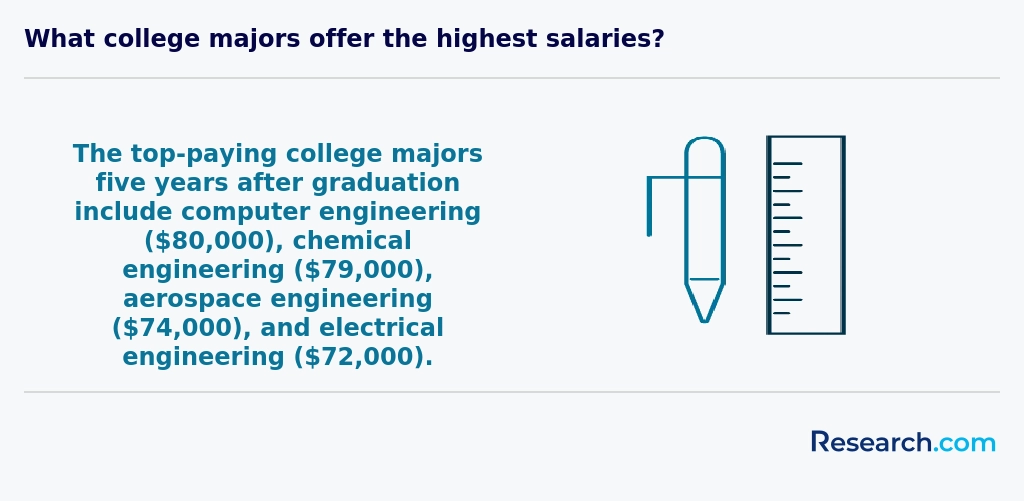
Engineering degree specializations in Santa Clara cover a wide range tailored to the region's dynamic industries. Graduates from popular universities in the area note that Electrical Engineering fields align closely with Silicon Valley's semiconductor and electronics sectors. Computer Engineering offers practical skills in software development and embedded systems, reflecting the tech-centric environment. Mechanical and Civil Engineering specializations attract students interested in robotics, transportation, and urban infrastructure, critical to the county's ongoing development.
Bioengineering and Biomedical Engineering are growing specializations due to medical technology firms nearby, providing hands-on opportunities in healthcare innovation. Software Engineering focuses on the software lifecycle and quality management, which many graduates find directly applicable to Bay Area software companies. Additionally, smaller technical colleges offer certificates and associate degrees in niche areas such as network engineering, catering to students seeking faster workforce entry.
Students pursuing top engineering programs in Santa Clara benefit from strong university-industry partnerships, often engaging in internships and co-op programs that enhance practical expertise. Some even complement their studies with an online data science curriculum, adding to their competitive edge in the evolving tech landscape.
Choosing the best engineering degree program in Santa Clara involves analyzing program quality, costs, and local industry alignment. Graduates from universities in the region often highlight the value of strong ABET accreditation, which assures curriculum rigor recognized by employers and professional boards. For example, programs in electrical and computer engineering match Silicon Valley's high demand, improving job placement outcomes.
Affordability is key, given that public colleges average $8,000 per year in tuition while private institutions can exceed $45,000, demanding a realistic budget including living expenses. Many students appreciate programs that facilitate internships with nearby tech giants like Apple and Nvidia, providing practical experience that leads to confidence and career readiness.
When exploring affordable engineering colleges Santa Clara offers, consider how well a program supports students through labs, faculty expertise, and career services. Also, students often supplement their degrees with online graphic design courses to enhance their project skills and marketability.
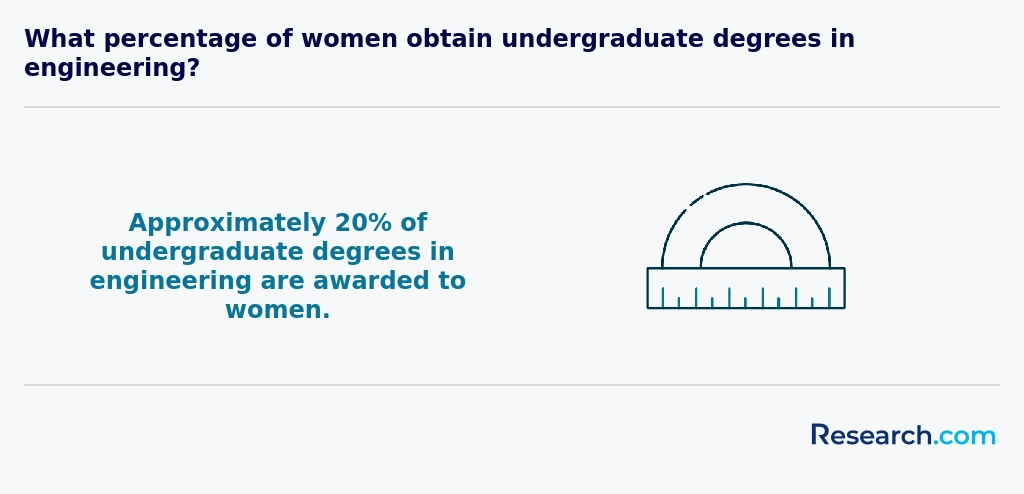
Engineering career opportunities in Santa Clara are diverse, reflecting the region's tech-intensive economy. Graduates from local universities often secure roles in software engineering at firms like Intel and Nvidia, where innovative product development drives rapid growth. Others find rewarding paths in electrical or computer hardware engineering, leveraging Silicon Valley's semiconductor industry. Mechanical and aerospace engineering roles are pursued by students engaged in advanced prototyping and manufacturing projects at local companies, enhancing practical skills gained during their studies.
This variety extends to civil and environmental engineering, focusing on sustainable infrastructure as the metropolitan area expands. Systems engineering is another key path, with professionals managing complex projects in startups and established firms alike. Many students benefit from internships at these companies, gaining real-world experience that complements rigorous academic programs offered on campus.
Graduates pursuing the best jobs with engineering degree Santa Clara often navigate career decisions aided by resources such as computer information systems programs, which add versatile technical skills highly valued by regional employers.

The job market for engineering degree job opportunities in Santa Clara is exceptionally strong, fueled by the region's central role in Silicon Valley. Graduates from well-known local institutions such as San Jose State University find themselves entering a competitive landscape where demand for software, computer, and electrical engineers remains high. Many report securing roles with leading tech companies nearby, benefiting from median annual wages well above the national average and ample networking possibilities through industry events and research partnerships.
Santa Clara engineering degree employment outlook is particularly promising in fields like semiconductor technology and renewable energy engineering. Graduates are often encouraged by first-year salaries ranging between $70,000 and $90,000, making the investment in education worthwhile. For students balancing cost concerns, public university tuition typically falls between $7,000 and $10,000 annually, a factor that complements the region's strong return on investment.
Those interested can explore top programs via resources like top-ranked online computer science degrees that also cater to the tech-driven market of Santa Clara.
2027 Most Popular Engineering Degree Programs Ranking in Santa Clara
Investing in your education is a significant decision that can shape your future, and the Research.com team understands the importance of making informed choices. To assist prospective students in Santa Clara, we have meticulously crafted the "2027 Most Popular Engineering Degree Programs Ranking in Santa Clara." Our commitment to quality, credibility, and accuracy is reflected in the extensive research and analysis conducted to compile this ranking.
We utilized the following reputable data sources to ensure a comprehensive evaluation of engineering programs:
By exploring this ranking, readers will gain valuable insights into the most sought-after engineering degree programs in Santa Clara, enabling them to make well-informed decisions about their educational paths. For more details on our methodology, please visit our Research.com methodology page.

Frequently Asked Questions About engineering
Engineering degree students in Santa Clara can maximize their learning experience by engaging in hands-on projects and internships, which are abundant due to the city's proximity to Silicon Valley. According to the National Association of Colleges and Employers, 65% of engineering students securing internships report higher job placement rates after graduation. Students should also take advantage of research opportunities at local universities, such as Santa Clara University, which hosts cutting-edge labs focused on robotics and renewable energy.
Joining professional organizations like the American Society of Mechanical Engineers (ASME) can provide networking and mentorship benefits. Additionally, Santa Clara's access to tech firms enables students to stay current with industry trends and software tools, enhancing their career readiness.
Emerging niches within the engineering field are rapidly expanding in Santa Clara, driven by the region's status as a global technology hub. Key areas include artificial intelligence (AI) and machine learning, where engineers develop systems that enable smarter automation and data analysis. According to the U.S. Bureau of Labor Statistics, AI-related engineering jobs are expected to grow by over 30% through 2030.
Another promising niche is renewable energy engineering, especially solar technology, which aligns with California's aggressive clean energy goals. Biomedical engineering also gains traction, fueled by innovations in medical devices and healthcare technologies near Silicon Valley.
Data from the National Center for Education Statistics shows Santa Clara institutions increasingly offer specialized programs in these fields, preparing students for growing market demands.
After completing an engineering degree in Santa Clara, preparing for the job market involves several strategic steps. First, gaining practical experience through internships or cooperative education programs is crucial. Santa Clara's proximity to Silicon Valley offers abundant opportunities to intern with leading tech companies, strengthening both skills and professional connections.
Additionally, building a strong professional network through local engineering organizations, such as the Silicon Valley Engineering Council, can open doors to job leads and mentorship.
Graduates should also focus on developing soft skills like communication and teamwork, which are highly valued by employers. According to the U.S. Bureau of Labor Statistics, employment in engineering occupations in California is projected to grow by 8% between 2022 and 2032, signaling steady demand. Staying current with industry trends and certifications will further enhance employability in this competitive market.
Employers in Santa Clara highly value engineering graduates with strong technical skills, especially in areas like software development, electrical engineering, and systems design. Proficiency in programming languages such as Python, C++, and Java is frequently sought, reflecting the local tech industry's needs.
Additionally, problem-solving abilities and hands-on experience with emerging technologies, including AI and machine learning, are essential. According to the Silicon Valley Leadership Group, over 70% of engineering roles require adaptability and continuous learning skills.
Communication and teamwork are also critical, as projects often involve cross-functional collaboration. Employers prioritize graduates who can clearly explain complex ideas and work effectively in diverse teams.
Finding engineering internships in Santa Clara involves leveraging local resources and university connections. Many top engineering programs in the area, such as those at Santa Clara University, maintain strong partnerships with Silicon Valley companies offering internships. According to the National Association of Colleges and Employers (NACE), approximately 65% of engineering students in the region secure internships through on-campus recruiting events and career fairs.
Students should also explore online platforms like Handshake and LinkedIn, which list many Santa Clara internships targeted to engineering disciplines. Networking with local professional organizations, such as the Silicon Valley Engineering Council, can provide valuable industry contacts and opportunities.
Additionally, contacting company career pages directly and preparing a strong resume focused on engineering skills increases the chances of securing relevant internships.
Obtaining an engineering degree in Santa Clara significantly enhances career mobility and advancement opportunities. The city, located in the heart of Silicon Valley, hosts numerous technology and manufacturing firms that actively seek skilled engineers. According to the U.S. Bureau of Labor Statistics, engineers in the San Jose metropolitan area, which includes Santa Clara, earned a median annual wage nearly 20% higher than the national average in 2023.
Graduates with engineering degrees benefit from strong networking prospects through local industry partnerships and university collaborations. These connections often lead to internships and job placements.
Moreover, employers prioritize candidates with accredited degrees, which can fast-track promotions. Continuous skill development, supported by Santa Clara's proximity to innovation hubs, further boosts career advancement.
Studying for an engineering degree in Santa Clara offers students a unique advantage in preparing for interdisciplinary roles. The region's proximity to Silicon Valley provides access to cutting-edge technology companies, enabling collaborative projects that blend engineering with business, data science, and design.
Many universities in Santa Clara incorporate cross-disciplinary coursework and internships, emphasizing skills like systems thinking and project management. According to the National Center for Education Statistics, about 40% of engineering graduates in California engage in interdisciplinary internships, which boost employability. This approach reflects industry demands where engineering solutions often require knowledge of multiple fields.
When choosing between a thesis and a non-thesis engineering degree program in Santa Clara, students should consider their career goals and interests. Thesis programs typically require original research and are ideal for those planning to pursue a PhD or work in research-intensive roles. Non-thesis options focus more on coursework and practical skills, appealing to professionals targeting industry positions or management roles.
In Santa Clara, a major tech hub, engineering students may benefit from non-thesis programs with strong internship and project components due to local industry demands. According to the U.S. Bureau of Labor Statistics, engineering occupations in Silicon Valley grow 7% faster than the national average, reflecting high job opportunities.
Additionally, universities like Santa Clara University offer both options, allowing flexibility depending on an individual's time commitment and preferred learning style.
Students based in Santa Clara who wish to study engineering abroad have several options through partnerships between local universities and international institutions. Santa Clara University and San Jose State University both offer exchange programs and study abroad opportunities focused on engineering disciplines. These programs often span one semester or a full academic year, allowing students to earn credits toward their degree while experiencing different engineering environments worldwide.
Many local programs emphasize collaboration with engineering schools in Europe and Asia, enhancing exposure to global engineering challenges. According to Open Doors 2023 data, about 12% of engineering undergraduates from California universities participate in study abroad programs, highlighting growing interest and opportunities for Santa Clara students.
Financial aid and scholarships specific to study abroad in STEM fields are available, helping to offset the costs. Students should consult their university's international office for tailored advice on application procedures and eligibility.
Santa Clara offers diverse part-time job opportunities that can effectively complement an engineering degree education. Many students find internships or part-time roles in local tech companies and startups within Silicon Valley, which hosts over 6,000 high-tech firms according to the Silicon Valley Institute for Regional Studies.
Positions in software development, hardware testing, or data analysis provide valuable hands-on experience aligning with engineering curricula. Additionally, roles such as lab assistants at nearby universities or research facilities help strengthen practical knowledge.
Retail and customer support jobs in electronics stores also allow students to deepen technical understanding while developing communication skills important for engineers.
These part-time roles contribute both to skill-building and professional networking in the heart of the US technology hub.
Engineering students in Santa Clara benefit from numerous networking opportunities due to the city's strong connection with Silicon Valley. Local universities often partner with leading tech companies, offering students access to career fairs, internship programs, and guest lectures. For instance, Santa Clara University hosts an annual Engineering Career Fair attracting over 200 employers.
Additionally, organizations such as the Silicon Valley Engineering Council provide workshops and meetups to connect students with industry professionals. National societies like the Society of Women Engineers and IEEE have active student branches here, promoting community engagement and professional development. These resources are crucial for building industry contacts early in one's academic career.
Alumni networks play a significant role in supporting engineering degree students in Santa Clara. Graduates from local institutions often remain connected through organized groups, providing mentoring and career advice. According to the National Association of Colleges and Employers, students with strong alumni ties report up to 20% higher internship placement rates.
In Santa Clara's tech-driven economy, these networks offer valuable connections to leading Silicon Valley companies, enhancing job prospects. Alumni events and online platforms create opportunities for students to learn about industry trends and secure internships or full-time roles.
This support system helps bridge academic learning with real-world engineering challenges, benefiting current students both professionally and personally.
Students pursuing engineering degrees in Santa Clara have multiple ways to tailor their education to align with career goals. Many local institutions offer flexible curricula allowing you to choose specialized tracks such as software, electrical, or mechanical engineering, often supported by electives in emerging fields like AI or renewable energy. Internship opportunities with Silicon Valley tech firms provide practical experience and networking insights, crucial for career advancement. According to the National Science Foundation, over 45% of Santa Clara engineering students engage in co-op programs, enhancing job readiness. Additionally, project-based courses encourage collaboration on real-world problems, fostering skills directly applicable to desired industries.
Engineering students in Santa Clara commonly face challenges related to rigorous coursework and intensive time management. Programs often require mastery of complex subjects such as calculus, physics, and computer programming, demanding consistent effort and focus.
Many students struggle with balancing academic responsibilities alongside internships or part-time jobs, which are crucial for gaining Silicon Valley industry experience. According to the National Society of Professional Engineers, approximately 40% of engineering students nationwide report stress from workload and career preparation.
Additionally, the high cost of living in Santa Clara impacts students' financial stability, increasing pressure to secure paid positions while studying. Universities in the area strive to provide support, but access to affordable housing remains a significant issue.
With an engineering degree in Santa Clara, you can pursue several respected professional certifications to advance your career. One key certification is the Professional Engineer (PE) license, which allows engineers to offer services directly to the public. Obtaining a PE typically requires passing the Fundamentals of Engineering (FE) exam, gaining work experience, and then passing the PE exam.
Other valuable certifications include the Certified Manufacturing Engineer (CMfgE) and Project Management Professional (PMP), both recognized nationwide. Local industry demand in Santa Clara, driven by tech and manufacturing sectors, emphasizes these credentials. According to the National Society of Professional Engineers, engineers with certifications often see higher earning potential and greater job security.
Writing a winning application for an engineering program in Santa Clara requires careful preparation and attention to detail. First, highlight your academic achievements, particularly in math and science, as these are crucial for engineering fields. Santa Clara University and other local institutions value a strong GPA, usually above 3.5 for competitive programs.
Emphasize any relevant hands-on experience, such as internships or projects related to engineering or technology. Silicon Valley's proximity offers unique opportunities; mention if you engaged with any tech companies or startups.
In your personal statement, clearly explain your motivation for studying engineering and how you plan to contribute to solving real-world problems. Demonstrating awareness of current industry trends can strengthen your case.
Lastly, secure strong letters of recommendation from science or math teachers who can attest to your skills and work ethic. According to the National Center for Education Statistics, engineering program acceptance rates in California reflect the competitive nature of the field.
Engineering careers are highly valued worldwide for their role in driving innovation and economic development. In the United States, and particularly in regions like Santa Clara, engineering graduates benefit from strong industry ties and access to leading technology companies. According to the U.S. Bureau of Labor Statistics, employment in engineering occupations is expected to grow by 7% from 2021 to 2031, faster than the average for all jobs.
Globally, engineering skills are essential in addressing challenges such as climate change, infrastructure modernization, and digital transformation. Santa Clara's Silicon Valley location offers unique opportunities in emerging fields like software, electrical, and computer engineering. Universities in this area collaborate extensively with multinational corporations, providing students with exposure to global engineering trends and practices.
Internationally, engineers often engage in cross-border projects requiring advanced technical knowledge and cultural adaptability. This global demand underscores the importance of pursuing a rigorous engineering education in the U.S., where curricula integrate both theory and practical experience. Students from Santa Clara thus position themselves competitively for careers both domestically and abroad.
Students pursuing engineering degrees in Santa Clara can gain practical experience through various hands-on opportunities available locally. Many universities in the region offer cooperative education (co-op) programs and internships that connect students directly with Silicon Valley tech companies. According to the National Association of Colleges and Employers (NACE), roughly 65% of engineering students nationally complete at least one internship before graduation, enhancing employability.
Additionally, engineering students in Santa Clara benefit from participation in university-sponsored research projects and design competitions. These initiatives provide valuable real-world problem-solving experience within engineering specialties such as electrical, mechanical, and computer engineering.
Community partnerships often lead to industry mentoring and project collaborations, helping students build networks while applying classroom knowledge in practical settings. Local career fairs and workshops further support skill development alongside academic studies.
Choosing the right concentration within an engineering degree program in Santa Clara requires understanding both your personal interests and local industry demands. Santa Clara lies in Silicon Valley, a hub for technology and innovation, where concentrations like software, electrical, and computer engineering are highly valued. According to the U.S. Bureau of Labor Statistics, employment for software developers in California is projected to grow 22% from 2021 to 2031, reflecting strong job prospects.
Students should research concentrations offered by nearby schools and consider internship opportunities with tech companies. Aligning studies with sectors such as renewable energy or biomedical engineering can also open specialized career paths in the region.
Finally, explore faculty expertise and resources at colleges in Santa Clara, as well as industry partnerships, which can enhance practical learning and networking.
- 2027 Most Popular Engineering Degree Programs Ranking in Santa Cruz
- 2027 Most Popular Engineering Degree Programs Ranking in Berkeley
- 2027 Most Popular Engineering Degree Programs Ranking in Los Angeles
- 2027 Most Popular Engineering Degree Programs Ranking in Claremont
- 2027 Most Popular Engineering Degree Programs Ranking in Riverside
- 2027 Most Popular Engineering Degree Programs Ranking in San Diego
- 2027 Most Popular Engineering Degree Programs Ranking in Portland
- 2027 Most Popular Engineering Degree Programs Ranking in Seattle
- 2027 Most Popular Engineering Degree Programs Ranking in Boulder
- 2027 Most Popular Engineering Degree Programs Ranking in Golden
See What Experts Have To Say About Studying Engineering
Read our interview with Engineering experts

Joseph Reichenberger
Engineering Expert
Professor of Civil Engineering & Environmental Science
Loyola Marymount University


Jasna Jankovic
Engineering Expert
Associate Professor
University of Connecticut

- Engineering Study Abroad Programs | Go Overseas https://www.gooverseas.com/study-abroad/engineering
- targetjobs https://targetjobs.co.uk/careers-advice/engineering/what-skills-do-engineering-employers-look
- Guide to Types of Engineering Programs and Careers https://www.ycp.edu/news/types-of-engineering-degree-programs
- Top 5 Demanding Engineering Fields in 2025: Future-Proof Your Career - MEC https://mailamengg.ac.in/top-5-demanding-engineering-fields-2025/
- Santa Clara’s Bloated Core Curriculum - The Santa Clara https://www.thesantaclara.org/blog/santa-claras-bloated-core-curriculum
- Engineering Educational and Career Goals: 6 Reasons Why Continuing Your Engineering Education Advances Your Career https://www.pdh-pro.com/pe-resources/engineering-educational-and-career-goals-6-reasons-why-continuing-your-engineering-education-advances-your-career/
- Study Engineering Degree Careers and Salary in Europe in Europe - 2026 - StudyinEurope.eu https://www.studyineurope.eu/engineering/engineering-degree-careers-salary-europe/
- Guide to Engineering Internships https://www.internwise.co.uk/candidate-journey/industry-internships/guide-to-engineering-internships
- Know more about thesis vs non- thesis: what is the difference? https://studyfans.com/en/blogs/816
- Julie Mowatt https://www.nspe.org/career-growth/pe-magazine/may-2019/survey-provides-global-perspective-engineering


