2027 Most Popular Engineering Degree Programs Ranking in Boulder

Co-Founder and Chief Data Scientist
Choosing the right engineering degree is a big step, especially in a vibrant city like Boulder. This article presents the 2027 Most Popular Engineering Degree Programs Ranking in Boulder created by the Research.com team of data scientists. It's designed to help you understand which programs stand out and deserve your attention.
By exploring this ranking, you'll gain valuable insights to make an informed decision about your future. An engineering degree offers exciting opportunities and a path to a rewarding career, and this guide makes the choice easier and clearer for you.
Key benefits of getting engineering degree in Boulder
- Engineering degree graduates in Boulder can expect strong earning potential, with Mechanical Engineers earning about $105,220 annually and Electrical Engineers making approximately $117,680 per year.
- Graduates from the University of Colorado Boulder often find diverse career options in fields like civil, industrial, and electrical engineering, giving them flexibility to pursue roles that match their passions.
- Completing an engineering degree online from a reputable Boulder institution offers flexibility and convenience, allowing students to balance work and study while gaining the same valuable skills as traditional programs.
- 2027 Most Popular Engineering Degree Programs Ranking in Boulder
- What can I expect from engineering degree in Boulder?
- Where can I work with engineering degree in Boulder?
What can I expect from engineering degree in Boulder?
The average cost of pursuing an engineering degree in Boulder, primarily through the University of Colorado Boulder, typically ranges from approximately $12,500 annually for in-state students to about $38,000 per year for out-of-state students. Graduates often share how managing these expenses alongside gaining valuable hands-on experience at CU Boulder's advanced labs helped them feel confident and prepared for their careers.
Many students appreciate the availability of financial aid, scholarships, and assistantships that significantly ease the financial burden, making the investment more accessible. For instance, engineering students working as research assistants benefit from both practical learning and financial support, creating a rewarding academic experience.
The balance of tuition costs with internship opportunities in Boulder's vibrant tech industry often leads to positive outcomes. Graduates frequently note that the combination of manageable expenses and career-building internships contributed to their smooth transition into high-demand engineering roles, enhancing both their skills and optimism about the future.
Where can I work with engineering degree in Boulder?
Graduates with engineering degrees in Boulder frequently find rewarding careers across several dynamic industries. Many alumni from the University of Colorado Boulder, known for its strong engineering programs, secure positions at leading companies such as Ball Aerospace, where they contribute to satellite systems and hardware design. These roles allow engineers to apply their knowledge in real-world aerospace projects.
Others are drawn to the thriving renewable energy sector, collaborating with national laboratories like NREL near Boulder. Here, engineers specializing in electrical or mechanical fields engage in developing solar and wind technologies, which provides fulfilling work aligned with sustainability values. Students often share how exciting it is to contribute directly to cutting-edge clean energy initiatives.
The city's vibrant tech startup environment presents additional opportunities for systems and software engineers. Graduates frequently join startups or growing tech firms, working on product development or network infrastructure. Their experiences underscore the collaborative and innovative culture that Boulder fosters, helping them grow professionally while impacting emerging technologies.
Civil and environmental engineering graduates engage with local government and private firms, tackling urban planning and sustainable infrastructure projects. The emphasis on green building standards resonates deeply with alumni passionate about environmentally responsible engineering.
Graduates from engineering disciplines in Boulder can anticipate competitive salaries that reflect the region's robust tech and aerospace sectors. Mechanical engineers, for instance, earn a mean annual wage of approximately $105,220, while electrical engineers typically see wages near $117,680, according to U.S. Bureau of Labor Statistics data. Civil engineers report mean salaries around $101,160 annually, consistent with Boulder's strong infrastructure and environmental focus.
Engineering students from universities in Boulder often share how internships and partnerships with local companies, such as major aerospace firms, accelerate their entry into these well-paying roles. These experiences help new graduates quickly transition from starting salaries commonly ranging between $65,000 and $75,000 up to mid-career earnings closer to the averages cited.
With Boulder's significant demand for skilled engineers, many graduates find rapid salary growth, especially when leveraging advanced degrees or certifications. This vibrant job market combined with the city's emphasis on innovation makes pursuing an engineering degree in Boulder financially promising and professionally rewarding.
- The University of Colorado Boulder offers engineering degrees in mechanical, civil, electrical, and computer engineering.
- Annual tuition is about $12,000 for in-state students and $38,000 for out-of-state students (2023-2024 figures), excluding living expenses.
- Entry-level engineering graduates in Boulder earn approximately $70,000 to $75,000 per year, with experienced engineers making over $110,000.
- Engineering jobs in Boulder are expected to grow by about 8% over the next decade, matching national growth rates.
- Key employers include federal research labs, tech firms, and public infrastructure agencies.
- Engineering programs emphasize hands-on learning and offer internships and co-op opportunities to help students gain experience.
Completing a Bachelor of Science in Engineering in Boulder typically takes four years, aligning with the structure at institutions like the University of Colorado Boulder. This timeframe usually spans eight semesters and requires about 120 to 130 credit hours. Graduates often describe their experience as both challenging and rewarding, noting that the curriculum balances foundational courses in math and physics with specialized engineering disciplines such as mechanical and electrical engineering.
Students who enter with Advanced Placement credits or prior coursework sometimes benefit from a shorter timeline, allowing them to graduate earlier. Meanwhile, participation in internships or cooperative education programs, popular among Boulder engineering students, may extend the duration slightly but offers invaluable hands-on experience that employers highly value.
Graduates appreciate the strong advising and support systems available, helping to navigate the degree requirements efficiently. Those who pursue double majors or minors often find their studies extended, yet they benefit from a richer academic portfolio, preparing them well for competitive careers in engineering fields.
Engineering degree programs in Boulder, CO, accredited by ABET ensure that graduates meet industry standards and are eligible for professional licensure. ABET accreditation is a hallmark of quality, confirming that a program’s curriculum, faculty, and facilities adhere to rigorous criteria established by engineering educators and practitioners. Students in ABET-accredited programs benefit from:
- Preparation for the Fundamentals of Engineering (FE) exam, the essential first step toward earning Professional Engineer (PE) licensure.
- Specialized coursework aligned with national licensure requirements and emerging industry technologies.
- Increased credibility with employers who often prioritize candidates from accredited institutions. Institutions such as the University of Colorado Boulder and Colorado State University maintain ABET accreditation across multiple engineering disciplines, enabling graduates to seamlessly pursue PE credentials in fields like civil, environmental, and structural engineering. For those considering advanced study or flexible learning options, it’s worth exploring Inexpensive Online Master's in Engineering Degree Programs, many of which are also ABET-accredited and offer cost-effective pathways to deepen expertise and meet continuing education requirements. Earning an ABET-accredited Engineering degree in Boulder, CO, not only paves the way for licensure but also demonstrates a commitment to professional excellence, significantly boosting career prospects across all engineering sectors.
On-campus engineering degrees in Boulder, such as those at the University of Colorado Boulder, immerse students in a dynamic environment with hands-on access to advanced laboratories and collaborative workshops. Graduates often recall the immediate feedback from professors during group projects, where working side-by-side fosters strong connections and practical skill development vital for fields like mechanical or civil engineering.
Conversely, online programs offer flexibility that suits working professionals or those balancing family responsibilities. Students engage with virtual simulations that mimic real-world engineering challenges, allowing study at their own pace. While some courses may require occasional on-site visits, many graduates appreciate the ability to organize their learning around personal schedules without sacrificing academic rigor.
Cost distinctions are also noteworthy; on-campus students benefit from in-person networking and campus recruiting events, often leading directly to internships. Online learners report appreciating remote career support but note fewer spontaneous peer interactions. Both paths maintain ABET accreditation, ensuring professional standards in Boulder's engineering education landscape.
The average cost of obtaining an engineering degree in Boulder is approximately $15,666 for in-state students, according to the latest median total cost data. This figure encompasses tuition and fees, reflecting the affordability of engineering education at institutions like the University of Colorado Boulder. Many graduates from CU Boulder highlight the manageable financial commitment as a key factor in their decision-making process, appreciating the balance between quality education and reasonable expenses. For out-of-state students, the cost rises significantly, nearing $63,902, which aligns with the broader trends of higher tuition rates for non-residents.
Those considering the total tuition and fees for Boulder engineering programs should also plan for additional living expenses, as housing and daily costs contribute substantially to the overall budget. Engineering students often find that careful financial planning and accessing available scholarships or assistantships can ease this burden. Students share that while the sticker price can feel daunting, the return on investment through strong career prospects and educational resources makes the cost worthwhile.
In assessing the average cost of engineering degree in Boulder, it's useful to explore broader data and rankings that highlight value for money. Resources such as local college affordability rankings provide valuable insights for prospective students balancing quality and cost, supporting informed decisions for a successful academic journey.

When choosing an engineering degree program in Boulder, CO, one of the most critical factors to consider is accreditation. Accredited programs, especially those recognized by ABET, not only validate the curriculum’s quality but also ensure that graduates meet industry standards. This recognition plays an essential role in enhancing employability and professional credibility once you enter the workforce. Many institutions in Boulder partner with industry leaders and continuously update their curriculum to mirror technological advances and market needs, which further reinforces the program’s quality. Additionally, accredited programs often provide robust career resources, networking opportunities, and mentorship initiatives, giving students an extra edge in competitive industries. When comparing your options, it’s useful to review detailed rankings and insights from trusted sources, such as the most popular engineering colleges, to see how different programs measure up in terms of accreditation and overall quality assurance. Emphasizing accreditation ensures you are investing in a degree that not only prepares you academically but also connects you to an alumni network and industry standards that pave the way for sustained career success.
Engineering students in Boulder have access to a robust array of financial aid that helps manage the significant costs of their education. For those attending the University of Colorado Boulder, federal financial aid through FAFSA serves as the primary resource, unlocking opportunities for Pell Grants up to $7,395 annually. These grants are particularly treasured by students who appreciate the relief of non-repayable funding during demanding academic years.
State-level support, such as the Colorado Opportunity Scholarship Initiative (COSI), targets engineering disciplines by providing scholarships that ease expenses beyond tuition, addressing costly lab materials and essential technology. Many student recipients recall how these scholarships allowed them to focus on complex projects without financial distraction.
Merit-based awards from CU Boulder's College of Engineering, often ranging from $1,000 to $5,000, frequently recognize academic excellence or research potential, boosting morale and motivation. Coupled with local paid internships, which grant practical experience and income, these forms of aid create a balanced support system that fosters both growth and financial stability for Boulder's engineering students.
To enroll in an engineering degree program in Boulder, students must demonstrate a strong academic foundation, especially in mathematics and science. Graduates from the University of Colorado Boulder often reflect on their rigorous preparation in high school courses such as algebra, geometry, physics, and chemistry, which equipped them to tackle complex engineering problems with confidence. A high school diploma or equivalent qualification like a GED is essential, along with a competitive GPA, generally above 3.0, signaling readiness for demanding coursework.
Standardized tests such as the SAT or ACT may be required, though many Boulder institutions have adopted flexible policies in recent years, easing admission concerns for some applicants. Beyond academics, engineering programs value problem-solving capabilities and teamwork, which students commonly showcase through extracurricular projects or personal statements, to align with real-world engineering collaboration.
Transfer students benefit from completing introductory college math and science classes before entering Boulder's engineering schools, ensuring a smooth transition. These requirements collectively prepare students to thrive in Boulder's dynamic engineering environment.
Engineering degree programs in Boulder typically begin with foundational courses essential for all disciplines. Students at institutions like the University of Colorado Boulder engage deeply with calculus and differential equations, gaining analytical skills critical to solving real-world engineering problems. Physics courses, complete with hands-on labs in mechanics and electromagnetism, reinforce core scientific principles in a practical context.
Many students reflect positively on the Introduction to Engineering course, where they explore various branches such as civil, mechanical, or environmental engineering, and learn about design ethics and project management. Computer programming and data structures are also emphasized, acknowledging the growing importance of computing skills.
Materials science is another cornerstone subject that familiarizes students with the properties of metals, polymers, and composites, often through lab work that connects theory to tangible materials used in industry. Graduates often recall how these courses, combined with team projects and research labs, fostered confidence and readiness to tackle complex engineering challenges.

Engineering degree specializations in Boulder encompass a range of traditional and innovative fields, particularly at institutions like the University of Colorado Boulder. Graduates often reflect on the diversity of concentrations, including Civil Engineering, with its emphasis on sustainable infrastructure and urban planning, and Mechanical Engineering, which opens doors to careers in robotics and aerospace. Other popular concentrations include Electrical, Computer, and Energy Engineering, integrating computer systems with renewable energy technologies, highlighting Boulder's connection to nearby tech industries.
Boulder engineering program concentration options also feature Environmental Engineering, focusing on ecosystem protection and public health, and Engineering Physics, which combines advanced physics with practical engineering challenges. Many students appreciate the hands-on opportunities these programs offer, enabling them to engage with local environmental initiatives or tech companies.
For those interested in faster career entry, smaller colleges provide certificates or associate degrees in software and industrial engineering. Exploring pathways such as the best online masters in software engineering further illustrates the variety of options available, catering to evolving industry demands and personal ambitions.
When choosing the best engineering degree in Boulder, it is essential to evaluate accredited programs such as those offered by CU Boulder, which ensure a rigorous curriculum aligned with industry standards. Graduates from these programs often express satisfaction with the blend of theoretical knowledge and practical experience, bolstered by internships and collaborative projects with local tech firms in the Boulder-Denver area. This real-world engagement significantly boosts job prospects post-graduation.
Affordability is another critical factor; students frequently highlight the balance between tuition costs and living expenses as a determining factor for enrollment at affordable engineering schools Boulder Colorado offers. In-state tuition at CU Boulder provides a competitive price point, while scholarships and financial aid expand access for many.
The best programs also offer flexibility and specialized research opportunities in cutting-edge fields like renewable energy. Those interested in expanding their career options often seek interdisciplinary paths and develop skills aligned with evolving market needs, including understanding data scientist qualifications to enhance their versatility.

Engineering graduates in Boulder enjoy a wide array of career paths, reflecting the city's dynamic ecosystem. Many secure positions in software development and systems engineering within the city's thriving tech startups and established firms. Graduates from the University of Colorado Boulder and other local institutions often describe engaging hands-on projects that prepare them for roles in research and development at government labs like NOAA or in university-affiliated innovation centers.
Jobs for engineering graduates in Boulder also include project engineering and design roles within renewable energy companies, where they contribute to wind, solar, and sustainable technology projects. Aerospace engineering is another prominent field, with Ball Aerospace and Lockheed Martin offering opportunities to work on advanced satellite and space technologies. Consulting and product management roles are well-suited for those combining technical knowledge with leadership skills.
Students seeking a budget-friendly online master's in computer science can further refine their expertise to enhance career prospects. The engineering career opportunities in Boulder benefit from local STEM initiatives, internships, and collaborative industry partnerships, enabling graduates to transition seamlessly into impactful professional roles.
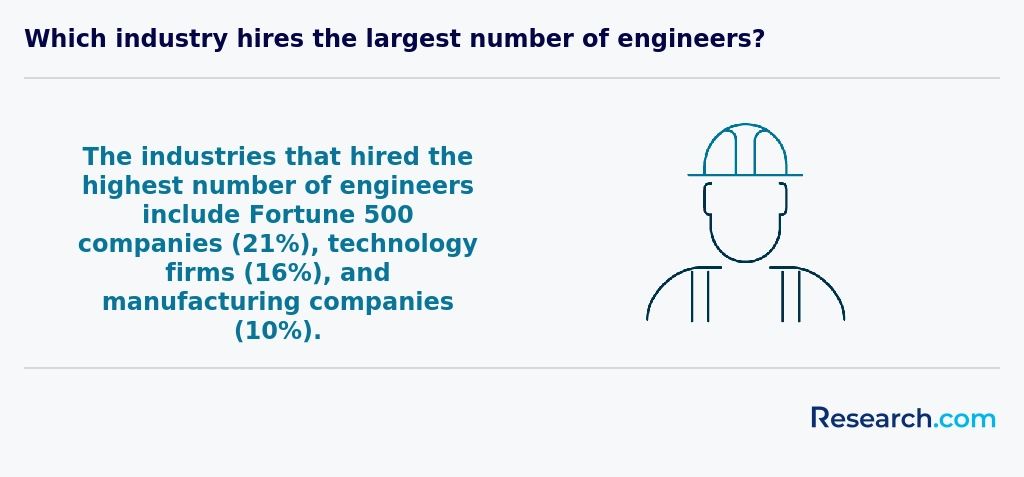
The job market for an engineering degree in Boulder is notably strong, supported by the city's vibrant tech landscape and established corporations like Ball Aerospace, IBM, and Google. Graduates from the University of Colorado Boulder report encouraging outcomes, benefiting from Boulder's abundant internship and co-op placements that provide essential hands-on experience. These opportunities are crucial to securing roles in sectors such as aerospace, software, and renewable energy, which have demonstrated consistent growth.
Employment projections indicate a 5% expansion in engineering roles in Colorado through 2032, with Boulder's market particularly excelling in software and environmental engineering. The average starting salary ranges between $65,000 and $80,000, offering a competitive edge compared to the national average. Many graduates leverage this momentum to join startups or clean-tech ventures that thrive in Boulder's entrepreneurial environment.
Cost considerations remain important; in-state tuition at local institutions hovers around $12,500 annually, presenting a cost-effective pathway for many pursuing engineering degrees. Prospective students can explore rankings to identify the most popular engineering colleges in the region that align with their career goals and benefit from the promising Boulder engineering degree job opportunities.
2027 Most Popular Engineering Degree Programs Ranking in Boulder
Investing in your education is a significant decision that can shape your professional journey, and the Research.com team fully recognizes the importance of making well-informed choices. To support prospective students in Boulder, we have carefully developed the "2027 Most Popular Engineering Degree Programs Ranking in Boulder." Our dedication to quality, credibility, and accuracy is demonstrated through thorough research and analysis behind this ranking.
We utilized the following reputable data sources to ensure a comprehensive evaluation of engineering programs:
By examining this ranking, readers will gain valuable insights into the most popular engineering degree programs in Boulder, empowering them to choose an educational path aligned with their goals. For more information about how this ranking was created, please visit our Research.com methodology page.

Frequently Asked Questions About engineering
Engineering students in Boulder can maximize their learning by engaging deeply in hands-on projects and internships. The city's proximity to tech companies and research labs offers ample opportunities for practical experience, crucial for understanding engineering concepts beyond textbooks. According to the University of Colorado Boulder, over 70% of engineering students participate in internships before graduation, significantly improving their job prospects.
Joining student organizations like the Society of Women Engineers or the Electrical Engineering Club can also enhance learning by fostering teamwork and networking. Taking advantage of Boulder's active research community and attending seminars can expose students to cutting-edge innovations in their fields.
Emerging niches within the engineering field reflect rapid technological advancements and regional industry needs. In Boulder, aerospace engineering continues to grow due to the presence of major companies like Ball Aerospace and Lockheed Martin. Additionally, environmental engineering is expanding as the city focuses on sustainable solutions related to water management and renewable energy.
Another fast-developing area is software and systems engineering, fueled by Boulder's thriving tech startup scene. According to the Bureau of Labor Statistics, jobs in software engineering are projected to grow 22% nationally through 2030, with local university programs adjusting curricula accordingly. These niches offer promising opportunities for engineering students in Boulder.
Preparing for the job market after earning an engineering degree in Boulder involves a strategic combination of skill development and networking. Boulder is home to a thriving tech ecosystem, with companies like Google and Ball Aerospace nearby, making local internships highly valuable. According to the Bureau of Labor Statistics, Colorado's engineering employment is projected to grow about 6% through 2030, slightly above the national average.
Students should engage in internships, co-op programs, or research projects to gain practical experience.
Joining professional organizations such as the Colorado Engineering Council can expand connections.
Additionally, developing strong communication and project management skills is critical, as employers increasingly seek engineers who can work in interdisciplinary teams.
Employers in Boulder seek engineering graduates with strong technical skills, especially in software engineering, electrical, and mechanical disciplines. According to the Colorado Talent Report (2023), proficiency in programming languages like Python and C++ is highly valued due to Boulder's growing tech industry. Problem-solving abilities and critical thinking remain essential, as engineers often tackle complex projects in renewable energy and aerospace sectors prominent in the region.
Communication skills are equally important. Employers favor graduates who can clearly present technical information to diverse teams. Additionally, experience with collaborative tools and project management software is a plus, reflecting Boulder's emphasis on innovation and teamwork in engineering roles.
Finding engineering internships in Boulder involves several strategic steps. Start by exploring opportunities through the University of Colorado Boulder's engineering career services, which connects students to local companies. Boulder hosts more than 300 technology firms, including startups and established businesses, offering diverse internship roles.
Networking is key; attend career fairs, industry meetups, and university-hosted events to meet employers. Websites such as Handshake and LinkedIn are widely used by Boulder employers to post internships specifically for engineering students.
Additionally, the city's growing tech sector, especially in aerospace and software engineering, creates numerous internships annually. According to the Boulder Chamber, internships here often lead to full-time opportunities. Applying early and tailoring resumes to local industries increases success chances.
In Boulder, obtaining an engineering degree significantly enhances career mobility and advancement opportunities. The city's strong focus on technology and innovation creates a robust job market for engineers across various fields, including aerospace, software, and environmental engineering. According to the U.S. Bureau of Labor Statistics, Boulder's engineering-related job openings are projected to grow faster than the national average through 2030.
Graduates with engineering degrees often find competitive salaries and clear pathways to management and specialized roles. Local employers highly value formal education combined with hands-on experience, which many Boulder universities and colleges emphasize.
The presence of prominent corporations like Ball Aerospace and numerous startups provides diverse career options, promoting professional growth for degree holders. Consequently, an engineering degree in Boulder acts as a key asset in achieving upward mobility in the city's dynamic labor market.
Studying for an engineering degree in Boulder offers a distinct advantage when preparing for interdisciplinary roles. The University of Colorado Boulder, a leading institution in the area, emphasizes cross-disciplinary collaboration through its Integrated Teaching and Learning Laboratory and partnerships across departments like environmental sciences, computer science, and business.
Students gain hands-on experience working on projects that merge electrical, mechanical, and software engineering principles. According to the National Center for Education Statistics, Boulder's engineering programs attract over 2,000 undergraduates, fostering a diverse academic community.
This environment equips graduates with problem-solving skills applicable beyond traditional engineering fields, making them adaptable in evolving job markets.
Choosing between a thesis and a non-thesis engineering degree program in Boulder depends on your career goals and interests. Thesis programs usually emphasize research and are ideal for students who want to pursue a PhD or work in research-intensive roles. These programs require a formal research project and thesis defense.
Non-thesis programs focus more on coursework and practical skills, making them suitable for those aiming to enter industry roles quickly. According to the University of Colorado Boulder, about 60% of engineering graduate students opt for the thesis option, reflecting strong research opportunities locally.
Consider job market trends in Boulder's tech and aerospace sectors, where a thesis can boost competitive advantage. However, non-thesis degrees often offer more flexibility in scheduling and electives.
Students based in Boulder interested in studying engineering abroad have several options through exchange and dual-degree programs. The University of Colorado Boulder (CU Boulder), a leading institution locally, offers partnerships with international universities in Europe and Asia. These programs enable engineering students to spend a semester or year overseas while earning credits toward their degree.
Programs such as the Erasmus+ exchange in Europe, available through CU Boulder's study abroad office, provide experiences in advanced engineering fields like civil and aerospace engineering. Additionally, dual-degree opportunities sometimes allow students to graduate with both a U.S. and a foreign engineering degree.
According to CU Boulder data, about 10% of engineering undergraduates engage in study abroad activities, reflecting growing interest and institutional support. Such international exposure can enhance students' technical skills and global competencies, valuable in today's engineering job market.
In Boulder, part-time job opportunities that complement engineering degree education commonly include internships and cooperative education positions with local tech firms such as Ball Aerospace and Google's Boulder campus. These roles provide hands-on experience with software development, systems engineering, and hardware design, closely aligning with academic studies.
Additionally, research assistant positions at the University of Colorado Boulder offer opportunities to engage with cutting-edge projects in renewable energy, robotics, and materials science. These roles help students apply theoretical knowledge in practical environments.
The Boulder area's growing startup ecosystem also offers freelance or contract engineering roles, allowing students to build portfolios and professional networks while balancing their coursework.
Engineering students in Boulder benefit from numerous networking opportunities that connect them with industry professionals and peers. The University of Colorado Boulder, the largest engineering program in the state, hosts career fairs and industry-specific events attracting over 200 companies annually, according to CU Boulder Career Services.
The Boulder tech ecosystem, including startups and well-known companies like Google and Ball Aerospace, offers internship and mentorship programs tailored for engineering students. These partnerships often lead to hands-on projects and job prospects.
Student organizations such as the Society of Women Engineers and the Engineering Leadership Institute provide workshops and networking mixers facilitating relationship-building within the engineering community.
Alumni networks play a crucial role for engineering students in Boulder by providing valuable connections and career opportunities. Many local engineering programs have strong alumni communities, including graduates from the University of Colorado Boulder, a top-ranked engineering school. According to the university's 2023 employment report, over 85% of engineering graduates secured jobs within six months, often through referrals from alumni contacts.
These networks offer mentoring, internships, and job leads while helping students navigate Boulder's competitive technology and aerospace industries. Engagement with alumni can also enhance professional skills through workshops and networking events held in the region.
Students pursuing engineering degrees in Boulder can tailor their programs through elective courses, minors, and specialized tracks offered by institutions like the University of Colorado Boulder. Many programs provide options in fields such as aerospace, environmental, and civil engineering, allowing students to align studies with specific career interests.
Internships and cooperative education opportunities are widely available locally, benefiting from Boulder's strong tech and aerospace industries. These practical experiences help students build relevant skills and professional networks.
Additionally, some programs encourage undergraduate research projects, which let students explore cutting-edge topics and deepen their expertise.
Advisors play a key role in guiding students to customize their curriculum and plan career-related activities effectively.
Engineering students in Boulder face a variety of challenges that impact their academic success. One common difficulty is managing the heavy workload, as engineering programs typically require demanding coursework in math, science, and design. According to the University of Colorado Boulder, engineering students often spend an average of 15-20 hours weekly on homework and projects.
Another challenge is balancing coursework with internships and research opportunities, which are crucial for career advancement. Limited availability of local internships in specific fields can increase competition among students. Additionally, the cost of education and living expenses in Boulder, which ranks above the national average, adds financial pressure on many students.
Finally, adapting to fast-paced technological changes and maintaining proficiency in emerging software tools require continuous effort and self-learning beyond the classroom.
With an engineering degree earned in Boulder, students can pursue several valuable professional certifications to enhance their careers. The most recognized is the Professional Engineer (PE) license, which requires passing the Fundamentals of Engineering (FE) exam, gaining work experience, then passing the PE exam. This license is critical for engineers working on public projects in Colorado.
Other common certifications include the Project Management Professional (PMP) and various specialized credentials like those from the National Institute for Certification in Engineering Technologies (NICET).
According to the Colorado Department of Regulatory Agencies, Boulder's growing tech sector boosts demand for certified engineers, especially in civil, electrical, and environmental engineering fields.
Applying for an engineering program in Boulder requires clear preparation and attention to detail. Most Boulder institutions, including the University of Colorado Boulder, emphasize strong academic records, especially in math and science courses. A competitive GPA is typically above 3.5. Standardized test scores such as the SAT or ACT can also be important, although some programs are test-optional.
Applicants should craft a thoughtful personal statement that illustrates their passion for engineering, relevant experiences, and career goals. Including any internships, research projects, or involvement in STEM clubs strengthens the application.
Letters of recommendation from teachers or mentors familiar with the applicant's academic and technical skills add significant value. Ensure these letters highlight problem-solving abilities and teamwork.
According to the CU Boulder College of Engineering & Applied Science, demonstrating hands-on experience and community engagement can improve admission chances.
Engineering careers are recognized worldwide for their strong impact on technological advancement and economic growth. In the United States, including Boulder, an engineering degree opens opportunities across diverse industries such as aerospace, renewable energy, and software development. According to the National Science Foundation, about 15% of engineering graduates enter fields requiring global collaboration, highlighting the importance of international perspectives.
Graduates with engineering degrees in Boulder benefit from the city's proximity to innovative companies like Ball Aerospace and the National Renewable Energy Laboratory. This creates pathways to careers influencing global markets and sustainability.
Engineering education in the US emphasizes problem-solving and adaptability, skills valued globally. Consequently, Boulder students often find their competencies aligned with international engineering standards and practices.
Students pursuing engineering degrees in Boulder can gain practical experience through a variety of hands-on opportunities available locally. The University of Colorado Boulder, a leading institution in the area, offers cooperative education (co-op) programs and internships with companies in tech, aerospace, and renewable energy sectors. These programs enable students to work part-time or full-time in professional settings while earning credit.
In addition, Boulder hosts numerous engineering-focused research projects supported by federal agencies such as NASA and the National Renewable Energy Laboratory (NREL). Participation in these research initiatives allows students to apply classroom concepts to real-world challenges.
Local startups and established firms often seek interns, providing valuable industry exposure. According to the National Association of Colleges and Employers, nearly 60% of engineering students in Colorado secure internships before graduation, significantly improving job prospects.
Choosing the right concentration within an engineering degree program in Boulder begins with understanding your interests and career goals. Boulder offers strong programs in areas like environmental, civil, and computer engineering, reflecting local industry demands such as renewable energy and tech innovation. According to the 2023 Colorado Department of Labor report, environmental engineering jobs in Boulder grew by 7% over five years, indicating promising opportunities. Investigate program strengths at institutions like the University of Colorado Boulder, which emphasizes interdisciplinary studies and research collaboration. Also, consider internship and networking options nearby, as Boulder hosts numerous engineering firms and startups.
Accreditation by ABET is another key factor; it ensures program quality and affects licensure eligibility nationwide. Reviewing course offerings alongside faculty expertise can clarify what aligns best with your ambitions. Lastly, engage with current students and professionals in Boulder's engineering community for first-hand insights.
- 2027 Most Popular Engineering Degree Programs Ranking in Golden
- 2027 Most Popular Engineering Degree Programs Ranking in Denver
- 2027 Most Popular Engineering Degree Programs Ranking in Fort Collins
- 2027 Most Popular Engineering Degree Programs Ranking in Colorado Springs
- 2027 Most Popular Engineering Degree Programs Ranking in Minneapolis
- 2027 Most Popular Engineering Degree Programs Ranking in Riverside
- 2027 Most Popular Engineering Degree Programs Ranking in Claremont
- 2027 Most Popular Engineering Degree Programs Ranking in Saint Louis
- 2027 Most Popular Engineering Degree Programs Ranking in Los Angeles
- 2027 Most Popular Engineering Degree Programs Ranking in San Antonio
See What Experts Have To Say About Studying Engineering
Read our interview with Engineering experts

Jasna Jankovic
Engineering Expert
Associate Professor
University of Connecticut

Joseph Reichenberger
Engineering Expert
Professor of Civil Engineering & Environmental Science
Loyola Marymount University


- Engineering Educational and Career Goals: 6 Reasons Why Continuing Your Engineering Education Advances Your Career https://www.pdh-pro.com/pe-resources/engineering-educational-and-career-goals-6-reasons-why-continuing-your-engineering-education-advances-your-career/
- Julie Mowatt https://www.nspe.org/career-growth/pe-magazine/may-2019/survey-provides-global-perspective-engineering
- Networking for engineers: your questions answered https://targetjobs.co.uk/careers-advice/engineering/networking-engineers-your-questions-answered
- Get experience in engineering with an internship https://gradireland.com/careers-advice/engineering/get-experience-engineering-internship
- University of Colorado Boulder Tuition | CollegeData https://www.collegedata.com/college-search/University-of-Colorado-Boulder/money-matters
- Bachelor of Engineering – kierunki i perspektywy kariery https://educat.study/pl/bachelor-of-engineering/
- Top Certification Courses for Advancing Engineering Careers - IJOER Engineering Journal Blog https://ijoer.com/blog/top-certification-courses-for-advancing-engineering-careers
- Engineering Design Challenges There are 80 items. https://clearinghouse.starnetlibraries.org/138-engineering-design-challenges
- Career Goals: 17 Inspirational Examples for you in 2026 https://www.imd.org/blog/learning-and-development/career-goals/
- Guide to Types of Engineering Programs and Careers https://www.ycp.edu/news/types-of-engineering-degree-programs