
2027 Most Popular Engineering Degree Programs Ranking in Denver

Co-Founder and Chief Data Scientist
Choosing the right engineering degree program can shape your future career and personal growth. This article presents the 2027 Most Popular Engineering Degree Programs Ranking in Denver, created by the Research.com team of data scientists to guide you in making an informed decision.
Whether you're just starting or considering a change, this ranking highlights programs worth exploring. Engineering degrees open doors to exciting opportunities, innovation, and meaningful work.
Discover which programs stand out in Denver and take a confident step toward your goals.
Key benefits of getting engineering degree in Denver
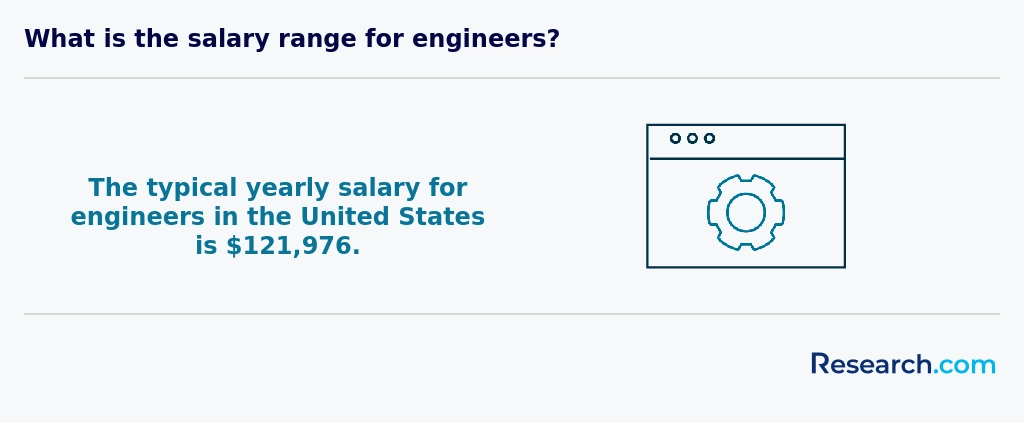
- Engineering degree graduates in Denver can expect competitive salaries, such as Mechanical Engineers earning around $105,220 annually and Electrical Engineers about $117,680, making it a financially rewarding path.
- Graduates from local universities often explore diverse careers like civil, industrial, or electrical engineering, benefiting from Denver's growing infrastructure and technology sectors.
- Choosing an online engineering degree in Denver offers flexibility and the chance to balance work and study while accessing quality education, empowering graduates to advance their careers without relocating.
- 2027 Most Popular Engineering Degree Programs Ranking in Denver
- What can I expect from engineering degree in Denver?
- Where can I work with engineering degree in Denver?
What can I expect from engineering degree in Denver?
The average cost of earning an engineering degree in Denver typically ranges between $25,000 and $40,000 per year, depending on whether students attend public institutions like the University of Colorado Denver or Metropolitan State University of Denver. Graduates often recall how this investment felt worthwhile as they benefitted from close industry connections and hands-on projects that prepared them for real-world challenges.
Many engineering students in Denver experience engaging internships arranged through their universities, allowing them to apply classroom knowledge directly to cutting-edge technologies in local companies. This blend of theory and practice makes the tuition feel like a gateway to opportunities rather than just an expense.
Affordable in-state tuition options combined with scholarships and support from organizations like the Colorado Engineering Council help ease financial worries. Denver's vibrant economy and growing tech scene motivate students to see their education as a springboard toward a bright and prosperous engineering career right in their hometown.
Where can I work with engineering degree in Denver?
With an engineering degree earned at a Denver institution like the University of Denver or Metropolitan State University of Denver, graduates find themselves stepping into a vibrant job market full of promise. Imagine joining aerospace leaders such as Lockheed Martin or Raytheon Technologies, where your work contributes to cutting-edge space exploration and defense projects that inspire pride and innovation. Many graduates share the excitement of working on advanced aviation technologies while knowing their efforts protect and advance national interests.
Others discover rewarding careers in the energy sector, capitalizing on Colorado's rich natural resources. You might be developing sustainable solutions for renewable energy or improving infrastructure alongside seasoned professionals in petroleum or environmental engineering. The satisfaction of making a tangible impact on the environment and community motivates many recent graduates.
Those drawn to technology thrive amid Denver's growing tech scene, contributing to startups or established firms in software and systems engineering. The dynamic atmosphere sparks creativity and continuous learning, praised by alumni who enjoy turning ideas into products that shape the future.
Graduates with engineering degrees in Denver enjoy promising earnings that make the hard work truly worthwhile. For instance, mechanical engineers typically earn around $105,220 annually, while electrical engineers can see salaries averaging $117,680. Civil engineers in this vibrant city earn approximately $101,160 per year, reflecting Denver's ongoing infrastructure growth.
Imagine walking through the University of Colorado Denver campus, hearing success stories from peers already landing diverse roles with these rewarding salaries. Industrial engineering graduates working in Denver's thriving industries report average wages near $103,150, opening doors to innovative manufacturing and logistics careers.
Starting salaries are strong, and with experience or advanced degrees, compensation only climbs higher-many alumni share how their salaries rose as they gained certifications or graduate credentials. The balance of a solid salary paired with Denver's energetic job market creates an inspiring environment where engineering students confidently envision a bright financial future.
- Engineering degrees in Denver are offered by ABET-accredited institutions like the University of Denver and Metropolitan State University of Denver.
- Tuition at public Denver schools ranges from $10,000 to $15,000 per year for in-state students; private schools charge between $25,000 and $35,000 annually.
- Engineering jobs in Denver have a higher employment rate than the national average, with industries such as aerospace and energy actively hiring graduates.
- Starting salaries for engineering graduates average around $65,000 per year, while experienced engineers earn between $90,000 and $120,000 annually.
- Denver offers a lower cost of living compared to major tech hubs and many opportunities for internships and cooperative education through local industry partnerships.
Completing an engineering degree in Denver is an exciting journey that typically takes about four years when you enroll full-time. Many graduates from the University of Denver and the University of Colorado Denver recall balancing challenging coursework and engaging labs while feeling proud of steadily progressing toward their goals.
These four years usually include 120 to 130 credit hours packed with foundational classes, hands-on projects, and sometimes valuable internships. Imagine starting your mornings at the University of Denver's vibrant campus, diving into real-world problem solving, and finishing your days with peers who share your passion for innovation and discovery.
Some students feel energized by accelerating their path using Advanced Placement credits earned in high school, cutting down their time and moving ahead faster toward their dreams. Others embrace co-op programs, which might extend the timeline but open doors to professional experience and meaningful connections in the engineering field.
Whether you're entering as a first-year or transferring credits, Denver's engineering programs offer adaptable paths filled with opportunities to grow, learn, and prepare for a rewarding career in technology and design.
As Denver’s engineering landscape evolves, students should be aware of cutting-edge fields that promise robust career growth and innovative work environments. Beyond traditional civil, mechanical, and electrical tracks, several emerging specializations are reshaping the local market:
- Artificial Intelligence and Machine Learning: With AI startups and tech giants expanding in Denver, demand for data-driven problem solvers is surging. Aspiring engineers can explore how to become a machine learning engineer, combining programming skills with statistical modeling to drive smart systems in manufacturing, healthcare, and autonomous vehicles.
- Renewable Energy and Sustainability: Colorado’s commitment to clean power has created roles in solar design, wind turbine optimization, and energy storage engineering. Graduates skilled in green technologies will help meet state goals for carbon reduction and grid resilience.
- Biomedical and Biomechanical Engineering: Collaboration with Denver’s medical research centers fuels demand for engineers developing next-generation prosthetics, medical imaging systems, and wearable health monitors. This interdisciplinary field blends anatomy, materials science, and electrical engineering.
- Robotics and Automation: From warehouse logistics to precision agriculture, robotics engineers design systems that boost efficiency and safety. Expertise in controls, sensors, and human-robot interaction is highly valued by local manufacturers and tech firms.
- Cyber-Physical Systems and IoT: Integrating embedded devices with cloud platforms, engineers in this specialization build smart infrastructure solutions-such as intelligent traffic management and environmental monitoring networks-leveraging Denver’s urban growth. Understanding these trends enables prospective students to select programs offering targeted coursework, specialized labs, and internship pipelines in high-growth sectors. By aligning your degree with these forward-looking specializations, you position yourself for rewarding roles and long-term career stability in Denver’s dynamic engineering market.
Choosing between online and on-campus engineering degrees in Denver opens diverse pathways to success. Graduates from the University of Colorado Denver often recall how immersive lab work and direct collaboration with peers fueled their passion and sharpened practical skills-critical advantages of on-campus learning. Hands-on projects, internships, and campus resources turn theories into real-world experiences, boosting confidence for engineering careers.
Meanwhile, online students appreciate the freedom to balance studies with work or family commitments, embracing flexibility without sacrificing quality. Many Denver-based programs provide engaging virtual labs and simulations that allow students to experiment and innovate from home. This approach empowers motivated learners to shape their schedules while still connecting with expert faculty and industry networks.
Both paths require ABET accreditation, ensuring professional credibility and opportunities in Denver's thriving engineering job market. Whether you thrive in dynamic campus environments or need adaptable timelines, Denver's engineering education supports your unique journey toward making an impact in the field.
Pursuing an engineering degree in Denver, CO, brings immense rewards but also unique challenges. By recognizing these hurdles early and leveraging available resources, students can stay on track and thrive academically and professionally. 1. Rigorous Coursework and Time Management • Balancing advanced math, physics, and lab work demands disciplined scheduling. • Tip: Create a weekly study calendar, block distractions, and review lecture notes within 24 hours to reinforce learning. 2. Financial Pressure and Debt Concerns • Tuition and living costs can strain budgets, especially without robust aid. • Tip: Apply for scholarships every semester, work part-time on campus, and compare program costs. For example, students curious about lower-cost alternatives might explore the Cheapest Engineering Degree Programs Ranking in New Hampshire to benchmark competitive tuition rates. 3. Competitive Internship and Job Market • Securing internships requires proactive networking and standout applications. • Tip: Attend career fairs hosted by the University of Denver or Colorado School of Mines, join professional societies (e.g., ASCE, IEEE), and polish your LinkedIn profile with project highlights. 4. Mental Health and Burnout • High workloads and tight deadlines can lead to stress. • Tip: Utilize campus counseling services, participate in study groups for peer support, and schedule regular physical activity to maintain well-being. 5. Adapting to Rapid Technological Change • Engineering tools and software evolve quickly, demanding continuous learning. • Tip: Enroll in online workshops (e.g., CAD, MATLAB), subscribe to industry journals, and seek faculty mentorship for guidance on emerging trends. By proactively addressing these challenges, Denver engineering students can build resilience, optimize their educational investment, and enter the workforce confidently.
The average cost of an engineering degree in Denver reflects a balance between quality education and financial accessibility. For many local students, the median in-state total cost hovers around $11,124, making public options like the University of Colorado Denver a smart and affordable choice. Graduates often share how this balance allowed them to invest not just in their tuition but also in enriching hands-on projects and internships that shaped their careers.
Out-of-state students, while facing a higher median total cost of about $48,929, find Denver's engineering programs worth the investment due to their strong industry connections and modern facilities. Private universities in the city, like Regis University, may have higher sticker prices, but students appreciate the smaller class sizes and individualized faculty support that often contribute to their academic success. For prospective students eager to explore the best opportunities, checking the list of popular engineering colleges can be a helpful step in making a confident choice.
When planning, it's essential to keep in mind the engineering degree total expenses Denver 2027 students typically encounter, including books, supplies, and living costs. Many graduates recall budgeting for these costs carefully, ensuring that their overall educational journey remained both inspiring and manageable, setting a foundation for a rewarding career ahead.
Denver’s engineering community is not only centered around academic excellence but also about robust connections with industry players that open doors to innovative research and hands-on internships. These partnerships bridge the gap between classroom learning and real-world application, allowing students to work on groundbreaking projects alongside experienced professionals. Local institutions collaborate closely with companies ranging from tech startups to established industry giants, providing avenues for mentorship, co-op programs, and project-based learning. Such opportunities not only enhance technical skills but also expand professional networks, boosting career readiness before graduation. Much like the collaborative environment found at popular engineering colleges, these programs empower students to engage in research, secure competitive internships, and develop practical insights that resonate with employers. This synergy ensures that graduates are not just academically proficient but also industry-ready, positioning them for long-term success in Denver’s dynamic engineering landscape.
Engineering students in Denver have a wealth of financial aid options that make pursuing their dreams not just possible but exciting. Graduates from institutions like the University of Denver and Metropolitan State University of Denver often share how federal aid through FAFSA was a game-changer, unlocking access to Pell Grants that can cover thousands each year-lifting a huge financial weight off their shoulders.
State grants also play a crucial role; many local students tap into the Colorado State Grant Program, reducing tuition costs and letting them focus more on innovation and less on money stress. On top of that, scholarships from STEM organizations such as the Society of Women Engineers fuel ambition with rewards for excellence and community involvement.
Hands-on work-study opportunities combined with internships at Denver-area companies let students earn while building invaluable experience and professional connections. Even employer tuition reimbursements empower working students to advance their careers confidently without financial strain.
This vibrant ecosystem of support ensures students can thrive in engineering programs while feeling encouraged and financially supported at every step.
To enroll in an engineering degree program in Denver, students typically start by completing a high school diploma with strong emphasis on math and science courses. Imagine walking into the classrooms of a well-known Denver university, where many graduates recall how mastering Algebra, Geometry, and even Calculus prepared them to tackle exciting engineering challenges.
Physics and Chemistry form the backbone of understanding the engineering world, and students who excel in these subjects often feel empowered and ready to innovate. Some Denver colleges encourage advanced courses like AP or IB, which many successful alumni say boosted their confidence and competitiveness during admission.
Standardized tests such as the SAT or ACT may still be part of the process, with promising engineers from Denver sharing that a solid math score opened doors to scholarships and opportunities. Personal essays and recommendation letters allow applicants to showcase their passion for problem-solving, while resumes featuring activities like robotics clubs or internships demonstrate their hands-on commitment.
For transfer students, excelling in foundational college courses can make transitioning to top Denver engineering programs smooth and rewarding, with community college partnerships easing the path toward a rewarding engineering career.
Engineering students in Denver embark on an exciting journey through courses that build a strong foundation in science and math while sharpening hands-on skills essential for success. At institutions like the University of Denver and Metropolitan State University of Denver, graduates recall mastering calculus, differential equations, and linear algebra-tools that help solve real engineering challenges.
Physics classes bring concepts like mechanics and electromagnetism to life, enabling students to understand how forces work in structures or machines they design. Programming courses, often focusing on Python or C++, empower students to create software solutions that complement their technical expertise.
Studying statics, dynamics, materials science, and electrical circuits, learners gain a comprehensive grasp of how things move, withstand pressure, and conduct electricity-knowledge that sparks creativity when working on actual projects or internships.
These core subjects are enhanced with specialized classes reflecting Denver's unique engineering landscape, inspiring students to tackle local infrastructure and sustainability challenges with confidence and innovation.
Engineering degree specializations in Denver reflect the city's dynamic industries and innovative spirit, offering students exciting paths to build their futures. Graduates from schools like the University of Denver and University of Colorado Denver often share how Civil Engineering connects them to impactful city projects, shaping Denver's infrastructure and public spaces. Mechanical Engineering students frequently describe hands-on experiences working with Colorado's manufacturing and energy sectors, fueling their passion for real-world solutions.
Denver engineering program concentration options also include Electrical and Computer Engineering, where students dive into telecommunications, electronics, and the burgeoning tech scene, preparing them for cutting-edge careers. Environmental and Biomedical Engineering attract those driven by sustainability and healthcare innovation, providing opportunities to engage with local initiatives and research advancements. These specializations empower learners to tailor their education toward industries thriving in the region.
Many graduates find inspiration in how their degrees open doors to careers and internships. Exploring options like how to become a machine learning engineer illustrates the expanding horizon in engineering at Denver's universities, where passion meets opportunity.
Choosing the best engineering degree in Denver means embracing programs that truly resonate with your passions and career ambitions. Graduates from the University of Colorado Denver often share how focusing on specializations like computer or civil engineering unlocked opportunities in the city's vibrant tech and infrastructure sectors. These programs are not only rich in practical knowledge but also hold valuable ABET accreditation, ensuring your degree is recognized and respected nationwide.
Many students at Metropolitan State University of Denver highlight the importance of affordable engineering colleges in Denver, where tuition aligns with budget-conscious goals while still delivering strong resources and flexible schedules. Connecting with local companies through internships enriches your experience, allowing you to apply classroom theories in real-world projects and build lasting industry relationships.
When exploring options, consider financial aid and scholarships to make your journey smoother. For a helpful perspective, check out the Cheapest Engineering Degree Programs Ranking in New Hampshire to understand affordability trends in engineering education. Your best degree is one that fits your lifestyle, fuels your enthusiasm, and opens doors right here in Denver.
Graduates pursuing engineering careers in Denver discover inspiring paths across thriving industries. From aerospace to renewable energy, Denver's dynamic economy fuels opportunities for civil, mechanical, electrical, and software engineers. Many students from major institutions like the University of Colorado Denver feel motivated watching their peers land roles with Lockheed Martin or Boeing, where they actively design aircraft systems or contribute to national security projects.
Others engage with Denver's expanding tech scene, developing cutting-edge software solutions that power the city's growing information technology sector. Civil and environmental engineers are making tangible impacts by shaping urban infrastructure and sustainable projects critical to Denver's rapid growth, energized by supportive efforts from local economic development initiatives. These real-life examples foster confidence and excitement in current engineering students eager to join this vibrant community.
Engineering degree job opportunities in Denver also include energy engineering roles focused on clean power innovations like solar and wind. Students often consider accelerated programs college options nearby, allowing them to jumpstart their careers and contribute meaningfully to their communities with positive momentum.
The engineering degree job opportunities in Denver present an exciting landscape for graduates, driven by the city's rapidly growing tech, aerospace, and renewable energy sectors. Graduates from universities like the University of Colorado Denver find themselves entering a job market where companies such as Lockheed Martin and Ball Aerospace actively seek skilled engineers, especially in civil, mechanical, and software fields. The strong demand means many graduates quickly secure roles that not only offer competitive salaries but also the chance to work on innovative projects shaping Colorado's future.
Denver engineering graduate employment outlook is especially bright due to local investments in infrastructure and sustainability. Many recent engineering graduates speak of their rewarding experiences contributing to smart city initiatives or renewable energy development. Those aiming to boost their qualifications often explore the easiest doctorate degree programs available, confident in the city's steady 7% projected growth for engineering roles. This creates a uniquely supportive environment for ambitious students eager to make a lasting impact.
2027 Most Popular Engineering Degree Programs Ranking in Denver
Investing in your education is a significant decision that can shape your future, and the Research.com team understands the importance of making informed choices. To assist prospective students in Denver, we have meticulously crafted the "2027 Most Popular Engineering Degree Programs Ranking in Denver." Our commitment to quality, credibility, and accuracy is reflected in the extensive research and analysis conducted to compile this ranking.
We utilized the following reputable data sources to ensure a comprehensive evaluation of engineering degree programs:
By exploring this ranking, readers will gain valuable insights into the most popular engineering programs in Denver, helping them make well-informed decisions about their educational paths. For more details on our methodology, please visit our Research.com methodology page.

# 4 position
University of Colorado Denver/Anschutz Medical Campus
Bachelor of Science in Biomedical Engineering

Frequently Asked Questions About engineering
Engineering students in Denver can maximize their learning experience by engaging in hands-on projects through local internships and cooperative education programs. The city's strong aerospace and renewable energy sectors offer numerous opportunities for practical experience. According to the Colorado Department of Labor, Denver's engineering job market grew by 5% in recent years, highlighting demand for skilled graduates.
Networking with professionals via local chapters of organizations like the American Society of Civil Engineers can also enhance learning. Additionally, leveraging resources at institutions such as the University of Colorado Denver, which offers research labs and industry collaboration, helps students apply theoretical knowledge effectively.
The engineering field is rapidly evolving, with several emerging niches gaining attention, especially in Denver. One prominent area is renewable energy engineering, driven by Colorado's commitment to sustainable energy and goals to significantly reduce carbon emissions by 2030, according to the Colorado Energy Office. This niche focuses on solar, wind, and battery technologies.
Another growing sector is aerospace engineering. Denver benefits from a strong aerospace industry with companies like Lockheed Martin and Ball Aerospace located in the region, creating demand for engineers specialized in this field. Data from the U.S. Bureau of Labor Statistics highlights a 5% growth in aerospace jobs in Colorado through 2031.
Additionally, biomedical engineering is expanding due to advances in medical devices and biotechnology firms emerging in Denver's bioinnovation hub. This specialization merges engineering principles with healthcare technology to improve diagnostics and treatment.
These niches reflect broader market trends and Denver's evolving economy, making them attractive options for students exploring engineering degrees.
Preparing for the job market after completing an engineering degree in Denver involves a combination of academic excellence and practical experience. Students should focus on internships, as Denver hosts numerous tech and energy firms offering hands-on roles. According to the Denver Metro Chamber of Commerce, internships significantly improve job prospects by 60% for new graduates.
Networking is crucial; attending events organized by organizations like the Colorado Engineering Council helps graduates connect with potential employers. Additionally, mastering industry-relevant software tools such as AutoCAD or MATLAB increases employability.
Soft skills such as communication and teamwork are also highly valued in Denver's collaborative engineering projects.
Employers in Denver seeking engineering degree graduates prioritize a combination of technical and soft skills. According to a 2023 report from the Colorado Workforce Development Council, strong proficiency in software tools like AutoCAD, MATLAB, and Python ranks highly. Analytical thinking and problem-solving abilities are critical, as the region's engineering jobs often involve complex project challenges.
Communication skills, including teamwork and presenting technical information clearly, are also essential. Denver's growing aerospace and renewable energy sectors demand engineers who can collaborate across disciplines.
Additionally, adaptability and continuous learning are valued to keep pace with evolving technologies. These insights reflect trends reported by the Denver Metro Chamber of Commerce and the U.S. Bureau of Labor Statistics for the Rocky Mountain area.
Finding engineering internships in Denver involves a mix of research, networking, and utilizing local resources. Denver is home to growing tech and manufacturing sectors, increasing internship opportunities for engineering students. According to the Denver Metro Chamber of Commerce, companies such as Ball Aerospace and Lockheed Martin frequently offer internships.
Students should begin by checking university career centers at institutions like the University of Colorado Denver or Metropolitan State University of Denver, which maintain connections with local employers. Online job platforms tailored to engineering careers, such as Handshake and Indeed, also list relevant positions.
Professional organizations, including the Colorado Society of Engineers, provide networking events and job boards. Attending industry meetups can help students gain contacts and insider knowledge about openings. Early application and resume preparation following engineering standards improve chances of success.
Holding an engineering degree in Denver significantly enhances career mobility and advancement opportunities. The city's strong foothold in aerospace, telecommunications, and renewable energy sectors creates a high demand for skilled engineers. According to the U.S. Bureau of Labor Statistics, the Denver metropolitan area projects a 7% growth in engineering jobs between 2022 and 2032, faster than the national average.
Engineers with degrees often see higher starting salaries-typically 15-20% more than those without-and quicker promotion paths. Local employers value accredited degrees and practical experience, often provided through cooperative education programs at Denver universities.
Overall, an engineering degree acts as a credible gateway to leadership roles and specialized positions within Denver's expanding technical industries.
Studying for an engineering degree in Denver offers strong preparation for interdisciplinary roles by combining technical expertise with real-world application. Denver's engineering programs often include coursework in project management, communication, and systems thinking, essential skills across multiple fields. Local universities emphasize collaboration between engineering, business, and environmental studies, reflecting Denver's growing industries such as aerospace, renewable energy, and construction.
The city's proximity to innovative companies and research centers provides students with internship and co-op opportunities that expose them to cross-disciplinary projects. According to the Colorado Department of Higher Education, about 35% of engineering graduates in Denver pursue roles integrating multiple disciplines within two years of graduation.
Such programs equip students to work effectively in teams, bridging gaps between engineering specialties and other sectors, making graduates versatile and highly employable in Denver's dynamic job market.
Choosing between a thesis and a non-thesis engineering degree program in Denver depends on your career goals and learning preferences. Thesis programs typically require original research and a formal thesis, which suits students interested in pursuing a Ph.D. or research-based jobs. Non-thesis options focus more on coursework and practical skills, often preferred by professionals aiming for industry roles.
Denver hosts several universities offering both options, including the University of Colorado Denver. According to NCES data, about 40% of local engineering master's students opt for thesis tracks. Consider if you prefer independent research or applied projects, as this can shape your experience and opportunities.
Students based in Denver who wish to study engineering abroad have several options through their home institutions. Universities like the University of Colorado Denver offer exchange programs and partnerships with European and Asian universities, allowing students to earn credits toward their engineering degrees overseas. These programs often focus on fields such as mechanical, civil, and electrical engineering.
According to the Institute of International Education, nearly 10% of U.S. STEM students participate in study-abroad programs, providing valuable global experience. Additionally, some programs include summer research or internship opportunities abroad, which can enhance technical skills and cultural understanding.
Financial aid and scholarships for study abroad are commonly available, helping reduce costs for Denver-based engineering students interested in global opportunities.
Denver offers several part-time job opportunities that align well with engineering degree education. Students can find roles as CAD technicians, supporting design projects with software like AutoCAD or SolidWorks. These positions help improve technical skills vital for engineering careers. Internships or assistant roles in local firms, including companies in aerospace or renewable energy sectors, provide practical experience in systems design and project management.
According to the Denver Metro Chamber of Commerce, engineering-related jobs grew by 6% from 2020 to 2023, increasing openings for student workers. Additionally, tutoring peers in mathematics or physics at college campuses strengthens one's knowledge and communication skills. These options offer valuable on-the-job learning while accommodating academic schedules.
Engineering students in Denver have access to numerous networking opportunities that connect them with industry professionals and peers. Local universities such as the University of Denver and Metropolitan State University of Denver often host career fairs, workshops, and guest lectures specialized for engineering fields. These events provide direct contact with employers in technology, aerospace, and renewable energy sectors prevalent in the Denver area.
Denver's engineering community is supported by professional organizations like the Colorado Society of Professional Engineers (CSPE), which offers events, mentoring, and conferences. According to the CSPE, membership can boost internship and job placement chances by 30%.
Additionally, tech meetups, hackathons, and engineering student chapters of national societies such as IEEE and ASME are active in Denver. These gatherings facilitate collaboration and knowledge exchange, essential for students building professional networks.
Alumni networks play a significant role for engineering students in Denver by offering valuable professional connections. Graduates of local schools like the University of Denver and the Colorado School of Mines often join large, active alumni groups that provide mentoring, internships, and job referrals. According to the National Association of Colleges and Employers, 70% of positions are filled through networking, underscoring the importance of these connections.
In Denver's booming tech and manufacturing sectors, alumni can introduce students to industry leaders and emerging companies, enhancing career opportunities. Networking events and workshops organized by alumni groups also help students develop soft skills critical for engineering careers.
Furthermore, many alumni contribute to scholarship programs, which can ease financial burdens for engineering students in the region, promoting diversity and inclusion within STEM fields.
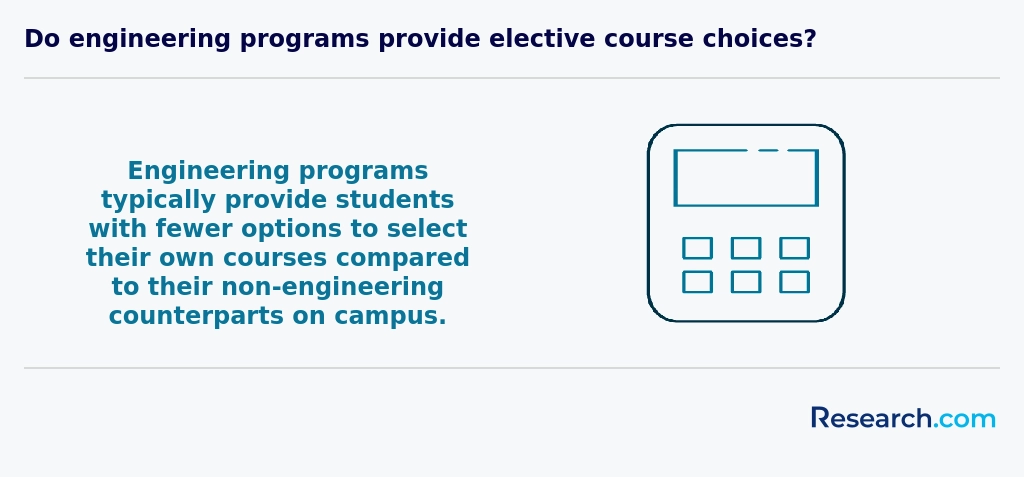
In Denver, customizing an engineering degree to align with your career goals is both practical and encouraged. Many local universities offer flexible curricula allowing students to select electives in emerging fields such as renewable energy, aerospace, or software engineering. Internships with Denver's growing tech and manufacturing sectors provide real-world experience that sharpens your skills. Additionally, some programs support interdisciplinary studies, letting you combine engineering with business or environmental science.
According to the Colorado Department of Higher Education, over 30% of engineering students in Denver take advantage of such tailored options to improve employability. This flexibility helps students meet specific industry certifications or graduate school prerequisites, ensuring their degree matches their professional aspirations.
Engineering students in Denver commonly face challenges related to rigorous coursework and time management. The demanding curriculum requires strong skills in mathematics, physics, and engineering fundamentals, which can be stressful. Balancing academics with internships or part-time work is another difficulty, especially as practical experience is highly valued in Denver's competitive tech and industrial sectors.
Financial pressures also affect many students. Although Colorado offers various scholarships, the cost of living in Denver is rising, making budgeting a concern. According to the Colorado Department of Higher Education, about 60% of engineering students in the state report financial strain during their studies.
Adapting to a fast-changing industry, particularly in green energy and aerospace-sectors prominent in Denver-adds complexity. Keeping up with new technologies and software demands continuous learning beyond classroom instruction.
With an engineering degree in Denver, graduates can pursue several recognized professional certifications to advance their careers. One of the most respected is the Professional Engineer (PE) license, which allows engineers to offer services directly to the public. To obtain this license, candidates typically need to pass the Fundamentals of Engineering (FE) exam, gain relevant work experience, and then pass the PE exam.
Other valuable certifications include the Project Management Professional (PMP), ideal for engineers focusing on leading projects. Additionally, specialty certifications like the Certified Manufacturing Engineer (CMfgE) or Certified Energy Manager (CEM) can enhance expertise in specific fields.
Denver's growing engineering sector, supported by organizations like the Colorado State Board of Professional Engineers, continually values these credentials to ensure safety, innovation, and quality in engineering practices.
To write a winning application for an engineering program in Denver, start by demonstrating strong academic performance in math and science courses. Many Denver universities, including the University of Denver and Metropolitan State University, look for a high GPA and competitive SAT or ACT scores. According to the Colorado Department of Higher Education, engineering programs here often emphasize practical experience, so include any relevant internships or projects.
Highlight your passion for engineering by detailing specific interests like civil, mechanical, or electrical engineering. Letters of recommendation from teachers or professionals in STEM fields are highly valued. Lastly, craft a clear, concise personal statement explaining your goals and why you want to study engineering in Denver, referencing local industry opportunities when possible.
The engineering profession enjoys strong global demand, with the United States recognized as a leader in innovation and technology. For aspiring engineers in Denver, this means access to diverse opportunities in industries like aerospace, renewable energy, and software development. According to the U.S. Bureau of Labor Statistics, employment for engineers is projected to grow by 4% from 2022 to 2032, reflecting steady demand nationwide.
Denver's engineering sector benefits from its strategic location and growing tech economy, attracting firms with international ties. Globally, engineers often work in cross-cultural teams, making communication and adaptability essential skills. This international perspective enhances career mobility, allowing Denver graduates to collaborate on projects worldwide.
Professional organizations like the National Society of Professional Engineers emphasize continuous learning to meet evolving global standards. For students, pursuing accreditation through ABET in Denver programs ensures their degree is respected internationally, supporting worldwide career prospects.
Students pursuing engineering degrees in Denver can gain practical experience through several effective methods. Many local universities offer cooperative education (co-op) programs, blending classroom learning with paid work in engineering firms. According to the Colorado Department of Labor, internships in Denver's engineering sector grew by 8% from 2021 to 2023, reflecting increased industry collaboration. Volunteer opportunities and project-based courses also provide hands-on skills. Moreover, joining professional organizations like the Colorado Engineering Council can connect students with mentors and industry events. Engaging in these activities enhances technical expertise and improves job prospects after graduation in Denver's competitive engineering market.
Choosing the right concentration within an engineering degree in Denver involves assessing both personal interests and local industry demand. Denver's strong aerospace, environmental, and civil engineering sectors influence the popularity of certain specializations. According to the Colorado Office of Economic Development & International Trade, aerospace jobs grew by nearly 10% from 2019 to 2023 in the Denver metropolitan area, making aerospace engineering a promising choice.
Students should also consider universities offering accredited programs, such as the University of Colorado Denver, which provides diverse options including mechanical, electrical, and environmental engineering. Exploring internship opportunities with Denver-based companies can help clarify practical fit. Reviewing job placement rates and salary data can further guide decision-making.
- 2027 Most Popular Engineering Degree Programs Ranking in Golden
- 2027 Most Popular Engineering Degree Programs Ranking in Boulder
- 2027 Most Popular Engineering Degree Programs Ranking in Fort Collins
- 2027 Most Popular Engineering Degree Programs Ranking in Colorado Springs
- 2027 Most Popular Engineering Degree Programs Ranking in Minneapolis
- 2027 Most Popular Engineering Degree Programs Ranking in Riverside
- 2027 Most Popular Engineering Degree Programs Ranking in Saint Louis
- 2027 Most Popular Engineering Degree Programs Ranking in San Antonio
- 2027 Most Popular Engineering Degree Programs Ranking in Claremont
- 2027 Most Popular Engineering Degree Programs Ranking in Los Angeles
See What Experts Have To Say About Studying Engineering
Read our interview with Engineering experts

Bohdan W. Oppenheim
Engineering Expert
Professor Emeritus of Healthcare Systems Engineering
Loyola Marymount University

Joseph Reichenberger
Engineering Expert
Professor of Civil Engineering & Environmental Science
Loyola Marymount University


- 6+ Engineering Cover Letter Examples (with In-Depth Guidance) https://www.tealhq.com/cover-letter-examples/engineering
- Engineering https://www.ciee.org/go-abroad/college-study-abroad/programs/subjects-disciplines/engineering
- Networking for engineers: your questions answered https://targetjobs.co.uk/careers-advice/engineering/networking-engineers-your-questions-answered
- Arya College | Best B.Tech College in Jaipur, Rajasthan, India https://www.aryacollege.org/resources/common-challenges-faced-by-engineering-students/
- Thesis vs. Non-Thesis Master's Programs: Which is Right for You? https://potomac.edu/thesis-vs-non-thesis-masters/
- Executive Search and Outplacement Services for the Engineering, Architecture, Construction, and Manufacturing Industries https://www.davron.net/stand-out-niche-engineering-job-market/
- 12+ Engineering Schools in Colorado (CO) | Engineering Types https://typesofengineeringdegrees.org/schools/colorado/
- Know more about thesis vs non- thesis: what is the difference? https://studyfans.com/en/blogs/816
- The Rise of the Niche Engineer https://www.sterling-engineering.com/niche-engineer/
- Guide to Engineering Internships https://www.internwise.co.uk/candidate-journey/industry-internships/guide-to-engineering-internships


