
2027 Best Engineering Degree Programs Ranking in Boston

Co-Founder and Chief Data Scientist
Choosing the right engineering degree program is an exciting step toward a rewarding career. In this article, you'll find the 2027 Best Engineering Degree Programs Ranking in Boston, created by the Research.com team of data scientists to guide you through your options.
Exploring these rankings helps you identify quality programs that match your goals. Whether you're passionate about innovation or eager to solve real-world problems, an engineering degree offers countless opportunities. This resource empowers you to make a confident, informed decision for your future in Boston's vibrant academic community.
Key benefits of getting engineering degree in Boston
- Engineering graduates in Boston can expect strong salaries, with Mechanical Engineers earning around $105,220 annually and Electrical Engineers making about $117,680, reflecting rewarding financial opportunities.
- A graduate from Boston University's engineering program can explore diverse paths like civil, industrial, or electrical engineering, offering exciting work in industries ranging from construction to technology.
- Online engineering degrees from institutions like Northeastern University provide flexibility and hands-on learning, allowing graduates to balance work and study while still gaining valuable skills for the job market.
- 2027 Best Engineering Degree Programs Ranking in Boston
- What can I expect from engineering degree in Boston?
- Where can I work with engineering degree in Boston?
What can I expect from engineering degree in Boston?
Engineering degrees in Boston typically cost between $50,000 and $60,000 per year at institutions like the Massachusetts Institute of Technology (MIT) and Northeastern University. Graduates often describe the investment as worthwhile given the access to state-of-the-art labs, expert faculty, and hands-on learning opportunities such as co-op placements and internships.
Many students report securing financial aid or scholarships that significantly reduce out-of-pocket expenses. For example, a graduate from Boston University mentioned how combining merit-based scholarships with assistantships helped manage tuition costs while gaining valuable research experience.
Students should actively explore these funding options early, as Boston universities are known for strong support networks including career services and alumni connections that assist with both scholarships and post-graduation employment.
Careful budgeting and leveraging these resources can turn a Boston engineering degree into a rewarding career investment, especially given the area's robust job market in tech and biotech sectors.
Where can I work with engineering degree in Boston?
Graduates with engineering degrees from Boston's top schools like Northeastern University and Boston University find abundant opportunities across multiple thriving industries. Many start careers in the technology sector, joining companies focused on software development or cybersecurity, where they apply skills learned in hands-on projects and co-op programs offered by these universities.
Others leverage their biomedical engineering expertise at world-class local institutions such as Massachusetts General Hospital, developing cutting-edge medical devices. These roles often come directly through university partnerships that connect students with Boston's expanding life sciences companies, creating a smooth transition from classroom to lab.
Civil and environmental engineers from Boston College or UMass Boston often secure positions on urban development projects across the city, working on real-world solutions for sustainable design and green infrastructure. Graduates frequently share how internships in Boston's active public transit improvement initiatives gave them critical experience.
In manufacturing and industrial engineering, recent alumni successfully enter robotics and automation fields, benefiting from Boston's innovation-driven environment. Access to local startups and established firms enhances job prospects, making Boston an exciting place to launch an engineering career.
Graduates with engineering degrees in Boston can expect strong earning potential, reflecting the city's thriving tech and research landscape. For instance, mechanical engineers earn a mean annual wage of about $105,220, while electrical engineers command approximately $117,680 according to the U.S. Bureau of Labor Statistics. Civil engineers, another common pathway for Boston graduates, have a mean annual salary near $101,160. These figures often surpass national averages, which makes studying engineering at renowned Boston institutions like MIT or Boston University a financially rewarding decision.
Many recent graduates from these universities share that starting salaries typically fall between $65,000 and $75,000, with opportunities to rapidly increase earnings in sectors such as aerospace or biotechnology. Advanced degrees or licensure can push salaries beyond $100,000 within a few years. Boston's strong job market for engineers, bolstered by prominent tech companies and startups, means new graduates frequently benefit from bonuses and stock options in addition to base pay, enhancing overall compensation packages.
- Tuition for private Boston universities offering engineering degrees ranges from $50,000 to $60,000 per year for a four-year undergraduate program.
- Public four-year universities specializing in engineering are not prominent in Boston, so students often depend on scholarships, financial aid, or loans to cover costs.
- Entry-level engineering salaries in Boston typically range between $70,000 and $85,000 annually, reflecting the city's higher cost of living.
- After 5 to 10 years of experience, engineers in Boston can expect median salaries of around $110,000 or more.
- The unemployment rate for engineering graduates in Boston is significantly below the national average due to strong local demand and active recruitment by companies.
Completing a Bachelor of Science in Engineering in Boston typically takes four years of full-time study. During this time, students at institutions like Boston University or Northeastern University start with core courses in math and physics, then move into hands-on labs and specialized classes. Graduates often find this steady pace manageable and rewarding, balancing academic challenges with campus life.
However, many students extend their studies beyond four years by participating in co-op programs or internships, especially at Northeastern, where cooperative education is integral. These experiences extend the timeline but build valuable work skills and industry connections, which many alumni describe as career-defining.
Accelerated students use AP credits or summer courses to shorten their studies, finishing faster while still absorbing essential knowledge. Part-time enrollment offers another flexible path for those balancing work or family obligations, although it lengthens completion time.
Graduate degrees, like a master's, take one to two more years, while doctoral studies vary widely but often span three to six years, depending on research demands and focus areas within Boston's top engineering programs.
On-campus engineering degrees in Boston's top institutions offer an immersive experience with in-person labs, close faculty support, and vibrant campus life. Graduates often recall working on hands-on robotics projects or collaborating in state-of-the-art biotech research facilities, which helped them build confidence and practical skills. These programs also provide direct access to Boston's extensive engineering job market, making internships and networking easier through local industry events.
Online programs provide flexibility, ideal for those balancing work or family commitments in Boston's busy urban environment. Students complete coursework remotely but must stay disciplined without the immediate on-site resources. Some online degrees incorporate occasional on-campus residencies, giving students a chance to connect with peers and faculty briefly. Graduates appreciate the ability to advance their careers without relocating, though they often proactively seek virtual networking and utilize national partnerships to build connections.
- On-campus degrees foster hands-on learning and local industry access
- Online degrees prioritize flexible pacing and remote study
- Both formats maintain strong accreditation ensuring quality education
Boston’s engineering schools are at the forefront of emerging technologies, offering students unparalleled access to cutting-edge research in areas like artificial intelligence, robotics, and renewable energy. Leading institutions such as MIT’s Computer Science and Artificial Intelligence Laboratory (CSAIL) and Northeastern University’s Roux Institute provide hands-on projects in machine learning, sensor design, and autonomous systems. Collaborative labs often partner with industry giants-including Raytheon, General Electric, and leading biotech firms-to translate laboratory breakthroughs into real-world applications. Students can deepen their expertise through specialized workshops in deep learning frameworks like TensorFlow and PyTorch, or by engaging in multidisciplinary teams that design smart infrastructure and sustainable materials. For those keen on computer vision, many programs integrate coursework and research projects that mirror industry standards; for example, participants can learn practical techniques such as convolutional neural network optimization and real-time image processing. A solid starting point is understanding how to start as a computer vision engineer, which equips students with foundational skills in data annotation, model training, and deployment. In addition, annual hackathons and startup incubators on campus foster innovation by connecting students with mentors, venture capitalists, and alumni entrepreneurs. These initiatives not only strengthen technical proficiency but also cultivate soft skills-such as project management and cross-disciplinary communication-critical for successful engineering careers. By actively participating in these research ecosystems, graduates emerge well-prepared to lead the next generation of technological advancements and secure positions in high-growth sectors like autonomous vehicles, smart cities, and precision medicine.
The average cost of an engineering degree in Boston is influenced by whether you attend a public or private university. Median total costs for completing an engineering degree in Boston hover around $86,742, with in-state students generally paying less-about $66,162-due to discounted tuition rates. Graduates from private institutions such as the Massachusetts Institute of Technology (MIT) and Northeastern University often encounter higher tuition but benefit from access to cutting-edge research and networking opportunities that enhance their educational value. Many students fondly recall how these investments led to rewarding internships and career connections in Boston's vibrant tech scene.
Public universities like the University of Massachusetts Boston provide a more affordable option, especially for local residents, where living close to campus reduces additional expenses. Students there often share positive experiences about balancing quality education with financial prudence. Managing the total tuition and fees for Boston engineering programs requires budgeting for not just tuition but also housing, textbooks, and personal expenses, which can add $20,000 or more annually given Boston's high living costs.
Prospective students should explore financial aid packages and scholarships early. Many engineering students report significant support through grants and work-study that ease their financial burden and allow them to focus on their studies. It's also helpful to consider co-op programs which, while sometimes extending graduation timelines, provide paid work experience that offsets costs. For those seeking alternatives or lower expenses, reviewing affordable engineering programs in massachusetts can provide valuable options tailored to budget needs.
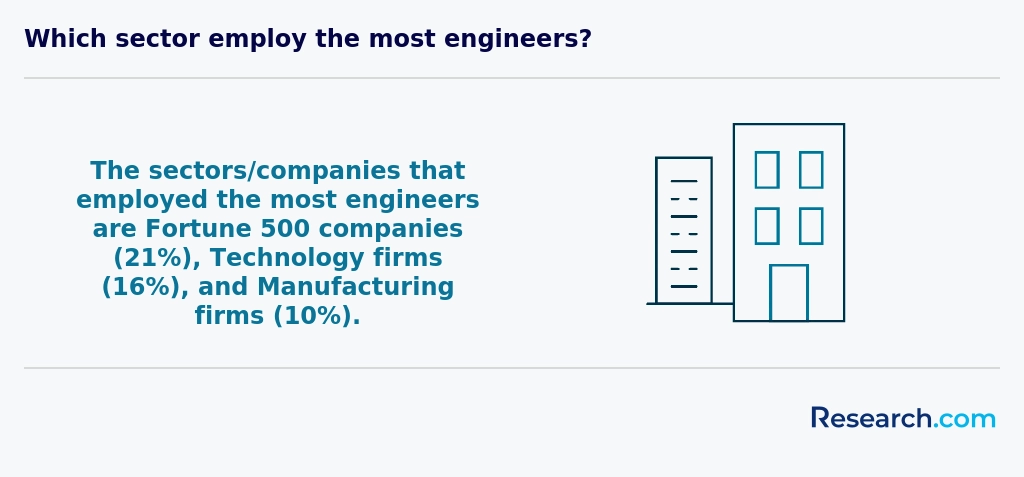
Boston’s engineering campuses provide more than just a rigorous academic curriculum-they cultivate a vibrant community where students can grow both personally and professionally. From state-of-the-art research labs to inclusive extracurricular clubs focused on robotics and sustainability, these institutions foster an environment that encourages creativity, teamwork, and leadership. Students benefit from robust career services, mentorship programs, and networking events that connect them with industry professionals and alumni. Additionally, many schools offer comprehensive support services such as tutoring, mental health resources, and wellness initiatives to help manage the high-pressure academic setting. For those seeking opportunities that combine quality education with practical financial benefits, check out affordable engineering programs in massachusetts. This well-rounded approach to campus life ensures that students emerge not only with technical expertise but also with the interpersonal skills and resilience necessary to thrive in the competitive engineering landscape.
Engineering students in Boston can access multiple financial aid options tailored to their needs. Many begin with federal aid through the FAFSA, unlocking Pell Grants and low-interest federal loans that ease tuition burdens. For instance, graduates from Northeastern often share how Pell Grants complemented their other funding sources, allowing them to focus more on studies than finances.
Merit-based scholarships play a critical role, especially at schools like MIT, where high-achieving students secure awards based on academic excellence and leadership. These scholarships boost confidence and make the costly private tuition more manageable.
Massachusetts residents benefit from state programs like the MassGrant, which helps fund STEM degrees at public colleges. Graduates note that combining these grants with employer tuition assistance or paid co-op positions often covers a large part of their expenses, while providing valuable industry experience in Boston's tech hubs.
Private scholarships from engineering societies offer additional aid, especially for underrepresented groups. Exploring all these avenues early-by contacting financial aid offices and applying widely-can transform the financial challenges of studying engineering in Boston into achievable opportunities.
Exploring affordable online engineering degree options can dramatically reduce the financial burden of higher education without compromising quality. By leveraging flexible, low-cost online programs, students can balance work and study while minimizing expenses on housing and transportation. For example, many learners seeking budget-friendly alternatives have turned to regional online offerings; to discover nationally ranked, cost-effective options, check out our Inexpensive Online Engineering Degree Programs Ranking in Georgia, which highlights high-value programs with below-average tuition rates and strong student outcomes. Beyond tuition savings, prospective students should investigate programs that bundle resources-such as virtual lab access and digital libraries-into flat-rate fees, and seek out schools offering credit for prior learning or professional certifications. Participating in employer tuition reimbursement programs or applying for specialized scholarships aimed at online learners can further offset costs. Finally, annual expense comparisons (including technology, textbooks, and exam proctoring) will help you create a realistic budget, ensuring that your online engineering education remains both accessible and sustainable.
To enroll in an engineering degree in Boston, you need a solid high school foundation, especially in math and science. Graduates from schools like MIT and Northeastern often emphasize how key taking advanced math courses-algebra, geometry, trigonometry, and calculus-helped them confidently tackle engineering challenges.
Physics and chemistry are essential too, as they provide the building blocks for understanding engineering concepts. Many students find that having basic programming knowledge significantly eases their transition into coursework that relies on computational thinking.
Standardized test scores, such as the SAT or ACT, remain important for many Boston engineering programs. Even with some schools adopting test-optional policies, strong math and science scores improve your chances. Graduates talk about how excelling here boosted their application's competitiveness.
Additionally, showing analytical thinking through extracurriculars or projects can set you apart. Letters of recommendation and a personal statement focused on your engineering passion-common requirements-help admission committees see your potential beyond grades.
In Boston, engineering degree programs begin with foundational courses in Calculus, Physics, and Chemistry, essential for building a solid STEM base. Graduates from institutions like Northeastern University recall how mastering these basics early on boosted their confidence in tackling advanced topics.
Core engineering classes typically include statics and dynamics, thermodynamics, materials science, circuits, and computer programming. These subjects help students understand physical systems and prepare them for diverse fields such as mechanical or electrical engineering. For example, students at Boston University found real-life applications when designing simple machines in dynamics labs, which made theory more tangible and engaging.
Specialization is key in Boston's engineering scene. Popular majors involve Biomedical Engineering with a medical device focus, Environmental Engineering targeting sustainability, Software Engineering emphasizing coding skills, Civil Engineering concentrating on structures, and Electrical Engineering covering power systems. Hands-on projects and lab work at colleges like Wentworth Institute of Technology allow students to directly apply and test their knowledge, often fostering teamwork and innovative problem-solving.
Engineering degree specializations in Boston cover a broad spectrum designed to fit various career goals. Graduates from well-known universities in the city often highlight Civil Engineering for its critical role in urban development and sustainability, directly addressing Boston's infrastructure needs. Mechanical and Electrical Engineering programs are praised for their hands-on labs and connections to Boston's renewable energy and telecommunications sectors, providing real-world experience that fuels confidence and enthusiasm.
Boston top engineering programs specializations also include Computer Engineering, where students enjoy combining software and hardware skills, benefiting from the city's vibrant tech scene. Biomedical and Chemical Engineering attract those excited by Boston's healthcare and pharmaceutical industries, offering opportunities to work on cutting-edge innovations. Many students leverage interdisciplinary studies like Environmental or Systems Engineering to solve complex problems, gaining diverse skills that make them highly employable post-graduation.
Internships play a huge role in these programs, enriching practical skills and industry insight. For example, students curious about specialized fields can learn how to start as a computer vision engineer while still in college, boosting their career readiness significantly.
Focus first on finding a specialization that excites you and meets Boston's job market needs. Graduates from popular local universities highlight how programs strong in robotics, renewable energy, or biomedical engineering opened doors for high-tech internships and research. To ensure quality, pick schools with ABET accreditation, which many Boston colleges maintain, as it supports licensure and professional credibility.
When considering affordable engineering colleges Boston offers many options, but tuition can vary widely. Public institutions typically cost around $15,000 per year for in-state students, while private colleges often exceed $55,000 due to specialized resources. Students often recommend exploring scholarships and co-op programs that provide paid work experience, which is invaluable in Boston's thriving tech and healthcare industries.
Lastly, if flexibility matters, consider programs offering part-time or online options supported by schools in the area. For example, you can check Inexpensive Online Engineering Degree Programs Ranking in Georgia for inspiration on accessible paths that balance work and study effectively.
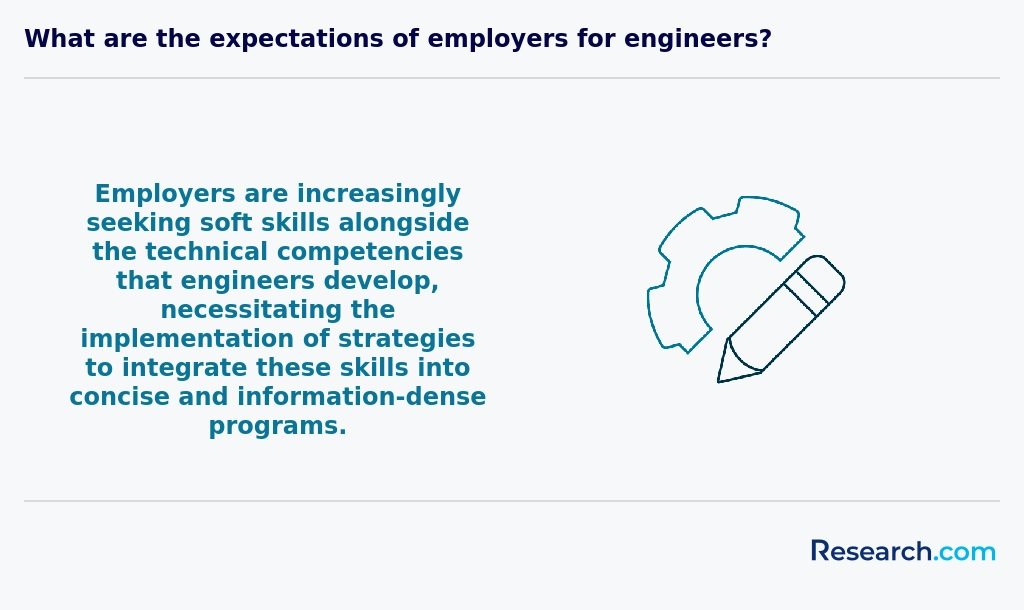
Graduates with an engineering degree in Boston find diverse career paths aligned with the city's dynamic industries. Popular roles include software and hardware engineers thriving in Boston's expansive tech sector, often fueled by collaborations with universities like MIT. Biomedical engineers frequently secure positions in healthcare and biotech, working with leading institutions such as Massachusetts General Hospital. Civil and environmental engineers contribute to Boston's ongoing urban development and sustainability initiatives, directly impacting community infrastructure and green energy projects.
Many graduates benefit from Boston's strong emphasis on research and development, working in academic or industrial labs affiliated with Harvard or other local research centers. Manufacturing and systems engineers also have promising opportunities within the city's established industries. These career options represent some of the best jobs for engineering graduates Boston offers, reflecting both the region's innovation focus and demand for skilled professionals.
Students pursuing these paths often seek practical experience alongside their studies, finding value in programs known for quality education and cost efficiency. For those exploring flexible options, the best accelerated associate degrees can supplement their engineering foundation and fast-track career entry.
The engineering job opportunities in Boston are strong and growing, driven by the city's vibrant tech, biotech, and clean energy sectors. Graduates from renowned local universities often find themselves recruited by top companies like GE Aviation and Raytheon Technologies, reflecting a competitive yet rewarding employment outlook. Many engineering students in Boston benefit from hands-on internships and collaborative projects that prepare them for dynamic roles in mechanical, electrical, and computer engineering fields.
Boston engineering degree employment outlook shows a promising 7% job growth over the next decade, making it an excellent choice for students aiming for job security and advancement. Starting salaries typically range from $70,000 to $85,000, encouraging graduates to stay in the area. Proximity to research hubs such as MIT facilitates continuous learning and networking, essential for career growth. For students seeking flexibility, exploring best college courses for older adults online can be an effective strategy to enhance skills without disrupting careers.
2027 Best Engineering Degree Programs Ranking in Boston
Investing in your education is a significant decision that can shape your future, and the Research.com team understands the importance of making informed choices. To assist prospective students in Boston, we have meticulously crafted the "2027 Best Engineering Degree Programs Ranking in Boston." Our commitment to quality, credibility, and accuracy is reflected in the extensive research and analysis conducted to compile this ranking.
We utilized the following reputable data sources to ensure a comprehensive evaluation of engineering programs:
By exploring this ranking, readers will gain valuable insights into the best engineering degree programs available in Boston, helping them make informed decisions about their educational paths. For more details on our methodology, please visit our Research.com methodology page.


# 7 position
University of Massachusetts-Boston
Bachelor of Science in Electrical Engineering curriculum


# 10 position
Benjamin Franklin Cummings Institute of Technology
Bachelor of Science in Electrical Engineering

Frequently Asked Questions About engineering
Engineering students in Boston can maximize their learning by taking advantage of the city's rich academic and professional resources. Boston hosts several top-tier engineering schools, which offer robust co-op and internship programs, allowing students to gain practical experience while studying. According to the National Association of Colleges and Employers, internships increase employment chances by over 60% upon graduation. Engaging with local tech startups and established companies in sectors like biotech and robotics also expands professional networks. Additionally, students should participate in research projects and student organizations, which stimulate collaboration and innovation. Boston's libraries and innovation hubs provide excellent study environments, enhancing both theoretical and applied learning.
Emerging niches within the engineering field are rapidly shaping education and careers in Boston. One leading area is biomedical engineering, supported by Boston's renowned medical research institutions and hospitals. According to the National Science Foundation, biomedical engineering degrees have grown nationally by 8% annually, driven by innovations in medical devices and healthcare technologies.
Another growing niche is renewable energy engineering. Boston's push for sustainable infrastructure creates demand for experts in solar, wind, and energy storage solutions. This aligns with Massachusetts' goal to reduce greenhouse gas emissions by 50% by 2030, increasing job prospects in green tech.
Robotics and artificial intelligence (AI) are also expanding fields, with Boston's tech companies investing heavily. The region's strong startup ecosystem fosters innovation in automation, machine learning, and advanced manufacturing engineering.
Preparing for the job market after completing an engineering degree in Boston involves strategically building both technical skills and professional connections. Boston is home to major industries including biotechnology, software, and aerospace, which demand engineers with practical experience.
Students should leverage internships and cooperative education opportunities offered by local universities and employers, as these provide real-world experience and often lead to job offers. According to the National Association of Colleges and Employers (NACE), engineering internships increase hiring likelihood by 16%.
Networking is crucial in Boston's competitive job market. Joining professional organizations like the Boston Society of Engineers or attending career fairs can facilitate valuable industry contacts.
Additionally, strong communication skills and proficiency in emerging technologies, such as AI and cybersecurity, enhance employability. Reports from the Massachusetts Technology Collaborative highlight that over 40% of local tech firms seek engineers with these competencies.
Employers in Boston seeking engineering degree graduates prioritize strong technical skills, including proficiency in software tools like MATLAB, AutoCAD, and programming languages such as Python or C++. According to a 2023 report from the Boston Planning & Development Agency, 78% of engineering employers emphasize these competencies.
Beyond technical know-how, problem-solving abilities and critical thinking are vital. Firms want graduates who can approach complex challenges with innovative solutions. Communication skills also rank highly, as engineers frequently collaborate across multidisciplinary teams.
Practical experience through internships or co-ops significantly boosts employability. The Massachusetts Technology Leadership Council highlights that 65% of Boston engineering employers prefer candidates with relevant hands-on projects.
Finding engineering internships in Boston involves leveraging local resources and industry connections. Boston hosts numerous engineering firms and technology companies, creating ample internship opportunities, especially in areas like biotechnology, software, and civil engineering. According to the Massachusetts Executive Office of Labor and Workforce Development, the Greater Boston area supports over 20,000 engineering jobs, increasing demand for interns.
Students should utilize university career centers, which often have partnerships with leading local employers such as Raytheon, General Electric, and Boston Scientific. Platforms like Handshake and LinkedIn also list Portland-area internships targeted toward engineering students. Attending local career fairs and joining professional organizations like the Boston Society of Engineers can expand networking possibilities.
Many internships are competitive; therefore, tailoring resumes and preparing for technical interviews is essential. The Massachusetts Institute of Technology and Northeastern University report that approximately 60% of their engineering students secure internships annually, highlighting the importance of early application and proactive engagement with companies.
Obtaining an engineering degree in Boston significantly enhances career mobility and advancement opportunities. The city hosts a strong technology and innovation hub, supported by leading companies in aerospace, biotech, and software engineering. According to the Massachusetts Technology Collaborative, over 250,000 highly skilled workers, including engineers, contribute to the region's economy.
Graduates with engineering degrees benefit from Boston's extensive network of employers seeking specialized skills, fostering faster job placements and promotions. Positions in Boston's engineering sector often offer competitive salaries, with median annual wages surpassing the national average by 15%, as reported by the U.S. Bureau of Labor Statistics.
Additionally, numerous professional organizations and continuous learning programs in Boston support career growth, enabling engineers to update skills critical for leadership roles and emerging technologies.
Engineering degrees in Boston emphasize interdisciplinary learning through collaborative projects and diverse coursework. Universities like MIT and Northeastern offer programs blending engineering with business, computer science, and life sciences, preparing students to tackle complex problems across fields.
Boston's engineering graduates benefit from connections with its strong biotech, robotics, and tech sectors. According to the Massachusetts Technology Collaborative, over 100,000 workers in the region are employed in STEM roles, indicating rich opportunities for interdisciplinary application.
Hands-on experience is encouraged through internships and research partnerships with nearby industries and hospitals, helping students apply engineering principles in varied real-world contexts. This exposure fosters adaptability and innovation essential for interdisciplinary careers.
Overall, Boston's academic and industry environment cultivates engineers capable of bridging technical knowledge with diverse disciplines for impactful solutions.
When choosing between a thesis and a non-thesis engineering degree program in Boston, students should consider their career goals and interests. Thesis programs typically involve original research and a written document, which can be beneficial for those aiming at a PhD or research-oriented roles.
Non-thesis programs usually focus more on coursework and practical skills, appealing to professionals seeking to enter or advance in industry faster. According to data from the Boston Higher Education Consortium, about 40% of local engineering master's students choose thesis tracks, often in specialized fields like biomedical engineering.
Cost, time commitment, and faculty expertise also influence decisions. Thesis programs often take longer and require close faculty mentorship, which is readily available in Boston's research-intensive universities.
Students in Boston interested in studying engineering abroad have several options through partnerships between local universities and international institutions. Universities like MIT and Boston University offer exchange programs allowing students to spend a semester or year at partner schools worldwide, enhancing their global experience.
Many Boston institutions participate in the National Society of Professional Engineers (NSPE) initiatives, promoting international student exchanges. According to the Institute of International Education, about 15% of US engineering students engage in study abroad programs, reflecting a growing trend.
Students can choose from numerous destinations including Europe, Asia, and Australia, often focusing on emerging technology hubs. Boston's strong engineering community supports these opportunities to broaden technical skills and cultural awareness.
Boston offers numerous part-time job opportunities that can enhance the education of engineering students. Many local technology companies and startups often hire interns or part-time workers for roles such as software development, data analysis, and engineering support. According to the Massachusetts Technology Collaborative, the tech sector in Boston grew by over 7% between 2020 and 2023, increasing demand for technical talent.
Additionally, universities such as MIT and Boston University frequently provide research assistant positions that allow students to gain hands-on experience in cutting-edge engineering projects. These roles typically pay between $15 and $25 per hour, depending on the complexity of the work.
Students can also find part-time positions in manufacturing firms around Boston, offering practical skills in mechanical or electrical engineering disciplines. Such roles help students apply theoretical knowledge while building valuable professional networks.
Boston offers engineering students numerous networking opportunities through its vibrant academic and professional communities. The city is home to top universities like MIT and Northeastern, which host events, career fairs, and industry panels connecting students with leading engineering firms.
Local chapters of professional organizations such as the American Society of Mechanical Engineers (ASME) and the Institute of Electrical and Electronics Engineers (IEEE) actively engage students with workshops, mentorship programs, and networking events.
Additionally, Boston's strong tech and biotech sectors provide internships and co-op placements that foster industry connections essential for career growth.
Alumni networks provide valuable benefits for engineering degree students in Boston by offering access to experienced professionals and industry connections. Many Boston-based engineering schools have alumni working in prominent local tech firms and innovation hubs, fostering mentorship and internship opportunities. According to the Boston Alumni Network Association, over 70% of engineering students find internships through alumni referrals. Networking events and workshops organized by these groups help students navigate career options and stay informed about emerging trends in fields like biotechnology and software engineering. This peer support can significantly enhance job placement rates and professional growth within Boston's competitive engineering sector.
Customizing an engineering degree program in Boston often involves selecting specialized tracks or concentrations within broader fields like mechanical, electrical, or civil engineering. Many Boston universities, including Northeastern and Boston University, offer flexible curricula allowing students to choose electives aligned with industry demands or personal interests. Students can also pursue cooperative education (co-op) programs to gain practical experience, which Boston's strong tech and biotech sectors support extensively.
Additionally, research opportunities at institutions such as MIT provide hands-on projects that deepen expertise. According to the National Center for Education Statistics, about 60% of Boston engineering students engage in internships before graduation, enhancing career readiness. Tailoring coursework, internships, and research aligns education with specific career goals effectively.
Engineering students in Boston face several common challenges during their studies. Many struggle with a rigorous curriculum that demands strong skills in math, science, and computer programming. According to a 2023 report by the American Society for Engineering Education, close to 40% of engineering students nationwide experience difficulty balancing intense coursework with practical lab sessions.
Additionally, the high cost of living in Boston adds financial pressure. The Massachusetts Institute of Technology and Boston University report that about 60% of their engineering students rely on part-time jobs or loans to cover expenses. Time management becomes crucial as students juggle classes, internships, and sometimes research projects.
Moreover, adjusting to evolving technologies in fields like robotics and renewable energy requires ongoing learning. Many students find it challenging to keep up with the latest tools and industry expectations while meeting academic requirements.
With an engineering degree from Boston-area institutions, graduates can pursue several recognized professional certifications to advance their careers. One prominent option is the Professional Engineer (PE) license, which permits engineers to offer services directly to the public. This certification requires passing the Fundamentals of Engineering (FE) exam, completing relevant work experience, and then passing the PE exam. Massachusetts, including Boston, has specific licensing requirements overseen by the Massachusetts Board of Registration of Professional Engineers.
Other valuable certifications include the Project Management Professional (PMP), which helps engineers manage complex projects effectively. Additionally, some fields in engineering may benefit from certifications like Certified Manufacturing Engineer (CMfgE) or Certified Systems Engineering Professional (CSEP).
These certifications enhance job prospects and earning potential in Boston's competitive engineering market, especially given the city's concentration of tech firms and research institutions, as reported by the Boston Planning & Development Agency in 2023.
Writing a strong application for an engineering program in Boston requires careful preparation. Start by highlighting your academic achievements, especially in math and science, as Boston's top engineering schools typically expect a high GPA in these subjects. According to the Massachusetts Department of Higher Education, many applicants to Boston's engineering programs have an average GPA above 3.5.
Next, craft a clear personal statement explaining your interest in engineering and why Boston appeals to you. Emphasize any relevant extracurricular activities or internships, particularly those connected to Boston's tech and innovation sectors, which bolster your application.
Include strong letters of recommendation from teachers or professionals who can attest to your skills and work ethic. Also, ensure you meet all standardized testing requirements, such as the SAT or ACT, although some Boston institutions have test-optional policies post-pandemic.
Finally, carefully follow each school's application instructions and deadlines. Schools in Boston like MIT, Northeastern, and Boston University are competitive, so attention to detail matters significantly.
Engineering careers have strong global demand, with the U.S. remaining a key hub for innovation and technology. In Boston, home to top universities such as MIT and Harvard, engineering graduates benefit from exposure to cutting-edge research and international networks. According to the U.S. Bureau of Labor Statistics, engineering jobs are projected to grow 7% from 2021 to 2031, reflecting global trends toward sustainable energy, robotics, and software development.
Internationally, engineers often collaborate on projects addressing climate change and infrastructure improvements, highlighting the profession's global relevance. Boston's engineering schools emphasize both local and global challenges, preparing students for careers worldwide.
Gaining practical experience while studying for an engineering degree in Boston is vital for career readiness. Many universities in the area, including prestigious institutions like MIT and Boston University, offer cooperative education (co-op) programs. These programs allow students to work full-time in their field for up to six months, gaining hands-on skills and professional networking opportunities.
Internships are another common route; according to the Boston Plan for Excellence, over 70% of engineering undergraduates secure internships with local companies such as Raytheon Technologies and Siemens before graduation. Participating in research projects led by faculty members can also enhance applied knowledge, as Boston universities receive significant federal engineering research funding.
Choosing the right concentration within an engineering degree program in Boston involves careful consideration of your interests, career goals, and the region's industry demands. Boston is a hub for biotechnology, robotics, and software development, influencing concentrations like biomedical, mechanical, and computer engineering.
Research local employers and emerging technologies to identify fields with strong job growth. The U.S. Bureau of Labor Statistics reports that Boston's engineering sector is projected to grow by approximately 8% through 2029, especially in areas related to renewable energy and AI.
Visit program websites to compare course offerings and faculty expertise. Accredited programs by ABET ensure quality education. Many Boston schools also offer internships and co-ops that connect students with leading companies, providing practical experience that supports concentration choices.
- 2027 Best Engineering Degree Programs Ranking in Cambridge
- 2027 Best Engineering Degree Programs Ranking in New York
- 2027 Best Engineering Degree Programs Ranking in Syracuse
- 2027 Best Engineering Degree Programs Ranking in Philadelphia
- 2027 Best Engineering Degree Programs Ranking in Rochester
- 2027 Best Engineering Degree Programs Ranking in Baltimore
- 2027 Best Engineering Degree Programs Ranking in Washington
- 2027 Best Engineering Degree Programs Ranking in Norfolk
- 2027 Best Engineering Degree Programs Ranking in Pittsburgh
- 2027 Best Engineering Degree Programs Ranking in Cleveland
See What Experts Have To Say About Studying Engineering
Read our interview with Engineering experts

Jasna Jankovic
Engineering Expert
Associate Professor
University of Connecticut


Joseph Reichenberger
Engineering Expert
Professor of Civil Engineering & Environmental Science
Loyola Marymount University

- The Rise of the Niche Engineer https://www.sterling-engineering.com/niche-engineer/
- Engineering Study Abroad Programs | Go Overseas https://www.gooverseas.com/study-abroad/engineering
- Engineering work experience | This is Engineering https://thisisengineering.org.uk/become-an-engineer/work-experience/
- New Ranking: The Best Alumni Networks https://poetsandquantsforundergrads.com/rankings/the-best-alumni-networks/
- Engineering Education | Role of Interdisciplinary Studies in Modern Engineering https://www.thestudentpocketguide.com/2024/07/student-life/education-career/engineering-education-interdisciplinary-studies-modern-engineering/
- Top Certification Courses for Advancing Engineering Careers - IJOER Engineering Journal Blog https://ijoer.com/blog/top-certification-courses-for-advancing-engineering-careers
- Careers https://www.boston-engineering.com/careers/
- Guide to Types of Engineering Programs and Careers https://www.ycp.edu/news/types-of-engineering-degree-programs
- Engineering Certifications Explained https://www.manpower.com/en/insights/blogs/engineering-certifications
- Top Engineering Jobs in Boston, MA https://www.builtinboston.com/jobs/search/engineering


